
Stereotactic radiosurgery (SRS) is a precise way to treat tumors and other issues in the brain and body. Even though it’s non-invasive, SRS can cause significant side effects. It’s important for patients to know the risks involved.Get the definitive answer: does stereotactic radiosurgery have side effects? Understand the potential acute and delayed reactions clearly.
About 30% of patients treated with SRS face some side effect, from mild to severe. These can include feeling tired, nausea, and serious issues like radiation necrosis or neurological problems. It’s key to understand these side effects to make informed treatment choices.
Key Takeaways
- SRS is a non-invasive radiation therapy used to treat brain tumors and other abnormalities.
- Side effects of SRS can range from mild to severe.
- Understanding the possible side effects is vital for patients considering SRS.
- Radiation necrosis and neurological deficits are among the possible serious complications.
- Patients should discuss their individual risks with their healthcare provider.
What is Stereotactic Radiosurgery?
Stereotactic radiosurgery (SRS) is a cutting-edge medical treatment. It uses precise radiation beams to target problems in the brain and body. This non-invasive method is a key option for treating many conditions with great accuracy.
Definition and Basic Principles
SRS is known for its precise radiation delivery. It uses multiple beams that focus on the target, protecting nearby tissues. This method treats tumors and other issues with little harm to healthy tissue.
The precision of SRS comes from advanced imaging and software. These tools guide the radiation, making the treatment safe and effective.
History and Development
The history of SRS spans decades, with major tech advancements. It started with brain treatments and now includes other body parts.
Over time, SRS has grown more advanced. Better imaging and radiation delivery have made it effective for more conditions.
Types of Stereotactic Radiosurgery Systems

There are several SRS systems, each with its own features and uses. The most well-known include:
- Gamma Knife: Uses cobalt sources for radiation. It’s great for brain tumors and some neurological issues.
- Linear Accelerator (LINAC): Creates radiation with accelerated electrons. LINAC-based SRS treats various conditions, including body tumors.
- Proton Beam Therapy: Treats tumors with protons instead of X-rays. It’s best for tumors near important structures.
Each system has its benefits. The choice depends on the patient’s needs and the condition being treated.
How Stereotactic Radiosurgery Works
Stereotactic radiosurgery (SRS) is a cutting-edge medical treatment. It uses advanced technology to send precise radiation doses to specific areas. This method is key in treating various conditions effectively while protecting healthy tissue.
Radiation Delivery Mechanisms
SRS uses complex systems to deliver radiation accurately. Beams from different angles converge on the target area. This ensures a high dose of radiation is applied precisely where it’s needed.
Precision Targeting Technology
The precision technology in SRS is a big leap from traditional radiation therapy. It uses advanced imaging like MRI and CT scans to pinpoint the target. This allows for radiation to be delivered with great accuracy, reducing harm to nearby tissue.
Differences from Conventional Radiation Therapy
SRS stands out from traditional radiation therapy in its precision and ability to deliver high doses in fewer sessions. Traditional therapy often needs many sessions over weeks. In contrast, SRS can be done in one to five sessions. Here are the main differences:
| Characteristics | Stereotactic Radiosurgery (SRS) | Conventional Radiation Therapy |
| Precision | High precision, targets specific areas | Less precise, affects larger areas |
| Number of Sessions | 1 to 5 sessions | Multiple sessions over several weeks |
| Dose of Radiation | High dose delivered in fewer sessions | Lower doses spread over more sessions |
The differences between SRS and traditional radiation therapy make SRS a top choice for certain conditions. It’s ideal for treatments needing precise targeting and high doses of radiation.
Common Applications of Stereotactic Radiosurgery
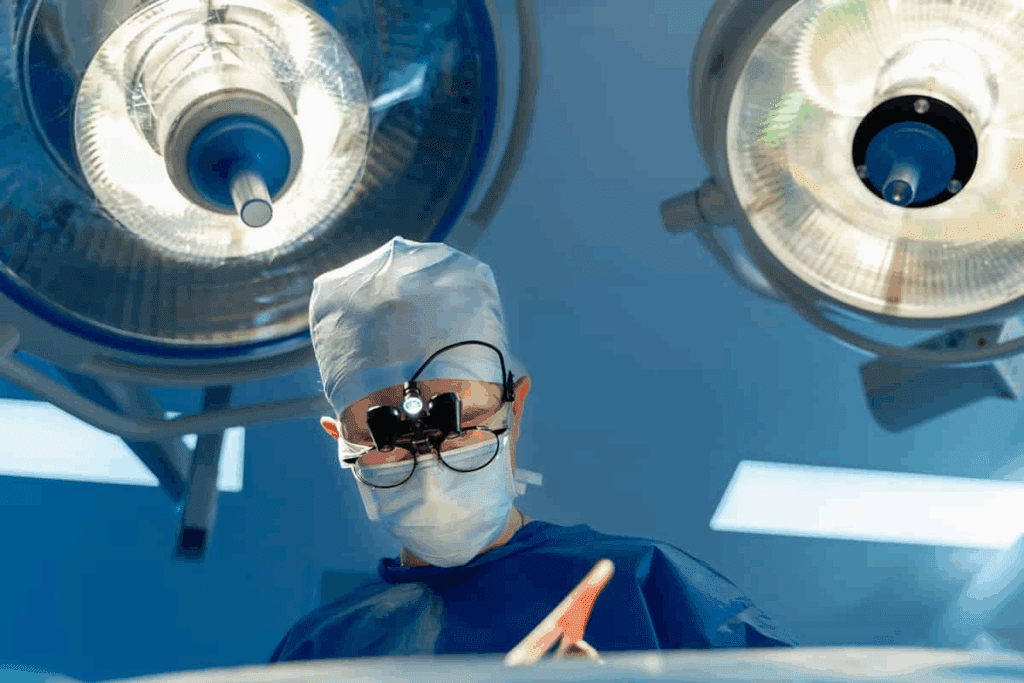
SRS can deliver precise, high doses of radiation. It’s used for many types of tumors and conditions. This precision makes it a key treatment option for various medical needs.
Brain Tumors and Metastases
SRS is often used for brain tumors, both benign and malignant, and metastases. It treats tumors near critical brain areas with great care. This reduces the risk of damage.
Using SRS for brain tumors and metastases is a big part of neuro-oncology. It’s a non-invasive option. This is great for patients who can’t have surgery because of tumor location or size.
Neurological Conditions
SRS is also used for some neurological conditions. It treats conditions like trigeminal neuralgia, which causes intense facial pain. It also treats arteriovenous malformations (AVMs), abnormal blood vessel formations.
The power of SRS in treating these conditions is its ability to precisely target the affected area. This reduces symptoms and improves patients’ quality of life.
Spine and Body Applications
SRS is not just for brain treatments; it’s also used for spine and body tumors. It precisely targets tumors, protecting healthy tissues nearby.
In spine and body treatments, SRS is a non-invasive option. It’s very helpful for patients with tumors that are hard to reach surgically or can’t be operated on.
The versatility and precision of SRS make it a valuable treatment for many medical conditions. It improves patient outcomes and quality of life.
The Stereotactic Radiosurgery Procedure Experience
The SRS experience is more than just the treatment. It includes detailed preparation and follow-up care. Knowing what to expect at each stage can help reduce anxiety and make the process smoother.
Pre-Treatment Planning and Preparation
The first step is thorough pre-treatment planning. This uses advanced imaging like MRI or CT scans to find the target area. Accurate targeting is key for treatment success. The team also calculates the best radiation dose and creates a personalized plan.
Patients might wear a stereotactic frame or a customized mask. This keeps their head steady during treatment. The prep phase is vital for reducing side effects and improving treatment results.
What Happens During Treatment
On treatment day, the SRS procedure can take a few minutes to hours, based on the case. Patients must stay very quiet, with their head fixed. The treatment is usually painless, but some might feel uncomfortable from being so steady.
The SRS machine sends precise radiation beams to the target. The medical team watches closely to make sure everything goes as planned.
Immediate Post-Procedure Care
After treatment, patients are watched for any immediate side effects. Most can go back to normal activities soon, but some might feel tired or have mild side effects. The team gives clear instructions on what to do next, including any follow-up visits and possible side effects.
Following these care instructions is important. It helps ensure the best results after the procedure.
Common Immediate Side Effects
It’s important for patients to know about the possible side effects of SRS before starting treatment. SRS is usually safe, but some side effects can happen right away. These are due to the radiation and how the body reacts to it.
Fatigue and Weakness
Fatigue is a common side effect of SRS. It can make you feel tired or very weak. The exact reason is not known, but it’s thought to be because of how the body reacts to radiation.
Patients should rest well and eat a balanced diet to fight fatigue.
Headache and Nausea
Headaches and nausea are also common side effects. They often happen if the treatment area is close to sensitive parts in the brain. These symptoms usually go away on their own and can be helped with medicine from your doctor.
Skin Reactions at Treatment Site
Skin reactions at the treatment site are rare with SRS. But they can happen. These might include redness, irritation, or dryness. Taking good care of your skin and avoiding harsh products can help.
Duration and Management
How long these side effects last can vary. They usually don’t last long, going away in a few days to weeks after treatment. To manage them, a mix of medicine, rest, and lifestyle changes is key.
It’s vital to follow your doctor’s advice on handling these side effects. This will help you get the best results from your treatment.
- Rest and adequate sleep to manage fatigue
- Medications to alleviate headache and nausea
- Proper skin care to prevent or manage skin reactions
- Balanced diet and hydration
Neurological Side Effects
Stereotactic radiosurgery (SRS) is a precise radiation therapy for brain and spine issues. It’s important to know about SRS side effects to set patient expectations right.
Cognitive Changes and Memory Issues
PageSpeed
Some SRS patients may face cognitive or memory problems. These can be mild or severe and last a while. The dose and where the radiation hits play big roles.
The chance of brain function decline varies by person. Research is ongoing to lessen this risk. To help, SRS aims to target radiation carefully and avoid healthy tissue.
Seizures and Risk Factors
Seizures are a possible side effect of SRS. Risk factors include past seizures, where the treatment is, and the dose. Those with seizure history are watched closely before and after treatment.
Anticonvulsant therapy might be used for high-risk patients. This choice depends on weighing benefits against risks for each patient.
Motor and Sensory Disturbances
After SRS, some people might experience motor or sensory issues. These could be weakness, numbness, or tingling. The severity depends on how precise the radiation is and the dose to nearby nerves.
Managing these issues might involve physical and occupational therapy. This helps patients regain lost functions and adjust to any lasting changes.
Radiation-Induced Brain Edema
Brain edema caused by radiation can happen after Stereotactic Radiosurgery (SRS). It’s more common when treating areas close to important brain parts. This swelling can cause brain symptoms and serious problems.
Symptoms and Clinical Presentation
The symptoms of brain edema from radiation can differ based on the swelling’s location and size. People might feel headaches, nausea, and vomiting. They could also have weakness or numbness in their body.
In severe cases, it can cause high pressure in the brain. This is very dangerous and needs quick treatment.
Clinical presentation might also show changes in mental state, like confusion. Symptoms can start a few days to weeks after SRS. It’s important to watch closely after the treatment.
Risk Factors for Developing Edema
Several things can make someone more likely to get brain edema after SRS. These include the size and where the lesion is, the radiation dose, and the patient’s health. Lesions near important brain areas or in sensitive spots are at higher risk.
| Risk Factor | Description | Impact on Edema Risk |
| Lesion Size | Larger lesions | Increased risk due to larger area exposed to radiation |
| Lesion Location | Near critical brain structures | Higher risk due to damage to sensitive areas |
| Radiation Dose | Higher doses | Increased risk as higher doses can cause more damage |
Treatment and Management Approaches
Dealing with brain edema from radiation needs a few steps. Doctors often use corticosteroids to reduce swelling and ease symptoms. Sometimes, treatments like hyperventilation or osmotic therapy are needed to handle high brain pressure.
The treatment plan depends on how bad the edema is and the patient’s health. It’s key to see a doctor often to adjust the treatment and handle any issues quickly.
Radiation Necrosis: A Long-Term Concern
Radiation necrosis is a serious side effect of Stereotactic Radiosurgery (SRS). It happens when the treated tissue dies due to radiation damage. This can greatly affect a patient’s quality of life after SRS.
What is Radiation Necrosis?
Radiation necrosis is when radiation from SRS damages the healthy brain tissue around the treated area. This damage leads to tissue death. It can show up months to years after treatment.
Symptoms and Diagnostic Challenges
The symptoms of radiation necrosis can be hard to tell apart from those of a tumor coming back. Common signs include headaches, seizures, and changes in thinking. MRI and PET scans are key for making an accurate diagnosis.
Treatment Options and Outcomes
Treatment for radiation necrosis varies based on how severe and where the necrosis is. Options include using corticosteroids to manage symptoms or surgery for severe cases. The treatment plan depends on the patient’s health and specific situation.
| Treatment Approach | Description | Outcomes |
| Corticosteroids | Reduce inflammation and swelling | Effective in managing mild to moderate symptoms |
| Surgical Intervention | Removal of necrotic tissue | Reserved for severe cases or when there’s significant mass effect |
| Hyperbaric Oxygen Therapy | Promotes healing by increasing oxygen delivery | Shows promise in some cases, though evidence is limited |
It’s important for both patients and doctors to understand radiation necrosis. Early detection and the right treatment can greatly improve outcomes.
Visual and Hearing Complications After Stereotactic Radiosurgery
Stereotactic radiosurgery (SRS) can cause visual and hearing problems. This is more likely when treating areas close to important sensory paths. It’s important for patients to know about these possible side effects before SRS.
Vision Changes and Disorders
Vision issues can happen with SRS, mainly if the treatment area is near the optic nerves or chiasm. pross M Page optic neuropathy, and other Page can occur Page to radiation Page.
- Blurred vision
- Double vision
These problems can be short-term or permanent. It depends on the dose and Page of Page.
Hearing Loss and Tinnitus
Hearing loss and tinnitus are also possible side effects of SRS. This is more common when treating areas near the auditory nerve. The risk goes up with higher doses and direct radiation to the nerve.
- Sensorineural hearing loss
- T Page Page tinnitus
- Page era ear fullness
These issues can greatly affect a person’s quality of life. It’s key to talk about managing these risks with a healthcare provider.
Risk Factors for Sensory Complications
Several factors can increase the risk of visual and hearing problems after SRS. These include the dose of radiation, the location of the lesion, and its size.
Higher radiation doses
Lesions near critical sensory structures
Management Strategies
Managing sensory complications after SRS requires a detailed plan. This includes medication, lifestyle changes, and sometimes more treatments. rival corticosteroids radiationant page disorders>. For hearing loss, hearing aids or cochlear implants might be options.
- Medications for controlling symptoms Press Page tinnitus
- Lifestyle adjustments to minimize Page impact
- Rehabilitation therapies Page auditory or visual rehabilitation
Endocrine and Hormonal Side Effects
SRS can affect the body’s hormonal balance, causing various endocrine side effects. The endocrine system, including glands like the pituitary, thyroid, and adrenal glands, is key. It regulates the body through hormone secretion.
Pituitary Gland Dysfunction
The pituitary gland is at risk during SRS, mainly when treating lesions near it. Dysfunction can cause hormonal imbalances, affecting the body in many ways. Symptoms include fatigue, weight changes, and hormonal deficiencies.
Pituitary gland dysfunction shows differently based on damage and affected hormones. It’s vital for patients to watch for hormonal imbalances after SRS.
Thyroid and Adrenal Effects
SRS can affect the thyroid and adrenal glands, either directly or indirectly. Thyroid problems can cause hypothyroidism or hyperthyroidism. Adrenal insufficiency can result from low hormone production.
Hormone replacement therapy (HRT) may be needed to manage these issues. The decision to start HRT should be based on hormone level assessments and clinical evaluation.
Diagnosis and Hormone Replacement Therapy
Diagnosing endocrine side effects involves clinical assessment, lab tests, and sometimes imaging studies. Once diagnosed, hormone replacement therapy can be tailored to meet individual needs. This helps alleviate symptoms and restore hormonal balance.
Managing endocrine side effects requires a team effort. Radiation oncologists, endocrinologists, and other healthcare professionals are involved. Understanding risks and implementing proper monitoring and treatment strategies helps patients deal with hormonal challenges after SRS.
Rare but Serious Complications
SRS can lead to rare but serious complications, even with its precise approach. It aims to avoid damage to nearby tissues. Yet, there are risks patients should know about.
Secondary Malignancies
One serious complication of SRS is secondary malignancies. The risk is very low, but it’s a concern with any radiation therapy. For those with life-threatening conditions, the benefits of SRS often outweigh the risks.
Risk factors for secondary malignancies include genetic predisposition, younger age, and high radiation doses. Knowing these risks helps patients make informed choices.
Vascular Complications
Vascular complications are another risk with SRS. They can damage blood vessels, leading to vasculitis or stroke. The risk is higher for those with existing vascular issues.
Careful planning and precise dosing are key to reducing vascular risks. Advanced imaging helps ensure the radiation targets the right area.
Cranial Nerve Damage
Cranial nerve damage is a possible complication of SRS, near critical structures. Symptoms can range from mild numbness to severe paralysis or vision loss.
The risk of cranial nerve damage can be lowered with careful planning. This includes advanced imaging and dose optimization. Patients should talk to their healthcare provider about their risks.
In summary, SRS carries rare but serious complications. Understanding these risks and taking steps to prevent them helps patients make better decisions about their treatment.
Factors Influencing Side Effect Risk
The risk of side effects from Stereotactic Radiosurgery (SRS) depends on several factors. These include the tumor’s size, type, and location, as well as the patient’s health. Knowing these factors helps manage patient expectations and improve treatment plans.
Tumor Size, Type, and Location
The size, type, and location of the tumor greatly affect side effect risk. Larger tumors often need higher radiation doses, which can harm nearby tissues. Tumors close to important areas like the brainstem or optic nerves are at higher risk.
Tumor Characteristics and SRS Side Effects
| Tumor Characteristic | Impact on SRS Side Effects |
| Tumor Size | Larger tumors increase the risk due to higher radiation doses |
| Tumor Type | Certain tumor types may be more resistant to radiation |
| Tumor Location | Tumors near critical structures increase the risk of side effects |
Radiation Dose and Fractionation Schedule
The dose and how often radiation is given are key factors. Higher doses and different schedules can change how severe side effects are and how likely they are to happen.
- Radiation Dose: Higher doses increase the risk of side effects.
- Fractionation Schedule: The schedule affects how the body responds to radiation.
Patient-Specific Risk Factors
Each patient’s health, age, and past treatments also play a role. Patients with certain health issues or who have had radiation before may face higher risks.
Healthcare providers can tailor SRS treatments to reduce risks and improve results by understanding these factors.
Managing and Minimizing Side Effects
Patients getting Stereotactic Radiosurgery (SRS) can use many ways to handle side effects. A good plan includes medical help, lifestyle changes, and support. This mix helps manage SRS side effects well.
Medications for Symptom Control
Medicines are key in controlling SRS symptoms like headaches and nausea. The right medicine and dose vary based on the patient’s side effects.
Common medications used for symptom control include:
- Corticosteroids to reduce swelling and inflammation
- Anti-nausea medications to manage nausea and vomiting
- Anticonvulsants to prevent seizures
- Pain relievers to manage headache and other pain
Lifestyle Modifications and Supportive Care
Changing your lifestyle and getting support are key in managing SRS side effects. This can include:
- Dietary changes to manage nausea and maintain nutrition
- Rest and relaxation techniques to reduce fatigue
- Physical activity tailored to the patient’s condition and abilities
- Emotional support from family, friends, and support groups
Supportive care can greatly improve a patient’s quality of life during and after SRS.
Rehabilitation Approaches
Some patients might need rehab to regain lost functions or manage long-term effects. Rehab can include:
| Rehabilitation Type | Description | Benefits |
| Physical Therapy | Helps patients regain strength, mobility, and function | Improves physical function, reduces disability |
| Occupational Therapy | Assists patients in performing daily activities and tasks | Enhances independence, improves quality of life |
| Speech Therapy | Helps patients regain communication skills | Improves communication, reduces frustration |
Follow-up Care Importance
Regular follow-up care is vital for managing SRS side effects. It lets the healthcare team adjust treatment plans as needed.
By using a full approach to manage SRS side effects, patients can lessen their impact. This improves their overall quality of life.
When to Seek Medical Attention
Patients getting SRS should watch for signs of serious problems. Look out for severe headaches, confusion, trouble speaking, or numbness in the face, arm, or leg. If you notice these, get medical help right away.
| Symptom | Possible Complication | Action Required |
| Severe Headache | Radiation-induced edema or necrosis | Seek immediate medical attention |
| Confusion or Difficulty Speaking | Neurological damage or seizure | Contact Page Page Page Page Page healthcare provider immediately Page2> |
| Numbness or Weakness | Radiation effect on cranial nerves | Report to emergency department |
Emergency Symptoms Requiring Immediate Care
There are emergency symptoms that need quick action. These include severe allergic reactions, status epilepticus, or anything that badly affects brain function. It’s smart to have a plan for emergencies, like knowing your healthcare provider’s contact info.
Effective Communication with Your Healthcare Team
Talking well with your healthcare team is key after SRS. You should ask questions about your treatment, report any new symptoms, and ask for clear instructions. Also, don’t skip follow-up appointments. They help catch side effects early and adjust treatment plans.
Knowing the warning signs and talking openly with your healthcare team can help avoid risks with SRS. This way, you can get the best results from your treatment.
Comparing Side Effects: Stereotactic Radiosurgery vs. Alternative Treatments
Stereotactic Radiosurgery (SRS) is a precise, non-invasive treatment. But how does it compare to conventional radiation therapy and surgery in terms of side effects? Knowing these differences is key to making the right treatment choice.
Conventional Radiation Therapy Comparison
When looking at SRS and conventional radiation therapy, some side effect differences stand out. Conventional therapy is given in many sessions, which can harm more healthy tissue. SRS, on the other hand, targets the tumor precisely in one session, reducing harm to nearby tissues.
Key differences in side effects include:
- Less damage to surrounding healthy tissue with SRS due to its precision.
- Conventional radiation therapy may result in more fatigue and broader side effects due to the larger area treated.
- SRS typically has a shorter treatment duration, often completed in one session, compared to several weeks for conventional radiation therapy.
SRS vs. Surgical Intervention
Surgery and SRS have different side effect profiles. Surgery removes or destroys tissue, causing immediate changes. SRS, being non-invasive, avoids these risks but may cause radiation-related side effects.
Notable differences include:
- Surgery carries risks associated with anesthesia, infection, and damage to surrounding structures.
- SRS, being non-invasive, avoids these risks but may have side effects related to radiation, such as radiation necrosis or edema.
- The recovery time for SRS is typically shorter than for surgery, as it does not involve physical incisions or tissue removal.
Quality of Life Considerations
The impact of SRS and alternative treatments on a patient’s quality of life is important. Treatment duration, recovery time, and side effects all affect quality of life during and after treatment.
Quality of life factors to consider:
- The precision of SRS can lead to fewer long-term side effects, potentially improving quality of life.
- Conventional radiation therapy and surgery may have more immediate impacts on quality of life due to their broader effects on the body.
- Rehabilitation needs and supportive care may vary significantly between SRS, conventional radiation therapy, and surgery.
Risk-Benefit Analysis for Different Conditions
When comparing SRS to other treatments, a risk-benefit analysis is needed. The type, size, and location of the lesion or tumor, as well as the patient’s overall health, are key factors.
Key considerations include:
- The possible better side effect profile of SRS for certain conditions, like small, well-defined tumors.
- The role of conventional radiation therapy in treating larger or more diffuse lesions.
- The necessity of surgery for lesions that are not responsive to radiation or require immediate decompression or removal.
In conclusion, comparing SRS side effects to those of other treatments requires a detailed understanding of each option and the patient’s condition. By carefully weighing benefits and risks, healthcare providers and patients can make informed choices that improve outcomes and quality of life.
Conclusion: Balancing the Benefits and Risks of Stereotactic Radiosurgery
Stereotactic Radiosurgery (SRS) is a powerful treatment with big benefits. But, it also has risks and side effects. It’s important to think about each patient’s needs and goals when deciding on SRS.
SRS is precise and doesn’t require surgery, making it a good choice for many conditions. Yet, it can cause side effects like brain swelling and tissue damage. These must be considered against the treatment’s benefits.
Managing SRS side effects involves a detailed plan. This includes medicines, changes in lifestyle, and rehab. Knowing the risks and benefits helps doctors and patients make the best choices.
Understanding SRS fully is key to balancing its benefits and risks. Healthcare providers must consider each patient’s unique situation. This way, they can create the best treatment plans and improve outcomes.
FAQ
What is Stereotactic Radiosurgery (SRS)?
Stereotactic radiosurgery (SRS) is a non-invasive treatment. It uses precise radiation beams to target specific areas, like the brain.
What are the common applications of SRS?
SRS is used to treat brain tumors, metastases, and neurological conditions. It’s also used for some spine and body applications.
What are the immediate side effects of SRS?
Right after SRS, you might feel tired, have headaches, nausea, or skin reactions at the treatment site.
Can SRS cause neurological side effects?
Yes, SRS can lead to neurological side effects. These include cognitive changes, memory issues, seizures, and motor and sensory disturbances, depending on the area treated.
What is radiation-induced brain edema?
Radiation-induced brain edema is a complication of SRS. It happens when treating lesions near critical brain structures. It causes swelling and serious symptoms.
What is radiation necrosis?
Radiation necrosis is a serious side effect of SRS. It occurs when the radiation dose damages normal brain tissue. This leads to necrosis, with symptoms similar to tumor recurrence.
Can SRS cause visual and hearing complications?
Yes, SRS can cause visual and hearing complications. These include vision changes, hearing loss, and tinnitus, when treating lesions near critical sensory pathways.
How can endocrine and hormonal side effects be managed?
Endocrine and hormonal side effects, like pituitary gland dysfunction, can be managed. This is done with hormone replacement therapy and careful monitoring.
What are the rare but serious complications of SRS?
Rare but serious complications of SRS include secondary malignancies, vascular complications, and cranial nerve damage. These can occur depending on the location and dose of radiation.
How can side effects be minimized?
Side effects can be minimized through careful treatment planning and precise radiation delivery. Medications for symptom control, lifestyle modifications, and supportive care also help.
When should I seek medical attention after SRS?
Seek medical attention immediately if you have severe headache, confusion, difficulty speaking, or other warning signs of serious complications.
How does SRS compare to alternative treatments in terms of side effects?
SRS has a different side effect profile compared to conventional radiation therapy and surgical intervention. The choice of treatment depends on individual patient factors and condition-specific considerations.
References
National Center for Biotechnology Information. Evidence-Based Medical Insight. Retrieved from https://pubmed.ncbi.nlm.nih.gov/25978710/