
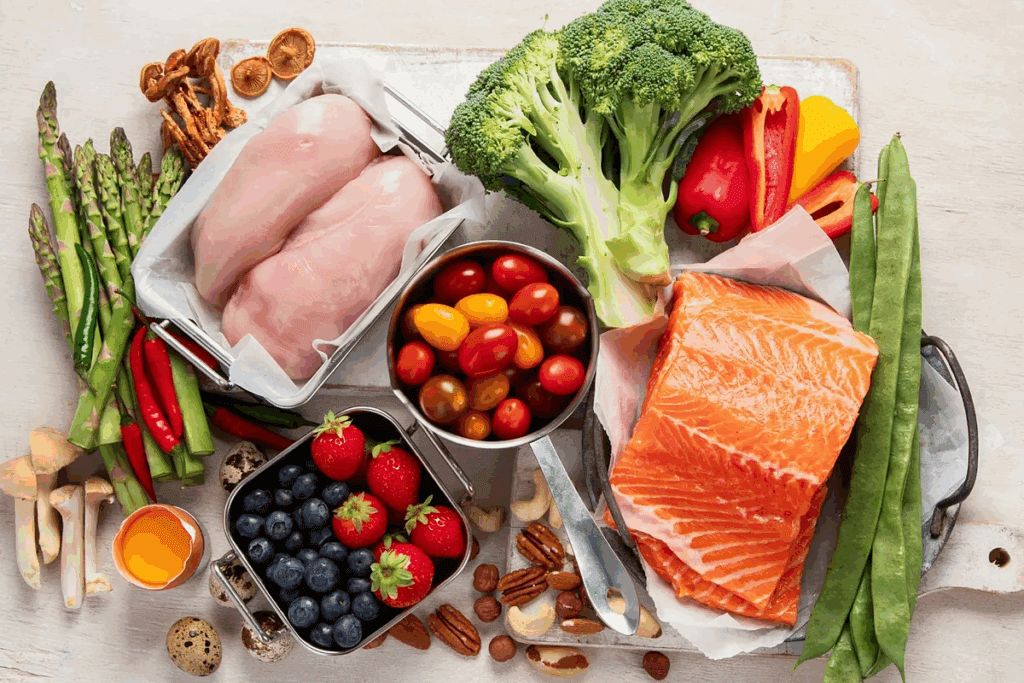
Losing weight after getting a gastric band is a long-term goal. It needs a special diet plan. Patients can lose 28-65% of their weight in the first two years. It’s key to follow the right lap band diet rules.
Explaining the phases and consistency of the stomach band diet (Lap-Band).
We know that getting the right nutrition is vital. Our guide will help you understand the gastric band diet after surgery. You’ll learn about different diet stages, what foods to eat, and how to change your lifestyle.
Key Takeaways
- Understand the importance of a specialized diet after gastric banding surgery.
- Learn about the dietary stages and nutritional guidelines to follow.
- Discover necessary lifestyle adjustments for optimal weight loss and overall health.
- Recognize the role of personalized nutritional support in your journey.
- Follow evidence-based care pathways for sustainable weight loss.
Understanding the Lap Band Procedure
For those thinking about this weight loss surgery, it’s key to know about the lap band procedure. It’s a reversible surgery that puts an adjustable band around the upper stomach.
What is Gastric Banding Surgery?
Gastric banding surgery is a weight loss method. It involves placing a band around the upper stomach, making a small pouch. This surgery limits food intake and slows down how fast food leaves the stomach, helping with weight loss.
How the Lap Band Creates a Smaller Stomach Pouch
The lap band is placed around the upper stomach, making a small pouch. This pouch can only hold a little food. It makes people feel full faster and helps prevent overeating. The band can be adjusted to help reach the best weight loss.
Expected Weight Loss Results
People who get gastric banding surgery can lose a lot of weight in the first two years. They might lose 28% to 65% of their extra weight. The exact weight loss depends on their starting weight, health, and following the diet after surgery.
| Timeframe | Expected Weight Loss |
|---|---|
| First Year | 28-40% of excess weight |
| Second Year | 40-65% of excess weight |
The lap band procedure is reversible, giving people the chance to adjust as needed. Knowing how the lap band works and what to expect can help in making the right choice for weight loss.
Preparing for Your Lap Band Surgery
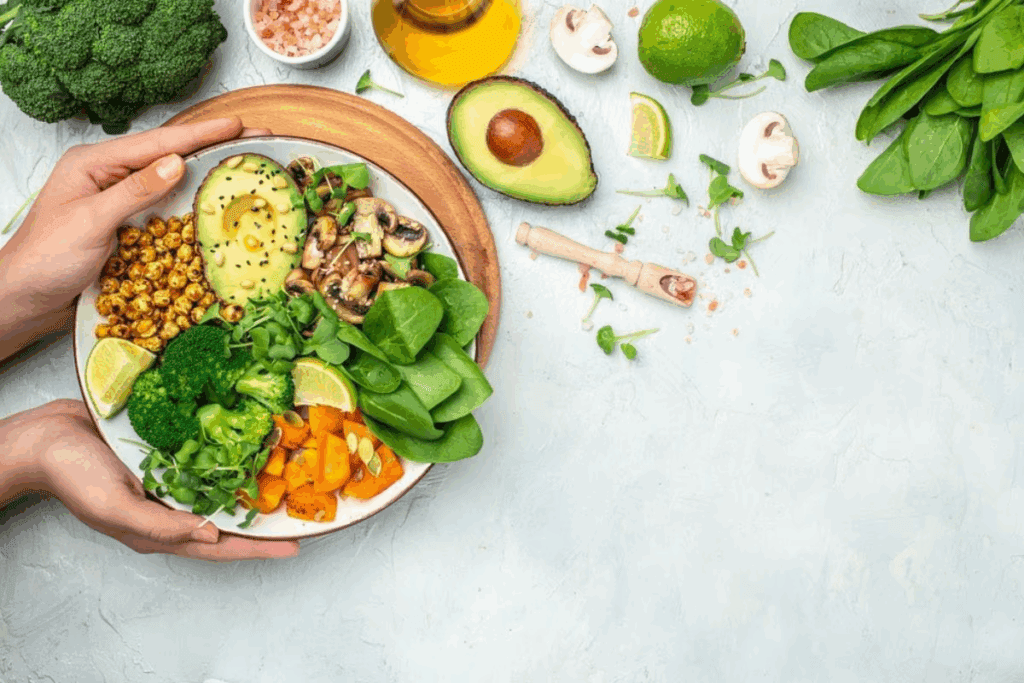
Before lap band surgery, you need to get ready. This means following certain dietary guidelines and taking nutritional supplements. It’s important to make sure your body is ready for the surgery and the lifestyle changes that come with it.
Pre-Surgery Dietary Guidelines
Eating a balanced diet with plenty of protein is key before surgery. This keeps you healthy and prepares your body for the diet changes after surgery.
- Eat lean proteins like chicken, fish, and eggs.
- Include a variety of vegetables and fruits in your diet.
- Avoid high-calorie, high-fat foods and sugary drinks.
Essential Nutritional Supplements
Start taking B-complex vitamins and other supplements before surgery. This helps prevent nutritional deficiencies after surgery.
| Supplement | Recommended Daily Intake | Purpose |
|---|---|---|
| B-Complex Vitamins | 1 tablet | Prevents vitamin deficiency |
| Protein Supplements | 60-80 grams | Supports muscle mass |
| Multivitamin | 1 tablet | Ensures overall nutritional balance |
Mental Preparation for Lifestyle Changes
Getting mentally ready for lifestyle changes after surgery is also important. Understand that surgery is just the start of a healthier life.
Counseling or support groups can help with the emotional side of weight loss.
By following these steps, you can prepare well for lap band surgery and the lifestyle changes that follow. This will help you on your journey to successful weight loss and better health.
The Complete Stomach Band Diet Overview
Learning about the stomach band diet is key for losing weight and staying healthy after surgery. The diet has different phases. Each phase helps the body heal and adjust to the new stomach size.
Why Dietary Compliance is Essential for Success
Following the diet closely is vital for losing weight and staying healthy. By sticking to the diet plan, patients can avoid complications and have a smoother recovery.
Key benefits of dietary compliance include:
- Optimal weight loss
- Reduced risk of complications
- Improved overall health
Understanding the Four Post-Op Dietary Phases
The stomach band diet has four phases after surgery. These phases are clear liquids, pureed foods, soft foods, and regular foods. Each phase adds more food types as the stomach heals.
- Clear Liquids: This first phase focuses on staying hydrated with easy-to-digest liquids.
- Pureed Foods: As healing progresses, patients move to pureed foods. These are soft and easy to digest.
- Soft Foods: The third phase introduces soft proteins and steamed veggies. It expands the diet while keeping digestion gentle.
- Regular Foods: The final phase slowly adds solid foods. This helps find foods that work well and builds a lasting eating plan.
Setting Realistic Expectations for Your Journey
It’s important for patients to have realistic goals for weight loss. Knowing the journey is slow and patience is needed helps manage expectations and avoid frustration.
“The key to successful weight loss is not just about following a diet, but adopting a sustainable lifestyle change.” Expert Opinion
By understanding the stomach band diet and its phases, patients can navigate their weight loss journey better. This leads to a healthier and more lasting lifestyle.
Phase 1: Clear Liquid Diet (2-3 Weeks Post-Op)
After Lap Band surgery, it’s key to stick to a clear liquid diet for 2-3 weeks. This helps your stomach heal and get used to the Lap Band. You’ll eat clear liquids and protein supplements that are easy on your stomach and give you the nutrients you need.
Approved Clear Liquids and Protein Supplements
During this time, you can drink various clear liquids, such as:
- Broth (chicken or beef)
- Clear soups
- Electrolyte-rich beverages like sports drinks
- Protein supplements made for post-Lap Band patients
Choose protein supplements that are low in sugar and high in protein. They help meet your nutritional needs. Talk to your healthcare provider or a nutritionist to find the best protein supplements for you.
Hydration Guidelines (Sipping Techniques)
Staying hydrated is very important during this diet. Drink fluids slowly all day to avoid dehydration. Avoid using straws because they can make you swallow air and feel uncomfortable. Instead, sip from a cup or glass. Drink at least 64 ounces of fluid daily, but your healthcare provider may give you specific guidelines.
Avoiding Common Mistakes During Phase 1
To smoothly go through the clear liquid diet phase, watch out for common mistakes. These include:
- Drinking too fast, which can cause discomfort or vomiting
- Not getting enough protein, leading to nutrient deficiencies
- Not following hydration guidelines, which can cause dehydration
By knowing these common mistakes and following your healthcare team’s advice, you can successfully get through this phase. This will help you have a good experience with your Lap Band in the long run.
Phase 2: Pureed Foods (Weeks 3-4)
In Phase 2, we move to pureed foods that are rich in protein and smooth. This step is key as it helps our stomach get ready for more solid foods. It’s part of the lap band diet journey.
Transitioning to Protein-Rich Pureed Foods
When we start eating pureed foods, it’s important to choose protein-rich ones. This helps our body heal and keeps our muscles strong. The foods should be smooth and easy to digest.
Recommended Sources: Pureed Chicken, Fish, Low-Fat Yogurt
Here are some good sources for pureed foods:
- Pureed chicken
- Fish
- Low-fat yogurt
These foods are not just high in protein but also full of important nutrients. Trying different flavors can make the diet more enjoyable.
Food Consistency and Preparation Techniques
Getting the right food consistency is important in this phase. Foods should be blended until they’re smooth. This helps avoid any discomfort or problems.
Using a blender or food processor is a good way to get the right consistency. Straining the food can also help remove any lumps or fibers. This makes it easier to digest.
Phase 3: Soft Foods (Weeks 5-6)
In weeks 5-6, we start with soft foods that are easy on our stomach. These foods give us the nutrients we need. This phase helps our stomach get used to the Lap Band by moving from pureed to more solid textures.
Introducing Soft Proteins: Fresh Fish, Eggs, Cottage Cheese
We begin adding soft proteins that are easy to digest. Fresh fish like cod or salmon is great because it’s soft and full of protein. Eggs are versatile and can be boiled, scrambled, or made into omelettes. Cottage cheese is also good for its protein and smooth texture.
We can try different recipes with these proteins. For example, we can make a fish salad with soft veggies like avocado. Or, scrambled eggs with steamed spinach is a nutritious choice.
Adding Skinned Fruits and Steamed Vegetables
We also add skinned fruits and steamed vegetables to our diet. Skinned fruits like apples or peaches are easy to digest and full of vitamins and fiber. Steamed veggies like broccoli, carrots, and green beans are soft and packed with nutrients.
- Apples (skinned and sliced)
- Peaches (skinned and diced)
- Broccoli (steamed until tender)
- Carrots (steamed and sliced)
Foods to Avoid During the Soft Food Phase
It’s also key to know what to avoid. In Phase 3, we should stay away from tough meats, dry bread, and raw vegetables. These can be hard to digest and may cause stomach issues.
| Food Category | Recommended Foods | Foods to Avoid |
|---|---|---|
| Proteins | Fresh fish, eggs, cottage cheese | Tough meats, dry poultry |
| Fruits | Skinned apples, peaches | Raw berries, citrus fruits |
| Vegetables | Steamed broccoli, carrots | Raw vegetables, corn |
As we move through Phase 3, listening to our body is key. If we feel uncomfortable or have trouble digesting certain foods, we should talk to our healthcare provider.
Phase 4: Regular Foods (Week 7 and Beyond)
The final phase of your Lap Band diet is about adding solid foods slowly. This starts around week 7 after surgery. It’s important to watch how your body reacts to new foods.
Gradual Introduction of Solid Foods One at a Time
When adding solid foods, start small. Watch how your body reacts. If you feel pain or have trouble swallowing, stop and talk to your doctor.
Start with soft foods like cooked veggies, fruits, and lean meats. As you get used to it, you can try different textures. But always think about how your stomach feels.
Creating a Sustainable Eating Pattern
Creating a sustainable eating pattern is key for lasting success with your Lap Band. Eat foods rich in nutrients like lean proteins, whole grains, and lots of veggies. Stay away from foods high in calories, fat, or sugar.
Eat regularly, with three main meals and one or two snacks a day. Your doctor will tell you how often. This helps keep your weight healthy and avoids problems.
Foods That May Never Be Tolerated After Lap Band
Some foods are hard to digest after Lap Band surgery. These include tough meats, dry bread, or raw veggies. If eating certain foods hurts, it’s best to skip them.
Keep a food diary to see which foods you can handle. This helps you make smart choices and eat comfortably.
Essential Nutrition Guidelines for Long-Term Success
Nutrition is key for lap band patients’ long-term success. After surgery, following specific nutrition guidelines is vital. This helps achieve and keep up significant weight loss.
Protein Requirements
It’s important to eat enough protein after lap band surgery. Aim for 60-80 grams of protein daily. Focus on high-protein foods like lean meats, fish, eggs, and dairy.
| Food | Protein Content (grams) |
|---|---|
| Chicken Breast (3 oz) | 26 |
| Lean Beef (3 oz) | 22 |
| Fish (Salmon, 3 oz) | 20 |
| Egg (1 large) | 6 |
| Greek Yogurt (1 cup) | 20 |
Vitamin and Mineral Supplementation Protocol
After surgery, patients might need vitamin and mineral supplements. Always follow your healthcare provider’s supplement plan. Common supplements include multivitamins, calcium, vitamin D, and vitamin B12.
“Proper supplementation is critical to avoid nutritional deficiencies after gastric banding surgery.” – Medical Expert, Bariatric Surgeon
Hydration Strategies
Drinking enough water is vital, but drinking with meals can cause discomfort. Drink fluids between meals instead.
Portion Control Techniques
With a smaller stomach, controlling portions is essential. Eat small, frequent meals and stop when satisfied, not full. Using a food scale and measuring cups helps manage portions.
- Eat slowly and chew food well
- Use smaller plates to control portions
- Avoid high-calorie foods
By sticking to these nutrition guidelines, lap band patients can achieve lasting success. This improves their health and well-being.
Lifestyle Adjustments for Gastric Banding Success
Success with gastric banding is not just about surgery. It also requires big changes in your lifestyle. After lap band surgery, you’ll need to get used to new ways of eating, exercising, and socializing. These changes help you lose weight and stay healthy.
Proper Eating Techniques
Learning proper eating techniques is key. You should eat small bites and chew well to avoid discomfort and digest food right. Eating slowly and enjoying your food helps you feel full and prevents overeating.
| Eating Technique | Benefit |
|---|---|
| Eating small bites | Reduces risk of overeating and discomfort |
| Chewing thoroughly | Enhances digestion and nutrient absorption |
| Eating slowly | Improves satisfaction and reduces hunger |
Exercise Recommendations After Lap Band Surgery
After surgery, exercise is essential for keeping weight off and staying healthy. Start with easy activities like walking or swimming. As you get better, you can do more intense workouts. Exercise helps burn calories, keeps muscles strong, and supports bone health.
Here’s a simple exercise plan:
- Week 1-2: Gentle walking (10-15 minutes, 3 times a day)
- Week 3-4: Brisk walking (30 minutes, 5 times a week)
- Week 5 and beyond: Incorporating strength training and high-intensity interval training (HIIT)
Managing Social Situations and Dining Out
It can be tough to handle social situations and dining out after lap band surgery. You need to be careful about what you eat and how much. Plan your meals, choose healthy restaurants, and speak up about your dietary needs.
Here are some tips for eating out:
- Selecting protein-rich dishes
- Avoiding high-calorie sauces and gravies
- Opting for steamed or grilled vegetables
Developing New Habits for Sustainable Weight Loss
Developing new habits is key for lasting success. Keep a food diary, track your progress, and drink plenty of water. Be ready for challenges like food intolerances and plateaus, and ask for help when needed.
By making these lifestyle changes, you can lose weight and improve your health and life quality.
Troubleshooting Common Lap Band Diet Challenges
Patients on the lap band diet often face several challenges that can impact their weight loss journey. Understanding how to navigate these issues is key for long-term success.
Dealing with Food Intolerances and Vomiting
Food intolerances and vomiting are common after lap band surgery. If you experience persistent vomiting or intolerance to certain foods, it’s essential to adjust your eating habits. Start by identifying the foods that cause discomfort and avoid them. Common culprits include tough meats, dry bread, and fibrous vegetables. If vomiting persists, consult your healthcare provider to rule out any band-related issues.
Eating slowly, chewing food thoroughly, and taking small bites can help minimize discomfort. Choosing soft, moist foods can make a big difference. If you’re experiencing frequent vomiting, consider temporarily reverting to a previous diet phase to allow your stomach to recover.
Managing Hunger and Cravings Between Meals
Hunger and cravings can be challenging to manage, even in the initial phases of the lap band diet. Staying hydrated is key, as thirst can masquerade as hunger. Drinking water throughout the day can help curb unnecessary snacking. Consuming protein-rich foods and supplements can also help keep you fuller for longer.
If you’re experiencing persistent hunger, consider adjusting your protein intake or consulting with a nutritionist to develop a personalized meal plan. Eating frequent, small meals can also help maintain stable energy levels.
Addressing Weight Loss Plateaus
Weight loss plateaus are a normal part of the weight loss journey and can occur even with strict adherence to the lap band diet. Reviewing your eating habits and physical activity levels can help identify areas for improvement. Keeping a food diary to track your intake and ensure you’re meeting your nutritional needs is helpful.
If you’ve been exercising regularly and not seeing progress, it may be time to adjust your exercise routine or consult with a healthcare professional for guidance. Sometimes, a slight adjustment to the lap band may be necessary to restart weight loss.
When to Contact Your Healthcare Provider
It’s essential to know when to seek medical attention. If you experience severe vomiting, abdominal pain, or difficulty swallowing, contact your healthcare provider immediately. Also, if you notice signs of infection, such as fever or redness around the band site, seek medical help.
Regular follow-ups with your healthcare provider are key for monitoring your progress and addressing any concerns. Don’t hesitate to reach out if you’re unsure about any aspect of your diet or overall health.
Conclusion
We’ve shown you how to follow a lap band diet, a key part of losing weight with gastric banding. By sticking to the diet stages and making lifestyle changes, people can lose a lot of weight. This also improves their health.
The lap band diet is more than a meal plan. It’s a way to live a healthier life. By sticking to the diet and lifestyle changes in this guide, people can keep losing weight. They’ll also enjoy long-term health benefits.
As we end this guide, remember that losing weight is a long journey. It takes dedication, patience, and understanding the lap band diet. By following this guide, people can reach their weight loss goals. They’ll live a healthier, happier life.
FAQ
What is the purpose of the lap band diet after gastric banding surgery?
The lap band diet helps patients after surgery. It supports weight loss and improves health with a structured diet.
How long does it take to recover from lap band surgery?
Recovery time is about 2-3 weeks. During this time, patients follow a clear liquid diet.
What foods should I avoid after lap band surgery?
Avoid foods high in sugar, fat, and calories. Also, steer clear of carbonated drinks, tough meats, and high-fiber foods.
How much protein should I consume daily after gastric banding?
Aim for 60-80g of protein daily. This supports weight loss and health.
Can I drink alcohol after lap band surgery?
It’s best to avoid or limit alcohol. It can cause discomfort and nutritional issues.
How do I manage hunger and cravings between meals?
Drink water, eat protein-rich supplements, and have small meals. Mindful eating helps too.
What are the common challenges after lap band surgery, and how can I troubleshoot them?
Challenges include food intolerances and hunger. Adjust your diet and eat mindfully. Seek help from your healthcare provider.
Can I have gastric band removal, and what is the recovery time?
Gastric band removal is possible. Recovery time varies. Talk to your healthcare provider for details.
How do I know if I’m experiencing a weight loss plateau, and what can I do about it?
A plateau means weight loss slows. Adjust your diet and increase activity. Get help from your healthcare provider.
Are there any long-term nutritional supplements I need to take after gastric banding?
Yes, take vitamin and mineral supplements. They ensure you get the nutrients you need.
Can I exercise after lap band surgery, and what are the recommendations?
Yes, start with gentle exercises like walking. Gradually increase intensity and duration as you recover.
References
National Center for Biotechnology Information. Evidence-Based Medical Guidance. Retrieved from https://www.ncbi.nlm.nih.gov/pmc/articles/PMC5347111/