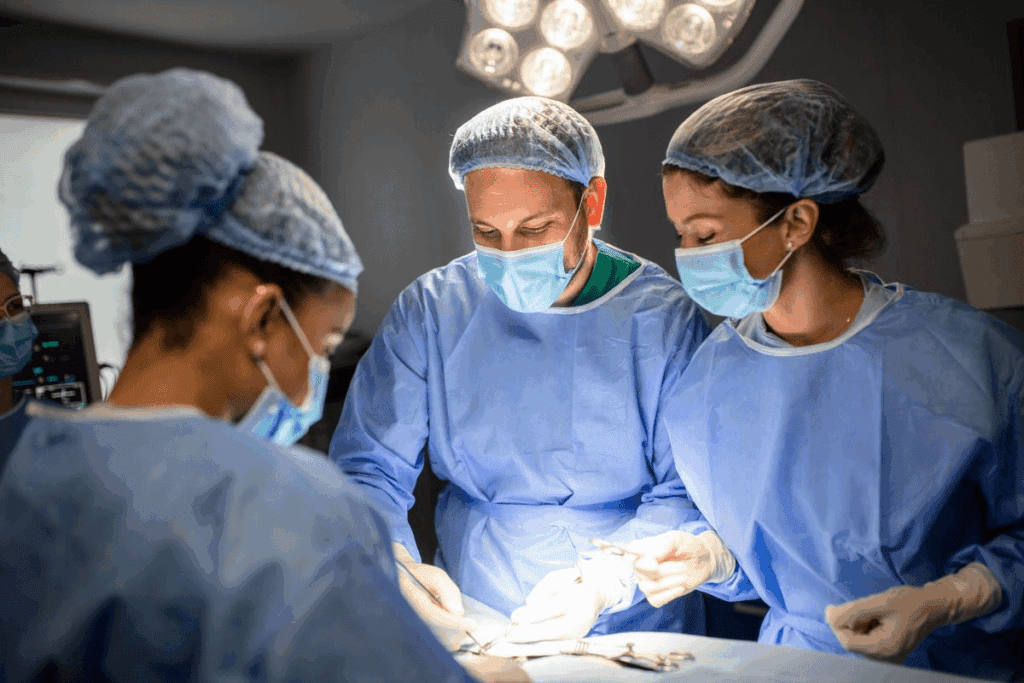
In 2020, nearly 252,000 people had bariatric surgery. This is a big step for those looking to lose a lot of weight. Bariatric surgery changes your life, affecting your health, like how your stomach works.
It’s important for patients to know how bariatric surgery changes the stomach. The surgery changes the gastric sleeve anatomy post-surgery. Knowing what to expect is key to success.
Addressing the potential for stomach changes after bariatric surgery (pouch dilation) and its impact on results.
Key Takeaways
- Bariatric surgery changes how your stomach works.
- It’s important to understand these changes.
- The gastric sleeve anatomy post-surgery is critical for success.
- Following the doctor’s advice is important for weight loss.
- Knowing what to expect helps manage your outcome.
The Fundamentals of Bariatric Surgery and Gastric Anatomy
To understand bariatric surgery, we must first learn about gastric anatomy. Bariatric surgery is a set of procedures aimed at helping people with obesity lose weight. It’s important to know how these surgeries change the stomach to see their health benefits.
Types of Bariatric Procedures and Their Effect on Stomach Size
Bariatric surgery has different methods, each affecting stomach size and function in its own way. The main procedures are:
Gastric Bypass Surgery
Gastric bypass surgery, or Roux-en-Y gastric bypass, makes a small pouch from the stomach. It connects this pouch to the small intestine. This significantly reduces stomach size and changes how food moves through the body.
Sleeve Gastrectomy
Sleeve gastrectomy removes a big part of the stomach, leaving a narrow “sleeve” or tube. This reduces stomach capacity and affects hunger hormones, making you feel less hungry.
Adjustable Gastric Banding
Adjustable gastric banding puts a band around the upper stomach to make a small pouch. The band can be adjusted to control how much food can pass through, helping with weight loss.
Normal Stomach Anatomy vs. Post-Surgical Anatomy
The stomach changes a lot after bariatric surgery. Knowing these changes is key for managing care and achieving long-term success.
Size and Capacity Differences
After surgery, the stomach is much smaller, limiting how much food you can eat. It holds less food, making you feel full sooner.
Functional Changes
The stomach’s function also changes. It may digest food differently and absorb nutrients less well. This means you’ll need to make changes in your diet.
Can the Stomach Actually “Grow Back” After Surgery?
Many wonder if the stomach can ‘grow back’ after bariatric surgery. This question dives into the science of stomach tissue adaptation. It’s key to grasp the underlying science.
The Science Behind Stomach Tissue Adaptation
After bariatric surgery, the stomach’s adaptation involves complex cellular processes. Its ability to adapt hinges on its regenerative powers.
Cellular Mechanisms of Stomach Tissue
The stomach’s lining is made of epithelial cells. These cells are vital for its regeneration. They can multiply and change to replace damaged areas.
Regenerative Capabilities of the Stomach
Research shows the stomach can regenerate remarkably. Yet, this isn’t the same as it growing back to its original size.
Distinguishing Between True Growth and Stretching
It’s important to tell apart true stomach growth and stretching. While the stomach can stretch from overeating, true regrowth is more complex.
What Medical Research Shows
Studies reveal some stomach adaptation after surgery, but it’s not the same as pre-surgery size. Research suggests that stomach stretching, not true growth, is behind increased capacity over time.
Common Misconceptions
Many think the stomach can ‘grow back’ like before surgery. But, any size increase is more likely due to stretching, not regeneration.
It’s critical to understand the difference between stomach stretching and true growth. This knowledge helps manage expectations after bariatric surgery.
Stomach Changes After Bariatric Surgery: What to Expect
Bariatric surgery changes the stomach right away and for a long time. It’s important for patients to know these changes. This helps them adjust to their new digestive system.
Immediate Post-Surgical Changes
Right after surgery, the stomach is much smaller. Doctors tell patients what foods to eat to fit their new stomach. The body starts to get used to the changes in the stomach.
First Month After Surgery
In the first month, patients eat only liquids and then soft foods. This slow start helps the stomach heal and lowers the risk of problems. Important things during this time include:
- Following a strict diet
- Watching for any signs of trouble
- Drinking plenty of water
Gastric Sleeve Anatomy Post-Surgery
Patients with gastric sleeve surgery have a stomach that looks like a sleeve. This makes the stomach much smaller. It helps with weight loss by limiting how much food can be eaten. The stomach’s new shape also changes how it works over time.
Long-Term Adaptations in Gastric Capacity
Over time, the stomach might get a bit bigger. This change affects how hungry or full patients feel.
Six Months to One Year
Between six months and a year after surgery, patients notice changes. The stomach might stretch a bit, allowing for bigger meals. But, it’s key to keep eating right to keep losing weight and staying healthy.
Beyond the First Year
After the first year, the stomach keeps changing. Patients might notice more changes in how they eat and how full they feel. It’s important to see doctors regularly to check on progress and solve any issues.
Timeline of Stomach Changes
Knowing when stomach changes happen helps patients prepare. The main times include:
- Right after surgery
- Adapting in the first year
- Changes after the first year
By understanding these changes, patients can better handle their bariatric journey. They can make smart choices for their health.
Factors That Influence Stomach Size After Surgery
Many factors can change stomach size after bariatric surgery. Knowing these factors helps manage what patients expect and get.
Surgical Technique and Procedure Type
The surgery type greatly affects stomach size and how it changes. Different surgeries can restrict the stomach more or less, changing its shape.
Impact of Different Surgical Approaches
Surgeries like gastric bypass and sleeve gastrectomy change the stomach in different ways. This affects how much it can hold and how it works. The right surgery depends on the patient’s needs and health.
Individual Physiological Differences
Each person’s body is different, affecting how the stomach changes after surgery. This includes genetics and any health issues they might have.
Genetic Factors
Genetics can influence how the body reacts to surgery. This can affect weight loss and how the stomach adapts.
Pre-existing Medical Conditions
Health issues like diabetes and hormonal imbalances can change how the stomach adapts. They also affect overall health after surgery.
| Factor | Influence on Stomach Size |
| Surgical Technique | Directly affects stomach anatomy and capacity |
| Genetic Factors | Influences body’s response to surgery |
| Pre-existing Conditions | Impacts adaptation and health outcomes |
Role of Hormonal Changes in Stomach Adaptation
Hormonal changes, like those in hunger hormones like ghrelin, play a big role in stomach adaptation. They affect how hungry or full a person feels.
Ghrelin and Other Hunger Hormones
Bariatric surgery can change ghrelin levels. This affects hunger and fullness signals. It can change eating habits and weight loss.
The Role of Eating Habits in Stomach Adaptation
The stomach’s ability to adapt after bariatric surgery depends a lot on eating habits. It’s important to eat healthily for the best results from the surgery.
How Overeating Affects Stomach Capacity
Overeating can stretch the stomach, which might reduce the surgery’s success. There are two main ways overeating impacts stomach capacity:
Mechanical Stretching
Mechanical stretching happens when the stomach pouch is too full. This makes it expand more than it should. This can lower the surgery’s weight loss success.
Neurological Adaptations
Neurological adaptations change how we feel hunger and fullness. Overeating can mess with these signals, making it tough to control how much we eat.
Monitoring and Managing Portion Sizes
It’s key to watch and control portion sizes to stop stomach growth. Using tools like measuring cups and food scales can help a lot.
Tools and Techniques
Some useful tools include:
- Measuring cups
- Food scales
- Dietary journals
Importance of Adhering to Dietary Guidelines
Following dietary guidelines is vital to avoid too much stomach growth. This means eating slowly, chewing well, and staying away from high-calorie foods.
Preventive Measures Against Stomach Growth
| Measure | Description | Benefit |
| Eating Slowly | Reduces the chance of overeating | Less strain on the stomach |
| Avoiding High-Calorie Foods | Reduces calorie intake | Aids in weight loss |
| Chewing Food Thoroughly | Improves digestion | Enhances nutrient absorption |
Understanding how eating habits affect stomach adaptation is key. It helps ensure the surgery’s long-term success.
Nutritional Considerations Related to Stomach Changes
After bariatric surgery, patients must learn to eat differently. They need to focus on foods that are rich in nutrients. This change is important because their digestive system has been altered.
Nutrient Absorption in the Modified Digestive System
The changes in the body after surgery affect how nutrients are absorbed. Nutrient absorption is now a big concern.
Protein Requirements
Protein is key for healing and keeping muscle mass. Patients should eat high-quality protein.
Vitamin and Mineral Needs
There’s a chance of vitamin and mineral deficiencies after surgery. It’s important to monitor this closely and use supplements if needed.
Dietary Strategies for Optimal Health
Good dietary strategies are vital for health after surgery. This includes planning and preparing meals carefully.
Meal Planning and Preparation
Patients should eat nutrient-dense foods and avoid foods that are high in calories but low in nutrients. Meal planning helps keep the diet balanced.
Supplementation Protocols
Supplementation protocols depend on the surgery type and patient needs. Regular check-ups with healthcare providers are essential.
By understanding and following these nutritional tips, patients can manage their post-surgery journey well. This ensures they stay healthy and feel good.
Signs Your Stomach May Be Expanding
After bariatric surgery, it’s important to watch for stomach changes. Knowing the signs can help manage weight and health.
Changes in Hunger and Satiety
Feeling hungrier or fuller sooner can mean your stomach is growing. Understanding satiety is key to noticing these changes.
Understanding the Mechanism of Satiety
Satiety comes from hormones and stomach size. After surgery, you feel full faster. But if your stomach grows, you might feel hungrier and less full.
Increased Food Tolerance
Eating more or foods you used to avoid can signal stomach growth. Watching your eating habits is important.
Monitoring Changes in Eating Habits
Keeping a food diary helps track eating changes. Following your doctor’s diet advice is also vital.
Impact of Weight Regain on Stomach Size
Weight gain after surgery can lead to stomach growth. Watch for hunger, satiety, and food tolerance changes too.
Warning Signs to Watch For
Look out for persistent hunger, eating more, and weight gain. If you notice these, see your doctor to check your stomach size.
“The key to successful weight management post-bariatric surgery lies in understanding and responding to the body’s changes.”
Quick action on stomach growth can greatly improve surgery success.
Medical Monitoring of Stomach Changes
Regular follow-up care is key for bariatric surgery patients. It helps monitor stomach changes and keeps overall health in check. After surgery, the stomach goes through big changes. These need careful watching to keep the patient healthy and the surgery a success.
Follow-Up Care for Stomach Changes
Follow-up care is a big part of managing life after bariatric surgery. It means regular visits to healthcare providers. These visits check how the stomach is adapting and solve any problems.
Recommended Check-up Schedule
Patients usually see their healthcare providers at 3, 6, and 12 months after surgery. They also go every year after that. But, how often depends on the patient and the surgery type.
What to Discuss With Your Provider
At these visits, talk about any health changes, eating habits, or symptoms. It’s a chance to share worries and get advice on staying healthy after surgery.
Diagnostic Tools for Assessing Stomach Size
Healthcare providers use different tools to check the stomach after surgery. These tools spot problems early.
Imaging Studies
Tools like X-rays or endoscopy show the stomach’s size and how it works.
Functional Tests
Tests like gastric emptying studies look at how the stomach adapts and functions after surgery.
When to Consult Your Healthcare Provider
If you have severe stomach pain, trouble swallowing, or signs of nutritional problems, see your healthcare provider. They can help.
| Diagnostic Tool | Purpose | Frequency |
| Imaging Studies | Assess stomach size and function | As needed |
| Functional Tests | Evaluate gastric emptying and adaptation | Typically at 6 and 12 months |
| Follow-Up Visits | Monitor overall health and address concerns | Regularly scheduled |
Addressing Problematic Stomach Expansion
After bariatric surgery, some people face stomach expansion issues. It’s important to tackle this problem with a mix of strategies. Understanding the causes and finding the right solutions is key.
Dietary and Behavioral Interventions
Changing your diet and behavior is essential. This means resetting eating patterns and using psychological approaches to keep healthy eating habits.
Resetting Eating Patterns
Adopting a strict eating schedule is important. Eat smaller meals more often and stay away from high-calorie foods.
Psychological Approaches
Getting psychological support is vital. It helps patients deal with stomach expansion challenges. Counseling and therapy can help with emotional eating.
Surgical Revisions for Stomach Issues
In some cases, surgical revisions are needed. It’s important to know when and what kind of surgery is needed.
Indications for Revision Surgery
Revision surgery is considered if stomach expansion is severe. It affects weight loss and health.
Types of Revision Procedures
There are different revision surgeries. These can include adjusting the original surgery or adding new procedures to limit stomach size.
Patient Experiences and Feedback
What patients say is very helpful. Success stories and lessons learned from others can guide those facing similar issues.
Success Stories
Many have managed stomach expansion. They did this through diet changes, behavior adjustments, and sometimes surgery.
Lessons Learned
Important lessons include following post-surgery guidelines closely. Also, the need for ongoing support is highlighted.
Conclusion: Managing Your Bariatric Journey for Long-Term Success
Long-term success after bariatric surgery needs ongoing care. This includes sticking to a diet, making lifestyle changes, and regular check-ups. It’s key to keep weight off and improve health.
Patient education is very important. It helps people make smart health choices and adopt lasting habits. Knowing how the stomach changes after surgery helps patients navigate their journey better.
It’s also vital to take preventive measures to avoid problems and ensure long-term success. This means watching what you eat, controlling portion sizes, and going to all your doctor’s appointments.
By using these strategies, people can get the best results from their surgery. They can live a healthier, happier life after bariatric surgery.
FAQ
Does the stomach actually “grow back” after bariatric surgery?
The stomach doesn’t exactly “grow back” after surgery. But, it can stretch or expand over time. This happens due to eating habits and hormonal changes.
What are the different types of bariatric surgical procedures and how do they affect stomach anatomy?
There are many bariatric surgeries, like gastric sleeve and gastric bypass. Each changes the stomach in different ways. This leads to changes in stomach size and function after surgery.
How do eating habits influence stomach adaptation after bariatric surgery?
Eating habits are key to stomach adaptation after surgery. Overeating can cause the stomach to expand. But, eating the right amounts can prevent this.
What are the signs that may indicate stomach expansion post-bariatric surgery?
Signs of stomach expansion include changes in hunger and fullness. You might also eat more food or gain weight. These signs suggest the stomach is growing or stretching.
How can patients prevent stomach expansion after bariatric surgery?
To prevent stomach expansion, follow dietary guidelines and watch your portion sizes. Making lifestyle changes also helps in managing weight long-term.
What is the role of hormonal changes in stomach adaptation after bariatric surgery?
Hormonal changes affect stomach adaptation after surgery. They influence hunger and fullness hormones. This can change stomach size and function.
What nutritional considerations are important for patients post-bariatric surgery?
Post-surgery, focus on nutrient absorption and dietary strategies for health. Supplements are also important to get all necessary nutrients.
How often should patients have follow-up care after bariatric surgery to monitor stomach changes?
Regular follow-up care with your healthcare provider is key. It helps monitor stomach changes and address any concerns. Adjustments can be made as needed.
What are the options for addressing problematic stomach expansion after bariatric surgery?
To address stomach expansion, try dietary and behavioral changes. Surgical revisions are also an option. Insights from others who have gone through this can be helpful.
How can patients manage their bariatric journey for long-term success?
For long-term success, be well-informed about what to expect. Stick to dietary guidelines and make lifestyle changes. This supports long-term weight management and health.
References
National Center for Biotechnology Information. Evidence-Based Medical Insight. Retrieved from https://pubmed.ncbi.nlm.nih.gov/23529949/