

Get 7 shocking facts about stones after gallbladder removed. Learn how you can still get bile duct stones and what it means for your health.
Even without a gallbladder, some people might get gallstones again. This is because the problems that caused gallstones in the first place could be there too.
Understanding the risks and implications is key for those who have had or are thinking about gallbladder removal surgery.
Key Takeaways
- Gallstones can form or stay even after the gallbladder is removed.
- The problems that caused gallstones in the first place might not go away.
- Knowing the risks is important for patients who have had or are thinking about surgery.
- Expert help is available at Liv Hospital for those dealing with this issue.
- Patients should be aware of the chances and effects of gallstone problems.
Understanding Gallbladder Function and Removal
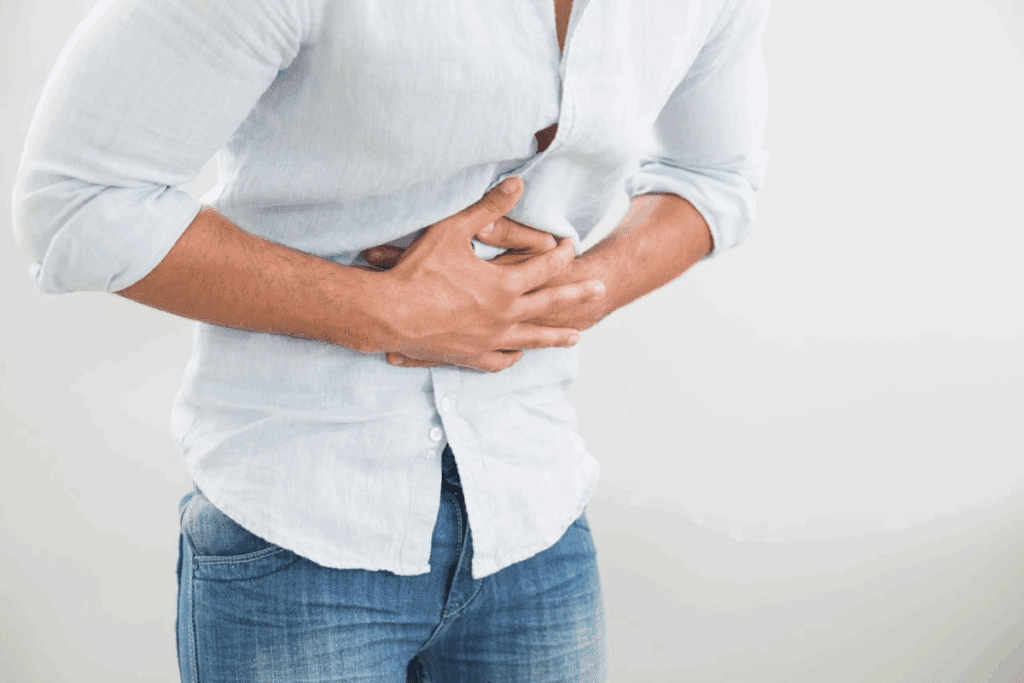
The gallbladder stores bile, a fluid from the liver that helps digest fats. It’s a small organ under the liver, key to digestion.
The Role of the Gallbladder in Digestion
The gallbladder concentrates bile and releases it into the small intestine. Bile salts break down fats into smaller pieces for enzymes to process. This is vital for absorbing fat-soluble vitamins and digesting fats.
Why Gallbladder Removal (Cholecystectomy) Is Performed
Gallbladder removal, or cholecystectomy, treats gallstones and diseases. Gallstones can cause pain, infection, or other issues. It’s done when symptoms are severe or health is at risk.
| Condition | Description | Treatment Approach |
| Gallstones | Small, hard deposits in the gallbladder | Cholecystectomy or monitoring |
| Cholecystitis | Inflammation of the gallbladder | Antibiotics and cholecystectomy |
| Gallbladder Cancer | Rare cancer affecting the gallbladder | Surgery, chemotherapy, or radiation |
Knowing about the gallbladder and why it’s removed is key for patients. While it aids digestion, removing it can ease symptoms and improve life quality.
Can You Stil Get Stones After Gallbladder Removal?

Patients might be surprised to learn they can get stones after a cholecystectomy. This happens when stones form in the bile ducts, even without a gallbladder.
The Surprising Truth About Post-Cholecystectomy Stones
Research shows stones can form after gallbladder removal for several reasons. Dropped or missed gallstones during laparoscopic surgery are a big factor. These stones can cause problems if not treated.
The absence of a gallbladder doesn’t mean you’re safe from stones. Stones in the bile ducts, or choledocholithiasis, need medical care. Changes in bile composition and flow can lead to stone formation.
Prevalence and Risk Factors
Studies show the risk of stones after gallbladder removal varies. Some factors increase the risk, including:
- History of gallstones
- Bile duct abnormalities
- Previous surgical complications
Knowing these risk factors helps manage and prevent stones after surgery. People with gallstone history or surgery complications should watch closely.
Being aware of the risk of stones after gallbladder removal is key. Taking steps to monitor health and seeking medical advice is important.
Types of Stones That Can Form Without a Gallbladder
After having your gallbladder removed, you might face the risk of stone formation. Not having a gallbladder doesn’t mean you’re safe from stones. Stones can form in other parts of the biliary system due to certain conditions.
Residual Stones: Stones Missed During Surgery
Residual stones are gallstones left behind after surgery. They might be missed because they’re small or hidden in hard-to-reach areas. Even with careful surgery, some stones can stay behind.
Bile Duct Stones (Choledocholithiasis)
Bile duct stones, or choledocholithiasis, form in the bile ducts. They can happen after the gallbladder is removed. Bile stasis and infection play a big role in their formation.
Dropped or Lost Gallstones During Laparoscopic Surgery
There’s a chance gallstones can fall into the abdominal cavity during surgery. These stones can lead to inflammation, infection, or abscesses if not found. Though rare, it shows the need for careful surgery.
In summary, stones can form without a gallbladder, including residual, bile duct, and lost gallstones. Knowing these risks is key to caring for patients after gallbladder removal.
How Stones After Gallbladder Removed Develop
After removing the gallbladder, people can face a risk of getting stones in the bile ducts. This happens because of big changes in how bile is made and flows.
Bile Composition Changes After Cholecystectomy
Without a gallbladder, the body can’t store and concentrate bile as well. Bile becomes less concentrated, and its makeup changes, which can cause stones. Also, bile flowing straight into the intestine can mess up digestion.
The liver keeps making bile, but it goes straight into the bile ducts and then the small intestine. This change raises the risk of choledocholithiasis, or bile duct stones.
The Process of Stone Formation in Bile Ducts
Stones in the bile ducts after gallbladder removal happen for a few reasons. These include changes in bile and the presence of leftover stones. Cholesterol and pigment stones can form because of bile stasis or infection in the bile ducts.
- Bile stasis lets cholesterol and other substances settle out of solution.
- Infection brings bacteria that help make pigment stones.
- Stones left behind during surgery can also cause ongoing problems.
It’s key to understand these processes to manage and prevent more stones after gallbladder removal. Keeping an eye on bile changes and treating infections or blockages can help lower these risks.
Symptoms of Stones After Gallbladder Surgery
Even after gallbladder surgery, patients might face symptoms from bile duct stones. Knowing these symptoms is key for quick medical help.
Common Symptoms to Watch For
Symptoms of bile duct stones can feel like those before gallbladder removal. Common signs include:
- Abdominal pain, mainly in the upper right
- Jaundice, showing yellow skin and eyes
- Fever, often with chills
- Nausea and vomiting
Abdominal pain is a top symptom, ranging from mild to severe. Watching how long and how bad the pain is is important.
When Symptoms Require Immediate Medical Attention
Some symptoms can be managed, but others need quick medical care. If you see:
- Severe abdominal pain that doesn’t go away
- Fever over 101.5°F (38.6°C)
- Jaundice getting worse
- Signs of infection, like chills or confusion
Seeking medical help fast is vital if you have these severe symptoms. Waiting too long can cause serious issues like biliary obstruction or pancreatitis.
Knowing the symptoms of stones in the bile duct after gallbladder surgery helps manage and treat them well. If you notice any unusual symptoms, talk to your healthcare provider.
Diagnosing Stones in Bile Ducts With No Gallbladder
Finding bile duct stones after gallbladder removal is key to good care. Even without a gallbladder, stones can form in bile ducts. So, finding them accurately is very important.
Accurate diagnosis is the first step in treating bile duct stones. Dr. John Smith, a gastroenterologist, says, “To find bile duct stones, we use imaging and lab tests. This helps us plan the best treatment.”
“The diagnostic approach should be thorough. We consider the patient’s history and symptoms.”
Imaging Tests and Procedures
Several imaging tests help find bile duct stones. These include:
- MRCP (Magnetic Resonance Cholangiopancreatography): A non-invasive test that shows detailed images of bile and pancreatic ducts.
- ERCP (Endoscopic Retrograde Cholangiopancreatography): An invasive test that uses endoscopy and fluoroscopy to diagnose and treat stones.
- Ultrasound: Often the first test, it can spot bile duct dilation and stones.
- CT Scan: Gives cross-sectional images that help find stones and other issues.
Laboratory Tests for Bile Duct Stones
Laboratory tests are also key in diagnosing bile duct stones. These include:
- Liver Function Tests (LFTs): Show if bile ducts are blocked by high bilirubin, alkaline phosphatase, and transaminases levels.
- Bilirubin Levels: High bilirubin suggests bile duct blockage.
- Complete Blood Count (CBC): May show signs of infection or inflammation.
Using these tests together helps doctors find and manage bile duct stones in patients without a gallbladder. As technology gets better, finding these stones becomes easier, helping patients more.
Treatment Options for Post-Cholecystectomy Stones
Post-cholecystectomy stones are a big problem. It’s important to know how to treat them. People who had their gallbladder removed can get stones again. They need the right medical help.
Endoscopic Procedures (ERCP)
ERCP is a key treatment for bile duct stones. A flexible tube with a camera goes through the mouth to the bile duct. It removes stones and may put in a stent for bile flow.
ERCP has many benefits:
- Minimally invasive: It’s less invasive than surgery, making recovery faster.
- High success rate: It’s very good at removing bile duct stones.
- Diagnostic capability: It can diagnose and treat at the same time.
Surgical Interventions
Surgery might be needed for some post-cholecystectomy stones. This is if ERCP doesn’t work or isn’t possible.
There are different surgeries:
- Open surgery: This is for big stones or complex cases.
- Laparoscopic surgery: It’s a minimally invasive way to remove stones and fix problems.
Medication Approaches
Medicine is sometimes used for post-cholecystectomy stones. But it’s not as common as ERCP or surgery.
Medicines can:
- Dissolve stones: Some medicines can dissolve cholesterol stones, but it’s rare for bile duct stones.
- Manage symptoms: Medicines can help with pain and jaundice from bile duct stones.
Knowing about treatments for post-cholecystectomy stones is key. Doctors look at the person’s situation and the stones to choose the best treatment.
Complications of Untreated Bile Duct Stones
If left untreated, bile duct stones can cause serious health problems. These stones can lead to significant illness if not managed correctly.
Biliary Obstruction and Cholangitis
Bile duct stones can block bile flow, causing biliary obstruction. This can lead to severe pain, jaundice, and dangerous infections like cholangitis. Cholangitis is a serious infection that requires immediate medical attention. If not treated, it can turn into sepsis, a life-threatening condition.
Pancreatitis
Bile duct stones can also cause pancreatitis, an inflammation of the pancreas. This can range from mild to severe and is sometimes life-threatening. Symptoms include severe abdominal pain, nausea, and vomiting. Severe pancreatitis can lead to complications like organ failure.
Liver Damage and Other Long-term Risks
Untreated bile duct stones can cause chronic liver damage. This is due to prolonged bile flow obstruction. It can lead to cirrhosis, where the liver becomes scarred and its function is impaired. There’s also a higher risk of liver cancer. Regular monitoring and treatment are key to prevent these long-term complications.
In conclusion, untreated bile duct stones can have severe consequences for health. It’s vital to seek medical help if symptoms get worse or don’t go away.
Latest Research on Post-Cholecystectomy Stone Management
Research on managing stones after gallbladder removal has made big strides. New tech and better understanding of gallbladder diseases have led to new ways to find and treat these stones.
Advances in Diagnostic Techniques
Studies have worked on making diagnosis better for finding stones after gallbladder surgery. Advanced imaging like MRCP and EUS are now used. They are very good at spotting bile duct stones.
“MRCP has changed how we find bile duct stones,” says recent research. “It’s non-invasive and very accurate.”
- MRCP shows detailed images of bile and pancreatic ducts.
- EUS gives clear pictures of bile ducts and nearby areas.
- These tools have made less invasive tests less needed.
Emerging Treatment Approaches
New ways to treat post-cholecystectomy stones are being looked into. ERCP with sphincterotomy is a key treatment for bile duct stones.
Techniques like cholangioscopy let doctors see inside the bile ducts. This makes treatment more precise. “Cholangioscopy is a big help for complex bile duct stones,” says research.
| Treatment Approach | Advantages | Limitations |
| ERCP with Sphincterotomy | Good at removing bile duct stones | It’s invasive and can cause pancreatitis |
| Cholangioscopy | Allows for direct view and precise treatment | Needs special tools and skills |
The latest studies on managing post-cholecystectomy stones show the value of teamwork. They mix new diagnostic tools with new treatments to better care for patients.
Living With Post-Cholecystectomy Syndrome
Living with post-cholecystectomy syndrome can be tough. But knowing what it is and how to manage it is key. This condition happens when people have symptoms after their gallbladder is removed. Symptoms can include digestive problems, pain in the belly, and other issues.
Managing Digestive Changes
Managing digestive changes is a big part of living with this syndrome. The gallbladder helps with digestion. Without it, digestion of fats and some nutrients can change.
To handle these changes, making some diet changes can help. These might include:
- Eating smaller, more frequent meals to ease digestion
- Avoiding fatty or greasy foods that can be difficult to digest
- Increasing fiber intake to help with digestion and prevent constipation
| Dietary Change | Benefit |
| Eating smaller meals | Eases digestion and reduces strain on the digestive system |
| Avoiding fatty foods | Reduces the risk of digestive discomfort and diarrhea |
| Increasing fiber intake | Helps prevent constipation and supports healthy digestion |
When to Consult Your Doctor
It’s important to know when to see a doctor if you have post-cholecystectomy syndrome. If you have ongoing or severe symptoms like belly pain, jaundice, or fever, you should go. Also, if your bowel habits change a lot or you think you’re not getting enough nutrients, talk to your doctor.
By keeping an eye on your symptoms and managing them well, you can greatly improve your life with post-cholecystectomy syndrome.
Conclusion
It’s important to know that stones can form even after the gallbladder is removed. This is known as post-cholecystectomy stones. It shows we need to keep watching and managing this issue.
People who have had their gallbladder taken out can get stones again. This can cause problems if not handled right. So, yes, you can get gallstones after gallbladder surgery, which means we must keep an eye on you.
Doctors can spot the signs of stones after surgery and act fast. This helps patients get better. It shows we need to care for patients fully, not just during surgery.
FAQ
Can you get gallstones after gallbladder removal?
Yes, it’s possible to get stones after the gallbladder is removed. These stones can form in the bile ducts. They are called bile duct stones or choledocholithiasis.
What are the types of stones that can form without a gallbladder?
Several types of stones can form without a gallbladder. These include residual stones, bile duct stones, and dropped or lost gallstones during surgery.
Can you have gallstones without a gallbladder?
Yes, you can have gallstones without a gallbladder. The gallbladder is the most common place for gallstones. But, stones can also form in the bile ducts after the gallbladder is removed.
What are the symptoms of stones after gallbladder surgery?
Symptoms of stones after gallbladder surgery include abdominal pain and jaundice. Fever and chills are also common. If you have these symptoms, seek medical help.
How are stones in the bile ducts diagnosed?
Stones in the bile ducts are diagnosed with imaging tests like ultrasound, CT, or MRI. Laboratory tests also check for signs of bile duct obstruction or infection.
What are the treatment options for post-cholecystectomy stones?
Treatment options include endoscopic procedures like ERCP, surgical interventions, and medication. These help manage symptoms and remove stones.
Can you get gallstones without a gallbladder?
Yes, the risk is lower, but it’s possible to get stones in the bile ducts without a gallbladder. This can happen due to changes in bile composition or other factors.
What are the complications of untreated bile duct stones?
Untreated bile duct stones can cause biliary obstruction, cholangitis, pancreatitis, and liver damage. Quick medical action is key to avoid these complications.
How can you manage digestive changes after gallbladder removal?
Managing digestive changes involves dietary adjustments, like a low-fat diet. Being aware of signs of complications, such as stones in the bile ducts, is also important.
Can you have stones in the bile ducts without a gallbladder?
Yes, it’s possible to have stones in the bile ducts without a gallbladder. This condition is called choledocholithiasis.
What is the process of stone formation in the bile ducts after gallbladder removal?
Stone formation in the bile ducts after gallbladder removal involves changes in bile composition. These changes can lead to stone formation.
Can you get a gallstone after the gallbladder is removed?
While the gallbladder is the main site for gallstone formation, it’s possible to get stones in the bile ducts after gallbladder removal.