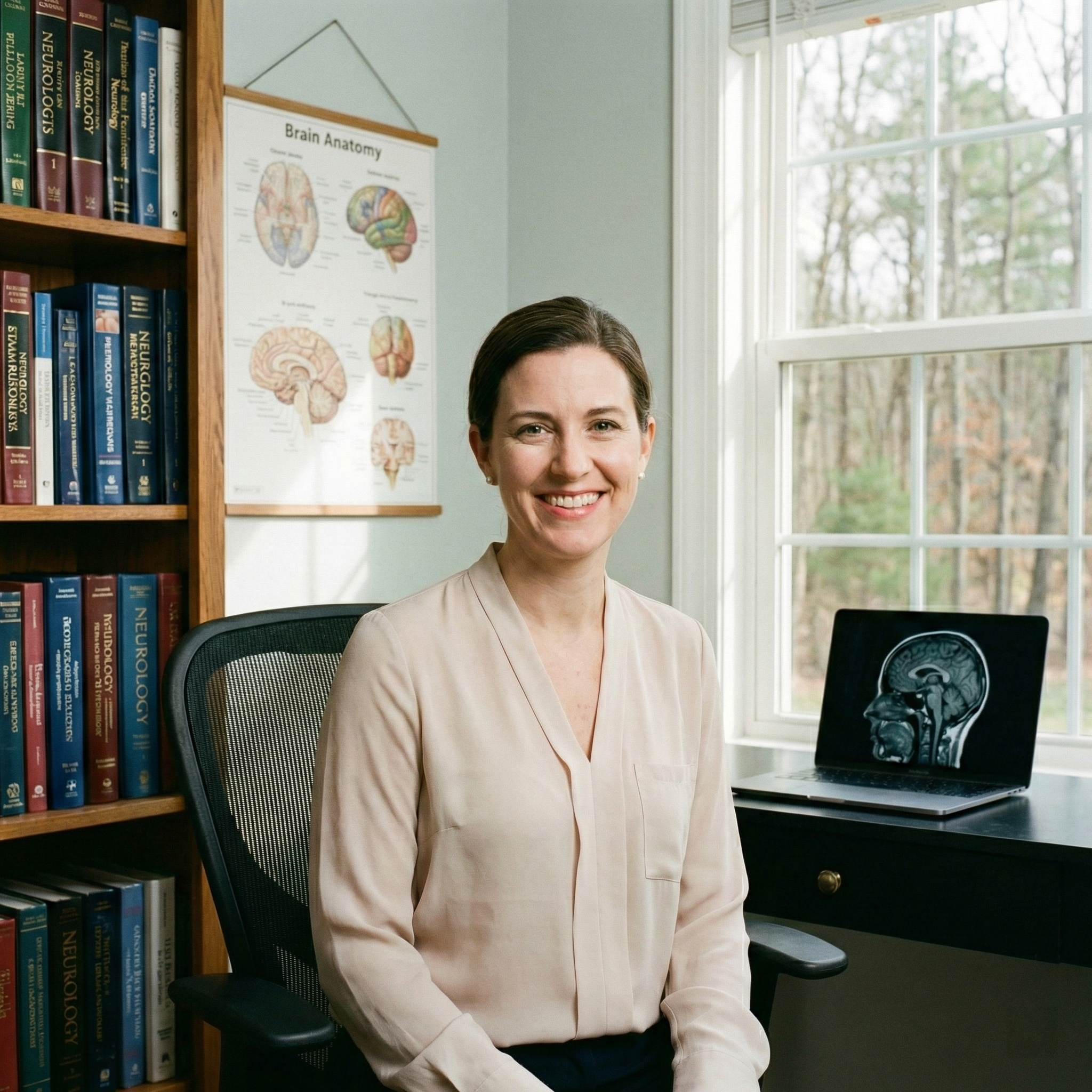

Did you know nearly 700,000 people in the United States live with a brain tumor? Getting diagnosed can be scary. Many wonder if stress plays a role in getting cancer.
The link between stress and health is complex. Research indicates that chronic stress can impact our health in various significant ways. But can stress really cause a brain tumor? Knowing this is key to preventing and helping those affected.
Is there a link between stress and brain tumors? We reveal the surprising facts. Get the essential details.
Key Takeaways
- The prevalence of brain tumors is a significant health concern.
- Chronic stress may have implications for overall health.
- Research into stress and cancer is ongoing, with a focus on understanding possible connections.
- Debunking myths about brain tumors is essential for public awareness.
- Further studies are needed to conclusively determine the relationship between stress and brain tumors.
The Relationship Between Stress and Physical Health
Stress is a big part of our lives today. It affects our health in many ways. Our body reacts to stress in complex ways, leading to health problems if stress lasts too long.
How Stress Affects the Body
When we feel stressed, our body releases stress hormones like cortisol and adrenaline. These hormones help us react quickly to danger. But, chronic stress means our body stays in this state for too long, affecting our health.
Cortisol, a key stress hormone, impacts our metabolism, immune system, and brain. Too much cortisol can cause weight gain, increase cardiovascular disease risk, and weaken our immune function.
Common Stress-Related Health Concerns
Chronic stress can lead to many health issues, including:
- Cardiovascular Disease: Stress can raise blood pressure and heart rate, harming the heart.
- Weakened Immune System: Stress weakens our immune system, making us more prone to illness.
- Mental Health Disorders: Stress can worsen or cause anxiety and depression.
- Digestive Issues: Stress can cause or make conditions like irritable bowel syndrome (IBS) worse.
It’s important to understand how stress affects our health. By spotting the signs of chronic stress and using healthy ways to cope, we can lower our risk of health problems linked to stress.
Understanding Brain Tumors: Types and Causes
To understand brain tumors, we need to know their types and causes. Brain tumors can be a big health issue. Knowing about them helps in preventing and treating them.
Primary vs. Secondary Brain Tumors
Brain tumors are mainly divided into two types: primary and secondary. Primary brain tumors start in the brain. Secondary brain tumors come from cancer spreading to the brain from other places.
“The type of brain tumor affects treatment and how well you might do,” says a top oncologist.
Benign vs. Malignant Brain Tumors
Another important way to classify brain tumors is as benign or malignant. Benign tumors are usually not cancerous and grow slower. Malignant tumors are cancerous and grow fast. Knowing the difference is key because they affect people differently.
- Benign tumors: Less aggressive but can cause problems because of where they are.
- Malignant tumors: Cancerous and serious, needing quick medical help.
Known Risk Factors for Brain Tumors
There are known risk factors for brain tumors, like genetics and environmental factors. Studies show lifestyle choices can also raise the risk of getting brain tumors.
| Risk Factor | Description |
| Genetic Predisposition | Family history of brain tumors or genetic syndromes. |
| Environmental Exposure | Exposure to ionizing radiation or certain chemicals. |
| Age and Gender | Risk changes with age and gender, with some types more common in certain groups. |
Knowing these risk factors is key for brain tumor prevention and catching them early. Being aware of causes and risk factors helps people take steps to lower their risk.
The Science of Stress and Its Physiological Impact
When we feel stressed, our body goes into fight-or-flight mode. This is a natural response that gets us ready to face or run from danger.
The Fight-or-Flight Response
The fight-or-flight response is how our body reacts to stress. It involves the release of hormones like cortisol and adrenaline. These hormones are released by the HPA axis, which is triggered by stress.
Cortisol, known as the “stress hormone,” affects many parts of our body. It influences how we metabolize food, our immune system, and even our brain. Cortisol and other stress hormones help us respond to stress by preparing our body to face or flee from it.
Acute vs. Chronic Stress
Stress can be either acute or chronic. Acute stress is short-lived and goes away once the stress is over. On the other hand, chronic stress lasts a long time and keeps stress hormones in our system. Chronic stress can harm our health in many ways.
It’s important to know the difference between acute and chronic stress. Acute stress can be helpful, but chronic stress can harm our health over time.
Stress Hormones and Their Functions
Stress hormones like cortisol and adrenaline are key to how our body responds to stress. They help us by giving us energy, stopping non-essential functions, and making us more alert and focused.
- Cortisol helps us get energy by breaking down fat and making glucose.
- Adrenaline (epinephrine) gets us ready to act fast by increasing heart rate and blood pressure.
- Other hormones, like aldosterone, help by controlling electrolytes and blood pressure.
Knowing how these hormones work is important. It helps us understand how stress affects our body and health.
Cortisol: The Primary Stress Hormone
When we feel stressed, our body releases cortisol. This hormone affects many parts of our body. It’s made by the adrenal gland and helps us deal with stress. It also controls blood sugar, metabolism, and our immune system.
Effects on Different Body Systems
Cortisol impacts our metabolic, immune, and nervous systems. It helps our body store fat, mainly in the belly. It also raises blood sugar levels. But, it weakens our immune system, making us more likely to get sick.
It also affects our brain, leading to memory and mood problems. Long-term exposure to cortisol can change our brain, making it more sensitive to stress. This creates a cycle of stress and more stress.
Long-term Effects of Elevated Cortisol Levels
High cortisol levels for a long time can cause health problems. These include weight gain, trouble sleeping, and high blood pressure.
- Weight gain and obesity, mainly in the belly
- Insomnia and other sleep problems
- High blood pressure and heart disease risk
- Osteoporosis from less bone formation
- Metabolic syndrome and type 2 diabetes
It’s key to manage stress to avoid cortisol’s negative effects. By understanding cortisol’s role and managing stress, we can lower our risk of stress-related illnesses.
The Immune System and Stress Connection
Stress and our immune system are closely linked. Chronic stress can weaken our immune system. This weakens our body’s defense against diseases.
Immune Suppression Due to Stress
Chronic stress can make us more likely to get sick. It can also affect our risk of cancer, as the National Cancer Institute says. When we’re stressed, our body goes into “fight-or-flight” mode. This releases stress hormones like cortisol.
Cortisol weakens our immune system. It lowers the production of cytokines. Cytokines help fight off infections and inflammation. This makes us more likely to get sick.
Implications for Disease Development
Chronic stress can weaken our immune system. This makes us more likely to get infections and can affect cancer development. A weakened immune system can’t fight off diseases well.
| Disease | Impact of Stress | Immune System Effect |
| Infections | Increased susceptibility | Suppressed immune response |
| Cancer | Potential influence on development and progression | Weakened immune surveillance |
| Autoimmune Diseases | Potential exacerbation | Dysregulated immune response |
It’s important to understand how stress affects our immune system and disease risk. By managing stress, we can keep our immune system strong. This helps us fight off diseases better.
Inflammation: The Missing Link Between Stress and Disease
Stress and disease are linked through inflammation. Inflammation is how our body reacts to injury or infection. But, chronic inflammation can cause health problems.
Chronic inflammation is a risk for diseases like heart disease, diabetes, and cancer. Studies show that chronic stress can cause chronic inflammation. This is bad for our health.
Chronic Inflammation and Disease
Chronic inflammation can cause many diseases. For example, it can lead to heart disease by forming plaques in arteries. It can also cause cancer by damaging genes and promoting tumor growth.
Studies have shown that people with chronic stress have more inflammation. This is a big worry for those with health problems.
How Stress Triggers Inflammatory Responses
Stress makes our body’s hypothalamic-pituitary-adrenal (HPA) axis active. This leads to stress hormones like cortisol. High cortisol levels can weaken our immune system and cause inflammation.
The link between stress and inflammation is complex. Acute stress might cause temporary inflammation. But, chronic stress can lead to long-term inflammation. This can damage tissues and cause disease.
Knowing how stress causes inflammation helps us find ways to stop it. Managing stress with mindfulness, exercise, and good sleep can reduce inflammation. This is good for our health.
Stress and Brain Tumors: Examining the Evidence
To understand if stress causes brain tumors, we need to look at all the studies done. Scientists are working hard to learn more about this link. They want to help patients and find better ways to treat them.
Scientific Studies and Their Findings
But, not all studies agree. Some say there’s no clear link between stress and cancer. The reasons for these different findings might include how studies were done, who was studied, and how stress was measured.
Key findings from recent studies include:
- The impact of chronic stress on immune function and its role in tumor development.
- The link between stress levels and how fast tumors grow.
- How stress management might help patients with brain tumors.
Limitations of Existing Research
Even with the insights from studies, there are big limitations. Many studies use animals or lab tests, which might not be the same as what happens in people. Also, measuring stress can be very personal, leading to different results in studies.
We need more research to understand stress and brain tumors better. This means more studies on people, better ways to measure stress, and a deeper look at how stress affects the body.
Expert Opinions on the Connection
Doctors in oncology and neuro-oncology have different views on stress and brain tumors. Some think stress might not directly cause tumors but could make them grow faster by affecting the immune system.
“The relationship between stress and cancer is complex and multifaceted. While we have evidence suggesting that stress can impact immune function and potentially influence cancer progression, more research is needed to fully understand this connection.”
In summary, the evidence on stress and brain tumors is mixed. Some studies hint at a link, but we’re not sure yet. We need more research to understand how stress affects brain tumors and how to manage it for patients.
Debunking Common Myths About Stress and Brain Tumors
Many people believe stress can cause brain tumors, but this is not true. This belief can cause a lot of fear and worry. It’s important to know what’s real and what’s not.
Myth vs. Reality
One myth is that stress can directly cause brain tumors. But, science doesn’t support this claim. Stress can affect our health, but its link to brain tumors is not fully understood.
Studies have found that stress can weaken our immune system. This might help tumors grow, but it’s not the only factor. Cancer is a complex issue, not just caused by stress.
“The relationship between stress and cancer is complex, involving multiple factors including immune response, hormonal changes, and direct effects on tumor cells.”
The Danger of Misinformation
Spreading false information about health can be harmful. It can make people more anxious and stressed. This can hurt their health even more.
It’s key to trust reliable sources and talk to doctors about health concerns. This way, we can avoid the bad effects of false information. It helps us have better conversations about health.
Established Risk Factors for Brain Tumors
Brain tumors can develop due to genetics, environment, and age. Knowing these risk factors helps find people at higher risk. It also helps lower the number of brain tumors.
Genetic Predisposition
Genetics are key in brain tumor development. Syndromes like Li-Fraumeni syndrome and neurofibromatosis raise the risk. Family history of brain tumors also points to a genetic link.
Environmental Exposures
Some environmental factors increase brain tumor risk. Ionizing radiation is a known risk, with radiation therapy being a big concern. Chemicals and pesticides might also be risks, but more study is needed.
Age and Gender Considerations
Age and gender affect brain tumor risk. Some tumors are more common in children or adults. Gender also plays a role, with some tumors more common in men or women.
Knowing the risk factors for brain tumors is key for prevention and early detection. Recognizing genetic, environmental, and demographic factors helps individuals assess their risk. This knowledge leads to better prevention measures.
How Stress Might Influence Existing Tumor Growth
Stress can affect how tumors grow. It’s linked to cancer progression through many biological pathways.
Studies show chronic stress weakens the body’s fight against cancer. Stress hormones like cortisol can harm tumor cells. Also, stress can weaken the immune system, making it hard to control tumors.
Potential Mechanisms of Influence
There are several ways stress can impact tumor growth. These include:
- Stress hormones like cortisol can directly harm tumor cells.
- Stress can weaken the immune system, making it harder to fight cancer.
- Stress can cause inflammation, which can help tumors grow.
Cancer research shows stress can affect tumor growth. This includes weakening the immune system and changing hormones. Managing stress is key in treating cancer.
“The link between stress and cancer progression is an area of ongoing research, with evidence suggesting that chronic stress can have a significant impact on tumor growth.”
The Role of Stress in Cancer Progression
Stress plays a big role in cancer progression. Chronic stress means the body is always stressed. This can lead to higher levels of cortisol, a hormone that weakens the immune system.
Understanding how stress affects cancer is vital. It helps in creating better treatment plans. By addressing stress in cancer care, doctors can help patients better.
The Psychological Impact of a Brain Tumor Diagnosis
Getting a brain tumor diagnosis can start a big emotional storm. It can really mess with your mental health and how you feel overall.
When you hear you have a brain tumor, you might feel shocked, scared, or unsure about the future. The not knowing what will happen next can make things even tougher.
Managing Anxiety After Diagnosis
It’s key to handle anxiety after finding out about a brain tumor. Here are some ways to help:
- Mindfulness and relaxation techniques: Stuff like meditation and deep breathing can cut down on stress and worry.
- Seeking support: Joining support groups, online or in-person, can make you feel less alone.
- Professional help: Talking to mental health experts can give you specific ways to deal with anxiety.
The Cycle of Stress and Health Concerns
Stress and health worries can be a big problem for brain tumor patients. Stress can make physical symptoms worse and hurt your body’s healing power. On the other hand, having a brain tumor can make you feel stressed, starting a bad cycle.
To stop this cycle, you need to tackle stress in many ways. This includes living a healthy lifestyle, getting the right medical care, and dealing with the emotional side of the diagnosis.
Understanding the emotional effects of a brain tumor diagnosis and using good stress management can help you get through this tough time.
Effective Stress Management for Brain Health
Managing stress well is important for brain health. It might even lower the risk of brain tumors. Chronic stress harms overall health, including the brain. So, finding ways to handle stress is key.
Mindfulness and Meditation
Mindfulness and meditation are great for stress control. They help you stay in the present moment. This reduces worries about the past or future.
These practices lower stress hormones like cortisol. This makes the brain healthier.
Research shows they improve brain structure and function. For example, they increase grey matter in emotional regulation areas.
Exercise and Physical Activity
Exercise is also good for stress and brain health. It boosts endorphins, which make you feel better. Regular exercise also helps sleep and reduces anxiety and depression.
| Exercise Type | Benefits for Brain Health | Stress Reduction |
| Aerobic Exercise | Improves cognitive function, promotes neurogenesis | High |
| Yoga | Enhances flexibility, reduces inflammation | Moderate to High |
| Resistance Training | Boosts overall physical health, supports brain health | Moderate |
Healthy Sleep Habits
Good sleep habits are vital for stress and brain health. Sleep helps the brain clear toxins and regulate stress hormones. A consistent sleep schedule and a sleep-friendly environment improve sleep quality.
Poor sleep worsens stress and harms brain health. So, making sleep a priority in your stress management plan is essential.
Lifestyle Factors That May Reduce Brain Tumor Risk
Some lifestyle choices can help lower the risk of brain tumors. By making these choices, people can reduce their chance of getting brain tumors.
Dietary Considerations
Eating a balanced diet with fruits, vegetables, and whole grains is key. Foods like berries and leafy greens are full of antioxidants. They help protect cells from harm.
Nutritional Elements: Some nutrients may help lower brain tumor risk. These include:
- Omega-3 fatty acids: Found in fatty fish, flaxseeds, and walnuts, these healthy fats support brain health.
- Vitamin D: Keeping vitamin D levels up through diet and sunlight is important.
- Folate: Foods like leafy greens, legumes, and whole grains are rich in folate, a key nutrient.
| Nutrient | Food Sources | Potential Benefits |
| Omega-3 fatty acids | Fatty fish, flaxseeds, walnuts | Supports brain health |
| Vitamin D | Fatty fish, fortified dairy, sunlight | Maintains overall health |
| Folate | Leafy greens, legumes, whole grains | Crucial for cell health |
Avoiding Environmental Toxins
Staying away from environmental toxins can also help. Some chemicals and pollutants increase cancer risk.
Precautionary Measures:
- Choose non-toxic household cleaners and personal care products.
- Avoid pesticides and herbicides.
- Limit time in polluted areas.
Regular Health Screenings
Regular health checks can catch issues early, including brain tumors. Being informed and proactive about health is vital.
Benefits of Regular Screenings:
- Early detection of health issues.
- Chance for preventive measures.
- Better management of health conditions.
By adopting these lifestyle choices, people can take steps to lower brain tumor risk. Always talk to healthcare professionals for advice tailored to you.
When to Consult a Healthcare Provider
Knowing when to see a doctor about brain tumors and stress is key. Recognizing signs and symptoms that need medical help can lead to early treatment and better management.
Warning Signs and Symptoms of Brain Tumors
Brain tumors can show different symptoms, some like other health issues. Common signs include:
- Frequent or severe headaches
- Nausea or vomiting, often in the morning
- Seizures, even if you’ve never had them before
- Vision problems, like blurred vision or double vision
- Difficulty with speech, balance, or movement
Seeing these symptoms doesn’t mean you definitely have a brain tumor. But, it’s important to see a doctor for a check-up.
| Symptom | Possible Indication |
| Headaches | Increased intracranial pressure |
| Seizures | Irritation of the brain tissue surrounding the tumor |
| Vision problems | Pressure on the optic nerves or other parts of the visual pathway |
Discussing Stress-Related Concerns with Your Doctor
Talking about stress with your doctor is vital for your health. Be ready to share how stressed you are, how you handle stress, and any symptoms linked to stress.
“The relationship between stress and physical health is complex, and understanding this connection is key to managing stress-related illnesses.”
Your doctor can suggest ways to manage stress and check if it’s affecting your health.
By knowing the signs of brain tumors and talking about stress with your doctor, you can stay healthy. You can also address any health concerns early.
The Future of Research on Stress and Brain Tumors
Studies are uncovering the complex tie between stress and brain tumors. This is opening doors to new treatments. Scientists are diving deeper into this connection, finding insights that could change how we handle brain tumors.
Promising Areas of Study
Several research areas are showing great promise. They include:
- Looking into how stress hormones affect tumor growth
- Studying how chronic stress weakens the immune system against cancer
- Exploring if stress management can help alongside traditional treatments
Recent studies show stress’s impact on the body, and cancer is no exception. For example, chronic stress can cause more inflammation. This is a known risk for tumors.
“The connection between stress and cancer is complex, and while the exact mechanisms are being studied, it’s clear that managing stress could play a key role in cancer prevention and treatment.”
How New Findings Might Change Our Understanding
New evidence is changing how we see stress and brain tumors. This could lead to:
| Area of Impact | Potential Change |
| Treatment Strategies | Adding stress management to treatment plans |
| Prevention | Stressing the importance of reducing stress to prevent cancer |
| Research Focus | More funding for studies on stress and brain tumors |
By learning more about stress’s role in brain tumors, researchers can create better treatments. These will tackle both the physical and mental sides of cancer care.
Conclusion: Putting Stress and Brain Tumor Risk in Perspective
Stress and brain tumors have a complex relationship. Stress isn’t a direct cause of brain tumors. But, it can affect our health and possibly the growth of tumors.
Managing stress is key. Techniques like mindfulness, exercise, and good sleep help. A healthy lifestyle, including a good diet and regular check-ups, also keeps your brain healthy.
Knowing the risks and managing stress can help lower your risk. It’s important to talk to your doctor about stress and brain tumor risk. They can give you advice tailored to you.
FAQ
Can stress directly cause a brain tumor?
There’s no clear proof that stress directly leads to brain tumors. But, long-term stress can harm your health. It might help diseases like cancer grow or get worse.
How does stress affect the immune system?
Long-term stress can weaken your immune system. It does this by changing stress hormone levels, like cortisol. This makes it harder for your body to fight off diseases, including cancer.
What is the role of cortisol in stress and health?
Cortisol is a key stress hormone. It helps your body handle stress. But, too much cortisol can harm your health over time.
Can managing stress reduce the risk of brain tumors?
Managing stress is good for your health. But, it’s not proven to directly lower brain tumor risk. Stress-reducing activities like mindfulness and exercise can help keep you healthy, though.
What are the known risk factors for brain tumors?
Brain tumor risks include genetics, some environmental factors, and age and gender. Knowing these helps you understand your risk and take steps to prevent them.
How might stress influence the growth of existing tumors?
Studies show stress might help tumors grow by weakening the immune system and causing inflammation. But, scientists are studying this more to understand how.
What lifestyle changes can help reduce the risk of brain tumors?
Eating well, avoiding toxins, and getting regular health checks can help lower brain tumor risk. These habits are good for your overall health.
When should I consult a healthcare provider about stress and brain tumor concerns?
See a doctor if you’re stressed a lot, have symptoms that could be a brain tumor, or worry about your risk factors. They can help you manage stress and health concerns.
Are there any promising areas of research on stress and brain tumors?
Yes, research is looking into how stress affects brain health and tumors. New discoveries could lead to better ways to prevent and treat brain tumors.
Can stress management techniques help after a brain tumor diagnosis?
Yes, stress management can help after a brain tumor diagnosis. Techniques like mindfulness and exercise can reduce anxiety and improve your quality of life.
References
National Center for Biotechnology Information. Stress and Brain Tumors A Potential Relationship. Retrieved from https://www.ncbi.nlm.nih.gov/pmc/articles/PMC8720973/