
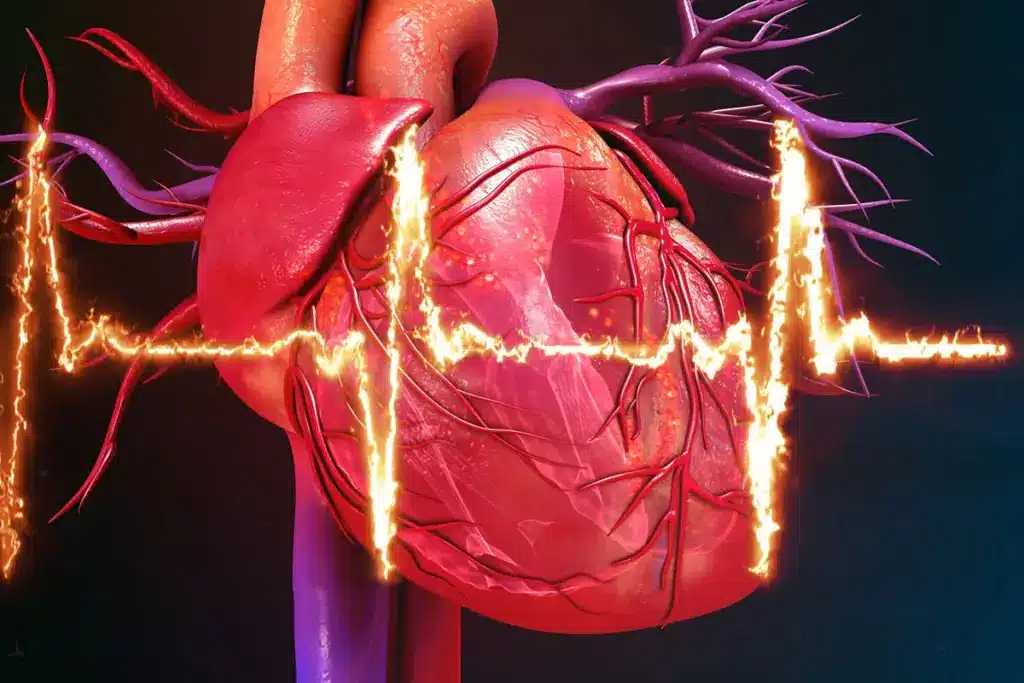
Did you know that chronic stress can significantly increase the risk of developing ischemic heart disease? Research shows that long-term stress can cause myocardial ischemia. This is when the heart muscle doesn’t get enough oxygen-rich blood. We will look into how stress affects heart health and can lead to ischemic heart disease. Stress and Ischemic Heart Disease: What’s the link? Understand how chronic stress hurts your heart and learn techniques to relax safely.
Understanding the impact of stress on heart health is key. We will dive into the latest research to give you a full picture of this important topic.
Key Takeaways
- Chronic stress can increase the risk of ischemic heart disease.
- Myocardial ischemia is a condition where the heart muscle doesn’t receive enough oxygen-rich blood.
- Understanding the link between stress and heart health is critical for overall well-being.
- Research shows managing stress is vital for heart health.
- Prolonged stress exposure can lead to cardiac ischemia.
Understanding Ischemic Heart Disease

It’s important to know about ischemic heart disease to prevent and treat it. This disease happens when the heart’s blood supply is cut off. This can lead to heart muscle damage.
Definition and Prevalence
Ischemic heart disease is when the heart doesn’t get enough blood. It’s a big problem worldwide. The World Health Organization says it causes over 9 million deaths each year.
In the United States, over 18 million adults have it. Many don’t even know they have it.
Types of Ischemic Heart Conditions
There are different types of ischemic heart disease. These include:
- Stable Angina: This is chest pain when the heart doesn’t get enough oxygen. It usually happens when you’re stressed or active.
- Unstable Angina: This is worse and can happen when you’re not even moving. It’s a sign of a heart attack coming.
- Myocardial Infarction (Heart Attack): This is when the heart doesn’t get blood for too long. It can damage or kill heart muscle.
- Silent Ischemia: This is when the heart doesn’t get enough blood but you don’t feel any pain.
Common Risk Factors
Many things can make you more likely to get ischemic heart disease. These include:
- Hypertension: High blood pressure can hurt the heart’s blood vessels.
- Hyperlipidemia: Too much cholesterol can clog arteries.
- Diabetes Mellitus: Diabetes can harm blood vessels and nerves, raising heart disease risk.
- Smoking: Smoking damages blood vessels and makes them more likely to block.
- Family History: If your family has heart disease, you might be at higher risk too.
- Obesity and Physical Inactivity: Being overweight and not moving much can increase heart disease risk.
Knowing these risk factors is key to preventing and managing ischemic heart disease. By changing your lifestyle and getting medical help, you can lower your risk.
The Physiology of Stress

The human body’s response to stress is complex and involves many changes. These changes can greatly affect our health.
Acute vs. Chronic Stress
Stress comes in two forms: acute and chronic. Acute stress is a short-term response to immediate threats. It triggers the ‘fight or flight’ response. This can be good in some situations, helping us react fast to danger.
Chronic stress lasts longer and can harm our body and mind. It can lead to anxiety, depression, and heart problems.
- Acute stress can improve focus and reaction time.
- Chronic stress can cause anxiety, depression, and heart issues.
The Body’s Stress Response
When we feel stressed, our HPA axis is activated. It releases stress hormones like cortisol and adrenaline. These hormones get our body ready to face or flee from threats by increasing heart rate and blood pressure.
The stress response is meant to be temporary. But, constant stress can damage our body’s systems.
Measuring Stress Levels
There are ways to measure stress levels:
- Cortisol level tests, done through blood, saliva, or urine samples.
- Heart rate variability (HRV) monitoring, which looks at the time between heartbeats.
- Self-reported stress scales, like the Perceived Stress Scale (PSS), which ask how stressed we feel.
It’s important to understand and measure stress. This helps us manage its effects on our health, like heart disease.
Stress and Ischemic Heart Disease: The Connection
Stress and ischemic heart disease are linked in many ways. This includes physical, mental, and environmental factors that affect heart health. Knowing about this connection helps us find better ways to prevent and treat heart problems.
Historical Perspective on the Relationship
For a long time, people have seen a link between stress and heart disease. This has been true from the stress of war to the daily stress of modern life. Studies have shown that those under constant stress are more likely to get heart diseases like ischemic heart disease.
Current Medical Understanding
Today, doctors know that stress can make heart disease worse. Stress hormones like cortisol and adrenaline can change heart rate, blood pressure, and how blood flows. This is how stress can harm the heart.
Key Research Findings
Research has found some important things:
- Chronic stress raises the risk of heart problems.
- Stress can make people do unhealthy things, which can harm the heart.
- How stress affects the heart can differ from person to person. This depends on genetics, how they cope, and other health issues.
|
Research Focus |
Key Findings |
|---|---|
|
Impact of Chronic Stress |
Increased risk of cardiovascular events, including heart attacks and strokes. |
|
Stress and Behavioral Changes |
Stress leads to unhealthy behaviors such as overeating, smoking, and physical inactivity. |
|
Individual Variability |
The effect of stress on heart health varies among individuals based on genetics, coping mechanisms, and other health conditions. |
By looking at history, current science, and research, we get a clearer picture of how stress and heart disease are connected. This understanding is key for doctors and patients to manage and prevent heart problems caused by stress.
How Stress Affects Cardiovascular Function
Stress makes our heart system work differently, which can harm our heart health. It changes how our blood pressure, heart rate, and blood vessels respond. These changes are important for our heart’s health.
Blood Pressure Changes During Stress
Stress makes our blood pressure go up right away. This is because of stress hormones like adrenaline and cortisol. These hormones get our body ready to either fight or run away, making our blood vessels narrow and our heart beat faster. This quick change is usually short-lived, but long-term stress can cause high blood pressure, a big risk for heart disease.
People who deal with stress a lot are more likely to get high blood pressure. This can lead to serious heart problems if not treated.
Heart Rate Variability
Heart rate variability (HRV) is how much time there is between each heartbeat. It shows how well our heart can adjust to different situations and stress levels. A higher HRV means better heart health and stress resistance.
Long-term stress can lower HRV, making our heart less flexible. This lower HRV is linked to a higher risk of heart problems.
|
Condition |
Effect on HRV |
Cardiovascular Implication |
|---|---|---|
|
Chronic Stress |
Reduced HRV |
Increased risk of cardiovascular events |
|
Regular Exercise |
Increased HRV |
Improved cardiovascular health |
Vascular Constriction and Dilation
Stress also changes how our blood vessels work. They can narrow or widen because of stress hormones. But, long-term stress can mess up how they function, which might help atherosclerosis grow.
“The vascular endothelium plays a critical role in controlling blood vessel size, and its failure is a key early sign of heart disease.”
A Cardiologist
Stress’s effect on our blood vessels shows why managing stress is key for heart health.
Stress Hormones and Their Impact on the Heart
Stress makes our body release hormones like cortisol and adrenaline. These hormones affect our heart a lot. When we’re stressed, our body gets ready to either fight or run away. This means our heart works harder.
Cortisol and Its Effects
Cortisol is known as the “stress hormone.” It helps our body deal with stress. But, it also raises our blood pressure and heart rate. Too much cortisol can cause high blood pressure, which is bad for the heart.
It also makes us store fat, mainly around our belly. This fat is linked to heart disease.
Adrenaline and Noradrenaline
Adrenaline and noradrenaline are released when we’re stressed. They make our heart beat faster and our blood pressure go up. This can make our heart work too hard and need more oxygen.
Noradrenaline also makes our blood vessels narrow. This raises our blood pressure even more.
Long-term Hormonal Imbalances
Long-term stress can mess with our hormones. This affects our heart in many ways. It can lead to high blood pressure, heart changes, and even heart failure. It’s key to manage stress to keep our heart healthy.
Inflammation, Stress, and Heart Disease
The link between stress, inflammation, and heart disease is a key area in research today. It shows that inflammation is not just a reaction but also a cause of heart disease.
The Inflammatory Response to Stress
Stress triggers an inflammatory response in our body. This response is marked by the release of pro-inflammatory cytokines. Acute stress leads to a temporary inflammatory response, which usually goes away once the stress is over. But, chronic stress can cause ongoing inflammation, harming our heart health over time.
A study in a Journal found that chronic stress raises inflammatory markers like CRP. This is linked to a higher risk of heart problems.
“Chronic stress is linked to increased inflammation, which in turn contributes to the development and progression of atherosclerosis and cardiovascular disease.”
Chronic Inflammation and Atherosclerosis
Atherosclerosis, or plaque buildup in arteries, is a big factor in heart disease. Chronic inflammation plays a big role in this condition. The inflammatory process can destabilize plaques, making them more likely to rupture and cause a heart attack.
|
Inflammatory Marker |
Association with Heart Disease |
Clinical Significance |
|---|---|---|
|
C-reactive Protein (CRP) |
Elevated CRP levels are associated with increased cardiovascular risk. |
CRP is used as a marker to assess cardiovascular risk. |
|
Interleukin-6 (IL-6) |
IL-6 promotes inflammation and is linked to atherosclerosis. |
High IL-6 levels may indicate chronic inflammation. |
|
Tumor Necrosis Factor-alpha (TNF-alpha) |
TNF-alpha is involved in systemic inflammation and has been implicated in heart disease. |
TNF-alpha inhibitors are being explored as a treatment. |
Biomarkers of Stress-Induced Inflammation
Finding biomarkers for stress-induced inflammation is key to understanding stress’s link to heart disease. Biomarkers like CRP, IL-6, and TNF-alpha are being studied to predict heart risk in stressed individuals.
Understanding inflammation’s role in stress and heart disease highlights the need to manage stress for heart health. This includes lifestyle changes, stress reduction, and medical treatments to reduce inflammation and protect the heart.
Psychological Stress and Cardiac Events
Psychological stress and heart health are closely linked. This connection involves sudden emotional triggers, ongoing stress, and more. It’s clear that stress can greatly affect heart health.
Acute Emotional Triggers
Acute emotional triggers can cause heart problems in some people. These can be intense feelings like grief, anger, or fear. Studies show these feelings can lead to quick changes in heart rate and blood pressure.
Takotsubo Cardiomyopathy (Broken Heart Syndrome)
Takotsubo cardiomyopathy, or “broken heart syndrome,” looks like a heart attack but isn’t caused by artery blockages. It’s triggered by strong emotional or physical stress. This shows how stress can really affect the heart.
Depression, Anxiety, and Heart Health
Depression and anxiety can raise the risk of heart problems. Research shows people with these conditions are more likely to face heart issues. This highlights the importance of treating both mental and heart health together.
“The mind and heart are closely intertwined, and stress can have a profound impact on cardiac health.”
A Cardiologist
|
Condition |
Impact on Cardiac Health |
|---|---|
|
Acute Emotional Triggers |
Immediate physiological responses, including changes in heart rate and blood pressure. |
|
Takotsubo Cardiomyopathy |
Mimics heart attack symptoms, triggered by intense emotional or physical stress. |
|
Depression and Anxiety |
Increased risk of cardiac events, stressing the need for holistic care. |
Workplace Stress and Ischemic Heart Disease Risk
The modern workplace is changing fast. It’s important to know how job stress affects heart health. Studies show a link between long-term job stress and a higher risk of heart disease.
Job Strain and Cardiovascular Outcomes
Job strain, with high demands and little control, harms heart health. Employees under job strain face a higher risk of heart disease. This is due to stress hormones like cortisol and adrenaline.
What causes job strain? It includes:
- High workload and tight deadlines
- Lack of control over work tasks
- Poor work-life balance
- Unsatisfactory work environment
Employers can reduce job strain. They can offer flexible work, empower employees, and provide stress management workshops.
Shift Work and Heart Health
Shift work, like night shifts, messes with our natural rhythms. It can lead to heart problems. Long-term shift work raises the risk of heart disease and high blood pressure.
“Shift work can have a profound impact on cardiovascular health, and it’s essential for employers to consider the long-term health implications when scheduling work shifts.”
A Cardiologist
To lessen shift work risks, employers can:
- Rotate shifts to avoid long night shifts
- Offer health checks and support for shift workers
- Support healthy lifestyles for employees
Occupational Stress Management
Managing job stress is key to reducing heart disease risk. It involves changes in the workplace and stress management for employees.
Effective stress management includes:
- Mindfulness and meditation
- Exercise and physical activity
- Cognitive-behavioral therapy (CBT) for stress
By focusing on stress management, employers can make a healthier work place. This reduces heart disease risk and boosts employee well-being.
Stress-Induced Myocardial Ischemia
Stress-induced myocardial ischemia is a big link between stress and heart disease. It happens when stress makes blood flow to the heart drop. This can damage the heart muscle.
Mechanisms of Stress-Induced Ischemia
Stress triggers our “fight or flight” response, releasing hormones like adrenaline and cortisol. These hormones make our heart beat faster and blood pressure go up. This can make the heart muscle need more oxygen.
Key factors contributing to stress-induced ischemia include:
- Increased heart rate and blood pressure
- Vasoconstriction of coronary arteries
- Endothelial dysfunction
In some people, this can lead to a lack of oxygen for the heart. This is more likely if there’s already heart disease or other heart problems.
Diagnostic Approaches
Diagnosing stress-induced myocardial ischemia needs a mix of doctor’s checks and special tests. Stress tests are common. They make the heart work hard and watch how it does.
|
Diagnostic Test |
Description |
Key Findings for Stress-Induced Ischemia |
|---|---|---|
|
Exercise Stress Test |
Monitors heart function during physical exertion |
Ischemic changes on ECG, wall motion abnormalities |
|
Stress Echocardiography |
Ultrasound imaging of the heart during stress |
Wall motion abnormalities indicative of ischemia |
|
Myocardial Perfusion Imaging |
Nuclear imaging to assess blood flow to the heart muscle |
Reversible perfusion defects indicating ischemia |
“The use of stress testing has become a cornerstone in the diagnosis of coronary artery disease and stress-induced myocardial ischemia, allowing for early detection and intervention.”
A Cardiologist
Clinical Significance
Stress-induced myocardial ischemia is serious because it can lead to heart attacks. It’s important to catch and treat it early to avoid bad outcomes.
Knowing how stress affects the heart and how to diagnose it helps doctors treat each patient better. This improves health outcomes.
By tackling stress and using the right treatments, we can lower the risk of heart problems. This helps keep our hearts healthy.
Can Stress Cause a Heart Attack Without Blockage?
Heart attacks are often linked to blockages in the coronary arteries. But, stress can lead to heart attacks through other mechanisms. This is key to understanding how stress affects our heart health.
Vasospasm and Microvascular Dysfunction
Vasospasm is when blood vessels suddenly tighten, cutting off heart blood flow. Microvascular dysfunction affects the small blood vessels that feed the heart. Both can cause a heart attack without a big blockage.
- Vasospasm can be triggered by stress, leading to a temporary reduction in blood flow.
- Microvascular dysfunction is often associated with conditions like hypertension and diabetes, which can be exacerbated by stress.
Stress Cardiomyopathy
Stress cardiomyopathy, or “broken heart syndrome,” is when the heart muscle weakens due to extreme stress. It mimics a heart attack but doesn’t have a blockage in the coronary arteries.
“Stress cardiomyopathy is a unique condition that highlights the complex interplay between the heart and the body’s response to stress.” – A Cardiologist
Distinguishing from Traditional Heart Attacks
Heart attacks from stress without blockage can look like traditional heart attacks. Symptoms include chest pain and shortness of breath. But, tests like angiograms might not show blockages. Knowing the difference is important for treatment.
- Clinical history and presentation are key in diagnosing stress-related heart conditions.
- Diagnostic tests, including echocardiograms and cardiac MRI, help differentiate between stress cardiomyopathy and traditional heart attacks.
By understanding stress’s role in heart attacks without blockage, doctors can give better treatments. They can also help prevent future heart problems.
Lifestyle Factors That Compound Stress-Related Heart Risks
Stress can really strain the heart. But when we add unhealthy lifestyle choices, the risk goes up a lot. It’s important to look at how lifestyle affects heart health under stress.
Stress and Unhealthy Behaviors
High stress often leads to bad habits. People might start smoking, drink too much, or eat too much. These habits can make heart disease worse.
Stress can also make us choose unhealthy foods. We might eat more fat, sugar, and salt. This can lead to weight gain, high blood pressure, and high cholesterol, all bad for the heart.
Sleep Disruption and Cardiovascular Health
Lack of sleep is another big problem. Not getting enough sleep can cause inflammation, high blood pressure, and heart strain. People who don’t sleep well are more likely to get heart disease.
|
Sleep Duration |
Cardiovascular Risk |
|---|---|
|
Less than 5 hours |
High |
|
5-7 hours |
Moderate |
|
7-9 hours |
Low |
Social Isolation and Heart Disease
Being alone can hurt the heart, too. Lack of social support can make stress worse. This can harm heart health.
But, having friends can help. People with friends have lower blood pressure and healthier hearts. Being alone can raise stress hormones, which are bad for the heart.
Knowing how lifestyle and stress affect the heart is key. By making healthy choices, like eating right, exercising, sleeping well, and staying connected, we can lower heart disease risks.
Preventing Stress-Related Cardiac Damage
To prevent heart damage from stress, we need to make lifestyle changes and get regular check-ups. Understanding how stress affects the heart helps us take action.
Early Identification of Stress Patterns
Spotting stress patterns early is key to avoiding heart damage. It’s about knowing how stress affects us physically and mentally.
- Watching for mood and emotional changes
- Noticing physical signs like a faster heart rate and high blood pressure
- Using apps or devices to track stress
Preventive Lifestyle Modifications
Choosing a healthy lifestyle can lower the risk of heart damage from stress. This includes eating right, exercising, and managing stress.
|
Lifestyle Modification |
Benefit |
|---|---|
|
Regular Exercise |
Reduces stress, improves heart health |
|
Balanced Diet |
Supports overall cardiovascular health |
|
Stress Management Techniques (e.g., meditation, yoga) |
Helps in managing stress levels |
Regular Medical Monitoring
Seeing your doctor regularly is vital for keeping an eye on your heart. It helps catch problems early.
This includes:
- Regular blood pressure checks
- Heart rate variability monitoring
- Talking to your doctor about stress management
By identifying stress early, making lifestyle changes, and getting regular check-ups, we can stop heart damage from stress.
Stress Management for Heart Health
Stress management is key to keeping your heart healthy. It helps lower the risk of heart disease. By using the right strategies, you can keep your heart safe.
Evidence-Based Stress Reduction Techniques
There are many proven ways to reduce stress and keep your heart healthy. Here are a few:
- Deep Breathing Exercises: Slow, deep breaths calm your mind and body, lowering stress.
- Progressive Muscle Relaxation: This method involves tensing and relaxing muscles to release tension.
- Yoga: Yoga combines physical poses, breathing, and meditation to reduce stress.
Exercise as Stress Management
Exercise is a great way to manage stress. It boosts heart health and lowers stress and anxiety. It releases endorphins, which make you feel good.
Mindfulness and Meditation
Mindfulness and meditation are good for your heart and mind. They help you stay present and reduce worries about the past or future.
|
Technique |
Description |
Benefits |
|---|---|---|
|
Mindfulness Meditation |
Focusing on the present moment without judgment |
Reduces stress, improves mental clarity |
|
Guided Meditation |
Following a guided audio or visual cue for relaxation |
Enhances relaxation, reduces anxiety |
|
Transcendental Meditation |
Using a mantra to quiet the mind |
Reduces stress, improves cardiovascular health |
Adding these stress management techniques to your daily routine can help protect your heart. It’s a step towards better overall health.
Medical Interventions for Stress-Related Heart Conditions
Stress-related heart conditions need a mix of treatments. This includes different medical steps. These steps help improve how patients feel and live.
Pharmacological Approaches
Medicine is key in treating these heart issues. Beta-blockers help by slowing the heart and lowering blood pressure. This makes the heart work less. Anti-anxiety drugs also help by controlling stress.
|
Medication Type |
Primary Use |
Benefits |
|---|---|---|
|
Beta-blockers |
Reduce heart rate and blood pressure |
Decreases heart’s workload, reduces risk of heart attack |
|
Anti-anxiety medications |
Manage anxiety and stress |
Helps in reducing stress levels, improves sleep quality |
Psychological Therapies
Psychological help is also vital. Cognitive-behavioral therapy (CBT) helps patients change bad thought patterns. Mindfulness-based stress reduction (MBSR) also helps by lowering stress.
Integrated Treatment Plans
Combining medicine with therapy and lifestyle changes is best. This approach tackles both the physical and emotional sides of heart issues. Lifestyle changes like exercise and healthy eating are key.
With a detailed plan, doctors can tailor care for each patient. This improves heart health and overall well-being.
Recognizing Stress-Induced Cardiac Symptoms
It’s important to know the signs of stress on the heart to avoid serious heart problems. Stress can show up in many ways, affecting the heart and overall health.
Warning Signs to Watch For
When stressed, look out for heart symptoms. These include chest pain or discomfort, shortness of breath, and palpitations or irregular heartbeats. Stress can also lead to fatigue, dizziness or lightheadedness, and pain or discomfort in the arms, back, neck, jaw, or stomach.
When to Seek Medical Attention
If you notice any of these signs, know when to get medical help. If symptoms get worse or don’t go away, seek immediate medical attention. For example, if chest pain is severe or you can’t breathe well, it’s a serious emergency.
- Call emergency services if you have severe chest pain or trouble breathing.
- See a doctor if symptoms are mild but keep coming back.
- Keep track of your symptoms to talk about with your doctor.
Differentiating Anxiety from Cardiac Issues
It can be hard to tell if symptoms are from anxiety or heart problems. Heart symptoms usually feel worse and last longer. Anxiety can make your heart race and make it hard to breathe, but these feelings often go away when you relax. If you’re not sure, it’s best to talk to a doctor.
Knowing the signs and when to get help can help keep your heart healthy even when you’re stressed.
Conclusion
We’ve looked into how stress affects heart health, showing how it can harm our hearts. Chronic stress can lead to heart problems and make them worse. Managing stress well is key to keeping our hearts healthy. By living a healthy lifestyle and practicing mindfulness, we can fight stress’s impact on our hearts. It’s vital to know the signs of heart problems caused by stress. This includes feeling anxious or worried about heart attacks. Getting help quickly is important. Understanding stress’s link to heart disease helps us protect our hearts. We should manage stress and get regular check-ups to keep our hearts safe.
FAQ
Can stress cause a heart attack?
Yes, stress can lead to heart conditions like heart attacks. It does this by raising blood pressure and heart rate.
What is ischemic heart disease?
Ischemic heart disease, or coronary artery disease, happens when heart arteries get narrowed or blocked. This reduces blood flow to the heart muscle.
How does stress affect cardiovascular function?
Stress can change blood pressure, heart rate, and how blood vessels respond. These changes can lead to heart disease.
What are stress hormones, and how do they impact the heart?
Stress hormones like cortisol and adrenaline increase heart rate and blood pressure. Long-term, this can harm the heart.
Can stress cause a heart attack without blockage?
Yes, stress can lead to heart attacks without blockages. This can happen through vasospasm, microvascular dysfunction, or stress cardiomyopathy.
How can I manage stress to protect my heart health?
To manage stress, try exercise, mindfulness, meditation, and lifestyle changes. These can help lower stress levels.
What are the warning signs of stress-induced cardiac symptoms?
Look out for chest pain, shortness of breath, palpitations, and dizziness. If you notice these, get medical help right away.
Can workplace stress contribute to ischemic heart disease risk?
Yes, job stress, shift work, and other work-related stress can increase heart disease risk.
How can I prevent stress-related cardiac damage?
To prevent heart damage from stress, recognize stress patterns early. Make lifestyle changes and get regular check-ups.
What medical interventions are available for stress-related heart conditions?
For stress-related heart issues, there are medicines, psychological therapies, and treatment plans that combine both.
Reference:
National Center for Biotechnology Information. Evidence-Based Medical Insight. Retrieved from https://www.ncbi.nlm.nih.gov/pmc/articles/PMC8531219/