

Did you know that chronic stress can harm your health and even cause hernias? The link between stress and physical well-being is deep. Knowing about the stress hernia connection is key for staying healthy.Is the stress hernia connection real? We explore the surprising, scientific facts on how chronic stress can critically impact your risk.
At our place, we see how hernias affect daily life. We aim to give personalized care to help patients get better. Our team works hard to offer exceptional medical support. We look at symptoms and find the root causes, like stress.
Key Takeaways
- Chronic stress can contribute to the development of hernias.
- Understanding the stress hernia connection is vital for effective treatment.
- Personalized care is essential for addressing the unique needs of each patient.
- Our institution is committed to delivering high-quality, patient-centered care.
- Comprehensive medical support is key for recovery and overall well-being.
Understanding Hernias: Types and Causes
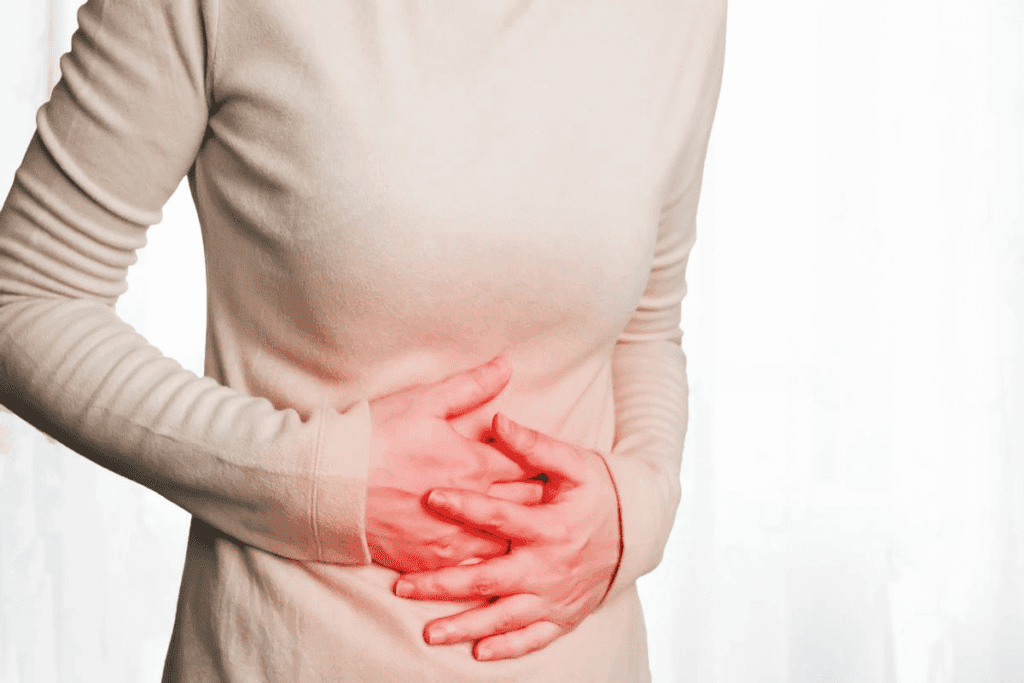
A hernia happens when an organ or tissue pushes through a weak spot in the muscle or fascia. This can lead to health problems. Knowing the types and causes of hernias is key to managing and treating them.
Definition of a Hernia
A hernia is when a muscle wall weakens or tears. This lets an organ or tissue bulge out. Stress and anxiety can make this worse by raising abdominal pressure and muscle tension.
Common Types of Hernias
There are many types of hernias, each with its own risks. Here are some common ones:
- Inguinal Hernias: These happen when tissue bulges through a weak spot in the abdominal muscles in the groin.
- Umbilical Hernias: These occur near the belly button, due to a weak spot in the abdominal wall.
- Incisional Hernias: These develop through a scar or incision in the abdominal wall from previous surgery.
- Hiatal Hernias: These occur when the stomach bulges up into the chest through a diaphragm opening.
Causes of Hernias
Hernias can be caused by many things, including genetics, lifestyle, and environment. Key factors include:
- Genetic Predisposition: People with a family history of hernias are more likely to get one.
- Age: Older adults are more at risk due to muscle weakness.
- Chronic Coughing or Sneezing: This can increase abdominal pressure.
- Physical Strain: Lifting heavy objects or doing strenuous activities can strain muscles.
- Poor Nutrition: A diet lacking essential nutrients can weaken muscles and tissues.
Knowing about hernia causes and types is vital for prevention and management. By tackling these factors and living a healthy lifestyle, people can lower their risk of hernias and ease symptoms.
The Role of Stress in Physical Health
Stress, whether it’s emotional or physical, deeply affects our health. When we feel stressed, our body goes into “fight or flight” mode. This releases hormones like cortisol and adrenaline.
These hormones get our body ready to face the threat or run away. Our heart beats faster, blood pressure goes up, and muscles tighten. This prepares us to react quickly.
How Stress Affects the Body
Long-term stress can harm our physical health, mainly our abdominal muscles. Stress can tighten muscles, weakening the abdominal wall and raising hernia risks. It can also mess with our digestion, causing problems like IBS or acid reflux.
- Stress can make health issues worse.
- It can lead to unhealthy habits, like eating too much or poor diet choices.
- Chronic stress can make us tired, making it hard to stay active.
The Mind-Body Connection
Our mind and body are closely linked. Emotional stress can show up as physical symptoms, like headaches or back pain. By managing stress, we can protect our physical health.
Practices like meditation, deep breathing, or yoga can lower stress. Regular exercise boosts both our physical and mental health.
Different Types of Stress
Stress is a complex state that affects our body and mind. It can be categorized into several types, each with its own impact on hernia symptoms. Knowing these types is key to managing their effects on hernia discomfort.
Acute Stress
Acute stress is a short, intense reaction to a sudden event. It can be caused by accidents or sudden physical activities. Acute stress can make hernia symptoms worse by increasing abdominal pressure.
Lifting heavy objects can lead to sudden pressure increases. This can cause hernia flare-ups. While acute stress is brief, its effects can be significant. People experiencing it should act quickly to manage their stress and hernia discomfort.
Chronic Stress
Chronic stress lasts for weeks, months, or years. It can stem from work, money, or relationship problems. It can harm health, including increasing hernia risk or worsening symptoms.
Chronic stress keeps stress hormones like cortisol in the body. High cortisol levels can weaken tissues, making them more prone to hernias. It can also lead to unhealthy habits, like poor eating or lack of exercise, which can worsen hernia symptoms.
Emotional Stress
Emotional stress is tied to our mental state and can be caused by anxiety or depression. Emotional stress can cause physical symptoms, like muscle tension, which can make hernia discomfort worse. It can also make us feel our symptoms more intensely.
It’s important to manage emotional stress for our overall health. Mindfulness, meditation, and professional help can help manage it. This can reduce its impact on hernia symptoms.
In summary, knowing about acute, chronic, and emotional stress is vital for understanding their effects on hernia. By recognizing stress’s role in hernia discomfort, we can take steps to manage it and alleviate symptoms.
Can Stress Directly Cause Hernias?
Stress affects our health in many ways, but its role in causing hernias is not clear. We will look into how stress and hernias are connected. We will use scientific studies and expert opinions to understand this relationship better.
Scientific Studies on Stress and Hernias
Many studies have explored the link between stress and hernias. Stress can change our body in many ways, like releasing hormones. But, it’s not proven that stress directly causes hernias.
“Cortisol and other stress hormones can influence various bodily functions, but they don’t directly weaken muscles or create tears in connective tissue, which are common causes of hernias.” Medical experts say stress might not directly cause hernias. But, it could play a role in making symptoms worse.
Expert Opinions on the Connection
Doctors and surgeons have shared their views on stress and hernias. Dr. [Last Name], a hernia specialist, says, “Stress itself doesn’t directly cause hernias. But, it can lead to behaviors or physiological responses that might worsen symptoms or contribute to the risk of hernia complications.”
Experts agree on a few key points:
- Stress can make hernia symptoms worse by increasing abdominal pressure.
- Chronic stress might lead to behaviors that increase hernia risk, like a bad diet or not exercising enough.
- The indirect effects of stress on the body might make complications more likely if a hernia is present.
Risk Factors for Hernias
Hernias can be caused by genetics, lifestyle, and health factors. Knowing these risks helps prevent and manage hernias. We’ll look at genetic factors, lifestyle choices, and the role of weight management.
Genetic Predisposition
Genetics play a big part in hernia risk. If your family has hernias, you might get one too. This is because you might inherit weak spots in your abdominal wall. If you have a family history, talk to a doctor about how to prevent and catch hernias early.
Lifestyle Choices
How you live affects hernia risk. Heavy lifting, bending, or straining can harm your abdominal wall. Also, long-term coughing or sneezing can strain it, possibly causing a hernia. To lower these risks, avoid heavy lifting and manage coughs.
The Importance of Weight Management
Keeping a healthy weight is key to avoiding hernias. Too much weight strains your abdominal wall, raising hernia risk. Stress and anxiety can also make physical problems worse, like hernias. Eat well and exercise to stay healthy and reduce hernia risk.
Symptoms of a Hernia
Knowing the signs of hernias is key to managing them well. Hernias show up in different ways. Spotting these signs early can help you get the right care fast.
Common Symptoms
Hernias often cause a bulge, pain when you strain, and a dragging feeling in the groin. Stress can make these symptoms worse. So, it’s important to handle stress when dealing with a hernia.
- A visible bulge or lump
- Pain or discomfort during physical activities
- A feeling of heaviness or pressure in the abdomen or groin
- Discomfort that worsens towards the end of the day
Symptoms Requiring Immediate Attention
Some hernia symptoms are okay to live with, but others need quick medical help. Severe pain, nausea, vomiting, or trouble passing gas or having a bowel movement are serious. They could mean a life-threatening problem called strangulation.
- Severe abdominal pain
- Nausea and vomiting
- Fever
- A hernia that becomes tender, red, or discolored
It’s important to know when to seek help. Stress can hide or make hernia symptoms worse. Managing stress well, along with medical care, is key for your health.
Stress Management Techniques
Stress management is key for keeping both body and mind healthy, even more so for those with hernias. It can boost well-being and ease hernia pain.
Relaxation Techniques
Relaxation techniques are vital for stress control. Meditation, deep breathing exercises, and yoga are great for lowering stress. They calm the mind and body, easing stress-related physical strain.
- Meditation: Regular practice can cut down stress and anxiety.
- Deep Breathing Exercises: They calm the nervous system.
- Yoga: It combines physical poses with deep breathing, reducing stress and improving flexibility.
Exercise and Physical Activity
Regular exercise and physical activity are key for stress management. Exercise lowers stress and anxiety by releasing endorphins, or “feel-good” hormones. Walking, swimming, or cycling are good choices.
Exercise Type | Benefits |
Walking | Improves heart health, reduces stress |
Swimming | Low-impact, reduces stress, and strengthens muscles |
Cycling | Boosts heart fitness, eases stress |
Seeking Professional Help
At times, managing stress means getting help from experts. Mental health professionals offer strategies and therapies for individual needs. Cognitive-behavioral therapy (CBT) and stress management counseling are effective.
By using these stress management methods daily, people can handle stress better. This can lessen hernia discomfort and enhance life quality.
Treatment Options for Hernias
Hernia treatment varies, from non-surgical methods to surgery. Each case is different, so treatment must be personalized.
Non-Surgical Treatments
For small hernias or those not causing much pain, non-surgical options might be suggested. These include:
- Lifestyle Modifications: Avoid heavy lifting, stay at a healthy weight, and manage coughing or sneezing.
- Supportive Devices: Wear supportive garments or trusses to help the affected area.
- Pain Management: Use over-the-counter pain relievers to ease discomfort from the hernia.
Surgical Procedures
For serious hernias or those causing a lot of symptoms, surgery is often needed. There are several surgical options:
Surgical Method | Description | Benefits |
Open Hernia Repair | A traditional method with one incision to access the hernia. | Works well for many hernias, with a known recovery process. |
Laparoscopic Hernia Repair | A minimally invasive method with small incisions and a camera. | Less pain, quicker recovery. |
Robotic Hernia Repair | An advanced laparoscopic surgery with a robotic system for better precision. | More precise, fewer complications, and faster recovery. |
Recovery and Aftercare
Proper recovery and aftercare are key, no matter the treatment. We stress the importance of:
- Post-Operative Care: Follow the surgeon’s recovery instructions, including rest, wound care, and follow-up visits.
- Lifestyle Adjustments: Make long-term changes to prevent the hernia from coming back, like staying at a healthy weight and avoiding heavy activities.
- Monitoring for Complications: Watch for signs of complications, such as infection or hernia recurrence, and seek medical help if they appear.
Understanding treatment options and following aftercare can help manage hernias and lower the risk of complications.
Prevention Strategies for Hernias
To prevent hernias, we need to make lifestyle changes, do specific exercises, and get regular check-ups. By doing these things, we can lower our chance of getting a hernia.
Lifestyle Changes
Changing our lifestyle can help a lot in preventing hernias. Keeping a healthy weight is key because extra weight puts more strain on our belly. Eating a diet full of fiber helps avoid constipation, which is a big risk for hernias.
- Eating a high-fiber diet to prevent constipation
- Avoiding heavy lifting or bending
- Quitting smoking to improve overall health
Strengthening Exercises
Doing exercises that make our belly muscles stronger can also help. This includes:
- Core strengthening exercises like planks and crunches
- Pelvic tilts to improve abdominal wall strength
- Regular physical activity to maintain overall muscle tone
It’s important to start slowly with these exercises. This helps avoid straining our belly muscles.
Regular Health Check-Ups
Going for regular health check-ups is also key. Doctors can spot problems early and give advice on how to prevent them.
Prevention Strategy | Description | Benefits |
Lifestyle Changes | Maintaining a healthy weight, balanced diet | Reduces strain on abdominal wall, prevents constipation |
Strengthening Exercises | Core strengthening, pelvic tilts | Improves abdominal wall strength, reduces hernia risk |
Regular Check-Ups | Early detection, professional guidance | Identifies problems early, gives preventive advice |
Conclusion: Addressing the Stress Hernia Connection
Understanding the link between stress and hernias is key to staying healthy. We’ve learned about the different types of hernias and how stress plays a role. We also found out how to manage stress to prevent and treat hernias.
Key Takeaways
The link between stress and hernias shows we need to care for our bodies and minds. Managing stress is not just about feeling better mentally. It also helps prevent physical problems like hernias. We need to take a holistic approach that includes stress management, lifestyle changes, and medical care.
Recommendations for Optimal Care
To manage stress and prevent hernias, try stress-reducing activities like relaxation and exercise. Also, keep a healthy weight, avoid heavy lifting, and get regular health checks. These steps can greatly lower your risk of hernias and improve your health.
Managing stress and hernia symptoms are connected for better health. Start taking care of your health today by following these tips.
FAQ
Can stress cause a hernia?
Stress doesn’t directly cause hernias. But it can make symptoms worse by raising abdominal pressure and affecting health.
How does stress impact abdominal muscles?
Stress can tighten abdominal muscles. This can put more pressure on the wall and make hernias worse or create new ones.
What are the common symptoms of a hernia?
Hernia symptoms include a bulge, pain, and discomfort when bending or lifting. Stress can make these symptoms worse.
Can managing stress help alleviate hernia symptoms?
Yes, managing stress can help. Techniques like relaxation and exercise can reduce muscle tension and strain.
What are the treatment options for hernias?
Treatments range from non-surgical methods like lifestyle changes to surgery. The choice depends on the hernia’s type and severity.
How can I prevent hernias?
Preventing hernias means staying healthy, avoiding heavy lifting, and managing stress. Exercises that strengthen the abdominal wall also help.
Is there a link between emotional stress and hernia flare-ups?
Emotional stress can lead to muscle tension and increased pressure. This can cause hernia flare-ups or worsen symptoms.
Can stress worsen existing hernia pain?
Yes, stress can make hernia pain worse. It increases muscle tension and abdominal pressure, making symptoms more uncomfortable.
How does stress affect the immune system in relation to hernias?
Chronic stress can weaken the immune system. This can affect healing from hernia surgery or complicate symptom management.
Are there any lifestyle changes that can help manage hernia symptoms and stress?
Yes, healthy diet, regular exercise, avoiding smoking, and stress management can help. These changes improve health and symptoms.
References
Nature. Evidence-Based Medical Insight. Retrieved from https://www.nature.com/articles/s41598-023-31674-w