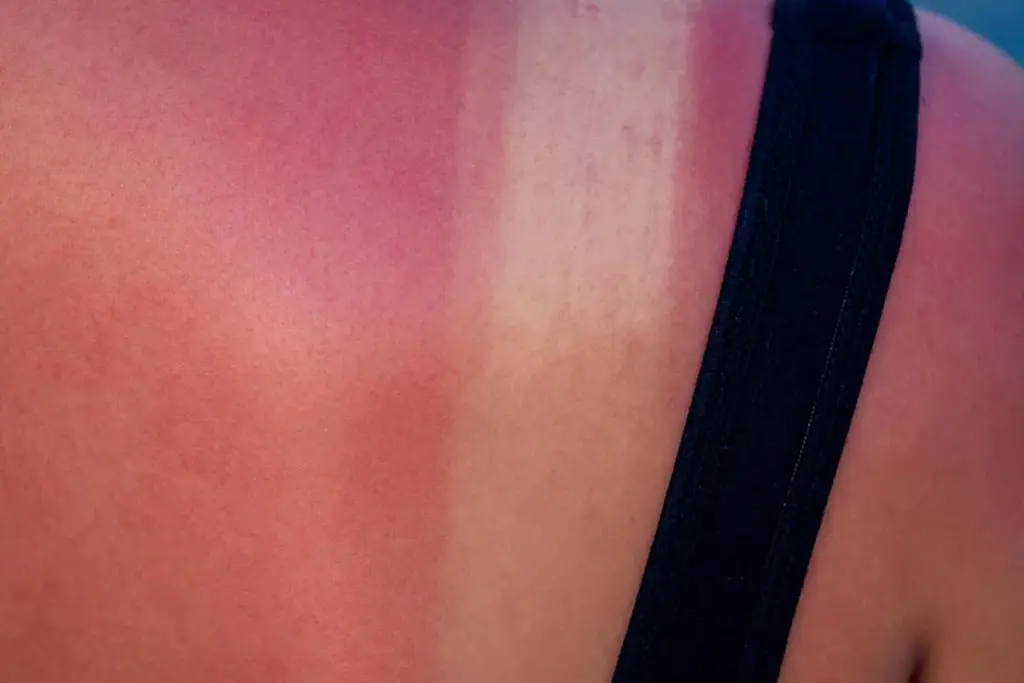
Sunburn can be really upsetting, and it’s even worse when it changes your skin color. At Liv Hospital, we get it and want to help you get your natural skin tone back. Sun damage can make your skin look different, which is not what you want.
To get your natural glow back, we need to fix the damage and stop more sun exposure. We suggest staying out of the sun, using sunscreen, and wearing clothes that protect you from the sun. The National Institutes of Health says drinking water and using cool compresses or aloe vera gel can help with pain and healing.
Key Takeaways
- Prevent further skin damage by avoiding the sun and using protective measures.
- Apply cool compresses or aloe vera gel to alleviate pain and promote healing.
- Stay hydrated by drinking plenty of water.
- Use sunscreen and wear sun-protective clothing.
- Consider taking over-the-counter NSAIDs to reduce pain.
Understanding Sunburn and Its Effect on Skin Color
Sunburn happens when skin gets too much UV radiation from the sun or tanning beds. This damages skin cells’ DNA and causes inflammation.
“The skin’s response to UV damage is complex, involving changes in melanin production that can result in altered skin pigmentation,” says a recent study. This can show up as either darker or lighter skin, depending on the skin type and damage level.
The Science Behind Sunburn and Skin Damage
UV radiation damages skin cells’ DNA, triggering inflammation. This is the body’s way of trying to fix the damage. But, it can also destroy melanocytes, the cells that make melanin, affecting skin color.
Studies show that getting sunburned often, even in childhood, raises the risk of melanoma. This highlights the need to understand sunburn’s effects on skin health and prevent it.
How UV Radiation Alters Skin Pigmentation
UV radiation changes skin pigmentation by affecting melanin production. When skin gets UV rays, it makes more melanin to protect itself. But too much UV can cause sunburn and long-term color changes.
The change in skin color comes from uneven melanin distribution. This can cause post-inflammatory hyperpigmentation (PIH), where skin darkens in affected areas. On the other hand, severe sunburn can lead to post-inflammatory hypopigmentation, making patches lighter.
It’s key to protect skin from more UV damage while it heals. Using broad-spectrum sunscreens and wearing protective clothes can help prevent more harm and aid in skin recovery.
Sunburn for Black Skin: Unique Challenges and Considerations
Sunburn on melanin-rich skin is often misunderstood. This leads to not enough protection and care. While melanin does offer some protection against UV rays, it’s a myth that darker skin is completely safe from sunburn.
Misconceptions About Melanin-Rich Skin and Sun Protection
Many think darker skin doesn’t need sun protection because it’s less damaged. But, this belief can cause a lack of proper care. This can lead to sunburn and long-term skin damage. A study on sunburn experiences across ethnicities shows the importance of understanding sunburn in different skin types.
While melanin offers some protection, it’s not enough. UV radiation can cause damage, leading to sunburn, premature aging, and even skin cancer.
“The notion that darker skin is immune to sun damage is a dangerous myth. Everyone, regardless of skin tone, needs to take sun protection seriously.” -Dermatologist
How Sunburn Manifests in Darker Skin Tones
<SEP-13439_image_2>
Sunburn looks different in darker skin tones. Unlike lighter skin, where sunburn is red, in darker skin, it may be less visible. It can appear as darker patches or hyperpigmentation.
|
Characteristics |
Lighter Skin |
Darker Skin |
|---|---|---|
|
Visible Sunburn |
Redness, warmth |
Darker patches, hyperpigmentation |
|
Symptoms |
Pain, blistering |
Pain, peeling, possible hypopigmentation |
|
Long-term Effects |
Premature aging, skin cancer |
Premature aging, skin cancer, persistent hyperpigmentation |
It’s important to understand these differences for prevention and treatment. By recognizing the unique challenges of melanin-rich skin, we can better meet their needs and provide effective care.
The Fitzpatrick Skin Phototypes System Explained
The Fitzpatrick skin phototype system helps us understand how our skin reacts to UV rays. It’s a way to classify skin types based on their sensitivity to the sun. This system is used worldwide to know how likely someone is to get sunburned.
This system ranges from Type I (very fair skin that always burns) to Type VI (very dark skin that never burns). Knowing your skin type can help you protect yourself from the sun better.
Understanding Your Skin Type Classification
To find out your skin type, think about how it reacts to the sun. Your skin color, hair color, and eye color matter. For example, people with light skin, hair, and eyes are more likely to burn easily.
Here’s a breakdown of the Fitzpatrick skin phototypes:
- Type I: Always burns, never tans
- Type II: Usually burns, tans minimally
- Type III: May burn, tans uniformly
- Type IV: Burns minimally, always tans well
- Type V: Rarely burns, tans very easily
- Type VI: Never burns, deeply pigmented
Sunburn Susceptibility Across Different Skin Types
People with skin Types I and II are more likely to get sunburned because their skin is fair. Those with darker skin (Types V and VI) have more melanin. This melanin helps protect their skin from UV rays, making them less likely to get sunburned.
Even though melanin offers some protection, it’s not enough to completely prevent sunburn or skin damage. Knowing your Fitzpatrick skin phototype helps you choose the right sun protection. This way, you can avoid sunburn and other skin problems.
Immediate Steps After Getting Sunburned
<SEP-13439_image_3>
When sunburn hits, knowing what to do first is key. Quick action can lessen damage and ease pain.
Cooling and Hydrating the Skin
First, cool the skin. A cool bath or shower can help. You can also use a cool compress or aloe vera gel to soothe it. Drinking lots of water is important to keep your skin moist. Use a moisturizer with aloe vera or soy to help heal and keep moisture in.
Pain Management Techniques
Sunburn can hurt, but there are ways to ease the pain. You can take over-the-counter pain relievers like ibuprofen or acetaminophen. Topical creams or gels with lidocaine or benzocaine can numb the skin. A cool bath with colloidal oatmeal or baking soda can also help soothe and reduce itching.
When to Seek Medical Attention
Most sunburns can be treated at home, but sometimes you need a doctor. If you have severe blistering, fever, or chills, see a doctor. Signs of infection like more redness, swelling, or pus mean you need a doctor too. If you feel dizzy, confused, or have a bad headache, get medical help right away.
The Healing Timeline: What to Expect
Knowing how long it takes for sunburn to heal is important. It helps you take care of your skin better. The time it takes to heal depends on how bad the sunburn is and your skin type.
First 72 Hours Post-Sunburn
The first 72 hours after getting sunburned are key. Your skin starts to react to the UV damage during this time. Here’s what you might see:
- Immediate Redness: Your skin turns red and gets inflamed because of more blood flow.
- Swelling and Warmth: It might swell and feel warm to the touch.
- Blistering: In bad cases, blisters form to protect the skin from more damage.
- Peeling: As it heals, the skin peels off, showing new skin underneath.
To ease these symptoms, keep your skin cool and moist. Using aloe vera or moisturizer can help soothe it and lessen pain.
Long-term Recovery Process for Different Skin Tones
The healing time after sunburn can differ based on skin tone. The initial healing steps are similar, but how skin regenerates and returns to its color can vary.
People with lighter skin might see redness for longer before their skin returns to normal. Those with darker skin might see darker spots, called post-inflammatory hyperpigmentation (PIH), after healing.
To help your skin heal, remember to:
- Stay Hydrated: Drinking water keeps your skin moist from the inside.
- Use Gentle Skincare: Avoid harsh products that can irritate your skin more.
- Protect Your Skin from the Sun: Use sunscreen with high SPF to prevent more damage.
As a dermatologist notes, “Taking good care and protecting your skin is key to full recovery and avoiding long-term damage.”
“The skin is the largest organ in the body, and it needs care and protection, especially after sunburn.” -Dermatologist
By understanding the healing timeline and taking the right care, you can help your skin heal better and avoid long-term damage.
Topical Treatments to Restore Original Skin Color
<SEP-13439_image_4>
There are many topical treatments to help your skin get back to normal after sunburn. It’s important to pick ones that fit your skin type and how bad the sunburn is.
Aloe Vera and Natural Remedies
Aloe vera is a top choice for sunburn relief because it’s soothing and fights inflammation. It keeps your skin moist and helps it heal. Coconut oil and chamomile extract also help calm sunburned skin and bring back its natural color.
Benefits of Aloe Vera:
- Soothes sunburned skin
- Reduces inflammation
- Hydrates the skin
- Promotes healing
A dermatologist says, “Aloe vera has been used for centuries to treat sunburn. It’s anti-inflammatory and soothing.”
“Aloe vera is a natural healer that not only soothes the skin but also accelerates the recovery process.” -Dermatologist
Over-the-Counter Products for Melanin-Rich Skin
For people with darker skin, it’s key to use gentle, effective OTC products. Look for ones with vitamin E, licorice extract, and niacinamide. These can help restore your skin’s natural color and reduce dark spots.
|
Product |
Key Ingredients |
Benefits |
|---|---|---|
|
Product A |
Vitamin E, Niacinamide |
Reduces hyperpigmentation, hydrates skin |
|
Product B |
Licorice Extract, Aloe Vera |
Soothes skin, reduces inflammation |
Prescription Treatments for Severe Cases
For very bad sunburn, you might need prescription treatments. These can include creams to reduce swelling and help your skin heal. Always talk to a dermatologist to figure out the best treatment for you.
Prescription treatments should be used under the guidance of a healthcare professional to avoid possible side effects.
It’s best to see a dermatologist to get a treatment plan that’s right for your skin.
Addressing White Patches and Uneven Pigmentation After Sunburn
White patches and uneven pigmentation can happen after sunburn. When skin gets too much UV radiation, it can change color. This is a common problem.
Understanding Post-Inflammatory Hypopigmentation
Post-inflammatory hypopigmentation is when skin loses pigment after getting inflamed. This can happen after sunburn. It causes white patches or lighter skin, more visible in darker skin tones.
Causes of Post-Inflammatory Hypopigmentation:
- Damage to melanocytes, the cells that make melanin
- Inflammation from UV radiation
- People with darker skin are more likely to see it
Treatment Options for White Spots on Dark Skin
Fixing white patches from post-inflammatory hypopigmentation needs a careful plan. Here are some ways to treat it:
|
Treatment |
Description |
Benefits |
|---|---|---|
|
Topical Steroids |
Reduce inflammation and help skin get its color back |
Works well for mild cases, easy to use |
|
Phototherapy |
Uses light to help skin make more melanin |
Focuses on the problem areas, helps skin color |
|
Surgical Options |
Like skin grafting for very bad cases |
For severe or hard-to-treat cases |
Seeing a dermatologist is key to finding the right treatment. They can help based on how bad it is and your skin type.
Hydration and Nutrition for Skin Recovery
<SEP-13439_image_5>
Recovering from sunburn is more than just using creams. It needs a full approach with enough water and a good diet. Sunburn damages not just the skin’s surface but also deeper layers. This makes it hard for your skin to keep moisture and grow new cells.
Foods That Promote Skin Healing and Melanin Production
Eating the right foods can really help your skin get better. Foods packed with antioxidants, vitamins, and minerals are key. They help fix sunburned skin and bring back its natural color.
- Vitamin C-rich foods like citrus fruits, strawberries, and bell peppers boost collagen and aid healing.
- Omega-3 fatty acids in salmon, walnuts, and chia seeds cut down inflammation and keep skin healthy.
- Zinc-rich foods such as oysters, beef, and pumpkin seeds are vital for healing wounds and keeping skin strong.
- Antioxidant-rich foods like berries, leafy greens, and other veggies fight off UV damage.
The Importance of Internal Hydration for Skin Restoration
Drinking enough water is key for skin health, even more so after sunburn. Water helps your skin regain its moisture, aiding in recovery and keeping it flexible.
To stay hydrated:
- Drink at least eight glasses of water a day, adjusting as needed for your activity and where you live.
- Include hydrating foods like cucumbers, watermelon, and celery to add to your water intake.
- Avoid dehydrating drinks like alcohol and caffeine, which can dry you out.
By paying attention to what you eat and drink, you can help your skin heal faster. It will get back to its original color and health.
Professional Treatments for Sunburn Damage
For those with severe sunburn damage, professional treatments can help. They can restore your skin’s color and health. Sunburn can harm your skin deeply, causing long-term problems if not treated.
Dermatological Procedures for Different Skin Types
There are many dermatological procedures for sunburn damage. The right treatment depends on your skin type and the damage level. For example, darker skin may need different treatments than lighter skin.
Some common treatments include:
- Laser therapy to fix uneven skin tone.
- Chemical peels to remove damaged skin and boost collagen.
- Microdermabrasion to gently remove dead skin and improve texture.
Livhospital’s Approach to Treating Sun-Damaged Skin
At Liv Hospital, we have a detailed plan for sun-damaged skin. Our dermatologists check the damage and suggest treatments that fit each patient. We make sure our treatments are right for you.
Our treatments might include laser therapy, chemical peels, and microdermabrasion. We also use advanced skincare to help your skin heal. We focus on keeping your skin safe from the sun and giving you the right nutrition.
We use our knowledge and latest technology to make your skin healthier. Our goal is to give you the best care for your sun-damaged skin. We’re dedicated to helping you get back to your best.
Long-Term Strategies for Restoring Melanin Production
To get your skin back to its natural color, focus on long-term plans. These plans should help increase melanin production. This is key for healing from sunburn and getting your natural skin color back.
Natural Methods to Boost Melanin
To naturally increase melanin, make dietary changes and use topical treatments. Eating foods full of antioxidants and vitamins can really help. Some top foods include:
- Vitamin C-rich foods like citrus fruits and berries
- Vitamin E-rich foods such as nuts and seeds
- Omega-3 fatty acids found in fish and flaxseeds
Also, natural remedies can boost melanin. Aloe vera is great for soothing the skin and helping it regain its natural color.
Medical Approaches to Pigmentation Restoration
If sunburn or pigmentation loss is severe, medical help might be needed. Seeing a dermatologist can lead to treatments that fit your skin and condition.
Some treatments include:
- Topical creams that stimulate melanin production
- Laser therapy to enhance pigmentation
- Microneedling to promote skin rejuvenation
Always talk to a healthcare expert to find the right treatment for you.
Preventing Further Damage During the Healing Process
<SEP-13439_image_6>
It’s key to stop more sun damage when your skin is healing, more so for darker skin. Your skin is more at risk of getting hurt again. This could cause lasting color changes and make skin problems worse.
To help your skin heal, we suggest a few steps. These include sun protection strategies for darker skin and choosing the right clothes and staying in the shade to avoid UV rays.
Sun Protection Strategies for Melanin-Rich Skin
Even though darker skin has more natural protection, it’s smart to add extra sun protection. Use a broad-spectrum sunscreen with at least SPF 30. Apply it 15-30 minutes before going outside. For darker skin, gel or lightweight lotions work best because they don’t leave a greasy look.
Remember to put on sunscreen every two hours or right after swimming or sweating. Don’t forget to cover often-missed spots like the tops of your ears, the back of your neck, and the tops of your feet.
Clothing and Environmental Considerations
Clothing is also a big help in keeping your skin safe from the sun. Wear clothes made from tightly woven fabrics to block UV rays better. A wide-brimmed hat can protect your face, neck, and ears from the sun.
Be careful around reflective surfaces like water, sand, and snow. They can make UV rays stronger. Try to stay in the shade, mainly during the hottest part of the day (10 AM to 4 PM).
By using these tips, you can lower the chance of more sun damage while your skin heals. This helps your skin recover and stay beautiful.
The Long-Term Impact of Repeated Sunburns
Sunburns, when they happen often, can harm your skin a lot. They might even lead to serious diseases like melanoma. It’s important to understand how sunburns can affect your skin over time. We’ll look at how sunburns in kids raise the risk of melanoma and how they impact skin health.
Childhood Sunburns and Melanoma Risk
Studies show that sunburns in kids can increase the chance of getting melanoma later. People who got bad sunburns as kids are more likely to get skin cancer.
“A single blistering sunburn in childhood more than doubles a person’s chances of developing melanoma,”
say skin doctors. This highlights why we need to keep kids’ skin safe from the sun.
Those who often get sunburned are at even higher risk. So, it’s key to start protecting kids’ skin early to lower this risk.
Cumulative Effects on Skin Health and Appearance
Getting sunburned a lot can harm your skin in many ways. It can cause early aging, uneven skin color, and even skin cancer. The skin’s ability to heal itself can get worse with repeated damage. This leads to long-term problems with how your skin looks and feels.
The cumulative damage from sunburns can cause many skin issues. So, protecting your skin from the sun is vital for keeping it healthy over time.
Selecting the Right Sunscreen for Your Skin Type
Choosing the right sunscreen is key to protecting your skin from the sun. With so many options, picking the best one can be tough. We’ll help you find the right sunscreen for your skin, focusing on darker skin tones. Plus, we’ll share tips on how to apply it for the best protection.
Sunscreen Formulations for Darker Skin Tones
If you have darker skin, it’s important to pick a sunscreen that works well with your skin. Physical sunscreens with zinc oxide or titanium dioxide are good choices. They create a barrier against UV rays and are usually safe for most skin types.
Think about what your skin needs when picking a sunscreen. If you have oily skin, look for oil-free or non-comedogenic options. These won’t block your pores. For dry skin, moisturizing sunscreens can keep your skin hydrated while protecting it from the sun.
Application Techniques for Maximum Protection
<SEP-13439_image_7>
Applying sunscreen right is as important as choosing the right one. Here are some tips to make sure you’re fully protected:
- Apply sunscreen 15-30 minutes before going outside to let it absorb into your skin.
- Use enough sunscreen to cover all exposed skin. Aim for one ounce (a shot glass full) for your whole body.
- Reapply every two hours or right after swimming or sweating.
- Don’t forget to cover often-missed spots like the tops of your ears, nose, and the back of your neck.
By picking the right sunscreen and applying it correctly, you can enjoy the sun safely. This way, you keep your skin healthy and protected.
Building a Daily Skin Care Routine for Sun-Damaged Skin
For those with sun-damaged skin, a daily routine is key, even more so for those with darker skin tones. A consistent care plan helps keep your skin healthy. We’ll cover morning and evening routines, plus weekly treatments.
Morning Regimen for Melanin-Rich Skin
Start your day with the right steps for sun-damaged skin. Use a gentle cleanser to keep your skin’s natural oils. Then, a toner balances your skin’s pH for better product absorption.
Key morning routine steps:
- Cleanse with a gentle, non-stripping cleanser
- Tone to balance skin pH
- Apply a broad-spectrum sunscreen with at least SPF 30
- Use a moisturizer that supports skin hydration
Dermatologists say, “Products rich in antioxidants help fight sun damage.”
“Antioxidants protect the skin from more damage and aid in healing.” -Dermatology Times
Evening Restoration Process
The evening routine repairs sun-damaged skin. Start with a deep cleanse to remove dirt and sunscreen. Exfoliate 2-3 times a week to remove dead skin and boost cell turnover.
Evening routine highlights:
- Double cleanse to remove makeup and sunscreen
- Exfoliate 2-3 times a week
- Apply a treatment product containing retinol or vitamin C
- Moisturize to lock in previous steps’ benefits
|
Product |
Morning |
Evening |
|---|---|---|
|
Cleanser |
Gentle cleanser |
Double cleanse |
|
Toner |
pH balancing toner |
Not necessary |
|
Sunscreen |
SPF 30 or higher |
Not applicable |
|
Moisturizer |
Hydrating moisturizer |
Restorative moisturizer |
|
Treatment |
Antioxidant serum |
Retinol or vitamin C |
Weekly Treatments and Masks for Pigmentation Issues
Weekly treatments and masks help with uneven pigmentation. Choose a mask that targets hyperpigmentation and brightens your skin.
Recommended weekly treatments:
- Exfoliating mask 1-2 times a week
- Brightening mask to address hyperpigmentation
- Hydrating mask to maintain moisture levels
By sticking to this daily routine, you can improve your sun-damaged, melanin-rich skin’s health and look.
Common Myths About Sunburn and Skin Color Restoration
<SEP-13439_image_8>
Sunburn can be very painful and last a long time. It’s important to know the truth about sunburn and how to fix it. Many people believe wrong things about sunburn and fixing skin color, which can lead to bad care.
Debunking Popular Misconceptions About Black Skin and Sun Damage
Many think darker skin doesn’t get sunburn. But, even though darker skin has more protection, it’s not safe from sunburn. People with darker skin can get sunburn, even on parts like palms and soles.
Another wrong idea is that sunburn only hurts the top skin layer. But, UV rays can go deeper and hurt the skin underneath. This can cause early aging and increase the risk of skin cancer.
|
Myth |
Reality |
|---|---|
|
Darker skin is immune to sunburn. |
While darker skin has more natural protection, it is not immune to sunburn or skin damage. |
|
Sunburn only affects the outer skin layer. |
UV radiation can cause damage beyond the outer layer, potentially leading to long-term skin issues. |
Evidence-Based Approaches vs. Internet Remedies
The internet is full of quick fixes for sunburn and skin color. But, not all of these work. We should stick to what science says for safe and effective care.
For example, aloe vera is often used for sunburn, but it’s not a cure-all. Some online tips suggest using lemon juice to fix skin color, but this can be dangerous and isn’t backed by science.
To fix sunburned skin, we need to use gentle, nourishing care. This means using the right creams, staying hydrated, and avoiding more sun damage.
By knowing the truth and avoiding myths, we can take better care of sunburned skin. This helps it heal and get back to its natural color and health.
Conclusion: Embracing Healthy Skin Practices
To get your skin back to normal after a sunburn, you need a full plan. This includes knowing about sunburn, acting fast, and using long-term skin care and sun protection. At Livhospital, we’re here to help you get your skin to its best.
Healthy skin habits are essential for keeping your skin looking good. This means sticking to a good skin care routine, protecting your skin from the sun, and living a balanced life. By focusing on these, you can have skin that’s healthier and more durable.
Our team at Liv Hospital is ready to help you reach your skin health goals. With expert advice and a focus on healthy skin habits, you can bring back your skin’s natural glow and keep it safe from harm.
FAQ
What is the best cream to use after sunburn?
Aloe vera cream is a top choice for soothing sunburned skin. Other good options include creams with vitamin E, hydrocortisone, or lidocaine. These can help reduce inflammation and ease pain.
Can lotion help with sunburn?
Yes, lotion can help with sunburn by moisturizing the skin and reducing peeling. Choose fragrance-free and hypoallergenic lotions to avoid further irritation.
How can I restore my skin color after sunburn?
To restore your skin color after sunburn, use aloe vera and stay hydrated. Avoid more sun until your skin heals. Sometimes, you might need professional treatments like chemical peels or laser therapy.
Can sunburn cause white patches on the skin?
Yes, sunburn can lead to white patches or uneven pigmentation, more so in darker skin tones. This is called post-inflammatory hypopigmentation.
How do I get rid of sunburn on my face?
To get rid of sunburn on your face, use a gentle, fragrance-free moisturizer. Stay out of the sun and try cool compresses or aloe vera gel. If it’s severe, see a dermatologist.
Is it true that people with darker skin tones are completely safe from sunburn?
No, it’s a myth that people with darker skin tones are safe from sunburn. While melanin protects, it’s not enough. Those with melanin-rich skin should protect themselves from the sun.
What is the Fitzpatrick skin phototypes system?
The Fitzpatrick skin phototypes system classifies skin types based on UV exposure. It helps understand sunburn risk and prevent it.
How can I prevent further sun damage during the healing process?
To prevent further sun damage, use a broad-spectrum sunscreen with high SPF. Wear protective clothing and seek shade outdoors. Avoid tanning beds and peak sun hours.
What are the long-term effects of repeated sunburns?
Repeated sunburns can cause premature aging and increase skin cancer risk. Protecting your skin from the sun is key to keeping it healthy and resilient.
How do I choose the right sunscreen for my skin type?
When choosing sunscreen, think about your skin type and needs. For melanin-rich skin, look for sunscreens with zinc oxide or titanium dioxide. Apply sunscreen often and reapply every two hours or after swimming or sweating.
What are some common myths about sunburn and skin color restoration?
One myth is that darker skin tones don’t need to worry about sunburn. Another is that certain products can instantly restore skin color. Evidence-based approaches and professional advice are best for skin care.
Can certain foods help promote skin healing and melanin production?
Yes, eating a balanced diet with vitamins C and E, omega-3 fatty acids, and antioxidants helps skin healing and melanin production. Foods like berries, leafy greens, and fatty fish are good for your skin.
Reference
https://pubmed.ncbi.nlm.nih.gov/30710336



 Departments
 Related Videos
 Our Doctors
 News
News