Sun damage is a big problem for many, with sunburn hitting millions each year. Too much UV radiation can cause painful burns, early aging, and even skin cancer. It’s key to take good care of sunburned skin to ease pain and avoid lasting harm.
We know how vital sunburn relief and treatment are. The right steps can help skin heal, lower the chance of problems, and get skin back to health. This article will show you the best ways to treat sunburn and keep your skin healthy.
Key Takeaways
- Understanding the risks associated with sunburn and its impact on skin health.
- Learning effective methods for sunburn relief and treatment.
- Discovering ways to promote skin healing and prevent long-term damage.
- Identifying best practices for maintaining healthy skin after sunburn.
- Exploring the importance of proper sunburn care.
Understanding Sunburn: Causes and Mechanisms
Sunburn is a common problem that can happen to anyone. It’s caused by too much ultraviolet (UV) radiation from the sun or tanning beds. Knowing how it happens helps us prevent and treat it better.
The Science Behind Skin Damage from UV Radiation
UV radiation harms the skin by changing the DNA of skin cells. This leads to redness, swelling, and pain. There are two types of UV radiation: UVA and UVB. UVA causes aging, while UVB leads to sunburn.
Key Effects of UV Radiation on Skin:
- DNA damage leading to cell death or mutations
- Increased risk of skin cancer
- Premature aging of the skin
- Inflammation and immune response
Different Types and Severity Levels of Sunburn
Sunburn can be mild or severe. How bad it is depends on how long you’re exposed, the UV intensity, and your skin type.
|
Severity Level |
Characteristics |
Symptoms |
|---|---|---|
|
Mild |
Minimal redness, slight warmth |
Slight discomfort, possible peeling after a few days |
|
Moderate |
Noticeable redness, warmth, and swelling |
Pain, possible blistering, peeling |
|
Severe |
Significant redness, swelling, and blistering |
Severe pain, fever, chills, nausea |
Knowing how bad your sunburn is helps you choose the right treatment. It also tells you when you need to see a doctor.
Recognizing Sunburn Symptoms
Knowing the signs of sunburn is key to healing and avoiding more harm. Sunburn symptoms can vary from mild to severe. It’s important to understand these signs to care for your skin properly.
Common Signs of Mild to Moderate Sunburn
Mild to moderate sunburn shows certain symptoms. These include:
- Redness and inflammation: The skin turns red, swells, and feels warm because of more blood flow.
- Pain and tenderness: The area hurts and is sensitive, even to light touch.
- Warmth: Sunburned skin feels warm or hot because of inflammation.
- Blisters: In more severe cases, blisters may form.
The Skin Cancer Foundation says knowing these symptoms is key. It helps you figure out how bad the sunburn is and what treatment to choose
“Sunburn is a sign of skin damage, and repeated episodes can lead to long-term consequences like premature aging and skin cancer.”
Warning Signs of Severe Sunburn and Sun Poisoning
Severe sunburn, or sun poisoning, has more serious symptoms that need quick attention. These include:
- Severe blistering: Large blisters that can ooze fluid and become infected.
- Fever: A high body temperature shows the body’s strong reaction to severe skin damage.
- Nausea and dizziness: Feeling sick or dizzy can mean dehydration or the body’s reaction to the burn.
- Dehydration: Signs like dry mouth, dark urine, and less urine output.
|
Symptom |
Mild to Moderate Sunburn |
Severe Sunburn/Sun Poisoning |
|---|---|---|
|
Redness |
Present |
Present, possibly with blistering |
|
Pain |
Painful |
Very painful |
|
Blisters |
May be present |
Often present, possibly large |
|
Fever |
Absent |
May be present |
|
Nausea/Dizziness |
Absent |
May be present |
It’s vital to recognize these symptoms to get the right medical care when needed. Severe sunburn can cause serious problems, like infection and dehydration.
Immediate Actions for Sunburn Relief
Quick action is key to easing sunburn pain. The first 24 hours are critical. Acting fast can lessen discomfort and aid in healing.
First Aid Steps Within the First 24 Hours
The first 24 hours are vital for sunburn care. Cooling the skin is a first step. A cool bath or shower can lower skin temperature and ease pain.
Adding cooling agents like baking soda or colloidal oatmeal to bath water can offer extra relief.
After cooling, moisturizing is key to keep moisture in and aid skin recovery. Choose gentle, fragrance-free moisturizers with aloe vera or soy. These soothe the skin.
- Drink lots of water to keep your skin moist.
- Avoid more sun until your sunburn heals.
- Use gentle skin care to avoid irritation.
When to Seek Medical Attention
While many sunburns can be treated at home, some need medical attention. Severe symptoms like blisters, fever, or chills require a doctor’s visit. Also, see a doctor if your sunburn is widespread or if you worry about infection.
Signs of a serious sunburn include:
- Large blisters or blisters that become infected
- Severe pain that doesn’t get better with over-the-counter pain relievers
- Fever or chills
If you’re not sure about your sunburn’s severity or what to do, talk to a healthcare professional. They can give you personalized advice.
Cooling Treatments for Sunburned Skin
Cooling treatments can offer quick relief for sunburned skin. They help reduce discomfort and aid in healing. Sunburn damages the skin, causing inflammation and heat. Cooling the skin lessens this inflammation and eases sunburn discomfort.
Cold Compress Techniques
A cold compress is a simple and effective way to cool sunburned skin. To make one, wet a cloth with cold water and wring it out. Then, apply it to the sunburned area. For extra cooling, wrap ice packs in a towel and place them on the skin without direct contact.
Apply a cold compress for 15-20 minutes, several times a day. This helps reduce heat and ease discomfort.
Using cold compress techniques offers several benefits:
- Reduces heat and inflammation
- Eases pain and discomfort
- Improves blood flow to aid healing
Cool Bath Therapies with Soothing Additives
Cool bath therapies are also effective for soothing sunburned skin. Adding soothing additives to a cool bath can enhance relief. Recommended additives include:
- Oatmeal: It has anti-inflammatory properties that soothe itchy and irritated skin.
- Baking soda: Helps neutralize skin pH and reduce irritation.
- Essential oils: Oils like lavender and chamomile have calming effects and promote relaxation.
To prepare a cool bath, fill your bathtub with cool water and add your chosen additive. Soak for 15-20 minutes to absorb the benefits. Afterward, gently pat dry with a towel, avoiding rubbing to prevent further irritation.
Cool bath therapies provide immediate relief and promote healing. They keep the skin cool and hydrated. We recommend this treatment as part of a sunburn care routine.
Hydration Strategies for Sunburn Recovery
Recovering from sunburn needs the right hydration, inside and out. Sunburn damages your skin, making it lose moisture and repair itself slowly. So, it’s key to replace this lost moisture to heal.
Internal Hydration: Water and Electrolyte Intake
Drinking lots of water is the first step in hydrating from the inside. Sunburn can make you dehydrated by pulling water to the skin’s surface. We suggest drinking more water to help your body get back its moisture. Also, drinks with electrolytes can replace lost minerals from sunburn.
Key Tips for Internal Hydration:
- Drink at least 8-10 glasses of water a day.
- Include electrolyte-rich drinks like coconut water or sports drinks.
- Avoid caffeinated and alcoholic beverages that can worsen dehydration.
External Hydration: Moisturizers and Their Application
Hydrating from the outside is just as vital. The right moisturizer can keep moisture in, ease pain, and help heal. Look for moisturizers with emollients and humectants, like aloe vera gel or hyaluronic acid creams.
Effective Application Techniques:
- Apply moisturizer right after bathing or showering when the skin is damp.
- Reapply moisturizer all day, after being in the sun or washing your hands.
- Gently pat the skin dry before applying moisturizer to avoid irritating sunburned skin further.
Combining internal and external hydration can greatly improve sunburn recovery. Remember, hydration is not just extra care; it’s essential for healing sunburned skin.
Natural Remedies for Sunburn Treatment
Looking for ways to ease sunburn often leads to natural remedies. These are packed with antioxidants and soothing properties. We’ll look at how these remedies help with sunburn, their benefits, and any limits they might have.
Aloe Vera: Applications and Benefits
Aloe vera is a top choice for sunburn relief. Its gel has anti-inflammatory compounds that lessen redness and swelling. Applying aloe vera gel to sunburned skin can soothe it and help it heal faster.
Benefits of Aloe Vera:
- Reduces inflammation and pain
- Promotes skin hydration and elasticity
- Accelerates wound healing
A study in the Journal of Ethnopharmacology showed aloe vera boosts wound healing. It does this by increasing growth factors that help repair the skin.
Other Plant-Based Solutions
There are more plant-based solutions for sunburn relief. Some include:
- Coconut Oil: Its fatty acids moisturize the skin and reduce inflammation.
- Tea: Cool tea bags or tea-infused products can cool sunburned areas.
- Calendula: It has anti-inflammatory and antimicrobial properties, making it great for healing.
The table below lists some key natural remedies for sunburn:
|
Remedy |
Benefits |
Application |
|---|---|---|
|
Aloe Vera |
Reduces inflammation, promotes hydration |
Apply gel directly to sunburned area |
|
Coconut Oil |
Moisturizes, reduces inflammation |
Apply topically to affected areas |
|
Calendula |
Anti-inflammatory, antimicrobial |
Use in creams or ointments |
While natural remedies can help a lot, severe sunburn might need a doctor’s help. Always check with a healthcare professional if you’re not sure about your sunburn’s severity. Or if you have symptoms like fever or blisters.
Over-the-Counter Medications for Sunburn
Over-the-counter (OTC) medications are key in treating sunburn. They help ease pain and speed up healing. These products offer relief from inflammation and pain.
Anti-inflammatory Options: NSAIDs and Their Effects
Nonsteroidal anti-inflammatory drugs (NSAIDs) are a common choice for sunburn. They cut down inflammation and ease pain. Ibuprofen and naproxen are two NSAIDs that work well for sunburn.
- Ibuprofen: It reduces pain and inflammation. You can find it in tablets and liquid gels.
- Naproxen: It offers longer relief from pain and inflammation. It’s best for more serious sunburns.
Always take NSAIDs as directed to avoid side effects.
Topical Treatments: Creams, Gels, and Sprays
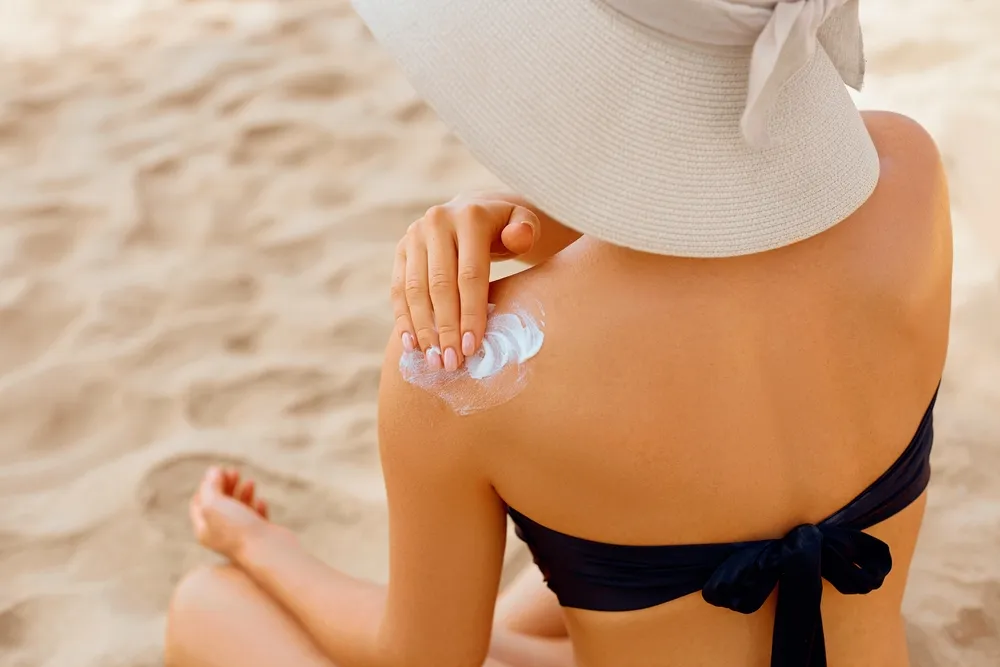
Topical treatments also help sunburned skin. They come in creams, gels, and sprays.
- Hydrocortisone cream: It’s a topical steroid that reduces inflammation and itching from sunburn.
- Aloe vera gel: It’s not an NSAID but has anti-inflammatory properties. It soothes sunburned skin.
- Cooling sprays: Some sprays have menthol or aloe vera. They cool the skin and ease discomfort.
Always follow the instructions for topical treatments. Be careful of any allergic reactions.
Knowing about OTC medications helps manage sunburn better. It supports the healing process.
Prescription Treatments for Severe Sunburn
When sunburn is severe, doctors often prescribe medicines to help. These treatments aim to reduce inflammation and pain. Severe sunburn can cause a lot of discomfort and sometimes needs medical help.
Corticosteroids and Their Application
Corticosteroids are strong anti-inflammatory drugs. They can be given as topical corticosteroids or taken orally. Topical corticosteroids are applied to the skin to lessen redness and swelling. Oral corticosteroids are used in severe cases but with caution due to side effects.
Doctors guide the use of corticosteroids to avoid risks. Topical corticosteroids are applied once or twice a day. The treatment length depends on the sunburn’s severity and the medication type.
Pain Management Options
Managing pain is key for those with severe sunburn. Prescription pain medications may be needed for severe pain. Doctors might prescribe stronger NSAIDs or other pain relievers.
It’s important to follow the doctor’s pain management advice. These drugs can have side effects and interact with other medications. Patients should watch for worsening pain, which might mean the treatment needs to change.
Knowing about prescription treatments for severe sunburn helps people work with their doctors. This way, they can manage their condition effectively.
Managing Sunburn Pain and Discomfort
Sunburn pain can be really tough to deal with. But, there are ways to make it better. We’ll look at different methods to ease the pain and help you feel better.
Sleep Strategies During Sunburn Recovery
Sleeping can be hard with sunburn, but it’s key for feeling better. Here are some tips to help you sleep well:
- Use a cool compress or a cold pack wrapped in a towel to cool the skin before bedtime.
- Apply a soothing moisturizer or aloe vera gel to help calm the skin.
- Wear loose, breathable clothing to bed to minimize irritation.
- Consider using a fan or adjusting the room temperature to a cooler setting to enhance comfort.
These tips can help you sleep better and feel less sunburn pain.
Clothing and Fabric Choices for Sensitive Skin
What you wear can really affect how you feel with sunburn. Soft, breathable fabrics are best. Here are some suggestions:
- Choose clothing made from natural fibers like cotton or linen, which are generally gentler on the skin.
- Avoid tight-fitting clothes that can rub against sunburned skin and cause further irritation.
- Select loose-fitting garments that allow for good airflow and help keep the skin cool.
- Consider wearing clothing treated with cooling fabrics or moisture-wicking properties to enhance comfort.
Choosing the right clothes can help your sunburn heal faster and feel less painful.
How to Get Rid of Sunburn Redness Overnight
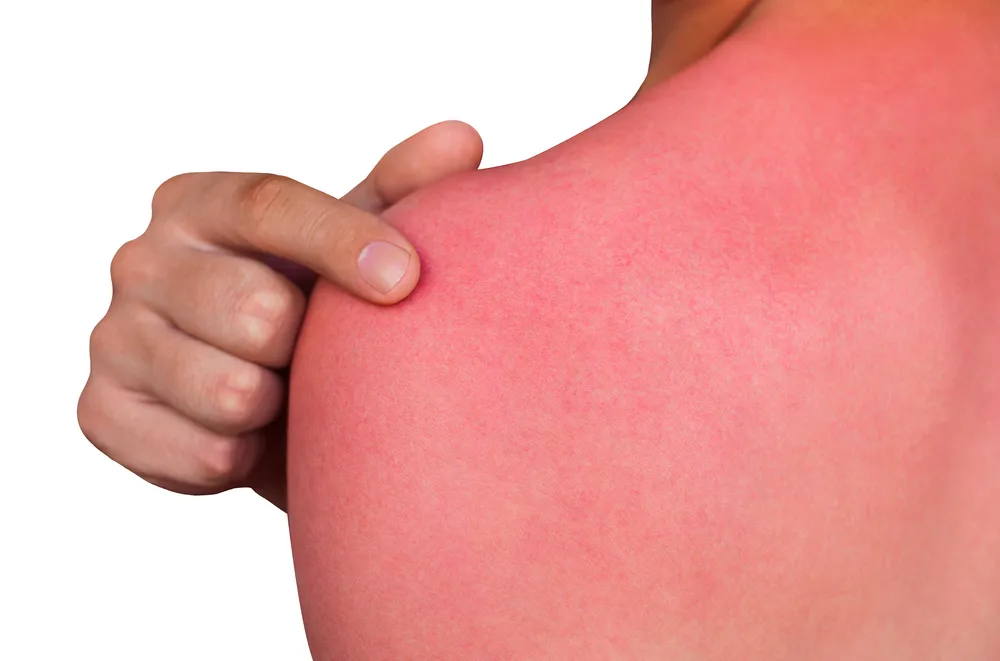
Getting rid of sunburn redness overnight is tough, but you can make it better. To lessen sunburn redness, use the right treatments and take good care of your skin.
Fast-Acting Treatments for Visible Redness
Some treatments can quickly lessen sunburn redness. Aloe vera is great for soothing the skin. Also, cool compresses can cool down the skin and reduce swelling.
- Apply aloe vera gel directly to the sunburned area.
- Use cool compresses several times a day.
- Consider over-the-counter creams or gels that contain anti-inflammatory ingredients.
Nighttime Routines for Accelerated Healing
A good nighttime routine can help your skin heal faster. Before you sleep, put on a moisturizer or after-sun lotion. Wear loose, comfy clothes to avoid more irritation.
To make your nighttime routine better:
- Apply a hydrating mask or a thick layer of moisturizer.
- Avoid tight clothing that can irritate sunburned skin.
- Keep the room cool to help reduce skin temperature.
Setting Realistic Expectations for Overnight Results
It’s important to know that some treatments can help, but getting rid of sunburn redness overnight is hard. The main goal is to make you feel better and help your skin heal.
By using fast treatments and a good nighttime routine, you can lessen sunburn redness. This helps your skin heal naturally.
Addressing Sunburn Blisters and Peeling
When sunburn turns into blisters and peeling, we need to change how we care for it. This is because the sunburn has damaged more than just the top layer of skin. It has hurt both the outer and inner layers.
Proper Care for Blistered Skin
To care for blistered skin, we should clean it gently with mild soap and lukewarm water. This helps prevent infection. We should not pop the blisters, as this can cause infection and scarring. Instead, we use aloe vera or hydrocortisone cream to soothe and heal the skin.
Key steps for caring for blistered skin include:
- Gently clean the affected area with mild soap and lukewarm water.
- Apply a topical ointment to keep the skin moist and promote healing.
- Avoid breaking blisters to prevent infection.
- Cover the blistered area with a non-stick, sterile bandage to protect it from further irritation.
Managing the Peeling Process Safely
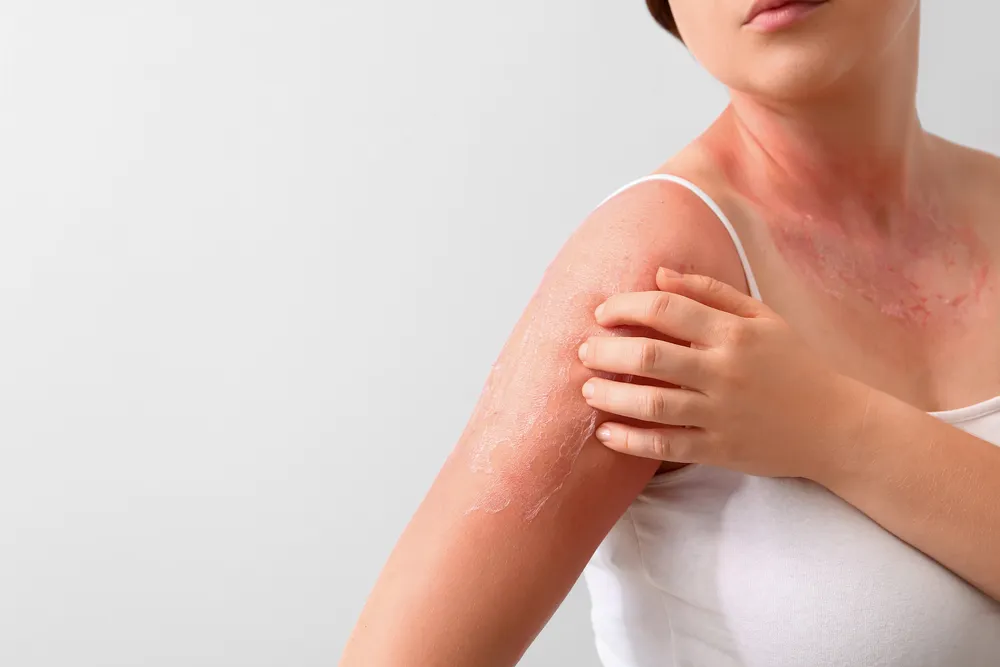
Peeling is a natural part of healing as damaged skin sheds. To safely manage peeling, we should moisturize with gentle, fragrance-free products. It’s also important not to peel or pick at the skin. This can cause infection, scarring, and slow healing.
Tips for managing peeling include:
- Moisturize regularly to keep the skin hydrated.
- Avoid harsh products that can strip the skin of its natural oils.
- Gently exfoliate once the skin has fully healed to remove dead skin cells.
Preventing Infection in Damaged Skin
It’s vital to prevent infection when dealing with sunburn blisters and peeling. We should watch for signs of infection, like increased redness, swelling, fever, or pus. Keeping the area clean and applying antibiotic ointment can help prevent infection.
Signs of infection to watch for include:
- Increased redness or swelling around the blisters.
- Pus or discharge from the blisters.
- Fever or chills.
- Red streaks leading from the blisters.
By following these guidelines, we can manage sunburn blisters and peeling effectively. This promotes a smoother recovery and reduces the risk of complications.
The Healing Timeline: How Long Does Sunburn Last?
Sunburn healing is a complex process. It depends on the damage and the care given. Knowing the healing timeline helps us understand the day-by-day recovery and what affects it.
What to Expect: Day-by-Day Recovery Process
The sunburn recovery process is predictable but varies by person. Here’s what you can expect:
- Day 1-2: Expect redness, swelling, and pain. The skin may feel tight and warm.
- Day 3-4: Blisters may form, and the skin starts to peel as it sheds damaged cells.
- Day 5 and beyond: Peeling continues, and the skin returns to normal. It may take up to a week or more to fully recover.
Factors Affecting Healing Time
Several factors can affect sunburn healing time, including:
|
Factor |
Description |
Impact on Healing |
|---|---|---|
|
Severity of Sunburn |
Mild, moderate, or severe |
More severe sunburns take longer to heal |
|
Skin Type |
Fair skin vs. darker skin |
Fair skin tends to burn more easily and may take longer to heal |
|
Care and Treatment |
Effectiveness of treatments applied |
Proper care can significantly reduce healing time |
|
Hydration |
Adequacy of fluid intake |
Good hydration supports the healing process |
Understanding these factors and proper care can help manage expectations. It supports the skin’s recovery from sunburn.
Long-term Skin Care After Sunburn

After getting sunburned, it’s key to start a long-term skin care plan. This helps your skin heal and stay protected. Sunburn can lead to lasting issues like hyperpigmentation and scarring if not handled right.
To fix sunburn damage, you need to treat and change your lifestyle. Use products with antioxidants and skin regenerators like vitamin C and retinol. A study shows these can greatly help your skin after sunburn.
Repairing Skin Damage
To fix skin damage, focus on making your skin healthy and new again. Here’s how:
- Use gentle, non-clogging moisturizers to keep your skin moist.
- Add products with hyaluronic acid to make your skin more elastic.
- Stay away from harsh products that can irritate your skin more.
Preventing Hyperpigmentation and Scarring
To stop hyperpigmentation and scarring, you need to act early. Here’s what to do:
- Wear sunscreen with high SPF every day to avoid more damage.
- Don’t pick at peeling skin to avoid scarring.
- Use products with niacinamide to help with skin dark spots.
For more on skin health and sun effects, check out this article on dark skin vs fair skin. It talks about the health sides of different skin types.
By following these tips, you can greatly improve your skin after sunburn. And you’ll lower the chance of lasting damage.
Preventing Future Sunburn
To avoid sunburn, it’s important to have a good prevention plan. This plan should include sunscreen, protective clothes, and knowing when to stay out of the sun. Keeping your skin healthy is key.
Effective Sunscreen Application Techniques
Using sunscreen right is key to preventing sunburn. Choose a broad-spectrum sunscreen with SPF 30 or higher. Apply it 15 to 30 minutes before going outside. Reapply every two hours or after swimming or sweating.
Make sure to use enough sunscreen for all exposed skin. Adults need about one ounce per application. Don’t forget to cover often-missed spots like the tops of your ears and the back of your neck.
Protective Clothing and Accessories
Wearing protective clothes is also important. Choose clothes made from tightly woven fabrics to block UV rays. A wide-brimmed hat and sunglasses with UV protection can also help.
Some clothes have UPF ratings, showing how well they block UV rays. UPF 50+ fabric blocks almost all UV radiation.
Sun Exposure Timing and Strategies
Knowing when to stay out of the sun is also important. The sun’s rays are strongest between 10 a.m. and 4 p.m.. Try to stay in the shade during these times. Use an umbrella or canopy for extra protection.
Check the UV index forecast before going outside. Weather apps and websites can help. With sunscreen, protective clothes, and smart timing, you can lower your sunburn risk.
Conclusion
Fixing sunburned skin needs a full plan. This includes good sunburn treatment, skin care, and preventing sunburn. We’ve looked at sunburn causes, symptoms, and how to treat it. We’ve also talked about natural fixes and over-the-counter options.
It’s key to know how to take care of your skin in the sun. Using protective clothes, applying sunscreen right, and choosing the right time for outdoor fun can help. We hope you use what you’ve learned to keep your skin safe and enjoy the sun wisely.
By treating sunburn right and preventing it, you can have healthier skin. We want to help you make smart choices for your skin. This way, you can take care of your skin and stay well.
FAQ
What are the first steps to take when I get sunburned?
When you get sunburned, act fast to ease the pain and help your skin heal. First, take a cool bath or use a cold compress to cool down. Then, moisturize your skin to keep it hydrated.
How can I get rid of sunburn redness overnight?
Getting rid of sunburn redness overnight is tough, but you can try a few things. Use a cold compress, apply aloe vera or a cream with anti-inflammatory ingredients. Also, stay out of the sun to reduce the redness.
What are the best ways to manage sunburn pain and discomfort?
To ease sunburn pain, take over-the-counter pain relievers like NSAIDs. You can also use topical creams or gels. Wear loose, comfy clothes that don’t rub against your skin.
How long does sunburn last, and what’s the typical healing timeline?
Sunburn healing time varies with the burn’s severity. Mild burns might heal in a few days. Severe burns can take up to a week or more. Be patient and keep your skin hydrated.
Can I prevent sunburn peeling, and how should I care for blistered skin?
Preventing sunburn peeling is hard, but you can keep your skin moist with moisturizers. Avoid irritating your skin. For blisters, keep the area clean, don’t pop blisters, and use topical treatments to heal and prevent infection.
What’s the best way to prevent future sunburn, and how can I protect my skin?
To avoid future sunburns, use sunscreen with high SPF and wear protective clothes and accessories. Stay in the shade or avoid being outside during peak sun hours.
Are there any natural remedies that can help soothe sunburned skin?
Yes, aloe vera, coconut oil, and chamomile can soothe sunburned skin. These natural remedies can ease discomfort and aid in healing.
How can I repair skin damage after sunburn, and prevent hyperpigmentation and scarring?
To fix skin damage, keep your skin moist and use treatments with antioxidants and vitamins. Avoid more sun exposure. To prevent hyperpigmentation and scarring, use sunscreen and consult a dermatologist.
What are the signs of sun poisoning, and when should I seek medical attention?
Sun poisoning signs include severe blisters, fever, chills, and nausea. If you have these symptoms, get medical help right away. Sun poisoning is serious and needs quick treatment.
Can I use moisturizer on sunburned skin, and what’s the best type to use?
Yes, moisturizer can help sunburned skin heal. Choose a fragrance-free, hypoallergenic moisturizer with soothing ingredients like aloe vera or vitamin E.
Reference
https://pubmed.ncbi.nlm.nih.gov/14979742



 Departments
 Related Videos
 Our Doctors
 News
News