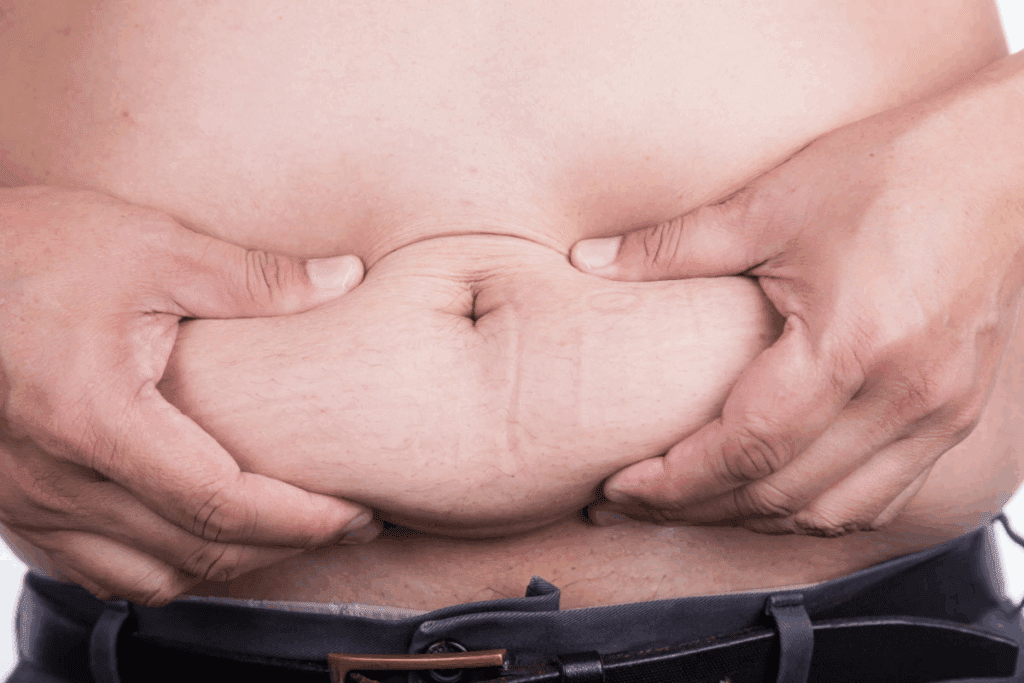
Feeling a swollen upper stomach area can be really uncomfortable. This is known as abdominal distension. It happens when your stomach gets bigger, and it can be caused by many things.
Have swelling in upper stomach area? This guide explores 7 alarming causes, from gastritis and bloating to more serious conditions.
At Liv Hospital, we know that upper abdominal swelling can come from many sources. It might be because of gas, constipation, or even serious stomach problems. Finding out why it’s happening is key to fixing it.
Key Takeaways
- Upper stomach swelling can result from various factors, including gas and constipation.
- Gastrointestinal disorders can cause abdominal distension.
- Understanding the cause is key for effective treatment.
- Liv Hospital offers detailed checks to find the cause.
- We create treatment plans that fit your needs to help with swelling.
Understanding Upper Abdominal Swelling

Upper abdominal swelling has many causes and signs. It can cause a lot of discomfort. Let’s dive into what it means and why it’s a concern.
What Defines Upper Abdominal Distension
Upper abdominal distension means the upper belly looks swollen or bigger. It can happen for many reasons, like gas, what we eat, or health issues.
Key characteristics of upper abdominal distension include:
- Visible swelling or bulging in the upper abdomen
- Discomfort or pain in the upper abdominal area
- Feeling of fullness or bloating
How Common Is This Condition
Studies show that bloating and swelling in the belly are common. About 75 percent of people say their symptoms are bad or very bad.
Difference Between Bloating and Swelling
Bloating and swelling are not the same, even though they sound similar. Bloating is when you feel your belly is full or tight. Swelling is when you can see your belly is bigger.
Characteristics | Bloating | Swelling |
Sensation | Feeling of fullness or tightness | Visible enlargement |
Visibility | Not always visible | Visible |
Causes | Gas, dietary factors | Fluid retention, medical conditions |
Recognizing Symptoms of Swelling in Upper Stomach Area

The symptoms of upper stomach swelling can be tricky to spot. We’ll look at the signs that might mean your stomach is bulging. This will help you know when to see a doctor.
Visual Changes in the Abdomen
One clear sign is a visible change in your belly. You might see a swollen stomach above the belly button or a bulge in the upper area. Noticing these changes is key. They could mean you have gas or fluid buildup.
Associated Pain and Discomfort
Pain in the upper stomach is another common sign. This pain can be mild or very strong. It might feel like your stomach is full or tight. Pay attention to how the pain feels, like if it’s always there or comes and goes.
Accompanying Digestive Symptoms
Swelling in the upper stomach often comes with digestive issues. You might feel bloated, belch a lot, or feel sick after eating. Noticing these symptoms can help figure out why your stomach is swollen.
When Symptoms Indicate Emergency
Some symptoms need quick medical help. Look out for severe pain, bloody vomit, or dark, tarry stools. Knowing these emergency signs is important for getting help fast. We’ll talk about what these signs mean and why you need to act fast.
Symptom | Description | Action Required |
Severe Abdominal Pain | Pain that is intense and unrelenting | Seek immediate medical attention |
Bloody Vomit | Vomiting blood or coffee ground-like material | Emergency medical care |
Dark, Tarry Stools | Stools that are black and have a tar-like consistency | Urgent medical evaluation |
Common Causes of Upper Stomach Bulging
Many people experience upper stomach bulging due to different reasons. These include what we eat and certain health issues. Knowing what causes it helps us find relief.
Gas and Air Accumulation
Gas and air in the stomach can make it bulge. This happens when we swallow air, eat foods that make gas, or have digestion problems.
Common gas-producing foods are beans, cabbage, and broccoli. Cutting down on these can lessen gas.
Constipation
Constipation also causes the stomach to bulge. When we don’t pass stool, it builds up and swells the abdomen.
Increasing fiber intake and drinking more water can help avoid constipation.
Overeating and Dietary Factors
Eating too much or big meals can put pressure on the stomach. Foods high in fat or sugar can also cause bulging.
Eating smaller, balanced meals can ease discomfort from upper stomach bulging.
Food Intolerances and Allergies
Food intolerances and allergies can also cause bulging. Issues like lactose or gluten intolerance can lead to bloating and pain.
Condition | Symptoms | Management |
Lactose Intolerance | Bloating, gas, diarrhea | Avoid lactose-containing products |
Gluten Intolerance | Bloating, abdominal pain, diarrhea | Follow a gluten-free diet |
Knowing and managing food intolerances and allergies can greatly reduce upper stomach bulging.
Digestive Disorders Leading to Abdominal Distension
It’s important to know how digestive issues cause a swollen stomach. Conditions like Irritable Bowel Syndrome (IBS), Small Intestinal Bacterial Overgrowth (SIBO), gastroparesis, and lactose intolerance can cause this problem.
Irritable Bowel Syndrome (IBS)
IBS affects the large intestine and can cause bloating, pain, and changes in bowel movements. IBS symptoms can vary greatly, from mild to severe. Stress, diet, and hormonal changes can make symptoms worse.
“IBS needs a full treatment plan,” says a gastro expert. “This includes changing your diet, managing stress, and using medicine to help symptoms.”
Small Intestinal Bacterial Overgrowth (SIBO)
SIBO happens when bacteria grow too much in the small intestine. It can cause bloating, pain, diarrhea, and poor nutrient absorption. Diagnosing SIBO often involves a breath test to check for hydrogen and methane levels.
Treating SIBO usually means taking antibiotics or other meds to control bacteria. You’ll also need to follow a Low FODMAP diet to manage symptoms.
Gastroparesis
Gastroparesis weakens stomach muscles, causing food to stay in the stomach too long. Symptoms include nausea, vomiting, bloating, and pain. Managing gastroparesis means eating smaller meals and avoiding fatty or fibrous foods.
Lactose Intolerance
Lactose intolerance makes it hard to digest lactose, a sugar in milk and dairy. Symptoms include bloating, gas, diarrhea, and cramps. Managing lactose intolerance means cutting down on dairy products.
In summary, conditions like IBS, SIBO, gastroparesis, and lactose intolerance can cause a swollen stomach. Knowing how to manage these conditions is key to feeling better and improving your life.
Inflammatory Conditions Causing Swollen Stomach Above Navel
Many inflammatory conditions can cause swelling in the upper stomach. It’s important to get a proper diagnosis and treatment. These conditions can really affect your life and need a detailed plan to manage symptoms and avoid complications.
Inflammatory Bowel Disease
Inflammatory bowel disease (IBD) includes Crohn’s disease and ulcerative colitis. These conditions cause long-term inflammation in the gut. Symptoms can be abdominal pain, diarrhea, and swelling in the upper stomach.
- Crohn’s Disease: Can affect any part of the gut, causing deep inflammation and problems like a narrowed intestine.
- Ulcerative Colitis: Mainly affects the colon, leading to chronic inflammation and ulcers.
Managing IBD usually involves anti-inflammatory drugs, immunosuppressants, and lifestyle changes. These help control symptoms and prevent flare-ups.
Celiac Disease
Celiac disease is an autoimmune disorder caused by gluten in the small intestine. Symptoms include swelling, diarrhea, and fatigue.
“Celiac disease is a serious autoimmune disorder that requires a strict gluten-free diet to manage symptoms and prevent long-term complications.”
The main treatment for celiac disease is a gluten-free diet. This helps heal the intestine and reduce symptoms.
Pancreatitis
Pancreatitis is inflammation of the pancreas, which can be acute or chronic. Acute pancreatitis is sudden, while chronic causes long-term damage.
- Acute Pancreatitis: Often caused by gallstones or too much alcohol, leading to severe pain and swelling.
- Chronic Pancreatitis: Causes permanent damage to the pancreas, affecting its function.
Treatment for pancreatitis involves fixing the cause, managing pain, and ensuring good nutrition for recovery.
Serious Medical Conditions That Cause Stomach Enlargement
Medical issues like fluid retention, liver disease, and heart failure can make your stomach swell. It’s important to know about these conditions to manage and treat them well.
Fluid Retention and Ascites
Fluid retention happens when your body holds too much fluid. This is often due to other health problems. Ascites is a type of fluid retention in the belly, causing it to swell.
Causes of Ascites:
- Liver disease, like cirrhosis
- Cancer, including peritoneal carcinomatosis
- Heart failure
- Kidney disease
Ascites can make you feel uncomfortable, have trouble breathing, and move less easily. Treating ascites usually means fixing the underlying problem. Doctors might use medicines to help reduce fluid.
Liver Disease
Liver disease can cause your stomach to swell due to fluid buildup and ascites. Cirrhosis, a severe liver scarring, is a common reason.
Liver Disease | Common Causes | Symptoms |
Cirrhosis | Hepatitis, alcohol abuse | Jaundice, fatigue, ascites |
Liver Cancer | Hepatitis B and C, aflatoxins | Weight loss, abdominal pain, jaundice |
Kidney Dysfunction
Kidney problems can cause fluid retention and swelling, including in the belly. When kidneys can’t remove waste and extra fluids, it leads to swelling and discomfort.
Symptoms of Kidney Dysfunction:
- Swelling in legs, ankles, feet, or face
- Urine changes, such as foamy or bloody urine
- Fatigue, weakness
Heart Failure
Heart failure means the heart can’t pump enough blood. This leads to fluid buildup in the body, causing swelling in the belly and other areas.
Symptoms of Heart Failure:
- Shortness of breath
- Fatigue, weakness
- Swelling in legs, ankles, and abdomen
It’s key to understand these serious conditions to treat them effectively. Each condition needs a detailed treatment plan to manage symptoms and prevent further problems.
Diagnosis and Medical Assessment
Figuring out why your upper stomach is swollen needs a detailed check-up. When you see a doctor for this issue, we start a thorough check to find the cause.
Physical Examination
The first thing we do is a physical exam. We look at your stomach to see if it’s tender or tight. We also check for any lumps. This helps us guess what might be wrong and what tests we need next.
Diagnostic Tests
To find out why your stomach is swollen, we might do different tests. These include:
- Blood tests to look for signs of infection or other problems.
- Imaging like ultrasound or CT scans to see inside your stomach.
- Endoscopy to look directly at your digestive tract for things like ulcers.
These tests help us figure out why your stomach is swollen. They guide us to the right diagnosis.
When to Seek Medical Attention
If your stomach is swollen and hurts a lot, you should see a doctor. We recommend going to a healthcare provider if you have:
- Severe stomach pain.
- Vomiting blood or seeing black stools.
- Fever.
- Abdominal tenderness or tightness.
Getting medical help quickly is key to finding out what’s wrong and treating it. If your symptoms are bad or don’t go away, don’t wait to get help.
Treatment Options for Upper Abdominal Swelling
There are many ways to treat upper abdominal swelling. You can change your diet, take medicine, and make lifestyle changes. Knowing these options helps you manage the condition well.
Dietary Modifications
Your diet is key in managing upper abdominal swelling. Adjusting your diet can help ease symptoms. Here are some tips:
- Avoid foods that cause gas, such as beans and cabbage
- Eat smaller, more frequent meals to reduce bloating
- Increase fiber intake gradually to improve digestion
- Avoid carbonated drinks and chewing gum
Medications
In some cases, medications may be necessary to treat underlying conditions causing upper abdominal swelling. These can include:
- Antacids or acid reducers for heartburn and indigestion
- Probiotics to maintain a healthy gut microbiome
- Antispasmodics for abdominal cramps
- Medications to manage underlying conditions like IBS or SIBO
Lifestyle Changes
Making lifestyle adjustments can also help manage upper abdominal swelling. Consider:
- Engaging in regular physical activity to improve digestion
- Managing stress through techniques like meditation or yoga
- Avoiding tight clothing that can put pressure on the abdomen
- Maintaining a healthy weight to reduce pressure on the abdominal area
Treating Underlying Conditions
It’s essential to identify and treat any underlying conditions that may be causing upper abdominal swelling. This might involve:
- Seeking medical attention for digestive disorders
- Managing chronic conditions like liver disease or heart failure
- Addressing hormonal imbalances that could be contributing to bloating
By adopting a treatment plan that includes dietary changes, medications, lifestyle adjustments, and treating underlying conditions, you can manage upper abdominal swelling. This improves your quality of life.
Conclusion: Managing and Preventing Abdominal Distension
Managing and preventing upper abdomen swelling needs a full plan. It’s important to know the reasons behind swelling in the upper belly. This way, people can act early to avoid pain and serious issues.
Staying away from foods that cause bloating and eating well is key. Drinking plenty of water and handling stress also help. Making lifestyle and diet changes can greatly help in avoiding symptoms and boosting life quality.
We’ve talked about why the upper belly swells, like digestive problems, inflammation, and serious diseases. Knowing these reasons and using the right treatments can help manage swelling.
By following these tips every day, people can lessen belly swelling. This leads to better health and happiness. Managing and preventing swelling helps people live more comfortably and actively.
FAQ
What causes upper abdominal distension?
Upper abdominal distension can be caused by many things. This includes gas, constipation, and what we eat. It can also be due to health issues like IBS, SIBO, and inflammatory bowel disease.
What is the difference between bloating and swelling?
Bloating makes you feel full or tight in your belly. It might also make your belly look bigger. Swelling means your belly actually gets bigger. Bloating often goes away with diet changes, but swelling can mean a serious health issue.
What are the symptoms of upper stomach swelling?
Symptoms include changes in your belly’s look, pain, and digestive problems like nausea. In serious cases, you might have severe pain or trouble breathing.
How is abdominal swelling diagnosed?
Doctors check your belly, do tests like imaging and blood work, and ask about your health history. This helps find the cause.
What are the treatment options for upper abdominal swelling?
Treatment depends on the cause. It might include changing your diet, taking medicine, making lifestyle changes, or treating conditions like IBS.
Can dietary changes help alleviate upper abdominal swelling?
Yes, changing what you eat can help. Avoid foods that make it worse, eat more fiber, and eat smaller meals more often.
What are the serious medical conditions that can cause stomach enlargement?
Serious conditions include fluid buildup, liver disease, kidney problems, and heart failure. These need quick medical help and treatment.
How can I prevent abdominal distension?
To prevent it, eat well, manage health issues, and make healthy lifestyle choices. This includes exercising and managing stress.
When should I seek medical attention for abdominal swelling?
See a doctor if you have severe pain, trouble breathing, or swelling with symptoms like fever, vomiting blood, or severe diarrhea.
Can stress cause upper abdominal swelling?
Yes, stress can make swelling worse. It can make health issues like IBS worse or change how you digest food.
What is the role of lifestyle changes in managing abdominal distension?
Making lifestyle changes helps. This includes exercising, managing stress, and getting enough sleep. It can reduce symptoms and improve health.
References
https://pmc.ncbi.nlm.nih.gov/articles/PMC6824367