


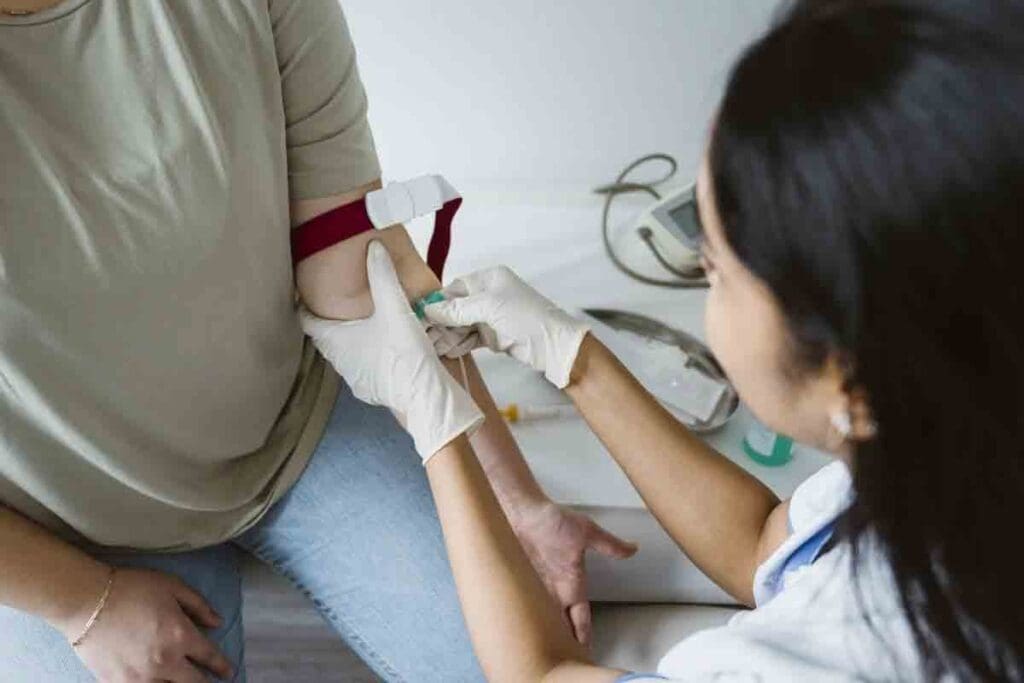
Symptoms of blood disorders in adults can vary widely, ranging from mild fatigue to serious health complications. These symptoms depend on the type of blood condition and its severity. At Liv Hospital, we understand the importance of recognizing these early warning signs to ensure timely diagnosis and effective treatment.
Recognizing the symptoms of blood disorders in adults early is key to preventing complications. Common signs may include tiredness, frequent infections, unexplained bruising, or shortness of breath. At Liv Hospital, our specialists use internationally recognized care pathways to diagnose and manage even the rarest blood conditions, always focusing on patient-centered care.
Because blood disorders can affect various parts of the body, they may cause a range of health issues. Knowing the symptoms of blood disorders in adults can help people seek medical attention early and start treatment before the condition worsens.
Key Takeaways
- Rare blood disorders can present with a variety of symptoms.
- Early recognition of symptoms is critical for effective management.
- A patient-centered approach is essential for complete care.
- Liv Hospital follows internationally recognized care pathways.
- Being aware of the signs can help individuals seek timely medical attention.
Understanding Blood Disorders and Their Impact
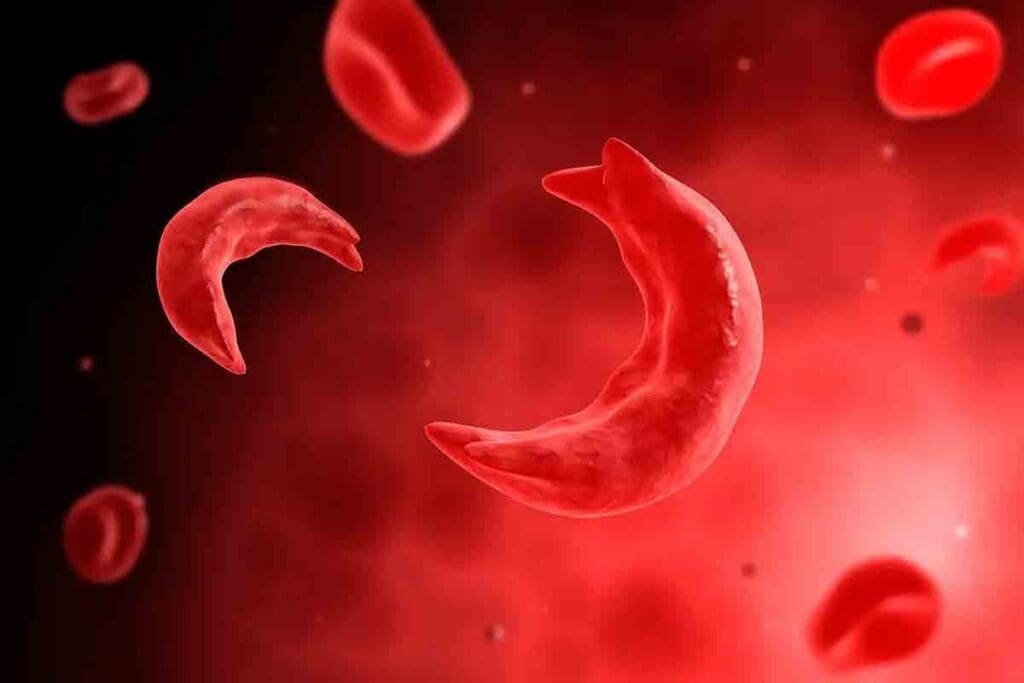
Blood disorders are complex conditions that affect the blood’s normal function. They can impact the production or function of blood cells. These cells are key for oxygen transport, immune response, and clotting.
What Defines a Blood Disorder
A blood cell disorder is a problem with red, white blood cells, or platelets. These cells are vital for health. Any issue with them can cause health problems.
Anemia is a condition where red blood cells can’t carry enough oxygen. This is just one example of how blood disorders can affect us.
Rare blood disorders are unique challenges. They are rare and have complex symptoms. Conditions like paroxysmal nocturnal hemoglobinuria (PNH) and hemophagocytic lymphohistiocytosis (HLH) need quick and accurate diagnosis.
Prevalence of Rare Blood Conditions
The prevalence of rare blood conditions varies. Some are very rare. Studies show that rare diseases, including blood disorders, are common enough to need awareness.
Early recognition of symptoms is key. Many rare blood diseases progress quietly until they are severe. Early diagnosis and treatment are essential.
Why Early Detection Matters
Early detection of blood disorders is vital for effective treatment. Many disorders, if not caught early, can lead to serious complications. Untreated anemia, for example, can cause fatigue and weakness.
Knowing the signs and symptoms of blood disorders can help. Seeking medical attention quickly can improve outcomes. Regular check-ups and knowing your family’s medical history are also important for early detection.
Common Categories of Blood Disorders in Adults
Blood disorders in adults come in many forms and symptoms. They can impact different parts of the blood, like red and white cells, and platelets. Knowing these categories is key to finding the right treatment.
Red Blood Cell Disorders
Red blood cell disorders affect the body’s ability to carry oxygen. Conditions like anemia, polycythemia vera, and sickle cell disease fall into this category. Anemia is when there aren’t enough red blood cells to carry enough oxygen.
White Blood Cell Abnormalities
White blood cells help fight infections. Disorders here can lead to leukemia or lymphoma. These issues can weaken the body’s defense against infections and diseases.
Platelet and Clotting Disorders
Platelets are key to blood clotting. Disorders here can cause bleeding or clotting problems. Conditions like thrombocytopenia or thrombocytosis can be serious. Clotting helps stop bleeding after injuries.
Bone Marrow Diseases
Bone marrow diseases affect the spongy tissue in bones. This tissue makes blood cells. Issues like myelodysplastic syndromes or myeloproliferative neoplasms can disrupt blood cell production, causing health problems.
In summary, blood disorders in adults vary and can affect different blood components. It’s important to understand these categories for proper diagnosis and treatment. Recognizing symptoms helps individuals get the medical care they need.
Symptoms of Blood Disorders in Adults: The 17 Warning Signs
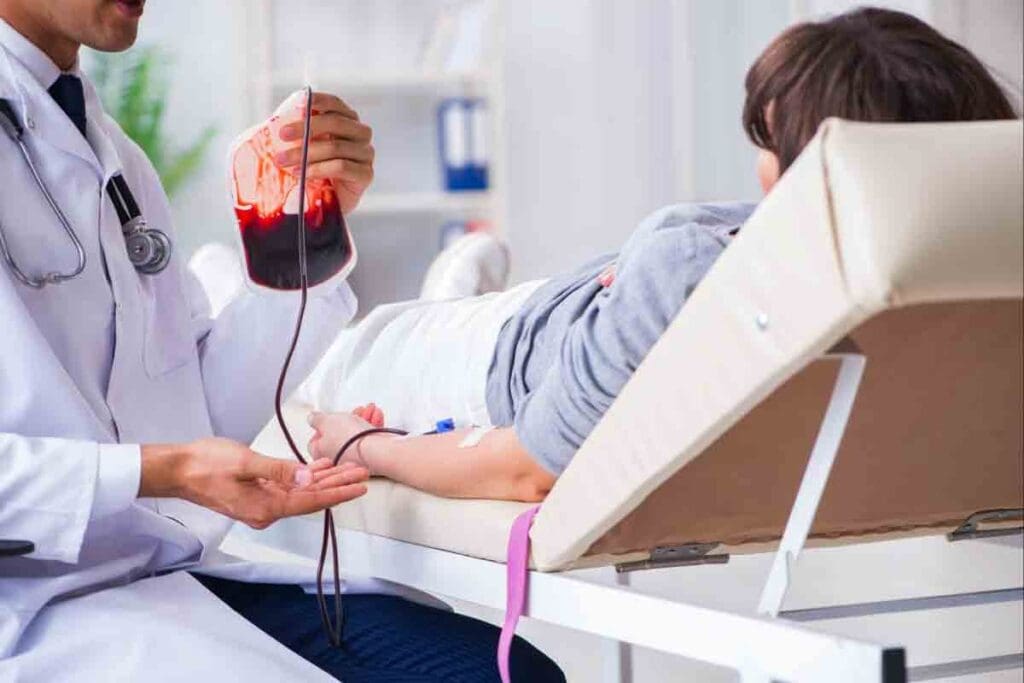
Blood disorders in adults can show up in many ways. Some symptoms are easy to miss. It’s important to catch these signs early to get the right treatment.
How Symptoms Manifest Across Different Conditions
Different blood disorders have different symptoms. For example, anemia, which affects red blood cells, can cause fatigue and shortness of breath. On the other hand, leukemia, which affects white blood cells, might lead to infections and swollen lymph nodes.
Some common signs of blood disorders include:
- Unexplained bruising or bleeding
- Persistent infections
- Bone pain
- Weight loss
- Drenching night sweats
- Shortness of breath
These symptoms can point to various blood conditions, even rare ones. It’s key to know these signs to get medical help if they don’t go away or get worse.
The Importance of Recognizing Subtle Signs
Some symptoms are obvious, but others are subtle. For instance, mild fatigue or slight skin color changes might seem minor. But they could be signs of a blood disorder.
Spotting subtle signs early is vital for better treatment. Adults should watch their health closely. If they notice anything unusual or persistent, they should see a doctor.
The next sections will cover 17 warning signs. These include bleeding, bruising, fever, and weight loss. Knowing these signs can help adults get medical help on time.
Unusual Bleeding and Bruising: Signs 1-3
It’s important to notice unusual bleeding and bruising early. These signs can show that something is wrong with how blood clots or heals. Spotting these symptoms early can help in getting the right treatment.
1. Spontaneous Bruising Without Injury
Spontaneous bruising without injury is a common sign of a blood disorder. It happens when blood vessels are weak or when platelets, which help blood clot, don’t work right. If you see bruises often without any reason, see a doctor.
2. Prolonged Bleeding from Minor Cuts
Prolonged bleeding from small cuts or injuries is another warning sign. Usually, the body stops bleeding in a few minutes. But if it keeps bleeding or is more than usual, it might mean there’s a clotting problem.
3. Bleeding from Unusual Sites
Bleeding from places like the gums, nose, or stomach can also be a sign. This kind of bleeding is serious and needs quick medical help. It’s important to find out why it’s happening and how to stop it.
In summary, unusual bleeding and bruising are key signs of a blood disorder. Knowing these symptoms and getting checked by a doctor can help catch and treat these conditions early. This can make a big difference in how well someone with these issues does.
Fatigue and General Weakness: Signs 4-6
Many people don’t know that fatigue and weakness can be signs of serious blood conditions. These symptoms happen when the body can’t move enough oxygen to its tissues and organs. This is common in many blood disorders.
4. Persistent Unexplained Fatigue
Persistent unexplained fatigue is a key sign of some blood disorders. It’s not just feeling tired after a long day. It’s a deep exhaustion that doesn’t get better with rest. Anemia, where the body lacks healthy red blood cells, often causes this fatigue.
5. Shortness of Breath During Normal Activities
When the body can’t get enough oxygen, you might feel short of breath even when doing normal things. This symptom is linked to anemia and other red blood cell disorders. These conditions make it hard for blood to carry oxygen.
6. Dizziness and Lightheadedness
Dizziness and lightheadedness can also be signs of blood disorders. These happen when the brain doesn’t get enough oxygenated blood. This can occur in conditions affecting red blood cells or blood pressure.
| Symptom | Possible Blood Disorder | Reason |
| Fatigue | Anemia | Lack of red blood cells or hemoglobin |
| Shortness of Breath | Anemia, Chronic Disease | Insufficient oxygen delivery |
| Dizziness/Lightheadedness | Anemia, Blood Pressure Disorders | Inadequate blood flow to the brain |
It’s important to know these signs for early detection and treatment of blood disorders. If you’re always tired, have trouble breathing, or feel dizzy, see a doctor.
Skin and Visible Manifestations: Signs 7-10
The skin can show important signs of blood disorders. It’s key to watch for these changes. They can signal serious health issues, so it’s vital to catch them early.
Pallor and Jaundice
Pallor, or paleness, and jaundice, a yellow skin color, are signs of blood issues. Pallor can mean fewer red blood cells or hemoglobin, like in anemia. Jaundice happens when bilirubin builds up, often due to anemia or liver problems.
“Jaundice is a serious sign that needs a quick medical check-up,” a doctor notes. Spotting these signs early can help get the right treatment fast.
Petechiae and Purpura
Petechiae are small, flat spots under the skin, often in groups. They’re linked to low platelet counts or clotting issues. Purpura, bigger purple patches, can point to bleeding or platelet problems.
- Petechiae are usually red or purple and don’t fade when pressed.
- Purpura can be different sizes and may come with other bleeding signs.
Changes in Nail Beds and Gums
Nail bed changes, like koilonychia (spoon-shaped nails), hint at iron deficiency anemia. Gum changes, like being pale or bleeding, can also signal blood disorders, like leukemia or severe anemia.
Unusual Skin Rashes or Lesions
Some blood disorders show up as odd skin rashes or lesions. For example, lymphoma can cause skin lesions, and mastocytosis can lead to rashes. These signs are important for spotting underlying blood conditions.
Spotting these skin and visible signs early can greatly help in diagnosing and treating blood disorders. It’s important for people to know these signs and see a doctor if they notice anything unusual.
Systemic Symptoms: Signs 11-14
Systemic symptoms can be the first signs of blood disorders. They are not specific but point to a hematological issue.
11. Unexplained Fever and Night Sweats
Unexplained fever and night sweats may signal a blood disorder. Fever can mean infection or inflammation. Night sweats often happen with lymphoma. If you have these symptoms without a clear reason, see a doctor.
12. Unintentional Weight Loss
Unintentional weight loss can be a sign of blood disorders like leukemia or lymphoma. It happens because the body’s metabolism increases to fight the disease. Losing weight without diet or exercise changes means you should see a doctor.
13. Lymph Node Enlargement
Lymph node enlargement is a key symptom. It means the body is fighting an infection or has a lymphoma issue. You can find enlarged lymph nodes in the neck, armpits, or groin. They might be painless or painful.
14. Bone and Joint Pain
Bone and joint pain can be signs of blood disorders, like leukemia. It happens because of malignant cells in the bone marrow. This causes bone damage or joint inflammation. If you have persistent or severe pain, get it checked by a healthcare provider.
A medical expert says, “The presence of systemic symptoms like unexplained fever, night sweats, and unintentional weight loss should prompt a thorough investigation for underlying blood disorders.” Early detection and diagnosis are key to effective treatment.
Neurological and Rare Manifestations: Signs 15-17
Some blood disorders show rare neurological signs. These signs are key to spotting problems early.
Cognitive Changes and Confusion
Cognitive changes and confusion can point to blood disorders affecting the brain. For example, paroxysmal nocturnal hemoglobinuria (PNH) can cause brain symptoms. Patients might struggle with focus, memory, or feel confused.
These signs are often subtle. They might not link directly to blood disorders. So, doctors need to think about many possible causes.
Headaches and Visual Disturbances
Headaches and visual issues are rare signs of blood disorders. Hemophagocytic lymphohistiocytosis (HLH) can lead to severe headaches and vision problems. This is due to inflammation and disease processes.
These symptoms can really affect a person’s life. They need quick medical help to manage the problem.
Dark Urine and Abdominal Pain
Dark urine and stomach pain can be signs of blood disorders. For instance, PNH can cause hemolysis, making urine dark. Stomach pain can be linked to blood issues affecting the spleen or liver.
It’s important to see these symptoms as warning signs. They point to serious conditions that need medical check-ups.
In summary, neurological and rare signs are vital for spotting blood disorders. Spotting these signs early can lead to better treatment and outcomes for patients.
Rare Blood Disorders and Their Unique Presentations
Rare blood disorders are hard to diagnose and treat because they don’t happen often. They have different symptoms that can be hard to spot. Doctors need to understand these symptoms well to help patients quickly and effectively.
Paroxysmal Nocturnal Hemoglobinuria (PNH)
PNH is a rare disease that can be life-threatening. It causes red blood cells to break down, bone marrow to fail, and blood clots to form. Each patient with PNH shows different symptoms, making it hard to diagnose.
Key Features of PNH:
- Hemolysis leading to anemia and fatigue
- Thrombosis risk, which can lead to serious complications
- Bone marrow failure, potentially resulting in pancytopenia
To diagnose PNH, doctors use a mix of clinical checks, lab tests, and flow cytometry. This helps find missing proteins in blood cells.
Hemophagocytic Lymphohistiocytosis (HLH)
HLH is a rare condition that can be very dangerous. It happens when the immune system gets too active and attacks the body. Symptoms include fever, a big spleen, low blood cells, and liver problems.
| Symptom | Description |
| Fever | Prolonged and unexplained fever is a common presenting symptom. |
| Splenomegaly | Enlargement of the spleen, which can be detected through physical examination or imaging studies. |
| Cytopenias | Low counts of various blood cell types, including anemia, thrombocytopenia, and leukopenia. |
Mastocytosis and Other Ultra-Rare Conditions
Mastocytosis is when mast cells build up in organs, causing skin issues, stomach problems, and heart issues. Other rare conditions like Langerhans cell histiocytosis (LCH) also exist. LCH is when Langerhans cells grow too much in tissues.
Diagnostic Challenges: Finding these rare conditions requires a lot of suspicion and special tests. Treatment depends on the condition and can include medicines, immunosuppressants, or bone marrow transplants.
When to Seek Medical Attention
It’s important to know when to get medical help for blood disorders. These conditions can show up in different ways. Knowing when to seek help is key to quick diagnosis and treatment.
Emergency Symptoms Requiring Immediate Care
Some symptoms mean you need to get help right away. If you have any of these, call 9-1-1 or go to the emergency room:
- Uncontrolled Bleeding: If bleeding doesn’t stop with pressure, it’s an emergency.
- Severe Anemia Symptoms: Feeling very tired, short of breath, or dizzy can be serious.
- Signs of Infection: Fever, chills, or sepsis signs need immediate care.
The American Society of Hematology says quick treatment of bleeding disorders is vital. Timely action can save lives in severe cases.
Symptoms Warranting Urgent Evaluation
Not all symptoms need emergency care, but some need quick attention. If you have any of these, call your doctor or go to urgent care:
- Unexplained Bruising: Frequent or unexplained bruises might mean a blood disorder.
- Persistent Fatigue: Fatigue that doesn’t get better with rest could be anemia or another issue.
- Unusual Bleeding: Bleeding from places like the gums or nose needs a check-up.
Knowing what’s normal for your body is important. If you notice anything unusual, get medical help.
Preparing for Your Doctor’s Appointment
Before your doctor visit, write down your symptoms. Include when they started and how often they happen. Also, bring any medical records and a list of your medications.
| Preparation Tips | Description |
| List Your Symptoms | Detail the symptoms you’re experiencing, including their frequency and duration. |
| Bring Medical Records | Include any relevant medical history, test results, and medication lists. |
| Ask Questions | Prepare a list of questions to ask your doctor about your condition and treatment options. |
Being ready for your appointment helps you get the best care for your condition.
Conclusion: Vigilance Is Key for Rare Blood Disorders
Vigilance is key in spotting and handling rare blood disorders. Early diagnosis and treatment are vital for managing these conditions.
We’ve looked at different types of blood disorders in this article. These include red blood cell issues, white blood cell problems, platelet and clotting disorders, and bone marrow diseases. Knowing the 17 rare signs is critical for getting medical help on time.
Being aware of unusual bleeding, fatigue, skin issues, systemic symptoms, and neurological signs is important. This knowledge helps people get medical care quickly. Early detection and treatment can greatly improve outcomes for those with rare blood disorders.
Staying alert and informed about rare blood disorders helps people manage their health better. If symptoms don’t go away or get worse, it’s essential to see a doctor.
FAQ
What are the common symptoms of rare blood disorders?
Symptoms include unusual bleeding and bruising, and feeling tired and weak. You might also notice pale or yellowish skin, dark urine, and stomach pain. Spotting these signs early is key to getting the right treatment.
How do blood disorders affect different components of the blood?
Blood disorders can mess with red and white blood cells, platelets, and clotting factors. This can lead to anemia, infections, and bleeding problems.
What are the warning signs of blood disorders in adults?
Look out for spontaneous bruising, prolonged bleeding, and feeling extremely tired. Shortness of breath, dizziness, pale skin, jaundice, and unusual rashes are also red flags.
What is the significance of early detection in managing blood disorders?
Catching blood disorders early is vital. It helps avoid serious problems, reduces symptoms, and boosts your quality of life.
What are some rare blood disorders and their unique presentations?
Rare disorders like Paroxysmal Nocturnal Hemoglobinuria (PNH), Hemophagocytic Lymphohistiocytosis (HLH), and mastocytosis have specific symptoms. These include dark urine, fever, and skin lesions.
When should I seek medical attention for symptoms of blood disorders?
If you have severe bleeding, trouble breathing, or severe pain, get help right away. Also, see a doctor if your symptoms don’t go away or keep coming back.
How can I prepare for a doctor’s appointment for blood disorder symptoms?
Write down your symptoms, medical history, and any medicines you take. Be ready to talk about your symptoms and ask about your condition and treatment options.
What are the emergency symptoms of blood disorders that require immediate care?
Severe bleeding, trouble breathing, severe pain, and dizziness or fainting are emergencies. If you have these, get to a hospital fast.
Can rare blood disorders be misdiagnosed?
Yes, rare blood disorders can be tricky to diagnose because of their varied symptoms. It’s important to see a doctor who knows about these conditions.
What is the importance of recognizing subtle signs of blood disorders?
Spotting subtle signs early is key to getting the right treatment. It can prevent serious problems and improve your health outcomes. Knowing the warning signs helps you act fast.
References
- Medical News Today. (2023). Blood clot or bruise: Differences, symptoms, and more.
https://www.medicalnewstoday.com/articles/322829


 Departments
 Related Videos
 Our Doctors
 News
News


