

About 1 in 365 African American babies and 1 in 16,300 Hispanic American babies are born with sickle cell disease. This genetic disorder changes the shape of red blood cells. It can cause many health problems, so finding it early is key. We will look at how sickle cell disease impacts babies and why spotting its early signs is so important.Learn the symptoms of sickle cell in newborns, how to spot early signs, and what parents should watch for to ensure timely diagnosis and care.
Sickle cell disease makes red blood cells abnormally shaped. These cells can get stuck in small blood vessels, leading to health issues. Knowing the physical signs and symptoms of this condition in newborns is essential for managing it well. We will talk about the early signs and why finding it early matters.
Key Takeaways
- Early detection of sickle cell disease is vital for effective management.
- Sickle cell disease changes the shape of red blood cells, causing health problems.
- Understanding a sickle cell baby’s physical characteristics is key for early diagnosis.
- Sickle cell disease can affect people from different ethnic backgrounds.
- Spotting symptoms early can greatly improve the life quality of affected babies.
Understanding Sickle Cell Disease in Infants

Infants with sickle cell disease face big challenges. They need special care from the start. This disease changes red blood cells into a sickle shape. It can cause anemia, infections, and pain episodes.
What is Sickle Cell Disease?
Sickle cell disease is a genetic disorder. It affects how red blood cells make hemoglobin. This leads to abnormal hemoglobin, causing red blood cells to become sickle-shaped. They can then get stuck in blood vessels, leading to health issues.
Genetic Inheritance Patterns
Sickle cell disease is inherited in an autosomal recessive pattern. A child needs two defective HBB genes to have the disease. If both parents are carriers, there’s a 25% chance with each pregnancy that the child will have sickle cell disease.
Types of Sickle Cell Disease Affecting Babies
There are several types of sickle cell disease. The most severe is HbSS (Sickle Cell Anemia). Other types include HbSC and HbS beta-thalassemia.
| Type of Sickle Cell Disease | Genetic Basis |
| HbSS (Sickle Cell Anemia) | Inheriting two sickle cell genes |
| HbSC | One sickle cell gene and one hemoglobin C gene |
| HbS beta-thalassemia | One sickle cell gene and one beta-thalassemia gene |
Knowing about sickle cell disease is key for parents and caregivers. It helps them understand the condition and manage it well.
Physical Appearance of Babies with Sickle Cell Disease
Babies with sickle cell disease often look healthy at birth. But, signs of the disease may not show right away.
Normal Appearance at Birth
Newborns with sickle cell disease look normal. This makes it hard to spot the disease just by looking. It’s good news for parents, but they should get newborn screening tests to catch any problems early.
Visible Physical Characteristics
As babies grow, some signs of sickle cell disease become clear. Jaundice, a yellow skin and eye color, is one of them. We’ll talk more about jaundice later, but it’s a common sign in sickle cell babies.
Other signs include pale skin, which can mean anemia. Parents should watch their baby’s health closely and tell their doctor if they notice anything off.
Facial Features in Sickle Cell Babies
Children with sickle cell disease might have certain facial features. These can be a result of bone marrow expansion from the disease. Features like a big forehead, cheekbones, or jaw can appear. But, these changes are more likely to show up in older kids, not babies.
In short, babies with sickle cell disease might seem fine at first. But, as they get older, they might show signs of the disease. Regular doctor visits are key to keeping an eye on their health and solving any problems quickly.
Symptoms of Sickle Cell in Newborns
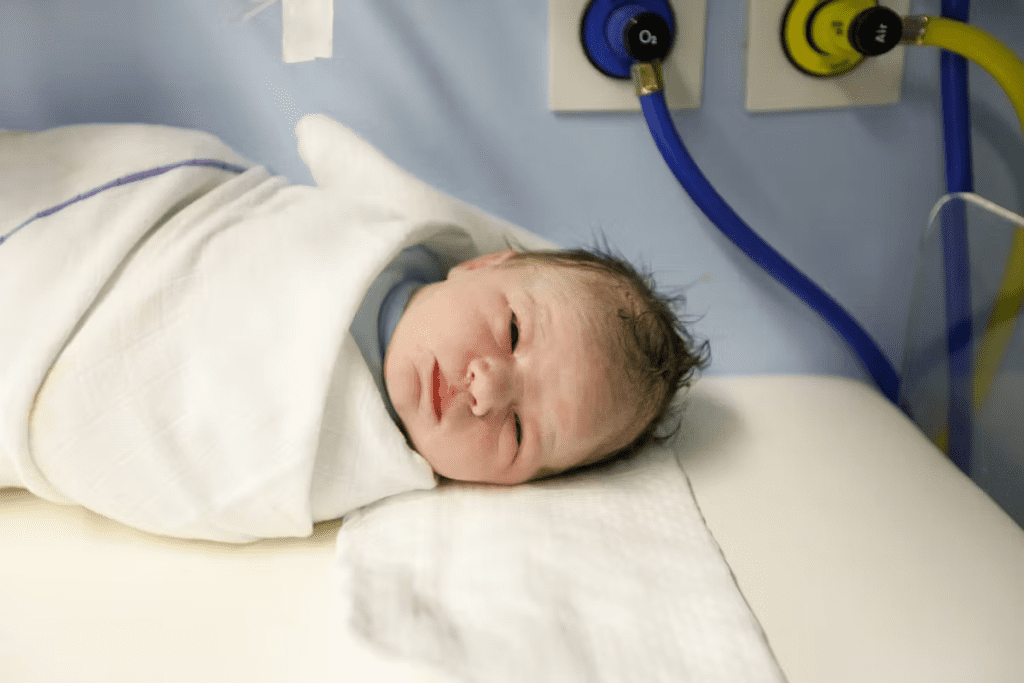
Sickle cell disease can show up in different ways in newborns. It’s important to know the early signs. Some babies might not show symptoms right after birth, but others could face serious problems early on. We’ll look at the early signs parents and caregivers should watch for, when symptoms usually start, and how severe they can be.
Early Warning Signs
Newborns with sickle cell disease might show several early signs. These include:
- Pale skin or lips due to anemia
- Jaundice, which is a yellowing of the skin and eyes
- Swelling in the hands and feet, known as hand-foot syndrome
- Fever, which can be a sign of infection
- Irritability or fussiness, potentially indicating pain or discomfort
Parents should watch for these signs and talk to their doctor if they’re worried.
Severity Spectrum of Symptoms
The severity of symptoms in newborns with sickle cell disease can vary a lot. Some babies might have mild anemia or occasional pain, while others could face more serious problems like acute chest syndrome or splenic sequestration.
| Symptom Severity | Characteristics |
| Mild | Occasional episodes of pain, mild anemia |
| Moderate | Frequent pain episodes, moderate anemia |
| Severe | Frequent and severe pain episodes, severe anemia, complications like acute chest syndrome |
Knowing how severe symptoms can be helps doctors and parents manage the condition better.
Jaundice in Sickle Cell Babies
Newborns with sickle cell disease often have jaundice. This is when the skin and eyes turn yellow. It happens because their red blood cells break down faster than usual.
Why Jaundice Occurs in Sickle Cell Disease
Jaundice happens because sickle cell disease makes red blood cells break down quickly. This leads to more bilirubin, a yellow pigment. When there’s too much bilirubin, the skin and eyes turn yellow.
The liver helps deal with bilirubin. But in newborns with sickle cell disease, the liver might not work well enough. This makes jaundice more likely.
Distinguishing Sickle Cell Jaundice from Normal Newborn Jaundice
Jaundice is common in newborns for many reasons. But sickle cell jaundice is different. Normal jaundice usually shows up in the first week and goes away in a couple of weeks. But sickle cell jaundice can last longer and might mean there’s a bigger problem.
| Characteristics | Normal Newborn Jaundice | Sickle Cell Jaundice |
| Onset | Within the first week | Can occur at any time, often persistent |
| Duration | Resolves within 2 weeks | Can be prolonged |
| Underlying Cause | Liver immaturity, breastfeeding | Hemolysis due to sickle cell disease |
When Jaundice Requires Medical Attention
Parents need to watch their baby closely. If jaundice comes with fever, pale stools, or dark urine, get help right away. Also, if jaundice gets worse or lasts too long, see a doctor.
Spotting and treating jaundice early in sickle cell babies is key. Regular doctor visits help keep an eye on the baby’s health and adjust treatment as needed.
Hand-Foot Syndrome: A Key Indicator
Infants with sickle cell disease often get hand-foot syndrome. This is a condition that causes swelling and pain. It’s one of the first signs of the disease in newborns.
Swelling of Hands and Feet in Sickle Cell Infants
Hand-foot syndrome shows up as swelling in the hands and feet of babies. This happens because sickled red blood cells block small blood vessels. This leads to inflammation and pain.
The swelling might also feel warm and tender. It’s important for parents to watch their baby closely. They should get medical help if they see any unusual swelling or signs of distress.
Pain Associated with Hand-Foot Syndrome
Pain is a big symptom of hand-foot syndrome. Babies might seem upset, cry, or not want to move their limbs. The pain can be mild or very bad and needs medical help to make the baby comfortable.
Key signs of pain in infants with hand-foot syndrome include:
- Increased irritability
- Crying or fussing
- Refusal to move the affected hands or feet
- Swelling and warmth in the hands and feet
Age of Onset and Duration
Hand-foot syndrome usually starts in the first year of life. It often happens between 6 months and 2 years old. How long it lasts can vary. Some babies have symptoms for just a few days, while others have them for longer.
Knowing when it starts and how long it lasts is key to managing it. Regular check-ups with doctors help keep an eye on it. They can also adjust treatment plans as needed.
Pain Crises in Sickle Cell Babies
Infants with sickle cell disease often face pain crises. These are hard to spot because they can’t say they’re in pain. Pain crises happen when sickled red blood cells block blood vessels, causing tissue damage and pain.
How Pain Manifests in Infants
Pain in sickle cell babies can show up in different ways. It’s important for caregivers to watch for signs like fussiness and changes in eating or sleeping. Spotting these early signs is key to acting fast.
Some babies might show clear signs like swelling or tenderness in their hands and feet. This is often seen in hand-foot syndrome, a common issue in young sickle cell patients.
Triggers for Pain Episodes
Many things can set off pain in sickle cell babies. Cold, not drinking enough water, and getting sick are common triggers. Knowing what causes pain can help caregivers prevent it.
| Trigger | Preventive Measure |
| Cold Temperatures | Maintain a warm environment |
| Dehydration | Ensure adequate fluid intake |
| Infections | Follow vaccination schedules and monitor for signs of infection |
Recognizing Pain in Pre-verbal Babies
Spotting pain in babies who can’t talk yet is a big challenge. Caregivers need to watch for changes in behavior, like more crying or pulling away. Using tools to check for pain in babies can also help.
By knowing how pain shows up in babies and what causes it, caregivers can handle pain crises better. Spotting pain early and acting quickly is vital to reduce its effects.
Growth and Development in Babies with Sickle Cell Disease
Babies with sickle cell disease need close monitoring and support. This disease can slow down their growth in many ways. It affects their weight and reaching important milestones.
Impact on Weight Gain and Growth
Sickle cell disease can make it hard for infants to gain weight and grow. It’s important to make sure they get enough food to help them develop.
Nutritional Challenges: Babies with sickle cell disease might need more food because of their condition. Giving them enough calories and nutrients is very important.
| Nutritional Element | Importance | Sources |
| Protein | Essential for growth and repair | Breast milk, formula, pureed meats |
| Iron | Crucial for healthy red blood cells | Iron-fortified cereals, pureed meats |
| Calcium | Important for bone development | Dairy products, fortified plant-based milk |
Nutritional Considerations
Nutrition is very important for managing sickle cell disease. Making sure babies eat a balanced diet is key for their health and growth.
Feeding Strategies: Babies with sickle cell disease might need special feeding plans. This could mean eating more often or using supplements.
Understanding how sickle cell disease affects growth helps us support these babies and their families. Regular checks and the right nutrition are essential for managing the disease.
Anemia and Its Effects on Sickle Cell Babies
Infants with sickle cell disease often face anemia, affecting their growth and quality of life. Anemia happens when red blood cells get destroyed. It’s important for parents to know the signs and effects of this condition.
Signs of Anemia in Infants
Spotting anemia in babies can be tricky. Look out for:
- Pale skin and lips
- Fatigue or lethargy
- Poor feeding
- Rapid breathing
These signs can be vague. So, it’s key to watch your baby’s health closely and talk to a doctor if you’re worried.
How Anemia Affects Baby Behavior
Anemia can make babies irritable and fussy. They might seem less active or less interested in things around them. It can also slow down their development because they lack energy for normal activities.
It’s vital to keep an eye on hemoglobin levels in sickle cell babies. Blood tests help doctors see how bad anemia is and adjust treatment plans.
Monitoring Hemoglobin Levels
Checking hemoglobin levels is a big part of managing sickle cell disease in babies. Regular blood tests help doctors track changes in hemoglobin levels. This lets them act fast if needed. Parents should work with their healthcare team to understand these results and make any necessary changes to their baby’s care plan.
Knowing about anemia and its effects on sickle cell babies helps parents support their child’s health. Early detection and treatment of anemia are important for better outcomes in infants with sickle cell disease.
Infection Risk and Fever in Sickle Cell Infants
Infants with sickle cell disease are more likely to get infections because their immune systems are weak. Parents and caregivers need to watch for infection signs and know when to get medical help.
Increased Susceptibility to Infections
Sickle cell disease makes the spleen less effective at fighting infections. This means babies with sickle cell are more likely to get serious infections. These infections often come from bacteria like Streptococcus pneumoniae.
Key Factors Increasing Infection Risk:
- Splenic dysfunction
- Impaired immune response
- Potential for bacteremia
When to Seek Emergency Care for Fever
Fever is a big warning sign of infection in sickle cell babies. Parents should get medical help right away if their baby’s fever is over 100.4 °F (38 °C). Quick action is important because infections can get worse fast in these babies.
Signs That Require Immediate Medical Attention:
- Fever above 100.4 °F (38 °C)
- Signs of distress or irritability
- Refusal to feed
- Lethargy
Common Infections in Sickle Cell Babies
Babies with sickle cell disease can get infections like bacteremia, meningitis, and pneumonia. Knowing these risks helps parents and caregivers prevent infections and spot symptoms early.
| Infection Type | Common Causative Agents | Key Symptoms |
| Bacteremia | Streptococcus pneumoniae, Haemophilus influenzae | Fever, irritability, lethargy |
| Meningitis | Neisseria meningitidis, Streptococcus pneumoniae | Fever, headache, stiff neck |
| Pneumonia | Streptococcus pneumoniae, Mycoplasma pneumoniae | Cough, difficulty breathing, fever |
By knowing the risks and recognizing infection signs, parents can protect their sickle cell babies. Regular doctor visits and following preventive steps, like vaccinations, are key to their care.
Newborn Screening for Sickle Cell Disease
Sickle cell disease can be found in newborns through a simple test. This early find is key for managing the disease well from the start.
How Screening Works
Newborn screening for sickle cell disease is a blood test. It’s done when the baby is between 24 and 48 hours old. A small sample of blood is taken from the baby’s heel and sent to a lab for analysis. This test looks for abnormal hemoglobin, a protein in red blood cells that carries oxygen.
The screening aims to find health issues, like sickle cell disease, early. It’s a vital step. It lets for early action, which can greatly help babies with sickle cell disease.
Interpreting Screening Results
Screening results can show if a baby has sickle cell disease, is a carrier, or has another condition. Results are usually normal, abnormal, or inconclusive. If the result is abnormal or inconclusive, more testing is needed to confirm the diagnosis.
An abnormal screening result doesn’t always mean the baby has sickle cell disease. It just means more testing is needed to find out the baby’s actual condition.
Follow-up Testing and Confirmation
For babies with abnormal or inconclusive results, more testing is key. This usually includes specific blood tests to confirm the diagnosis. These tests can give a clear diagnosis, helping healthcare providers create a care plan.
“Early diagnosis through newborn screening allows for timely intervention, which can significantly improve the quality of life for children with sickle cell disease.”
Parents should talk to their healthcare provider about any needed follow-up testing. They should also discuss what the screening results mean.
Diagnosing Sickle Cell Disease in Babies
Diagnosing sickle cell disease in infants is a complex process. It involves more than just newborn screening. This can be worrying for parents.
Diagnostic Tests Beyond Screening
After a newborn screening shows a possible sickle cell condition, more tests are needed. These tests help confirm the diagnosis. They include:
- Hemoglobin electrophoresis: This test separates different types of hemoglobin to find abnormal ones.
- High-performance liquid chromatography (HPLC): It’s used to detect and measure different hemoglobin types.
- DNA testing: This test finds the genetic mutations that cause sickle cell disease.
These tests give a clear diagnosis. They help doctors understand the condition’s severity and plan care.
Distinguishing Sickle Cell Disease from Sickle Cell Trait
It’s important to tell sickle cell disease apart from sickle cell trait. Sickle cell trait happens when a person has one normal and one sickle hemoglobin gene. People with sickle cell trait usually don’t have the disease’s full symptoms. But, they can pass the sickle gene to their children.
| Condition | Genotype | Symptoms | Inheritance Risk |
| Sickle Cell Disease | SS or Sβ-thalassemia | Significant symptoms, including pain crises and anemia | High risk of passing sickle gene to offspring |
| Sickle Cell Trait | AS | Usually asymptomatic or mild symptoms | Risk of passing sickle gene to offspring |
When Symptoms Don’t Match Test Results
Sometimes, an infant’s symptoms don’t match their test results. This can happen for a few reasons. It might be because of other hemoglobinopathies or the timing of the test after transfusions. In these cases, doctors might suggest more tests or monitoring. This helps clarify the diagnosis and adjust treatment.
Understanding sickle cell disease diagnosis can be tough. But, with the right diagnosis and care, babies with sickle cell disease can have healthier lives.
Early Management and Treatment for Sickle Cell Babies
Early action is key for sickle cell disease in newborns. It involves many steps to prevent problems and help babies get better. A full plan is needed to lower risks and improve health for sickle cell babies.
Preventive Care Measures
Preventive care is vital for sickle cell disease in babies. Regular visits to doctors are important to watch the baby’s health closely. Penicillin prophylaxis starts early to stop infections, a big risk for sickle cell kids.
We also stress the need for a healthy lifestyle. This includes good food and enough water. Parents learn to spot early signs of trouble, like fever or pale skin, and when to get help fast.
Medications for Infants
Medicines are key in managing sickle cell disease. Hydroxyurea helps reduce pain crises and may lower other risks. Doctors decide if hydroxyurea is right for each baby.
We help parents understand the importance of taking medicines as directed. We also answer any questions they have.
Vaccination Schedule Considerations
Babies with sickle cell disease face more infection risks. Vaccines are very important for their health. We stick to a recommended vaccine schedule, including extra vaccines like PCV and meningococcal.
| Vaccine | Age of Administration | Importance for Sickle Cell Babies |
| Pneumococcal Conjugate (PCV) | 2, 4, 6, and 12-15 months | Protects against pneumococcal disease, a significant risk for children with sickle cell disease. |
| Meningococcal | Starting at 2 months, with boosters | Guards against meningococcal disease, which can be severe in children with sickle cell disease. |
| Influenza | Annually starting at 6 months | Reduces the risk of flu, which can lead to complications in children with sickle cell disease. |
By using a detailed care plan, we can greatly improve health for sickle cell babies. This plan includes preventive steps, the right medicines, and a special vaccine schedule.
Supporting Parents of Sickle Cell Babies
A sickle cell disease diagnosis in a newborn can be overwhelming for parents. It brings a mix of emotions and questions. Families need the right resources and guidance to navigate this journey.
Coping with the Diagnosis
Understanding sickle cell disease is key. It’s about knowing the condition and how to manage it. Emotional support is very important. Parents should consider counseling or joining support groups to connect with others.
Creating a Safe Home Environment
Creating a safe home for a sickle cell baby is important. Keep the baby warm and away from drafts. Monitoring the baby’s temperature and keeping the environment clean are also key. Parents should work with their healthcare provider to meet their child’s needs.
Building a Medical Support Team
Having a strong medical support team is vital. This team should include a pediatrician, hematologist, and other specialists. Regular check-ups and talking openly with the team help manage the disease. Parents should ask questions and seek a second opinion if needed.
Conclusion: Living with Sickle Cell Disease
Living with sickle cell disease needs a full approach to handle its many parts. With the right care, people with this condition can live happy lives. It’s key to know the signs of sickle cell disease, mainly in newborns, for early help.
Spotting neonatal sickle cell symptoms and knowing the risks in newborns with sickle cell anemia helps parents get medical help fast. Managing sickle cell disease well means taking preventive steps, using medicines, and getting ongoing support.
Understanding the condition and its effects helps families deal with sickle cell disease’s challenges. We stress the need for early detection and good medical care to improve life quality for those with sickle cell disease.
With the right support and care, people with sickle cell disease can manage their condition and reach their goals. Our aim is to give the needed info and resources to help families deal with the diagnosis and manage the condition well.
FAQ
What are the early signs of sickle cell disease in newborns?
Newborns with sickle cell disease might show jaundice, anemia, and hand-foot syndrome. Hand-foot syndrome causes swelling in the hands and feet. These signs can be mild and not always seen right away.
How does sickle cell disease affect a baby’s physical appearance?
At first, babies with sickle cell disease look normal. But, as the disease gets worse, they might show signs like jaundice or swelling in their hands and feet.
What is hand-foot syndrome in sickle cell babies?
Hand-foot syndrome is when babies with sickle cell disease get swelling and pain in their hands and feet. It’s often one of the first signs and can be a big clue.
How is sickle cell disease diagnosed in newborns?
Newborns get tested for sickle cell disease soon after birth. If the test shows something abnormal, more tests are done to confirm it.
What are the symptoms of anemia in babies with sickle cell disease?
Babies with sickle cell disease might look pale, feel tired, and get irritable. Anemia can also change their behavior and health.
Why are babies with sickle cell disease at increased risk of infections?
Babies with sickle cell disease are more likely to get infections. This is because the disease can damage the spleen, which helps fight off germs.
How is pain managed in babies with sickle cell disease?
Managing pain in babies with sickle cell disease means watching for signs like crying or fussing. Then, using the right medicine to help them feel better.
What nutritional considerations are important for babies with sickle cell disease?
Good nutrition is key for babies with sickle cell disease. They need enough water and a balanced diet to stay healthy.
How does sickle cell disease impact a baby’s growth and development?
Sickle cell disease can slow down a baby’s growth and development. But, with the right care, they can catch up and meet their milestones.
What is the role of newborn screening in detecting sickle cell disease?
Newborn screening is very important. It helps find sickle cell disease early. This way, doctors can start treatment right away to prevent serious problems.
How can parents cope with the diagnosis of sickle cell disease in their baby?
Parents can cope by learning about the disease and making a safe home. They should also build a team of doctors to help manage it.
What are the common infections that can affect babies with sickle cell disease?
Babies with sickle cell disease can get many infections, like those from Streptococcus pneumoniae. Vaccines and care can help prevent these infections.
When should parents seek emergency care for their baby with sickle cell disease?
Parents should go to the emergency room if their baby has a high fever, trouble breathing, or severe pain. These are signs of serious problems.
References
- Schechter, A. N. (2024). Sickle cell anaemia therapy in 2025. British Journal of Haematology, 206(3), 842“845. Retrieved from https://pmc.ncbi.nlm.nih.gov/articles/PMC11886933/



 Departments
 Related Videos
 Our Doctors
 News
News