
Did you know that abnormal heart rhythms, or arrhythmias, affect millions of people worldwide? They cause symptoms like palpitations, shortness of breath, and fatigue. Tachycardia, a type of arrhythmia, is when your heart beats too fast.Can tachycardia be fixed? Yes. Get best vital rhythm fixes. Meds or ablation can cure dangerous fast beats. Restore your amazing health now.
We know that dealing with a heart rhythm disorder is tough. That’s why we’re here to help. We’ll give you a full look at tachycardia and how to treat it. We’ll cover its causes, symptoms, and how to diagnose it. Plus, we’ll talk about the different ways to manage this condition.
Key Takeaways
- Understanding the causes and symptoms of tachycardia is key to managing it well.
- Diagnosing tachycardia involves looking at your medical history, doing a physical exam, and running tests.
- There are many ways to treat tachycardia, like medicines, cardioversion, and catheter ablation.
- Changing your lifestyle can also help manage tachycardia.
- It’s important to see a doctor for the right diagnosis and treatment.
The Normal Heart Rhythm and Electrical System
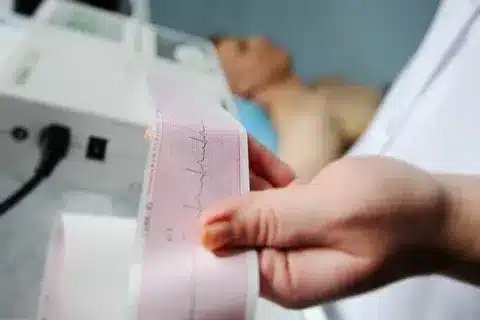
To understand heart rhythm disorders, we must first grasp the heart’s electrical system. This system is complex and controls the heartbeat. It ensures the heart pumps blood efficiently across the body.
The heart’s electrical system generates and conducts electrical impulses. These impulses trigger the heart’s contractions. It’s made of specialized cells and pathways that keep the heart rhythm normal.
How the Heart’s Electrical System Works
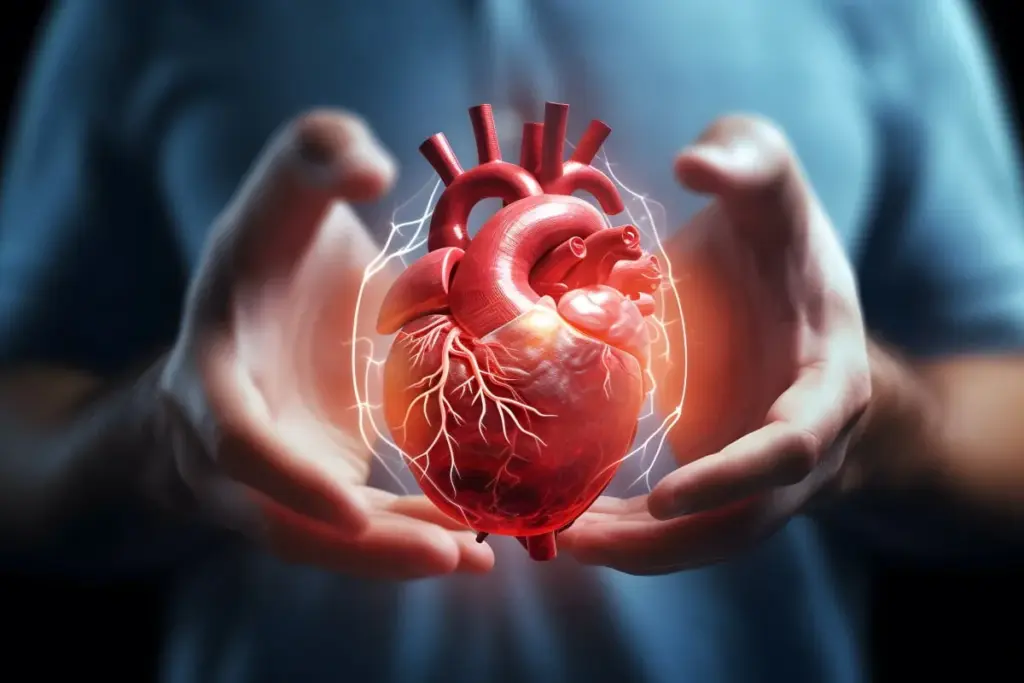
The journey starts with the sinoatrial (SA) node, the heart’s natural pacemaker. It sends out electrical impulses. These impulses then reach the atrioventricular (AV) node and the ventricles, making the heart contract and pump blood.
The SA node’s electrical impulses are key to a normal heart rate. For adults, a normal heart rate is between 60 to 100 beats per minute (bpm).
Normal Heart Rate Ranges Across Age Groups
Heart rate ranges differ by age:
- Newborns (0-1 month): 100-160 bpm
- Infants (1-12 months): 80-120 bpm
- Toddlers (1-2 years): 80-120 bpm
- Children (6-12 years): 70-100 bpm
- Adults: 60-100 bpm
- Athletes: Often have a lower resting heart rate, sometimes as low as 40 bpm
Knowing these ranges helps spot abnormal heart rhythms, or cardiac arrhythmias. These can lead to symptoms like palpitations and heart rate increases.
What Are Heart Rhythm Disorders?
Heart rhythm disorders, also known as arrhythmias, are conditions where the heartbeat is irregular. This can be too fast or too slow. These issues happen when the heart’s electrical system gets disrupted.
It’s important to know the different types of arrhythmias to find the right treatment. We’ll look at the various heart rhythm disorders and how they affect people.
Types of Arrhythmias
Arrhythmias are divided based on the heart part affected and the heartbeat’s nature. The main types include:
- Tachycardia: A condition where the heart beats too quickly, typically exceeding 100 beats per minute.
- Bradycardia: A condition characterized by a slow heart rate, usually fewer than 60 beats per minute.
- Atrial Fibrillation: The most common type of arrhythmia, where the upper chambers of the heart beat irregularly.
- Ventricular Tachycardia: A potentially life-threatening condition where the lower chambers of the heart beat very rapidly.
Each arrhythmia type has its own causes and symptoms. Knowing these differences is key to managing them effectively.
Prevalence and Impact of Heart Rhythm Problems
Heart rhythm disorders are a big health issue worldwide. The Centers for Disease Control and Prevention (CDC) says over 7 million people in the United States have atrial fibrillation, a common arrhythmia.
|
Type of Arrhythmia |
Prevalence in the US |
Potential Complications |
|---|---|---|
|
Atrial Fibrillation |
Over 7 million |
Stroke, Heart Failure |
|
Tachycardia |
Variable |
Heart Failure, Sudden Cardiac Arrest |
|
Bradycardia |
Variable |
Fatigue, Dizziness, Fainting |
The table shows arrhythmia prevalence varies, and complications can be serious. It’s vital to manage and treat these conditions well to improve patient outcomes.
“Arrhythmias can significantly impact a person’s quality of life, but with proper diagnosis and treatment, many individuals can lead active and fulfilling lives.”
We’ll keep exploring the causes, symptoms, and treatment options for heart rhythm disorders in the next sections.
Understanding Tachycardia: When Your Heart Beats Too Fast
When your heart beats too fast, it’s called tachycardia. This condition is usually treatable. It happens when the heart’s electrical system doesn’t work right, causing a fast heart rate. Different kinds of tachycardia exist, each characterized by unique causes and effects.
Sinus Tachycardia vs. Pathological Tachycardia
Tachycardia can be divided into two types: sinus tachycardia and pathological tachycardia. Sinus tachycardia is a normal response to stress, like exercise or anxiety. It’s how the heart increases blood flow when needed. Pathological tachycardia, on the other hand, is an abnormal rhythm that can signal a health problem.
Supraventricular Tachycardia Types
Supraventricular tachycardia (SVT) refers to conditions that start above the ventricles. SVT is marked by a sudden, fast heart rate. There are several types, including:
- Atrioventricular nodal reentrant tachycardia (AVNRT)
- Atrioventricular reciprocating tachycardia (AVRT)
- Atrial tachycardia
SVT can be caused by stress, caffeine, or certain medicines. Knowing the exact type is important for managing it well.
Ventricular Tachycardia and Its Dangers
Ventricular tachycardia (VT) is a serious condition that starts in the ventricles. It has a very fast heart rate that can lead to serious problems if not treated quickly. VT is often linked to heart disease.
“Ventricular tachycardia is a medical emergency that requires immediate attention. Prompt treatment can significantly improve outcomes,”.
It’s important to understand the different types of tachycardia and their risks. Recognizing the signs can help get the right treatment early, preventing serious problems.
Causes and Risk Factors for Tachycardia and Other Arrhythmias
Tachycardia and other arrhythmias can come from many medical conditions and lifestyle choices. Knowing what causes them is key to managing and treating them well.
Medical Conditions That Affect Heart Rhythm
Many medical conditions can mess with heart rhythm, leading to tachycardia and other arrhythmias. These include:
- Heart Disease: Issues like coronary artery disease, heart valve problems, and heart failure can mess with heart rhythm.
- High Blood Pressure: Hypertension can change the heart’s structure, possibly causing arrhythmias.
- Thyroid Disorders: Both hyperthyroidism and hypothyroidism can affect heart rate and rhythm.
- Electrolyte Imbalance: Abnormal levels of potassium, sodium, and other electrolytes can disrupt heart rhythm.
Lifestyle Factors Contributing to Fast Heart Rate
Lifestyle choices also play a big role in tachycardia and other arrhythmias. These include:
- Caffeine and Alcohol: Too much caffeine and alcohol can trigger arrhythmias.
- Smoking: Smoking is a big risk factor for heart disease and arrhythmias.
- Stress and Anxiety: High stress and anxiety can lead to tachycardia.
- Physical Inactivity: Not exercising regularly can increase the risk of heart conditions that lead to arrhythmias.
|
Risk Factor |
Description |
Impact on Heart Rhythm |
|---|---|---|
|
Heart Disease |
Conditions like coronary artery disease and heart failure |
Disrupts normal heart rhythm, potentially causing arrhythmias |
|
High Blood Pressure |
Hypertension leading to changes in heart structure |
Can cause arrhythmias due to structural changes |
|
Caffeine and Alcohol |
Excessive consumption |
Can trigger arrhythmias |
By understanding these causes and risk factors, we can better manage and treat tachycardia and other arrhythmias. This improves patient outcomes.
Recognizing the Symptoms of Heart Rhythm Disorders
The signs of heart rhythm disorders can be hard to spot. But knowing what to look for is key. We’ll cover the common signs of tachycardia and other arrhythmias. This will help you know when to get medical help.
Common Signs of Tachycardia
Tachycardia, or a heart that beats too fast, shows itself in different ways. Some common signs include:
- Palpitations or a feeling of the heart racing
- Dizziness or lightheadedness
- Shortness of breath
- Chest pain or discomfort
- Fainting or near-fainting spells
These symptoms can happen for many reasons. Stress, certain medicines, or health issues can cause them. If you often feel these symptoms, see a doctor.
When Symptoms Indicate a Medical Emergency
Some symptoms of heart rhythm disorders are mild. But others mean you need help right away. It’s important to know when to act fast.
|
Symptom |
Possible Indication |
|---|---|
|
Severe chest pain |
Heart attack or severe cardiac issue |
|
Severe difficulty breathing |
Acute heart failure or severe arrhythmia |
|
Fainting or loss of consciousness |
Life-threatening arrhythmia or cardiac arrest |
If you or someone else has severe symptoms, call for emergency help. Quick medical care can save lives.
Knowing the symptoms of heart rhythm disorders helps you take care of your heart. Spotting the signs and knowing when to get help lets you work with your doctor. Together, you can manage your condition well.
Diagnosing Heart Rhythm Problems
Diagnosing heart rhythm disorders is a detailed process. It includes initial checks, advanced tests, and ongoing monitoring. Accurate diagnosis is key to finding the best treatment.
Initial Evaluation and Physical Examination
The first step is a detailed medical history and physical exam. We look for symptoms and signs of heart rhythm disorders. This helps us find the cause and decide on further tests.
Key components of the initial evaluation include:
- Detailed medical history to identify symptoms and risk factors
- Physical examination to check for heart disease signs
- Review of current medications and lifestyle factors
Electrocardiogram (ECG) and Holter Monitoring
An Electrocardiogram (ECG) records the heart’s electrical activity for a few minutes. It’s key for diagnosing arrhythmias. For those with intermittent symptoms, Holter monitoring records heart activity for 24 to 48 hours.
Holter monitoring is great for catching arrhythmias not seen on a standard ECG. It helps us understand the disorder by linking symptoms with heart rhythm.
Stress Tests and Advanced Diagnostic Procedures
Stress tests check how the heart handles exercise. They can show arrhythmias that happen during activity. Other advanced tests include:
- Event monitors for longer monitoring
- Implantable loop recorders for extended monitoring
- Electrophysiology studies (EPS) for detailed heart electrical system checks
These tools help us accurately diagnose heart rhythm disorders. We then create a treatment plan that meets each patient’s needs.
Medication Treatments for Tachycardia and Arrhythmias
Medication plays a big role in treating heart rhythm disorders like tachycardia and arrhythmias. There are many medicines, each targeting different parts of these conditions.
Antiarrhythmic Drugs and How They Work
Antiarrhythmic drugs are made to manage and prevent irregular heartbeats. They change the heart’s electrical signals to help it beat normally. There are several types, including:
- Class I antiarrhythmics, which block sodium channels and are used for certain types of arrhythmias.
- Class III antiarrhythmics, which block potassium channels and are often used for more severe arrhythmias.
These drugs can be very effective but need careful watching because of possible side effects.
Beta Blockers and Calcium Channel Blockers
Beta blockers and calcium channel blockers are key in managing tachycardia and arrhythmias. Beta blockers slow the heart rate and make the heart’s contractions weaker. This lowers blood pressure and improves heart function. Calcium channel blockers relax the heart muscle and blood vessels, improving blood flow and reducing the heart’s workload.
Both types of medicines are often given to manage symptoms and improve life quality for patients with heart rhythm disorders.
Anticoagulants for Certain Arrhythmias
For patients with certain arrhythmias, like atrial fibrillation, anticoagulants are given to prevent blood clots. These clots can cause stroke. These medicines don’t directly affect heart rhythm but are key in lowering stroke risk and other complications.
It’s important for patients to work closely with their healthcare provider to find the best medication plan for their condition.
Non-Medication Approaches to Managing Fast Heart Rate
There are many ways to manage a fast heart rate without medication. These methods help control symptoms and improve heart health. They focus on making your heart feel better.
Vagal Maneuvers for Acute Episodes
Vagal maneuvers are simple ways to slow down a fast heart rate. They work by stimulating the vagus nerve. Here are some techniques:
- Coughing
- Bearing down as if having a bowel movement
- Applying an ice pack to the face
- Diving into cold water
These actions help activate the parasympathetic nervous system. This system can fight the effects of tachycardia.
Lifestyle Modifications for Heart Health
Changing your lifestyle can greatly improve your heart health. It can also reduce tachycardia. Here are some important changes:
|
Lifestyle Change |
Benefit |
|---|---|
|
Regular Exercise |
Improves cardiovascular health and reduces stress |
|
Healthy Diet |
Maintains a balanced electrolyte level and healthy weight |
|
Avoiding Stimulants |
Reduces triggers for tachycardia such as caffeine and nicotine |
Stress Management and Relaxation Techniques
Stress often triggers tachycardia. Managing stress and using relaxation techniques can help. Here are some methods:
- Meditation and mindfulness
- Deep breathing exercises
- Yoga and tai chi
- Progressive muscle relaxation
These practices not only manage stress but also improve heart health.
Procedural Interventions for Heart Rhythm Disorders
Procedural interventions are key in treating heart rhythm disorders. They help restore normal heart function. These treatments aim to correct or manage arrhythmias, improving patient outcomes and quality of life.
Cardioversion: Resetting the Heart’s Rhythm
Cardioversion is a procedure that uses a controlled electric shock to restore a normal heart rhythm. It’s often used for patients with persistent arrhythmias like atrial fibrillation or flutter. The procedure is done under sedation to reduce discomfort.
Key aspects of cardioversion include:
- Synchronized cardioversion, where the shock is timed with the patient’s cardiac cycle
- Success rates vary depending on the underlying condition and duration of arrhythmia
- Potential need for anticoagulation therapy before and after the procedure
Catheter Ablation for Tachycardia
Catheter ablation is a minimally invasive procedure. It uses energy to destroy abnormal electrical pathways in the heart. This is done by inserting catheters through a vein in the leg and guiding them to the heart.
The benefits of catheter ablation include:
- High success rates for certain types of tachycardia
- Minimally invasive, reducing recovery time
- Potential to eliminate the need for long-term medication
Pacemakers and Implantable Cardioverter-Defibrillators (ICDs)
Pacemakers and ICDs are small devices implanted under the skin. They help control heart rhythm. Pacemakers treat bradycardia (slow heart rate), while ICDs prevent sudden death from ventricular tachycardia or fibrillation.
Key features of these devices include:
- Advanced technology allowing for remote monitoring
- Battery life ranging from 5 to 15 years, depending on the device and usage
- Ability to deliver pacing, cardioversion, or defibrillation as needed
These procedural interventions are major advancements in managing heart rhythm disorders. They offer patients effective treatment options and improve their quality of life.
Surgical Options for Treating Severe Arrhythmias
Surgical treatments offer hope for those with complex heart rhythm disorders. When other treatments don’t work, surgery is a good option. We look at the surgical methods that help treat severe arrhythmias.
Maze Procedure for Atrial Fibrillation
The Maze procedure is made for atrial fibrillation, a common arrhythmia. It creates scar tissue in the heart’s upper chambers. This helps direct the heart’s electrical impulses, aiming for a normal rhythm.
Key aspects of the Maze procedure include:
- Performed during open-heart surgery
- Creates scar tissue to block abnormal electrical signals
- Aims to restore a normal sinus rhythm
A leading cardiologist says, “The Maze procedure has changed lives for patients with atrial fibrillation, greatly improving their quality of life.”
“Surgical ablation of atrial fibrillation is an effective treatment that can restore sinus rhythm and improve symptoms in selected patients.”
Ventricular Reconstruction and Other Surgical Approaches
Ventricular reconstruction is used for severe arrhythmias from the ventricles. It repairs or removes damaged heart tissue causing the arrhythmia.
|
Surgical Approach |
Description |
Indications |
|---|---|---|
|
Maze Procedure |
Creates scar tissue to guide electrical impulses |
Atrial Fibrillation |
|
Ventricular Reconstruction |
Repairs or removes damaged ventricular tissue |
Ventricular Arrhythmias |
We also look at other surgical methods, like implanting devices to regulate the heart’s rhythm. These are chosen based on the patient’s needs and arrhythmia type.
Knowing about surgical options helps patients and doctors make better treatment choices.
Recovery and Rehabilitation After Heart Rhythm Treatments
Knowing what to expect after heart rhythm treatments can really help patients get better. It’s important to understand the recovery process and how to heal well.
What to Expect After Procedures
After a heart rhythm treatment, recovery times can vary. For example, after a catheter ablation, patients might stay for a few hours before going home. You might feel some soreness in your chest or where the catheter was inserted. But this usually goes away in a few days.
It’s key to follow your doctor’s instructions during recovery. This might include:
- Resting well to help your body heal
- Avoiding hard work or heavy lifting
- Watching the catheter site for infection signs
- Going to follow-up appointments
Also, be aware of any signs of complications. These include severe chest pain, trouble breathing, or infection signs. If you notice these, get medical help right away.
Cardiac Rehabilitation Programs
Cardiac rehab is a big part of getting better after heart rhythm treatments. It helps patients recover well, keeps their heart healthy, and lowers future heart risks.
A typical cardiac rehab program includes:
- Exercise to boost heart health
- Learning about heart-healthy living
- Stress management
- Support from doctors and others going through the same thing
Being in a cardiac rehab program can bring many benefits. Patients can get better physically, manage symptoms better, and feel overall better. It’s clear that these programs are very important for patients.
Key Benefits of Cardiac Rehabilitation:
- Improved heart health
- Better physical function and movement
- Managing heart disease risks better
- Less symptoms and a better quality of life
In conclusion, recovery and rehab are very important for heart rhythm disorder treatments. By knowing what to expect and using cardiac rehab, patients can recover well and get the best results.
Preventing Heart Rhythm Problems
We can lower the risk of heart rhythm issues by making smart lifestyle choices and managing health conditions. By focusing on heart health, we can avoid arrhythmias and other heart problems.
Heart-Healthy Lifestyle Choices
Choosing a heart-healthy lifestyle is key to avoiding heart rhythm disorders. This means:
- Eating a balanced diet full of fruits, veggies, whole grains, and lean proteins.
- Staying active with activities like walking, cycling, or swimming to keep the heart healthy.
- Staying away from tobacco and drinking less alcohol to lower heart disease risk.
- Managing stress with meditation, yoga, or deep breathing.
Managing Underlying Conditions
It’s also vital to manage health conditions to prevent heart rhythm problems. This includes:
- Keeping blood pressure in check with meds, diet, and lifestyle changes.
- Controlling diabetes with the right meds, diet, and blood sugar monitoring.
- Treating sleep apnea with medical devices or lifestyle changes.
- Handling thyroid disorders with meds and regular doctor visits.
By combining a heart-healthy lifestyle with managing health conditions, we can greatly reduce heart rhythm disorder risk.
Living With a Heart Rhythm Disorder
Living with tachycardia or other heart rhythm disorders can be tough. But, with the right strategies, people can stay active. Getting a heart rhythm disorder diagnosis changes your daily life. You need to make lifestyle changes and follow medical advice closely.
Long-Term Management Strategies
Managing heart rhythm disorders long-term needs a few steps. Medication adherence is key to controlling symptoms and avoiding problems. Also, lifestyle modifications like eating well, exercising, and avoiding stimulants help a lot.
- Regular check-ups with doctors to keep an eye on your condition and adjust treatments if needed.
- Keeping a symptom journal to track how often and how bad episodes are.
- Avoiding things that can trigger tachycardia, like caffeine or stress.
Quality of Life Considerations
To keep a good quality of life with a heart rhythm disorder, balance medical care with daily activities. Stress management techniques like meditation or yoga can help. Also, knowing about your condition and its treatments helps you make better choices for your care.
Don’t forget the emotional and mental side of living with a heart rhythm disorder. Support groups and counseling offer great help for dealing with it.
Conclusion: The Outlook for Heart Rhythm Treatment
Heart rhythm disorders can be complex and varied. But, thanks to new medical technology and techniques, the outlook is positive. Treatment often includes medication, lifestyle changes, and procedures.
Many people with heart rhythm disorders now live active lives after treatment. Treatments like cardioversion, catheter ablation, and pacemakers or ICDs have greatly improved their quality of life.
As we keep improving heart rhythm treatment, it’s key for patients to work with their healthcare providers. This helps them understand their condition better. It also lets them make informed decisions about their care, leading to better health and a positive outlook.
FAQ
What is tachycardia and how is it treated?
Tachycardia is when your heart beats too fast. It’s a heart rhythm disorder. Treatment depends on the type and how serious it is. It might include medicines, changes in lifestyle, or procedures.
What is a normal heart rate range?
A normal heart rate changes with age. For adults, it’s usually between 60-100 beats per minute.
What are the different types of arrhythmias?
Arrhythmias include supraventricular tachycardia, ventricular tachycardia, and atrial fibrillation. There are many types.
What is the difference between sinus tachycardia and pathological tachycardia?
Sinus tachycardia is a normal response to activity or stress. Pathological tachycardia is an abnormal rhythm caused by health issues.
What are the symptoms of heart rhythm disorders?
Symptoms include palpitations, rapid heartbeat, dizziness, and shortness of breath. Severe symptoms can be a medical emergency.
How are heart rhythm problems diagnosed?
Diagnosis starts with an initial check-up. It includes an electrocardiogram (ECG), Holter monitoring, and stress tests.
What is a stress test and how is it used to diagnose heart rhythm problems?
A stress test checks the heart’s function during exercise. It helps find heart rhythm disorders and how the heart reacts to exercise.
What are the treatment options for tachycardia and arrhythmias?
Treatments include medicines like antiarrhythmics and beta blockers. Anticoagulants, vagal maneuvers, lifestyle changes, and procedures like cardioversion and catheter ablation are also options.
What is cardioversion and how is it used to treat heart rhythm disorders?
Cardioversion uses a controlled electric shock to fix an abnormal heart rhythm.
What is the role of lifestyle modifications in managing heart rhythm disorders?
Making healthy choices like eating well, exercising, and managing stress helps manage heart rhythm disorders.
How can I prevent heart rhythm problems?
Preventing heart rhythm problems means living a heart-healthy lifestyle. Manage health conditions and stay informed about heart health.
What can I expect during the recovery and rehabilitation process after heart rhythm treatments?
Recovery might include cardiac rehabilitation, lifestyle changes, and follow-up care with a doctor.
How can I manage long-term heart rhythm disorders?
Long-term management involves following treatment plans, making lifestyle changes, and staying informed about heart health.
Reference
National Center for Biotechnology Information. Evidence-Based Medical Insight. Retrieved from https://pubmed.ncbi.nlm.nih.gov/24682347/