Last Updated on October 21, 2025 by mcelik
As a parent, worrying about your teenager’s health is normal. Leukemia in teens is rare but serious. It needs quick action to treat it well.
We know how important it is to know the signs of serious health issues in teens. That’s why we’re here to help. We’ll guide you through the main signs of leukemia in teenager. We want to help you support your teenager’s health.
Spotting leukemia signs early can save lives. We aim to give you the knowledge to find these signs quickly.
Key Takeaways
- Leukemia in teenagers is a rare but serious condition.
- Early detection is key for effective treatment.
- Knowing the signs helps you act fast.
- We’re here to guide you through the main signs of leukemia.
- Our goal is to empower you with knowledge.
Understanding Leukemia in Teenagers and Young Adults

Leukemia in teenagers and young adults is a unique challenge. This cancer affects the blood and bone marrow. It’s more common in children and older adults, but it can also happen to teens and young adults.
What is Leukemia and How Common is it in Teens?
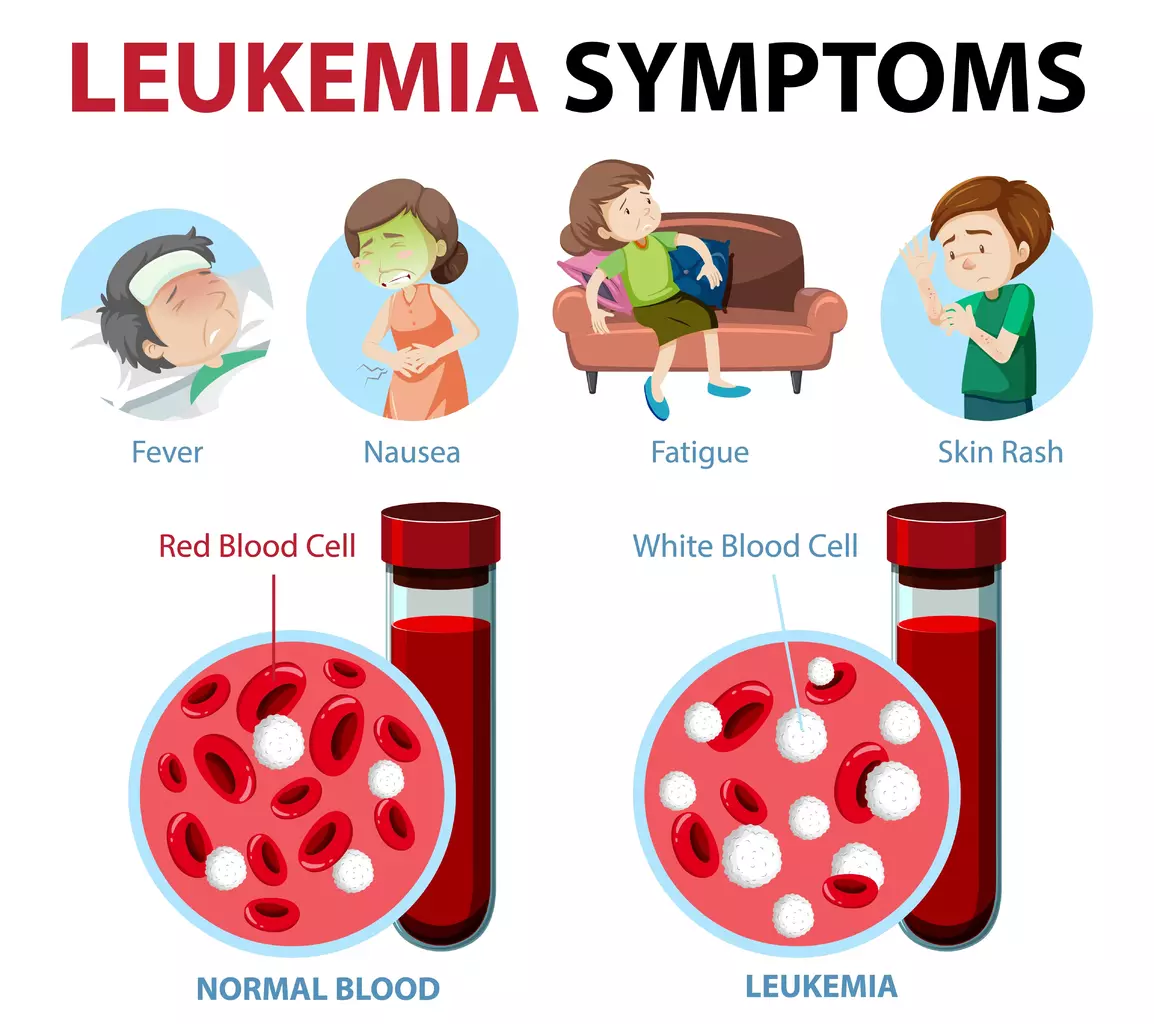
Leukemia happens when the body makes too many bad white blood cells. In teens and young adults, it can show up differently than in other groups. The latest research shows it’s a big part of cancers in this age group. Knowing the signs is key to catching it early.
Key statistics show leukemia is a big deal for teens and young adults. Being aware and watching for symptoms is very important.
Different Types of Leukemia Affecting Adolescents
There are many types of leukemia that can hit teens and young adults. Acute Lymphoblastic Leukemia (ALL) is the most common in this group. Acute Myeloid Leukemia (AML) and Chronic Myeloid Leukemia (CML) are less common but can happen too.
“Knowing the exact type of leukemia is key to finding the right treatment,” says a top hematologist.
Why Teen Leukemia Differs from Pediatric and Adult Cases
Teenage leukemia is different from both kids’ and adults’ cases. Teens are in a special phase between being a kid and an adult. This can make leukemia show up and grow in different ways.
It’s vital to know these differences to give the right care and support. By understanding leukemia in teens and young adults, doctors can tailor treatments to meet their specific needs.
Persistent Fatigue and Weakness: The Most Common Warning Sign

Teenagers often feel tired, but there’s a big difference between normal exhaustion and the kind that could be a sign of leukemia. It’s important for parents to know the difference to get medical help if needed.
Distinguishing Normal Teen Tiredness from Leukemia-Related Fatigue
Fatigue is common in teens due to their growth, busy lives, and lifestyle. But, fatigue from leukemia is different. It’s constant, unexplained, and doesn’t get better with rest. If your teenager is always weak and tired without a reason, it’s time to look into it further.
Normal teen tiredness gets better with enough sleep, a good diet, and exercise. But, leukemia-related fatigue is much worse. It makes it hard to do daily activities.
How Fatigue Manifests in Daily Activities
Fatigue from leukemia can really affect a teen’s life. It might show up as:
- Hard time focusing in school or with homework
- Not having energy for favorite activities or sports
- Feeling weak or tired even after resting or sleeping
When to Be Concerned About Your Teen’s Energy Levels
If your teen’s fatigue lasts a long time and they also have pale skin, shortness of breath, or dizziness, see a doctor. Early detection of leukemia can greatly improve treatment outcomes. It’s always better to be safe than sorry.
| Signs | Normal Teen Tiredness | Leukemia-Related Fatigue |
|---|---|---|
| Duration | Temporary, improves with rest | Persistent, lasts over time |
| Impact on Daily Life | Minimal, doesn’t significantly affect daily activities | Significant, interferes with school, activities, and social life |
| Response to Rest | Improves with adequate sleep and rest | Not relieved by rest or sleep |
Unusual Bruising and Bleeding Tendencies
Unusual bruising and bleeding in teenagers might mean there’s a health issue like leukemia. It’s important for parents or caregivers to spot these signs early. This way, they can get medical help quickly.
Bruising and Bleeding Issues in Leukemia
Leukemia messes with the bone marrow’s job of making blood cells. This includes platelets, which help blood clot. Low platelet counts can cause easy bruising and bleeding. We’ll look at how leukemia causes these symptoms and what to watch for.
Why Leukemia Causes Bruising and Bleeding Issues
Leukemia fills the bone marrow with cancer cells. This stops normal blood cell production. It can lead to low platelet counts, causing bruising and bleeding.
Identifying Petechiae and Other Skin Manifestations
Petechiae are small spots on the skin from tiny blood vessel breaks. They’re a sign of low platelet count and can mean leukemia.
- Petechiae often show up on legs, arms, and torso.
- They look like a rash or small red dots.
- Unlike other rashes, petechiae don’t fade under pressure.
Other skin signs include ecchymosis (big bruises) and purpura (big areas of bleeding under the skin).
Nosebleeds, Gum Bleeding, and Other Hemorrhagic Signs
Nosebleeds and gum bleeding are common leukemia symptoms. They happen because of low platelet counts and trouble clotting.
| Hemorrhagic Sign | Description | Possible Indication |
|---|---|---|
| Nosebleeds | Frequent or heavy nosebleeds | Low platelet count |
| Gum Bleeding | Bleeding gums, even when brushing | Thrombocytopenia |
| Petechiae | Small red or purple spots on the skin | Capillary bleeding due to low platelets |
Spotting these signs early is key for getting medical help fast. If your teenager has unusual bruising, bleeding, or other signs, see a doctor right away.
Frequent Infections and Compromised Immunity
Leukemia in teenagers can weaken the immune system, leading to more infections. This happens because leukemia disrupts the production of healthy white blood cells. These cells are key in fighting off infections.
The Connection Between White Blood Cells and Infection Risk
White blood cells are essential for our immune system. They help protect us from infections and foreign substances. In leukemia, the bone marrow makes abnormal white blood cells. These cells don’t work right, raising the risk of infections.
These abnormal cells take over the bone marrow, making it tough for the body to fight infections. Teenagers with leukemia often get infections that are hard to treat.
Common Infections That May Signal Leukemia
Teenagers with leukemia are more likely to get infections because of their weak immune systems. Some common infections that could mean leukemia include:
- Recurring respiratory infections, such as pneumonia or bronchitis
- Frequent sinus infections or ear infections
- Skin infections that are slow to heal
- Urinary tract infections that recur
While healthy people can get these infections, if they happen often in teenagers, it might mean leukemia.
Slow Healing as a Warning Sign
Slow healing from injuries or infections can also be a sign of leukemia. When the body is fighting leukemia, it can’t heal as well. This shows up as wounds that take longer to heal or infections that don’t go away with treatment.
If your teenager keeps getting infections or wounds don’t heal fast, see a doctor. They can find out why.
Persistent Fever and Night Sweats
Leukemia can cause persistent fever and night sweats. These signs should not be ignored. It’s important to understand these symptoms to catch leukemia early.
Understanding Fever Patterns in Leukemia
Fever is common in many illnesses, including leukemia. In leukemia, fever shows the body’s immune system is weak. It’s key to watch the fever pattern, as ongoing fevers might mean a serious issue. We’ll look at how fever patterns in leukemia patients can signal their health.
- Recurring fevers: Fevers that come and go over time can be a sign of leukemia.
- High temperatures: Elevated body temperature can indicate an infection or the body’s response to leukemia.
- Associated symptoms: Fevers accompanied by other symptoms like night sweats or fatigue can be very concerning.
When Night Sweats Signal Something Serious
Night sweats can be a sign of many conditions, including leukemia. Night sweats are often linked to more severe diseases. When they happen with other symptoms, they can mean a serious health problem. We’ll talk about how night sweats relate to leukemia and when to seek medical help.
Some important points about night sweats include:
- Frequency and severity: Frequent or severe night sweats can be more indicative of a serious condition.
- Combination with other symptoms: Night sweats with fever, weight loss, or fatigue can signal leukemia.
- Impact on daily life: When night sweats disrupt sleep, it’s important to get medical advice.
Distinguishing Leukemia Fevers from Common Illnesses
Telling apart fevers from leukemia and common illnesses can be hard. Yet, some signs can help spot leukemia fevers. We’ll explain these differences to help you know when to seek more help.
Key differences include:
- Duration: Fevers that last or come back a lot.
- Response to treatment: Fevers that don’t get better with usual treatments.
- Associated symptoms: Fevers with other leukemia symptoms like bruising or fatigue.
Recognizing Teenage Leukaemia Symptoms in Daily Life
Teenagers with leukemia often show symptoms that change their daily life in small but big ways. It’s key to see how leukemia affects their daily activities.
Changes in Academic Performance and Concentration
Leukemia can make teens tired, weak, and struggle to focus. This can hurt their school work and class participation.
Some common signs include:
- Difficulty paying attention in class
- Struggling to complete homework or assignments
- Decline in grades or overall academic performance
Effects on Physical Activities and Sports Participation
Leukemia can make it hard for teens to do sports or physical activities. This is because of fatigue, bone pain, or other issues.
Some signs include:
- Frequent complaints of tiredness or exhaustion
- Reduced participation in sports or physical activities
- Increased difficulty with physical tasks or exercises
Social Withdrawal and Behavioral Changes
Leukemia can also make teens pull back from friends or change their behavior. This might be because of physical symptoms, emotional issues, or both.
Some behavioral changes to watch for are:
- Withdrawal from social activities or friends
- Mood swings or irritability
- Changes in appetite or sleep patterns
Knowing these signs can help us spot leukemia symptoms in teens. The table below shows where these symptoms might show up in daily life:
| Area of Life | Common Symptoms |
|---|---|
| Academic Performance | Difficulty concentrating, decline in grades |
| Physical Activities | Fatigue, reduced participation in sports |
| Social Interactions | Withdrawal from friends, mood swings |
Bone and Joint Pain: A Frequently Overlooked Symptom
Growing pains are normal in teens, but persistent bone and joint pain might signal leukemia. We often talk about leukemia symptoms like fatigue or bruising. But bone and joint pain is a key symptom that needs attention.
Causes of Skeletal Pain in Leukemia
Leukemia causes skeletal pain because cancer cells build up in the bone marrow. These cells can damage bones or expand the marrow, causing pain. The body’s immune response to these cells can also cause pain.
Common Locations of Leukemia-Related Pain
Pain from leukemia can happen in many places, like the arms, legs, pelvis, and spine. Teenagers might feel pain in their joints, like the knees or hips. This can be mistaken for growing pains or other issues.
Distinguishing Growing Pains from Leukemia Pain
Growing pains usually happen in the legs at night and are not constant. Leukemia pain, on the other hand, is ongoing and can happen anytime. It often comes with other symptoms like tiredness, weight loss, or fever.
If your teenager has persistent or severe bone and joint pain, see a doctor. It’s important to know the difference between growing pains and leukemia pain. We should watch for persistent pain and other concerning symptoms and get medical help.
Swollen Lymph Nodes and Abdominal Changes
Leukemia symptoms in teens can be hard to spot. Yet, some changes are very important. Swollen lymph nodes and changes in the abdomen are key signs.
Identifying Abnormal Lymph Node Swelling
Lymph nodes help fight infections. Swollen lymph nodes might mean the body is fighting something serious, like leukemia. Normally, you can’t feel them, but when they swell, they can hurt and be felt.
To spot swollen lymph nodes, look for:
- Nodes that are much bigger than usual
- Swelling without pain, unlike infections
- Swelling in places like the neck, armpits, or groin
Swollen lymph nodes can mean many things, not just leukemia. But, if they don’t go away, see a doctor.
Signs of Liver and Spleen Enlargement
The liver and spleen can get bigger in leukemia. This is called hepatosplenomegaly.
Look out for:
- Feeling full or uncomfortable in the upper belly
- Pain or tenderness in the upper right or left belly
- An organ that’s bigger and can be felt during a check-up
An enlarged liver or spleen can hurt and mess with digestion.
| Signs | Possible Indication |
|---|---|
| Swollen lymph nodes | Infection or leukemia |
| Liver enlargement | Hepatosplenomegaly, potentially leukemia |
| Spleen enlargement | Hepatosplenomegaly, potentially leukemia |
Abdominal Discomfort and Digestive Changes
Leukemia can also cause belly pain and changes in digestion. These can happen because of big organs or because the disease affects the body.
Watch for:
- Not feeling like eating
- Feeling full fast after eating
- Nausea or vomiting
- Changes in bowel movements
As one expert says,
“Finding leukemia early is key for treatment. Spotting signs early can greatly improve the outcome.”
Knowing these signs and getting a doctor’s check if they last or come with other symptoms can really help with diagnosis and treatment.
Unexplained Weight Loss and Appetite Changes
Leukemia, a blood cancer, can show up in different ways. This includes unexplained weight loss and changes in how much you eat. These signs can be scary because they might mean a serious health problem.
Metabolic Changes in Leukemia
Leukemia can change how your body uses energy. Sometimes, it makes your body burn more calories, even when you’re not active. This can lead to unexplained weight loss, a sign that needs attention.
Quantifying Concerning Weight Loss
Figuring out if weight loss is a problem involves looking at how much weight is lost and how fast. Losing more than 5% of your body weight in six months is a big deal. For example, if a teenager loses over 10 pounds in three months without trying, they should see a doctor.
Changes in Food Preferences and Eating Habits
Leukemia can also make you want to eat differently. You might eat less or more than usual. These changes can happen because of how the disease affects your body or your digestive system. It’s important to watch these changes and talk to a doctor if they keep happening or if you have other symptoms.
Spotting these signs early is key to getting the right treatment for leukemia. If you or someone you know is losing weight without trying or eating differently, it’s important to see a doctor. This can help find out if there’s a serious health issue.
Neurological Symptoms: Headaches, Dizziness, and Balance Issues
It’s important to know the signs of leukemia in the nervous system early. Leukemia can harm the brain and spinal cord, causing serious symptoms. These symptoms need quick medical help.
Impact on the Central Nervous System
Leukemia can spread to the brain and spinal cord. This is more common in young people with acute lymphoblastic leukemia (ALL). It can cause headaches, nausea, and vomiting due to increased pressure in the brain.
Warning Signs of CNS Involvement:
- Severe or persistent headaches
- Dizziness or loss of balance
- Vision changes or double vision
- Nausea or vomiting without an obvious cause
- Seizures or convulsions
Warning Signs of CNS Involvement
People with CNS leukemia can show different symptoms. Some may have mild signs, while others face severe problems. It’s key to spot these signs early to start the right treatment.
| Symptom | Description | Possible Indication |
|---|---|---|
| Headaches | Persistent or severe headaches | Increased intracranial pressure |
| Dizziness | Feeling of imbalance or lightheadedness | CNS involvement or anemia |
| Vision Changes | Blurred vision, double vision | CNS leukemia or increased intracranial pressure |
When Headaches and Dizziness Warrant Immediate Medical Attention
Headaches and dizziness can be serious in leukemia patients. If you have severe or worsening symptoms, get medical help right away.
Immediate action is required if you notice:
- Sudden severe headache
- Dizziness accompanied by other neurological symptoms
- Confusion or altered mental state
Spotting and treating leukemia symptoms early can greatly help patients. We must watch for these signs and act fast if they appear.
Conclusion: Taking Action and Seeking Medical Help
It’s important to know the signs of teenage leukemia early. We’ve talked about symptoms like constant tiredness and unusual bruises. If your teenager shows these signs, get them medical help right away.
Getting a diagnosis early can really help. We’re here to help you and your teenager. If you’re worried about your teenager’s health, talk to a doctor. They can check the symptoms and help you move forward.
Knowing the signs of leukemia in teens is key to treatment. Stay alert and get medical help if you see any unusual signs. This could be the first step to helping your teenager.
FAQ
What are the common symptoms of leukemia in teenagers?
Symptoms include persistent fatigue and unusual bruising. Frequent infections and night sweats are also common. Bone and joint pain, swollen lymph nodes, and abdominal changes are signs too. Unexplained weight loss and neurological symptoms like headaches and dizziness are also symptoms.
How can I distinguish between normal teen tiredness and leukemia-related fatigue?
Leukemia fatigue doesn’t go away with rest. Normal teen tiredness does. If your teenager’s fatigue is severe and lasts, see a doctor.
What types of leukemia can affect teenagers?
Teenagers can get Acute Lymphoblastic Leukemia (ALL) and Acute Myeloid Leukemia (AML). ALL is common in kids and teens. AML can happen at any age.
Why is it important to recognize leukemia symptoms early?
Early detection is key. It leads to better treatment outcomes. Starting treatment early can prevent complications.
Can leukemia cause changes in appetite or weight loss?
Yes, leukemia can lead to unexplained weight loss and changes in appetite. If your teenager shows these signs, see a doctor.
How does leukemia affect the central nervous system?
Leukemia can harm the central nervous system. This causes headaches, dizziness, and balance issues. CNS involvement is serious and needs quick medical attention.
What should I do if I suspect my teenager has leukemia?
If you think your teenager has leukemia, see a doctor right away. Talk about the symptoms and get the tests needed to find out.
How is leukemia diagnosed in teenagers?
Diagnosis includes blood tests and a bone marrow biopsy. A doctor will decide the best tests based on symptoms and medical history.
Can leukemia be treated effectively in teenagers?
Yes, leukemia can be treated well in teenagers with the right care. Thanks to medical progress, many teens can go into remission.
References:
- Cancer Research UK. Symptoms of childhood acute lymphoblastic leukaemia (ALL). Retrieved from https://www.cancerresearchuk.org/about-cancer/childrens-cancer/acute-lymphoblastic-leukaemia/symptoms
- Leukemia Research Foundation. Childhood Leukemias. Retrieved from https://leukemiarf.org/leukemia/childhood-leukemias/
- NewYork-Presbyterian. Childhood and Teen Leukemia: Symptoms & Causes. Retrieved from https://www.nyp.org/pediatrics/cancer-care/leukemia
- Teenage Cancer Trust. Leukaemia – symptoms, diagnosis, treatment. Retrieved from https://www.teenagecancertrust.org/information-about-cancer/leukaemia
- Together by St. Jude™ (St. Jude Children’s Research Hospital). Leukemia in Children and Teens. Retrieved from https://together.stjude.org/en-us/conditions/cancers/leukemia.html