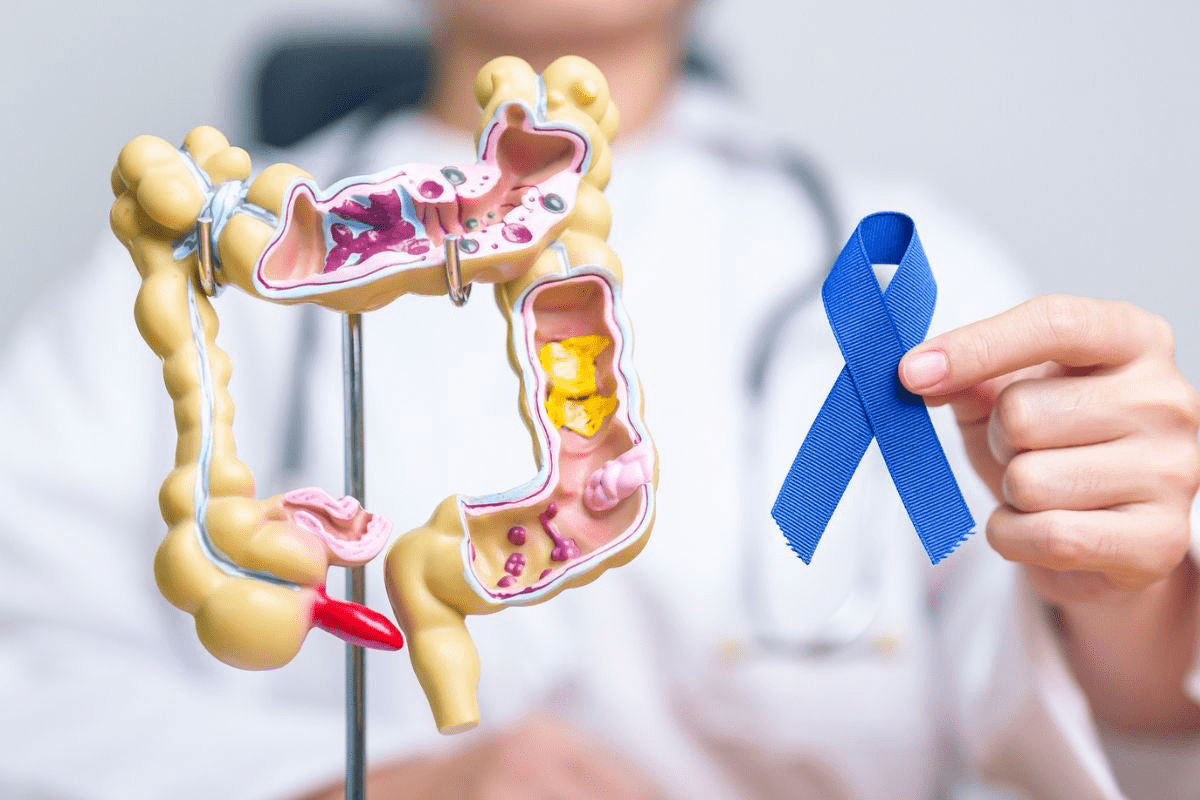
Colorectal cancer is a big health issue in the United States. The American Cancer Society says there will be about 107,320 new cases of colon cancer and 46,950 new cases of rectal cancer in 2025.This is your ultimate guide to a test for colon cancer. We compare 7 of the best screening options, from Cologuard to colonoscopy.
Colorectal cancer is the second leading cause of cancer death. But, it’s about 90% preventable with the right screening. Now, there are seven different tests, and screening starts at age 45 for those at average risk. Knowing about these tests is key to taking care of your health.
We’ll look into why colorectal cancer screening is so important. We’ll also cover the different tests for early detection. This will help you make smart choices about your health.
Key Takeaways
- Colorectal cancer is a significant health concern in the United States.
- Proper screening can prevent approximately 90% of colorectal cancer cases.
- Screening recommendations have been updated to begin at age 45 for average-risk individuals.
- Seven distinct testing options are now available for colorectal cancer screening.
- Understanding the different screening tests is important for preventive care.
The Rising Importance of Colorectal Cancer Screening
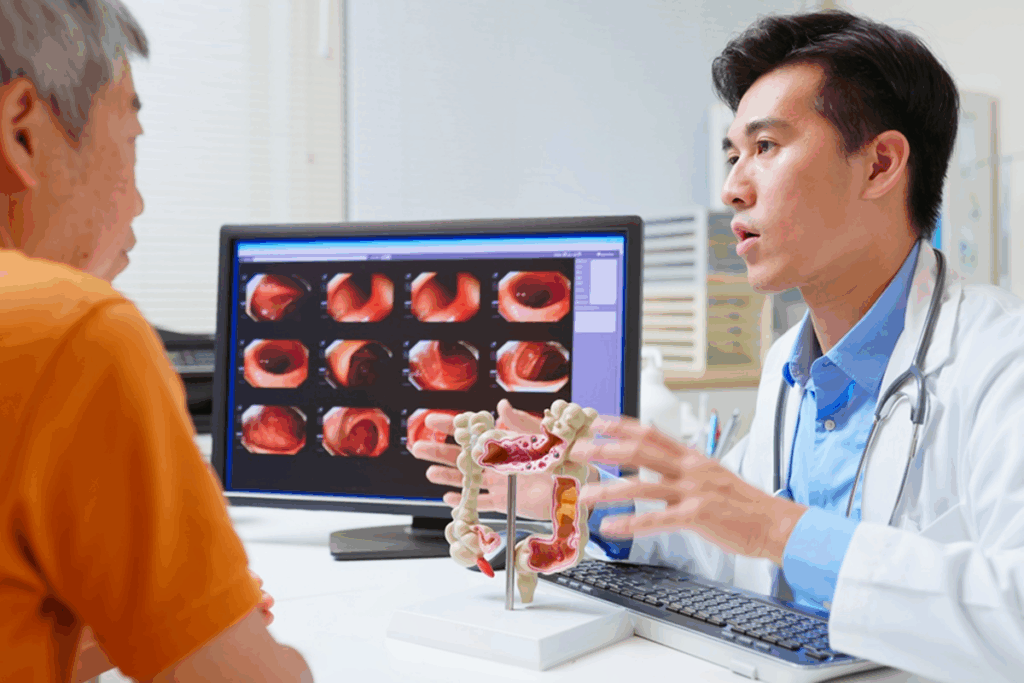
In today’s healthcare world, colorectal cancer screening is more critical than ever. More people are getting screened every year. In 2024, about 3.6 million patients were checked for colorectal cancer, showing a big leap in preventive care.
Current Statistics and Prevalence in 2023-2025
Recent numbers show a good trend in colorectal cancer screening. More adults aged 45 and older are getting screened. This increase is key to catching cancer early and treating it.
The CRC screening meaning goes beyond just finding cancer. It also finds polyps that could turn cancerous. This early action is saving lives and bettering health outcomes.
How Early Detection Impacts Survival Rates
Colorectal cancer screening greatly affects survival rates. Finding cancer early means better treatment chances and survival. Studies show that early-stage cancer patients live longer than those diagnosed later.
The value of early detection is huge. It not only helps patients but also lowers cancer death rates. By focusing on screening, we’re getting closer to a future where cancer is caught and treated better.
Colorectal Cancer Screening Recommendations by Age and Risk

The US Preventive Services Task Force has set guidelines for colorectal cancer screening. These guidelines help both individuals and healthcare providers make informed choices about screening.
Updated Guidelines for Adults 45 and Older
Adults aged 45 to 75 should get screened for colorectal cancer. The Task Force suggests colonoscopy, fecal immunochemical tests (FIT), and multitarget stool DNA tests. The right test depends on personal preference, risk factors, and testing resources.
For those 45 to 49, starting screening depends on individual risk. Those with a family history of colorectal cancer or other risk factors might start earlier.
Age Group | Recommended Screening | Frequency |
45-49 | FIT or Multitarget Stool DNA Test | Every 1-3 years |
50-75 | Colonoscopy or FIT | Every 10 years (Colonoscopy) or Every 1 year (FIT) |
Special Considerations for High-Risk Individuals
People at higher risk for colorectal cancer should talk to their doctor. This includes those with a family history, certain genetic syndromes, or inflammatory bowel disease.
For high-risk individuals, screening might start before 45. For example, those with a first-degree relative diagnosed before 60 might start 10 years earlier.
Knowing about CRC screening meaning helps individuals take control of their health. Following screening guidelines can greatly reduce the risk of colorectal cancer or catch it early.
Colonoscopy: The Gold Standard Test for Colon Cancer
Colonoscopy is the top choice for finding colon cancer. It lets doctors check the whole colon and rectum. They can also take out polyps during the test. This helps catch cancer early and stop it by removing polyps before they turn into cancer.
How the Procedure Works
A colonoscopy uses a flexible tube with a camera and light. This tube, called a colonoscope, looks inside the colon and rectum. It goes through the rectum and moves through the colon to find any problems like polyps or tumors. The test is done while you’re under sedation to make you comfortable.
Preparation and Procedure Experience
To get ready for a colonoscopy, you need to clean your colon. This is done with special diets, laxatives, and sometimes enemas. On the day of the test, you’ll get sedation to relax. The test takes about 30 to 60 minutes.
After the test, you’ll be watched for a bit as the sedation wears off. You can usually go home the same day. Some people might feel bloated or gassy, but these feelings go away soon. Being able to remove polyps during the test means you might not need another one, making it a good choice for many.
Benefits and Limitations
The main good thing about colonoscopy is it can find and remove polyps before they turn into cancer. It’s also great at finding cancer early when it’s easier to treat. But, like any test, there are risks. These include bleeding or a hole in the colon.
Even with these risks, colonoscopy is key in fighting colon cancer. Its accuracy and ability to prevent cancer by removing polyps make it very useful. It’s important to talk to your doctor about any worries you have. This way, you can understand how colonoscopy fits into your cancer screening plan.
Fecal Immunochemical Test (FIT)
FIT, or Fecal Immunochemical Test, is a key tool in finding hidden blood in stool. This could mean colorectal cancer. It’s a simple, effective test for screening.
Detecting Hidden Blood
The Fecal Immunochemical Test finds hidden blood in stool. It uses antibodies that target human hemoglobin. This makes it very good at spotting tiny amounts of blood.
Unlike other tests, FIT is more specific to human blood. This means it’s less likely to give false-positive results. This makes FIT a good choice for first screenings.
At-Home Collection Process
One big plus of FIT is how easy it is to use at home. Patients get a kit with everything they need. It includes instructions and materials for collecting a stool sample.
To use it, you just apply the stool sample to the test card or container. Then, you send it back to your healthcare provider or lab for testing.
Accuracy Rates and Follow-up
FIT is very accurate in finding colorectal cancer, best when done yearly. If it finds blood, you’ll need a colonoscopy to check why.
Remember, FIT is not a final diagnosis. If it finds blood, you’ll need a colonoscopy to find out what’s causing it. This could be cancer, polyps, or something else.
Doing FIT every year can help find cancer early. Talk to your doctor about the best screening plan for you.
Guaiac-based Fecal Occult Blood Test (gFOBT)
The Guaiac-based Fecal Occult Blood Test (gFOBT) helps find hidden blood in stool. It’s used for colorectal cancer screening. This test is simple and doesn’t hurt you.
FIT vs FOBT: Key Differences
Fecal Immunochemical Test (FIT) and Guaiac-based Fecal Occult Blood Test (gFOBT) differ in several ways. FIT is more specific to human blood and doesn’t need special diets. On the other hand, gFOBT can find blood from anywhere in the digestive system and needs diet changes.
They detect blood differently. FIT uses antibodies for human hemoglobin. gFOBT uses a chemical reaction to find blood.
Comparison Table: FIT vs gFOBT
Characteristics | FIT | gFOBT |
Detection Method | Antibodies against human hemoglobin | Chemical reaction to detect blood |
Dietary Restrictions | No | Yes |
Specificity | High | Lower compared to FIT |
Dietary Restrictions and Medication Considerations
gFOBT needs patients to follow certain diets to avoid false positives. They should avoid certain foods and medications before the test.
- Avoid red meat and some fruits and vegetables that can cause false positives.
- Some medications like NSAIDs and anticoagulants may need to be paused.
- Vitamin C can interfere with the test results and should be avoided.
Reliability and Current Usage
gFOBT has been key in colorectal cancer screening but is less reliable than FIT. It has lower specificity and needs dietary restrictions.
Even so, gFOBT is used in some places because it’s cheap and well-known. But, newer and easier tests are becoming more popular.
Multitarget Stool DNA Test (Cologuard)
Cologuard is a new way to find colorectal cancer by looking at DNA and blood in stool. It’s a non-invasive test that can spot some cancers and polyps that other tests might miss.
Combined DNA and Blood Biomarker Technology
The multitarget stool DNA test uses DNA analysis and a fecal immunochemical test (FIT) to find hidden blood. This combo helps check for colorectal cancer risk better. It looks for DNA markers and blood in stool to find problems early.
Key features of Cologuard’s technology include:
- Detection of multiple DNA biomarkers associated with colorectal cancer
- FIT component to identify blood in the stool
- Advanced algorithm to analyze test results and provide a risk assessment
Collection Process and Testing Procedure
Cologuard is easy to use at home. You just need to collect a stool sample and send it to a lab. The kit comes with clear instructions on how to do this.
The testing procedure involves:
- Receiving and using the Cologuard kit to collect a stool sample
- Sending the sample to the designated laboratory
- Laboratory analysis of the stool sample for DNA biomarkers and blood
- Reporting of results to the patient and their healthcare provider
Sensitivity for Detecting Polyps and Cancer
Cologuard is very good at finding colorectal cancer and some precancerous polyps. It’s more effective than some other tests, like FIT alone.
It’s suggested to take the test every three years if you’re at average risk. But, how often you need it might change based on your risk and past results.
Flexible Sigmoidoscopy as a Targeted Screening Option
Flexible sigmoidoscopy is a key option for colon cancer screening. It focuses on the lower colon, playing a big role in both screening and diagnosis.
Procedure and Examination Coverage
Flexible sigmoidoscopy uses a flexible tube with a camera to check the sigmoid colon and rectum. It’s done every 5 years and is less invasive than a full colonoscopy.
The exam covers:
- Looking for polyps or abnormalities in the sigmoid colon
- Checking the rectum for cancer or other problems
- Taking biopsies if there are suspicious areas
Preparation Requirements
Preparation for flexible sigmoidoscopy is simple. Patients need to:
- Eat only clear liquids the day before
- Use enemas or laxatives to clean the bowel
- Tell their doctor about any medications or health issues
Following the doctor’s instructions is key for a successful procedure.
Advantages and Limitations Compared to Full Colonoscopy
Flexible sigmoidoscopy is less invasive and requires less prep than a full colonoscopy. But, it only looks at the lower colon.
The benefits are:
- Less risk of complications
- Shorter procedure time
- Less bowel prep needed
But, there are downsides:
- Only checks the lower colon
- May miss issues in the upper colon
- May need a full colonoscopy if problems are found
In summary, flexible sigmoidoscopy is a valuable screening tool. It offers a targeted approach with its own benefits and limitations. Knowing these can help people choose the right screening option for them.
Advanced Imaging Tests for Colon Cancer
Advanced imaging tests are changing how we find colon cancer. They give patients more ways to catch it early. These tests use new tech to show the colon and rectum in detail. This helps doctors spot problems before they get worse.
CT Colonography (Virtual Colonoscopy)
CT colonography, or virtual colonoscopy, uses X-rays and computers to see the colon and rectum. It’s a non-invasive test that’s usually done every 5 years. You need to prepare your bowel to get clear images.
Benefits of CT Colonography: It’s a gentler option than traditional colonoscopy, with fewer risks. The test is quick, and you can usually go back to normal activities right after.
Limitations: CT colonography is good at finding big polyps and cancer, but not small ones. If it finds something, you might need a follow-up colonoscopy.
Double-Contrast Barium Enema
Double-contrast barium enema helps see the colon and rectum too. It fills the colon with barium and then adds air for X-ray images. This lets doctors see the colon’s lining well.
Procedure Details: You need to prepare your bowel and might feel some discomfort from the air. But, it’s good for spotting polyps, tumors, and other issues.
Advantages and Limitations: It’s not as good as colonoscopy or CT colonography for small polyps. But, it’s useful when other tests can’t be done. It’s not used as much now because of newer tech.
Tests like CT colonography and double-contrast barium enema give more screening options. Knowing their strengths and weaknesses helps people choose the best test for them. This can lead to better early detection and treatment.
Comparing Colon Cancer Screening Tests: Which Is Right for You?
There are many colon cancer screening tests to choose from. Each test has its own accuracy, detection rates, and preparation needs. It’s important to pick the right one for you.
Accuracy and Detection Rates Comparison
Accuracy and detection rates are key when it comes to colon cancer screening. Colonoscopy is the top choice, with high sensitivity for finding polyps and cancer. The Multitarget Stool DNA Test (Cologuard) also has high sensitivity, great for spotting larger polyps and cancer.
The Fecal Immunochemical Test (FIT) and Guaiac-based Fecal Occult Blood Test (gFOBT) are less sensitive. Yet, they’re good at finding hidden blood in stool, which can signal colon cancer.
Convenience and Comfort Factors
Choosing a colon cancer screening test also depends on convenience and comfort. At-home tests like FIT and Cologuard are more convenient and comfortable than invasive tests like Colonoscopy and Flexible Sigmoidoscopy.
CT Colonography (Virtual Colonoscopy) is less invasive than traditional colonoscopy. It might be more comfortable for some patients.
Insurance Coverage and Accessibility
Insurance coverage and accessibility are also important. Most insurance plans cover Colonoscopy, FIT, and other recommended tests.
But, coverage for newer tests like Cologuard can vary. It’s vital to check your insurance and talk to your healthcare provider about options.
By considering these factors, you can choose the best colon cancer screening test for you. This ensures you get the right test for your needs and situation.
Conclusion: Taking Action with Colorectal Cancer Screening
Colorectal cancer screening is key to preventing deaths from this disease. It helps people understand their health better. We’ve looked at tests like colonoscopy, FIT, and Cologuard.
Screening can stop cancer or find it early when it’s easier to treat. Removing polyps early can greatly lower cancer death rates. It’s not just about finding cancer, but also stopping it before it starts.
Choosing the right test and following guidelines is important. We urge everyone to talk to their doctor about the best screening for them.
FAQ
What is colorectal cancer screening, and why is it important?
Colorectal cancer screening finds cancer or polyps in the colon or rectum. It’s key because finding cancer early can save lives. It also helps stop cancer from starting.
What are the different types of colon cancer screening tests available?
There are many tests, like colonoscopy and fecal immunochemical test (FIT). Others include guaiac-based fecal occult blood test (gFOBT) and multitarget stool DNA test (Cologuard). You also have flexible sigmoidoscopy, CT colonography, and double-contrast barium enema.
What is a colonoscopy, and how does it work?
Colonoscopy is the top choice for screening. It uses a tube with a camera to look inside the colon. This way, doctors can find and remove polyps or take biopsies.
How does the fecal immunochemical test (FIT) detect colon cancer?
FIT looks for hidden blood in stool, a sign of colon cancer. It’s easy to use at home. It finds hemoglobin, showing if there’s bleeding in the colon.
What is the difference between FIT and gFOBT?
FIT is more precise and not affected by diet. gFOBT, on the other hand, can be influenced by food and medicine. It needs you to follow a special diet before testing.
What is Cologuard, and how does it work?
Cologuard is a test that checks for colon cancer. It looks for abnormal DNA and blood in stool. This makes it more effective than older tests.
What is flexible sigmoidoscopy, and how does it differ from colonoscopy?
Flexible sigmoidoscopy looks at the lower colon. Colonoscopy checks the whole colon. It’s less invasive but misses the upper colon.
Are there any dietary restrictions or preparations needed for these tests?
Yes, each test has its own needs. For example, colonoscopy needs bowel prep. gFOBT might need diet changes. FIT and Cologuard need little to no prep.
How often should I get screened for colon cancer?
How often depends on the test, your risk, and past results. Adults should start at 45. Those at higher risk might need to start sooner or more often.
Are colon cancer screening tests covered by insurance?
Many tests are covered by insurance. But, coverage varies. Always check with your provider to see what’s included.
Can stool tests detect colon cancer effectively?
Stool tests, like FIT and Cologuard, can find colon cancer by spotting blood or DNA. They’re not as detailed as colonoscopy but are good non-invasive options.
What are the benefits of early detection through screening?
Early detection can greatly improve survival chances. It catches cancer early or stops it by removing polyps.
References
National Center for Biotechnology Information. Evidence-Based Medical Guidance. Retrieved from https://www.ncbi.nlm.nih.gov/books/NBK559064/