
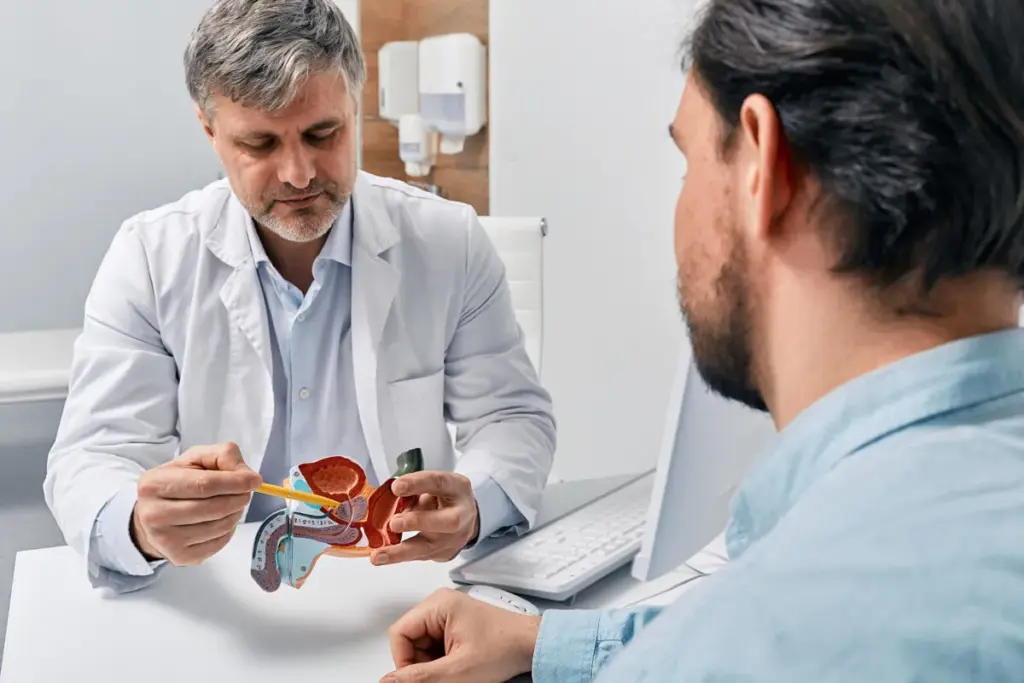
Testicular cancer is not very common, but its symptoms can look like other, less serious issues. About 1 in 250 men will develop testicular cancer in their lifetime. Understanding what conditions may be mistaken for testicular cancer is crucial.
Testicular cancer testicle lumps can be scary. Discover amazing facts about what else can be mistaken for cancer to ease your mind.
We will look at the signs and symptoms of testicular cancer. We’ll also talk about other conditions that might seem like it, like a lump on the testicle or signs of a testicular tumor.
It’s vital to catch it early. Knowing what might look like testicular cancer can help men get medical help fast.
Key Takeaways
- Testicular cancer symptoms can be similar to those of other conditions.
- A lump on the testicle is a common sign that requires medical evaluation.
- Understanding testicular tumor signs can help in early detection.
- Other conditions can mimic testicular cancer symptoms.
- Awareness is key to seeking timely medical attention.
Understanding Testicular Cancer Symptoms

It’s important to know the symptoms of testicular cancer early. This can lead to better treatment and outcomes. Testicular cancer is rare but serious if not caught soon.
Common Signs and Symptoms
There are several signs of testicular cancer to watch for. The American Cancer Society lists a few key ones. These include a painless lump or swelling in the testicle, pain or discomfort, and a feeling of heaviness.
Here are some important signs to look out for:
- A lump or swelling in the testicle, which is often painless
- Pain or discomfort in the testicle or scrotum
- A feeling of heaviness in the scrotum
- Dull ache in the lower abdomen or groin
|
Symptom |
Description |
|---|---|
|
Lump or Swelling |
A painless lump or swelling in the testicle |
|
Pain or Discomfort |
Pain or discomfort in the testicle or scrotum |
|
Heaviness |
A feeling of heaviness in the scrotum |
When to Seek Medical Advice
Knowing when to see a doctor is key. If you notice any unusual symptoms like a lump or pain, get help right away. Timely detection is essential for achieving optimal treatment outcomes.
Seek medical advice if you notice:
- Any lump or swelling in the testicle
- Persistent pain or discomfort in the testicle or scrotum
- A feeling of heaviness or dull ache in the lower abdomen or groin
Talking about testicular health can be tough. But it’s a necessary step for your health. If you have symptoms or concerns, talk to a healthcare provider.
Other Conditions That Mimic Testicular Cancer
Testicular cancer is a serious issue, but other health problems can look similar. This makes it hard to diagnose. We’ll look at some of these conditions to understand their symptoms and how they differ.
Epididymitis
Epididymitis is when the epididymis, a tube behind the testicle, gets inflamed. It can cause pain and swelling, similar to testicular cancer. Prompt medical attention is necessary to treat it with antibiotics and to check for testicular cancer.
Orchitis
Orchitis is inflammation of one or both testicles, often from infections. It can cause pain, swelling, and tenderness, like testicular cancer. It’s essential to seek medical care to find out the cause and get the right treatment, which might include medication or antibiotics.
Testicular Torsion
Testicular torsion is a serious emergency where the spermatic cord twists, cutting off blood to the testicle. Symptoms include severe pain, swelling, and nausea. Immediate medical intervention is critical to save the testicle. Unlike testicular cancer, it needs emergency surgery.
Hernia
A hernia happens when tissue, like part of the intestine, bulges through a weak spot in the abdominal muscles. Inguinal hernias in the groin can look like testicular cancer. While hernias are not usually deadly, surgical repair is often needed. It’s important to know the difference between a hernia and testicular cancer for the right treatment.
These conditions show how important a detailed medical check-up is for testicular symptoms. By understanding these conditions, we can see why accurate diagnosis and treatment are so critical.
The Importance of Proper Diagnosis
Getting a correct diagnosis is key for treating testicular issues. Testicular problems can worry patients a lot. A precise diagnosis helps ease their worries and guides the right treatment.
Diagnostic Tests for Testicular Conditions
Many tests help check testicular issues. Tumor markers like alpha-fetoprotein (AFP) and human chorionic gonadotropin (hCG) are very important. They help find and track testicular cancer.
Imaging studies are also vital. They help us tell if a condition is harmless or serious. This ensures patients get the best care possible.
Role of Ultrasound Imaging
Ultrasound imaging is a key tool for checking testicular problems. It lets us see the testicles and nearby areas. This allows for the identification of conditions such as cancer, epididymitis, and torsion.
Ultrasound is great because it’s safe and shows things in real-time. It helps us make quick and accurate diagnoses. By using ultrasound with other tests, we can create the best treatment plans for each patient.
Benign Tumors of the Testicle
Knowing about benign testicular tumors is key for men’s health. These tumors may present similarly to testicular cancer. But, they also need attention because they can cause discomfort and health problems.
Types of Benign Testicular Tumors
There are many types of benign testicular tumors. Some are more common than others. Here are a few:
- Teratomas: These tumors have different types of tissues, like hair, muscle, and bone.
- Epidermoid cysts: These are benign cysts with squamous epithelium, found in the testicle.
- Leydig cell tumors: These tumors can be benign but may produce hormones, causing symptoms.
- Adenomatoid tumors: These benign tumors come from the epididymis, a tube at the testicle’s back that stores sperm.
Symptoms and Treatment Options
The symptoms of benign testicular tumors vary. They often include a painless testicular lump or swelling. Some men might feel pain or discomfort, while others might not notice anything.
Treatment depends on the tumor’s type, size, and the patient’s health.
Here are some treatment options:
- Surgical removal: Often the best way to diagnose and treat these tumors.
- Surveillance: For small tumors or those likely to be benign, regular ultrasound checks may be suggested.
- Testis-sparing surgery: Sometimes, it’s possible to remove the tumor while keeping the testicle.
Men should keep an eye on their testicular health. If they notice any unusual changes, they should see a doctor.
Infections Affecting the Testicles
The testicles can get infections like epididymitis and orchitis. These can cause pain and affect fertility. Knowing about these infections helps in getting the right treatment.
Common Testicular Infections
Epididymitis is when the epididymis, a tube behind the testicle, gets inflamed. It’s often due to bacteria and can be linked to STIs or urinary infections. Orchitis is when one or both testicles get inflamed, usually from viruses or bacteria. The mumps virus is a common cause.
Symptoms include:
- Pain and swelling in the testicle(s)
- Redness and warmth in the affected area
- Fever and chills
- Discharge from the penis
- Blood in the semen
Consulting a healthcare professional is essential if symptoms persist or deteriorate. Untreated infections can cause infertility or chronic pain.
Treatment Approaches
Treatment for these infections usually involves antibiotics for bacteria. For viral infections like mumps orchitis, the focus is on easing symptoms, as it often gets better on its own.
Supportive care includes:
- Rest and elevating the affected testicle(s)
- Using cold compresses to reduce swelling
- Over-the-counter pain relievers
In severe cases, hospitalization might be needed. It’s important to follow a doctor’s advice to avoid long-term damage.
“Prompt diagnosis and treatment of testicular infections are vital to prevent complications and ensure the best outcomes for patients.”
– Medical Expert
Testicular Trauma and Injury
Trauma to the testicles is a serious health issue that needs quick action. Testicular injuries may occur due to sports, physical altercations, or accidents. We’ll look at the types of testicular trauma and their signs to grasp the situation.
Types of Testicular Trauma
There are different kinds of testicular trauma, based on the injury’s nature and how bad it is. The main types are:
- Blunt Trauma: This happens when something hits the testicle, causing pain and swelling.
- Penetrating Trauma: This is when there’s an open wound or cut in the scrotum, which can cause infections and other issues.
Knowing these types helps figure out the right treatment and care.
Symptoms of Injury
The signs of testicular trauma can vary based on the injury’s severity. Common symptoms include:
- Pain in the testicle or scrotum
- Swelling or bruising of the scrotum
- Nausea or vomiting
- Abdominal pain
Seeing a doctor right away is key if you have these symptoms after a testicular injury. We stress the need for quick medical help to avoid lasting harm.
Early diagnosis and treatment can greatly improve outcomes for those with testicular trauma. By knowing the causes, symptoms, and treatment options, we can handle testicular injuries better and lower the risk of complications.
Varicocele: A Common Condition
Varicoceles are common in men, causing swollen veins in the testicle. This swelling can be painful and worrying. It’s important to understand this condition.
Understanding Varicocele
A varicocele is like varicose veins in the legs but in the scrotum. It happens when the veins’ valves don’t work right. This causes blood to pool and the veins to swell.
Diagnosis and Management Approaches
To diagnose, doctors feel the scrotum for a “bag of worms” feeling. Ultrasound imaging is used to confirm and see how bad it is.
How to manage it depends on how bad the symptoms are and if it affects fertility. Some just need to watch it, while others might need surgery or treatments to feel better and improve fertility.
Hydrocele: Fluid Accumulation Explained
Fluid gathering around a testicle is called hydrocele. It leads to swelling in the scrotum. This can happen in one or both testicles.
Identifying Symptoms
The main sign of hydrocele is swelling in the scrotum. This swelling is usually painless. It can be small or big, causing discomfort or a feeling of heaviness.
In some cases, the swelling may feel like pressure or discomfort. This is more noticeable when standing or walking.
Treatment Options
Treatment for hydrocele varies based on its size and symptoms. Small, painless hydroceles might not need treatment. But larger ones causing discomfort might need surgery.
Surgical removal or drainage are common treatments. The choice depends on the patient’s health and preferences.
We are committed to assisting patients in selecting the most appropriate treatment options. We aim to provide thorough care and support every step of the way.
Tumors in Adjacent Structures
Tumors near the testicles, like those in the abdomen or groin, can affect testicular health. This can lead to misdiagnosis or delayed treatment. It’s important to understand these effects to give the right diagnosis and treatment.
Possible Tumors in the Abdomen or Groin
Tumors in the abdomen or groin can be either benign or malignant. Retroperitoneal lymph nodes are often affected by testicular cancer. These nodes are in the back of the abdominal cavity. Symptoms can include back pain, abdominal pain, or swollen legs.
Some tumors found in these areas include:
- Lymphoma
- Metastatic cancer from other primary sites
- Sarcomas
- Germ cell tumors
Impact on Testicular Health
Tumors near the testicles can harm them in several ways. For example, tumors can:
|
Effect |
Description |
|---|---|
|
Compression |
Tumors can press on testicular vessels, causing reduced blood flow. |
|
Invasion |
Malignant tumors can spread to nearby tissues, including the testicles. |
|
Metastasis |
Cancer cells can move to the testicles from other places. |
It’s key to understand how tumors near the testicles can affect them. This knowledge helps in creating effective treatment plans. We must consider these effects when diagnosing and treating patients with tumors in the abdomen or groin.
Psychological Impact of Misdiagnosis
Misdiagnosis can deeply affect a patient’s mental health. The fear and uncertainty of a wrong diagnosis can cause a lot of distress. This distress can impact many areas of a patient’s life.
Getting a diagnosis is a big moment for a patient. But if it turns out to be wrong, it can cause a mix of emotions. Patients might feel confused, angry, frustrated, or even relieved. These feelings can be very hard to handle.
Effects on Patient Mental Health
The impact of a misdiagnosis on a patient’s mental health is huge. It can make anxiety and depression worse. Patients struggle with what their condition means and the risks of a wrong diagnosis.
Anxiety and depression are common after a misdiagnosis. The stress of not knowing what’s happening and the worry about bad treatment can make these feelings worse. We need to help with these mental health issues to care for patients fully.
Importance of Emotional Support
Emotional support is key for patients dealing with a misdiagnosis. We think it’s important to create a place where patients can share their worries and fears. This support can come from doctors, family, friends, and support groups.
Effective coping mechanisms are important for dealing with the emotional effects of a misdiagnosis. Patients who get emotional support tend to do better. They are more likely to follow treatment plans and handle stress better.
In summary, the emotional impact of a misdiagnosis is a big worry that needs attention. By understanding the emotional effects and giving strong emotional support, we can help patients through this tough time.
Conclusion: Prioritizing Health and Awareness
Keeping your testicles healthy is all about being aware and taking action. Knowing the signs and avoiding wrong diagnoses of testicular cancer is key. This way, you can look after your health and get help when you need it.
Going for regular check-ups is vital for catching testicular problems early. We urge everyone to make their health a priority. This means setting up regular visits with your doctor. It’s a step towards a healthier life.
Being informed and careful helps you deal with testicular health issues better. This leads to quicker action and better health overall.
FAQ
What are the common signs and symptoms of testicular cancer?
Look out for a lump or swelling in the testicle. You might also feel pain or discomfort in the testicle or scrotum. A feeling of heaviness is another ‘s important to notice these symptoms. This way, you can get medical advice quickly.
What conditions can be mistaken for testicular cancer?
Epididymitis, orchitis, testicular torsion, and hernia can look like testicular cancer. Knowing about these conditions helps with the right diagnosis.
How is testicular cancer diagnosed?
Tests like ultrasound and tumor markers like alpha-fetoprotein are key. They help find testicular cancer and tell it apart from other issues.
What is the role of ultrasound in diagnosing testicular conditions?
Ultrasound is vital for checking testicular problems. It helps spot lumps, swelling, and other signs that might mean testicular cancer or other issues.
Can benign tumors occur in the testicle?
Yes, benign tumors can happen in the testicle. It’s important to know about the types, symptoms, and treatment for these tumors.
How do infections affect testicular health?
Infections like epididymitis and orchitis can harm testicular health. Knowing about common infections and their treatments is key for keeping reproductive health in check.
What is testicular trauma, and what are its symptoms?
Testicular trauma is injury to the testicles. It can lead to serious problems if not treated right. Symptoms include pain, swelling, and bruising.
What is a varicocele, and how is it managed?
A varicocele is a swelling of the veins that drain the testicle. Doctors usually diagnose it with a physical exam and ultrasound. Treatment options include waiting, surgery, or embolization.
What is a hydrocele, and how is it treated?
A hydrocele is when fluid builds up around the testicle. It causes swelling of the scrotum. Treatment options are watching it, aspiration, or surgery.
Can tumors in adjacent structures affect testicular health?
Yes, tumors in the abdomen or groin can affect testicular health. It’s important to understand the possible effects and how to manage them for complete care.
What is the psychological impact of misdiagnosis?
Misdiagnosis can have a big psychological impact. It can cause stress, anxiety, and uncertainty. It’s vital to offer emotional support to those facing this situation.
Why is prioritizing health and awareness important?
Focusing on health and awareness is key for catching testicular conditions early. Regular check-ups can greatly improve outcomes and overall health.
Reference
National Center for Biotechnology Information. Evidence-Based Medical Insight. Retrieved from https://pubmed.ncbi.nlm.nih.gov/20826876/



 Departments
 Related Videos
 Our Doctors
 News
News