Thalassemia is a major blood disorder found in about 1.7% of the world’s population. It happens because of genetic changes in the hemoglobin genes.
Knowing the genetic reasons behind thalassemia is very important. This is true, mainly for those with a family history of the disease. Thalassemia causes anemia and other problems because of the wrong production of hemoglobin. Hemoglobin is a key protein in red blood cells.
Key Takeaways
- Thalassemia is a genetic condition affecting hemoglobin production.
- It is a significant blood disorder globally, impacting 1.7% of the population.
- Genetic mutations in hemoglobin genes trigger the condition.
- Family history plays a critical role in the risk of developing thalassemia.
- Understanding its genetic causes is key to prevention and management.
The Nature of Thalassemia as a Blood Disorder

Thalassemia is a genetic disorder that affects how the body makes hemoglobin. This protein is key in red blood cells. It leads to problems in making healthy red blood cells, causing anemia.
Definition and Classification
Thalassemia is a hereditary anemia caused by gene mutations. It affects the production of hemoglobin’s globin chains. It’s split into alpha and beta thalassemia, based on the genes involved.
Alpha thalassemia happens when there’s a problem with the alpha-globin genes. Beta thalassemia is due to issues with the beta-globin genes. The severity and symptoms vary based on the type and genes affected.
- Alpha thalassemia: Caused by mutations or deletions in alpha-globin genes.
- Beta thalassemia: Resulting from mutations in beta-globin genes.
How Thalassemia Affects Red Blood Cells
Thalassemia reduces hemoglobin production, causing anemia. Red blood cells in thalassemia patients are smaller and more fragile. They don’t last as long.
This makes it hard for blood to carry oxygen. It leads to fatigue, weakness, and other issues. The severity depends on the thalassemia type and gene impact.
“Thalassemia major, also known as Cooley’s anemia, is the most severe form of beta thalassemia, requiring regular blood transfusions to manage the condition.”
Understanding thalassemia’s effects on red blood cells is key. It helps in finding the right treatment and management.
Genetic Mutations: The Primary Trigger of Thalassemia

Thalassemia is caused by genetic mutations that affect hemoglobin production. Hemoglobin is key in red blood cells. These mutations happen in genes for the alpha and beta chains of hemoglobin.
Understanding Hemoglobin Gene Structure
Hemoglobin is made of four chains: two alpha and two beta. The genes for these chains are on different chromosomes. The alpha-globin genes are on chromosome 16, and the beta-globin gene is on chromosome 11.
Mutations in these genes can cause abnormal hemoglobin or less of it.
The 200+ Mutations Associated with Thalassemia
More than 200 genetic mutations cause thalassemia. These mutations range from point changes to deletions or insertions. The variety of these mutations makes diagnosing thalassemia hard.
These mutations can affect either the alpha or beta chains of hemoglobin. This leads to alpha-thalassemia or beta-thalassemia.
The severity of thalassemia depends on the type and number of mutations. Knowing these genetic changes is key to diagnosing and managing thalassemia.
How Thalassemia Is Inherited
Thalassemia is passed down through a specific genetic route. It’s an autosomal recessive disorder. This means it’s not linked to sex chromosomes and can come from either parent. A child needs two bad genes, one from each parent, to have thalassemia.
Autosomal Recessive Inheritance Pattern
Thalassemia follows an autosomal recessive pattern. Both parents must carry the thalassemia gene or have it themselves. If both parents are carriers, there’s a 25% chance their child will get thalassemia.
There’s also a 50% chance the child will be a carrier like their parents. And a 25% chance they’ll have two normal genes.
The Role of Carrier Parents
Carrier parents are key in thalassemia inheritance. They don’t show all symptoms but can pass the mutated gene to their kids. When both parents are carriers, the risk of having a child with thalassemia goes up.
Genetic counseling is advised for carrier parents. It helps them understand their risks and options.
Knowing the role of carrier parents is vital. It helps in managing and predicting thalassemia risks in families. It leads to early planning and intervention.
Alpha Thalassemia: Specific Genetic Triggers
Alpha thalassemia happens when certain genes in the alpha globin genes mutate. This leads to different symptoms. It’s caused by not making enough or any alpha globin chains. These chains are key parts of hemoglobin.
Mutations in the Alpha Globin Genes
The alpha globin genes are found on chromosome 16. There are two genes on each chromosome, making four in total. Mutations or deletions in these genes cause alpha thalassemia. The severity depends on how many genes are affected.
There are many types of mutations. These include deletions, point mutations, and other genetic changes. These can stop the alpha globin genes from working right. This leads to not enough or no alpha globin chains being made.
The Four Clinical Forms of Alpha Thalassemia
The symptoms of alpha thalassemia change based on how many genes are affected. This results in four main types:
|
Clinical Form |
Number of Genes Affected |
Clinical Features |
|---|---|---|
|
Silent Carrier |
1 gene |
Usually asymptomatic, normal hematological parameters |
|
Alpha Thalassemia Trait |
2 genes |
Mild microcytic anemia, often misdiagnosed as iron deficiency |
|
Hemoglobin H Disease |
3 genes |
Moderate to severe anemia, splenomegaly, significant health issues |
|
Hydrops Fetalis |
4 genes |
Severe anemia, heart failure, usually fatal in utero or shortly after birth without intensive treatment |
Knowing these types is key for diagnosing and treating alpha thalassemia. Genetic tests can find the exact mutations and how many genes are affected. This helps doctors make the right treatment plans.
Beta Thalassemia: Specific Genetic Triggers
Mutations in the beta globin gene cause beta thalassemia. This genetic disorder leads to less beta globin chains in hemoglobin. These changes vary, affecting how severe the disease is.
Mutations in the Beta Globin Gene
The beta globin gene is on chromosome 11. It’s key for making the beta globin part of hemoglobin. Over 200 mutations in this gene can cause beta thalassemia. These changes can happen at different stages, like when the gene is first read or after it’s made.
The type and how severe the mutation is decide how the disease will show up.
Clinical Classifications: Minor, Intermedia, and Major
Beta thalassemia is divided into three types: minor, intermedia, and major. Beta thalassemia minor comes from a mutation in one gene and might not show symptoms or is mild. Beta thalassemia intermedia is a middle form, with some anemia but not needing transfusions often. Beta thalassemia major is the worst form, needing transfusions all the time because of severe anemia.
Knowing about these genetic causes and types is key to managing beta thalassemia. Genetic advice and tests before birth are very important for families at risk.
Global Distribution of Thalassemia
Thalassemia is a genetic disorder that affects hemoglobin production. It leads to anemia and other complications. It’s found worldwide, but its prevalence varies greatly.
Prevalence Rate
Thalassemia affects about 1.7% of the world’s population. It’s a big public health issue. It’s more common in the Mediterranean, South Asia, and parts of Africa.
Malaria and Thalassemia: The Evolutionary Connection
Thalassemia and malaria have a strong evolutionary link. In places with malaria, thalassemia is more common. It helps protect against malaria.
Migration Patterns and Changing Distribution
Migration has changed thalassemia’s distribution. People moving carry their genes, including thalassemia. This has made thalassemia more common in new areas.
Key factors influencing thalassemia distribution include:
- Historical prevalence of malaria
- Genetic predisposition of populations
- Migration and mobility patterns
These factors show how complex thalassemia’s global spread is. We need strong public health plans to tackle it.
Ethnic Populations at Higher Risk for Thalassemia
Some ethnic groups are more likely to have thalassemia because of their genes. Thalassemia is a disorder that affects how the body makes hemoglobin. It’s more common in certain groups because of history and evolution. Knowing which groups are at risk helps us focus on prevention and screening.
Mediterranean Ancestry and Beta Thalassemia
People from the Mediterranean, like those from Greece and Italy, are more likely to have beta thalassemia. This is because of changes in the beta-globin gene. These changes mean the body can’t make enough beta-globin chains of hemoglobin.
South and Southeast Asian Populations
Those from South and Southeast Asia, like India and Thailand, also face a higher risk. Both alpha and beta thalassemia are common here. This makes it important to have wide-ranging screening programs.
African Ancestry and Alpha Thalassemia
African people are more likely to have alpha thalassemia. This is due to changes in the alpha-globin genes. The high rate of alpha thalassemia in these communities stresses the importance of genetic advice and prenatal tests.
|
Ethnic Group |
Prevalent Type of Thalassemia |
Prevalence Rate |
|---|---|---|
|
Mediterranean |
Beta Thalassemia |
High |
|
South and Southeast Asian |
Both Alpha and Beta |
High |
|
African |
Alpha Thalassemia |
Moderate to High |
It’s key to know how thalassemia spreads among different ethnic groups. This knowledge helps us plan better public health efforts. By focusing on high-risk groups, we can make a big difference in managing thalassemia.
Family History as the Key Risk Indicator
A family history of thalassemia shows a high risk of passing it to children. This genetic disorder is inherited in an autosomal recessive pattern. This means both parents must carry the mutated gene for a child to be at risk.
Importance of Known Family Thalassemia Status
Knowing if family members have thalassemia is key to understanding risk. Families with a history of thalassemia should know if they carry the gene. This knowledge helps them plan their family better.
|
Family History |
Risk Level |
Recommendation |
|---|---|---|
|
Both parents are carriers |
High |
Genetic counseling recommended |
|
One parent is a carrier |
Moderate |
Carrier testing for other parent |
|
No known family history |
Low |
Routine screening |
Genetic Counseling for At-Risk Families
For families at risk, genetic counseling is very helpful. Genetic counselors explain the risks of thalassemia and how it’s passed on. They also talk about family planning options.
What Does Not Trigger Thalassemia
Thalassemia is not caused by things we do or where we live. It’s a genetic disorder passed down from parents. It happens because of changes in genes that make hemoglobin.
Environmental Factors and Their Non-Impact
Exposure to certain things doesn’t cause thalassemia. Here are some important points:
- Air pollution: Poor air quality doesn’t lead to thalassemia.
- Radiation: Ionizing radiation isn’t linked to thalassemia.
- Infections: Thalassemia isn’t caused by infections or diseases.
Lifestyle Choices and Thalassemia
Lifestyle choices don’t affect thalassemia. Here are some key points:
- Diet: Eating a balanced diet doesn’t change your risk of thalassemia.
- Physical activity: Being active or not doesn’t impact thalassemia.
- Smoking and alcohol: These habits don’t cause the genetic changes that lead to thalassemia.
Diagnosing the Genetic Triggers of Thalassemia
To find out if someone has thalassemia, doctors use several tests. They start with simple checks and then do more detailed genetic tests. This helps them understand what causes thalassemia, a blood disorder.
Complete Blood Count and Initial Screening
A Complete Blood Count (CBC) is the first test for thalassemia. It looks at different parts of the blood, like hemoglobin and red blood cells. If the blood looks off, it might mean thalassemia or another problem.
The CBC is a quick way to see if the blood is healthy. If it shows thalassemia, more tests will follow to confirm it.
Hemoglobin Electrophoresis
Hemoglobin electrophoresis is a test that finds different kinds of hemoglobin in the blood. It’s key for spotting thalassemia because it can find abnormal hemoglobin types.
This test works by separating hemoglobin types by their charge. It tells doctors what kind of thalassemia someone has and how serious it is.
DNA Analysis for Specific Mutations
DNA analysis is the most accurate way to diagnose thalassemia. It looks for specific changes in the genes that make hemoglobin. This way, doctors can find out exactly why someone has thalassemia.
They take a blood sample and get the DNA from it. Then, they use special methods like PCR and sequencing to find the thalassemia mutations.
Diagnosing thalassemia involves several steps, from simple tests like CBC to detailed DNA analysis. Each step adds important information. Together, they give a full picture of the patient’s health.
By knowing the genetic causes of thalassemia, doctors can make better treatment plans. This helps manage the disorder more effectively.
Preventive Screening Programs for Thalassemia
Preventive screening programs are key to finding thalassemia in at-risk groups. They help catch it early, which greatly improves life quality for those with the disorder.
Population-Based Screening Approaches
Population-based screening tests people in high-risk groups. It works best in places like the Mediterranean, South Asia, and parts of Africa. Early detection lets doctors give the right care and advice.
Prenatal Testing Options
Prenatal tests for thalassemia are vital. Tests like CVS and amniocentesis can spot thalassemia in the womb. This helps parents make informed choices about their pregnancy.
Newborn Screening Implementation
Newborn screening for thalassemia is also key. It catches the disorder early, preventing serious problems. Many countries include thalassemia screening in their newborn tests.
|
Screening Method |
Description |
Benefits |
|---|---|---|
|
Population-Based Screening |
Testing high-risk populations |
Early identification of carriers and affected individuals |
|
Prenatal Testing |
CVS and amniocentesis |
Informed decision-making for expectant parents |
|
Newborn Screening |
Early detection in newborns |
Timely medical intervention and reduced complications |
In conclusion, preventive screening is essential for managing thalassemia. With population-based, prenatal, and newborn screening, healthcare can greatly improve outcomes for those with the condition.
Multidisciplinary Management of Thalassemia
Managing thalassemia well needs a team effort. This genetic disorder is complex. It requires many healthcare experts for full care.
The Core Medical Team
The main team for thalassemia care includes hematologists, pediatricians or internists, genetic counselors, and nurses. Hematologists are key in diagnosing and treating it. Genetic counselors help families grasp the genetic side. Nurses are essential for ongoing care and teaching.
Coordinated Care Approaches
Coordinated care is vital for thalassemia patients. It means watching the patient closely, changing treatment plans when needed, and keeping all doctors updated. Good communication among the team is vital to avoid problems and better patient results.
Patient Education and Support
Teaching patients and their families about thalassemia is key. Knowing about the disease, its treatments, and sticking to them can greatly improve life quality. Support groups and counseling offer emotional help and help with the mental side of living with thalassemia.
With a team approach, healthcare can give thalassemia patients the care they need. This improves their life quality and outcomes.
Treatment Options for Thalassemia Patients
Managing thalassemia requires a mix of treatments. Each plan is made for the patient’s specific needs. The main goal is to ease symptoms, prevent problems, and enhance life quality.
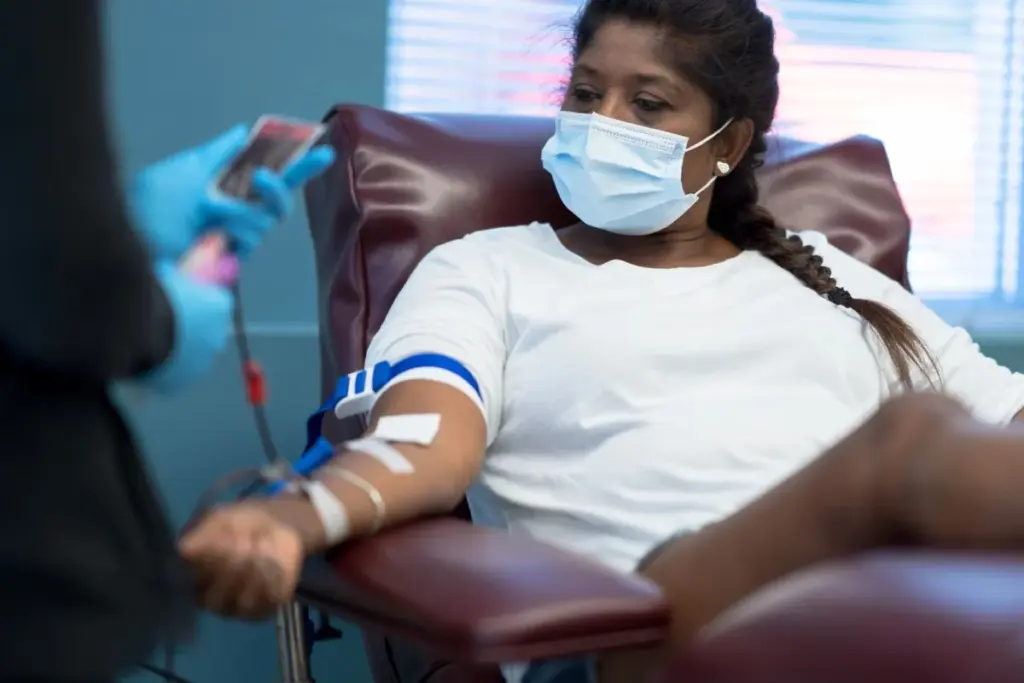
Blood Transfusions
Blood transfusions are key for many thalassemia patients, mainly those with severe cases. These transfusions keep hemoglobin levels healthy. This helps avoid anemia-related issues.
- Regular blood transfusions can improve overall health and reduce fatigue.
- Transfusions are typically required every 2-4 weeks, depending on the severity of the condition.
Iron Chelation Therapy
Iron chelation therapy tackles iron overload, common in thalassemia patients. It removes extra iron from the body. This reduces the chance of organ damage.
Key aspects of iron chelation therapy include:
- Use of chelating agents such as deferoxamine or deferasirox.
- Monitoring of iron levels to adjust therapy as needed.
Bone Marrow Transplantation
Bone marrow transplantation offers a chance for a cure for thalassemia. It replaces the patient’s bone marrow with healthy marrow from a donor.
Considerations for bone marrow transplantation include:
- The availability of a compatible donor.
- The risks associated with the transplant procedure, such as graft-versus-host disease.
Understanding the treatment options helps patients and doctors create a good plan for thalassemia management.
Advances in Genetic Therapy for Thalassemia
Recent breakthroughs in genetic therapy are changing how we treat thalassemia. This therapy makes specific changes to the genes in living cells. It’s a new way to tackle thalassemia by fixing the genetic problems at the source.
Gene Editing Approaches
Gene editing tools like CRISPR/Cas9 are showing great promise. They can make exact changes to our genes. This means they can fix the thalassemia-causing mutations. Gene editing approaches could lead to a cure by fixing how our bodies make hemoglobin. Scientists are now testing these methods in people.
Future Directions in Genetic Treatment
As research moves forward, we can expect even better genetic treatments for thalassemia. Experts say, “The future of thalassemia treatment is in safely editing the genes that cause it.” Future studies will aim to make these technologies work better and get them to patients.
Genetic therapy is bringing new hope to thalassemia patients. It could change how we manage this complex disease.
Living with a Genetic Blood Disorder
Living with thalassemia involves more than just medical treatment. It means making lifestyle changes to deal with its challenges. People with thalassemia must find their way through a complex healthcare world while keeping their overall health in check.
Quality of Life Considerations
The quality of life for those with thalassemia is greatly affected by blood transfusions, iron overload, and the emotional toll of a chronic illness. Effective management strategies are key to lessening these impacts.
Support Resources for Patients and Families
Support resources are essential for patients and their families to manage thalassemia. These include genetic counseling, support groups, and educational materials. They help people understand and manage their condition better.
|
Aspect |
Description |
Impact on Quality of Life |
|---|---|---|
|
Blood Transfusions |
Regular transfusions to maintain healthy red blood cell count |
Frequent hospital visits; risk of iron overload |
|
Iron Chelation Therapy |
Treatment to remove excess iron from the body |
Reduces risk of iron overload; improves long-term health outcomes |
|
Psychological Support |
Counseling and support groups for patients and families |
Enhances coping mechanisms; reduces stress and anxiety |
Conclusion: Understanding Thalassemia’s Genetic Origins
Thalassemia is a complex genetic disorder. It’s caused by mutations in the hemoglobin genes. This affects how globin chains are made.
The condition follows an autosomal recessive pattern. Alpha and beta thalassemia are the main types. Alpha thalassemia comes from alpha globin gene mutations. Beta thalassemia is due to beta globin gene mutations.
Knowing the genetic roots of thalassemia is key to managing and preventing it. The American Academy of Family Physicians notes that about 5 percent of the world’s population has a globin variant. Yet, only 1.7 percent have alpha or beta thalassemia trait. For more details, check out the resource.
The genetic basis of thalassemia highlights the need for genetic counseling and preventive screening. Understanding the genetic causes helps healthcare providers offer better care. This improves patient outcomes and quality of life.
FAQ
What is thalassemia?
Thalassemia is a genetic disorder that affects blood. It’s caused by changes in the genes that make hemoglobin. It’s found in many parts of the world.
What are the main types of thalassemia?
There are two main types: alpha thalassemia and beta thalassemia. They differ based on which globin genes are affected.
How is thalassemia inherited?
Thalassemia is inherited in a specific way. A person needs two mutated genes, one from each parent, to have it.
What is the role of carrier parents in thalassemia inheritance?
Carrier parents have one normal and one mutated gene. They are usually healthy but can pass the mutated gene to their kids. This can lead to thalassemia in their children.
What are the symptoms of thalassemia?
Symptoms include anemia, fatigue, and pale skin. These happen because the body doesn’t make enough hemoglobin or destroys red blood cells too fast.
How is thalassemia diagnosed?
Doctors use blood tests, hemoglobin electrophoresis, and DNA analysis to diagnose thalassemia. These tests find specific gene mutations.
What are the treatment options for thalassemia?
Treatments include blood transfusions and iron chelation therapy. Bone marrow transplantation is used in severe cases.
Can thalassemia be prevented?
Thalassemia can’t be prevented, but early detection is possible. Screening programs help identify those at risk early on.
What is the significance of genetic counseling for at-risk families?
Genetic counseling helps families understand thalassemia risks. It guides them in making reproductive choices and managing the condition.
Are there any advances in genetic therapy for thalassemia?
Yes, genetic therapy is advancing. Gene editing is a promising new approach for treating thalassemia.
How does thalassemia affect quality of life?
Thalassemia can greatly affect life quality. It requires regular medical care, can lead to complications, and has a psychological impact.
What support resources are available for thalassemia patients and families?
Many resources are available. These include patient organizations, counseling, and educational materials to help cope with thalassemia.
Is thalassemia related to environmental factors or lifestyle choices?
No, thalassemia is not caused by environment or lifestyle. It’s a genetic condition due to specific gene mutations.
How does migration affect the distribution of thalassemia?
Migration can change where thalassemia is found. People from high-risk areas moving to new places can alter local thalassemia rates.
References
- Thalassemia (StatPearls). NCBI Bookshelf. Available at: https://www.ncbi.nlm.nih.gov/books/NBK545151/ (NCBI)
- American Academy of Family Physicians. “Thalassemia: Clinical features and diagnosis.” American Family Physician. Available at: https://www.aafp.org/pubs/afp/issues/2009/0815/p339.html
- [Authors not specified]. “0000000000001338.” Nature (journal). Available at: https://www.nature.com/articles/0000000000001338