Can Alpha Thalassemia Cause Birth Defects?

Alpha thalassemia is a genetic disorder that affects the production of hemoglobin. Hemoglobin is a key part of red blood cells. This condition can cause severe anemia and other problems, mainly in its most severe form, alpha thalassemia major or hydrops fetalis.
When all four alpha-globin genes are defective or missing, it leads to severe fetal anemia. This can cause heart failureand other serious issues. The , San Francisco Benioff Children’s, says this condition can lead to big health problems for the fetus.
It is crucial for expectant parents to understand the risks and implications associated with alpha thalassemia. We will look into how it can cause birth defects and its impact on families.
Key Takeaways
- Alpha thalassemia is a genetic disorder affecting hemoglobin production.
- The severe form, alpha thalassemia major, can cause fatal outcomes unless managed by advanced medical care.
- Complications include heart failure, hydrops fetalis, and maternal mirror syndrome.
- Prenatal testing carries a risk of miscarriage, but it’s relatively low.
- Children with alpha thalassemia may develop extra iron in the body, leading to possible organ damage.
What Is Alpha Thalassemia and How Does It Develop?
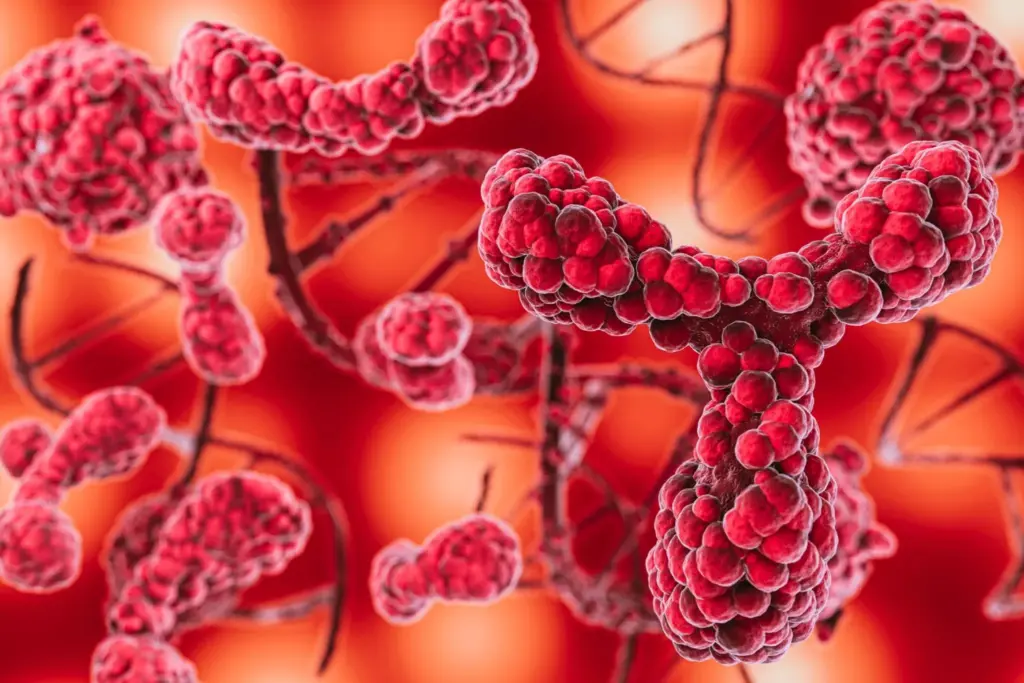
Alpha thalassemia starts with mutations in genes that make alpha-globin. This genetic disorder means less alpha-globin chains are made. These chains are key for hemoglobin.
Definition and Basic Mechanism
Alpha thalassemia happens when a gene mutation affects alpha-globin production. These genes are vital for making alpha-globin chains. These chains pair with beta-globin chains to form hemoglobin.
Normally, we get two alpha-globin genes from each parent, making four in total. A mutation in these genes can cause less or no alpha-globin chains. This leads to alpha thalassemia.
The Four Alpha-Globin Genes
Alpha-globin production is managed by four genes, two from each parent. These genes ensure the alpha-globin chains are made for hemoglobin. The disorder’s severity depends on how many genes are mutated.
The role of these genes can be summarized as follows:
|
Number of Genes Affected |
Condition |
Severity |
|---|---|---|
|
1 |
Silent Carrier State |
Mild |
|
2 |
Alpha Thalassemia Trait |
Minimal to Moderate |
|
3 |
Hemoglobin H Disease |
Moderate to Severe |
|
4 |
Alpha Thalassemia Major/Hydrops Fetalis |
Severe |
Inheritance Patterns
Alpha thalassemia follows an autosomal recessive pattern. This means a person needs two mutated genes to have the condition. Carriers, with one normal and one mutated gene, usually have mild symptoms or none at all. They can pass the mutated gene to their children.
Knowing how it’s inherited is key for genetic counseling and planning families. Couples who carry the mutated gene risk having children with more severe forms of the disorder.
Global Prevalence of Thalassemia

Thalassemia is a big public health worry, affecting millions globally. It’s a genetic disorder that messes with hemoglobin production. It’s common in many places, but some areas have more cases because of genetics.
5% Global Population Affected
About 5% of the world’s people have thalassemia. This genetic issue causes anemia and other problems. It happens because of gene mutations in hemoglobin production.
High-Risk Populations: Southeast Asia, Mediterranean, and Africa
Thalassemia hits hard in Southeast Asia, the Mediterranean, and Africa. These places have more carriers because of genetics and past malaria. Malaria helped spread thalassemia trait, as it protects against malaria.
Carrier Rates in Different Ethnic Groups
Thalassemia carrier rates differ by ethnic group. In Southeast Asia, for example, rates can reach 10-15%. Knowing these rates helps with health plans and genetic advice.
|
Region |
Carrier Rate (%) |
Prevalence |
|---|---|---|
|
Southeast Asia |
10-15 |
High |
|
Mediterranean |
5-10 |
Moderate to High |
|
Africa |
3-5 |
Moderate |
A study in says knowing thalassemia’s spread is key. It helps make better health plans and genetic advice for those at risk.
Types and Classification of Alpha Thalassemia
It’s important to know the different types of alpha thalassemia for proper care. This genetic disorder affects the alpha-globin chains needed for hemoglobin. The severity varies based on how many genes are affected.
Silent Carrier State (One Gene Deletion)
Having one alpha-globin gene deleted or mutated makes someone a silent carrier. They usually don’t show symptoms and might not know they carry the trait unless tested. But, they can pass it to their children.
Alpha Thalassemia Trait (Two Gene Deletions)
Two deleted or mutated alpha-globin genes mean someone has the alpha thalassemia trait. This might cause mild anemia but often doesn’t show symptoms. It’s often found during routine blood tests.
Hemoglobin H Disease (Three Gene Deletions)
Hemoglobin H disease happens when three alpha-globin genes are affected. It causes serious health problems like severe anemia and spleen enlargement. People with this disease need regular medical care.
Alpha Thalassemia Major/Hydrops Fetalis (Four Gene Deletions)
The most severe form is alpha thalassemia major, or hydrops fetalis, with all four genes affected. It’s usually fatal before or shortly after birth due to severe anemia. Early prenatal diagnosis is key for managing such cases.
Knowing the type of alpha thalassemia helps doctors treat it better. Understanding the specific type is vital for the right care and support.
- Silent Carrier State: One gene deletion, often asymptomatic.
- Alpha Thalassemia Trait: Two gene deletions, mild anemia.
- Hemoglobin H Disease: Three gene deletions, significant health issues.
- Alpha Thalassemia Major/Hydrops Fetalis: Four gene deletions, usually fatal.
The Direct Answer: Alpha Thalassemia and Birth Defects
The relationship between alpha thalassemia and birth defects is complex. It changes a lot based on how severe the condition is. We will look at how different levels of alpha thalassemia affect a baby’s growth and how pregnancy goes.
Mild Forms: Minimal to No Birth Defects
Mild alpha thalassemia, like the alpha thalassemia trait, usually doesn’t cause big birth defects. People with these conditions often live normal lives without big health problems. Studies show that those with mild alpha thalassemia have a low chance of passing on severe issues to their kids.
Severe Forms: Significant Birth Complications
But, severe alpha thalassemia, like Hemoglobin H disease and alpha thalassemia major, can cause serious problems at birth. Hemoglobin H disease can lead to anemia and a big spleen. Alpha thalassemia major is very serious and can be life-threatening without medical help, causing severe anemia, heart failure, and damage to organs.
Summary of Research Evidence
A big study with over 438,000 pregnancies showed a big jump in low Apgar scores in babies with Hemoglobin H disease. This shows the risk of birth problems in severe alpha thalassemia. It shows why it’s key to watch and manage pregnancies with alpha thalassemia closely to lower risks.
We know the risk of birth defects from alpha thalassemia changes a lot based on how bad it is. While mild cases are not a big worry, severe ones can cause serious issues. Our healthcare team works with expecting parents to handle these risks and aim for the best results.
Alpha Thalassemia Major and Its Devastating Effects
Alpha thalassemia major means the body can’t make alpha-globin. This leads to severe problems for the fetus. It happens when all four genes for alpha-globin are missing or not working right.
Hydrops Fetalis Syndrome
This condition causes hydrops fetalis syndrome. The fetus gets very anemic, which can lead to heart failure. Fluid builds up in different parts of the body. This can be very serious and even deadly.
Severe Fetal Anemia
Without alpha-globin, the fetus can’t make normal hemoglobin. This leads to severe fetal anemia. The fetus might start making blood outside the bone marrow, causing more problems.
Heart Failure and Organ Damage
The anemia from alpha thalassemia major is very hard on the heart. It often leads to heart failure. The lack of oxygen can also damage organs, making things worse.
Mortality Rates Without Intervention
Without treatment, alpha thalassemia major is almost always fatal. Studies show a high mortality rate for untreated fetuses. For more information, check out studies on .
|
Condition |
Mortality Rate Without Intervention |
Intervention |
|---|---|---|
|
Alpha Thalassemia Major |
High |
Intrauterine Blood Transfusions |
|
Hydrops Fetalis |
Very High |
Immediate Postnatal Care |
It’s important to understand the severe effects of alpha thalassemia major. Early diagnosis and treatment can greatly improve outcomes. Such interventions can help save lives and significantly improve the quality of life for affected individuals.
Hemoglobin H Disease: Moderate to Severe Complications
Hemoglobin H disease is a serious form of alpha thalassemia. It can cause health problems in newborns and adults. This happens because of a lack of alpha-globin chains, due to missing or mutated genes.
Clinical Presentation in Newborns
Newborns with Hemoglobin H disease may show different symptoms. These include:
- Anemia: This is when there’s not enough hemoglobin, leading to tiredness and shortness of breath.
- Jaundice: High bilirubin levels can turn the skin and eyes yellow.
- Hepatosplenomegaly: The liver and spleen get bigger because of too many destroyed red blood cells.
These symptoms can be serious and need quick medical help to avoid worse problems.
Potential Developmental Issues
Children with Hemoglobin H disease might face developmental delays. This is because of ongoing anemia and other issues. Some possible problems include:
- Growth delays: Anemia can slow down growth.
- Developmental delays: Some kids might not reach milestones on time.
- Increased susceptibility to infections: The spleen’s problems can make infections more likely.
Getting a diagnosis early and starting treatment is key to helping these kids grow well.
Long-term Health Implications
Hemoglobin H disease can have lasting health effects. People with this condition might face:
- Chronic anemia: This means they need ongoing care and might need blood transfusions often.
- Iron overload: Too much iron from transfusions can harm organs if not managed right.
- Increased risk of infections and other problems: The body’s trouble making healthy red blood cells is a big risk.
Regular check-ups and the right treatment plans are vital to reduce these risks and improve life quality.
Managing Hemoglobin H disease needs a detailed plan. This includes regular doctor visits, blood transfusions, and other care. With the right help, people with this condition can live full lives and avoid serious problems.
The 438,000 Pregnancy Study: Hard Data on Birth Outcomes
A recent study with 438,000 pregnancies has shed light on alpha thalassemia’s impact on birth. It shows the risks and complications, like low Apgar scores, linked to alpha thalassemia.
Study Methodology and Population
The study looked at 438,000 pregnancies, one of the biggest on alpha thalassemia. It used a detailed method to spot and sort alpha thalassemia cases. These included silent carrier state, alpha thalassemia trait, hemoglobin H disease, and alpha thalassemia major.
This large study found trends and patterns not seen in smaller ones. It analyzed the data to see how alpha thalassemia affects birth outcomes. This included Apgar scores, birth weight, and other health signs.
The 6.24-fold Increase in Low Apgar Scores
The study found a big jump in low Apgar scores in fetuses with hemoglobin H disease. Apgar scores show a newborn’s health right after birth. Low scores can mean health problems. This shows the need to watch pregnancies with alpha thalassemia, even more so with hemoglobin H disease.
Low Apgar scores can lead to breathing, heart, and brain issues. The big rise in these scores in hemoglobin H disease cases shows the need for careful management and quick action to lower these risks.
Other Significant Findings
The study also found other key points about alpha thalassemia and birth outcomes. These include:
- Higher rates of preterm birth and low birth weight in affected pregnancies
- More risk of neonatal complications, like respiratory distress syndrome
- A higher chance of congenital anomalies in severe alpha thalassemia cases
These findings stress the need for detailed prenatal care and monitoring for pregnancies with alpha thalassemia.
Clinical Implications of the Research
The study’s results have big implications for managing pregnancies with alpha thalassemia. They show the importance of:
- Early spotting and tracking of alpha thalassemia in pregnancy
- Quick actions to lessen risks from low Apgar scores and other issues
- Full prenatal care, including regular ultrasounds and fetal checks
Understanding alpha thalassemia’s risks and using the right management can improve birth outcomes. It can also lower the chance of complications for affected pregnancies.
Alpha Thalassemia Trait: Good News for Carriers
The alpha thalassemia trait is usually not a big worry for babies. It’s a mild form of thalassemia caused by missing or changed alpha-globin genes. Doctors tell carriers that it’s unlikely to cause serious birth defects.
Minimal Risk to Fetal Development
People with the alpha thalassemia trait often don’t show symptoms. Studies show it doesn’t harm the baby much during pregnancy. The chance of major birth defects is low for babies of carriers.
Even so, expectant parents with the trait might worry about their baby’s health. But, research shows it’s not as bad as more serious thalassemia types, like alpha thalassemia major.
Distinguishing Symptoms from Anemia
It’s key for carriers to know the difference between alpha thalassemia trait and anemia. Both can cause mild anemia, but they have different causes. The trait affects hemoglobin production, while anemia can come from iron deficiency or other reasons.
Key differences include:
- The alpha thalassemia trait is not linked to iron overload.
- Anemia in alpha thalassemia trait is mild and doesn’t get worse.
- Carriers usually don’t need special treatment, just regular prenatal care.
Long-term Outlook for Carrier Children
Children with the alpha thalassemia trait usually have a great future. They can live normal, healthy lives with little medical help. Genetic counseling is a good idea for families with thalassemia history to understand their risks.
Getting the right diagnosis and care during pregnancy is key. For carriers, this means regular prenatal visits and extra checks if needed.
Prenatal Diagnosis and Screening Options
Prenatal diagnosis is key in spotting alpha thalassemia. It helps parents make choices about their pregnancy. Expecting parents want to know about their baby’s health, and prenatal screening offers insights.
When to Consider Genetic Testing
Genetic testing for alpha thalassemia is advised for couples with a family history. The on alpha and beta thalassemia genetic testing is clear. It helps find carriers and those affected, leading to early care.
Available Screening Methods
There are several ways to diagnose alpha thalassemia before birth:
- Non-invasive prenatal testing (NIPT)
- Chorionic villus sampling (CVS)
- Amniocentesis
Interpreting Test Results
Understanding prenatal screening results needs expertise. We help expectant parents grasp the results’ meaning. Our aim is to support informed choices and ensure the best for mom and baby.
Modern Treatment Approaches for Affected Pregnancies
Modern medicine brings new hope for pregnancies with alpha thalassemia. Advances in technology and treatment have greatly improved outcomes for mothers and babies.
Intrauterine Blood Transfusions
Intrauterine blood transfusions are key for severe alpha thalassemia. This method involves giving blood to the fetus to fight anemia and prevent heart failure.
Benefits of Intrauterine Transfusions:
- Reduces fetal anemia
- Prevents heart failure and organ damage
- Improves survival rates
Cord Blood and Stem Cell Transplantation
Cord blood and stem cell transplantation are promising for alpha thalassemia major. These treatments replace the baby’s bone marrow with healthy stem cells, from cord blood or a donor.
“Stem cell transplantation has revolutionized the treatment of severe thalassemia, making it curable.”Hematologist
|
Treatment |
Description |
Benefits |
|---|---|---|
|
Intrauterine Transfusion |
Transfusing blood into the fetus |
Reduces anemia, prevents heart failure |
|
Cord Blood Transplant |
Replacing bone marrow with healthy stem cells |
Potential cure, eliminates transfusion dependence |
|
Stem Cell Transplant |
Replacing bone marrow with healthy stem cells |
Potential cure, improves quality of life |
Innovative Treatments at Specialized Centers
Specialized medical centers are always finding new treatments for alpha thalassemia. They use gene therapy and other new methods to help pregnancies.
We are dedicated to giving the best care for pregnancies with alpha thalassemia. With the latest treatments, we can greatly improve health and well-being for mothers and babies.
Comparing Alpha and Beta Thalassemia Birth Risks
Alpha and beta thalassemia are genetic disorders that affect how the body makes hemoglobin. They have different effects on a developing fetus. It’s important to know these differences to manage pregnancies with these conditions.
Key Differences in Fetal Effects
Alpha thalassemia can have a mild or severe impact on a fetus, depending on the genes involved. On the other hand, beta thalassemia major, or Cooley’s anemia, often causes severe anemia. This can lead to serious problems for the fetus if not treated.
Combined Alpha-Beta Thalassemia Considerations
When someone has both alpha and beta thalassemia, it’s called combined alpha-beta thalassemia. This mix can make managing the condition more complex. It requires careful care to protect both the mother and the fetus.
Rare Blood Type Implications
Thalassemia can sometimes be linked to rare blood types. This makes blood transfusions more challenging. Knowing the blood type is key for managing thalassemia during pregnancy.
|
Characteristics |
Alpha Thalassemia |
Beta Thalassemia |
|---|---|---|
|
Gene Affected |
Alpha-globin genes |
Beta-globin gene |
|
Severity Range |
Silent carrier to severe (Hydrops Fetalis) |
Mild (Trait) to severe (Major) |
|
Fetal Complications |
Can range from none to severe anemia and heart failure |
Severe anemia, significant fetal complications if not managed |
Genetic Counseling for At-Risk Couples
Alpha thalassemia risks can seem overwhelming. But, genetic counseling offers clarity and guidance. It’s vital for couples at risk to understand their situation and make informed choices.
Identifying Carrier Status
First, we find out if one or both partners carry the alpha thalassemia gene. Blood tests help detect the mutated gene. Knowing if you’re a carrier is key because it shows the risk for your kids.
Understanding Reproductive Risks
After finding out who’s a carrier, we look at reproductive risks. We talk about the chance of passing the condition to their kids and how severe it might be. We use family history and detailed assessments to explain these risks.
Family Planning Options
With a clear view of their risks, couples can look at family planning options. They might consider prenatal tests, PGD, or adoption. Each choice has its own pros and cons, and counseling helps them decide.
|
Parent 1 Status |
Parent 2 Status |
Risk of Alpha Thalassemia Major |
Risk of Being a Carrier |
|---|---|---|---|
|
Carrier |
Not a Carrier |
0% |
50% chance of passing on the mutated gene |
|
Carrier |
Carrier |
25% |
50% chance of being a carrier, 25% chance of not being a carrier |
|
Not a Carrier |
Not a Carrier |
0% |
No risk of passing on the mutated gene |
Real Patient Experiences: Case Studies
Case studies of patients with alpha thalassemia teach us a lot. They show us the challenges and successes in treating this complex condition. By looking at real-life cases, we can understand better how to help patients.
Managing Mild Alpha Thalassemia During Pregnancy
Mild alpha thalassemia, or alpha thalassemia trait, usually doesn’t cause big problems during pregnancy. But, it’s important to watch the health of both mom and baby closely. Regular prenatal check-ups and blood tests are key to managing it well.
Women with mild alpha thalassemia can often have healthy pregnancies with little help. But, it’s important to know the difference between mild alpha thalassemia and other types of anemia. This helps doctors give the right care.
Surviving Alpha Thalassemia Major
Alpha thalassemia major, or hydrops fetalis, is a very serious form that can be deadly if not treated right. Thanks to new medical tools, more people are surviving. Intrauterine blood transfusions and quick action are key to saving lives.
Studies show that with the right medical care early on, some people with alpha thalassemia major can live long, happy lives. The main thing is to catch it early and have a good treatment plan.
Lessons from Clinical Cases
Clinical cases teach us a lot about managing alpha thalassemia. By studying these cases, doctors can find the best ways to care for patients. Working together with obstetricians, hematologists, and genetic counselors is very important for good patient care.
We’ve learned that a team effort is essential in treating alpha thalassemia well. By sharing our knowledge and experiences, we can keep getting better at helping those with this condition.
Living with Alpha Thalassemia: Long-term Management
Managing alpha thalassemia long-term is key to a better life for those affected. It’s a complex issue that needs a wide range of solutions. These solutions must cover health and well-being in many ways.
Quality of Life Across Different Severity Levels
The impact of alpha thalassemia on life quality changes a lot based on how severe it is. People with mild forms might not notice much difference in their daily lives. But those with more serious forms face big health problems that need constant medical help.
Effective management strategies are vital to lessen the condition’s effects. This can include regular blood transfusions, iron chelation therapy, and watching for complications.
Childhood Development Considerations
For kids with alpha thalassemia, watching their growth is very important. Doctors should check them often to spot any delays or problems early. This way, they can get help right away.
Parents and caregivers are very important in managing the condition. They must stick to treatment plans and offer emotional support. Creating a supportive environment is essential for kids with alpha thalassemia to do well.
Lifelong Medical Monitoring
Keeping up with medical checks is a big part of managing alpha thalassemia. Regular visits to doctors help track the condition and adjust treatments as needed.
|
Monitoring Aspect |
Frequency |
Purpose |
|---|---|---|
|
Blood Tests |
Regularly scheduled |
To monitor hemoglobin levels and detect any abnormalities |
|
Iron Level Checks |
Periodically |
To manage iron overload and prevent complications |
|
Organ Function Tests |
As recommended by healthcare provider |
To assess the impact of alpha thalassemia on organs such as the heart and liver |
Understanding the need for long-term management and following care plans is important. It helps people with alpha thalassemia live full lives. We stress the importance of full support and ongoing medical care to tackle this condition’s challenges.
Prevention Strategies for Alpha Thalassemia Complications
To prevent alpha thalassemia complications, we need a detailed plan. This includes screening, early action, and teaching the public. A broad strategy is key to help those affected worldwide.
Population Screening Programs
Screening whole populations is vital for preventing alpha thalassemia. It helps find carriers and those affected early. This way, we can offer help and support quickly. It works best in places like Southeast Asia, the Mediterranean, and Africa.
|
Region |
Carrier Rate |
Screening Recommendation |
|---|---|---|
|
Southeast Asia |
5-10% |
Universal screening |
|
Mediterranean |
3-8% |
Targeted screening |
|
Africa |
2-5% |
Targeted screening |
Advances in Early Intervention
Acting early is key to managing alpha thalassemia well. New medical tech lets us treat better, like blood transfusions in the womb and cord blood transplants. These treatments can greatly help those affected.
Key Advances:
- Improved prenatal diagnosis techniques
- Innovative treatment protocols
- Enhanced supportive care
The Role of Public Health Education
Public health education is very important in stopping alpha thalassemia problems. It teaches people about the condition, its dangers, and the need for screening. This way, we can help communities and families take action.
By using screening, new treatments, and education, we can stop alpha thalassemia problems. This improves life for those affected and their families.
Conclusion
We’ve looked into alpha thalassemia, a genetic disorder that affects health. It’s important to know its causes, risks, and how to manage it. This knowledge helps improve life for those dealing with it.
Managing thalassemia well means using a full range of strategies. This includes testing before birth and ongoing care. Knowing if you carry the gene helps couples plan their families wisely.
New medical tools and treatments offer hope for those with alpha thalassemia. Blood transfusions and stem cell transplants are showing great promise. They help manage severe cases.
Dealing with alpha thalassemia requires a team effort. It’s about meeting the needs of those affected and their families. Even though thylacine is gone, we can learn from conservation efforts. These lessons help us care for those with alpha thalassemia.
FAQ
What is alpha thalassemia?
Alpha thalassemia is a genetic disorder that affects the production of hemoglobin. Hemoglobin is key for red blood cells. It happens when there’s a mutation in the genes that code for alpha-globin.
Can alpha thalassemia cause birth defects?
Yes, severe alpha thalassemia can lead to serious birth complications. These include fetal anemia, heart failure, and other health issues.
What are the different types of alpha thalassemia?
There are several types of alpha thalassemia. These include the silent carrier state, alpha thalassemia trait, Hemoglobin H disease, and alpha thalassemia major/hydrops fetalis.
How is alpha thalassemia diagnosed?
Alpha thalassemia is diagnosed through genetic testing. This test looks for mutations in the alpha-globin genes. Prenatal diagnosis is also available through CVS or amniocentesis.
What is the outlook for individuals with alpha thalassemia trait?
People with alpha thalassemia trait usually have a good outlook. They might have mild anemia, but it’s often manageable.
How is alpha thalassemia major managed?
Alpha thalassemia major is a serious condition that needs immediate medical care. Management may include intrauterine blood transfusions to improve outcomes.
What are the risks associated with Hemoglobin H disease?
Hemoglobin H disease can cause serious health issues. These include anemia, jaundice, and other complications. Early diagnosis and management are key to reducing these risks.
How does alpha thalassemia compare to beta thalassemia?
Alpha and beta thalassemia affect fetal development differently. Understanding these differences is important for managing both conditions effectively.
What role does genetic counseling play in managing alpha thalassemia?
Genetic counseling helps couples at risk understand their carrier status. It also helps them with reproductive risks and family planning options.
What are the prevention strategies for alpha thalassemia complications?
Prevention strategies include population screening and early intervention. Public health education is also important. These strategies help reduce the condition’s impact.
How is alpha thalassemia treated?
Treatment for alpha thalassemia varies based on the condition’s severity. Options include intrauterine blood transfusions and cord blood transplantation. Specialized centers offer innovative treatments.
What is the importance of prenatal diagnosis for alpha thalassemia?
Prenatal diagnosis is vital for managing alpha thalassemia. It allows for informed reproductive choices and timely interventions.
References:
- Li, J., Yan, J., Huang, Y., Wei, J., Xie, B., Zhu, M., & Jiang, W. (2021). Pregnancy outcomes in women affected by fetal alpha-thalassemia: A case control study. Scientific Reports, 11(1), 17305. https://doi.org/10.1038/s41598-021-95998-1(PMCID: PMC8397743) Retrieved from https://pmc.ncbi.nlm.nih.gov/articles/PMC8397743/ PMC+1
- GeneReviews. (2024). Alpha-Thalassemia. In NCBI Bookshelf. Retrieved from https://www.ncbi.nlm.nih.gov/books/NBK1435/ NCBI
- Frontiers in Genetics. (2024). [Article title from “Frontiers in Genetics” on α-thalassemia]. Frontiers in Genetics, Volume(Issue), pages. Retrieved from https://www.frontiersin.org/journals/genetics/articles/10.3389/fgene.2024.1422462/full
- MedlinePlus. (2022, December 2). Alpha thalassemia (genetics). Retrieved from https://medlineplus.gov/genetics/condition/alpha-thalassemia/ MedlinePlus
- Thalassemia UCSF. (n.d.). The genetics & demographics of thalassemia. Retrieved from https://thalassemia.ucsf.edu/thalassemia-information/demographics-and-genetics thalassemia.ucsf.edu
- NCBI Bookshelf. (n.d.). [“Thalassemia” or related book chapter]. Retrieved from https://www.ncbi.nlm.nih.gov/books/NBK1423/
- UnityScreen. (n.d.). Alpha thalassemia. Retrieved from https://www.unityscreen.com/conditions/alpha-thalassemia