What is the life expectancy of someone with alpha thalassemia major?
Alpha thalassemia major, also known as Hb Bart’s hydrops fetalis, is a severe form of thalassemia. It affects the production of hemoglobin. Hemoglobin is a protein in red blood cells that carries oxygen.
In In the past, nearly all infants with this condition died or shortly after birth, but new medical treatments such as intrauterine transfusions are showing promise in saving more babies’ lives.” —
Even with these new treatments, the long-term health of these babies is a big worry. The condition is very severe, leading to many complications. This makes life expectancy a key part of managing alpha thalassemia major.
Key Takeaways
- Alpha thalassemia major is a rare and often fatal condition.
- Advancements in medical treatments have improved survival rates.
- Intrauterine transfusions have shown promise in improving survival.
- Long-term outcomes for survivors remain a significant concern.
- Life expectancy is a critical aspect of managing the condition.
The Nature of Alpha Thalassemia Major
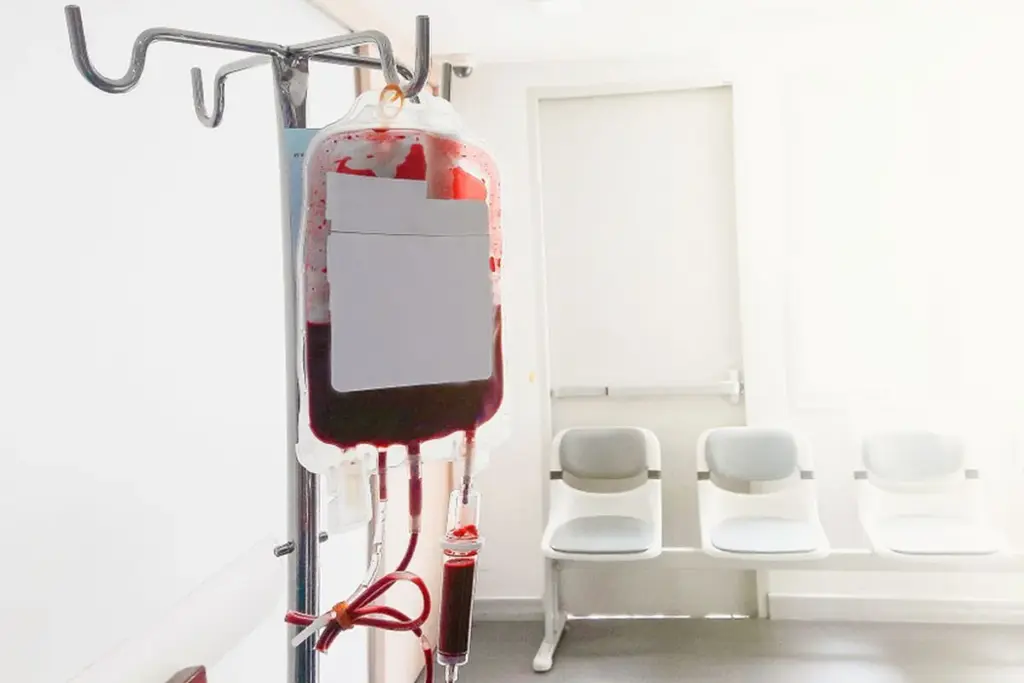
Alpha thalassemia major is a blood disorder passed down through genes. It happens when there’s a problem with the genes that make alpha-globin. This leads to severe anemia, organ failure, and developmental delays because of low hemoglobin levels.
Definition and Clinical Presentation
Alpha thalassemia major, also known as Hb Bart’s hydrops fetalis syndrome, is the most severe form. It happens when all four alpha-globin genes are affected or missing. This results in no alpha-globin production.
The symptoms include severe anemia and hydrops fetalis (fluid buildup in the fetus). These can lead to fetal demise or early neonatal death if not treated quickly.
It’s usually diagnosed before birth through ultrasound and genetic tests. These can spot hydrops fetalis and confirm the genetic mutation.
Genetic Basis and Inheritance Patterns
The genetic cause of alpha thalassemia major is mutations in the HBA1 and HBA2 genes. These genes are key for alpha-globin production. The condition is inherited in an autosomal recessive pattern.
This means a child needs two mutated genes (one from each parent) to have alpha thalassemia major. Parents who carry the gene have a 25% chance of having a child with the condition. Genetic counseling is advised for families with a history of alpha thalassemia.
Hb Bart’s Hydrops Fetalis Syndrome
Hb Bart’s hydrops fetalis syndrome is another name for alpha thalassemia major. It’s marked by severe anemia, cardiac failure, and fluid buildup in the fetus. This often leads to fetal demise without intrauterine interventions.
Managing Hb Bart’s hydrops fetalis syndrome involves close prenatal monitoring. In some cases, intrauterine transfusions are done to improve survival chances. Despite these efforts, the condition has a guarded prognosis and is linked to significant morbidity and mortality.
Thalassemia Spectrum: Comparing Alpha Major to Other Forms

Thalassemia is a group of genetic disorders. Alpha thalassemia major is one of the most severe forms. It’s important to know the differences between types for accurate diagnosis and treatment.
Alpha Thalassemia vs. Beta Thalassemia
Alpha and beta thalassemia are the main types. Alpha thalassemia affects alpha-globin chains, while beta thalassemia affects beta-globin chains. This leads to different symptoms and severity levels.
Beta thalassemia major, for example, causes severe anemia. It needs regular blood transfusions, like alpha thalassemia major.
The genetic causes differ too. Alpha thalassemia comes from deletions or mutations in alpha-globin genes. Beta thalassemia comes from mutations in beta-globin genes. The severity depends on how many genes are affected.
Severity Spectrum in Alpha Thalassemia
Alpha thalassemia’s severity ranges from mild to severe. Some people may not show symptoms, while others have severe anemia and health issues. The severity depends on how many alpha-globin genes are affected.
Alpha thalassemia intermedia is a milder form. Patients have some alpha-globin production, leading to less severe anemia than alpha thalassemia major.
Prognostic Differences
The outlook for thalassemia patients varies by type and severity. Medical care has improved, but alpha thalassemia major’s prognosis is generally poor without early treatment.
Knowing these differences helps manage patient expectations and treatment plans. The severity spectrum of thalassemia shows the need for personalized care.
Historical Perspective on Survival Rates
Alpha thalassemia major was once a very serious condition. Most babies with it didn’t make it to birth or died soon after. The severe anemia and other problems made it almost always fatal.
Before modern medicine, the outlook for alpha thalassemia major was very bad. Babies faced severe anemia, heart failure, and other serious issues. These problems were hard to handle with the technology back then.
Traditional Prognosis Before Modern Medicine
Before modern medicine, babies with alpha thalassemia major had almost no chance of survival. The condition was so severe that most babies either died before birth or shortly after.
Documented Cases in Medical Literature
Even with a poor outlook, some babies have survived, as shown in medical records. These cases show how different the disease can be and how medical help can change outcomes.
|
Year |
Documented Cases |
Survival Rate |
|---|---|---|
|
Before 1980 |
Low |
<10% |
|
1980-2000 |
Moderate |
10%-30% |
|
After 2000 |
High |
>50% |
Evolution of Survival Expectations
Thanks to better medical care, babies with alpha thalassemia major now have a better chance of survival. Advances in prenatal care, treatments during pregnancy, and postnatal care have all helped.
Modern medical interventions have changed the outlook for alpha thalassemia major. With ongoing improvements in technology and treatments, survival rates are expected to keep getting better.
The progress in understanding and treating alpha thalassemia major has greatly improved survival chances. As medical science keeps advancing, there’s hope for even better survival rates for those affected.
Prenatal Diagnosis and Early Detection
Prenatal diagnosis has changed how we manage alpha thalassemia major. This serious condition causes severe anemia and can now be found early in pregnancy. This early detection allows for quick action.
Screening Methods and Timing
To screen for alpha thalassemia major, doctors use ultrasound and genetic tests. Ultrasound looks for signs like a big heart or fluid buildup. Genetic tests find the exact cause of the condition, usually by 11 to 14 weeks.
Genetic Counseling for At-Risk Families
Families at risk get genetic counseling. They learn about the condition, how it’s passed down, and what it means for the baby. They also find out about treatment options and possible outcomes, helping them make choices.
Impact of Early Detection on Outcomes
Early detection through prenatal tests can greatly help babies with alpha thalassemia major. It lets doctors plan for treatments like transfusions and prepare for after birth. Here’s a look at the difference early detection makes.
|
Outcome |
With Early Detection |
Without Early Detection |
|---|---|---|
|
Mortality Rate |
Reduced |
High |
|
Need for Intrauterine Transfusions |
Increased |
Limited or None |
|
Preparation for Postnatal Care |
Yes |
No |
Early detection boosts survival rates and improves life quality for those affected. Knowing about the condition helps families prepare. Healthcare providers can then plan better care for a better outcome.
Intrauterine Life Expectancy and Complications
It’s important to know about the life expectancy and complications of alpha thalassemia major in the womb. This condition can cause serious problems for both the fetus and the mother. That’s why prenatal care is so critical.
Development of Hydrops Fetalis
Alpha thalassemia major can lead to hydrops fetalis. This is when fluid builds up in the fetus’s tissues. Hydrops fetalis can cause severe anemia, heart failure, and other serious issues. It happens because the fetus can’t make normal hemoglobin, leading to a lot of hemolysis.
Maternal Health Risks
Alpha thalassemia major in the fetus also risks the mother’s health. It can lead to preeclampsia and other pregnancy problems. It’s key to watch the mother’s health closely to keep both her and the fetus safe.
Primary Causes of Fetal Demise
Fetal demise in alpha thalassemia major can be due to severe anemia, heart failure, and hydrops fetalis. Knowing these risks helps manage the condition better and make informed pregnancy decisions.
Managing alpha thalassemia major needs a full plan. This includes prenatal tests, genetic advice, and watching both the fetus and mother’s health. By understanding these aspects, healthcare teams can give the best care to families affected.
Advanced Prenatal Interventions
Advanced prenatal interventions have changed how we manage alpha thalassemia major. These steps are key to saving more fetuses with this condition.
Intrauterine Transfusion Techniques
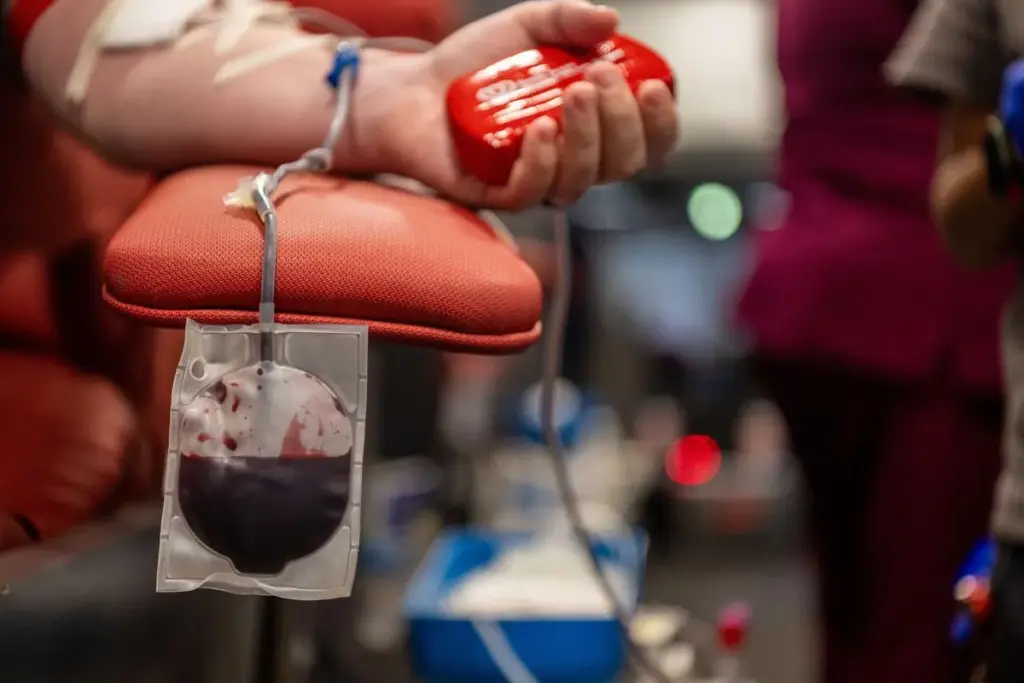
Intrauterine transfusions (IUTs) are now a mainstay in treating fetal anemia from alpha thalassemia major. They help by giving blood to the fetus, which improves anemia and lowers risks of heart failure and hydrops fetalis.
Procedure Details: IUTs involve using ultrasound to guide a needle into the umbilical vein for blood transfusions. This procedure needs careful monitoring and is done by experienced fetal medicine specialists.
Fetal Monitoring Protocols
Fetal monitoring is essential for checking on the fetus’s health and planning interventions. Ultrasounds and Doppler checks help track anemia and spot early signs of trouble.
Monitoring Parameters: Important things monitored include fetal heart rate, umbilical artery blood flow, and signs of heart problems. These help decide when and how often to do intrauterine transfusions.
Survival Statistics Following Intervention
Thanks to new prenatal treatments, survival rates for fetuses with alpha thalassemia major have gone up. Research shows mixed results, but many studies point to a big jump in survival chances.
The table shows survival rates from some studies on IUTs for alpha thalassemia major. While results differ, the trend is clear: more babies are surviving thanks to these treatments.
In summary, new prenatal treatments, like IUTs and close fetal monitoring, have greatly improved the chances for fetuses with alpha thalassemia major. As these treatments get better, we can expect even more babies to be saved.
Perinatal and Neonatal Survival Rates
Medical care has improved perinatal survival rates for alpha thalassemia major. The time before, during, and after birth is key for these infants.
Delivery Considerations and Challenges
Delivering babies with alpha thalassemia major needs careful planning. Obstetricians and neonatologists work together to find the best time and way to deliver. This helps reduce risks for both mom and baby.
They look at the baby’s health and plan for possible problems. Sometimes, a cesarean section is chosen to avoid risks of vaginal delivery.
Critical First 24 Hours of Life
The first 24 hours are very important for newborns with alpha thalassemia major. They often need quick medical help, like blood transfusions and breathing support. Close monitoring is key to handle any issues.
Neonatologists work hard to keep the baby stable. They manage anemia and provide support to help the baby survive.
Neonatal Intensive Care Requirements
Babies with alpha thalassemia major usually go to the neonatal intensive care unit (NICU). The NICU offers the care they need, like advanced life support and constant watch.
Neonatal care for these babies involves many experts. Hematologists, cardiologists, and others work together. They create a care plan that meets the baby’s specific needs, like managing severe anemia and heart issues.
Major Complications Affecting Survival
People with alpha thalassemia major face many health challenges. These can include severe anemia, multi-organ dysfunction, and developmental issues. These problems can greatly affect their survival.
Severe Anemia and Hematological Issues
Severe anemia is a big problem in alpha thalassemia major. It happens because the body can’t make enough hemoglobin. To deal with this, people often need blood transfusions.
But, these transfusions can cause iron overload and other blood problems. Managing anemia well is key to avoiding more issues. A leading hematologist says, “The main way to handle severe anemia is through regular transfusions and iron chelation to avoid iron overload.”
“The cornerstone of managing severe anemia in alpha thalassemia major is regular transfusion therapy, coupled with iron chelation to mitigate the risk of iron overload.”
Getting blood transfusions often can also lead to problems finding compatible blood. This makes it important to closely watch and manage these issues.
Multi-Organ Dysfunction
Multi-organ dysfunction is a big worry in alpha thalassemia major. It can affect the heart, liver, and glands. Iron overload from transfusions can harm the heart, which is a major risk for death. It’s important to regularly check the heart for early signs of trouble.
- Heart problems like failure and irregular heartbeats can happen.
- The liver can also be affected by iron overload and viruses from transfusions.
- Issues with the endocrine system, like diabetes and low thyroid, are common too.
Developmental and Growth Challenges
Children with alpha thalassemia major often face growth and developmental issues. It’s important to have a team of doctors to help with these problems.
They might grow slower and have delayed puberty. Sometimes, they need hormone therapy. Bone problems and osteoporosis can also occur.
By tackling these big challenges, doctors can help improve the lives of those with alpha thalassemia major.
Life-Sustaining Treatments in Infancy
For babies with alpha thalassemia major, getting the right treatments is key. These treatments help them live and live well. They tackle the many problems this condition brings.
Transfusion Dependency and Protocols
Babies with alpha thalassemia major need blood transfusions soon after birth. Regular blood transfusions keep their hemoglobin levels up. This is important for their growth and health.
Doctors plan transfusions carefully. They balance the benefits against the risks of iron overload. This helps manage the condition well and avoid side effects.
The amount and how often transfusions happen depend on the baby’s health. Regular checks help adjust the plan as needed. This approach helps manage the condition well and keeps side effects low.
Early Chelation Therapy Implementation
Chelation therapy starts early to deal with iron overload from blood transfusions. Iron chelators help remove extra iron from the body. This reduces the risk of damage to organs.
When and which chelation therapy to use is very important. It depends on the baby’s health and the chelator used. Starting chelation therapy early can greatly improve long-term results by reducing iron overload’s bad effects.
Supportive Care Essentials
Supportive care is very important for managing alpha thalassemia major. It includes nutrition, managing complications, and support for the family. Good nutrition is key for the baby’s growth and health.
It’s also important to manage problems like infections and organ issues. A team of doctors works together to give the baby and their family the best care. They meet all the baby’s and family’s needs.
Factors Influencing Long-term Survival
Many things affect how long people with alpha thalassemia major can live. This condition needs a detailed care plan. It involves different areas that help the patient’s overall health.
Access to Specialized Medical Care
Getting to specialized medical care is key for alpha thalassemia major patients. Doctors and specialists keep an eye on the condition and its problems. Comprehensive care means treating the condition and any other health issues that come up.
Treatment Compliance and Monitoring
Treatment compliance is very important for survival. Patients must stick to their treatment plans. This includes blood transfusions and chelation therapy to handle iron buildup. Regular monitoring helps doctors adjust treatments for better results.
Socioeconomic and Geographic Considerations
Socioeconomic factors and geographic location also play a big role. People from lower income backgrounds or living far away might struggle to get the care they need. This can affect their survival chances.
In summary, survival for alpha thalassemia major patients depends on several things. These include access to care, following treatment plans, and social and location factors. Knowing these helps create better care plans.
Iron Overload: Primary Cause of Mortality
Iron overload is a big risk for alpha thalassemia major patients. It happens because the body can’t get rid of extra iron from blood transfusions.
Mechanisms of Pathological Iron Accumulation
Iron overload in alpha thalassemia major comes from blood transfusions. Each transfusion adds a lot of iron that the body can’t get rid of. This iron builds up in organs, causing damage and problems.
Key factors contributing to iron overload include:
- How often and how much blood is transfused
- Not using enough iron chelation therapy
- Genetic issues that affect iron handling
Patterns of Organ Damage and Failure
Iron overload harms many organs, like the heart, liver, and glands. The heart is most at risk. Iron can cause heart failure and other serious heart problems.
The patterns of organ damage typically observed include:
- Heart problems from iron in the heart muscle
- Liver damage that can lead to cirrhosis
- Problems with glands like the pancreas and sex glands
Modern Chelation Strategies
Chelation therapy is key in fighting iron overload. It uses medicines that grab onto extra iron and help get rid of it.
Common chelation agents include:
- Deferoxamine
- Deferiprone
- Deferasirox
These medicines can be used alone or together, based on what the patient needs. Good chelation therapy can lower the risk of iron overload problems. It also makes life better for alpha thalassemia major patients.
Infectious Complications and Immune System Function
Alpha thalassemia major affects hemoglobin production and weakens the immune system. This makes people more likely to get sick from different germs. These infections can really hurt their health and happiness.
Vulnerability to Specific Pathogens
People with alpha thalassemia major face a higher risk of getting sick. Their immune system is weakened by the condition and treatments like blood transfusions. They are at risk for infections caused by:
- Bacteria that cause sepsis and other severe infections
- Viruses such as hepatitis B and C, which can be transmitted through blood transfusions
- Fungi that can cause opportunistic infections in immunocompromised individuals
Infection Prevention Strategies
It’s very important to prevent infections in alpha thalassemia major. Ways to do this include:
- Regular vaccinations to protect against common pathogens
- Safe blood transfusion practices to minimize the risk of transmitting infectious agents
- Prophylactic antibiotics in certain cases to prevent bacterial infections
- Good hygiene practices to reduce the risk of acquiring infections
Impact of Infections on Life Expectancy
Infections can greatly affect the life expectancy of those with alpha thalassemia major. Serious infections can lead to organ failure and death. So, it’s very important to catch and treat infections quickly.
Managing iron overload through chelation therapy also helps lower the risk of infections. Healthcare providers can help improve life expectancy and quality of life for those with alpha thalassemia major by understanding risks and using prevention strategies.
Cardiac Complications in Surviving Patients
Cardiac issues are a big worry for those with alpha thalassemia major. The body tries to make up for missing healthy red blood cells. This can lead to heart problems because of iron buildup from blood transfusions.
Pathophysiology of Heart Failure
Heart failure in alpha thalassemia major comes from many causes. The heart works harder to get enough oxygen to the body. This can cause the heart to get bigger and thicker, leading to failure.
Iron buildup from blood transfusions also harms the heart. This makes it harder for the heart to work right.
Key factors contributing to heart failure include:
- Chronic anemia
- Iron overload
- Cardiac remodeling
Cardiac Monitoring Requirements
It’s important to check the heart often to catch problems early. This includes:
|
Monitoring Method |
Frequency |
Purpose |
|---|---|---|
|
Echocardiography |
Annual or bi-annual |
Assess cardiac function and structure |
|
MRI (T2*) |
Annual |
Measure myocardial iron overload |
|
Electrocardiogram (ECG) |
At each visit |
Monitor for arrhythmias |
A leading cardiologist says, “Finding heart problems early through regular checks can really help patients with alpha thalassemia major.”
“The heart is a muscular organ that pumps blood throughout the body, and its function is critical to overall health. In alpha thalassemia major, the heart faces significant challenges due to chronic anemia and iron overload, making regular monitoring and timely intervention critical.”
Interventions to Preserve Cardiac Function
Dealing with heart problems in alpha thalassemia major needs a team effort. Chelation therapy helps lower iron levels. Medicines like beta-blockers and ACE inhibitors can also help manage heart failure. Sometimes, a heart transplant might be needed.
By knowing the risks and using the right treatments, doctors can help keep the heart working well. This improves life quality and survival chances for patients with alpha thalassemia major.
Psychological Impact and Quality of Life
Alpha thalassemia major has a big impact on families and survivors. It affects their quality of life. The need for ongoing medical care can cause emotional stress and worry.
Family Coping Mechanisms
Families dealing with alpha thalassemia major need strong ways to handle stress and emotional challenges. Support from family, friends, and support groups is key in facing these issues.
Good ways to cope include:
- Seeking professional counseling
- Joining support groups
- Doing activities that reduce stress
Psychological Support Systems
Psychological support systems are vital for improving life quality for survivors and their families. These include professional counseling, therapy, and support groups. They offer emotional support and guidance.
A good psychological support system can help by:
- Offering emotional support
- Improving coping skills
- Helping find resources and information
Quality of Life in Rare Survivors
Improving life quality for rare survivors of alpha thalassemia major is complex. It involves medical care, psychological support, and social integration.
|
Aspect |
Intervention |
Benefit |
|---|---|---|
|
Medical |
Regular transfusions, chelation therapy |
Improved survival, reduced complications |
|
Psychological |
Counseling, therapy, support groups |
Enhanced emotional well-being, coping skills |
|
Social |
Family support, social integration activities |
Increased social connections, reduced isolation |
The table shows the need for a multi-faceted approach to improve life quality for rare survivors of alpha thalassemia major. By focusing on medical, psychological, and social aspects, healthcare providers can greatly improve their well-being.
Emerging Therapies and Future Outlook
New treatments are changing how we manage alpha thalassemia major. Medical research has led to innovative treatments. These offer hope to those with this condition.
Stem Cell and Bone Marrow Transplantation
Stem cell and bone marrow transplants might cure alpha thalassemia major. These treatments replace the patient’s bone marrow with healthy stem cells. This can come from a donor or through gene editing.
Benefits of Stem Cell Transplantation:
- Potential cure for alpha thalassemia major
- Reduced need for lifelong transfusions
- Improved quality of life
|
Treatment |
Success Rate |
Potential Complications |
|---|---|---|
|
Stem Cell Transplantation |
70-80% |
Graft-versus-host disease, infection |
|
Bone Marrow Transplantation |
60-70% |
Graft failure, organ damage |
Gene Therapy Advancements
Gene therapy is another promising area for alpha thalassemia major. It aims to fix the genetic defect causing the condition. This could help restore normal hemoglobin production.
Gene editing technologies, like CRISPR/Cas9, show great promise. They could lead to better and safer treatments in the future.
Novel Treatment Approaches
Other new treatments are being explored too. These include drugs to boost fetal hemoglobin and reduce iron overload.
Future Directions:
- Continued research into gene editing and stem cell therapies
- Development of more effective chelation therapies
- Improved patient care through multidisciplinary management teams
Conclusion: Current Understanding of Life Expectancy
Managing alpha thalassemia major is complex. Medical care has greatly improved survival rates. Yet, long-term outcomes are a worry due to complications.
Managing this condition well needs a full plan. This includes regular blood transfusions, chelation therapy, and watching for complications. Research and new treatments are changing how we see the future for those affected.
Knowing how long people with alpha thalassemia major can live is key. It helps doctors, patients, and families make better care choices. As medical science gets better, life expectancy and quality of life for these individuals will likely get better too.
FAQ
What is alpha thalassemia major?
Alpha thalassemia major is a severe form of thalassemia. It affects the production of hemoglobin in red blood cells. Hemoglobin carries oxygen to the body’s parts.
What causes alpha thalassemia major?
It’s caused by mutations in the HBA1 and HBA2 genes. These genes are responsible for alpha-globin chains. The condition is inherited in an autosomal recessive pattern.
How is alpha thalassemia major diagnosed?
Prenatal diagnosis is key in managing alpha thalassemia major. Screening methods like ultrasound and genetic testing can spot affected fetuses early.
What are the complications of alpha thalassemia major?
It can cause hydrops fetalis, a condition with fluid buildup in fetal tissues. This leads to severe anemia, cardiac failure, and other serious complications.
What are the treatment options for alpha thalassemia major?
Advanced prenatal interventions, like intrauterine transfusions, can improve survival rates. Infants often need life-sustaining treatments, including blood transfusions and iron chelation therapy.
What is the life expectancy of someone with alpha thalassemia major?
Alpha thalassemia major was once considered fatal. But, with medical advancements, there have been cases of survival. Survival depends on access to specialized care and treatment compliance.
What are the risks associated with alpha thalassemia major?
People with alpha thalassemia major face risks of infections, cardiac complications, and iron overload. Iron overload can damage organs and lead to failure.
How is iron overload managed in alpha thalassemia major?
Modern chelation strategies, like medications that bind to excess iron, are key. They help reduce the risk of iron overload and its consequences.
What is the psychological impact of alpha thalassemia major on families and survivors?
Alpha thalassemia major deeply affects families and survivors, impacting their quality of life. Family coping mechanisms and psychological support are vital in managing stress and emotional burden.
Are there any emerging therapies for alpha thalassemia major?
Yes, emerging therapies like stem cell and bone marrow transplantation, gene therapy, and novel approaches offer hope. They aim to improve outcomes for those with alpha thalassemia major.
References
- PMC11011226. Available at: https://www.ncbi.nlm.nih.gov/pmc/articles/PMC11011226/
- American Academy of Family Physicians. “Thalassemia: Clinical Features and Diagnosis.” American Family Physician. Available at: https://www.aafp.org/pubs/afp/issues/2009/0815/p339.html
- Dovepress. “Causes of Death and Mortality Trends in Individuals with Thalassemia.” Journal of Blood Medicine. Available at: https://www.dovepress.com/causes-of-death-and-mortality-trends-in-individuals-with-thalassemia-i-peer-reviewed-fulltext-article-JBM
- Thalassaemia International Federation (Cyprus). “Waning Mortality in Thalassemia: A Longitudinal Analysis.” Available at: https://thalassaemia.org.cy/publications/waning-mortality-in-thalassaemia-a-longitudinal-analysis/



 Departments
 Related Videos
 Our Doctors
 News
News