Did you know that nearly 250,000 adults in the United States are diagnosed with spinal stenosis each year?
Managing this condition can be tough. But knowing how diet affects symptoms is key to feeling better. Some foods can make cervical spinal stenosis symptoms worse, making simple tasks hard.
Eating right can help ease the pain of spinal stenosis. By staying away from foods that trigger symptoms, people can feel better. This can greatly improve their life quality.
Learn the top things to avoid with cervical spinal stenosis, including inflammatory foods. Boost your spine health with these diet tips.
Key Takeaways
- Understanding the impact of diet on spinal stenosis is key to managing symptoms.
- Certain foods can make cervical spinal stenosis symptoms worse.
- Staying away from trigger foods can ease discomfort.
- A well-planned diet is vital for those with spinal stenosis.
- Making smart food choices can enhance life quality.
Understanding Spinal Stenosis and Its Dietary Connection
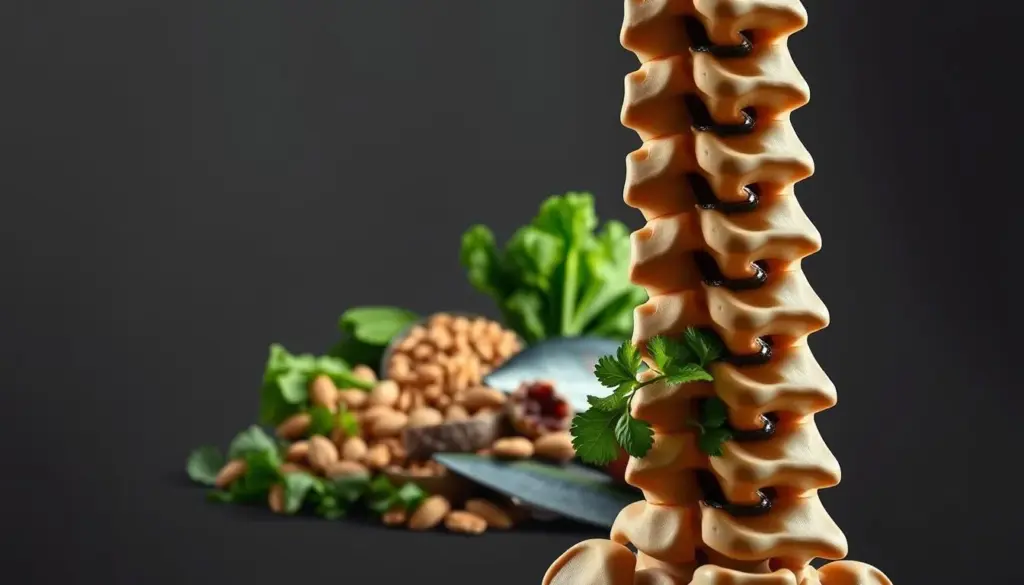
Spinal stenosis is more than a condition; it’s a complex mix of factors affecting daily life. Knowing about it is key to managing symptoms and improving life quality.
What Is Spinal Stenosis and How Does It Affect the Body?
Spinal stenosis narrows the spinal canal, pressing on the spinal cord and nerves. This can cause pain, numbness, and weakness in the back, legs, and arms. It’s often due to aging, herniated discs, or injuries.
As the canal narrows, it can mess with nerve function. This leads to various symptoms, from mild to severe.
|
Symptoms |
Causes |
Effects |
|---|---|---|
|
Pain in the back, legs, or arms |
Age-related wear and tear |
Numbness or weakness |
|
Numbness or tingling sensations |
Herniated discs |
Disrupted nerve function |
|
Weakness in the muscles |
Spinal injuries |
Impaired mobility |
The Relationship Between Diet and Spinal Health
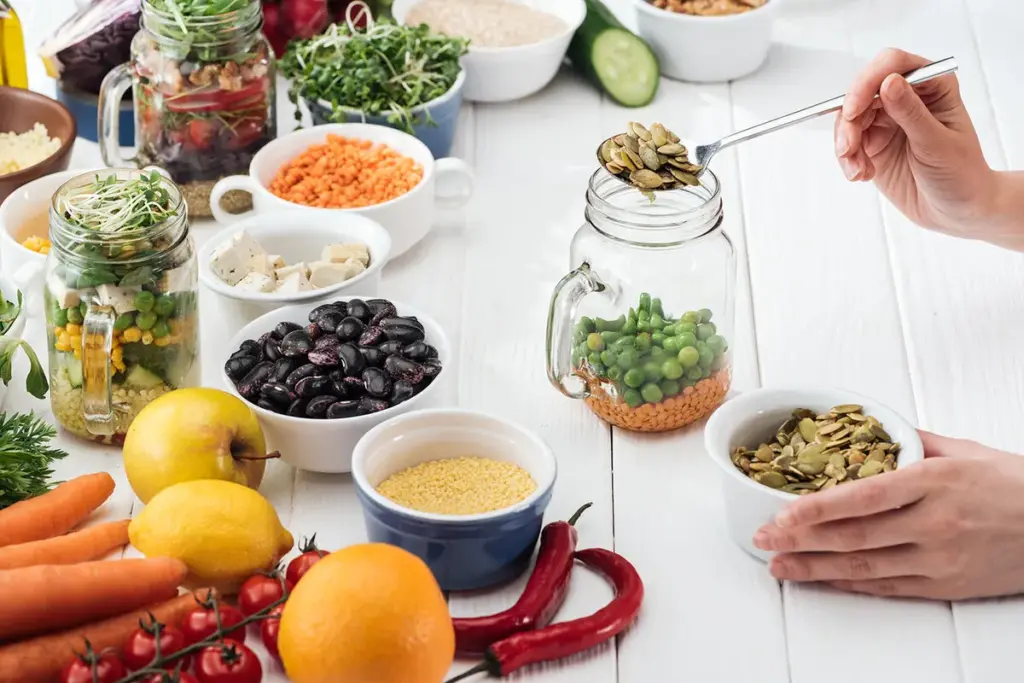
Diet is key in managing spinal stenosis. Some foods can make symptoms worse, while others can help. Eating foods that fight inflammation, like omega-3s in fish, can help.
On the other hand, foods high in processed stuff, sugars, and fats can make symptoms worse. Choosing the right foods can help manage the condition and improve spinal health.
The Role of Inflammation in Spinal Stenosis
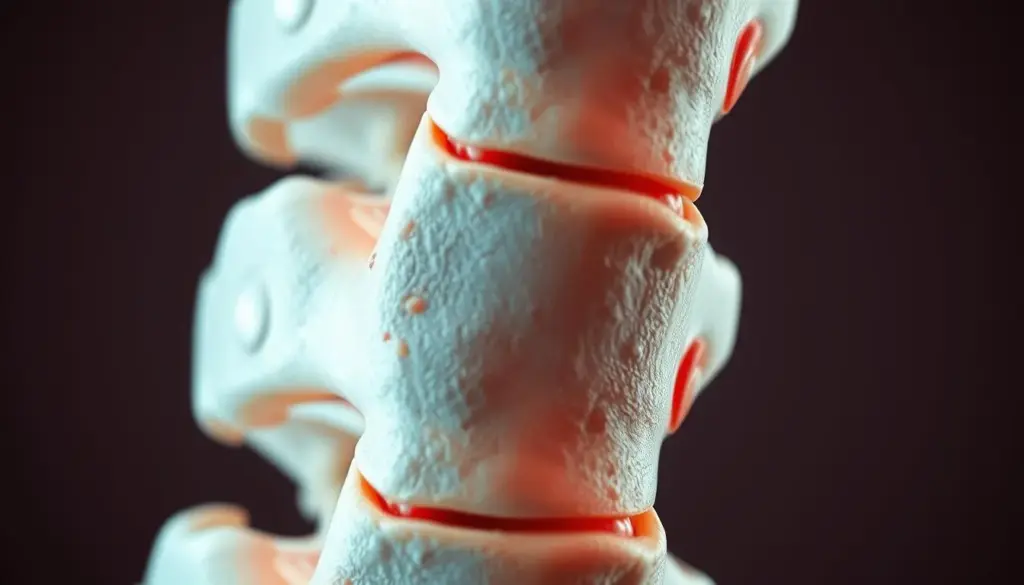
Inflammation has a big impact on spinal stenosis. It makes symptoms worse. Inflammation is a body response, but chronic inflammation can cause health problems, including worsening spinal stenosis.
How Inflammation Affects Spinal Stenosis Symptoms
Inflammation makes spinal stenosis symptoms worse. When the spinal canal narrows, it presses on the spinal cord and nerves. This can cause pain, numbness, and weakness in the back, legs, or arms.
Inflammation in the area can make these symptoms even worse. It can lead to a lower quality of life for those with spinal stenosis.
The link between inflammation and spinal stenosis symptoms is complex. Research shows that inflammatory cytokines are often high in spinal stenosis patients. These cytokines can damage spinal tissues, making symptoms worse.
Inflammatory Markers and Their Significance
Inflammatory markers show inflammation in the body. They are key in diagnosing and managing conditions like spinal stenosis. Common markers include C-reactive protein (CRP) and erythrocyte sedimentation rate (ESR).
High levels of these markers mean inflammation is present. This can be causing spinal stenosis symptoms.
Knowing about inflammatory markers helps doctors create better treatment plans. By watching these markers, doctors can see if treatments are working. They can then adjust treatments to help patients more.
Pro-Inflammatory Foods That Can Worsen Spinal Stenosis
Knowing which foods can make spinal stenosis worse is key. What we eat can affect how much inflammation we have. This, in turn, can make spinal stenosis symptoms worse.
Processed Foods and Their Impact
Processed foods are bad for inflammation. They often have unhealthy stuff like preservatives and artificial flavors. Eating too much of these foods can make inflammation worse, which can hurt spinal stenosis symptoms. Try to cut down on things like packaged snacks and frozen meals.
Sugar and Refined Carbohydrates
Too much sugar and refined carbs can also cause inflammation. They make blood sugar go up, which can make the body more inflamed. Cutting down on sugary drinks and white bread can help reduce inflammation and ease spinal stenosis symptoms.
Trans Fats and Vegetable Oils
Some fats, like trans fats and certain vegetable oils, can make inflammation worse. Trans fats can raise inflammatory markers in the body. It’s best to avoid foods with trans fats and choose better oils like olive oil.
By watching what we eat, people with spinal stenosis can feel better. Making smart food choices can help reduce symptoms and improve life quality.
- Limit processed and packaged foods
- Reduce intake of sugar and refined carbohydrates
- Choose healthier fats and oils
Changing what we eat is important for managing spinal stenosis. Avoiding foods that cause inflammation can help reduce discomfort from spinal stenosis.
Dairy Products and Gluten: Possible Triggers for Some Patients
Managing spinal stenosis well means making diet changes. Some foods can make inflammation worse, which is bad for spinal stenosis. Dairy and gluten are two foods that might be trouble for some people.
The Controversial Role of Dairy in Inflammation
Dairy has been in our diets for a long time. But, its effect on inflammation is debated. Some studies say dairy’s fats and proteins might cause inflammation in some people. This can make spinal stenosis symptoms worse.
But, dairy is also full of calcium and vitamin D, which are good for bones. It’s important to know how dairy affects you. For some, cutting down on dairy might help their symptoms.
Gluten Sensitivity and Its Impact on Spinal Health
Gluten sensitivity and celiac disease are getting more attention. They can cause inflammation and affect many parts of the body. For those with gluten issues, eating gluten can trigger an immune response and inflammation. This can make spinal stenosis symptoms worse.
Even though the exact link between gluten and spinal health is not fully understood, a gluten-free diet might help those with gluten-related disorders. It’s key for people with spinal stenosis to talk to their doctors about their diet. This way, they can find out what triggers their symptoms and make a plan to manage them.
Nightshade Vegetables and Their Effect on Joint Pain
For those with spinal stenosis, knowing how nightshade veggies affect joint pain is key. These veggies, like tomatoes and peppers, are common but can impact inflammation and joint health.
Common Nightshades and Their Properties
Nightshade veggies come from the Solanaceae family. They include tomatoes, peppers, eggplants, and potatoes. These foods are full of nutrients and might affect inflammation and joint pain.
Nutrient Profile of Common Nightshades:
|
Vegetable |
Nutrients |
Potential Effects |
|---|---|---|
|
Tomatoes |
Rich in Vitamin C and Lycopene |
Antioxidant properties |
|
Peppers |
High in Vitamin C and Capsaicin |
Anti-inflammatory properties |
|
Potatoes |
Good source of Potassium and Fiber |
May help in reducing inflammation |
Research on Nightshades and Inflammation
Studies on nightshade veggies and inflammation show mixed results. Some say they might make inflammation worse, while others see anti-inflammatory effects.
“Some people with arthritis report that symptoms worsen after consuming nightshades, but scientific evidence is not conclusive.” –
Arthritis Foundation
Glycoalkaloids in nightshades are being studied for their impact on joints. Some people feel better by avoiding them, while others don’t notice a difference.
- Some individuals may need to limit or avoid nightshades to manage joint pain.
- Others may find that nightshades have no significant impact on their symptoms.
People with spinal stenosis should watch how their body reacts to different foods, including nightshades. It’s important to talk to healthcare professionals for advice on what to eat.
Alcohol and Caffeine: Moderation Is Key
Managing spinal stenosis means watching what we drink. Alcohol and caffeine are common but can affect our spines. It’s important to know how they impact our health.
How Alcohol Affects Spinal Health
Drinking too much alcohol can harm our spines. It can cause nutritional deficiencies like a lack of vitamin D and calcium. These are key for strong bones.
Alcohol also makes it hard for our bodies to absorb these nutrients. This is bad news for our bones. It can lead to osteoporosis, making our bones weak and prone to breaks.
Caffeine’s Impact on Bone Density and Hydration
Caffeine can also affect our spines. Drinking too much can lower bone density. But, a little caffeine is okay.
Caffeine is a diuretic, which means it can cause dehydration. Not drinking enough water can make spinal stenosis symptoms worse. So, it’s important to drink lots of water.
|
Substance |
Effect on Spinal Health |
Recommendation |
|---|---|---|
|
Alcohol |
Can lead to nutritional deficiencies and decreased bone density |
Consume in moderation; consider supplements if necessary |
|
Caffeine |
May decrease bone density and cause dehydration |
Moderate intake; balance with adequate hydration |
In short, alcohol and caffeine can harm our spines, even more so for those with spinal stenosis. Drinking in moderation is best. Being aware of these effects can help manage the condition.
Things to Avoid with Cervical Spinal Stenosis: Beyond Diet
People with cervical spinal stenosis need to know about non-dietary factors that can make their condition worse. While changing what you eat is important, other parts of your life can also affect your symptoms.
Physical Activities That Can Exacerbate Symptoms
Some physical activities can stress the cervical spine more, making symptoms worse. Heavy lifting, bending, or high-impact movements can put extra pressure on the spine. For example, sports like football or activities that involve a lot of jumping can make symptoms worse.
It’s important for those with cervical spinal stenosis to avoid or change these activities to prevent more irritation. Some exercises, even if they’re good for most people, might need to be adjusted or avoided if they cause pain. Heavy weightlifting or exercises that involve neck extension or flexion should be done carefully. Talking to a healthcare professional or physical therapist can help find safe exercises.
Postures and Movements That Increase Pressure on the Spine
Daily postures and movements can also affect cervical spinal stenosis symptoms. Poor posture, like leaning forward or looking down for a long time, can put more pressure on the cervical spine. Also, sudden or jerky neck movements can irritate the spine and make symptoms worse.
To reduce pressure, it’s important to keep good posture, stretch regularly, and avoid sleeping in ways that strain the neck. Using ergonomic furniture and adjusting your workspace to promote good posture can also help lessen strain on the cervical spine.
By paying attention to these factors and making the necessary changes, people with cervical spinal stenosis can manage their symptoms better and improve their quality of life.
The Weight Connection: How Excess Weight Impacts Spinal Stenosis
Carrying extra weight can put more stress on the spine, making spinal stenosis worse. The link between extra weight and spinal stenosis is strong. The extra pounds increase the mechanical stress on the spinal column.
Mechanical Stress from Excess Weight
Extra weight, mainly around the belly, changes the body’s balance. This leads to uneven weight on the spine. This uneven weight can make nerve compression in the spinal canal worse, a key sign of spinal stenosis.
The mechanical stress from extra weight can cause:
- More pressure on spinal discs and joints
- More wear and tear on spinal structures
- Potential for the spinal canal to narrow more
Will Losing Weight Help Spinal Stenosis?
Losing weight might help ease some spinal stenosis symptoms by reducing spine stress. A healthier weight can improve spinal health overall.
|
Benefits of Weight Loss |
Impact on Spinal Stenosis |
|---|---|
|
Reduced Mechanical Stress |
Less pressure on the spinal canal |
|
Improved Mobility |
Easier movement and less pain |
|
Enhanced Overall Health |
Better management of symptoms |
While losing weight is not a cure for spinal stenosis, it’s a key part of a full treatment plan. It’s important to talk to healthcare experts to create a weight loss plan that fits with other treatments for spinal stenosis.
Anti-Inflammatory Diet Approaches for Spinal Stenosis
Diet is key in managing spinal stenosis. Anti-inflammatory diets can help reduce inflammation and ease symptoms. Eating foods that fight inflammation can make a big difference.
Many diets have been studied for their anti-inflammatory effects. The Mediterranean diet, the DASH diet, and plant-based diets are among the most promising. They can help those with spinal stenosis.
Mediterranean Diet Benefits
The Mediterranean diet focuses on fruits, vegetables, whole grains, and healthy fats like olive oil. It’s linked to less inflammation and better health. Key components include:
- High intake of fruits and vegetables
- Use of olive oil as a primary fat source
- Moderate consumption of fish and poultry
- Low intake of red meat and processed foods
Studies show the Mediterranean diet can lower systemic inflammation. This is good news for those with spinal stenosis.
DASH Diet Considerations
The DASH diet aims to lower blood pressure but also fights inflammation. It focuses on:
- High consumption of fruits, vegetables, and whole grains
- Low-fat dairy products
- Moderate intake of lean protein sources
While not made for spinal stenosis, the DASH diet’s anti-inflammatory effects can help manage symptoms.
Plant-Based Diet Options
Plant-based diets are full of fruits, vegetables, and whole grains. They have anti-inflammatory effects. These diets can be vegan or vegetarian. Benefits include:
- High antioxidant intake
- Reduced intake of pro-inflammatory animal products
- Potential for weight loss, which can also benefit spinal stenosis symptoms
It’s important to make sure you get all the nutrients you need on any diet. Talking to a healthcare provider or a registered dietitian can help make a diet plan that fits your needs.
Foods That May Help Alleviate Spinal Stenosis Symptoms
Eating a diet full of anti-inflammatory foods can help those with spinal stenosis. Adding the right foods to your meals can ease symptoms and boost spinal health.
Nutritional Benefits of Omega-3 Rich Foods
Omega-3 fatty acids fight inflammation, which is good for spinal stenosis. You can find omega-3 in fatty fish like salmon, sardines, and mackerel. Try grilling or baking them for a tasty meal.
- Salmon
- Sardines
- Mackerel
- Flaxseeds
- Chia seeds
The Role of Antioxidant-Rich Fruits and Vegetables
Antioxidants fight oxidative stress, which worsens spinal stenosis. Eating a variety of colorful fruits and veggies gives you essential antioxidants. Berries, leafy greens, and cruciferous veggies are great choices.
Turmeric and Other Anti-Inflammatory Spices
Turmeric has curcumin, which is anti-inflammatory and antioxidant. Adding turmeric to your meals, like in teas or curries, is good. Ginger and cinnamon are also anti-inflammatory spices.
|
Food |
Benefit |
|---|---|
|
Turmeric |
Anti-inflammatory properties |
|
Ginger |
Reduces inflammation |
|
Cinnamon |
Antioxidant properties |
Hydration and Spinal Health: The Importance of Water
Water is key for our spine’s health. Our spine has discs, vertebrae, and nerves that need water to work right. Dehydration can cause spinal problems, like smaller discs and a higher chance of herniation.
Dehydration’s Impact on Spinal Discs
Spinal discs are like shock absorbers between vertebrae. They have a gel center and a tough outer layer. Keeping them hydrated is important for their health. Without enough water, discs shrink and can’t cushion the vertebrae well, causing pain.
Optimal Hydration Strategies
To keep your spine healthy, drink lots of water. Aim for at least eight glasses a day. Check your urine color too; it should be pale yellow if you’re hydrated.
Eating hydrating foods also helps. Foods like cucumbers, celery, and watermelon add to your hydration.
Supplements That May Support Spinal Health
Certain supplements may help manage spinal stenosis symptoms. They shouldn’t replace regular treatments but can add value to a treatment plan.
Vitamin D and Calcium for Bone Health
Vitamin D and calcium are key for bone health. Vitamin D helps the body use calcium, which is vital for strong bones. Having enough of both can help with spinal health and ease some stenosis symptoms.
Magnesium and Its Role in Muscle Function
Magnesium is important for muscle function. It can help with muscle cramps, spasms, and weakness from spinal stenosis. Getting enough magnesium, through supplements or food, supports muscle health.
Omega-3 Supplements and Other Anti-Inflammatories
Omega-3 fatty acids, found in fish oil, have anti-inflammatory effects. They may lessen inflammation from spinal stenosis. Other anti-inflammatory supplements, like turmeric or ginger, could also offer benefits.
Lifestyle Modifications for Managing Cervical Spinal Stenosis
Changing your lifestyle can help ease the pain of cervical spinal stenosis. Making smart choices about your daily habits can help manage symptoms. This can improve your overall well-being.
Sleep Positions and Mattress Considerations
Getting the right sleep position is key for cervical spinal stenosis. Sleeping on your side with a supportive pillow can ease pressure. A medium-firm mattress also helps keep your spine aligned.
Here are some tips for better sleep:
- Use a contoured pillow or a cervical pillow for extra support.
- Avoid sleeping on your stomach to prevent neck bending.
- If you sleep on your back, use a thin pillow under your neck for support.
Ergonomic Adjustments for Daily Activities
Adjusting your daily activities for better ergonomics can help your neck. This includes:
- Setting your computer monitor at eye level to avoid neck strain.
- Choosing an ergonomic chair with good lumbar support.
- Standing, stretching, and moving regularly to avoid sitting too long.
These changes can help prevent making your symptoms worse.
Stress Management Techniques
Stress can make cervical spinal stenosis symptoms worse. Techniques like meditation, deep breathing, or yoga can help. Regular exercise, when okayed by a doctor, also helps with stress and well-being.
By making these lifestyle changes, you can manage your cervical spinal stenosis better. This can greatly improve your life quality.
Exercise Approaches for Spinal Stenosis Patients
Exercise is key in managing spinal stenosis. It’s important to find the right balance. The right exercises can ease symptoms, improve flexibility, and strengthen the spine. But, some exercises might make things worse if not chosen carefully.
Safe Exercises That May Help
Some exercises are great for spinal stenosis patients. Low-impact activities like cycling and swimming are good for the heart without straining the spine. Gentle stretches, like pelvic tilts and knee to chest stretches, also help keep flexibility and reduce stiffness.
Adding strengthening exercises to the mix is also beneficial. Core strengthening exercises help stabilize the spine and lessen pain. It’s important to get a personalized exercise plan from a healthcare professional or physical therapist.
Exercises to Avoid with Cervical Stenosis
While exercise is good, some activities can be harmful, mainly for those with cervical stenosis. Avoid heavy lifting, bending, or twisting as they can worsen symptoms. Also, steer clear of activities that stress the neck, like contact sports or heavy weightlifting.
Exercises that extend the neck or spine, such as certain yoga poses, should also be avoided.
|
Exercise Type |
Recommended |
To Avoid |
|---|---|---|
|
Aerobic Exercises |
Cycling, Swimming |
High-impact aerobics |
|
Stretching Exercises |
Pelvic tilts, Knee to chest stretches |
Neck extensions, Deep forward bends |
|
Strengthening Exercises |
Core strengthening |
Heavy weightlifting |
People with spinal stenosis should talk to healthcare professionals before starting any new exercise. This ensures their routine is safe and helps manage symptoms effectively.
When to Consult Healthcare Professionals
For those with spinal stenosis, knowing when to seek medical help is key. It’s important to watch for symptoms that mean you need to see a doctor right away. Getting medical advice early can really help manage your condition.
Warning Signs That Require Medical Attention
Some symptoms are a clear sign you need to see a doctor fast. These include:
- Severe pain that makes it hard to do daily tasks
- Numbness or tingling in your limbs
- Weakness in your arms or legs
- Hard time with coordination and balance
- Problems with bowel or bladder control
If you’re feeling any of these, it’s time to talk to a healthcare expert. This can stop things from getting worse.
|
Symptom |
Description |
Action Required |
|---|---|---|
|
Severe Pain |
Pain that makes daily tasks hard |
Consult a healthcare professional |
|
Numbness/Tingling |
Numbness or tingling in limbs |
Seek medical evaluation |
|
Weakness |
Weakness in arms or legs |
Immediate medical attention |
Working with Specialists for Personalized Care
Dealing with spinal stenosis often means you need a team of experts. Doctors like orthopedic surgeons, neurologists, and physical therapists can give you care that fits you. This care is made just for you.
Benefits of Specialized Care:
- Right diagnosis and treatment plan
- Access to the latest treatments
- Custom exercise and rehab plans
- Improved symptom and complication management
Conclusion: Creating a Comprehensive Management Plan for Spinal Stenosis
Managing spinal stenosis well means making changes in diet, lifestyle, and getting the right medical care. Knowing which foods can make symptoms worse is key. With a good plan, people can handle their condition better and live a fuller life.
A good plan for spinal stenosis includes choices that help with cervical spinal stenosis. This means picking the right foods, exercising, and doing daily activities carefully. This way, people can create a plan that fits their own needs and life.
By taking a complete approach to managing spinal stenosis, people can control their condition. They make choices that improve their health overall. With a solid plan, facing spinal stenosis becomes easier and more manageable.
FAQ
What is spinal stenosis, and how does it affect the body?
Spinal stenosis is when the spinal canal gets narrower. This can put pressure on the spinal cord and nerves. It leads to pain, numbness, and weakness in the back, legs, and arms.
How does diet affect spinal stenosis?
Diet is key in managing spinal stenosis. Some foods can make symptoms worse, while others can help. Eating foods that fight inflammation, like fruits, veggies, and omega-3s, can help your spine.
What foods should I avoid with spinal stenosis?
Avoid foods that can make symptoms worse. This includes processed foods, sugar, and foods with trans fats. Some people should also limit dairy and gluten because they can cause inflammation.
Can losing weight help spinal stenosis?
Yes, losing weight can help. It reduces stress on your spine. Eating well and exercising regularly can help manage your condition.
What are some safe exercises for spinal stenosis patients?
Safe exercises include gentle stretching, yoga, and low-impact aerobics like swimming or cycling. Avoid activities that are too hard, like heavy lifting or bending.
How can I manage cervical spinal stenosis?
Managing cervical spinal stenosis means making lifestyle changes. Keep good posture, stretch regularly, and avoid heavy lifting. Also, make ergonomic changes and manage stress to help symptoms.
Are there any supplements that can support spinal health?
Yes, some supplements like vitamin D, calcium, magnesium, and omega-3s can help. They support bone density and muscle function, and reduce inflammation. But, talk to a healthcare professional before taking any supplements.
When should I consult a healthcare professional for spinal stenosis?
See a healthcare professional if symptoms get worse or if you have severe pain, numbness, or weakness. They can give you personalized advice and recommend treatments.
National Center for Biotechnology Information. Evidence-Based Medical Insight. Retrieved from https://pubmed.ncbi.nlm.nih.gov/34802849/