
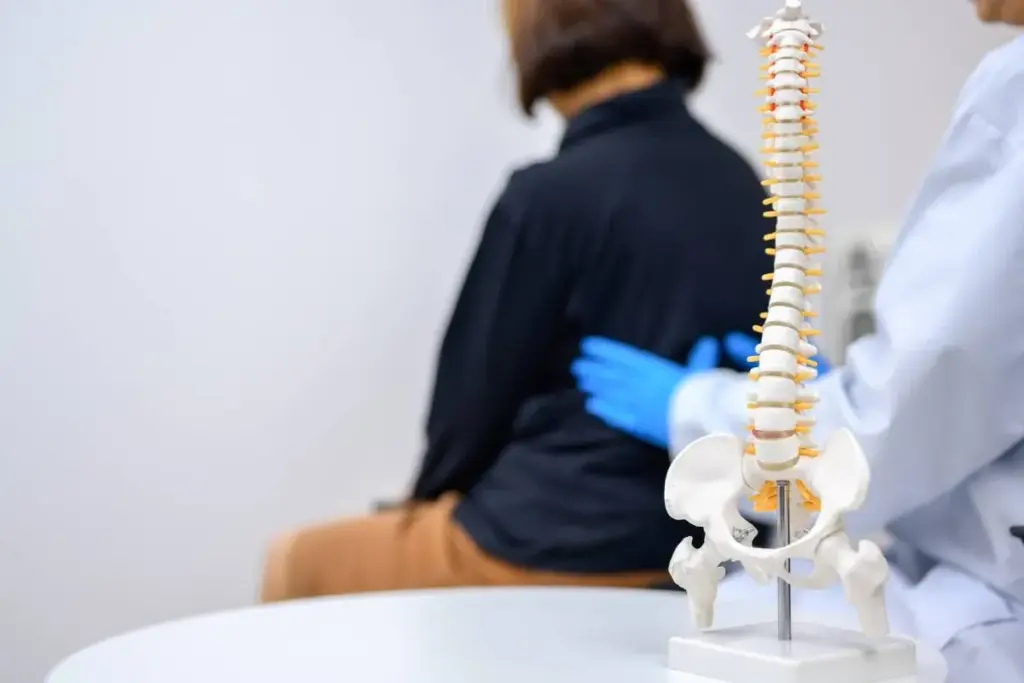
Spinal cord injuries can greatly affect a person’s life, leading to different levels of motor loss. This is based on the American Journal of Neuroradiology. The injury’s severity depends on where and how much of the spinal vertebrae is damaged.
It’s important to know the different levels of spinal cord injuries. This helps figure out how much damage there is and if recovery is possible. The injury’s level impacts how well the spinal cord function works, affecting daily tasks.
The level of a spinal cord injury determines its impact on the body. Learn about cervical, thoracic, and lumbar damage and what it means.
Key Takeaways
- The level and location of a spinal cord injury determine its severity.
- Spinal cord injuries can result in varying degrees of motor impairment.
- Understanding the levels of spinal cord injuries is key to knowing the extent of damage.
- The injury’s level affects spinal cord function and daily activities.
- Recovery chances vary based on the injury’s level and severity.
The Spinal Cord: Structure and Function
The spinal cord is a key part of our nervous system. It helps control our body’s functions and movement. It has different segments and nerves that are vital for controlling movement and feeling sensations.
Anatomy of the Spinal Cord
The spinal cord starts at the base of the skull and goes down to the lower back. It is covered by the spinal vertebrae, which make up the vertebral column. The spinal cord has various segments, each linked to specific vertebrae.
Vertebral Segments and Their Roles
The vertebral segments are divided into areas: cervical (C1-C8), thoracic (T1-T12), lumbar (L1-L5), and sacral (S1-S5). The cervical spine, mainly the C1 vertebrae, is key in supporting the head and allowing for many movements. Each segment has its own role in controlling different body functions.
Spinal Nerves and Pathways
Spinal nerves come from the spinal cord and go out through spaces between the vertebrae. These nerves carry signals between the spinal cord and the rest of the body. They are essential for motor control and sensation. The spinal nerves create complex pathways for nerve impulses to travel.
Medical experts say, “The spinal cord’s detailed structure is key to its role in sending nerve signals.” This shows why it’s important to know about the spinal cord’s anatomy and function. It helps us understand its role in our nervous system.
Classification of Spinal Cord Injuries

Spinal cord injuries are divided into two main types: complete and incomplete. Knowing the type helps doctors understand the damage and plan the right treatment.
Complete vs. Incomplete Injuries
Complete injuries mean no function below the injury site. Incomplete injuries have some function left, with partial damage.
Complete Injury Characteristics
Complete spinal cord injuries cause total loss of feeling and movement below the injury. People with complete injuries may lose all feeling and movement in certain areas. The paralysis’s extent depends on the injury’s level and severity.
Incomplete Injury Types
Incomplete injuries have partial damage, leading to some loss of feeling and movement. There are different types, like anterior spinal cord syndrome and central cord syndrome. The injury’s type and severity affect how much function is left.
|
Injury Type |
Sensory Function |
Motor Function |
|---|---|---|
|
Complete Injury |
Total Loss |
Total Loss |
|
Incomplete Injury |
Partial Loss |
Partial Loss |
It’s key to understand spinal cord injury types for effective treatment and rehab. Knowing the difference helps doctors give better care.
Cervical Spinal Cord Injuries (C1-C8)
Injuries to the cervical region of the spinal cord can have devastating consequences. They affect both motor and sensory functions. The cervical spine, with seven vertebrae (C1-C7), is key for controlling movement and sensation in the body.
High Cervical Injuries
High cervical injuries, between C1 and C4, are very severe. They are close to the brain stem and affect critical functions. These injuries can also impact breathing.
Respiratory Complications
High cervical spinal cord injuries can severely affect breathing. People with injuries at C1-C4 may need mechanical ventilation to breathe.
Tetraplegia/Quadriplegia Outcomes
High cervical injuries often lead to tetraplegia or quadriplegia. This means partial or complete paralysis of all four limbs. The extent of paralysis and recovery chances vary based on injury severity and location.
Functional Limitations
People with cervical spinal cord injuries face big challenges. They may struggle with mobility, self-care, and daily activities. Rehabilitation aims to help them be more independent and adapt to these challenges.
|
Level of Injury |
Potential Complications |
Typical Outcomes |
|---|---|---|
|
C1-C4 |
Respiratory failure, tetraplegia/quadriplegia |
Significant dependence on mechanical ventilation, limited mobility |
|
C5-C8 |
Respiratory compromise, arm weakness or paralysis |
Varying degrees of arm function, possible mobility |
Thoracic Spinal Cord Injuries (T1-T12)

Thoracic spinal cord injuries happen between the thoracic vertebrae. They affect the trunk’s stability and can impact breathing. These injuries, from T1 to T12, can cause different levels of paraplegia based on the injury’s level and severity.
Upper Thoracic Injuries (T1-T6)
Upper thoracic injuries, from T1 to T6, have specific effects. They impact both the trunk’s stability and breathing.
Trunk Stability Effects
Injuries in the upper thoracic area can make it hard to keep a good posture. It also makes physical activities more difficult. This can lead to other problems like muscle issues and less mobility.
Respiratory Function
Upper thoracic spinal cord injuries can also harm breathing. The impact depends on the injury’s level, with higher injuries causing more breathing problems. Research shows these injuries can severely affect trunk stability and breathing.
It’s important for healthcare providers to understand these injuries well. They need to create specific rehabilitation plans. This helps individuals overcome the challenges of these injuries and improve their life quality.
Lumbar and Sacral Spinal Cord Injuries (L1-S5)
It’s important to understand lumbar and sacral spinal cord injuries to create good treatment plans. These injuries can greatly affect a person’s life, impacting many bodily functions.
Lumbar Injuries (L1-L5)
Lumbar spinal cord injuries happen in the lower back. They can come from accidents, falls, or other injuries. These can cause problems with the legs and control of the bowel and bladder.
Lower Extremity Function
Injuries to the lumbar spinal cord can harm the nerves to the legs. This can cause weakness or paralysis in the legs. The severity of the injury determines the extent of the problem.
- Loss of motor control
- Reduced sensation
- Impaired reflexes
Bowel and Bladder Control
Lumbar and sacral spinal cord injuries can also affect the autonomic nervous system. This can lead to problems with bowel and bladder control. Issues like urinary incontinence or constipation can occur.
Managing these problems well is key to keeping the patient’s dignity and health.
Studies have found that lumbar and sacral spinal cord injuries can cause big problems with the legs and bowel and bladder control. The condition spinal shock can happen right after the injury. It causes a temporary loss of spinal cord function below the injury site.
Common Causes and Mechanisms of Spinal Cord Injuries
Spinal cord injuries often come from traumatic events. These events can have serious and long-lasting effects. They can happen in many ways, affecting people deeply.
Traumatic events are a big reason for spinal cord injuries. Knowing why they happen is key for preventing and treating them.
Traumatic Causes
Traumatic causes of spinal cord injuries include events that cause a lot of force or trauma to the spinal cord. These can be broken down into several main areas.
Vehicle Accidents and Falls
Vehicle accidents are a top cause of spinal cord injuries, due to the high-impact trauma they can cause. Falls, often from high places, are also common.
Sports Injuries and Violence
Sports injuries, like those in contact sports or high-impact activities, can lead to spinal cord injuries. Violence, which can cause physical trauma, is also a recognized cause.
The effects of these traumatic causes are seen in the statistics and outcomes for those with spinal cord injuries.
|
Cause |
Percentage |
Common Outcomes |
|---|---|---|
|
Vehicle Accidents |
40% |
High-impact trauma, possible complete injury |
|
Falls |
25% |
Outcomes vary, based on height and impact |
|
Sports Injuries |
15% |
Often results in incomplete injuries |
|
Violence |
10% |
Can cause a range of injury severities |
It’s important to understand the common causes and mechanisms of spinal cord injuries. This knowledge helps in creating effective prevention strategies and treatment plans.
Symptoms and Complications of Spinal Cord Damage
It’s important to know the symptoms and complications of spinal cord damage. This knowledge helps in giving the right medical care. Spinal cord injuries can cause many immediate and long-term effects. These effects can change a person’s health and how they function.
Immediate Symptoms
The symptoms of spinal cord damage can vary a lot. This depends on how severe and where the injury is. These symptoms show how bad the damage is.
Motor and Sensory Deficits
One key symptom is motor and sensory deficits. These can show up as weakness, paralysis, or loss of feeling in different body parts. For example, injuries in the neck can cause quadriplegia, affecting arms and legs.
Emergency Warning Signs
There are also emergency warning signs that need quick medical help. These include trouble breathing, severe pain, and losing control of bladder or bowel. Spotting these signs early is key for quick action.
Some common emergency warning signs include:
- Severe pain or pressure in the neck, head, or back
- Weakness, incoordination, or paralysis in any part of the body
- Numbness, tingling, or loss of sensation
- Difficulty breathing or loss of bladder/bowel control
Seeing these symptoms means you need to get medical help right away. Quick action can help prevent more damage and start the right treatment. Spotting these signs early can greatly improve the life of someone with a spinal cord injury.
Treatment and Rehabilitation for Spinal Cord Injuries
Managing spinal cord injuries requires both immediate medical care and ongoing rehabilitation. The main goal is to prevent more damage, handle any complications, and improve the patient’s abilities.
Acute Medical Management
Acute medical care is key in the first stages after a spinal cord injury. It includes various steps to keep the patient stable and prevent more harm.
Surgical Interventions
Surgical interventions might be needed to ease pressure on the spinal cord, fix damaged vertebrae, or stabilize the spine. Research shows that quick surgery can greatly improve patient results.
Medication Protocols
Medication protocols help manage pain, reduce swelling, and stop complications like blood clots. The type of medication depends on the injury’s severity, the injury level, and the patient’s health.
The rehabilitation process for spinal cord injuries is very personal. It might include physical, occupational, and speech therapy. The goal is to help the patient become as independent as possible.
Rehabilitation plans are made to fit each patient’s needs, considering the injury’s level and severity. A team of healthcare experts works together to create a detailed rehabilitation plan.
By combining immediate medical care with ongoing rehabilitation, healthcare teams can greatly enhance outcomes for those with spinal cord injuries.
Conclusion
Spinal cord injuries can greatly affect a person’s life. They can impact how well the spinal cord works and overall health. The injury’s level and severity decide how much damage there is.
There are different types of spinal cord injuries. These include cervical, thoracic, lumbar, and sacral injuries. Each type affects the body in its own way. Knowing this helps doctors create better treatment plans.
Treating spinal cord injuries involves two main steps. First, there’s acute medical care. Then, there’s rehabilitation to help recover and improve spinal cord function. This approach helps healthcare teams give more personalized care.
In summary, treating spinal cord injuries needs a detailed plan. Understanding the injury’s level and its effects helps people recover better. This improves their life quality and spinal cord function.
FAQ
What are the different levels of spinal cord injuries?
Spinal cord injuries can happen at different levels. These include cervical, thoracic, lumbar, and sacral. The level of injury affects how much damage is done and the body’s response.
What is the difference between complete and incomplete spinal cord injuries?
Complete spinal cord injuries mean no function below the injury. Incomplete injuries mean some function is left. The damage’s extent decides the level of impairment.
What are the effects of high cervical spinal cord injuries (C1-C4)?
High cervical injuries can lead to tetraplegia/quadriplegia. This affects breathing, movement, and feeling. The severity of the injury determines the extent of the impact.
How do thoracic spinal cord injuries affect the body?
Thoracic injuries can impact trunk stability, breathing, and movement. Upper thoracic injuries (T1-T6) cause more severe effects. Lower thoracic injuries have less impact.
What are the effects of lumbar and sacral spinal cord injuries?
Lumbar and sacral injuries affect leg function, bowel and bladder control, and feeling. The injury’s severity and location determine the impact.
What are the common causes of spinal cord injuries?
Spinal cord injuries often come from accidents, falls, sports injuries, and violence. Knowing the causes helps in prevention and treatment.
What are the symptoms of spinal cord damage?
Symptoms include motor and sensory loss, pain, and autonomic dysfunction. Immediate symptoms show the injury’s severity and guide emergency care.
What are the treatment options for spinal cord injuries?
Treatments include acute medical care, rehabilitation, and ongoing care. The goal is to reduce impairment, aid recovery, and improve life quality.
What is spinal shock, and how is it related to spinal cord injuries?
Spinal shock is a condition after a spinal cord injury. It’s a sudden loss of spinal function below the injury. It’s temporary, lasting from days to weeks.
How do spinal cord injuries affect the vertebrae and spinal nerves?
Injuries can damage vertebrae and spinal nerves, harming the spinal cord and surrounding tissues. Knowing the spinal cord’s anatomy is key to understanding injury effects.
National Center for Biotechnology Information. Evidence-Based Medical Insight. Retrieved from https://pmc.ncbi.nlm.nih.gov/articles/PMC4066420/”>https://pmc.ncbi.nlm.nih.gov/articles/PMC4066420/</a>