
Bruising in children can cause significant concern for parents. It makes them think about health problems. One issue that can cause easy bruising is Immune Thrombocytopenic Purpura (ITP). It’s a bleeding disorder with a low platelet count.
ITP happens when the immune system attacks and destroys platelets. Platelets are key for blood to clot. Kids with ITP might bruise easily, get petechiae, and sometimes bleed in their mouths. Knowing about ITP helps parents and caregivers spot signs and get help.
Key Takeaways
- ITP is a bleeding disorder that causes a low platelet count in children.
- The condition occurs when the immune system mistakenly attacks and destroys platelets.
- Common symptoms include bruising, petechiae, and mucosal bleeding.
- Understanding ITP is key to recognizing its signs and seeking medical care.
- Early diagnosis and treatment can greatly help children with ITP.
The Normal Blood Clotting Process and Bruising
It’s important to know how blood clots in kids to spot serious issues. Bruises are common in children after minor injuries. But, it’s key to tell normal from abnormal bruising.
How Blood Normally Clots in Children
The blood clotting process in kids is complex. It involves platelets, clotting factors, and other cells. When a child gets hurt, platelets quickly form a plug at the injury site.
This plug gets stronger with clotting factors. This makes a stable clot that stops too much bleeding.
When Bruising Is Considered Normal vs. Abnormal
Normal bruises usually heal in a few days without other symptoms. Abnormal bruising is different. It’s too much, keeps coming back, or has other bleeding signs.
If a child gets lots of bruises without reason, it might mean a bleeding disorder.
Recognizing Blood Disorder Symptoms in Children

It’s important to spot bleeding disorder signs in kids early. Caregivers and doctors must watch for these signs. This ensures kids get the right care.
Common Signs of Bleeding Disorders
Kids with bleeding disorders might show signs like lots of bruises or petechiae spots. These signs mean they might need a doctor’s check-up.
Look out for these signs:
- Frequent or severe nosebleeds
- Bleeding gums, even when just brushing teeth
- Easy bruising or bruises without reason
- Petechiae, small spots on the skin
- Bleeding that lasts a long time after small cuts
Red Flags That Warrant Medical Evaluation
Some symptoms need a doctor visit right away. These include:
- Frequent or severe bleeding
- Joint pain or swelling, which could mean bleeding in the joints
- Bleeding into muscles or soft tissues
- A family history of bleeding disorders
If a child shows these signs, see a doctor to find out why.
Differentiating Accidental Bruising from Pathological Bruising
Telling accidental from pathological bruising is key. Accidental bruises happen in active kids. But, pathological bruising might mean a bleeding disorder.
|
Characteristics |
Accidental Bruising |
Pathological Bruising |
|---|---|---|
|
Location |
Typically on knees, elbows, or forehead |
May appear on torso, back, or other unusual areas |
|
Frequency |
Occasional, related to activity level |
Frequent, without clear cause |
|
Size |
Usually small |
Can be large or numerous |
Knowing these differences helps find kids who might need a doctor’s check for bleeding disorders.
Thrombocytopenic Purpura: The Leading Acquired Bleeding Disorder
Thrombocytopenic purpura, also known as ITP, is a bleeding disorder. It happens when the immune system attacks and destroys platelets. This leads to low platelet counts and can cause a lot of bruising and bleeding in kids.
Defining Immune Thrombocytopenic Purpura (ITP)
ITP is an autoimmune disorder. It happens when the immune system attacks platelets, which are important for blood to clot. This makes it hard for blood to clot, leading to bruising, petechiae, and other bleeding issues.
Pathophysiology: How ITP Affects Platelet Count
In ITP, the immune system makes antibodies against platelets. These antibodies mark the platelets for destruction. The spleen then removes these marked platelets from the blood, lowering the platelet count. This not only reduces the number of platelets but also makes them less effective, increasing the risk of bleeding.
Epidemiology and Prevalence Statistics
ITP can affect both children and adults. The rate of ITP in kids is about 4-5 per 100,000 per year. It’s most common in young kids, with a peak between 2 and 5 years old.
|
Age Group |
Incidence Rate (per 100,000 per year) |
|---|---|
|
0-5 years |
4.5 |
|
6-12 years |
3.2 |
|
13-18 years |
2.1 |
Knowing how common ITP is helps doctors treat it better. By understanding ITP in different age groups, doctors can manage it better. This helps reduce the risk of serious complications.
Causes and Triggers of Immune Thrombocytopenic Purpura

Immune Thrombocytopenic Purpura (ITP) is a complex condition. It involves autoimmune responses and various triggers. Knowing these factors is key to diagnosing and treating ITP in kids.
Autoimmune Mechanisms Behind ITP
ITP happens when the immune system attacks platelets. This attack marks them for destruction. As a result, platelet counts drop, causing bruising and bleeding.
The immune system’s attack on platelets is complex. Autoantibodies against platelet antigens play a major role. They lead to the premature destruction of platelets in the spleen.
Common Triggers in Pediatric Populations
In kids, ITP often starts after a viral infection. Viruses like measles, rubella, and varicella can trigger ITP.
Other possible triggers include vaccines and environmental factors. Finding these triggers helps us understand and prevent ITP in kids.
Risk Factors for Developing ITP
Several factors increase the risk of getting ITP. These include a history of autoimmune disorders, certain infections, and genetic predisposition. Knowing these risk factors helps in early diagnosis and treatment.
|
Risk Factor |
Description |
|---|---|
|
Autoimmune Disorders |
A history of autoimmune disorders increases the risk of developing ITP. |
|
Viral Infections |
Certain viral infections, such as measles and rubella, have been linked to the onset of ITP. |
|
Genetic Predisposition |
A family history of autoimmune disorders or ITP may increase the risk. |
Understanding ITP’s causes, triggers, and risk factors helps us better manage it in children. This improves their outcomes and quality of life.
Clinical Presentation of ITP in Children

It’s important to know how ITP shows up in kids to catch it early and treat it well. ITP means having too few platelets, which can cause bleeding.
Characteristic Skin Manifestations: Petechiae and Purpura
Kids with ITP often have petechiae and purpura. Petechiae are tiny spots from small bleeding in blood vessels. Purpura is bigger bruises. These signs can pop up anywhere on the body because of low platelets.
Studies show that petechiae and purpura are big clues for ITP in kids. A study found most kids with ITP had these signs.
|
Skin Manifestation |
Description |
Clinical Significance |
|---|---|---|
|
Petechiae |
Small, pinpoint spots on the skin |
Indicator of minor bleeding due to low platelet count |
|
Purpura |
Larger areas of bruising |
Sign of more significant bleeding tendency |
Mucosal Bleeding and Other Symptoms
Kids with ITP might also have mucosal bleeding. This includes nosebleeds and bleeding gums. These are serious signs that need quick doctor visits.
Mucosal bleeding happens because of too few platelets. It makes it hard for the body to stop bleeding. Other signs include easy bruising and serious bleeding in some cases.
“The presence of mucosal bleeding in children with ITP signifies a more pronounced bleeding tendency and necessitates careful management to prevent complications.”
— Pediatric Hematology Expert
Acute vs. Chronic Forms in Pediatric Patients
ITP in kids can be either acute or chronic. Acute ITP starts suddenly and usually goes away in a few months. Chronic ITP lasts more than a year and needs ongoing care.
Knowing if it’s acute or chronic ITP helps doctors figure out the best treatment. Some kids might not need treatment for acute ITP. But kids with chronic ITP need ongoing treatment.
- Acute ITP: Sudden onset, often resolves within a few months
- Chronic ITP: Persists for more than 12 months, requires ongoing management
Von Willebrand Disease: Most Common Inherited Bleeding Disorder
Von Willebrand disease is a condition that affects blood clotting. It is caused by a lack or problem with Von Willebrand factor. This genetic disorder is the most common inherited bleeding disorder, affecting many people.
Understanding Von Willebrand Factor Deficiency
Von Willebrand factor is a key protein in blood clotting. It carries factor VIII, another important protein, and helps platelets stick to injuries. Without enough or working Von Willebrand factor, blood clots poorly. This can cause easy bruising, long bleeding, and other bleeding issues.
Types and Classification
Von Willebrand disease is divided into three main types based on its severity and nature:
- Type 1: The most common and mild form, with a partial lack of Von Willebrand factor.
- Type 2: This type has a qualitative defect in Von Willebrand factor. It’s present but doesn’t work right. It’s split into several subtypes.
- Type 3: The most severe form, with a complete lack of Von Willebrand factor. It causes serious bleeding problems.
Prevalence: Affecting Up to 1% of the General Population
Von Willebrand disease affects up to 1% of the general population. The exact number can change based on the study and how it’s diagnosed. It’s often not caught or misdiagnosed because it can show up differently and some cases are mild.
Knowing about the different types and how common Von Willebrand disease is is key. It helps in finding better treatments and improving care for those affected. We focus on accurate diagnosis and personalized care to meet the needs of those with this condition.
Hemophilia A and B in Children
Hemophilia A and B are serious health issues in kids. They happen when there’s not enough clotting factors VIII and IX. This can cause bleeding that lasts a long time, even from small injuries.
Factor VIII Deficiency (Hemophilia A)
Hemophilia A is the more common type. It’s when there’s not enough factor VIII, a key protein for blood to clot. Kids with this might bruise easily, have joint pain from bleeding, and bleed a lot after injuries or surgery.
Factor IX Deficiency (Hemophilia B)
Hemophilia B, or Christmas disease, is less common but similar to A. It’s caused by a lack of factor IX. Symptoms include bleeding in joints and muscles, and long bleeding after injuries or surgery.
Incidence Rates: 0.02% and 0.005% in Male Births
Only about 0.02% of male births have hemophilia A, and 0.005% have hemophilia B. These diseases mainly affect boys because they get their genes from their mothers. Knowing these numbers helps with early diagnosis and care.
Getting diagnosed early and treated right can really help kids with hemophilia A and B. We stress the need for full care, like factor replacement therapy. This helps manage bleeding and avoid serious problems later on.
Statistical Evidence of Bruising in Children with Blood Disorders
A study from the UK and Canada has given us new insights into bruising in kids with bleeding disorders. It shows how kids with severe bleeding disorders differ from healthy ones. This helps us spot signs of blood disorders early.
UK-Canadian Study Findings on Premobile Children
The study looked at premobile kids, who are more prone to bruises because they’re not very mobile. It found that kids with severe bleeding disorders, like hemophilia, got more bruises than healthy kids. This is important because it shows we need to watch for bruises in young kids.
Bruising Patterns in Severe Bleeding Disorders vs. Healthy Controls
The study also found different bruising patterns in kids with bleeding disorders and healthy ones. Kids with bleeding disorders had more and bigger bruises. This helps doctors tell if a bruise is just an accident or a sign of a problem.
Significance of Bruises Larger Than 1 cm
The study found that big bruises, over 1 cm, are often linked to bleeding disorders. This size can help doctors figure out if a child needs more tests for bleeding disorders.
Understanding bruising in kids with blood disorders helps doctors diagnose better. The UK-Canadian study shows how important it is to look at bruising patterns when checking a child’s health. This helps give better care to kids with bleeding disorders.
Diagnostic Approach to Unexplained Bruising

When kids get unexplained bruises, we need to find out why. We look at many things and use tests to figure it out. This includes their medical history, a physical check-up, and lab tests.
Initial Evaluation and Medical History
We start by asking lots of questions and doing a physical check. We want to know when the bruises started, how long they last, and what they look like. We also ask about their family’s health history.
- Detailed questioning about the child’s medical and family history
- Physical examination to identify any signs of bleeding or other symptoms
Essential Laboratory Tests
Lab tests are key in finding out why kids bruise easily. We run several tests, like:
|
Test |
Purpose |
|---|---|
|
Complete Blood Count (CBC) |
To check platelet count and look for blood cell issues |
|
Clotting Factor Assays |
To see how well clotting factors work |
|
Von Willebrand Factor Tests |
To spot Von Willebrand disease, a bleeding disorder |
Advanced Diagnostic Methods
Sometimes, we need more detailed tests to be sure. These include:
- Genetic testing to find bleeding disorder genes
- Bone marrow tests to check platelet production
By using all these methods, we can find out why kids bruise and treat them right.
Treatment Strategies for Immune Thrombocytopenic Purpura
ITP treatment in kids depends on how bad the symptoms are and the platelet count. Every child is different, so treatment plans must be made just for them.
Watch-and-Wait Approach vs. Active Intervention
Kids with mild ITP might just need to be watched closely. But kids with low platelets or bleeding problems need help right away.
We make sure kids get regular check-ups and adjust their treatment as needed. The choice between watching and waiting or taking action depends on the child’s health.
First-Line Therapies: Corticosteroids and IVIG
Corticosteroids and intravenous immunoglobulin (IVIG) are first choices for treating ITP. Corticosteroids help make more platelets and stop the immune system from attacking them. IVIG quickly raises platelet counts by stopping the immune system’s attack.
These treatments work well to increase platelet counts and stop bleeding. The choice between them depends on the child’s symptoms, health, and any treatment risks.
Second-Line Treatments for Refractory Cases
For kids who don’t get better with first treatments or have severe low platelets, second-line treatments are used. These include rituximab, which targets B cells, and thrombopoietin receptor agonists, which help make more platelets.
We decide on second-line treatments based on how well the child responds to first treatments, their bleeding symptoms, and the treatment risks and benefits.
Management of Other Blood Disorders Causing Bruising
Managing blood disorders that cause bruising in kids needs a team effort. We’ll look at how to handle von Willebrand disease and hemophilia, two common bleeding issues.
Treatment Options for Von Willebrand Disease
Treating von Willebrand disease aims to stop bleeding and prevent future episodes. Desmopressin helps by releasing von Willebrand factor. Von Willebrand factor concentrates replace the missing factor directly.
The right treatment depends on the disease’s severity and type. It also depends on how well the patient responds to treatment. Monitoring and adjusting treatment plans are key to managing the disease effectively.
Hemophilia Management: Factor Replacement Therapy
Hemophilia management mainly involves factor replacement therapy. This therapy replaces the missing clotting factor (Factor VIII for Hemophilia A or Factor IX for Hemophilia B). It can be used to treat bleeding episodes or to prevent them.
- On-demand treatment stops bleeding episodes.
- Prophylactic treatment is regular to prevent bleeding.
Prophylactic factor replacement therapy is a key part of managing hemophilia. It greatly improves the life quality of kids with hemophilia by reducing bleeding episodes.
Multidisciplinary Care Approaches
Managing bleeding disorders needs a multidisciplinary care team. This team includes hematologists, nurses, physical therapists, and sometimes psychologists. They work together to provide full care, covering medical, emotional, and physical needs.
Regular check-ups, patient education, and support are vital. They ensure kids with bleeding disorders get care that improves their overall health and well-being.
Modern Treatment Protocols and Clinical Outcomes
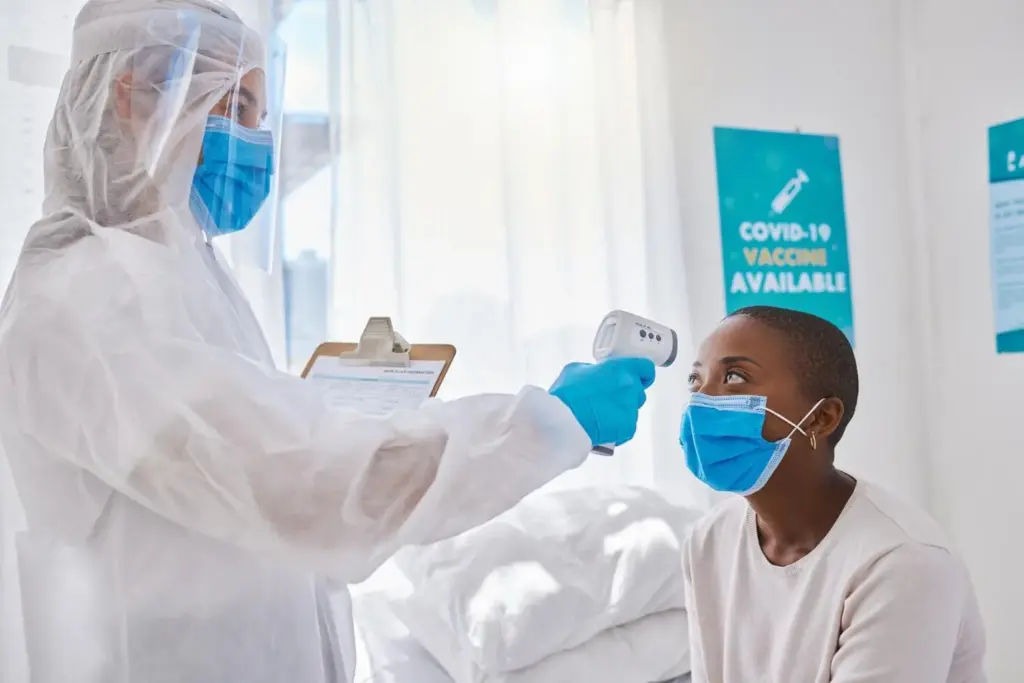
Modern treatments have changed how we help kids with blood disorders. At Liv Hospital, we use a detailed plan to manage these conditions. We follow international standards closely.
Liv Hospital’s Approach to Pediatric Blood Disorders
We focus on top-notch care for kids with blood disorders. Our team works together to give each child the best care. This ensures they get the best results.
- Personalized treatment plans tailored to each child’s specific needs
- Advanced diagnostic techniques for accurate diagnosis
- Collaboration with international experts to stay updated on the latest treatment protocols
International Treatment Standards and Protocols
International standards are key in treating kids with blood disorders. These standards are based on the latest research. They help ensure kids get the best care possible.
Key elements of international treatment standards include:
- Evidence-based treatment protocols
- Regular updates to reflect the latest medical advancements
- Multidisciplinary care approaches
Measuring Clinical Success in Bleeding Disorder Management
Success in treating bleeding disorders is measured in many ways. At Liv Hospital, we aim for the highest success rates. We track how well treatments work, how well kids do, and how happy they are.
Our approach to measuring clinical success includes:
- Regular follow-up appointments to monitor treatment response
- Patient and family feedback to improve our services
- Participation in international registries to benchmark our outcomes
By following modern treatments and international standards, we offer top-quality care. This care greatly improves the lives of kids with blood disorders.
Conclusion: Living with Blood Disorders That Cause Bruising

Children with blood disorders like Immune Thrombocytopenic Purpura (ITP), von Willebrand disease, and hemophilia need a lot of care. It’s tough for families, but with the right help, kids can live better lives.
Bruising is a big problem for these kids. Knowing why it happens helps parents and caregivers deal with it better. This knowledge helps them manage the condition better.
Managing these conditions takes a team effort. It includes medical care, making lifestyle changes, and emotional support. We stress the need for awareness and good management to help kids live happy, active lives.
With the right care and support, we can really help kids with blood disorders that cause bruising.
FAQ
What is Immune Thrombocytopenic Purpura (ITP)?
ITP is an autoimmune disorder. It happens when the immune system attacks and destroys platelets. This leads to a low platelet count.
What are the common signs of bleeding disorders in children?
Signs include frequent or large bruises, petechiae, and bleeding in the mouth or nose.
How is ITP diagnosed?
Doctors use a detailed medical history, physical exam, and lab tests. These include complete blood counts and tests for platelet antibodies.
What is the treatment for ITP in children?
Treatment varies based on symptoms and platelet count. It can range from watching and waiting to using corticosteroids and IVIG.
What is von Willebrand disease?
It’s a genetic disorder. It affects von Willebrand factor, a key protein for blood clotting.
How is hemophilia managed?
Management involves factor replacement therapy. This can be on-demand or regular. It also includes a team approach to care.
What are the symptoms of ITP in children?
Symptoms include petechiae, purpura, and mucosal bleeding. Some children have acute or chronic ITP.
Can ITP be cured?
Some ITP cases get better on their own. But others need ongoing care. It can be chronic for some children.
What is the significance of bruises larger than 1 cm in children?
Large bruises can signal bleeding disorders like hemophilia or von Willebrand disease.
How does Liv Hospital approach the management of pediatric blood disorders?
Liv Hospital uses a detailed approach. They follow international standards and have a team for personalized care.
References
American Academy of Pediatrics (AAP) Grand Rounds: https://publications.aap.org/aapgrandrounds/article/39/3/29/91027/Bruising-Patterns-in-Young-Children-With-Bleeding.



 Departments
 Related Videos
 Our Doctors
 News
News