
Do you feel pain in your neck and jaw when you chew or clench? You’re not alone. Millions of people worldwide deal with stiff neck and jaw pain. They often don’t know it’s because of related muscles. Effective stretches and professional treatments to relieve chronic Tightness in neck and jaw muscles (often TMJ-related).
At Liv Hospital, we focus on treating the real causes of neck pain jaw pain. We use advanced tests and tailor treatments for each patient. It’s important to see how jaw problems can lead to neck pain, as studies show a 70% link.
Key Takeaways
- Understanding the interconnectedness of neck and jaw discomfort is key for relief.
- Jaw dysfunction and neck disability are closely linked.
- Advanced tests can find the true causes of neck and jaw pain.
- Custom treatments are vital for full care.
- Liv Hospital provides focused care for neck and jaw tightness.
The Relationship Between Neck and Jaw Discomfort
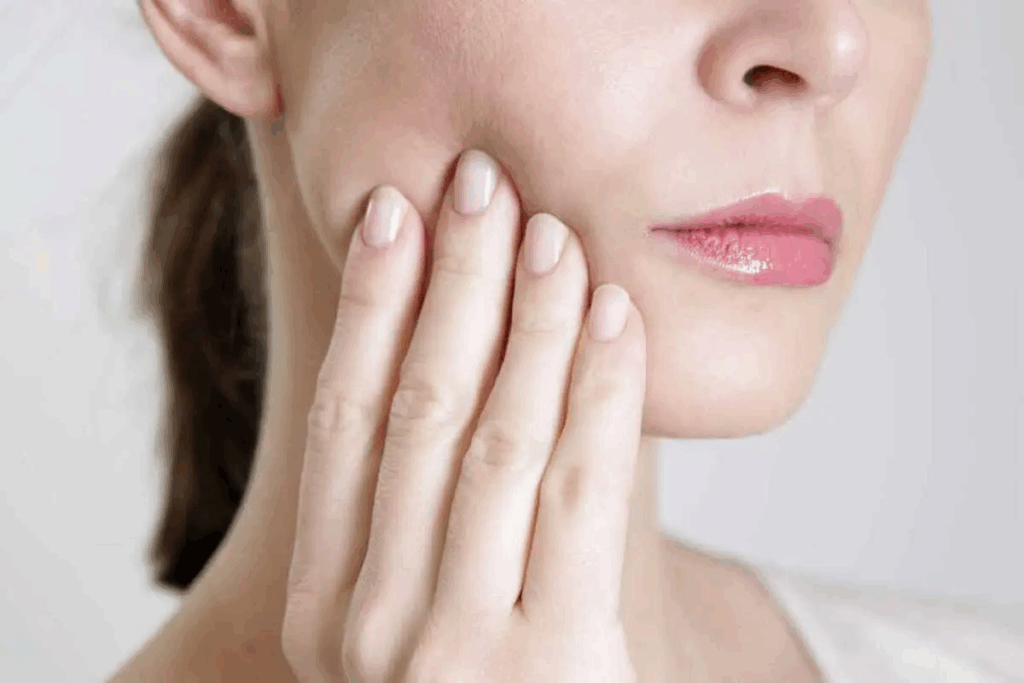
It’s important to understand how neck and jaw pain are connected. Many people feel pain in both areas. But, it’s not always clear how they are linked.
Anatomical Connections Explained
The neck and jaw are connected through muscles, nerves, and joints. The temporomandibular joint (TMJ) links the jawbone to the skull. It’s near the cervical spine, making it a possible source of pain between the neck and jaw.
The muscles used for chewing, like the masseter and temporalis, tie into neck muscles. This includes the sternocleidomastoid and suboccipital muscles. This connection can cause tension in one area to affect the other.
The 70% Correlation Between TMJ and Neck Pain
Research shows a strong link between TMJ disorders and neck pain. About 70% of people with TMJ disorders also have neck pain. This shows how closely the jaw and neck are connected.
When the TMJ is affected, it can cause neck muscle tension. This leads to pain under the jaw or neck pain under the left jaw. Neck strain can also cause jaw pain, creating a cycle of pain and tension.
Why 10 Million Americans Suffer from This Condition
TMJ disorders affect about 10 million Americans, with many experiencing neck pain too. Factors like stress, poor posture, and bruxism (teeth grinding and jaw clenching) contribute to this.
When people feel neck hurts when chewing, it shows a complex issue between the jaw and neck. Treating both areas is key to managing this condition effectively.
Primary Causes of Tightness in Neck and Jaw
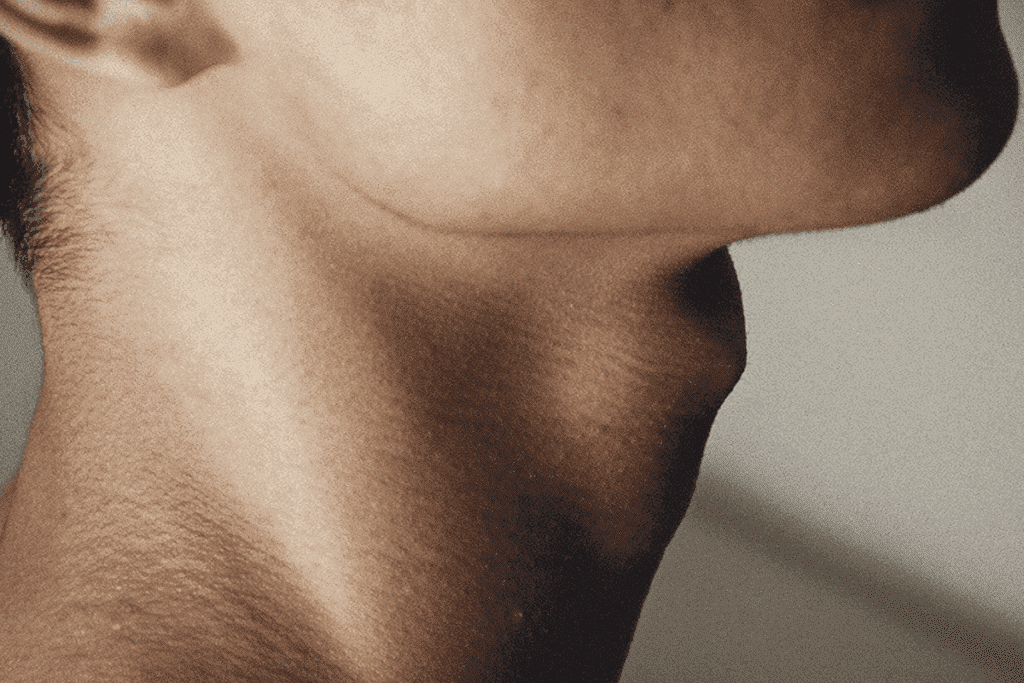
Several key factors contribute to the development of tightness in the neck and jaw region. Understanding these causes is essential for effective management and relief.
Stress and Anxiety-Induced Muscle Tension
Stress and anxiety are significant contributors to muscle tension in the neck and jaw. When we experience stress, our body’s “fight or flight” response is triggered, leading to involuntary muscle contractions. This tension can manifest as tightness or pain in the neck and jaw area.
Stress management techniques, such as meditation and deep breathing, can help alleviate this tension. By reducing overall stress levels, individuals can decrease the frequency and severity of neck and jaw tightness.
Poor Posture During Computer Use
Poor posture, during prolonged computer use, can lead to strain on the neck and jaw. Maintaining an improper posture can cause the muscles in these areas to become overworked, resulting in tightness and discomfort.
To mitigate this, it’s essential to maintain ergonomic posture while working on computers. This includes keeping the monitor at eye level, shoulders relaxed, and taking regular breaks to stretch.
Bruxism: Teeth Grinding and Jaw Clenching
Bruxism, characterized by teeth grinding and jaw clenching, is another common cause of tightness in the neck and jaw. This condition can occur during the day or night, often as a result of stress or misaligned teeth.
Addressing bruxism involves a combination of dental interventions and stress management. Custom-made mouthguards can help prevent teeth grinding during sleep, while relaxation techniques can reduce jaw clenching during the day.
Temporomandibular Joint Disorders
Temporomandibular joint (TMJ) disorders can also contribute to neck and jaw tightness. The TMJ connects the jawbone to the skull, and dysfunction in this joint can cause pain and stiffness in the surrounding areas.
Treatment for TMJ disorders may include physical therapy, pain management, and in some cases, dental work to realign the bite.
Cause | Symptoms | Treatment Options |
Stress and Anxiety | Neck and jaw tightness, headaches | Stress management, relaxation techniques |
Poor Posture | Neck strain, jaw discomfort | Ergonomic adjustments, regular stretching |
Bruxism | Jaw pain, teeth wear | Mouthguards, dental interventions |
TMJ Disorders | Jaw pain, clicking sounds | Physical therapy, pain management |
Identifying Symptoms of Neck and Jaw Tension
It’s important to know the signs of neck and jaw tension. This discomfort can affect our daily activities, like eating and focusing.
Neck and jaw tension shows itself in different ways. We’ll look at these signs to help you understand and fix the problem.
When Your Neck Hurts When Chewing
Neck pain while chewing might mean your muscles are tight. This could be a sign that your neck and jaw muscles are strained. Noticing this symptom can help find the root cause.
Stiff Neck and Jaw Pain Patterns
Stiff neck and jaw pain can show up in different ways. Some people might feel pain on one side, like pain in the right jaw and neck. Others might feel it all over. Knowing these patterns can help figure out what’s causing it.
Region-Specific Symptoms
Some symptoms are specific to certain areas. For example, stiff neck and jaw pain might only be in the TMJ or neck muscles. Spotting these symptoms is key to treating them right.
Being aware of these symptoms and their patterns is the first step to easing neck and jaw tension.
Quick Relief Methods for Neck and Jaw Muscle Pain
Neck and jaw muscle pain can really disrupt your day. But, there are quick ways to feel better. Finding fast relief is key to improving your life.
5-Minute Jaw Relaxation Techniques
Simple jaw exercises can help a lot. Try placing your tongue behind your upper teeth and then slide it back. This relaxes your jaw muscles in just a few minutes.
- Open your mouth as wide as you can, then close it.
- Move your jaw from side to side.
- Repeat these motions several times.
Effective Self-Massage for Sore Jaw and Neck
Self-massage is great for easing jaw and neck tension. Use your fingertips to massage in a circular motion.
Key areas to focus on include:
- The jaw joint, just in front of the ears.
- The muscles along the neck and shoulder.
- The base of the skull.
Heat and Cold Therapy Applications
Heat and cold can both help with neck and jaw pain. Heat, like a warm bath, relaxes muscles. Cold, like an ice pack, reduces swelling.
- Apply heat for 15-20 minutes to relax the muscles.
- Use cold therapy for 10-15 minutes to reduce inflammation.
- Alternate between heat and cold for optimal relief.
Appropriate Over-the-Counter Pain Relief
OTC pain meds can offer quick relief for neck and jaw pain. Always follow the dosage and talk to a doctor if needed.
Common OTC options include:
- Ibuprofen.
- Acetaminophen.
- Topical creams or gels containing capsaicin or menthol.
Step-by-Step Stretching Routine for Stiff Jaw and Neck
A good stretching routine can help ease jaw and neck pain. Adding gentle exercises to your day can boost mobility and cut down stiffness.
Gentle Neck Mobility Exercises
Doing gentle neck exercises is key to easing tension and boosting flexibility. Start by slowly tilting your head to the right, bringing your ear towards your shoulder. Hold for 30 seconds and then repeat on the left side.
- Chin Tucks: Stand or sit with good posture and tuck your chin towards your chest. Hold for 15 seconds and release. Repeat 10 times.
- Side-to-Side Neck Rotation: Slowly turn your head to the right, keeping your chin level, and hold for 15 seconds. Repeat on the left side.
- Upward Neck Stretch: Gently tilt your head back, looking towards the ceiling, and hold for 15 seconds.
Targeted Jaw Relaxation Exercises
Exercises for the jaw can help ease tension and promote relaxation. Start by opening your mouth as wide as you can, then close it. Do this 10 times.
- Jaw Release: Place your fingers on your jaw and gently massage in a circular motion. Open your mouth slightly and release.
- Tongue Lift: Place the tip of your tongue behind your upper teeth and lift your tongue towards the roof of your mouth. Hold for 5 seconds and release.
Full Routine Timing and Frequency
Doing these exercises regularly is key to getting the best results. Spend 10-15 minutes each day on this stretching routine.
Exercise | Duration | Frequency |
Neck Mobility Exercises | 5 minutes | Twice a day |
Jaw Relaxation Exercises | 5 minutes | Twice a day |
Full Routine | 10-15 minutes | Daily |
Stick to this routine to feel a big difference in your jaw and neck. Being consistent is the secret to lasting benefits.
Lifestyle Changes to Prevent Jaw Clenching and Neck Pain
By making certain lifestyle changes, you can lower jaw clenching and neck pain. These changes target the main causes of discomfort. They help prevent these issues in the long run.
Evidence-Based Stress Management Practices
Stress often leads to jaw clenching and neck pain. Using evidence-based stress management practices can help. Meditation, yoga, and deep breathing exercises are effective in reducing stress and muscle tension.
Regular exercise is also good. It releases endorphins, which are natural pain relievers. Also, getting enough sleep and relaxing before bed can improve your sleep quality. This reduces stress further.
Optimizing Sleep Position and Habits
Your sleep position and habits are key in preventing jaw clenching and neck pain. Sleeping on your side or back with a supportive pillow is best. It keeps your spine aligned and reduces neck and jaw strain.
Avoid sleeping on your stomach as it twists your neck. Also, having a relaxing bedtime routine and a sleep-friendly environment can improve your sleep. This reduces jaw clenching and neck pain.
Ergonomic Workstation Adjustments
Making ergonomic workstation adjustments is essential for preventing neck pain and jaw clenching. Make sure your computer monitor is at eye level, your chair is the right height, and your keyboard doesn’t strain your wrists and neck. This can greatly reduce discomfort.
Using an ergonomic chair with good lumbar support and taking breaks to stretch can also help. It keeps your posture healthy and reduces muscle tension.
Dietary Modifications to Reduce Inflammation
Dietary modifications can help reduce inflammation that causes jaw clenching and neck pain. Eating anti-inflammatory foods like omega-3 rich fish, turmeric, and ginger can help. These foods reduce muscle tension.
Stay away from caffeine and sugary foods as they can make inflammation worse. Also, drinking plenty of water keeps your muscles and joints healthy.
Professional Treatment Options for Aching Jaw and Neck
Dealing with a sore jaw and neck often needs more than just home remedies. It’s time to see a healthcare expert. They can find out what’s causing the pain and suggest the right treatment.
When to Consult a Healthcare Provider
If you’re feeling a lot of pain, can’t move easily, or it’s getting in the way of your daily life, it’s time to get help. Seeing a doctor early can stop serious problems and help you feel better faster.
- Persistent pain that lasts more than a few weeks
- Severe pain that interferes with daily activities
- Difficulty chewing or swallowing
- Locking or clicking of the jaw
Types of Specialists for Neck and Jaw Issues
There are many specialists who can help with jaw and neck pain. Depending on what’s wrong, you might see:
Specialist | Role |
Dentist | Diagnoses and treats TMJ disorders, provides mouth guards |
Orthodontist | Corrects bite issues that may contribute to jaw pain |
Physical Therapist | Provides exercises to improve neck and jaw mobility |
Chiropractor | Offers spinal manipulation and adjustments |
Common Diagnostic Procedures
Healthcare providers use different tests to figure out why you’re in pain. These include:
- Physical examination to assess mobility and pain
- Imaging tests such as X-rays, CT scans, or MRI to visualize the TMJ and surrounding structures
- Dental examination to check for bite issues or TMJ disorders
Knowing what’s causing your pain helps you and your doctor create a good treatment plan. This plan can help you feel better and live a better life.
Long-Term Management of Chronic Tightness in Neck and Jaw
Managing chronic tightness in the neck and jaw needs a mix of physical and mental approaches. A good plan includes various therapies, lifestyle changes, and self-care. These should match the person’s specific needs.
Comprehensive Physical Therapy Approaches
Physical therapy is key in handling chronic tightness in the neck and jaw. Physical therapists create special exercise plans. These plans help improve movement, strengthen muscles, and lessen pain.
They might use massage, joint mobilization, and teach about good posture. Physical therapy also includes heat, cold, electrical stimulation, and ultrasound. These methods help manage pain and swelling.
Dental Interventions and Mouth Guards
Dental care is vital for jaw tightness, often due to TMJ disorders or bruxism. Custom mouth guards can stop teeth grinding and clenching. This helps reduce jaw tension and pain.
Dentists might suggest orthodontic treatment or dental procedures. These can fix misaligned teeth or bite problems. Fixing these dental issues can help relieve jaw tightness and pain.
Mind-Body Practices for Sustained Relief
Mind-body practices like meditation, yoga, and deep breathing are great for managing neck and jaw tightness. They help lower stress and promote relaxation. This can reduce muscle tension and pain.
Doing these practices regularly can bring lasting relief and better well-being. Adding them to daily life can help manage symptoms and improve quality of life.
Addressing Underlying Psychological Factors
It’s important to tackle the mental side of chronic tightness in the neck and jaw. Stress, anxiety, and other mental factors can cause muscle tension and pain. Cognitive-behavioral therapy (CBT) and counseling can help manage these issues.
By dealing with the mental side, people can find better ways to cope. This can lead to better symptom management and a better life overall.
Conclusion
Understanding the link between neck and jaw discomfort helps us manage tightness better. This article has covered the main causes, symptoms, and relief methods for neck and jaw tension.
To ease neck and jaw tightness, we need a full plan. This includes quick fixes, lifestyle changes, and professional help. We talked about the role of stress, ergonomic workspaces, and diet in stopping jaw clenching and neck pain.
In short, tackling neck and jaw tightness needs a detailed approach. By using the tips from this article, people can find relief from neck and jaw pain. This improves their life quality a lot.
FAQ
What causes tightness in the neck and jaw?
Tightness in the neck and jaw can come from many sources. Stress and anxiety, poor posture, and bruxism are common causes. These can lead to muscle tension, causing pain and discomfort.
Why does my neck hurt when I chew?
Neck pain when chewing often points to TMJ disorders. These affect the joint that connects the jaw to the skull. TMJ disorders can cause pain in the jaw, neck, and surrounding areas, making chewing uncomfortable.
How are TMJ disorders related to neck pain?
TMJ disorders are closely linked to neck pain. This is because the jaw and neck are connected anatomically. Tension in the jaw can spread to the neck, causing pain and discomfort.
What are some quick relief methods for neck and jaw muscle pain?
Quick relief includes simple jaw relaxation techniques and self-massage. Heat and cold therapy, along with over-the-counter pain relief, can also help. These methods can ease muscle tension and reduce pain.
How can I prevent jaw clenching and neck pain?
To prevent jaw clenching and neck pain, make lifestyle changes. Practice stress management, improve sleep habits, and adjust your workspace. Also, eat foods that reduce inflammation.
When should I consult a healthcare provider for aching jaw and neck?
See a healthcare provider if jaw and neck pain persists or gets worse. Dentists, orthodontists, or physical therapists can diagnose and treat the cause of your pain.
What are some long-term management strategies for chronic tightness in the neck and jaw?
For chronic pain, try physical therapy, dental interventions like mouth guards, and mind-body practices. Also, address psychological factors. These strategies can manage chronic pain and prevent future episodes.
Can stiff neck and jaw pain be related to bruxism?
Yes, bruxism, or teeth grinding and jaw clenching, can cause stiff neck and jaw pain. This condition leads to muscle tension and pain. Treating bruxism can help alleviate these symptoms.
Are there any specific exercises that can help relieve stiff jaw and neck?
Gentle neck mobility exercises and jaw relaxation exercises can help. Doing these exercises regularly can improve flexibility and reduce muscle tension.
References
National Center for Biotechnology Information. Neck and Jaw Tightness: Causes and Relief. Retrieved from https://www.ncbi.nlm.nih.gov/pmc/articles/PMC11434439/