

We know how important hip replacement materials are. They must be strong and work well with our bodies. Titanium hip implants have changed orthopedic surgery a lot. They help patients move better and live better lives.
At Liv Hospital, we use the newest hip prosthesis components. This is because titanium is very good for hip surgery. It’s strong and safe for our bodies. Our team makes sure each patient gets care that fits their needs.
Key Takeaways
- Understanding the benefits of titanium in hip replacement surgery.
- The significance of biocompatibility in hip prosthesis components.
- How titanium hip implants improve patient outcomes.
- The role of Liv Hospital in providing advanced hip replacement solutions.
- What to expect from titanium artificial hip replacement.
The Revolutionary Impact of Titanium in Hip Replacement Surgery
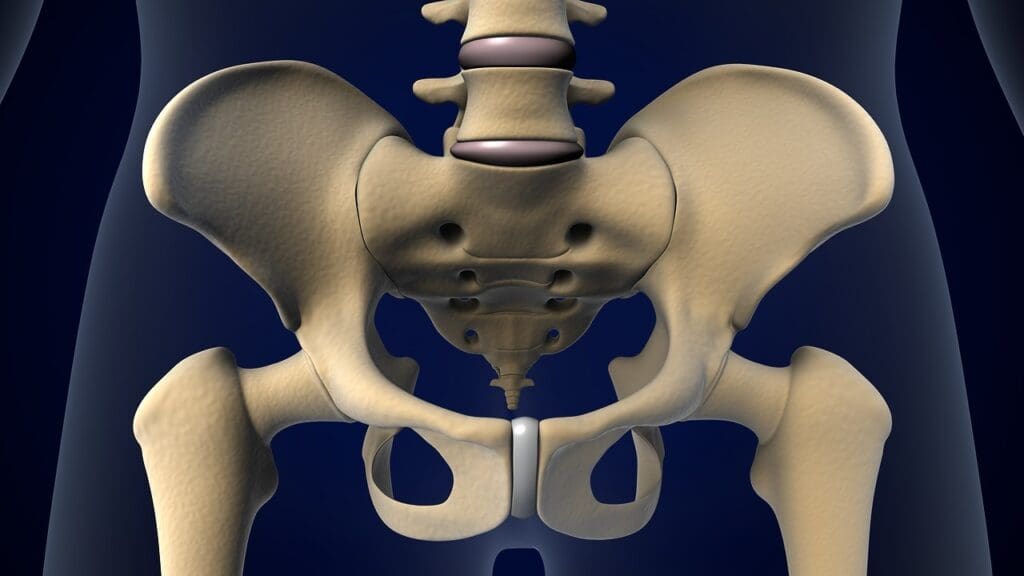
Titanium has changed hip replacement surgery for the better. It has improved care for patients all over the world. The use of titanium titanium hip replacement implants has been a big step forward in orthopedic surgery.
Titanium is perfect for hip implants because of its strength, resistance to corrosion, and how well it works with the body. It’s a top choice for surgeons. Titanium has made a big difference in artificial hip technology.
Key Innovations in Artificial Hip Technology
New advancements in artificial hips have focused on making them last longer and work better. One big change is the creation of customized titanium hip implants that fit each patient’s body. This has led to better results for patients.
Another important improvement is in how titanium implants are treated. Methods like porous coating and 3D printing help them bond better with bone. This makes stem titanium implants more successful over time.
Statistical Overview of Hip Replacement Procedures
Titanium is used more and more in hip surgery, with many procedures done every year. Studies show titanium implants work well and can last up to 20 years or more. This is good news for patients.
| Year | Number of Hip Replacements | Percentage Using Titanium |
|---|---|---|
| 2018 | 120,000 | 75% |
| 2020 | 137,000 | 85% |
| 2022 | 150,000 | 90% |
In Canada, titanium is used in over 137,000 hip replacements every year. These implants can last more than 20 years. This shows how much titanium is relied on in hip surgery and its long-term benefits.
As we keep learning about titanium hip implants, it’s clear they’ve changed orthopedic surgery a lot. The future of hip replacements looks bright, with ongoing research to make titanium implants even better.
What Makes Titanium Artificial Hip Systems Superior
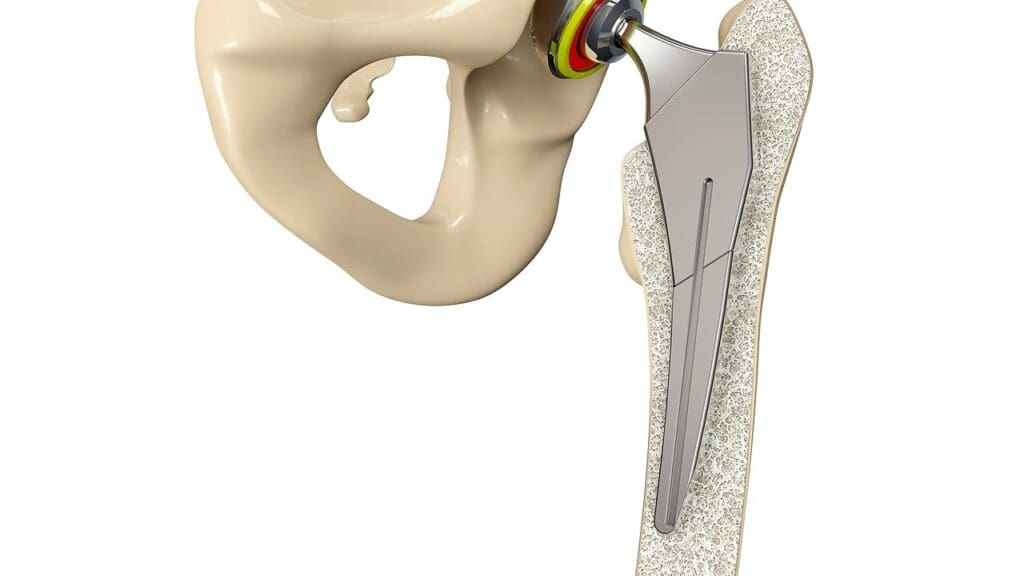
Titanium artificial hip systems stand out because of their special mix of qualities. They are perfect for hip replacement surgery. Their success comes from several important factors.
Biocompatibility and Corrosion Resistance Properties
Titanium hip systems are known for being excellent biocompatibility. This means they rarely cause bad reactions in the body. Research shows they also resist corrosion well, even in the body’s fluids.
The biocompatibility of titanium is key. It lowers the chance of toxicity and helps the implant bond well with the bone. Titanium’s corrosion resistance comes from a protective oxide layer on its surface.
Strength-to-Weight Ratio Advantages
Titanium hip systems also have a great strength-to-weight ratio. They are as strong as stainless steel but much lighter. This makes implants that are both strong and light.
This strength-to-weight ratio is a big plus for hip surgery. It lets implants handle daily stresses without putting too much weight on the skeleton.
With biocompatibility, corrosion resistance, and a good strength-to-weight ratio, titanium hip systems are a top choice for hip surgery.
Essential Components of Modern Hip Replacement Systems
Modern hip replacement systems have several key parts. Each part is important for the implant’s success. They help patients move better and feel less pain after surgery.
The Titanium Femoral Stem
The femoral stem is a key part of hip replacements. It gives the femur stability. Titanium alloys are used because they are strong, don’t corrode, and are safe for the body.
The design of the femoral stem can change. Some have a special coating to help the bone grow into it, making it more stable.
Acetabular Cup Design and Materials
The acetabular cup replaces the natural hip socket. Acetabular cup design has improved a lot. It now uses different materials and ways to attach it.
Titanium is often used for the back of the cup. The surface can be made from polyethylene, ceramic, or metal. The choice depends on the patient and how long the implant should last.
Bearing Surfaces and Modular Components
Bearing surfaces are key for smooth movement in hip replacements. They help reduce wear and tear. Modular parts allow for custom fitting during surgery.
This customization makes it easier for future surgeries if needed. Modular components are a big help in this area.
| Component | Material | Function |
|---|---|---|
| Femoral Stem | Titanium Alloy | Provides stability and support within the femur |
| Acetabular Cup | Titanium (backing), Various (bearing surface) | Replaces the natural hip socket |
| Bearing Surface | Highly Cross-linked Polyethylene, Ceramic, or Metal | Reduces wear and tear on the implant |
Knowing about the parts of hip replacement systems is important. It shows how advanced and helpful these implants are. As technology gets better, we’ll see even more improvements in hip replacement parts.
Comparing Titanium to Other Hip Replacement Materials
Many materials are used in hip replacement surgery. Each has its own benefits and drawbacks. The material choice greatly affects the implant’s success and how long it lasts.
We’ll look at how titanium compares to other common materials like cobalt-chromium alloys and stainless steel implants. We’ll also talk about the role of ceramic and polyethylene components in titanium systems.
Titanium vs. Cobalt-Chromium Alloys
Cobalt-chromium alloys are strong and wear-resistant, making them popular for hip implants. But, they can be stiffer than titanium. This might cause stress shielding and bone loss.
- Advantages of Titanium: It’s more biocompatible, has a lower modulus of elasticity, and integrates better with bone.
- Disadvantages of Cobalt-Chromium Alloys: They can release more metal ions, which might harm nearby tissues.
Titanium vs. Stainless Steel Implants
Stainless steel implants have been used for years because they’re strong and resistant to corrosion. But, they’re stiffer than titanium. This can lead to bone loss over time.
Key differences: Titanium is softer than stainless steel. This reduces stress shielding and helps bones heal better.
Ceramic and Polyethylene Components in Titanium Systems
Ceramic and polyethylene components are often paired with titanium in hip replacements. Ceramic bearings are very wear-resistant and biocompatible. Polyethylene liners are durable and absorb shock well.
- Ceramic-on-ceramic bearings reduce wear and lower the risk of tissue reactions.
- Polyethylene liners with titanium stems create a hybrid system. This balances durability with flexibility.
In 2022, about 40% of primary hip replacements used hybrid implants. These often had a titanium stem. This shows titanium’s versatility and effectiveness with other materials.
The Engineering Behind Titanium for Hip Replacement
The engineering of titanium for hip replacements is precise. It meets each patient’s unique needs. This requires understanding titanium’s material properties and the hip’s biomechanics.
Metallurgical Considerations in Implant Design
Titanium alloys for hip replacements are chosen for their biocompatibility and mechanical properties. Ti-6Al-4V is a top choice. It balances strength, durability, and resistance to corrosion well.
Designing titanium hip implants involves careful metallurgy. Grain structure, alloy composition, and processing are key. They improve the implant’s performance and lifespan.
| Property | Ti-6Al-4V Alloy | Importance in Hip Replacement |
|---|---|---|
| Corrosion Resistance | High | Prevents adverse reactions and ensures long-term durability |
| Strength-to-Weight Ratio | Excellent | Allows for the creation of implants that are both strong and lightweight |
| Biocompatibility | High | Reduces the risk of adverse reactions and promotes osseointegration |
Surface Treatments for Optimal Bone Integration
Surface treatments are key for titanium implants to bond with bone. Methods like plasma spraying, acid etching, and coating with bioactive materials change the implant’s surface. This helps it integrate better with bone.
These changes help in osseointegration. This is when bone and implant become one. It’s vital for the implant’s long-term success.
Advanced metallurgy and surface treatments lead to better titanium hip replacements. They offer improved performance, longer life, and better patient results.
Hybrid Hip Replacement Systems: The Role of Titanium
Hybrid hip replacement systems are becoming more common in orthopedic surgery. Titanium is key in these systems. It combines different materials and techniques for better performance and longer life of hip replacements. Titanium is chosen for its special properties.
In 2022, about 40 percent of hip replacements used hybrid implants. These often included a titanium stem. This rise is due to the need for more durable and safer options. We’ll look at why titanium is important in these systems.
Understanding the 40% Hybrid Implant Trend
Hybrid hip systems are popular because they offer a personalized approach. They mix materials like titanium and polyethylene for better durability. The titanium stem is a big plus, as it’s strong and safe for the body.
Several reasons explain why hybrid systems are gaining ground:
- Improved implant survival rates
- Flexibility in handling complex hip shapes
- Customized care for better patient results
- Lower risk of problems seen with older methods
Customized Solutions for Patient-Specific Needs
Hybrid systems are great because they can be made just for each patient. Advanced imaging and modeling help surgeons create implants that fit perfectly. This leads to better fit, less wear, and better results.
Orthopedic surgery is moving towards personalized care, with hybrid systems leading the way. Titanium is essential in these custom solutions. It gives the needed strength, durability, and safety for lasting success.
Longevity and Durability of Titanium Hip Implants
Titanium hip implants last a long time, often over 20 years. This is due to the material’s strong properties and the latest in implant design.
Factors Contributing to 20+ Year Lifespan
Titanium hip implants are made to handle daily activities well. They are strong and don’t corrode easily. The biocompatibility of titanium also helps the implant fit well with the bone, lowering the chance of bad reactions.
Several things help titanium hip implants last a long time:
- High-quality materials and making processes
- Designs that help the bone grow into the implant
- Good surgery and how the implant is put in
- Good care and rehab after surgery
| Factor | Description | Impact on Longevity |
|---|---|---|
| Material Quality | High-grade titanium alloys | Enhanced durability and resistance to corrosion |
| Design Features | Porous coating for bone ingrowth | Improved implant stability and integration |
| Surgical Technique | Precise implantation and alignment | Reduced risk of implant failure and complications |
Maintenance and Care for Maximum Implant Life
To keep a titanium hip implant working well, patients need to take care of it. They should see their orthopedic surgeon regularly to check on the implant.
Post-operative rehabilitation is key to the implant’s long life. Patients should do exercises to strengthen muscles and improve joint movement.
Knowing what makes titanium hip implants last long and following care tips can help patients live a long, active life with their implant.
Patient Demographics and Suitability for Titanium Hips
Titanium in hip replacements opens doors for many patients. It’s great for people of all ages and activity levels. We need to look at what makes titanium hips work well for different patients.
Age Considerations: From Young Adults to Seniors
Titanium hip prostheses work for both young and old. Young adults get the benefit of titanium’s strength and long life. For seniors, titanium hips are safe and durable.
Age is just one thing we look at. We also check the patient’s health, bone strength, and how well they can recover. Titanium hips are great for anyone needing strong and mobile hips, no matter their age.
Activity Level Assessment and Recommendations
It’s important to know how active a patient is. High activity levels mean the implant needs to be strong. Titanium hips are made to handle this stress well.
Even for those who are less active, titanium hips are a good choice. They might last even longer. We make sure to match the patient’s lifestyle and goals for the best results.
Healthcare experts use age and activity level to suggest titanium hip replacements. This personalized advice helps patients get the right implant. It improves their life and mobility.
Global Market Trends in Titanium Hip Replacement Technology
As more people live longer and stay active, the need for titanium hip replacements grows. This is because more people have hip problems and need lasting solutions.
The market for titanium hip replacements is changing fast. Older people in developed countries are more likely to have hip issues. Also, more people are overweight, leading to more hip problems at all ages.
Current Demand Statistics and Regional Variations
Demand for titanium hip replacements varies by region. Here’s what recent data shows:
- The North American market is leading, thanks to good healthcare and informed patients.
- Europe is close behind, with a focus on new technology and a growing elderly population.
- The Asia-Pacific region is growing fast, thanks to better healthcare and more awareness of hip replacement.
Regional differences are shaped by healthcare policies, economy, and culture. For example, countries with more elderly people need more hip replacements.
Future Projections and Technological Advancements
The market for titanium hip replacements is set to keep growing. Several factors will push it forward:
- Technological Innovations: New implant designs, materials, and surgery methods will improve care and reach more patients.
- Increasing Prevalence of Hip Disorders: As the world’s population ages, more people will get hip problems.
- Growing Awareness: Better education and awareness will make more people choose hip replacement.
We expect future titanium hip replacement technology to focus on making implants last longer and work better with bone. It will also aim to offer more tailored solutions for patients. These improvements will be key to meeting the changing needs of patients and healthcare providers globally.
Conclusion: The Evolving Future of Titanium in Orthopedic Medicine
We’ve seen how titanium is key in hip replacement surgery. It’s strong, durable, and safe for the body. The use of titanium in orthopedic medicine is always getting better thanks to new tech and science.
Looking ahead, titanium will keep being important for artificial hips. New research and ideas will make titanium implants even better. This will help patients live better lives after surgery.
The future of titanium in orthopedic medicine looks bright. We might see new surface treatments, modular parts, and implants made just for each patient. These advancements will help make hip replacement surgery even more effective.
What are the benefits of using titanium for hip replacement?
Titanium is great for hip implants because it’s safe for the body, strong, and doesn’t corrode. These qualities make it perfect for hip replacements.
How long do titanium hip implants typically last?
Titanium hip implants are very durable. They can last 20 years or more if you take good care of them.
What are the components of a modern hip replacement system?
A modern hip replacement has a femoral stem, acetabular cup, and bearing surfaces. Titanium is often used in these parts.
How does titanium compare to other materials used for hip replacement?
Titanium is strong, doesn’t corrode, and is safe for the body. It’s a top choice for hip implants, but other materials like cobalt-chromium and stainless steel are also used.
What is the role of titanium in hybrid hip replacement systems?
Titanium is key in hybrid hip systems, mainly in the femoral stem. It’s strong and safe, and can work with other materials like ceramic or polyethylene.
Are titanium hip implants suitable for all patients?
Titanium implants are good for many patients. But, the choice depends on your age, how active you are, and your health.
What are the advantages of using titanium femoral stems in hip replacement?
Titanium femoral stems are strong, don’t corrode, and are safe for the body. They’re a favorite for hip replacements.
How do surface treatments on titanium implants enhance bone integration?
Surface treatments on titanium implants help bones grow onto them. This is thanks to treatments like porous coating or textured surfaces.
What are the current trends in titanium hip replacement technology?
New trends include hybrid implants, custom implants for each patient, and better surface treatments and materials.
What is the significance of metallurgical considerations in titanium implant design?
Choosing the right titanium alloy and manufacturing process is key. It affects how well the implant works and lasts.
References
https://www.precedenceresearch.com/hip-replacement-implants-market
https://www.gminsights.com/industry-analysis/hip-replacement-market
https://pmc.ncbi.nlm.nih.gov/articles/PMC12112092
http://www.uwo.ca/sciresearch/articles/2020/titanium_joints.html



 Departments
 Related Videos
 Our Doctors
 News
News