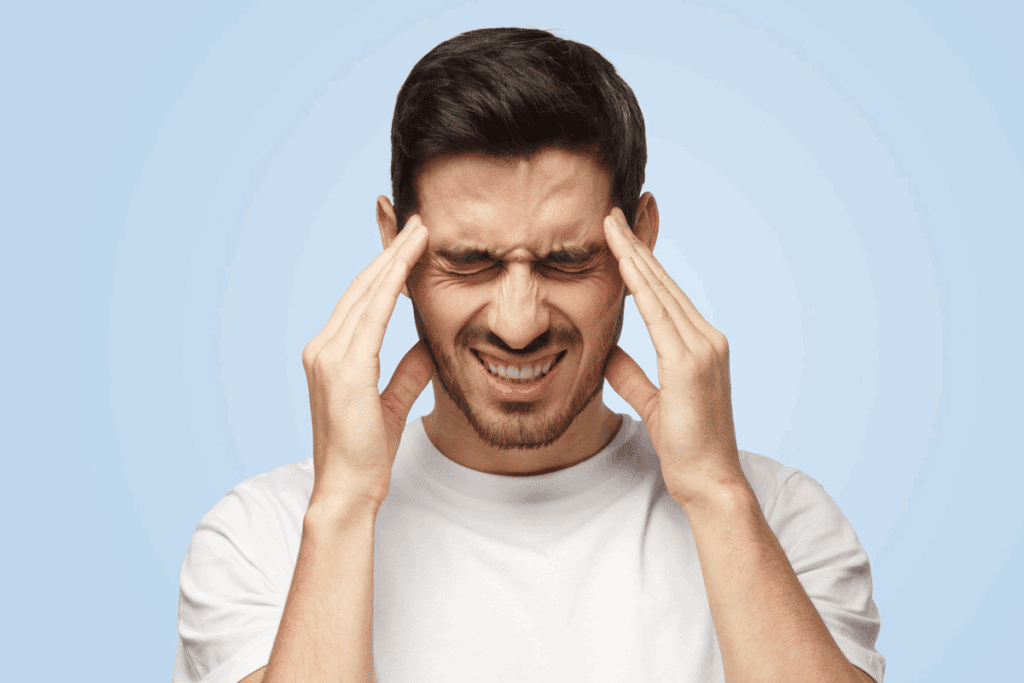
Do you get headaches when you chew or jaw pain that won’t go away? TMJ headaches are common, affecting millions globally. Yet, many don’t get diagnosed. These headaches come from problems in your jaw joints and muscles, causing ongoing pain that affects your daily life.
At Liv Hospital, we know TMJ headaches need special care. Studies show about 80% of TMJ disorder patients get headaches. This shows the importance of detailed and focused treatment.
Does TMJ cause headaches? Get the surprising answer. This guide explains the critical link, symptoms, and proven relief.
Key Takeaways
- TMJ headaches are a common condition affecting millions worldwide.
- TMJ disorders can lead to persistent headaches and jaw pain.
- Specialized diagnostic expertise is necessary for effective treatment.
- Patient-centered care is key for managing TMJ headaches.
- Liv Hospital offers complete support for international patients.
Understanding TMJ Disorders and Their Prevalence
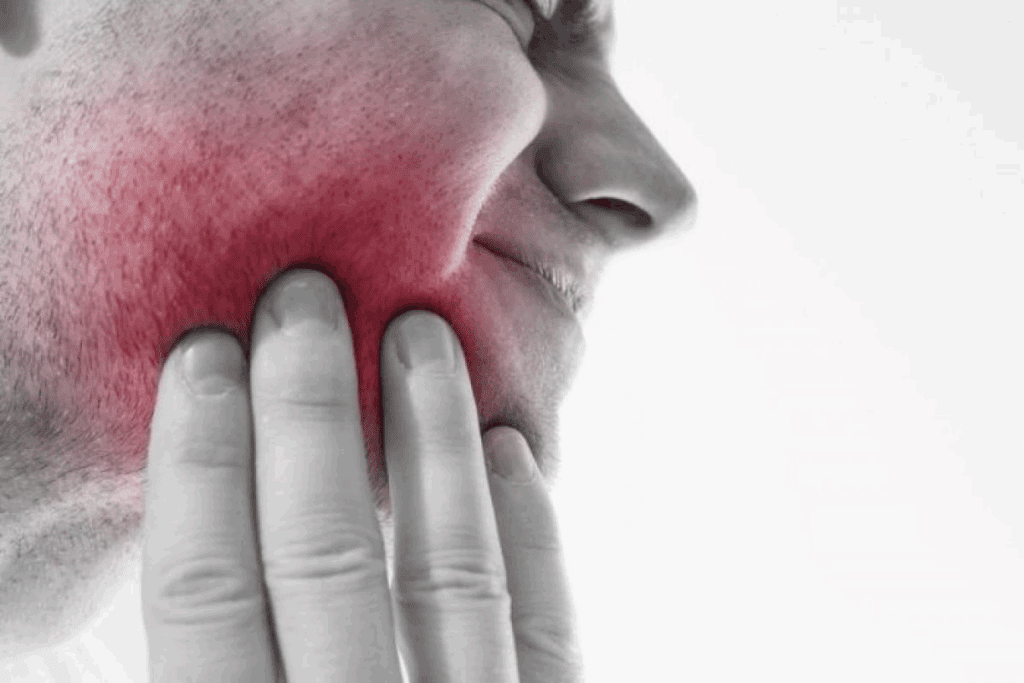
TMJ disorders are common and cause a lot of pain. They affect many people, leading to jaw pain and headaches. It’s important to know about them to find relief.
What Is the Temporomandibular Joint (TMJ)?
The TMJ connects the jawbone to the skull. It’s key for talking, chewing, and yawning. We have one on each side of the jaw.
When it works right, we can move our jaw smoothly. But disorders can cause pain, clicking, or jaw locking. This makes daily life hard.
How Common Are TMJ Disorders in the United States?
TMJ disorders are more common than you might think. About 11-12 million adults in the U.S. have TMJ pain. We need to understand them better to treat them well.
Causes vary, but include jaw misalignment, teeth grinding, stress, and jaw trauma.
The Impact of TMJ Disorders on Daily Life
TMJ disorders can make everyday activities painful. This includes eating, talking, and even chewing. The pain can be mild or severe.
It can also cause headaches, earaches, or jaw clicking. For many, TMJ disorders lower their quality of life. It’s key to treat the symptoms and causes effectively.
The Connection Between TMJ and Headaches

TMJ and headaches are linked in a complex way. TMJ pain can cause headaches, and headaches can also lead to TMJ pain. So, treating TMJ disorders is key to managing headaches.
How TMJ Cause Headaches: The Mechanism
TMJ disorders can cause headaches in several ways. When the TMJ is inflamed, it can send pain to the temples and forehead. This happens because of how TMJ disorders affect pain patterns.
Referred pain is when pain from one area feels like it’s coming from another. For TMJ headaches, jaw pain can feel like it’s in the head. The trigeminal nerve plays a big role in sending these pain signals to the brain.
The Bidirectional Relationship Between TMJ and Headaches
The link between TMJ and headaches goes both ways. TMJ disorders can lead to headaches, and headaches can make TMJ symptoms worse. This creates a cycle where TMJ pain causes headaches, and headache stress can worsen TMJ disorders.
“The complex interplay between TMJ disorders and headaches highlights the need for a treatment that tackles both at once.”
Medical Expert, TMJ Specialist
Referred Pain Patterns in TMJ Headaches
It’s important to understand how TMJ headaches spread pain. Pain from TMJ disorders can go to the temples, forehead, and even the neck and shoulders.
| Pain Location | Common Symptoms |
|---|---|
| Temples | Aching or throbbing pain |
| Forehead | Pressure or tightness |
| Neck and Shoulders | Stiffness or tenderness |
Knowing these patterns helps doctors diagnose and treat TMJ headaches better. This leads to better results for patients.
Identifying TMJ Headache Symptoms and Characteristics
Knowing the signs of TMJ headaches can help tell them apart from other headaches. TMJ headaches have unique traits that help doctors diagnose and treat them.
What Does a TMJ Headache Feel Like?
A TMJ headache might feel like a dull ache or sharp pain. It often starts in the jaw and spreads to the face and head. The pain can stay the same or change throughout the day. Common descriptors include:
- Aching or throbbing pain
- Tightness or stiffness in the jaw
- Pain when chewing or yawning
- Clicking or popping sounds when moving the jaw
These symptoms can really affect your daily life. It’s important to spot and treat them quickly.
Common TMJ Headache Areas
TMJ headaches usually hit certain spots on the head and face. The most common spots are:
- The jaw and surrounding muscles
- The temples (sides of the forehead)
- The cheeks
- Behind the eyes
These spots are more likely to hurt because of how TMJ disorders send pain signals.
How TMJ Headaches Differ from Other Types of Headaches
TMJ headaches are different from migraines or tension headaches in several ways. Key differences include:
- Association with jaw pain and dysfunction
- Pain that worsens with jaw movement or clenching
- Presence of clicking or popping sounds in the jaw
- Often accompanied by other TMJ symptoms like locking or limited jaw movement
Knowing these differences is key for the right diagnosis and treatment plan.
Why Your Head Hurts When Chewing
For some, chewing can cause a severe headache, hinting at TMJ disorder. This issue is tied to the TMJ’s role in chewing.
The Mechanical Stress of Mastication on TMJ
Chewing puts a lot of stress on the TMJ. If the TMJ is not working right, chewing can make the pain worse.
The TMJ is more than a simple hinge. It allows for many movements. When it’s okay, we can chew, speak, and yawn without pain. But with a disorder, it can get inflamed, making chewing hurt.
Muscle Tension and Inflammation During Chewing
Muscle tension also causes headaches when chewing. The muscles for chewing are connected to the face and head. So, tension here can spread pain.
Inflammation while chewing adds to TMJ headaches. When the TMJ is swollen, the nearby tissues get irritated. This leads to pain in the jaw and head.
When Eating Becomes Painful: Impact on Nutrition
Painful chewing can hurt your diet. You might skip some foods or eat less. This can lead to not getting enough nutrients.
| Nutritional Impact | Potential Deficiencies | Mitigation Strategies |
|---|---|---|
| Reduced food intake | Calories, proteins, vitamins | Soft food diet, nutritional supplements |
| Avoiding certain foods | Fiber, certain vitamins and minerals | Alternative preparation methods, dietary counseling |
| Altered eating habits | Overall nutritional balance | Nutritional education, meal planning |
Knowing how TMJ disorders and chewing headaches are linked is key. It helps manage the condition and its effect on nutrition.
Common Causes of TMJ Headaches That Won’t Go Away
It’s important to know why TMJ headaches happen. TMJ headaches can come from many things. Finding out what causes them is the first step to feeling better.
Jaw Misalignment and Malocclusion
Jaw misalignment and malocclusion are big reasons for TMJ headaches. When the jaw is off, it strains the TMJ, causing pain. A bad bite makes jaw muscles work too hard, leading to tension and headaches.
Fixing jaw misalignment usually needs dental help. This can be orthodontic treatment or a dental splint. These methods aim to align teeth and jaw better, easing TMJ strain.
Teeth Grinding and Clenching (Bruxism)
Bruxism, or grinding and clenching teeth, is another common cause. It can happen during the day or at night, often due to stress or anxiety. The constant pressure on the TMJ can cause inflammation and pain, leading to headaches.
Managing bruxism involves stress reduction and mouthguards to stop teeth grinding at night.
Stress and Anxiety
Stress and anxiety make TMJ headaches worse. When stressed, we tense our jaw muscles, causing TMJ pain. Chronic stress makes it hard to manage headaches.
Stress management techniques like meditation, deep breathing, and cognitive-behavioral therapy can help. They reduce stress, easing TMJ headache symptoms.
Trauma and Injury to the Jaw
Jaw trauma or injury can also cause TMJ headaches. A blow to the jaw or sudden impact can damage the TMJ, leading to chronic pain and headaches.
In cases of jaw trauma, seeking medical attention is key. Treatment might include physical therapy, pain management, or surgery to fix TMJ damage.
Diagnosing TMJ Headaches: The Process
To diagnose TMJ headaches, we need to look at the patient’s medical history and do a detailed physical exam. This careful process helps us spot TMJ headaches and tell them apart from other headaches.
Medical History and Physical Examination
We start by taking a detailed medical history. We ask about the patient’s symptoms, like how often and how bad their headaches are. We also ask about jaw pain, jaw clicking or locking, and any treatments they’ve tried before.
Next, we do a physical examination to check the jaw’s function. We look at how well the jaw moves, check for pain in the TMJ area, and listen for unusual sounds when the jaw is moved.
Imaging Tests for TMJ Disorders
Sometimes, we need imaging tests to confirm the diagnosis or check for other causes of headaches. These tests include X-rays, CT scans, and MRIs to show detailed images of the TMJ and nearby areas.
X-rays help spot bone spurs or other bone issues in the TMJ. CT scans give us detailed views of the joint, helping us diagnose conditions like osteoarthritis. MRIs are great for seeing soft tissue problems, like disc displacement or inflammation.
Ruling Out Other Headache Causes
It’s also key to ruling out other headache causes when diagnosing TMJ headaches. We look at other headache types, like migraines or tension headaches, to make sure they’re not TMJ headaches.
By using the info from the medical history, physical exam, and imaging tests, we can accurately diagnose TMJ headaches. Then, we can create a treatment plan that works.
Effective Treatment Options for Persistent TMJ Headaches
Persistent TMJ headaches can be managed with various treatments. Each treatment is tailored to meet individual needs. Finding the right treatment is key to relief, and we’re here to help you explore your options.
Conservative Approaches and Self-Care
Conservative treatments are often the first step against TMJ headaches. They aim to reduce symptoms and tackle underlying causes.
- Self-Care Measures: Simple changes in daily habits can help a lot. Eating soft foods, avoiding extreme jaw movements, and managing stress are good starts.
- Physical Therapy: Gentle exercises and manual therapy can improve jaw mobility and lessen pain.
- Relaxation Techniques: Stress management through meditation, deep breathing, or yoga can help reduce tension that leads to TMJ headaches.
Dental Interventions
When conservative measures don’t work, dental interventions might be needed. This includes addressing jaw misalignment or teeth grinding.
- Occlusal Splints: Custom-made mouthguards can help reposition the jaw and reduce TMJ strain.
- Orthodontic Treatment: In some cases, orthodontic work may be recommended to correct bite issues that cause TMJ headaches.
Medical Treatments
For severe cases, medical treatments can offer relief. These include:
- Pain Relief Medications: Over-the-counter or prescription pain relievers can help manage headache pain.
- Muscle Relaxants: Medications that relax the jaw muscles can reduce tension and pain.
- Botox Injections: In some cases, Botox injections into the jaw muscles may be recommended to reduce tension.
Surgical Options for Severe Cases
In rare, severe cases where other treatments have failed, surgical options may be considered.
| Treatment | Description | Indications |
|---|---|---|
| Arthrocentesis | A minimally invasive procedure to clean out the joint | Severe TMJ pain or locking |
| TMJ Surgery | Surgical repair or replacement of the TMJ | Advanced degenerative changes or structural abnormalities |
It’s important to consult with a healthcare professional to find the best treatment plan for your condition. Together, we can develop a plan to manage your TMJ headaches and improve your quality of life.
Preventing TMJ Headaches: Lifestyle Modifications
To stop TMJ headaches, making lifestyle changes is key. By changing daily habits, people can cut down on these headaches. We’ll look at lifestyle tweaks that ease TMJ headache symptoms.
Stress Management Techniques
Stress is a big cause of TMJ headaches. It’s important to manage stress well. Meditation, yoga, and deep breathing exercises can lower stress.
- Meditation: Regular practice calms the mind and relaxes muscles.
- Yoga: Some poses can ease jaw and facial muscle tension.
- Deep Breathing Exercises: They help reduce stress and promote calm.
Dietary Adjustments for TMJ Health
Changing what you eat can also help prevent TMJ headaches. Eating foods that fight inflammation and avoiding hard foods can ease jaw pain.
- Eat foods like omega-3 fatty acids and leafy greens that fight inflammation.
- Stay away from foods that are hard to chew, like gum or tough meats.
- Choose softer foods when you have TMJ pain.
Proper Posture and Ergonomics
Good posture and an ergonomic workspace are important. They help avoid jaw and facial muscle strain. This includes:
- Keeping your head level and not leaning forward.
- Setting computer monitors at eye level.
- Using ergonomic chairs and desks.
Avoiding Jaw-Straining Activities
Some activities can make TMJ strain worse. Avoiding things like chewing gum, nail biting, or clenching the jaw can prevent TMJ headaches.
By making these lifestyle changes, people can prevent TMJ headaches and improve their life quality.
Conclusion: Living with and Managing TMJ Headaches
Understanding TMJ headaches is key to managing them well. We’ve looked into how TMJ disorders cause headaches, their symptoms, and treatment options. Dealing with TMJ headaches can be tough, but it’s doable with the right strategy.
Managing TMJ headaches requires both medical treatments and lifestyle changes. By tackling the root causes like jaw issues, teeth grinding, or stress, we can create a tailored plan. This might include dental work, stress relief methods, and diet changes to ease symptoms.
By being proactive in managing TMJ headaches, people can lessen their occurrence and intensity. We urge those affected to team up with healthcare experts to craft a detailed treatment plan. This way, they can enjoy a more comfortable life despite TMJ headaches.
FAQ
What is a TMJ headache?
A TMJ headache comes from problems with the temporomandibular joint (TMJ). This joint links the jawbone to the skull.
How do I know if my headache is related to TMJ?
TMJ headaches hurt in the temples, forehead, or ears. You might also feel jaw pain or hear clicking when you chew. If you feel pain when chewing or yawning, it could be TMJ.
What causes TMJ headaches to persist?
TMJ headaches can keep coming back due to jaw misalignment, teeth grinding, stress, or jaw trauma. These issues can cause ongoing pain in the TMJ area.
Can stress cause TMJ headaches?
Yes, stress can lead to TMJ headaches. It causes muscle tension and teeth grinding, straining the TMJ.
How are TMJ headaches diagnosed?
To diagnose TMJ headaches, doctors look at your medical history and do a physical exam. They might also use X-rays or an MRI to check for other causes.
What are the treatment options for TMJ headaches?
Treatment for TMJ headaches includes self-care and stress management. Dental treatments like orthodontics or mouthguards are also options. In severe cases, surgery might be needed.
Can lifestyle modifications help prevent TMJ headaches?
Yes, making lifestyle changes can help prevent TMJ headaches. This includes managing stress, eating right, keeping good posture, and avoiding jaw-straining activities.
What does a TMJ headache feel like?
TMJ headaches can feel like a dull ache or sharp pain in the temples, forehead, or ears. They might also cause jaw pain or clicking when you chew.
Why does my head hurt when I chew?
Head pain when chewing can be due to TMJ stress, muscle tension, and inflammation. These factors can cause headache pain.
Are TMJ headaches common?
Yes, about 80% of people with TMJ disorders get headaches. So, TMJ headaches are quite common.
References
National Center for Biotechnology Information. TMJ Headache: Causes, Persistence, and the Need for Diagnosis. Retrieved from https://www.ncbi.nlm.nih.gov/pmc/articles/PMC10959744/