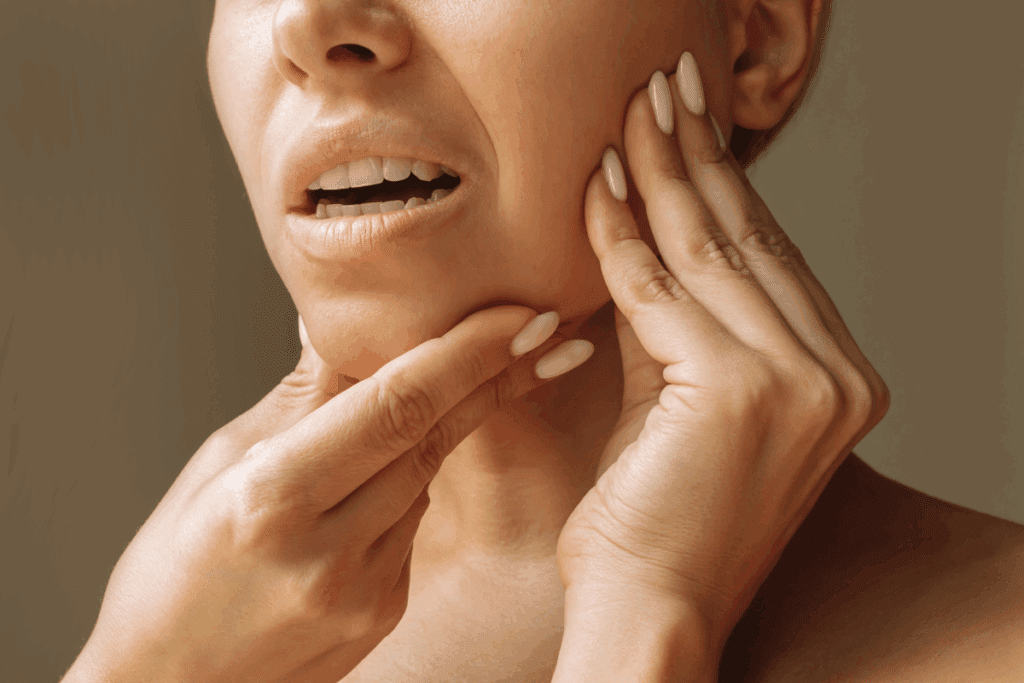
TMJ disorders affect the temporomandibular joint, located on each side of the head in front of the ears. A soft cartilage disk acts as a cushion between the bones of the joint. When this joint is affected, it can lead to TMJ headaches. These headaches are often mistaken for common tension or migraine headaches.
About 80 percent of people with temporomandibular joint disorders get TMJ headaches. While these headaches are not life-threatening, they can really hurt your quality of life if not treated. At Liv Hospital, we focus on finding the real cause of your pain. We use thorough evaluations and proven treatment plans.
Is a TMJ headache is dangerous or not? This guide gives you the critical facts, symptoms, and how to get proven relief.
Key Takeaways
- TMJ headaches are common among people with temporomandibular joint disorders.
- These headaches are not life-threatening but can impact quality of life.
- Liv Hospital offers a detailed evaluation and treatment for TMJ headaches.
- Understanding the symptoms and causes is key for effective relief.
- Evidence-based treatment protocols are available for TMJ headache relief.
Understanding TMJ Disorders and Associated Headaches
It’s important to know how TMJ disorders and headaches are connected. The TMJ lets us chew, speak, and even yawn. When it’s not working right, we can get headaches.
What is the Temporomandibular Joint?
The TMJ is a special joint that links the jaw to the skull. It’s complex, allowing us to move our jaw in many ways. This joint is key for chewing, speaking, and showing emotions.
How TMJ Disorders Develop
TMJ disorders can start for many reasons. These include:
- Trauma to the jaw or face
- Grinding or clenching teeth (bruxism)
- Arthritis or other inflammatory conditions
- Poor dental work or misaligned teeth
- Stress and tension
These causes can damage the TMJ’s disk, causing pain and problems.
Prevalence of Headaches in TMJ Patients
About 80 percent of TMJ patients get headaches. This is because the joint’s pain can spread to other areas. People might feel pain in their temples, forehead, or the back of their head.
| Symptom | Prevalence in TMJ Patients |
|---|---|
| Headaches | 80% |
| Jaw Pain | 70% |
| Ear Pain | 40% |
Knowing how common headaches are in TMJ patients helps doctors treat both issues better.
TMJ Headache Is Dangerous or Not: The Truth Revealed

TMJ headaches can be quite painful. But the real question is: are they dangerous? We need to look into how serious TMJ headaches are, how they affect daily life, and what might happen if we don’t treat them.
Medical Severity Assessment
TMJ headaches are not usually life-threatening. But, they can really affect how well you live your life. The pain and discomfort from TMJ disorders can make everyday tasks hard and affect your happiness.
Fortunately, most TMJ-related pain is temporary and can be managed with the right care. You can try self-care at home, physical therapy for your jaw, or using a mouth guard. These methods often help treat TMJ disorder symptoms.
Quality of Life Impact
TMJ headaches can really change your life. Chronic pain and discomfort can make it hard to do daily tasks, sleep well, and keep up with friends. As one patient shared:
“I used to love going out with friends, but my TMJ headaches have made it hard. I’ve had to cancel plans more often than not. It’s been really isolating.”
This shows why we should treat TMJ headaches seriously. They’re not just a medical issue but also affect how we live our lives.
Long-term Consequences of Untreated TMJ
While TMJ headaches themselves are not dangerous, ignoring them can cause problems later on. These could include chronic pain, a higher chance of getting other headaches, and even jaw damage.
| Potential Consequences | Description |
|---|---|
| Chronic Pain | Persistent pain that can become a long-term condition if not properly managed. |
| Increased Risk of Other Headaches | Untreated TMJ issues may lead to the development of other headache types, such as tension headaches. |
| Jaw Damage | Neglecting TMJ disorders can result in long-term jaw problems, including limited mobility or locking of the jaw. |
In conclusion, TMJ headaches are not inherently dangerous. But, their impact on our quality of life and the possible long-term effects if untreated are reasons enough to seek proper care and management.
What Does a TMJ Headache Feel Like?
TMJ headaches have a unique pain pattern. They start in the muscles around the TMJ and spread to the face, cheeks, and head.
Characteristic Pain Patterns
TMJ headaches feel like a dull, tight ache. They often happen on one side of the head, temples, or back of the head. The pain can stay the same or change throughout the day.
Pain Characteristics:
- Dull and aching or sharp and stabbing
- Often unilateral (one-sided)
- May worsen with jaw movement or clenching
- Can be accompanied by clicking or grating sounds in the jaw
Comparison to Other Headache Types
TMJ headaches are similar to tension headaches or migraines. But, they are unique because they are linked to jaw problems and pain.
| Headache Type | Primary Characteristics | Associated Symptoms |
|---|---|---|
| TMJ Headache | Jaw pain, unilateral headache | Clicking jaw, limited jaw movement |
| Tension Headache | Bilateral pressing pain | Neck tension, mild sensitivity to light |
| Migraine | Severe, throbbing pain | Nausea, vomiting, sensitivity to light and sound |
Patient Descriptions and Experiences
People with TMJ headaches say it feels like a band or tightness around their head. Pain can also go to the ears or neck. This pain can really interfere with daily life and sleep.
“The pain feels like someone is tightening a vise around my head,” said one patient. “It’s not just a headache; it’s a constant reminder that something is wrong with my jaw.”
Knowing how TMJ headaches feel is key to getting the right treatment. If you’re experiencing these symptoms, see a healthcare professional for help.
TMJ Headache Location and Distribution
Knowing where TMJ headaches occur is key to treating them. TMJ headaches can show up in many ways, affecting different parts of the head.
TMJ Headache One Side Phenomenon
TMJ headaches often happen on one side of the head. This is because TMJ problems usually affect one joint more than the other. The pain can be mild or very severe, feeling like a dull ache or sharp stab.
TMJ Head Pain Areas Explained
TMJ headaches can cause pain in several head areas. This includes the temples, forehead, and behind the eyes. Pain can also spread to the ears and neck.
| Common Pain Areas | Description |
|---|---|
| Temples | Dull ache or sharp pain, often associated with TMJ tension |
| Forehead | Pain can be felt across the forehead or localized to one side |
| Behind the Eyes | Pressure or pain, sometimes mistaken for eye strain |
TMJ Headache Back of Head Patterns
TMJ headaches can also cause pain at the back of the head. This is due to the pain patterns linked to TMJ disorders. The pain can feel like a dull ache or a sharp, stabbing sensation.
The link between TMJ disorders and headaches is complex. Understanding where TMJ headaches occur is vital for managing and treating them effectively.
Common Symptoms Accompanying TMJ Headaches
It’s important to know the symptoms of TMJ headaches to get the right treatment. TMJ headaches can cause many symptoms that affect how well you live.
Jaw-Related Symptoms
Jaw problems are common with TMJ headaches. These include:
- Pain or tenderness in the jaw
- Clicking or popping sounds when opening or closing the mouth
- Difficulty chewing or pain while chewing
- Locking of the jaw joint
These symptoms happen because the TMJ joint isn’t working right. This can cause pain in the muscles around it.
Referred Pain Patterns
TMJ headaches can also cause pain in other places. This is called referred pain. It can be felt in:
- The temples
- The ears
- The neck
- The face
Referred pain can make it hard to figure out what’s wrong. The symptoms might not seem to come from the TMJ.
Morning Symptoms and Sleep-Related Issues
Many people with TMJ headaches feel worse in the morning. This can be because of:
- Clenching or grinding teeth during sleep (bruxism)
- Sleeping in a way that strains the TMJ
- Not sleeping well or having poor sleep quality
Fixing sleep problems is key to managing TMJ headache symptoms. This might mean sleeping better or using a mouthguard to stop teeth grinding at night.
Knowing these symptoms helps people get the right help. This can make their life better and less painful.
The Connection Between TMJ and Tension Headaches
It’s important to understand how TMJ and tension headaches are linked. They often share similar symptoms, making it hard to figure out what’s causing the pain.
Overlapping Symptoms and Mechanisms
TMJ disorders and tension headaches have many symptoms in common. These include pain in the temples, forehead, or back of the head. They also involve muscle tension and jaw, face, or neck discomfort.
The reasons behind these conditions are similar too. They involve muscle tension, nerve compression, and pain that spreads to other areas.
Key Overlapping Symptoms:
- Pain in the temples or forehead
- Muscle tension in the jaw, face, or neck
- Discomfort or pain when chewing or speaking
- Clicking or grating sensation in the jaw
How TMJ Can Trigger Tension Headaches
TMJ disorders can cause tension headaches in several ways. When the TMJ isn’t working right, it can make muscles in the jaw, face, and neck tense. This tension can spread to the temples and forehead, causing headaches.
The process can be explained as follows:
- TMJ dysfunction causes muscle tension
- Muscle tension leads to pain and discomfort
- Pain and discomfort trigger tension headaches
| Mechanism | Description |
|---|---|
| Muscle Tension | TMJ dysfunction leads to increased muscle tension in the jaw, face, and neck. |
| Nerve Compression | TMJ dysfunction can compress nerves, leading to pain and discomfort. |
| Referred Pain | Pain from the TMJ can be referred to other areas, including the temples and forehead. |
Differential Diagnosis Challenges
It’s hard to tell if someone has TMJ disorders or tension headaches because their symptoms are similar. A healthcare professional needs to do a thorough check to find out what’s causing the pain.
Knowing how TMJ and tension headaches are connected helps doctors create better treatment plans. These plans aim to fix the root cause of the pain.
Root Causes of TMJ Headaches
TMJ headaches come from muscle tension, nerve compression, and joint problems. Knowing these causes helps in finding relief.
Muscle Tension Mechanisms
Muscle tension in the jaw is a big reason for TMJ headaches. Overworked or strained chewing muscles can send pain to the head. This pain can come from stress, teeth grinding, or teeth not fitting right.
Stress makes muscle tension worse. When stressed, we often clench our jaws or grind our teeth. This puts strain on the TMJ and muscles around it.
Nerve Compression Factors
Nerve compression is another big factor in TMJ headaches. The nerves around the TMJ can get compressed due to swelling or joint problems. This compression sends pain signals to the brain, feeling like a headache.
“The compression of nerves around the TMJ can lead to complex pain patterns, making diagnosis challenging but critical for effective treatment.” Medical Expert, TMJ Specialist
Disc Displacement Issues
The TMJ has a disc that cushions the ball and socket. If this disc gets displaced, it can cause a lot of pain and headaches. This can happen from injury, wear and tear, or degenerative conditions.
Arthritis or other inflammatory conditions can damage the joint’s cartilage. This leads to pain and dysfunction.
Inflammatory Processes
Inflammation in the TMJ can cause pain and headaches. This inflammation can come from arthritis, injury, or infection. Managing this inflammation is key to reducing pain and improving function.
| Cause | Effect | Management |
|---|---|---|
| Muscle Tension | Headache, Jaw Pain | Relaxation Techniques, Physical Therapy |
| Nerve Compression | Sharp Pain, Numbness | Physical Therapy, Medications |
| Disc Displacement | Pain, Limited Mobility | TMJ Exercises, Splints |
| Inflammatory Processes | Pain, Swelling | Anti-inflammatory Medications, Cold Therapy |
In conclusion, TMJ headaches have many causes. By understanding muscle tension, nerve compression, disc displacement, and inflammation, we can find effective treatments. This helps alleviate symptoms and improves our quality of life.
When to Seek Medical Help for TMJ Headaches
If you’re dealing with persistent TMJ headaches, knowing when to get medical help is key. TMJ headaches can really affect your life. It’s important to know when to see a doctor to manage them well.
Warning Signs That Require Attention
Some symptoms mean you need to see a doctor right away. If your jaw hurts a lot, or if it hurts suddenly, get help. Also, if you can’t open or close your jaw, or if your bite changes, don’t ignore it.
Key symptoms to watch out for include:
- Persistent jaw pain or tenderness
- Difficulty opening or closing your mouth
- Clicking or grating sounds when you move your jaw
- Locking of the jaw joint
- Headaches or earaches associated with TMJ symptoms
Finding the Right Healthcare Provider
Finding the right doctor for TMJ headaches is important. Start with your primary care doctor, who can refer you to a specialist. Dentists, who know about TMJ disorders, can also help a lot.
Consider the following when choosing a healthcare provider:
- Experience in treating TMJ disorders
- Patient reviews and testimonials
- Comprehensive approach to treatment, including both short-term relief and long-term management
What to Expect During Your Appointment
Your doctor will check your jaw during your first visit. They’ll look at how well you can move it, check for tenderness, and might do tests like X-rays or an MRI. They’ll also talk about your medical history and symptoms to find out why you have TMJ headaches.
Be ready to talk about your symptoms. Tell them when they started, what makes them better or worse, and how they affect your daily life. This helps your doctor create a treatment plan just for you.
Effective Treatment Options for TMJ Headaches
Managing TMJ headaches often requires a mix of treatments. These headaches can really affect your life. But, there are many ways to find relief.
Self-Care and Home Remedies
For many, the first step against TMJ headaches is self-care at home. This can include:
- Applying heat or cold packs to the affected area to reduce pain and inflammation
- Engaging in stress-reducing activities such as meditation or yoga to minimize muscle tension
- Avoiding hard or chewy foods that can exacerbate TMJ discomfort
- Using over-the-counter pain relievers to manage headache pain
These steps can help with mild to moderate TMJ headache symptoms.
Professional Conservative Approaches
When home care isn’t enough, professional help is needed. This can include:
- Physical therapy to improve jaw mobility and reduce pain
- Custom-made mouth guards or splints to prevent teeth grinding and clenching
- Dental treatments to correct bite issues or misaligned teeth
These treatments aim to fix the root causes of TMJ headaches without more invasive methods.
Medical Interventions
For some, medical treatments are needed to control TMJ headache symptoms. This can include:
- Prescription pain medication for more severe pain
- Muscle relaxants to reduce muscle tension
- Corticosteroid injections to reduce inflammation
These steps are considered when other treatments don’t work.
Surgical Options for Severe Cases
For very bad TMJ headaches that don’t get better, surgery might be needed. Surgical options include:
- Arthrocentesis: a procedure to clean out the joint
- TMJ arthroscopy: a minimally invasive surgery to diagnose and treat joint problems
- Open-joint surgery: a more invasive procedure to repair or replace the joint
Surgery is usually for the worst cases and after trying other treatments.
It’s key to talk to a healthcare expert to find the best treatment for you.
| Treatment Approach | Description | Benefits |
|---|---|---|
| Self-Care | Heat/cold therapy, stress reduction, dietary changes | Non-invasive, cost-effective, immediate relief |
| Professional Conservative Approaches | Physical therapy, mouth guards, dental treatments | Addresses underlying causes, prevents future episodes |
| Medical Interventions | Prescription medication, muscle relaxants, corticosteroid injections | Effective for severe pain, reduces inflammation |
| Surgical Options | Arthrocentesis, TMJ arthroscopy, open-joint surgery | Reserved for severe cases, can provide significant relief |
Conclusion: Living Well with TMJ and Preventing Future Headaches
Knowing if TMJ headaches are dangerous is key for those dealing with them. TMJ headaches can be very tough, but they’re usually not harmful. Yet, some cases can be hard to handle, and ongoing pain can hurt your mental health.
TMJ and headaches often go hand in hand. Spotting the signs is the first step to feeling better. By tackling the main causes of TMJ headaches, like muscle tension and nerve issues, people can find relief. Managing TMJ headaches involves self-care, professional help, and sometimes medical treatments.
We urge those with TMJ headaches to get medical advice when needed. By taking care of yourself and getting the right treatment, you can control TMJ headaches. This way, you can live a better life without these headaches.
FAQ
What does a TMJ headache feel like?
A TMJ headache can feel like a dull ache or sharp pain. It’s usually on one or both sides of the head. It often starts in the jaw area. You might also feel facial pain, earaches, or neck stiffness.
Is TMJ headache dangerous?
TMJ headaches are not usually dangerous. But, they can really affect your quality of life. If not treated, they might turn into chronic pain and discomfort.
Can TMJ cause tension headaches?
Yes, TMJ disorders can cause tension headaches. This is because of the shared nerve pathways and muscle tension in the jaw and neck.
What are the common symptoms accompanying TMJ headaches?
Common symptoms include jaw pain and clicking or locking of the jaw. You might also feel earaches, facial pain, neck stiffness, and morning symptoms like jaw fatigue or headaches.
How can I relieve TMJ headache pain?
To relieve pain, try jaw exercises, stress management, and heat or cold therapy. Professional treatments like physical therapy, dental splints, or medical interventions can also help.
When should I seek medical help for TMJ headaches?
Seek medical help if you have persistent or severe headaches, jaw pain, or symptoms that affect your daily life.
What can I expect during a medical appointment for TMJ headaches?
At your appointment, your healthcare provider will check your symptoms and perform a physical exam. They might also order tests to find the cause of your TMJ headaches.
Can TMJ headaches occur on one side only?
Yes, TMJ headaches can happen on one side. This is often due to uneven jaw alignment or muscle tension on that side.
What are the root causes of TMJ headaches?
Causes include muscle tension, nerve compression, disc displacement, and inflammation. These can be triggered by stress, jaw misalignment, or trauma.
Are there any effective treatment options for TMJ headaches?
Yes, there are many treatment options. They range from self-care and home remedies to professional treatments, medical interventions, and surgery for severe cases.
References
National Center for Biotechnology Information. TMJ Disorder: Symptoms, Causes, and Headache Relief. Retrieved from https://www.ncbi.nlm.nih.gov/pmc/articles/PMC3900965/