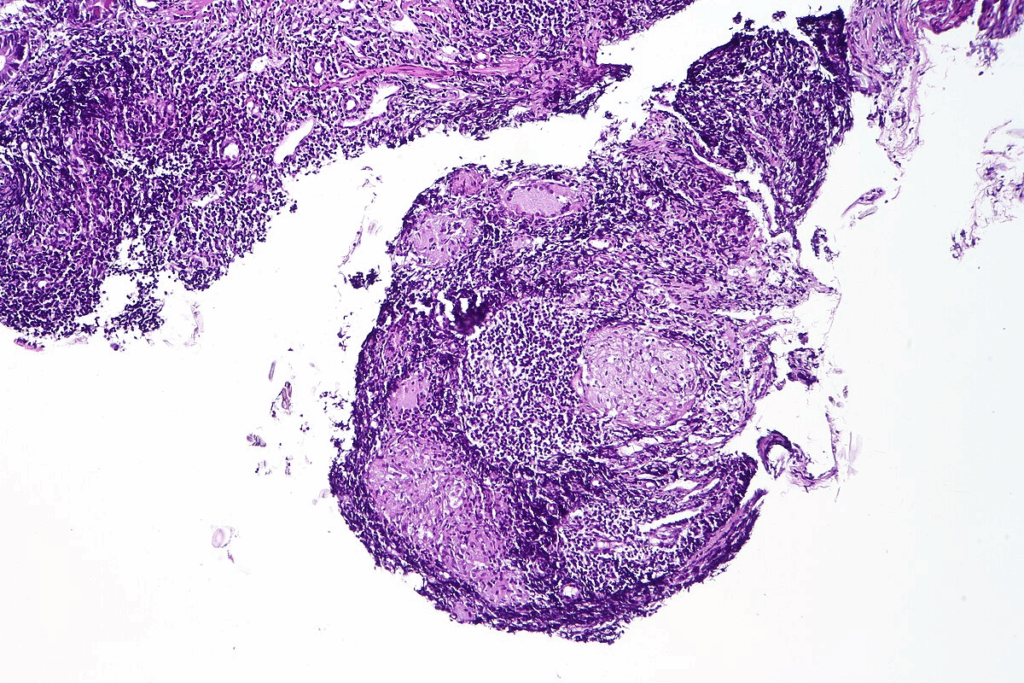
Autoimmune Polyendocrinopathy-Candidiasis-Ectodermal Dystrophy (APECED) is a rare genetic disorder. It is caused by mutations in the AIRE gene. APECED syndrome is known for its three main symptoms: chronic mucocutaneous candidiasis, hypoparathyroidism, and adrenocortical insufficiency. Is that tongue fungus autoimmune disease (APECED)? This guide covers 5 alarming signs of chronic candidiasis and what it means.
Knowing the signs of APECED is key for early diagnosis and treatment. Early detection can prevent severe complications and preserve organ function. The condition affects many body systems, making it important to have a thorough diagnostic approach and ongoing medical care.
We will look at the five main signs that help doctors spot APECED syndrome early. This allows for timely treatment.
Key Takeaways
- APECED is a rare genetic disorder affecting multiple endocrine glands.
- Chronic mucocutaneous candidiasis is a hallmark of APECED syndrome.
- Hypoparathyroidism and adrenocortical insufficiency are critical components.
- Early diagnosis is vital to prevent long-term complications.
- Comprehensive diagnostic protocols are necessary for effective management.
What Is Autoimmune Polyendocrinopathy Syndrome?

APS-1, also known as APECED, is a rare genetic condition. It causes the immune system to attack various endocrine organs. This happens because of mutations in the AIRE gene, which is key for immune tolerance.
This syndrome affects multiple endocrine glands, leading to different symptoms. Knowing about APS-1 is key to diagnosing and treating it well.
Defining APECED/APS-1
APECED, or Autoimmune Polyendocrinopathy Candidiasis Ectodermal Dystrophy, is a specific form of APS-1. It’s known for a triad of chronic mucocutaneous candidiasis, hypoparathyroidism, and adrenocortical insufficiency (Addison’s disease). Having any two of these conditions helps diagnose APECED.
The disease often starts in childhood or early teens. But, it can start at any age. The immune system mistakenly attacks the body’s own tissues, causing gland problems and other symptoms.
The Autoimmune Nature of the Disease
The autoimmune part of APECED/APS-1 is what makes it unique. Mutations in the AIRE gene cause a failure in immune tolerance. This leads to autoantibodies against endocrine glands, damaging them and stopping them from making hormones.
Key aspects of the autoimmune nature of APECED include:
- Production of autoantibodies against multiple endocrine organs
- Immune system-mediated destruction of glandular tissue
- Impaired immune tolerance due to AIRE gene mutations
- Variable presentation and severity of autoimmune manifestations
Grasping the autoimmune nature of APECED is vital for finding effective treatments. These treatments aim to manage symptoms and fix the immune system’s dysfunction.
The Genetic Foundation: AIRE Gene Mutations

To understand APECED, we must explore the AIRE gene and its mutations. The AIRE gene is key in teaching the immune system to ignore self. Mutations in this gene cause APECED, a rare autoimmune disease.
Disrupting Immune Tolerance
The AIRE gene controls how the thymus shows self-antigens. This is vital for removing T cells that react to self. When the AIRE gene mutates, this process fails. This leads to the immune system attacking endocrine glands.
AIRE gene mutations make it hard for the body to tell self from non-self. This causes the immune system to attack itself. This is seen in APECED, showing in many symptoms.
“The AIRE gene is key for central tolerance, and without it, we see autoimmune polyendocrinopathy.”
Inheritance Patterns of Autoimmune Polyendocrine Syndrome
APECED follows an autosomal recessive pattern. This means you need two mutated AIRE genes to have the disease. Carriers of one mutated gene are usually fine but can pass it to their kids.
Knowing how APECED is passed down is vital for families with a history of it. It helps in early diagnosis and treatment.
Understanding APECED’s genetic roots and the AIRE gene’s role helps us grasp its complexity. It shows why we need a full approach to care.
Key Sign #1: Chronic Mucocutaneous Candidiasis as a Tongue Fungus Autoimmune Disease
Chronic mucocutaneous candidiasis is a key sign of APECED. It’s an autoimmune condition that affects the skin and mucous membranes. People with this condition often get fungal infections, like thrush, in their mouths.
Oral Candidiasis as the Initial Manifestation
Oral candidiasis is usually the first sign of APECED. It shows up as white patches on the tongue and cheeks. These patches can be red and sore.
If not treated, it can make eating hard and uncomfortable. Early treatment is important to prevent more serious problems.
Early diagnosis of oral candidiasis is key. It helps start treatment early. Treatment often includes antifungal medicines, given topically or by mouth, depending on the case.
Nail and Skin Yeast Infections
People with APECED also get nail and skin yeast infections. These can cause thick nails, nail loss, or skin lesions. These infections are not only painful but can also cause more serious problems if not treated.
Managing these infections requires antifungal treatments and good hygiene. It’s important to watch for signs of infection and treat them quickly to prevent them from getting worse.
Key Sign #2: Hypoparathyroidism and Calcium Regulation Problems
Hypoparathyroidism is a key part of APECED syndrome. It makes the parathyroid glands work too little. This leads to calcium regulation problems, affecting health in many ways.
Early Symptoms of Parathyroid Dysfunction
Early signs of parathyroid issues in APECED patients are subtle but important. They might feel numbness or tingling in their fingers, toes, or mouth. They could also have muscle cramps and feel very tired.
These symptoms come from hypocalcemia, or low calcium in the blood. It’s because the parathyroid glands can’t make enough hormone.
As it gets worse, symptoms can get more serious. Patients might have muscle spasms, seizures, or heart rhythm problems. It’s very important to catch and treat hypoparathyroidism early to avoid these issues.
Long-term Consequences of Calcium Imbalance
Long-term, calcium imbalance can cause big problems. It can lead to tooth decay and weak teeth. It can also cause cataracts and eye issues, and even affect the brain.
To avoid these problems, it’s key to keep calcium levels right. Treatment often includes calcium and vitamin D supplements. It’s also important to keep an eye on calcium levels to make sure treatment works well.
Key Sign #3: Adrenocortical Insufficiency (Addison’s Disease)
APECED patients often face adrenocortical insufficiency, also known as Addison’s disease. This is a serious condition that needs quick diagnosis and treatment. The adrenal glands fail to make enough cortisol and aldosterone hormones.
These hormones are key for blood pressure, electrolyte balance, and metabolism.
Recognizing Adrenal Crisis Symptoms
An adrenal crisis is a severe sign of adrenocortical insufficiency. It can be deadly if not treated right away. Symptoms include severe low blood pressure, vomiting, stomach pain, and even loss of consciousness.
It’s vital for APECED patients and their caregivers to spot these signs early. This can save lives.
Knowing the signs of adrenal crisis can greatly help patients. We suggest educating patients and their families on these signs. They should know when to get emergency medical help.
Managing Cortisol and Aldosterone Deficiency
Dealing with cortisol and aldosterone deficiency is key in treating adrenocortical insufficiency. Hormone replacement therapy is the main treatment. It aims to replace the missing hormones and get functions back to normal.
Cortisol is replaced with hydrocortisone or prednisone. Aldosterone is replaced with fludrocortisone. Patients need regular checks to adjust their meds, mainly during stress or illness.
Teaching patients how to manage their condition is very important. They need to know how to spot hormone deficiency signs and when to change their meds.
Key Sign #4: Ectodermal Manifestations of APECED Syndrome
APECED syndrome shows many ectodermal signs that really affect patients’ lives. These signs are key for diagnosing the syndrome.
These signs include skin, hair, nail, and tooth issues. Knowing about them is important for good care.
Dental Enamel Hypoplasia
Dental enamel hypoplasia is a common sign in APECED syndrome. It makes teeth look different, like being discolored or pitted.
It’s important to check teeth early to avoid problems like tooth decay.
Skin, Hair, and Nail Abnormalities
Patients with APECED syndrome also have skin, hair, and nail problems. These can be hair loss, nail issues, or skin conditions.
The table below shows some common signs seen in APECED syndrome:
Ectodermal Manifestation | Clinical Features |
Dental Enamel Hypoplasia | Discolored, pitted, or misshapen teeth |
Alopecia | Partial or complete hair loss |
Nail Dystrophy | Thickened, brittle, or misshapen nails |
Skin Conditions | Eczema, vitiligo, or other dermatological issues |
Spotting these signs is key for diagnosing and treating APECED syndrome. A full care plan, including dental and skin checks, helps patients a lot.
Key Sign #5: Additional Endocrine Gland Involvement in Polyendocrinopathy
APECED affects more than just the classic triad of glands. It impacts many endocrine glands, leading to a variety of complications. This makes managing the condition very important.
Thyroid Dysfunction
Thyroid problems are common in APECED patients. Autoimmune thyroiditis can cause both hypothyroidism and hyperthyroidism. It’s important to check thyroid function regularly.
Gonadal Failure and Fertility Issues
Gonadal failure is a big issue in APECED, affecting fertility in both men and women. This happens because of autoimmune damage to the gonads, causing hypogonadism.
Type 1 Diabetes and Other Endocrine Manifestations
Type 1 diabetes mellitus is a complication of APECED. It’s caused by autoimmune destruction of pancreatic islet cells. Other glands like the pituitary and adrenal glands can also be affected, but less often.
The wide range of endocrine issues in APECED shows the need for a team approach to treatment. The table below lists the affected glands and their complications:
Endocrine Gland | Possible Dysfunction | Clinical Implications |
Thyroid | Hypothyroidism, Hyperthyroidism | Metabolic disturbances, thyroid nodules |
Gonads | Hypogonadism | Infertility, sexual dysfunction |
Pancreas | Type 1 Diabetes | Hyperglycemia, diabetic complications |
Parathyroid | Hypoparathyroidism | Calcium imbalance, neuromuscular symptoms |
Adrenal | Addison’s Disease | Cortisol and aldosterone deficiency, adrenal crisis |
Managing APECED needs a full approach, tackling both main symptoms and endocrine issues. Regular checks and quick action are key to better life quality for those with this complex condition.
Diagnosing Autoimmune Polyendocrinopathy Candidiasis Ectodermal Dystrophy
Diagnosing Autoimmune Polyendocrinopathy Candidiasis Ectodermal Dystrophy (APECED) is complex. It involves clinical evaluation, lab tests, and genetic analysis. APECED is a rare disorder with multiple endocrine issues, chronic candidiasis, and ectodermal dystrophy.
Clinical Criteria for APECED Diagnosis
To diagnose APECED, doctors look for specific signs. At least two main signs are needed: chronic candidiasis, hypoparathyroidism, and adrenocortical insufficiency (Addison’s disease). These are strong indicators of APECED.
Other signs that help diagnose APECED include dental enamel hypoplasia and other endocrine problems like thyroid issues or type 1 diabetes.
Clinical Feature | Description | Frequency in APECED Patients |
Chronic Mucocutaneous Candidiasis | Persistent fungal infection of the skin, nails, and mucous membranes | 80-90% |
Hypoparathyroidism | Underactive parathyroid glands leading to calcium regulation problems | 70-80% |
Adrenocortical Insufficiency (Addison’s Disease) | Insufficient production of cortisol and aldosterone by the adrenal glands | 60-70% |
Laboratory Testing and Antibody Profiles
Laboratory tests are key in diagnosing APECED. Autoantibodies against various tissues and organs are often found. Autoantibodies against type 1 interferons (IFN-α and IFN-ω) are very specific for APECED.
Other tests check calcium levels for parathyroid function, cortisol levels for adrenal function, and other endocrine functions.
Genetic Testing for AIRE Mutations
Genetic testing for AIRE gene mutations is a definitive diagnostic tool for APECED. The AIRE gene is vital for immune tolerance. Mutations in this gene cause APECED’s autoimmune symptoms.
Genetic testing confirms APECED in those with clinical and lab findings. It’s also useful for finding carriers in families with APECED history.
Treatment Approaches for APS Type 1
Managing APS Type 1 requires treating Candida infections, hormonal imbalances, and autoimmune responses. We will look at the different ways to manage symptoms and complications of this condition.
Managing Candida Infections
Candida infections are common in APS Type 1. It’s important to treat them to avoid serious problems. Antifungal medications are key in treating these infections. We suggest:
- Topical antifungals for localized infections
- Systemic antifungals for more widespread or severe infections
- Prophylactic antifungal therapy to prevent recurrence
It’s vital to watch for signs of antifungal resistance and adjust treatment as needed. We also recommend good oral hygiene and avoiding factors that lead to Candida overgrowth.
Hormone Replacement Therapies
Hormone replacement therapy (HRT) is key for managing endocrine deficiencies in APS Type 1. We aim to replace missing hormones to restore normal body functions.
For example, hypoparathyroidism is treated with calcium and vitamin D supplements to control calcium levels. Adrenocortical insufficiency requires cortisol and sometimes aldosterone replacement.
- Calcium and vitamin D supplements for hypoparathyroidism
- Cortisol replacement for adrenocortical insufficiency
- Thyroid hormone replacement for hypothyroidism
Treating Autoimmune Components
APS Type 1 involves autoimmune attacks on various endocrine glands. We look into immunosuppressive therapies to manage these autoimmune issues.
Treatments may include:
- Immunosuppressive drugs to reduce autoimmune activity
- Biologic agents targeting specific immune pathways
- Monitoring for signs of autoimmune flare-ups
We stress the need for a personalized treatment plan. The autoimmune symptoms can differ greatly among patients.
Living with Autoimmune Polyendocrine Syndrome Type 1
Managing Autoimmune Polyendocrine Syndrome Type 1 (APS1) is a big job. It needs a full plan for daily care. This includes dealing with chronic mucocutaneous candidiasis and many endocrine issues.
Daily Management Strategies
Managing APS1 every day is complex. It’s important to keep your mouth healthy with antifungal meds. Also, watch your calcium levels because of hypoparathyroidism.
Key daily management tasks include:
- Adhering to antifungal treatment regimens
- Monitoring for signs of adrenal crisis
- Managing hormone replacement therapies
- Maintaining a balanced diet to support overall health
Long-term Monitoring Requirements
APS1 patients need regular check-ups. These visits help track the disease and adjust treatments. This includes:
- Regular blood tests to check for endocrine dysfunction
- Monitoring for signs of ectodermal dystrophy
- Assessing the effectiveness of current treatments
It’s also important to watch for new problems. For example, APS1 patients might get type 1 diabetes.
Condition | Monitoring Frequency | Key Indicators |
Chronic Mucocutaneous Candidiasis | Every 3-6 months | Oral thrush, skin infections |
Hypoparathyroidism | Every 6-12 months | Calcium levels, parathyroid hormone levels |
Adrenocortical Insufficiency | Every 6-12 months | Cortisol levels, aldosterone levels |
Support Resources and Organizations
APS1 can be tough, but you’re not alone. There are many support groups and resources to help.
Some key resources include:
- Patient advocacy groups focused on autoimmune disorders
- Online forums and support groups for APS1 patients
- Specialized healthcare providers with experience in managing APS1
These resources are vital for APS1 patients. They help improve life quality by providing support and guidance.
Conclusion: Recognizing and Addressing APECED
It’s key to spot the five main signs of autoimmune polyendocrinopathy candidiasis ectodermal dystrophy (APECED) early. We’ve talked about how chronic mucocutaneous candidiasis, hypoparathyroidism, adrenocortical insufficiency, ectodermal manifestations, and other endocrine issues are important signs. These signs help diagnose this complex condition.
To tackle APECED, we need a full plan. This includes fighting Candida infections, using hormone replacement, and treating autoimmune parts. Starting treatment early can greatly help patients. It lets them live more stable and healthy lives.
Healthcare teams can make a big difference by knowing APECED’s signs and symptoms. This way, they can act fast and prevent serious problems. We also need more research and awareness to better care for those with this rare autoimmune disorder.
FAQ
What is Autoimmune Polyendocrinopathy Candidiasis Ectodermal Dystrophy (APECED)?
APECED, also known as autoimmune polyglandular syndrome type 1 (APS-1), is a rare genetic disorder. It causes autoimmune destruction of multiple endocrine glands. It also leads to chronic mucocutaneous candidiasis and ectodermal manifestations.
What are the primary symptoms of APECED?
The main symptoms of APECED include chronic mucocutaneous candidiasis and hypoparathyroidism. Adrenocortical insufficiency (Addison’s disease) and ectodermal manifestations are also common. Other endocrine glands like the thyroid, gonads, and pancreas can be affected too.
How is APECED diagnosed?
To diagnose APECED, doctors use a combination of clinical evaluation, lab tests, and genetic analysis. They check for clinical criteria, antibody profiles, and genetic testing for AIRE mutations.
What is the role of the AIRE gene in APECED?
The AIRE gene is key in immune tolerance. It regulates the expression of tissue-specific antigens in the thymus. Mutations in this gene cause a loss of immune tolerance. This leads to autoimmune destruction of multiple endocrine glands.
How is chronic mucocutaneous candidiasis managed in APECED?
Managing chronic mucocutaneous candidiasis in APECED involves antifungal therapy. This can include topical or systemic antifungal medications. It helps control Candida infections and prevents complications.
What are the treatment options for endocrine deficiencies in APECED?
Treatment for endocrine deficiencies in APECED includes hormone replacement therapies. These are tailored to the specific deficiency. For example, calcium and vitamin D for hypoparathyroidism, and thyroid hormone for thyroid dysfunction.
Can APECED be cured?
Currently, there is no cure for APECED. Management focuses on controlling symptoms and managing endocrine deficiencies. It aims to improve quality of life.
What support resources are available for patients with APECED?
Patients with APECED can find support through patient organizations, online forums, and specialized healthcare services. These resources help manage the condition and improve quality of life.
How does APECED affect daily life?
APECED requires ongoing management, including daily care and regular monitoring. It can impact daily life. But with proper support and management, individuals with APECED can lead active lives.
Are there any ongoing research or clinical trials for APECED?
Yes, there are ongoing research efforts and clinical trials for APECED. They aim to understand the condition better, develop new treatments, and improve patient outcomes. Studies include gene therapy, immunosuppressive therapies, and other innovative approaches.
References
National Center for Biotechnology Information. APECED: Key Signs of Autoimmune Polyendocrinopathy-Candidiasis-Ectodermal Dystrophy. Retrieved from https://www.ncbi.nlm.nih.gov/pmc/articles/PMC3485503/