
Comprehensive guide to the surgical steps involved in the Tooth bone graft procedure. Losing a tooth doesn’t mean you can’t smile anymore. Thanks to dental bone grafting, you can. At Liv Hospital, we use the latest techniques and care for your smile.
Bone grafting for teeth is key for dental implants. We focus on you, making sure you get the right care. This includes checking if your jaw bone is enough for implants.
We know how important jaw bone grafting is for your health and smile. Dental bone graft procedures have a high success rate. They’re a solid choice for those wanting to smile again.
Key Takeaways
- Dental bone grafting is a key step for dental implants.
- Liv Hospital offers a patient-centered approach to oral restoration.
- Advanced surgical techniques ensure high success rates.
- Personalized care addresses individual concerns and needs.
- Bone grafting for teeth restores oral health and confidence.
Understanding Dental Bone Grafting
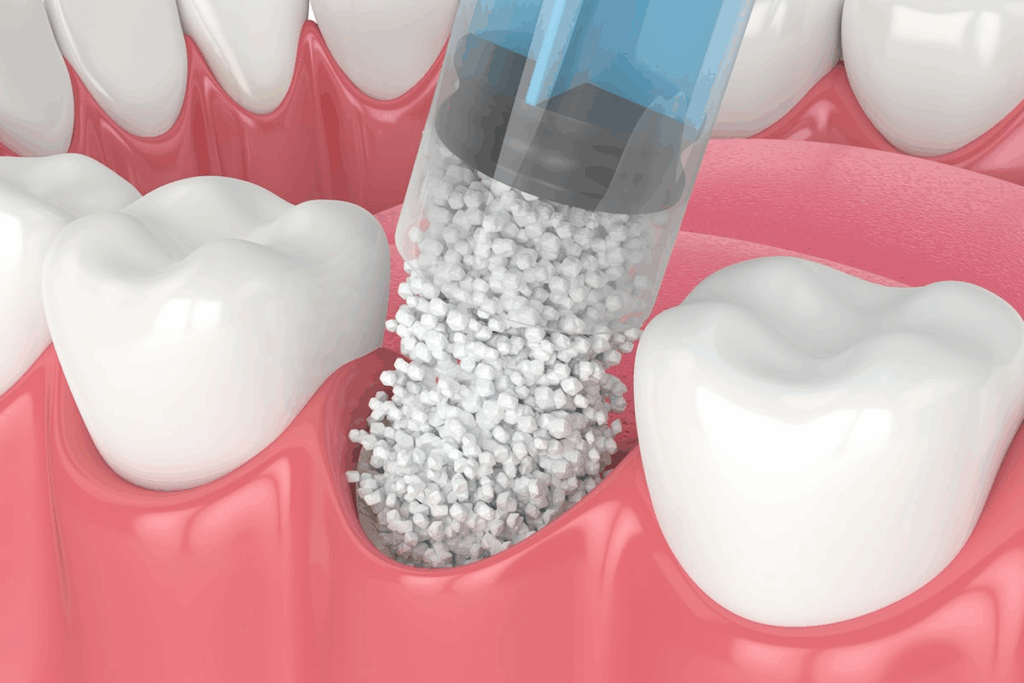
Dental bone grafting is important for fixing jawbone density and helping dental implants work well. We’ll look at what this procedure does, why it’s needed, and why jawbone loss happens.
What Is a Dental Bone Graft?
A dental bone graft is a surgery that adds bone to the jaw to fix bone loss. It’s needed when bone is lost due to tooth extraction, gum disease, or jaw injury. The bone used can be from the patient, a donor, or made in a lab.
Why Bone Loss Occurs in the Jaw
Bone loss in the jaw can happen for many reasons. Tooth loss is a big one, as without teeth, the bone around them can weaken. Periodontal disease also causes bone loss if not treated. Other reasons include jaw trauma and some health issues.
The Importance of Bone Grafting in Modern Dentistry
Bone grafting is key in dentistry, mainly for dental implants. You need enough jawbone to hold the implant. Without it, the implant might not work. It also keeps the face looking right and stops more bone loss.
Knowing about dental bone grafting helps patients make better choices for their teeth. We’ll dive deeper into this topic in the next parts.
When Is a Dental Bone Graft Necessary?

Several situations require a dental bone graft to improve oral health and function. This surgical procedure replaces missing bone. It fixes bone fractures or defects, supports dental implants, and repairs bone loss from periodontal disease or trauma.
Preparing for Dental Implants
For dental implants, a bone graft is often needed. Dental implants need a strong foundation to work well. Bone grafting adds to the bone structure, helping implants integrate and function as they should.
After Tooth Extraction
Tooth extraction can cause bone loss if not treated quickly. After a tooth is extracted, the bone that held it can shrink. This makes it harder to place dental implants later. A bone graft after tooth extraction helps keep the socket and bone volume, making implant placement easier.
Addressing Periodontal Disease
Periodontal disease can cause teeth to become loose and may lead to tooth loss. Advanced periodontal disease often needs a bone graft to fix the damage. This helps regenerate lost bone, improving the chance of saving teeth and restoring oral health.
Repairing Facial Trauma
Facial trauma can cause bone fractures or defects that need repair. In cases of severe facial trauma, a dental bone graft may be needed. It helps fix damaged areas, restore facial structure, and improve jaw function. This improves looks and ensures proper healing and function of the jaw and surrounding tissues.
Types of Dental Bone Graft Materials
Dental bone grafting uses different materials, each with its own benefits. The choice depends on the patient’s health, bone loss, and the grafting needs.
Autografts: Using Your Own Bone
Autografts use bone from the patient’s body for the jawbone. It’s the best choice because it works well and helps bone grow naturally.
Advantages of Autografts:
- High success rate due to the use of the patient’s own tissue
- Promotes natural bone growth and integration
- Reduced risk of graft rejection
Allografts: Donor Bone Material
Allografts come from human donors. They are safe and used when the patient’s own bone can’t be used.
Key Features of Allografts:
- Available in various forms, including demineralized bone matrix
- Processed to minimize the risk of disease transmission
- Provides an alternative when autografts are not possible
Xenografts: Animal-Derived Bone
Xenografts use bone from animals, like cows or pigs. They are made safe for humans.
Benefits of Xenografts:
- Abundant supply of graft material
- Processed to ensure biocompatibility and safety
- Acts as a scaffold for new bone growth
Synthetic Bone Substitutes
Synthetic bone substitutes are made to act like natural bone. They help grow new bone.
Characteristics of Synthetic Bone Substitutes:
- Available in various compositions, such as calcium phosphate or bioactive glass
- Can be engineered to have specific properties for different applications
- Provides a scaffold for new bone formation
Here’s a comparison of the different types of bone graft materials:
Type of Graft | Source | Advantages |
Autografts | Patient’s own bone | High success rate, promotes natural bone growth |
Allografts | Human donor | Available in various forms, reduced morbidity |
Xenografts | Animal source | Abundant supply, biocompatible |
Synthetic Bone Substitutes | Man-made | Customizable properties, supports bone regeneration |
The Complete Tooth Bone Graft Procedure
Getting a dental bone graft is a big step towards better oral health and dental implants. We know it might seem scary, but we’re here to help you understand what’s happening.
Initial Consultation and Examination
Your journey starts with a first visit. We’ll check your jawbone with X-rays and 3D scans. This tells us how much bone you need and the best way to fix it.
We’ll also talk about your health history, medicines, and oral health. This helps us make the procedure just right for you.
“A thorough initial consultation is key to finding the right bone graft for each patient.”
Medical Expert, Oral Surgeon
Pre-Procedure Preparation
We give you clear instructions before the surgery. This includes what to eat, drink, and take, and who to bring home with you. We also cover any tests or treatments you might need.
Following these steps is important for a smooth recovery. Our team is ready to answer any questions you have.
Step-by-Step Surgical Process
The bone grafting surgery includes several steps:
- Administering anesthesia for comfort
- Making an incision to expose the bone
- Preparing the graft material, which can come from you, a donor, or synthetic sources
- Placing the graft in the needed area
- Securing the graft with membranes or devices
- Closing the incision with sutures
The exact steps can change based on the graft type and your needs. Our skilled surgeons make sure everything is done carefully and precisely.
Type of Graft | Description | Advantages |
Autograft | Using your own bone | High success rate, natural integration |
Allograft | Using donor bone | Avoids second surgical site, reduces surgery time |
Xenograft | Using animal-derived bone | Abundant supply, reduced risk of disease transmission |
Immediate Post-Procedure Care
After the surgery, we’ll tell you how to take care of your mouth. This includes managing pain, swelling, and bleeding, and keeping your mouth clean. We also check in on you to see how you’re healing.
It’s important to follow these instructions to help your mouth heal right. Our team is here to support you every step of the way.
Knowing what to expect from the bone graft procedure can make you feel more ready for your journey to better oral health.
What to Expect During Recovery
After a dental bone graft, knowing what to expect is key. The recovery time is important for the graft’s success and your jaw and gum health.
First 24-48 Hours After Surgery
The first 24-48 hours are very important. Rest and avoid hard activities to help healing. You might feel some bleeding, swelling, and pain.
- Apply ice packs to reduce swelling
- Take prescribed pain medication as directed
- Rest with your head elevated to minimize bleeding
One patient said, “Following the post-operative instructions carefully helped me recover smoothly and quickly.” This shows how important it is to listen to your dentist.
First Week of Recovery
In the first week, swelling should go down, and pain should lessen. Stick to soft foods and brush gently around the surgery site.
Day | Expected Symptoms | Care Instructions |
1-2 | Bleeding, swelling, discomfort | Rest, ice packs, pain medication |
3-4 | Swelling reduces, bruising may appear | Continue soft diet, gentle oral hygiene |
5-7 | Gradual improvement, less discomfort | Gradually introduce more solid foods, continue gentle care |
Long-Term Healing Timeline
Healing fully can take months. Be patient and follow your dentist’s care instructions. Regular check-ups are important for tracking your healing.
“The bone grafting process requires time, and it’s vital to let your body heal properly for the best results.”
— Expert Dental Opinion
Signs of Normal Healing vs. Complications
It’s important to know the difference between normal healing and complications. Normal is some discomfort and swelling. But, severe pain, too much bleeding, or signs of infection need quick action.
If you notice anything unusual or have concerns, reach out to your dentist. We’re here to support you during your recovery.
Potential Risks and Complications
It’s important to know the risks and complications of dental bone grafting before you decide. The procedure is usually safe and works well. But, there are things to think about before you have surgery.
Common Side Effects
After a dental bone graft, you might feel some common side effects. These include swelling, bruising, and discomfort at the site. You might also feel pain or discomfort while you’re recovering.
Common Side Effects:
- Swelling and bruising
- Pain or discomfort
- Bleeding or oozing from the surgical site
Infection Risks
There’s a chance of infection with dental bone grafting, just like with any surgery. We do everything we can to avoid this, like using clean equipment and antibiotics when needed. But, you should watch for signs of infection, like more redness, swelling, or fever.
Graft Rejection
Graft rejection is a possible problem with dental bone grafting. This happens when your body doesn’t accept the graft, which can stop it from working right. We use top-notch graft materials and methods to lower this risk.
Factors Influencing Graft Success | Description |
Graft Material Quality | High-quality materials reduce the risk of rejection |
Surgical Technique | Precise technique enhances graft integration |
Post-operative Care | Proper care reduces complications |
When to Contact Your Dentist
If you have severe pain, too much bleeding, or signs of infection after a dental bone graft, call your dentist right away. We’re here to help with any problems or concerns.
Knowing about the risks and complications of dental bone grafting helps you make better choices. We’re dedicated to giving you the best care and support during your treatment.
Aftercare and Maintenance for Successful Healing
After a dental bone graft, how well you care for it matters a lot. Good aftercare helps the graft heal right and blend with the bone. This makes a strong base for future dental work.
Dietary Recommendations
After a dental bone graft, eat soft foods to help healing and avoid pain. For a few days to a week, choose foods like yogurt, mashed potatoes, and soups. They’re easy on the area.
Stay away from hard, crunchy, or spicy foods. They can upset the graft or dislodge the blood clot. Also, don’t use straws as they can mess with the healing clot.
Food Type | Recommended | Avoid |
Soft Foods | Yogurt, Mashed Potatoes, Soups | |
Hard Foods | Nuts, Chips, Hard Candy | |
Spicy Foods | Hot Peppers, Spicy Curries |
Oral Hygiene Practices
Keeping your mouth clean is key after a dental bone graft. Use a soft toothbrush and mild mouthwash to avoid infection and aid healing.
Brush gently around the graft to prevent irritation. Warm salt water rinses several times a day can also help with swelling and healing.
Activity Restrictions
Some activities should be avoided to help the graft heal right. Heavy lifting or intense exercise can raise blood pressure and cause issues at the graft site.
Don’t smoke or use tobacco products. They can slow healing and increase the risk of problems.
Follow-up Appointments
Regular check-ups with your dentist are important. They help track healing and catch any issues early. Your dentist can also check the graft’s progress and remove sutures if needed.
By following these aftercare tips and keeping your dentist appointments, you can improve your graft’s success. This ensures a smooth recovery.
Cost of Dental Bone Grafting
Dental bone grafting costs can vary a lot. It’s important for patients to know these costs before deciding.
Average Price Ranges in the United States
In the United States, dental bone grafting can cost between $300 and $3,000 or more per site. This range comes from different factors like the procedure’s complexity and the graft type.
A simple graft might be cheaper, while more complex ones with multiple grafts or advanced techniques cost more.
Insurance Coverage Options
Insurance for dental bone grafting varies a lot. Some plans might cover part of the cost if it’s needed for a dental implant.
It’s best to check with your insurance to see what’s covered. Getting pre-approval can also help avoid surprise costs.
Financing Alternatives
If the cost worries you, there are financing options. Many dental offices have plans to spread out payments.
There are also third-party financing companies for medical and dental procedures. They offer loans with flexible payback terms.
Factors Affecting Cost
Several things can change the cost of dental bone grafting, including:
- The complexity of the procedure
- The type of bone graft material used (autograft, allograft, xenograft, or synthetic)
- The dental surgeon’s expertise and fees
- Where the dental practice is located
- Other procedures needed (like a sinus lift or ridge augmentation)
Knowing these factors can help estimate the total cost of your dental bone grafting.
Finding the Right Specialist for Your Bone Graft
Finding a qualified dental specialist is the first step to a successful bone graft. This choice is key because it affects your dental implant’s success.
Qualifications to Look For
When looking for a dentist for your bone graft, there are important qualifications to check. A reputable dentist should have specialized training in oral surgery or periodontics. They should also be certified by dental boards and have experience with bone grafting.
It’s good to see if the dentist keeps up with new bone grafting techniques. Check if they participate in continuing education or workshops.
Qualification | Description | Importance Level |
Specialized Training | Training in oral surgery or periodontics | High |
Certification | Certified by relevant dental boards | High |
Experience | Experience with bone grafting procedures | High |
Continuing Education | Participation in ongoing education programs | Medium |
Questions to Ask Your Dentist
After finding dentists to consider, ask the right questions. Ask about their experience with bone grafting, including their success stories and methods.
Find out about the bone graft material they use and why. This helps you understand their approach and if it fits your needs.
- What experience do you have with bone grafting?
- What techniques do you use for bone grafting?
- What kind of bone graft material do you use?
- Can you share some before and after cases?
Evaluating Before and After Cases
Looking at before and after cases helps judge a dentist’s skill. Look for significant improvement in the patient’s condition post-procedure. Check the case details, like the case’s complexity and the patient’s healing.
Red Flags to Watch For
Be cautious of red flags when evaluating dentists. Watch out for dentists who promise unrealistic results or don’t clearly explain the procedure and risks.
Other red flags include poor communication, unclear costs, and inadequate follow-up care. A transparent and professional dentist is key to a good experience and successful bone graft.
Conclusion: Making an Informed Decision About Dental Bone Grafting
Dental bone grafting is a complex process that needs careful thought. We’ve looked at why bones might lose density, the types of materials used, and how the surgery works. This knowledge helps us make smart choices about our teeth and gums.
Choosing to get a bone graft means looking at the good and bad sides. We’ve talked about how to care for your mouth after surgery and what might affect the cost. This helps us understand what to expect.
Deciding on dental bone grafting should be a team effort with a dental expert. It’s important to ask questions and maybe get a second opinion. This way, we can make sure we’re doing what’s best for our teeth and health.
FAQ
What is a dental bone graft?
A dental bone graft is a surgery that adds bone to the jaw. It helps support dental implants, fix bone loss from gum disease, or repair facial injuries.
Why is bone grafting necessary for dental implants?
Bone grafting is needed when the jaw doesn’t have enough bone for implants. The graft material helps build up the bone, making it strong enough for the implant.
What are the different types of bone graft materials used in dental bone grafting?
There are several types of bone graft materials. These include your own bone (autograft), donor bone (allograft), animal-derived bone (xenograft), and synthetic substitutes.
How is a dental bone graft done?
The surgery involves placing the graft material in the bone loss area. It’s usually done under local anesthesia. The details can vary based on the graft type and location.
What is the recovery time for a dental bone graft?
Recovery times vary, but most heal in a few weeks to months. The first week is the initial healing phase. The graft integrates over several months.
What are the possible risks and complications of dental bone grafting?
Risks include infection, graft rejection, nerve damage, and sinus issues. But, these are rare. Proper care and following your dentist’s advice can minimize risks.
How much does a dental bone graft cost?
Costs vary based on location, procedure complexity, and graft material. Prices can range widely.
Will my insurance cover the cost of a dental bone graft?
Insurance coverage varies by provider and policy. Some plans may cover part or all of the cost if it’s medically necessary.
How do I care for my mouth after a dental bone graft?
Aftercare includes eating soft foods, gentle brushing, saltwater rinses, avoiding hard activities, and dentist visits.
How do I find a qualified dentist for a dental bone graft?
Look for specialists in oral surgery or periodontics. Check their qualifications, read reviews, and ask for patient photos.
What is the success rate of dental bone grafting?
Success rates are high, with most grafts integrating well. Success depends on patient health, dentist skill, and post-op care.
Can I get dental implants immediately after a bone graft?
Sometimes, implants can be placed right after a graft. But, it depends on the situation and dentist’s judgment. Often, there’s a healing period first.
References
National Center for Biotechnology Information. Dental Bone Graft Procedure for Implants: A Concise Guide. Retrieved from https://pmc.ncbi.nlm.nih.gov/articles/PMC8158510/