

Trigeminal neuralgia is a chronic pain condition. It affects the trigeminal nerve, which is spread out in the head. People with this condition often feel intense, electric-shock-like pain in their face.
The symptoms of trigeminal neuralgia can differ from person to person. But, they usually include sudden, severe, and stabbing pain on one side of the face. Knowing these symptoms is important for getting a proper diagnosis and treatment.
Key Takeaways
- Trigeminal neuralgia is a chronic pain condition.
- It affects the trigeminal nerve, causing facial pain.
- Symptoms include sudden, severe, and stabbing pain.
- Understanding symptoms is key to diagnosis and treatment.
- The condition can significantly impact quality of life.
Understanding the Trigeminal Nerve Anatomy
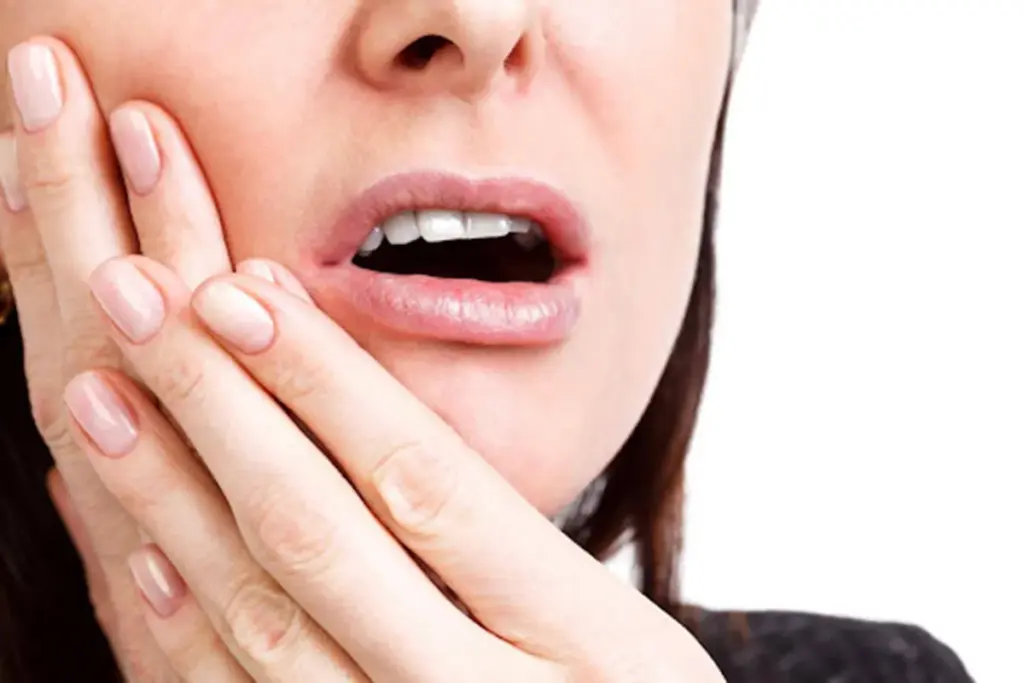
Knowing the anatomy of the trigeminal nerve is key for diagnosing and treating trigeminal neuralgia. It’s one of the twelve cranial nerves and is vital for facial sensation.
The Three Branches of the Cranial Nerve
The trigeminal nerve has three main branches: the ophthalmic, maxillary, and mandibular. These branches help provide sensation to different face areas.
The ophthalmic branch covers the area around the eyes, including the forehead and cornea. The maxillary branch is for the cheeks, upper lip, and nasal cavity. The mandibular branch covers the lower face, including the lower lip and jaw.
Function and Importance in Facial Sensation
The trigeminal nerve is key for facial sensation, including pain, temperature, and touch. It also handles motor functions, like chewing.
This nerve’s sensory function is vital for detecting various stimuli, from gentle touch to painful sensations. Its motor function is essential for controlling the muscles of mastication.
Relationship to Other Cranial Nerves
The trigeminal nerve works with other cranial nerves for complex functions like facial expression and swallowing.
What is Trigeminal Neuralgia

Trigeminal neuralgia is known as “the suicide disease” because of its intense facial pain. It affects the trigeminal nerve, which handles face sensations and chewing. People with this condition experience sudden, severe pain on one side of their face.
Definition and Medical Classification
Trigeminal neuralgia is a type of neuropathic pain disorder. It’s a chronic condition that needs ongoing care. The International Headache Society divides it into two types. Classical trigeminal neuralgia is caused by nerve compression. Secondary trigeminal neuralgia is linked to other conditions like tumors or multiple sclerosis.
Historical Understanding and Terminology
For centuries, trigeminal neuralgia has been known by different names. The French term “tic douloureux,” meaning “painful twitch,” was used. The term “trigeminal neuralgia” was adopted to better describe its link to the trigeminal nerve.
Prevalence and Demographics
Trigeminal neuralgia is rare, affecting about 4 to 13 people per 100,000 each year. It’s more common in women and those over 50. Though it can happen to younger people, it’s less common.
Risk Factors and Predispositions
Several factors increase the risk of trigeminal neuralgia. These include nerve compression, multiple sclerosis, tumors, and age and gender. Knowing these risk factors helps doctors diagnose and treat the condition.
The Pathophysiology Behind Trigeminal Neuralgia
Exploring trigeminal neuralgia shows it’s caused by many factors. These include vascular compression, demyelination, and the dorsal root ganglion’s role. Each factor adds to the condition’s complexity.
Vascular Compression Theory
The vascular compression theory is a main reason for trigeminal neuralgia. It says blood vessels pressing on the trigeminal nerve at the brainstem is a key cause. This can damage the nerve’s myelin sheath, leading to pain.
Demyelination Process
Demyelination is a big part of trigeminal neuralgia. It happens when the myelin sheath is lost. This can be due to vascular compression or other reasons. It makes the nerve send out pain signals without a reason.
Role of the Dorsal Root Ganglion
The dorsal root ganglion is key in sending pain signals in trigeminal neuralgia. It houses the sensory fibers of the trigeminal nerve. Damage to it can lead to chronic pain in the condition.
Neurological Mechanisms of Pain Transmission
The pain in trigeminal neuralgia comes from complex pathways. It’s about abnormal pain processing. Normal things can cause intense pain. Knowing this helps in finding treatments that really work.
Important factors in trigeminal neuralgia include:
- Compression of the trigeminal nerve by blood vessels
- Demyelination and nerve damage
- Abnormalities in the dorsal root ganglion
- Altered pain processing pathways
These elements show how different problems lead to trigeminal neuralgia. It shows we need a full understanding to treat it well.
Primary Symptoms of Trigeminal Neuralgia
Knowing the symptoms of trigeminal neuralgia is key for diagnosis and treatment. This condition has specific symptoms that can really affect your life.
Sudden, Severe Facial Pain
The main symptom is sudden, severe, stabbing pain on one side of the face. This pain is so intense, it can stop you from doing daily things. Patients often say the pain feels sharp and stabbing, even from light touch or a breeze.
Electric Shock-like Sensations
Many people with trigeminal neuralgia feel electric shock-like sensations. These feelings are very distressing and are a big part of the disorder. The pain can feel like an electric shock, happening suddenly and severely.
Pain Distribution Patterns
The pain usually follows the trigeminal nerve’s path. It affects areas like the cheeks, lips, or around the eyes. Knowing these patterns helps doctors diagnose the condition right.
Duration and Frequency of Episodes
How long and how often the pain comes can vary. Some people have short, intense episodes, while others have longer pain. The frequency also changes, with some having pain every day and others less often.
Types of Trigeminal Neuralgia and Symptom Variations
It’s important to know the different types of trigeminal neuralgia to manage and treat it well. This condition, known for intense facial pain, varies in its forms. Each type has its own set of symptoms.
Type1 (TN1) Symptoms
Type 1 trigeminal neuralgia (TN1) is the most common, making up 80-90% of cases. It causes intense, sharp, and stabbing pain on one side of the face. These pain episodes are short, lasting from seconds to minutes, but can be very painful.
Type2 (TN2) Symptoms
Type 2 trigeminal neuralgia (TN2) has a different pain pattern than TN1. The pain in TN2 is constant and aching or burning, unlike TN1’s sharp pain. This makes TN2 harder to diagnose because its pain is less typical.
Classical vs. Secondary Trigeminal Neuralgia
Trigeminal neuralgia can be either classical or secondary. Classical trigeminal neuralgia is usually caused by nerve compression. On the other hand, secondary trigeminal neuralgia is caused by other factors like tumors or multiple sclerosis.
Bilateral Trigeminal Neuralgia Presentation
Bilateral trigeminal neuralgia affects both sides of the face, which is rare. This makes it harder to diagnose and treat because of its unique nature. It often needs a more detailed treatment plan.
Trigger Factors for Pain Episodes
Knowing what triggers trigeminal neuralgia pain is key to managing it. What triggers one person might not trigger another. So, finding out what triggers your pain is very important.
Everyday Activities That Provoke Attacks
Common triggers include:
- Brushing teeth
- Chewing or swallowing
- Talking or laughing
- Light touch or wind on the face
Environmental Triggers
Things around us can also trigger pain. Changes in temperature, wind, or certain sights can cause attacks.
Some environmental triggers to be aware of:
- Cold or hot temperatures
- Wind or drafts
- Bright lights or certain visual patterns
Dietary and Lifestyle Factors
What we eat and how we live can affect our pain. Some foods and drinks might make pain worse. Knowing what these are can help manage your condition.
|
Trigger |
Description |
|---|---|
|
Hot or Cold Foods |
Consuming foods or beverages that are too hot or too cold can trigger pain. |
|
Caffeine |
Caffeine intake can sometimes provoke or exacerbate pain episodes. |
|
Alcohol |
Alcohol consumption may trigger pain in some individuals. |
The Progression of Symptoms Over Time
It’s important to understand how trigeminal neuralgia symptoms change over time. This condition causes intense facial pain and can progress differently for everyone.
Early Warning Signs and Prodromal Symptoms
Some people may notice early signs before a full pain episode. These can include mild facial twitching or numbness. Spotting these signs early can help prevent or prepare for pain attacks.
How Pain Patterns Evolve
The pain from trigeminal neuralgia can change over time. At first, it might be mild and rare. But, it can get worse and happen more often as the condition gets worse. Knowing how pain patterns change is key to managing it well.
Remission and Relapse Cycles
Trigeminal neuralgia goes through cycles of pain and relief. Patients might have times when the pain is less or even gone, followed by times when it gets worse. Understanding these cycles is important for coping with the condition, as advised by the TNA board and support groups.
Doctors use “WNL” (Within Normal Limits) to describe some test results. For trigeminal neuralgia, knowing when symptoms are normal or not can help tailor treatments.
Long-term Prognosis of Symptoms
The outlook for trigeminal neuralgia symptoms varies. Some people see big improvements with treatment, while others face ongoing challenges. A good treatment plan, including medicine, lifestyle changes, and sometimes surgery, can help manage symptoms and improve life quality.
Distinguishing Trigeminal Neuralgia from Similar Conditions
Getting a correct diagnosis for trigeminal neuralgia is key. Its symptoms can look like other facial pain issues. Knowing the unique signs of trigeminal neuralgia helps doctors give the right treatment.
Cluster Headaches and Migraines
Cluster headaches and migraines are often mixed up with trigeminal neuralgia because of their intense pain. But, they have their own signs. Cluster headaches happen in cycles, usually on one side of the head, and can cause nasal stuffiness and eye redness. Migraines have throbbing pain on one side, often with nausea and light sensitivity.
Trigeminal neuralgia has sudden, sharp pain in the face. Cluster headaches and migraines have different pain and symptoms. Key differences include the duration and nature of the pain, as well as associated symptoms.
Temporomandibular Joint Disorders
TMJ disorders can also cause facial pain, leading to confusion with trigeminal neuralgia. TMJ disorders affect the jaw joint and jaw muscles. Symptoms include jaw clicking, chewing trouble, and jaw pain.
Both conditions cause facial pain, but in different ways. Trigeminal neuralgia affects the trigeminal nerve areas, while TMJ disorders focus on the jaw. Understanding these differences is key to accurate diagnosis.
Dental Problems and Sinusitis
Dental issues and sinusitis can also lead to facial pain. Dental pain is usually in one tooth or area. Sinusitis causes cheek and forehead pain, often with nasal congestion.
To tell trigeminal neuralgia apart, look at the pain’s source and nature. Trigeminal neuralgia has sudden, electric shock-like pain. Dental and sinus issues have more constant pain.
Other Facial Neuralgias
Other facial neuralgias, like glossopharyngeal neuralgia, can also cause severe facial pain. Glossopharyngeal neuralgia affects the tongue, throat, and ear, triggered by swallowing, talking, or yawning.
Though the pain is similar to trigeminal neuralgia, its location and triggers are different. Accurate diagnosis needs a deep understanding of the specific nerves and pain characteristics.
In conclusion, telling trigeminal neuralgia apart from other facial pain conditions needs a detailed look at symptoms, triggers, and pain characteristics. By carefully examining these, healthcare providers can make accurate diagnoses and effective treatment plans.
Psychological Impact of Chronic Facial Pain
Trigeminal neuralgia causes intense facial pain. This can deeply affect a person’s mind. The fear of pain and the pain itself can change their life a lot.
The unpredictable nature of trigeminal neuralgia leads to significant anxiety and fear of pain attacks.
The unpredictable nature of trigeminal neuralgia makes people anxious. They live in fear of when the next pain attack will happen. The anxiety comes from not knowing when the pain will strike next.
This makes simple tasks hard. It’s like living with a constant threat.
Depression and Social Isolation
Depression often goes hand in hand with chronic pain like trigeminal neuralgia. The pain and changes in lifestyle can make people feel alone.a patient, feels isolated and depressed because of her condition.
Impact on Daily Functioning
The pain from trigeminal neuralgia can mess up daily life. It can make simple things like eating or socializing hard. This can lower the quality of life.
Even simple tasks become big challenges.
Coping Mechanisms and Mental Health Support
Finding ways to cope is key for dealing with trigeminal neuralgia’s mental effects. This includes therapy, support groups, and mindfulness. Mental health support is vital for facing the emotional side of the condition.
|
Coping Mechanism |
Description |
Benefit |
|---|---|---|
|
Cognitive-Behavioral Therapy (CBT) |
A type of therapy that helps individuals understand and change negative thought patterns. |
Reduces anxiety and depression |
|
Support Groups |
Groups where individuals with trigeminal neuralgia share their experiences. |
Provides a sense of community and understanding |
|
Mindfulness Practices |
Practices such as meditation and yoga that help individuals stay present. |
Reduces stress and improves mental well-being |
Diagnostic Process and Criteria
Identifying trigeminal neuralgia requires a detailed diagnostic process. This process includes looking at the patient’s medical history, assessing symptoms, performing physical exams, and running diagnostic tests.
Medical History and Symptom Assessment
The first step is a thorough medical history and symptom assessment. Healthcare providers need to know the patient’s symptoms, like the pain’s nature, duration, and triggers. This helps figure out if it’s trigeminal neuralgia and what type it is.
Patients are asked to describe their pain. They share when it started, how long it lasts, and what makes it better or worse. This helps doctors tell trigeminal neuralgia apart from other facial pain conditions.
Physical Examination Techniques
A physical exam is done to check the patient’s neurological status. It looks for any signs of trigeminal neuralgia. The exam might check facial sensation, muscle strength, and reflexes.
Special techniques during the exam help doctors understand the pain’s distribution and severity. This is key for diagnosing trigeminal neuralgia.
Neurological Tests and Triage Approach
Neurological tests check the trigeminal nerve’s function and rule out other conditions. A triage approach helps manage patients based on symptom severity. This ensures those needing urgent care get it first.
Knowing the triage definition is important. It’s about prioritizing treatments based on condition severity. For trigeminal neuralgia, it helps spot patients needing immediate attention.
Imaging Studies
Imaging studies, like MRI, confirm trigeminal neuralgia diagnosis and find causes like nerve compression. These studies show the brain and nerve details. They help doctors see any nerve issues or compressions.
Diagnosing trigeminal neuralgia is complex. It involves clinical evaluation, physical exams, and diagnostic tests. By following a detailed diagnostic process, doctors can accurately diagnose and manage trigeminal neuralgia.
Treatment Approaches Based on Symptom Severity
Managing trigeminal neuralgia depends on how bad the symptoms are. It’s important to know the treatment options to find the best plan.
Medication Options
For many, the first step is medication to lessen the pain. Anticonvulsants like carbamazepine are often used because they work well.
Other choices might be baclofen or lamotrigine if the first treatments don’t help. The right medicine and how much to take depends on the patient’s health and how bad the symptoms are.
Surgical Interventions
If meds don’t work or cause too many side effects, surgical interventions might be next. Microvascular decompression (MVD) is a common one. It helps by taking pressure off the nerve.
Other surgeries include stereotactic radiosurgery and percutaneous procedures like glycerol rhizotomy or balloon compression. These try to either damage or relieve pressure on the nerve to stop the pain.
Alternative and Complementary Therapies
Some people also try alternative and complementary therapies like acupuncture, chiropractic care, and nutritional supplements. These might help in addition to traditional treatments.
It’s good to talk to your doctor about these options. They can help decide if they’re safe and right for you.
Living with Trigeminal Neuralgia
Living with trigeminal neuralgia requires a lot of strength and flexibility. It affects not just your body but also your mind. People with this condition face many challenges.
Daily Pain Management Strategies
Every day, managing trigeminal neuralgia involves medicine, lifestyle changes, and other treatments. Effective pain management is key to a good life.
- Following your doctor’s advice on medicine
- Trying relaxation methods like meditation or deep breathing
- Staying away from things that might cause pain
Some people find help in things like acupuncture or physical therapy. It’s important to work with your doctor to find the best plan for you.
Lifestyle Modifications
Making lifestyle adjustments can really help with trigeminal neuralgia. Simple changes in your daily life can lessen pain.
|
Lifestyle Change |
Benefit |
|---|---|
|
Avoiding extreme temperatures |
Reduces trigger sensitivity |
|
Stress management through yoga or meditation |
Decreases stress-related pain episodes |
|
Gentle facial exercises |
Improves facial mobility and reduces tension |
Dietary Considerations
Your diet is very important when you have trigeminal neuralgia. Some foods and drinks can make pain worse.
Dietary Recommendations:
- Avoiding hot or cold foods and drinks
- Choosing soft, easy-to-chew foods to minimize jaw strain
- Staying hydrated to maintain overall health
Support Groups and Resources
Connecting with others who know what you’re going through is very helpful. Support groups are great for sharing and getting advice.
who lives with trigeminal neuralgia, says support groups are a big help. They offer emotional support and practical tips.
“Support groups have been a lifeline for me. They’ve helped me cope with the emotional aspects of trigeminal neuralgia and provided insights into managing the condition.”
Having access to good resources and support is very important for those dealing with trigeminal neuralgia.
When to Seek Medical Attention
Knowing when to get medical help is key to managing trigeminal neuralgia well. It’s important to know the signs that mean you need to see a doctor right away.
Red Flag Symptoms Requiring Immediate Care
Some symptoms need urgent medical care. Look out for sudden, severe facial pain that’s not like your usual trigeminal neuralgia. If you notice any of these, get help fast:
- Facial numbness or weakness
- Difficulty speaking or swallowing
- Double vision or loss of vision
- Sudden severe headache
Doctors say, “Spotting red flag symptoms early can greatly improve treatment outcomes.” Act quickly to avoid more problems.
Changes in Pain Patterns
Watching for changes in pain is important. If your pain gets worse, happens more often, or comes with other symptoms, see your doctor. A change in pain might mean you need a different treatment plan.
Keeping a pain diary helps track these changes. It lets you and your doctor make better decisions about your care.
Finding the Right Specialist
Finding the right specialist is key for managing trigeminal neuralgia. You might need to see a neurologist or neurosurgeon. They can offer the right treatment for your needs.
“The role of a specialist is not just to treat the symptoms but to address the underlying causes and improve the quality of life for patients with trigeminal neuralgia.”
By knowing when to get medical help and working with healthcare pros, people with trigeminal neuralgia can manage their condition better. This improves their life quality.
Conclusion
Trigeminal neuralgia is a complex pain condition that affects the trigeminal nerve. It causes severe facial pain. Knowing the symptoms, diagnosis, and treatment options is key to effective recognizing the signs and symptoms, patients and healthcare providers can work together. They can develop treatment strategies. This teamwork is important for managing the trigeminal neuralgia requires a mix of medication, lifestyle changes, and alternative therapies. Patients can learn about their condition and how to manage pain. With the right care, they can improve their quality of term neuralgia refers to nerve pain, and trigeminal neuralgia affects the trigeminal nerve. While “transgenic meaning” is not related, understanding medical terms helps patients navigate their care.
FAQ
What is trigeminal neuralgia?
Trigeminal neuralgia is a chronic pain condition. It affects the trigeminal nerve, causing intense, electric-shock-like facial pain.
What are the primary symptoms of trigeminal neuralgia?
The main symptoms include sudden, severe, and stabbing pain on one side of the face. It’s often described as electric shock-like. The pain varies in distribution, duration, and frequency.
What is the trigeminal nerve, and how is it related to trigeminal neuralgia?
The trigeminal nerve is a complex cranial nerve. It has three main branches that provide sensation to different parts of the face. Its dysfunction is central to trigeminal neuralgia.
What are the trigger factors for trigeminal neuralgia pain episodes?
Trigger factors include everyday activities, environmental triggers, and dietary and lifestyle factors. These can provoke pain attacks.
How is trigeminal neuralgia diagnosed?
Diagnosis involves a thorough evaluation. This includes medical history, symptom assessment, physical examination, and imaging studies. A triage approach is used to prioritize patients.
What are the treatment options for trigeminal neuralgia?
Treatment options vary based on symptom severity. They include medication, surgical interventions, and alternative and complementary therapies.
How can patients manage trigeminal neuralgia daily?
Daily pain management strategies and lifestyle modifications can help. Dietary considerations and support groups also play a role in coping with the condition.
What is the psychological impact of trigeminal neuralgia?
Trigeminal neuralgia can lead to anxiety, depression, and social isolation. It requires mental health support for effective care.
When should patients seek medical attention for trigeminal neuralgia?
Patients should seek medical attention for red flag symptoms, changes in pain patterns, or finding the right specialist.
What is the role of the dorsal root ganglion in trigeminal neuralgia?
The dorsal root ganglion plays a role in the pathophysiology of trigeminal neuralgia. It’s involved in pain transmission mechanisms.
How does trigeminal neuralgia progress over time?
Symptoms can progress differently. Early warning signs, evolving pain patterns, remission, and relapse cycles affect long-term prognosis.
Can trigeminal neuralgia be distinguished from other facial pain conditions?
Yes, trigeminal neuralgia can be distinguished from other conditions like cluster headaches, migraines, and temporomandibular joint disorders. Careful evaluation is key.
References
Trigeminal Neuralgia: Amazing Warning Signs
https://www.ncbi.nlm.nih.gov/books/NBK554486/