

Abdominal aortic aneurysms (AAAs) are a serious health risk. Early detection can be lifesaving. Ultrasound screening is a highly accurate and non-invasive method for detecting AAAs. At Liv Hospital, we focus on our patients and follow international standards.
The National Vascular Registry 2015 Annual Report shows a 1.5% in-hospital mortality rate for AAA repairs. This highlights the need for timely intervention. We will explore important facts about AAA ultrasound screening and guidelines, including age criteria.
Key Takeaways
- Understanding the importance of ultrasound screening for abdominal aortic aneurysms.
- Recognizing the role of age in AAA screening guidelines.
- Identifying the benefits of early detection through screening.
- Liv Hospital’s approach to patient-centered care in AAA screening.
- The significance of adhering to international standards in medical screening.
What is Abdominal Aortic Aneurysm (AAA)?
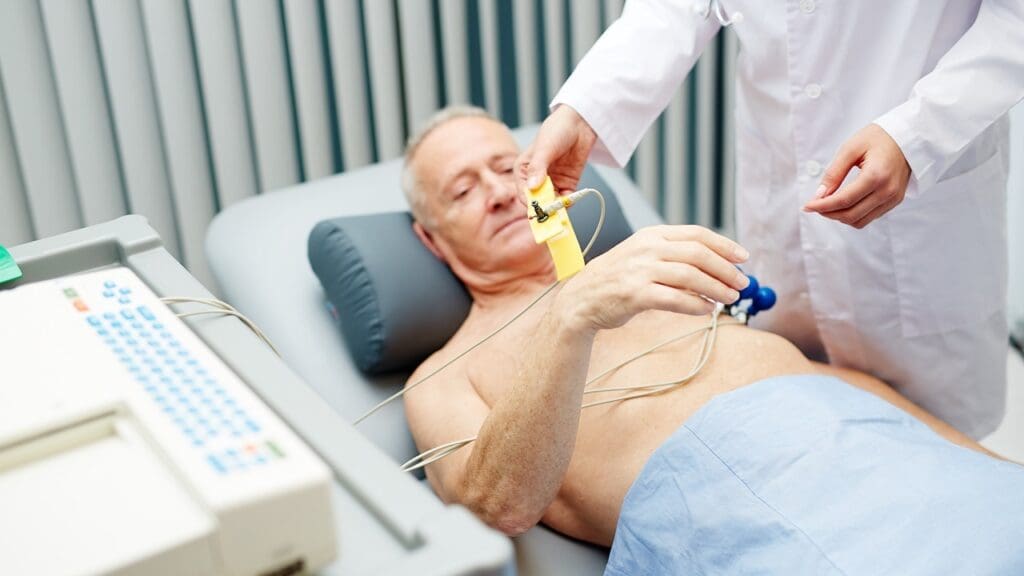
An Abdominal Aortic Aneurysm (AAA) happens when the aorta, the main artery, gets too big. This is a big health risk. The aorta is key for blood to reach the abdomen, pelvis, and legs.
Definition and Pathophysiology of AAA
AAA is when the aortic wall gets weak and bulges. It can come from genes and the environment. The wall gets weak because of inflammation and damage to the tissue, leading to cell death.
Common Risk Factors for Developing AAA
Many things can make you more likely to get AAA, including:
- Age: The risk goes up after 65.
- Smoking: It’s a big risk factor.
- Family History: If your family has AAA, you’re at higher risk.
- Hypertension: High blood pressure can harm the aortic wall.
| Risk Factor | Description |
|---|---|
| Age | Increased risk after 65 years |
| Smoking | Tobacco use significantly increases risk |
| Family History | Presence of AAA in first-degree relatives |
Dangers of Untreated Aneurysms
If AAA isn’t treated, it can burst. This causes severe bleeding, shock, and can be deadly. The National Vascular Registry 2015 Annual Report shows that ruptured AAAs are a major emergency with high death rates. Catching it early through screening is key to avoiding these dangers.
The Science Behind Triple AAA Screening
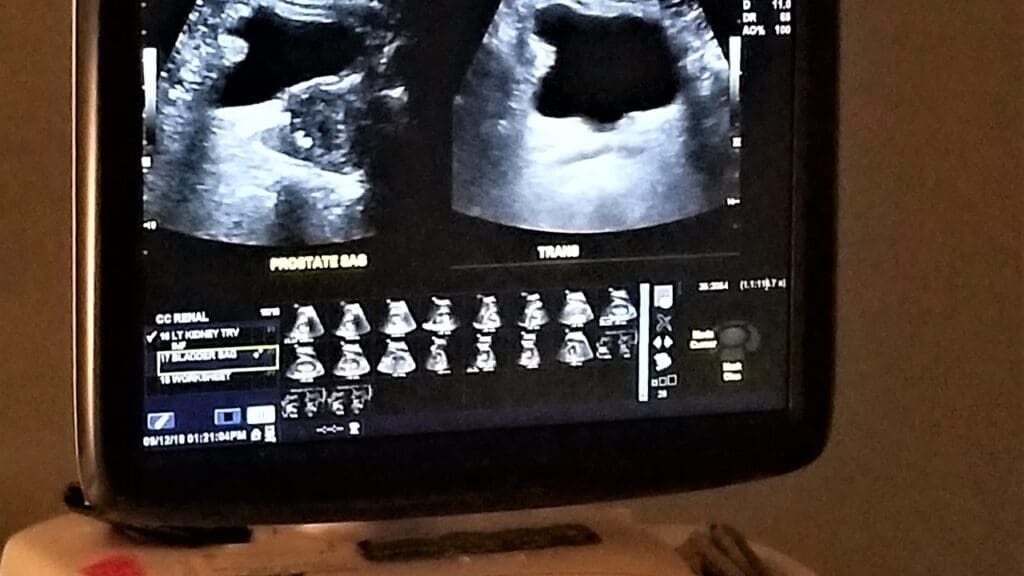
Triple AAA screening uses ultrasound to find aortic weakening. This method is non-invasive and has changed how we detect abdominal aortic aneurysms (AAAs). It helps catch problems early, which can save lives.
Key Fact #1: How Ultrasound Detects Aortic Weakening
Ultrasound is key in triple AAA screening. It uses sound waves to show detailed images of the aorta. Doctors can then measure the aorta’s size and spot any problems.
Studies show ultrasound is very good at finding AAAs, with over 95% accuracy.
Key Fact #2: Accuracy Rates Exceeding 95% Sensitivity
Ultrasound’s high accuracy is a big plus. The Canadian Society for Vascular Surgery says ultrasound is the best way to find AAAs. It’s reliable and doesn’t hurt.
| Screening Method | Sensitivity | Specificity |
|---|---|---|
| Ultrasound | >95% | Near 100% |
| CT Scan | Near 100% | Near 100% |
Non-Invasive Nature of the Procedure
Triple AAA screening is non-invasive. It doesn’t need cuts or instruments inside the body. This makes it safe and easy for patients.
This is key for screening groups at high risk. Easy tests help more people get checked.
The non-invasive and accurate nature of triple AAA screening is vital. It helps find and manage abdominal aortic aneurysms early.
Official AAA Screening Guidelines and Recommendations
The United States Preventive Services Task Force (USPSTF) has set clear guidelines for AAA screening. These rules help find people at high risk of getting an abdominal aortic aneurysm. This way, they can get timely treatment and possibly save lives.
One-Time Screening for Men 65-75 Who Have Smoked
The USPSTF suggests a one-time screening for men aged 65 to 75 who have smoked. This is because smoking greatly ups the risk of getting an AAA. Catching it early can prevent serious problems and death.
Smoking is a big risk for AAA. Focusing on men who have smoked helps find those most at risk. This targeted approach can cut down on deaths from AAA.
USPSTF Position on Abdominal Aneurysm Screening
The USPSTF believes in selective screening based on risk. They say men aged 65-75 who have smoked should get screened. But they don’t suggest screening for women without risk factors. This targeted approach makes sure screening is effective.
Medicare Coverage Requirements
Medicare covers AAA screening for certain people. This includes men aged 65 to 75 who have smoked at least 100 cigarettes. Knowing what Medicare covers is key to making sure people can get screened without worrying about cost.
Here’s a quick summary of what Medicare covers:
| Eligibility Criteria | Medicare Coverage |
|---|---|
| Men aged 65-75 who have smoked | One-time screening covered |
| Men aged 65-75 who have never smoked | No routine screening covered |
| Women with risk factors | Screening considered on a case-by-case basis |
Knowing the guidelines for AAA screening helps healthcare providers and patients work together. Screening is key to preventing problems with abdominal aortic aneurysms. Following these guidelines ensures it’s done right.
Age Criteria for Triple AAA Screening
As we get older, the chance of getting an abdominal aortic aneurysm goes up. This makes age a key factor in who should get Triple AAA screening.
Focus on Men Over 65 Years
Guidelines now say men over 65 should get screened. Studies show men in this age group face a higher risk of AAA. We suggest a one-time screening for men aged 65 to 75 who have smoked.
Key statistics for men over 65:
| Age Group | Risk Level | Recommended Screening |
|---|---|---|
| 65-75 | High | One-time screening |
| Above 75 | Very High | Consider based on overall health |
Selective Screening Recommendations for Women
Women face a lower risk, but some factors can up their chances of getting AAA. We advise screening women aged 65 or older who have smoked or have a family history of AAA.
Screening Considerations for Family History
Those with a family history of AAA are at higher risk. We recommend screening men and women with a first-degree relative (parent or sibling) diagnosed with AAA earlier.
Understanding these age criteria and risk factors helps us spot who needs Triple AAA screening. This can save lives by catching problems early.
Follow-Up Protocol for Detected Aneurysms
When an AAA is found, it’s key to have a follow-up plan. This plan helps track the aneurysm’s growth and decide on the best action. It’s all about keeping an eye on the aneurysm and stepping in when needed to stop it from rupturing.
Key Fact #5: Repeat Ultrasounds for AAAs Above 4 cm
For AAAs bigger than 4 cm, regular ultrasounds are a must. These ultrasounds are vital for checking the risk of rupture and when surgery might be needed.
Monitoring Schedule Based on Aneurysm Size
The schedule for checking AAAs depends on their size. Smaller ones (under 4 cm) might need less checking, while bigger ones need more. Keeping a close eye on changes helps doctors adjust treatment plans.
When Surgical Intervention Becomes Necessary
Surgery is needed when the risk of rupture is higher than surgery risks. This usually happens when the AAA is over 5.5 cm or growing fast. There are two main surgery types: open repair and EVAR. The choice depends on the patient’s health and the aneurysm’s shape.
With a clear follow-up plan, doctors can better manage AAAs. This reduces the risk of rupture and improves patient results.
The Cost-Effectiveness of Triple A Ultrasound Screening
Triple A ultrasound screening helps lower the risk of death from abdominal aortic aneurysm. It’s clear that finding problems early saves money. This makes it a valuable tool.
Economic Benefits of Early Detection
Spotting AAA early through ultrasound saves a lot of money. It stops expensive emergency surgeries and manages aneurysms before they get worse.
Early detection lets doctors use less costly monitoring and treatments. This is more effective and cheaper than emergency care.
Mortality Reduction Through US Aorta Screening
Ultrasound screening for AAA is key in finding aneurysms early. This helps doctors act fast, which can save lives.
Over 50% Reduction in AAA-Related Deaths
Research shows US aorta screening cuts down AAA-related deaths by over 50%. This is a big deal, as it means many lives could be saved.
Evidence from Large-Scale Clinical Studies
Big studies back up the success of AAA screening. For example, a study in the Journal of Vascular Surgery found it lowers death rates in men aged 65-75. The USPSTF says men in this age group who smoked should get screened.
| Study | Population | Reduction in AAA-Related Mortality |
|---|---|---|
| Journal of Vascular Surgery | Men aged 65-75 | 55% |
| BMJ | Men aged 65+ | 53% |
Long-Term Survival Statistics
Long-term survival stats show AAA screening’s benefits. Early detection means quicker treatment, which boosts survival chances. Studies show early screening leads to better survival rates, making it a vital preventive step.
In summary, US aorta screening is a game-changer for reducing AAA-related deaths. With a 50%+ drop in deaths, it’s clear we need to screen more widely.
Accessing Triple AAA Screening Services
Learning how to get AAA screening can make you feel more at ease. It encourages more people to get checked for abdominal aortic aneurysms. We’re here to walk you through the steps.
Improved Long-Term Survival Rates
Screening early can greatly improve survival chances for those with AAA. Research shows that early action can cut down mortality by over 50%. So, if you’re at risk, getting screened is key.
Where to Get Screened in the United States
In the U.S., many places offer AAA screening. You can go to local hospitals, clinics, or vascular centers. Some places even offer free or low-cost screenings for those who qualify.
What to Expect During Your Screening Appointment
At your screening, you’ll have a non-invasive ultrasound. A technician will use an ultrasound to look for any issues in your aorta. The whole thing usually takes under 30 minutes, and you’ll get your results right after.
A leading vascular surgeon says, “AAA screening is simple and can save lives. It’s a vital part of preventive care for those at risk.”
“The implementation of AAA screening programs has been shown to reduce aneurysm-related mortality by up to 50% in screened populations.”
Knowing where to get screened and what to expect helps you take care of your vascular health. It’s a proactive step.
Conclusion: The Lifesaving AAA Screening
We’ve looked into the key points of Triple AAA screening guidelines. We’ve seen how ultrasound technology helps find abdominal aortic aneurysms. Studies show that AAA screening can save lives by lowering death rates in those who get checked.
Following the recommended screening guidelines is very important. It helps doctors find and help people at high risk early on. The United States Preventive Services Task Force (USPSTF) gives great advice for doctors and patients.
Early detection is key to stopping aneurysm rupture and death. We urge men aged 65 to 75 who have smoked to talk to their doctors about AAA screening. This way, we can use AAA screening to save lives and give better care to those at risk.
What is triple AAA screening?
Triple AAA screening uses ultrasound to find abdominal aortic aneurysms (AAAs). It’s mainly for men aged 65-75 who have smoked.
Why is AAA screening important?
AAA screening is key because it finds aneurysms before they burst. This lowers the risk of death. Finding them early means treatment can start sooner.
How accurate is ultrasound screening for AAA?
Ultrasound for AAA is very accurate, with over 95% sensitivity. It’s a trusted way to diagnose.
What are the guidelines for AAA screening?
The USPSTF says men aged 65-75 who smoked should get screened once. Medicare also covers it for those who qualify.
Who should undergo AAA screening?
Men over 65, and those who smoked, should get screened. Women with risk factors or family history might also need it.
What happens if an aneurysm is detected during screening?
Finding an aneurysm means a follow-up plan. This includes more ultrasounds based on the size. Surgery might be needed for big aneurysms.
Is AAA screening covered by insurance?
In the US, Medicare pays for AAA screening for those who qualify. Many private insurances also cover it as a preventive service.
How can I access triple AAA screening services?
To get triple AAA screening, talk to your doctor or look for certified centers near you.
What can I expect during an AAA screening appointment?
At an AAA screening, you’ll have a non-invasive ultrasound. A trained technician will do it. A healthcare pro will then explain the results.
What are the benefits of early detection through AAA screening?
Early detection through AAA screening can greatly lower death rates from AAAs. It also improves survival chances and saves money by avoiding emergency care.
Are there any risks associated with AAA screening?
AAA screening with ultrasound is safe and non-invasive. There are no big risks with it.
References
- U.S. Preventive Services Task Force (USPSTF) : https://www.uspreventiveservicestaskforce.org/uspstf/recommendation/abdominal-aortic-aneurysm-screening
- PubMed/NCBI : https://pubmed.ncbi.nlm.nih.gov/30037679
- JAMA Network : https://jamanetwork.com/journals/jama/fullarticle/2757233



 Departments
 Related Videos
 Our Doctors
 News
News