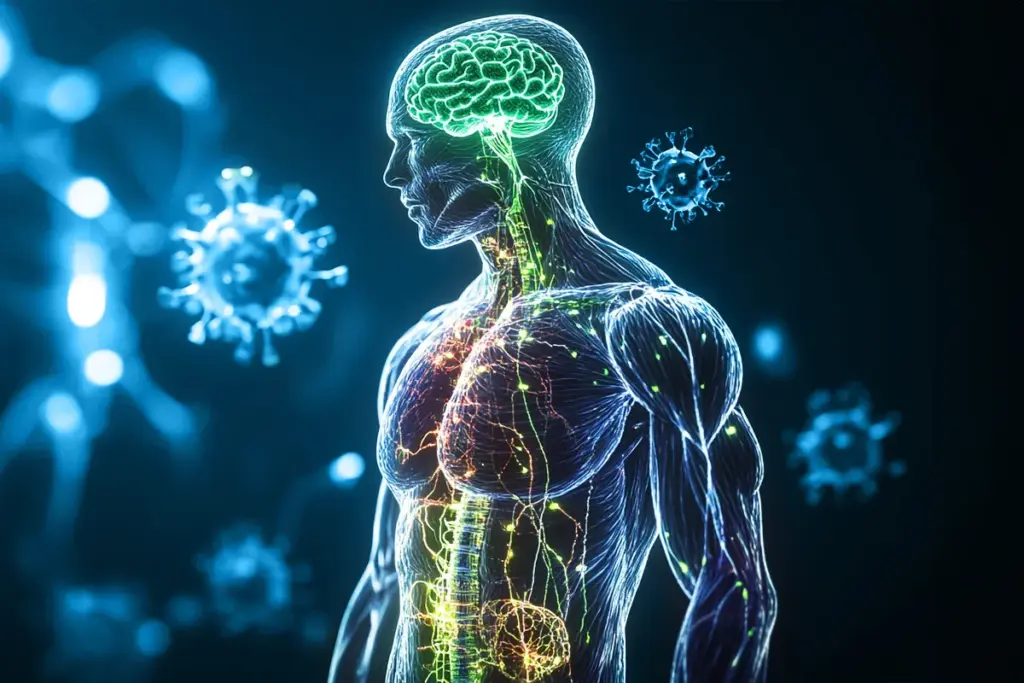
The top 3 most common genetic diseases are sickle cell disease, cystic fibrosis, and thalassemia. Sickle cell disease alone impacts about 20-25 million people globally. This shows how big of a deal these conditions are.
It’s key to understand these diseases’ prevalence and impact. This helps in finding better treatments and improving care. Places like LIV Hospital are leading the way in changing how we deal with genetic diseases.
Key Takeaways
- The top 3 most common genetic diseases are sickle cell disease, cystic fibrosis, and thalassemia.
- Sickle cell disease affects approximately 20-25 million people worldwide.
- Genetic disorders are caused by abnormalities in an individual’s genome.
- Innovative institutions are working to improve treatments and patient outcomes.
- Understanding the prevalence of genetic diseases is key for global health.
The Global Impact of Genetic Disorders

Rare genetic conditions are a big part of this issue. About 72% of rare diseases have a genetic link. And 70% of these start in childhood.
How Genetic Diseases Develop and Spread
Genetic diseases come from DNA changes. These changes can be passed down or happen by chance. Studying these diseases helps us understand how they spread. It also helps find new ways to treat them.
The Burden of Rare Genetic Conditions
Rare genetic conditions are very hard on people and families. They cause a lot of suffering and cost a lot of money. Families often struggle to get the help they need.
It’s important to know how genetic disorders affect us all. This knowledge helps us create better health plans. It also improves the lives of those dealing with these conditions.
Sickle Cell Disease: A Leading Genetic Disorder

The Genetic Mutation Behind Sickle Cell Disease
The genetic mutation for sickle cell disease happens in the HBB gene. This gene codes for a part of hemoglobin. The mutation causes abnormal hemoglobin, known as sickle hemoglobin or hemoglobin S. People who inherit two copies of this mutated gene will have the disease.
Global Prevalence: 20-25 Million People Affected
Sickle cell disease is a big health problem worldwide. It affects about 20-25 million people. It’s most common in tropical and subtropical areas because it helps fight malaria.
High Carrier Rates in African Regions
In some African areas, a lot of people carry the sickle cell gene mutation. This rate can be between 10% to 40%. This means many people can pass this gene to their children.
Current Treatment Approaches and Outcomes
Today, treatments for sickle cell disease include blood transfusions and pain medication. Sometimes, bone marrow transplantation is used. These treatments help manage symptoms but come with risks. Researchers are working on new treatments like gene therapy to improve care in the future.
Cystic Fibrosis: Prevalent in Caucasian Populations
Cystic fibrosis is a big health problem, mainly in Caucasian communities around the world. It’s a genetic disorder that affects the lungs, digestive system, and reproductive system. This happens because of mutations in the CFTR gene.
Understanding the CFTR Gene Mutation
The CFTR gene tells our bodies how to make a protein. This protein acts as a channel, moving chloride ions in and out of cells. When the gene mutates, it makes thick, sticky mucus. This mucus clogs airways and traps bacteria, causing infections and lung damage.
Epidemiology: 1 in 2,500-3,500 Newborns in Europe and North America
In Europe and North America, 1 in every 2,500–3,500 newborns have cystic fibrosis. It’s less common in other ethnic groups, but can happen in any population.
|
Region |
Prevalence |
|---|---|
|
Europe |
1 in 2,500-3,500 |
|
North America |
1 in 2,500-3,500 |
|
Other Regions |
Less common |
70,000 People Living with Cystic Fibrosis Worldwide
Worldwide, about 70,000 individuals live with cystic fibrosis. Thanks to better medical care, their quality of life and life expectancy have greatly improved.
Modern Management and Life Expectancy Improvements
Thanks to multidisciplinary care, life expectancy has risen. Treatments now include medicines that target the disease’s cause. They also include traditional therapies like chest physiotherapy and nutritional support.
Research and treatment advancements mean people with cystic fibrosis are living longer, healthier lives. In many countries, the median predicted survival age is over 40 years. This is a big improvement from the past.
Thalassemia: A Widespread Hemoglobin Disorder
Approximately 280 million people worldwide carry the thalassemia trait. This makes it a common genetic condition. Thalassemia is a blood disorder caused by missing or reduced globin chains. This leads to anemia and other complications.
This condition is common in the Mediterranean, Middle East, and South Asia. These areas have high rates of carriers.
Alpha and Beta Thalassemia Variants
Thalassemia comes in two main types: alpha and beta. Alpha thalassemia happens when there’s a problem with the alpha-globin genes. The severity depends on how many genes are affected.
Beta thalassemia is caused by issues with the beta-globin gene. This leads to less or no beta-globin chains being made.
280 Million Global Carriers of the Thalassemia Trait
About 280 million people worldwide carry the thalassemia trait. Most of these carriers don’t show symptoms but can pass the mutated gene to their kids. The trait is very common in certain areas, like the Mediterranean, Middle East, and South Asia.
60,000 Severe Cases Born Annually
Every year, about 60,000 children are born with severe thalassemia. These kids need lifelong treatment. This includes regular blood transfusions and iron chelation therapy to manage iron buildup.
Regional Prevalence in Mediterranean, Middle East, and South Asia
Thalassemia is most common in the Mediterranean, Middle East, and South Asia. In these places, it’s a big public health problem. This is because of the high number of carriers and the risk of severe disease in children.
Public health efforts, like genetic screening and counseling, are key. They help reduce the number of severe thalassemia cases.
Comparing the Clinical Features of the Top 3 Genetic Diseases
Looking at the top 3 genetic diseases helps us understand how to diagnose and manage them. These diseases are sickle cell disease, cystic fibrosis, and thalassemia. They all have a big impact on the lives of those who have them.
Similarities in Inheritance Patterns
All three diseases are passed down in an autosomal recessive pattern. This means a person needs two copies of the faulty gene to have the disease. Carriers, with one normal and one faulty gene, usually don’t show symptoms but can pass the faulty gene to their kids.
This pattern is key in genetic counseling and planning families with a history of these diseases.
Differences in Organ Systems Affected
The diseases affect different parts of the body. Sickle cell disease mainly hits the blood system, causing problems with hemoglobin and leading to crises. Cystic fibrosis affects the lungs and digestive system, causing thick mucus. Thalassemia also impacts the blood system, leading to anemia and other issues.
- Sickle Cell Disease: Hematopoietic system
- Cystic Fibrosis: Respiratory and digestive systems
- Thalassemia: Hematopoietic system
Variations in Age of Onset and Progression
The age when these diseases start and how they progress differ. Sickle cell disease and thalassemia often start early, in the first few years. Cystic fibrosis also starts early, but sometimes it’s diagnosed later.
Many things can affect how these diseases progress. This includes genetics, environment, and treatment.
Turner Syndrome: Understanding the Chromosomal Condition
Turner Syndrome is caused by missing or having only part of an X chromosome. This leads to physical and health problems.
The Genetic Basis: Complete or Partial X Chromosome Absence
Turner Syndrome happens when females are missing or have only part of an X chromosome. It affects about 1 in 2,500 live-born females. This can cause many health and development issues.
Genetic Characteristics:
- Monosomy X: Complete absence of one X chromosome
- Mosaicism: Mixture of cells with 45,X and 46,XX chromosomes
- Partial X chromosome deletion
Prevalence and Demographics of Turner Syndrome
Turner Syndrome is found in about 1 in 2,500 to 1 in 5,000 live-born females worldwide. It’s not linked to the mother’s age, unlike some other conditions.
|
Region |
Prevalence |
|---|---|
|
Global |
1 in 2,500 live-born females |
|
Europe |
1 in 2,500 live-born females |
|
North America |
1 in 2,500 live-born females |
Physical Characteristics and Growth Patterns
People with Turner Syndrome often have short stature and delayed puberty. They may also have a webbed neck and low-set ears.
Growth Patterns: They usually grow shorter than their peers.
Associated Health Complications
Turner Syndrome can lead to heart problems, hearing loss, and infertility.
Common Health Issues:
- Cardiovascular abnormalities (e.g., bicuspid aortic valve)
- Hearing loss
- Infertility
- Osteoporosis
Diagnosing Turner Syndrome: Methods and Challenges
Diagnosing Turner syndrome needs a detailed plan. It mixes genetic tests with doctor’s checks. This condition, where some females lack an X chromosome, makes diagnosis tricky.
Prenatal Detection Through Genetic Testing
Prenatal tests are key in spotting Turner syndrome early. Tests like CVS and amniocentesis can find chromosomal issues, like Turner syndrome, in the first and second trimesters. Spotting it early helps prepare and manage the condition better.
- CVS is done between weeks 10 and 12 of pregnancy.
- Amniocentesis happens between weeks 15 and 20.
Clinical Diagnosis in Childhood and Adolescence
Even with early prenatal tests, many Turner syndrome cases are found later. This is because of noticeable physical traits or growth issues. Doctors use a detailed check-up and growth tracking to diagnose. Signs like short height, delayed puberty, and specific physical traits lead to more genetic tests.
Differential Diagnosis from Other Genetic Conditions
It’s important to tell Turner syndrome apart from other genetic issues. A detailed check-up must look at other possible causes of similar signs. This ensures the right diagnosis and treatment plan.
- Genetic tests to confirm Turner syndrome.
- Checking physical traits and growth.
- Looking at other health problems linked to Turner syndrome.
To accurately diagnose Turner syndrome, a mix of genetic tests and doctor’s evaluations is needed. This ensures the right diagnosis and care.
Treatment Approaches for Turner Syndrome
Managing Turner syndrome needs a detailed treatment plan. It aims to tackle the health issues linked to this genetic condition. This improves life quality for those affected.
Growth Hormone Therapy: Timing and Effectiveness
Growth hormone therapy is key for Turner syndrome treatment. It boosts growth and development. Starting growth hormone therapy early is vital. It helps for normal growth during childhood and teen years.
Estrogen Replacement for Sexual Development
Estrogen replacement therapy is also vital. It helps start puberty and aids in sexual development. Getting the timing and dosage right is important. It ensures the best results and avoids side effects.
Managing Associated Medical Conditions
People with Turner syndrome face many health issues. These include heart problems and osteoporosis. Regular checks and management are key. They help prevent serious problems and keep overall health good.
Multidisciplinary Care Coordination
Handling Turner syndrome well needs a team effort.
- Endocrinologists
- Cardiologists
- Gynecologists
These specialists work together. They make sure all parts of the condition are covered.
With a full treatment plan, people with Turner syndrome can live better lives. Keeping up with regular check-ups and adjusting the plan as needed is important. It helps reach the best results.
Fertility Considerations in Turner Syndrome
People with Turner syndrome often struggle with fertility. It’s key to know the options and what to consider. Turner syndrome, caused by missing X chromosomes, impacts ovarian growth and function. This leads to infertility in most cases.
Understanding Ovarian Function and Failure
Ovarian dysgenesis, or failure, is common in Turner syndrome. This results in infertility for most. But, some may have a mosaic form. This mix of cells might allow for some ovarian function.
Fertility Preservation Options
Fertility preservation is vital for those with Turner syndrome. Options include:
- Cryopreservation of ovarian tissue or eggs
- Donor egg or embryo donation for future IVF use
Assisted Reproductive Technologies
Assisted reproductive technologies (ART), like in vitro fertilization (IVF), are options. They’re for those who’ve preserved fertility or are using donor eggs/embryos. Success depends on egg/embryo quality and overall health.
Pregnancy Risks and Management
Turner syndrome pregnancies, natural or through ART, come with risks. These include heart issues and hypertension. A team of experts is needed for close monitoring and management.
It’s important to understand fertility in Turner syndrome. By looking into preservation and ART, individuals can make informed choices. This way, they can support their reproductive health.
Genetic Testing and Early Detection of Genetic Diseases
Early detection through genetic testing is key for managing genetic diseases well. It has become a mainstay in diagnosing and managing genetic disorders. This allows for timely interventions that can greatly improve patient outcomes.
Advances in Prenatal Screening Methods
Prenatal screening has seen big improvements, making it possible to find genetic issues in the fetus early. Techniques like non-invasive prenatal testing (NIPT) and chorionic villus sampling (CVS) have made prenatal diagnosis more accurate and safe.
NIPT looks at cell-free DNA in the mother’s blood to spot chromosomal problems. CVS involves taking a sample from the placenta to diagnose genetic conditions.
|
Prenatal Screening Method |
Description |
Detection Rate |
|---|---|---|
|
NIPT |
Analyzes cell-free DNA in mother’s blood |
High |
|
CVS |
Samples placental tissue |
High |
|
Amniocentesis |
Analyzes amniotic fluid |
High |
Newborn Screening Programs for Early Intervention
Newborn screening programs are vital in catching genetic disorders early. They allow for quick treatment and management. These programs usually involve a blood test soon after birth to check for different genetic conditions.
Genetic Counseling for Families
Genetic counseling is a big part of genetic testing. It gives families the info and support they need to understand and manage genetic conditions. Genetic counselors help families make sense of test results, talk about reproductive choices, and plan for the future.
By combining genetic testing with counseling, families can make informed choices about their health and their children’s health.
Breakthrough Treatments in Genetic Disease Management
New medical technologies have brought about major advancements in treating genetic diseases. These breakthroughs are changing how we diagnose and treat these conditions. They offer new hope to those affected by genetic diseases.
Gene Therapy Approaches for Sickle Cell and Cystic Fibrosis
Gene therapy is showing promise for diseases like sickle cell and cystic fibrosis. It aims to fix the genetic problem, helping to reduce symptoms. Clinical trials have shown promising results, with some patients seeing big improvements.
Stem Cell Transplantation for Thalassemia
Stem cell transplantation is being explored for thalassemia. This method replaces the bone marrow with healthy stem cells. It has the chance to cure thalassemia, giving patients a new lease on life.
|
Disease |
Treatment |
Outcome |
|---|---|---|
|
Sickle Cell Disease |
Gene Therapy |
Improved symptoms |
|
Cystic Fibrosis |
Gene Therapy |
Restored lung function |
|
Thalassemia |
Stem Cell Transplantation |
Potential cure |
Emerging Therapeutic Strategies for Chromosomal Conditions
Chromosomal conditions, like Turner syndrome, are seeing new treatments. Researchers are finding ways to manage symptoms and health issues. Personalized medicine is key in treating these conditions, tailoring care to each patient’s needs.
Research Directions for Turner Syndrome Treatment
Research on Turner syndrome is ongoing, aiming for better treatments. Growth hormone therapy and estrogen replacement are being improved. Future research might include gene therapy and other new methods to enhance life for those with Turner syndrome.
Living with Genetic Disorders: Psychosocial Aspects
Living with a genetic disorder is complex, touching on many psychosocial aspects. People with these disorders face unique challenges. These challenges affect their daily life, well-being, and how they interact with family and society.
Educational and Developmental Support
Getting the right educational and developmental support is key. It helps them deal with their condition’s challenges. For example, kids might need special education plans to meet their needs.
Turner Syndrome Foundation and Support Organizations
Groups like the Turner Syndrome Foundation are vital. They offer resources and support to those affected. They provide educational materials, support groups, and advocacy.
|
Support Organization |
Services Offered |
Target Audience |
|---|---|---|
|
Turner Syndrome Foundation |
Educational materials, support groups, advocacy |
Individuals with Turner Syndrome, families |
|
Genetic Disorder Support Network |
Counseling, online forums, community events |
Individuals with various genetic disorders, families |
|
Rare Disease Alliance |
Research funding, patient support, awareness campaigns |
Individuals with rare genetic disorders, families, researchers |
Building Resilience in Affected Individuals
Building resilience is critical for those with genetic disorders. It means developing coping strategies and having a positive self-image. Resilience helps them adapt to their condition’s challenges, improving their life quality.
Family Adaptation and Resources
Families of those with genetic disorders need support too. They should have access to counseling, support groups, and educational materials. With the right tools and support, families can better care for their loved ones.
The Future of Genetic Disease Management
Genetic disease management is changing fast with new tech. New methods are making diagnosis and treatment better. This brings hope to those with these conditions.
Precision Medicine Approaches
Precision medicine is changing how we treat genetic diseases. It tailors treatments to each person’s genes. This makes treatments more effective and safer. Rare disease research is where precision medicine is making a big difference.
Advances in CRISPR and Gene Editing
CRISPR is a powerful tool for fixing genetic problems. It could treat diseases like sickle cell and cystic fibrosis. Gene editing could change how we treat genetic diseases by fixing the cause.
International Collaboration in Rare Disease Research
Working together globally is key in rare disease research. It combines resources and knowledge. This effort is leading to new treatments and a better understanding of rare diseases.
Improving Quality of Life for Genetic Disease Patients
Improving life for genetic disease patients is a main goal. It’s not just about new treatments. It’s also about care and support for patients and their families. Advances in tech and care coordination are making a big difference.
|
Approach |
Description |
Potential Impact |
|---|---|---|
|
Precision Medicine |
Tailoring treatments to individual genetic profiles |
More effective disease management |
|
CRISPR Gene Editing |
Correcting genetic mutations |
Potential cure for genetic diseases |
|
International Collaboration |
Pooling resources and expertise in rare disease research |
Better understanding and treatment of rare diseases |
Conclusion
Managing genetic diseases needs a team effort. This includes the newest medical discoveries and creative treatments. LIV Hospital shows it’s a leader in medical care by using the latest methods and investing in new ideas.
Genetic disorders like sickle cell disease and cystic fibrosis need a full care plan. This plan should cover both physical and mental health. LIV Hospital provides this kind of care, aiming to always get better.
The hospital is dedicated to top-notch care for genetic diseases. It uses new treatments like gene therapy and stem cell transplants. This way, LIV Hospital makes life better for those with genetic disorders.
As scientists learn more about genetic diseases, places like LIV Hospital play a big role. They help turn new discoveries into real treatments. This helps improve the lives of people with these conditions.
FAQ
What is Turner syndrome?
Turner syndrome is a condition that affects females. It happens when one of the X chromosomes is missing or partially missing.
What are the symptoms of Turner syndrome?
Symptoms include short stature and delayed puberty. People with Turner syndrome may also have infertility and physical traits like a webbed neck and low-set ears.
How is Turner syndrome diagnosed?
It’s diagnosed through genetic testing. This includes karyotyping, which checks for missing or abnormal X chromosomes.
What is the treatment for Turner syndrome?
Treatment includes growth hormone therapy for height. Estrogen replacement helps with puberty. Managing heart defects is also part of the treatment.
Can individuals with Turner syndrome become pregnant?
Most people with Turner syndrome can’t get pregnant because of ovarian failure. But, some might be able to with the help of assisted reproductive technologies.
What is the genetic basis of sickle cell disease?
Sickle cell disease is caused by a mutation in the HBB gene. This gene codes for the beta-globin subunit of hemoglobin, leading to abnormal hemoglobin production.
What is cystic fibrosis?
Cystic fibrosis is a genetic disorder. It’s caused by mutations in the CFTR gene, which affects chloride transport and leads to thickened mucus.
What are the different types of thalassemia?
Thalassemia is divided into alpha-thalassemia and beta-thalassemia. This depends on which globin chain is affected.
How are genetic diseases inherited?
Genetic diseases can be inherited in different ways. This includes autosomal dominant, autosomal recessive, and X-linked patterns, depending on the mutation and gene involved.
What is the role of genetic testing in managing genetic diseases?
Genetic testing helps diagnose diseases and identify carriers. It guides treatment decisions and provides information for family planning.
What are the advances in treating genetic diseases?
New treatments include gene therapy and stem cell transplantation. Precision medicine aims to address the genetic cause of diseases.
What is the importance of support organizations for individuals with genetic disorders?
Support organizations offer resources and emotional support. They help improve the quality of life for individuals and families with genetic disorders.
What is the future of genetic disease management?
The future involves more genetic testing, gene editing, and precision medicine. Increased international collaboration and research will also play a key role.
References
- Centers for Disease Control and Prevention (CDC). Sickle Cell Disease Data & Statistics. Retrieved from https://www.cdc.gov/ncbddd/sicklecell/data.html
- National Center for Biotechnology Information (NCBI). [Article Title]. Retrieved from https://www.ncbi.nlm.nih.gov/pmc/articles/PMC9629601/
- Rare Diseases International. New Scientific Paper Confirms 300 Million People Living with a Rare Disease Worldwide. Retrieved from https://rarediseasesinternational.org/new-scientific-paper-confirms-300-million-people-living-with-a-rare-disease-worldwide/
- Labiotech. Rare Disease Prevalence, Communities & Genetics. Retrieved from https://www.labiotech.eu/in-depth/rare-disease-prevalence-communities-genetics/
- World Health Organization (WHO). Hereditary Haemoglobin Disorders: Thalassaemia and Sickle‑Cell Disease (Fact Sheet). Retrieved from https://www.who.int/news-room/fact-sheets/detail/hereditary-haemoglobin-disorders-thalassaemia-and-sickle-cell-disease