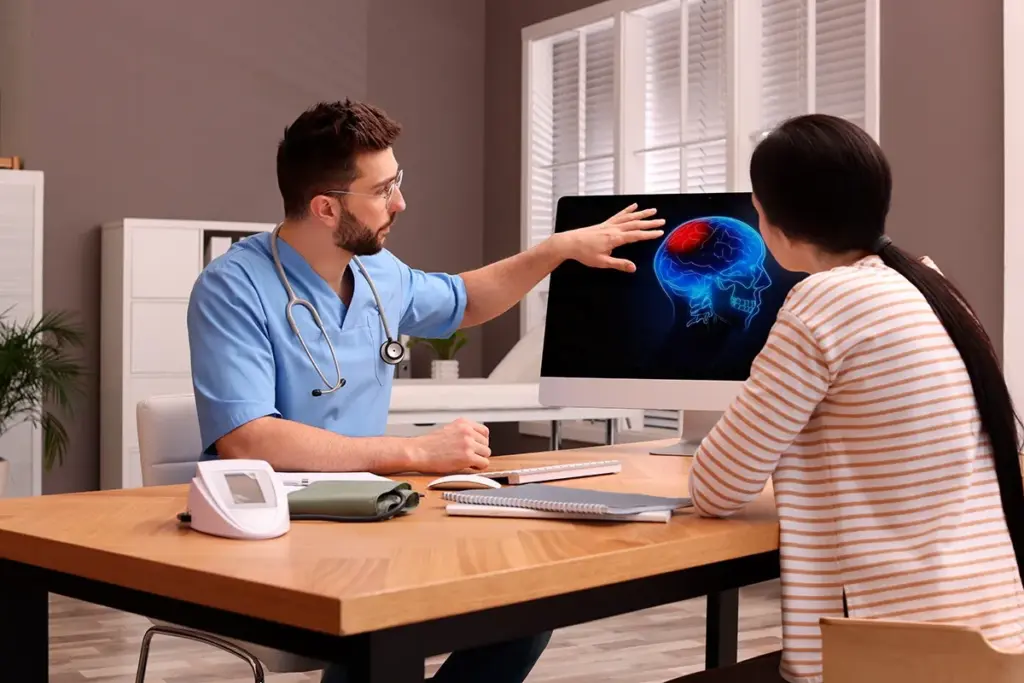
There is more hope than ever before for individuals diagnosed with brain tumors. This is thanks to advancements in medical technology and innovative treatment approaches.
Understanding the various brain cancer therapies available is key. Advanced treatments, including tumor-treating fields, have shown promising results in shrinking brain tumors.
The key to effective treatment lies in understanding the different treatment options. Choosing the most appropriate approach based on the specific characteristics of the tumor is vital.
Key Takeaways
- Advanced treatments offer new hope for shrinking brain tumors.
- Understanding brain cancer therapies is essential for effective treatment.
- Tumor-treating fields are among the innovative approaches showing promise.
- Choosing the right treatment approach is vital for successful outcomes.
- The characteristics of the tumor play a significant role in determining the best treatment.
Understanding Brain Tumors and Their Growth
Brain tumors grow due to a mix of genetic and environmental factors. They can start from different brain cells, leading to various types of tumors. Knowing this helps doctors plan better treatments.
What Causes Brain Tumors to Develop
The exact reasons for brain tumors are not fully known. But, research has found several genetic and environmental factors. For example, genetic changes, radiation exposure, and viral infections can increase the risk.
Being exposed to ionizing radiation, like from X-rays, also raises the risk of brain tumors.
Key risk factors for brain tumors include:
- Genetic mutations or inherited syndromes
- Exposure to ionizing radiation
- Certain viral infections
- Family history of brain tumors
How Brain Tumors Grow and Spread
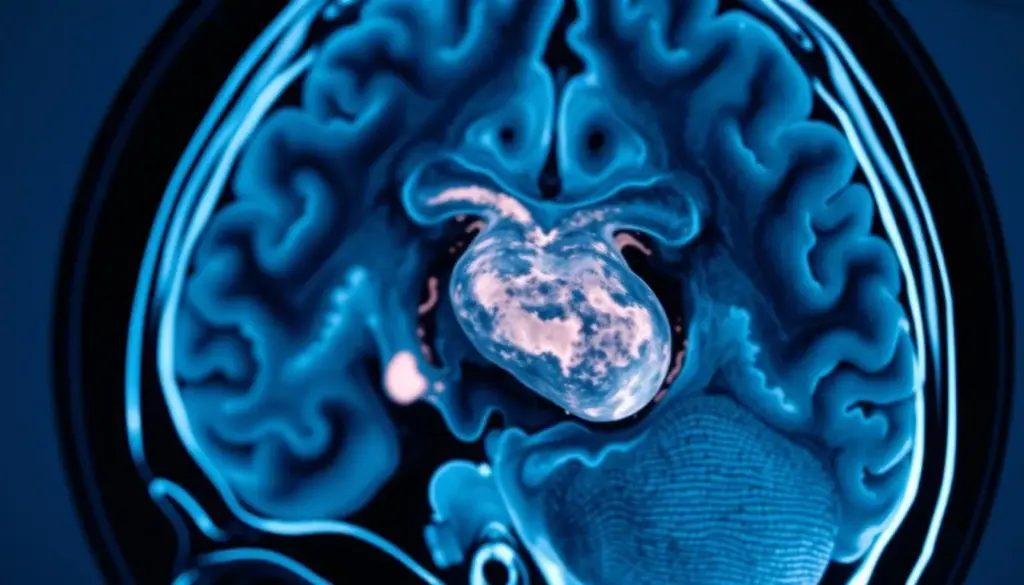
Brain tumors grow and spread differently based on their type and how aggressive they are. Malignant tumors are very aggressive and can spread into the brain tissue. This makes them hard to remove surgically.
|
Tumor Type |
Growth Pattern |
Typical Treatment Approaches |
|---|---|---|
|
Malignant Glioma |
Aggressive, infiltrative |
Surgery, radiation therapy, chemotherapy |
|
Benign Meningioma |
Slow-growing, localized |
Surgery, observation |
|
Medulloblastoma |
Rapidly growing, potentially metastatic |
Surgery, chemotherapy, radiation therapy |
It’s important to know the specific traits of a brain tumor to choose the best treatment. MRI scans help doctors see how the tumor is growing and how it’s responding to treatment.
Types of Brain Tumors and Their Characteristics
It’s important to know about the different brain tumors to find the right treatment. Brain tumors are grouped by where they start, how they grow, and what they are like.
Primary vs. Secondary Brain Tumors
Brain tumors are either primary or secondary. Primary brain tumors start in the brain. Secondary brain tumors come from cancer spreading to the brain from elsewhere. Primary tumors can be different based on the cell they start from.
Secondary tumors, or metastatic tumors, are more common. They often come from lung, breast, or skin (melanoma) cancers.
Benign vs. Malignant Brain Tumors
Brain tumors are also called benign or malignant. Benign brain tumors are not cancerous and don’t spread. They can cause problems because of where they are and how big they get. Malignant brain tumors are cancerous and can spread, making them harder to treat.
Common Brain Tumor Types
Some common brain tumors are glioblastoma, meningioma, and acoustic neuroma. Glioblastoma is a fast-growing, malignant tumor from brain cells. Meningioma is usually a benign tumor from the meninges, which protect the brain and spinal cord.
|
Tumor Type |
Origin |
Behavior |
|---|---|---|
|
Glioblastoma |
Glial cells |
Malignant |
|
Meningioma |
Meninges |
Benign |
|
Acoustic Neuroma |
Nerve sheath |
Benign |
Knowing about these brain tumors and their traits is key to choosing the best treatment. Each tumor is different and reacts differently to treatments.
Diagnosing Brain Tumors: The First Step Toward Treatment
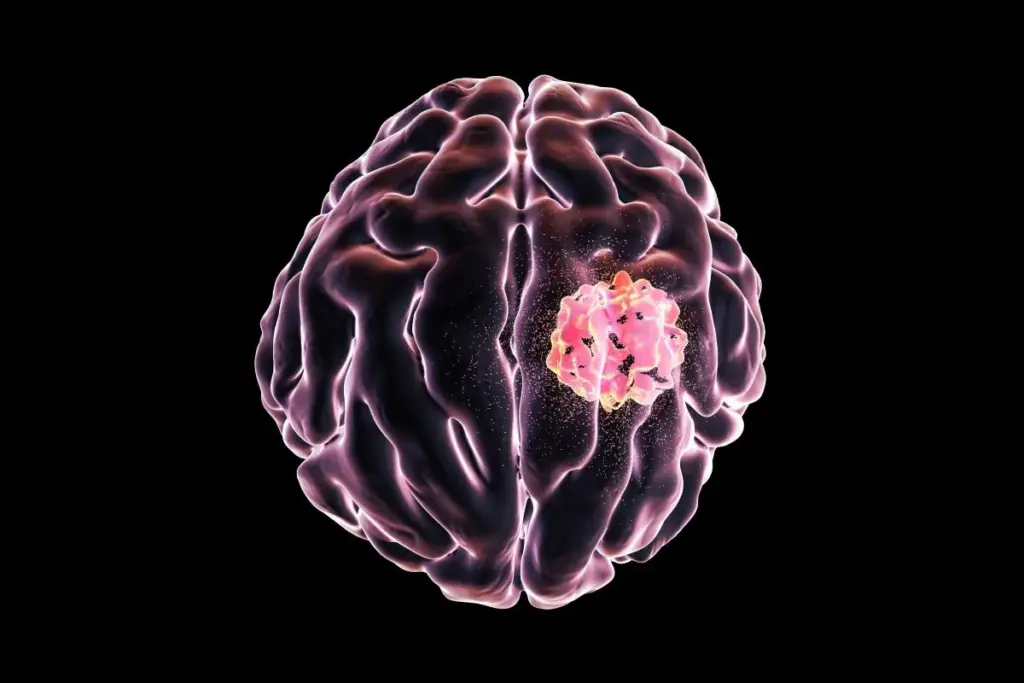
Getting a brain tumor diagnosis is the first step to treatment. It’s a key step that sets the treatment path. Doctors use clinical checks, imaging, and sometimes biopsies to diagnose.
Common Symptoms That Indicate a Brain Tumor
Brain tumors can show different symptoms. These depend on the tumor’s size, location, and type. Symptoms include headaches, seizures, and nausea.
Some people might feel weak or numb in their limbs. They might also see vision changes or have trouble speaking.
Key symptoms to watch out for:
- Headaches that worsen over time
- Seizures or convulsions
- Nausea and vomiting, often in the morning
- Weakness or numbness in the limbs
- Vision changes, like double vision or losing peripheral vision
Diagnostic Imaging Techniques
Imaging is key in finding brain tumors. MRI (Magnetic Resonance Imaging) and CT (Computed Tomography) scans are used often. MRI is great for seeing soft tissue tumors.
These methods help doctors understand the tumor’s size, location, and type. This info is vital for treatment planning.
Biopsy Procedures and Their Importance
A biopsy takes a tumor sample for microscopic study. It’s key for confirming the diagnosis and identifying the tumor type. The biopsy results help doctors know how aggressive the tumor is and guide treatment.
Types of biopsy procedures:
- Stereotactic biopsy: A minimally invasive method using a frame and imaging.
- Open biopsy: Done during surgery to remove the tumor.
- Needle biopsy: Uses a needle to collect tissue samples.
Accurate diagnosis is vital for a good treatment plan for brain cancer.
Factors That Influence Brain Tumor Treatment Decisions
Choosing a treatment for brain tumors is complex. It involves many important factors. This shows why a treatment plan should be tailored to each person.
Tumor Size, Location, and Type
The size, location, and type of tumor greatly affect treatment choices. Big tumors might need stronger treatments. Smaller ones could be treated with less invasive methods.
The tumor’s location is also key. Tumors in sensitive areas need precise treatments to avoid harming the brain.
The type of tumor is also important. For example, glioblastoma (GBM) is aggressive and needs surgery, radiation, and chemotherapy.
Patient Age and Overall Health
A patient’s age and health are important in making treatment decisions. Older patients or those with health issues might not be good for certain treatments. In these cases, the goal might change to improving quality of life.
Treatment Goals: Cure vs. Management
Treatment goals depend on the tumor type, patient health, and other factors. For some, the goal is to cure the tumor. For others, with malignant or inoperable tumors, the focus is on managing symptoms and improving quality of life.
|
Factor |
Influence on Treatment |
Example |
|---|---|---|
|
Tumor Size |
Larger tumors may require more aggressive treatment |
Surgery or combination therapy for large GBM |
|
Tumor Location |
Tumors in sensitive areas require precise treatment |
Using stereotactic radiosurgery for tumors near critical brain structures |
|
Patient Age |
Older patients may not tolerate aggressive treatments |
Palliative care for elderly patients with glioblastoma |
|
Treatment Goals |
Goals can be curative or palliative |
Curative surgery for benign tumors; palliative care for advanced malignant tumors |
It’s important to understand these factors and how they affect treatment choices. This knowledge helps patients and their families as they face the challenges of brain tumor care.
Surgical Options for Shrinking Brain Tumors
Brain tumor surgery has changed a lot, giving many options for different tumors and patients. The right surgery depends on the tumor’s size, location, and type, and the patient’s health.
Traditional Craniotomy
A traditional craniotomy opens part of the skull to reach the brain tumor. This lets surgeons see and remove the tumor. Even though it’s more invasive, new neurosurgery methods have made it safer and faster.
Benefits of Traditional Craniotomy:
- Direct access to the tumor
- Ability to remove large or complex tumors
- Effective for tumors in various locations
Minimally Invasive Surgical Techniques
Minimally invasive surgery is popular for its smaller cuts, less damage, and faster healing. It uses endoscopic tools and advanced imaging to find and remove tumors precisely.
Examples include:
- Endoscopic surgery
- Stereotactic surgery
- Keyhole surgery
Laser Interstitial Thermal Therapy (LITT)
LITT uses laser heat to kill tumor cells. It’s good for hard-to-reach tumors or those in sensitive brain areas. LITT is guided by MRI, allowing for live monitoring.
|
Surgical Technique |
Indications |
Benefits |
|---|---|---|
|
Traditional Craniotomy |
Large or complex tumors |
Direct access, effective for various tumor locations |
|
Minimally Invasive Techniques |
Smaller tumors, sensitive areas |
Less invasive, quicker recovery |
|
LITT |
Difficult to access tumors |
Precise, minimal damage to surrounding tissue |
Limitations and Risks of Surgical Approaches
Surgery is key for treating brain tumors but comes with risks. Possible problems include infection, bleeding, and damage to brain tissue. Choosing the right surgery balances benefits and risks.
Knowing about the different brain tumor surgeries is key for making good choices. Each method has its role in treating brain tumors, and new advancements are improving results.
Radiation Therapy Approaches for Brain Tumors
Radiation therapy is a key treatment for brain tumors. It uses high-energy particles or waves to kill cancer cells. This helps shrink tumors and ease symptoms.
External Beam Radiation Therapy
External Beam Radiation Therapy (EBRT) is a common treatment. It sends radiation from outside the body to the tumor. EBRT includes techniques like 3D Conformal Radiation Therapy and Intensity-Modulated Radiation Therapy (IMRT). These methods target the tumor well while protecting healthy tissues.
Stereotactic Radiosurgery (Gamma Knife, CyberKnife)
Stereotactic Radiosurgery (SRS) is very precise. It uses Gamma Knife and CyberKnife to treat small to medium tumors. This method is good for tumors hard to reach surgically or for patients not good for surgery.
Proton Therapy
Proton therapy uses protons to kill cancer cells. It’s great for tumors near important areas because it spares surrounding tissues. It’s often used for brain tumors in kids because it has fewer long-term side effects.
Managing Side Effects of Radiation
Radiation therapy can cause side effects like fatigue and hair loss. It’s important to manage these to keep patients’ quality of life good. Medication, physical therapy, and cognitive rehabilitation help. Patient education and support are also key.
Chemotherapy and Drug Treatments
Chemotherapy and drug treatments have made a big difference for brain tumor patients. These treatments use drugs to kill cancer cells. They are key in managing brain tumors.
Standard Chemotherapy Protocols
For brain tumors, doctors often use alkylating agents like temozolomide. The right treatment depends on the tumor’s type, grade, and location. It also depends on the patient’s health.
Temozolomide is often paired with radiation for glioblastoma. This combo has shown to increase survival chances for patients with this aggressive brain cancer.
Targeted Therapy Options
Targeted therapy is a more precise way to treat brain tumors. It focuses on specific molecular issues that cause tumors to grow. This method is often more effective and has fewer side effects than traditional chemotherapy.
Bevacizumab is a targeted therapy that targets VEGF. It stops new blood vessels from forming, which tumors need to grow.
Blood-Brain Barrier Challenges
The blood-brain barrier (BBB) is a big challenge in treating brain tumors. It blocks substances from entering the brain. This barrier makes it hard for drugs to reach tumors effectively.
“The blood-brain barrier poses a significant challenge to the delivery of therapeutic agents to brain tumors, necessitating innovative strategies to overcome this obstacle.”
Drug Delivery Methods
To get past the BBB, scientists are looking into new ways to deliver drugs. They’re exploring convection-enhanced delivery (CED) and drug-eluting implants. These methods aim to get drugs directly to the tumor, avoiding the BBB.
CED uses a catheter to infuse drugs into the brain tumor. This method delivers more drug to the tumor and reduces side effects.
Treatments for Glioblastoma: Addressing the Most Aggressive Brain Tumor
It’s important to know the different treatments for glioblastoma. This brain tumor is very aggressive. It needs a detailed and varied treatment plan.
Standard of Care for Newly Diagnosed Glioblastoma
The usual treatment for glioblastoma includes surgery, radiation, and chemotherapy. Surgery tries to remove as much of the tumor as it can. Then, radiation and chemotherapy target any cancer cells left.
Surgical resection is the first step. After that, adjuvant therapy is used to kill any remaining cancer cells. The Stupp protocol, which combines radiation with temozolomide chemotherapy, is a key part of glioblastoma treatment.
|
Treatment Component |
Description |
Role in Glioblastoma Treatment |
|---|---|---|
|
Surgery |
Removal of as much tumor as possible |
Initial treatment to reduce tumor burden |
|
Radiation Therapy |
Targeting remaining cancer cells with high-energy rays |
Critical for controlling tumor growth post-surgery |
|
Chemotherapy (Temozolomide) |
Using drugs to kill cancer cells |
Enhances treatment efficacy when combined with radiation |
Tumor Treating Fields (Optune)
Tumor Treating Fields (TTFields) use electric fields to stop cancer cells from dividing. The Optune device helps patients wear TTFields to the tumor site. It’s a non-invasive way to add to the usual treatment.
Studies show TTFields can help patients live longer when used with standard treatments. It’s a new way to manage glioblastoma.
Bevacizumab and Other Targeted Therapies
Bevacizumab is a drug that targets vascular endothelial growth factor (VEGF). It’s used to treat glioblastoma that comes back. It might also help in treating glioblastoma when it’s first diagnosed.
Other targeted therapies are being looked into. They focus on specific ways glioblastoma grows. These treatments aim to stop the tumor from getting worse.
Innovative Approaches for Glioblastoma
There’s a lot of research going on to find better treatments for glioblastoma. Scientists are exploring immunotherapy, gene therapy, and new ways to deliver drugs. These new methods could lead to better treatments for this tough disease.
Joining clinical trials can give patients a chance to try these new treatments. It might help them live longer and feel better.
Immunotherapy and Biological Therapies
Immunotherapy and biological therapies are new ways to fight brain tumors. They use the body’s immune system to find and destroy cancer cells. This is a big step forward in treating this complex disease.
Checkpoint Inhibitors
Checkpoint inhibitors are drugs that help the immune system fight cancer better. They have shown promise in treating brain tumors, like glioblastoma, in clinical trials.
Example: Drugs like nivolumab and pembrolizumab are being studied. They could help the immune system attack cancer cells in the brain.
CAR T-Cell Therapy
CAR T-cell therapy changes a patient’s T cells to fight cancer. It has worked well for some blood cancers and is being tested for brain tumors too.
“CAR T-cell therapy represents a novel and potentially powerful approach to treating glioblastoma and other brain tumors.” – A Neuro-Oncologist
Vaccine-Based Approaches
Vaccine-based therapies aim to get the immune system to fight cancer. For brain tumors, these vaccines can be made just for the tumor’s genetic makeup. This makes treatment more targeted.
- Personalized cancer vaccines
- Dendritic cell vaccines
- Peptide-based vaccines
Current Research and Clinical Trials
Research on immunotherapy and biological therapies for brain tumors is moving fast. Clinical trials are looking at different combinations of these therapies. They are also testing them with traditional treatments like surgery and radiation.
|
Therapy Type |
Current Status |
Potential Benefits |
|---|---|---|
|
Checkpoint Inhibitors |
Clinical Trials |
Enhanced immune response |
|
CAR T-Cell Therapy |
Early Stage Trials |
Targeted cancer cell killing |
|
Vaccine-Based Approaches |
Ongoing Research |
Personalized treatment |
As research keeps going, immunotherapy and biological therapies will be key in treating brain tumors. They offer hope for better treatment outcomes and quality of life for patients.
Managing Recurrent Brain Tumors
Recurrent brain tumors are a big challenge in neuro-oncology. They need a detailed treatment plan. When a brain tumor comes back, it’s important to check the patient’s health and make a new treatment plan.
Re-operation Considerations
Re-operation might be needed for some recurrent brain tumors. This is if the tumor can be safely reached during surgery. The decision to operate again depends on the patient’s health, the tumor’s type, and past treatments.
Reirradiation Strategies
Reirradiation is another option for treating recurrent brain tumors. This means giving more radiation to the tumor. It can be done in different ways, like stereotactic radiosurgery or fractionated radiation therapy.
Salvage Chemotherapy Options
Salvage chemotherapy is used for tumors that don’t respond to first treatments. The right chemotherapy depends on the tumor type, past treatments, and the patient’s health.
Palliative Care Approaches
Palliative care is key for improving life quality in patients with recurrent brain tumors. It helps manage symptoms like pain, nausea, and fatigue. It also offers emotional and spiritual support.
|
Treatment Option |
Description |
Considerations |
|---|---|---|
|
Re-operation |
Surgical removal of the recurrent tumor |
Tumor location, patient health, previous treatments |
|
Reirradiation |
Additional radiation therapy |
Radiation dose, tumor size, previous radiation exposure |
|
Salvage Chemotherapy |
Chemotherapy for tumors resistant to initial treatment |
Tumor type, previous chemotherapy, patient health |
|
Palliative Care |
Symptom management and quality of life improvement |
Symptom severity, patient and family needs |
Alternative and Complementary Approaches
While traditional treatments are key for brain tumors, other methods also help. These can manage symptoms and improve life quality. They might even make traditional treatments work better.
Dietary Interventions
Diet changes are a popular choice for brain tumor patients. Some diets might slow tumor growth and boost health. For example, the ketogenic diet, rich in fat and low in carbs, is being studied for its benefits.
Supplements and Natural Compounds
Patients also look into supplements and natural compounds. Omega-3 fatty acids and antioxidants are thought to fight inflammation. But, it’s important to talk to doctors before adding them to your routine. They could affect how well your treatments work.
Mind-Body Therapies
Mind-body therapies like meditation, yoga, and cognitive-behavioral therapy help with stress and emotions. They’re great for dealing with the mental side of having a brain tumor.
Integrating Alternative Approaches with Conventional Treatment
It’s important to mix alternative and traditional treatments with doctor’s advice. This way, you get the most benefits and avoid risks. Doctors can help figure out how these therapies fit with your treatment plan.
By combining traditional and alternative methods, patients can create a well-rounded treatment plan. This plan focuses on their health and well-being.
Lifestyle Factors That May Impact Brain Tumor Growth
It’s important to know how lifestyle choices like nutrition, exercise, and stress affect brain tumors. While doctors treat brain tumors, what we eat, how we move, and how we handle stress can also play a role. These choices can affect our health and possibly slow down tumor growth.
Nutrition and Diet
Eating a diet full of fruits, veggies, whole grains, and lean proteins is good for everyone. Nutritional interventions might help manage brain tumors, but what’s best varies by person and treatment.
Antioxidant-rich foods like berries and greens are good for health. But, always talk to a doctor before changing your diet a lot.
Exercise and Physical Activity
Being active is great for health and can help with brain tumor symptoms. Exercise boosts strength, cuts down on tiredness, and improves life quality for those being treated.
It’s key to pick the right exercise for your health and treatment. Doctors can help find the best workout plan for you.
Stress Management
Stress management techniques like meditation, yoga, and deep breathing are good for health. They can help lower stress and improve mood during treatment.
Adding stress reduction strategies to your care plan can help manage your condition better.
Sleep Quality
Sleep is essential for health, and bad sleep can harm well-being. Keeping a regular sleep schedule and a cozy sleep area can improve sleep.
For those with brain tumors, fixing sleep problems is a big part of care.
Promising Experimental Treatments and Clinical Trials
Clinical trials are key in shaping the future of brain tumor treatment. Researchers are finding new ways to treat these diseases. This gives patients hope for better outcomes.
Novel Drug Therapies
Researchers are testing new drug therapies in clinical trials. These drugs target cancer cells, protecting healthy tissue.
Examples of novel drug therapies:
- Targeted therapies that inhibit specific molecular targets
- Anti-angiogenic therapies that cut off the tumor’s blood supply
- Immunotherapies that stimulate the immune system to fight cancer
Gene Therapy Approaches
Gene therapy is a promising field. It involves adding healthy genes to cells to fix cancer-causing genes.
Gene therapy approaches include:
- Correcting genetic mutations that drive tumor growth
- Introducing genes that make cancer cells more susceptible to treatment
- Using genes to stimulate an immune response against cancer cells
How to Find and Qualify for Clinical Trials
Finding and qualifying for clinical trials can be hard. Patients should talk to their healthcare provider about trials that fit their situation.
|
Resource |
Description |
|---|---|
|
ClinicalTrials.gov |
A database of privately and publicly funded clinical trials conducted around the world |
|
Cancer.gov |
The National Cancer Institute’s website, providing information on cancer clinical trials |
|
American Brain Tumor Association |
An organization that offers resources and support for brain tumor patients, including information on clinical trials |
To join a clinical trial, patients must meet certain criteria. This includes the type of tumor, treatment history, and overall health.
Brain Tumor Survival Rates and Prognostic Factors
Survival rates for brain tumors vary a lot. It’s key to know the prognostic factors that affect these numbers. This knowledge helps patients and their families understand their journey.
Understanding Survival Statistics
Survival stats for brain tumors are based on the five-year survival rate. This rate shows the percentage of patients alive five years after diagnosis. These numbers come from many patients and depend on the tumor’s type, grade, and stage.
The five-year survival rate for all brain tumors is about 70%. But, this number changes a lot based on the tumor type. For example, glioblastoma has a much lower survival rate than meningioma, which is usually not cancerous.
Factors That Influence Prognosis
Many things affect a brain tumor patient’s prognosis. These include:
- Tumor Type and Grade: The tumor’s type and grade greatly affect the prognosis. Higher-grade tumors usually have a worse outlook.
- Patient Age: Younger patients often have a better chance of survival than older ones.
- Overall Health: A patient’s overall health and any other medical conditions can also impact their prognosis.
- Tumor Location: Where in the brain the tumor is located can affect treatment options and the patient’s chances.
Long-term Survivors: What We Can Learn
Long-term survivors of brain tumors share important insights. Research shows that effective treatments, like surgery, radiation, and chemotherapy, are key. A patient’s health and resilience also play a big role in survival.
Learning from long-term survivors helps doctors improve treatment plans. This can lead to better outcomes for future patients.
Conclusion: Navigating the Brain Tumor Treatment Journey
Understanding brain tumor treatment is complex. We’ve looked at different treatments and how they work. This includes surgery, radiation, chemotherapy, and new immunotherapies. These options give hope to those facing brain cancer.
Every person’s treatment plan is unique. It depends on the tumor’s type, size, and where it is. Knowing these details helps patients make better choices. Support from doctors, family, and groups is key, helping with both emotional and practical needs.
New treatments are being found all the time. Keeping up with these advances can open up more options. By learning about brain tumor treatment, patients can better handle their journey.
FAQ
What are the most common types of brain tumors?
Common brain tumors include glioblastoma, meningioma, acoustic neuroma, and pituitary adenoma. Glioblastoma is very aggressive. Meningioma is usually not cancerous.
How are brain tumors diagnosed?
Doctors use MRI, CT scans, and PET scans to find brain tumors. They also do biopsies to confirm the tumor’s type and presence.
What are the treatment options for brain tumors?
Treatments vary based on the tumor’s type, size, and location. Options include surgery, radiation, chemotherapy, and targeted therapy.
Can brain tumors be cured?
Cure rates vary by tumor type, grade, and stage. Benign tumors might be curable with surgery. Malignant tumors like glioblastoma are harder to treat.
What is the role of immunotherapy in brain tumor treatment?
Immunotherapy is a new approach for brain tumors. It uses therapies like checkpoint inhibitors and CAR T-cell therapy to boost the immune system against cancer.
How do lifestyle factors impact brain tumor growth?
Lifestyle choices like diet, exercise, stress, and sleep might affect tumor growth. But, more research is needed to understand this fully.
What are the side effects of radiation therapy for brain tumors?
Radiation therapy can cause fatigue, hair loss, skin changes, and cognitive issues. These effects depend on the radiation dose and where it’s applied.
Can alternative therapies help manage brain tumor symptoms?
Yes, alternative therapies like diet changes, supplements, and mind-body therapies can help manage symptoms. But, always consult a healthcare provider first.
How can I find clinical trials for brain tumor treatment?
Look for clinical trials websites or through your healthcare provider and cancer centers.
What is the prognosis for patients with glioblastoma?
Glioblastoma prognosis varies by age, health status, and treatment response. It’s generally poor due to the disease’s aggressive nature.
How do brain tumor treatments impact quality of life?
Treatments can change physical, emotional, and cognitive aspects of life. It’s important to discuss these concerns with your healthcare team.
What is the role of palliative care in brain tumor management?
Palliative care is key in managing symptoms, improving life quality, and supporting patients and families during treatment.
Can brain tumors recur after treatment?
Yes, brain tumors can come back after treatment. The risk depends on the tumor’s type, grade, and stage, and the initial treatment’s success.
national institute of health (nih) https://pmc.ncbi.nlm.nih.gov/articles/PMC4465202/