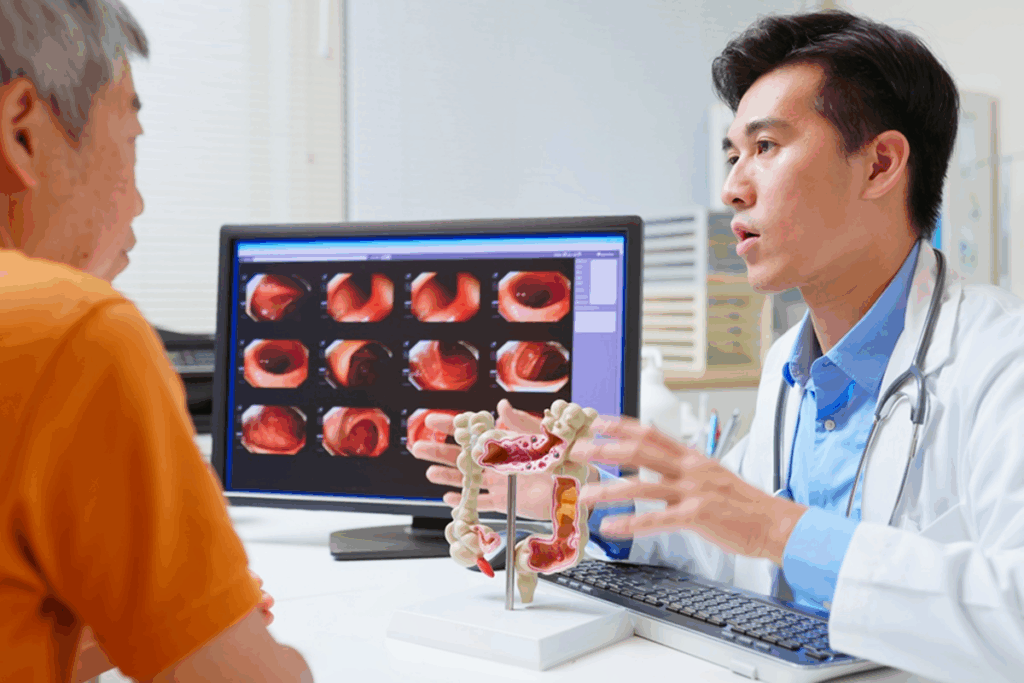
Ulceration is a serious health issue. It happens when the skin and tissue break down. This results in open sores that need medical attention. This is your ultimate ulceration definition medical guide. Learn what it means, 5 alarming causes, and the critical difference from an erosion.
At Liv Hospital, we know how important it is to handle ulcerative conditions well. We use the latest diagnostic tools and care with kindness. This helps our patients heal and avoid more problems.
When someone becomes ulcerated, it means there’s a break in a body membrane. This break stops the organ from working right. Knowing about ulceration helps us spot and treat serious health issues that affect many people.
Key Takeaways
- Ulceration is a serious health condition requiring professional medical attention.
- It involves the breakdown of skin and tissue, creating open sores.
- Effective management of ulcerative conditions is key to avoid complications.
- Liv Hospital offers a patient-centered approach with advanced diagnostic capabilities.
- Compassionate care is provided to promote healing and support patients.
Understanding Ulceration: Basic Definition and Concept

It’s important to know about ulceration to diagnose and treat tissue damage. Ulceration is when the top skin layers are lost, making a sore that looks like a crater. This can happen in the skin, mouth, and stomach.
Medical Definition of Ulceration
Ulceration is when the skin’s top layer breaks due to infection, injury, or lack of blood. It leads to an ulcer, which is a sore. The Cambridge English Corpus shows how ulceration has been talked about in medicine and history.
Ulcers can be short-term or long-lasting, making them hard to heal. Knowing how they work is key to treating them.
Difference Between Ulceration and Ulcers
Ulceration and ulcers are often mixed up, but they’re not the same. Ulceration is the process of making an ulcer. An ulcer is the sore itself. Knowing this helps doctors treat patients better.
This difference is important for doctors to understand. It helps them decide how to help patients with sores.
Historical Context of Ulceration in Medicine
Ulceration has worried doctors for a long time. Ancient texts talk about sores and ulcers. Over the years, we’ve learned more about them thanks to science.
Looking back at ulceration’s history helps us understand how we treat it today. It shows how our knowledge has grown.
The Pathophysiology of Ulceration

Ulceration is a complex process involving many cellular and tissue responses. It leads to tissue breakdown, forming ulcers. This can happen in the skin, gut, and other mucosal areas.
Cellular Mechanisms Behind Ulcer Formation
Ulcers start at the cellular level, where injury and repair are out of balance. Cellular stress and injury can come from infections, lack of blood flow, and pressure. The Cambridge English Corpus shows how inflammation and tissue breakdown play key roles in this process.
“The processes behind ulceration, including inflammation and tissue breakdown, are complex and multifaceted.” This complexity shows why we need to understand the cellular mechanisms of ulcer formation well.
Tissue Breakdown Process
The breakdown of tissue in ulcers involves the damage of epithelial and connective tissues. This damage is caused by proteolytic enzymes and other biochemical factors. As the tissue breaks down, the area becomes more open to infection and damage.
Inflammatory Response in Ulceration
Inflammation is key in the pathophysiology of ulcers. It involves the arrival of immune cells, release of cytokines, and increased blood vessel permeability. While inflammation is a natural response to injury, chronic inflammation can worsen tissue damage and slow healing.
- Increased vascular permeability
- Recruitment of immune cells
- Release of cytokines
Healing Process and Tissue Regeneration
The healing of ulcers involves several steps to restore tissue integrity. This includes inflammation resolution, tissue regeneration, and remodeling. A balance between these steps is needed for effective healing. Disruptions can lead to chronic wounds.
After an ulcer forms, it may bleed or produce unpleasant discharges. This makes healing harder. Knowing how ulcers form is key to finding effective treatments that help heal and prevent complications.
Common Causes of Ulceration
Knowing what causes ulcers is key to preventing and treating them. Ulcers can come from many sources. It’s important to find out what causes them to manage them well.
Infectious Causes
Infections are a big reason for ulcers. Bacteria, viruses, and fungi can cause ulcers in different parts of the body. For example, Helicobacter pylori is known to cause stomach ulcers. We’ll look at how infections lead to ulcers and how the body reacts.
Infectious Agent | Type of Ulcer | Common Location |
Helicobacter pylori | Peptic Ulcer | Stomach, Duodenum |
Bacterial | Skin Ulcer | Lower Legs |
Fungal | Oral Ulcer | Mouth |
Vascular Insufficiency
Vascular insufficiency is another major cause of ulcers. Conditions like venous insufficiency and peripheral arterial disease can block blood flow. This can cause ulcers to form. We’ll talk about how this happens, mainly in the lower legs.
Venous ulcers often happen in the lower legs due to poor blood flow. They are hard to heal because of the high blood pressure in the veins.
Mechanical and Pressure-Related Factors
Pressure and mechanical stress also cause ulcers. Skin under constant pressure can break down and form ulcers, often in people who can’t move much. We’ll look at how these factors lead to ulcers and how to prevent them.
Pressure ulcers are a big worry for people who can’t move much. Moving them regularly and using special mattresses can help prevent these ulcers.
Autoimmune Conditions
Autoimmune diseases can also cause ulcers. Conditions like rheumatoid arthritis and lupus can lead to ulcers through inflammation and damage to blood vessels. We’ll see how these diseases cause ulcers and the challenges in treating them.
In autoimmune diseases, the immune system attacks healthy tissues. This can cause inflammation and ulcers. Knowing the underlying disease is key to treating it effectively.
Ulceration Definition Medical: Clinical Significance and Diagnosis
Ulceration is a serious condition that needs detailed diagnosis. Accurate diagnosis is key to treating ulcers well. It helps doctors make the right treatment plans and improves patient care.
Diagnostic Approaches
To diagnose ulcers, doctors use both clinical checks and tests. They look at the ulcer’s size, depth, and where it is. They also check for any underlying health issues.
An ulcer is a wound that won’t heal right. It often shows a deeper health problem. Doctors say it’s vital to diagnose ulcers correctly and assess them well.
Clinical Assessment Methods
Checking a patient is the first step in diagnosing ulcers. Doctors take detailed patient histories and do physical exams. They look for risk factors and check the ulcer’s details.
- Visual inspection of the ulcer
- Assessment of pain and discomfort
- Evaluation of surrounding tissue
- Review of patient’s medical history
Laboratory and Imaging Studies
Lab tests and imaging are key in diagnosing ulcers. They help find the cause and see how much tissue is damaged.
Diagnostic Test | Purpose |
Wound culture | Identify infectious agents |
Blood tests | Assess systemic inflammation and nutritional status |
Imaging studies (e.g., X-rays, MRI) | Evaluate tissue damage and underlying structures |
Differential Diagnosis Considerations
When diagnosing ulcers, it’s important to rule out other conditions. Doctors look at the ulcer’s look, patient history, and lab results. This helps them make a correct diagnosis.
By using clinical checks and tests, doctors can create a treatment plan that fits the patient’s needs.
Types of Ulceration by Body Location
The human body can get ulcers in many places, like the skin, stomach, mouth, and eyes. Knowing where ulcers happen helps doctors find and treat them right.
Skin Ulcerations
Skin ulcers are open wounds that can happen for many reasons. They might be because of bad blood flow, too much pressure, or injury. These can hurt a lot and are hard to heal, mainly for people with diabetes.
Common types of skin ulcerations include:
- Pressure ulcers (also known as decubitus ulcers or bed sores)
- Venous ulcers
- Arterial ulcers
- Diabetic foot ulcers
Type of Skin Ulcer | Causes | Characteristics |
Pressure Ulcer | Prolonged pressure on skin | Localized damage to skin and underlying tissue |
Venous Ulcer | Poor venous circulation | Typically occurs on lower legs, often accompanied by swelling |
Arterial Ulcer | Poor arterial circulation | Usually painful, often found on toes or areas of trauma |
Gastrointestinal Ulcerations
Gastrointestinal ulcers happen in the digestive tract, mostly in the stomach and duodenum. They are caused by damage to the lining, often from Helicobacter pylori or NSAIDs.
“Gastrointestinal ulcers can cause significant morbidity, with complications ranging from bleeding to perforation. Understanding the underlying causes is critical for effective management.” –
Gastroenterology Expert
Oral and Mucosal Ulcerations
Oral and mucosal ulcers happen in the mouth and other membranes. They can be from trauma, infections, or autoimmune diseases. These ulcers can hurt and make it hard to eat and speak.
Ocular Ulcerations
Ocular ulcers, like corneal ulcers, are serious and can cause vision loss if not treated fast. They are from infections or injuries to the cornea and need quick medical help.
It’s key to know the different types of ulcers and where they are in the body. Right diagnosis and treatment can really help patients feel better and live better lives.
Common Medical Conditions Associated with Ulceration
Ulceration can be a serious problem caused by certain health issues. Many medical conditions can lead to ulcers in different parts of the body. Let’s look at some common conditions linked to ulceration.
Diabetic Foot Ulcers
Diabetic foot ulcers are a big problem for people with diabetes. They happen because of nerve damage and poor blood flow. If not treated, these ulcers can cause serious infections and even amputations.
Managing these ulcers well is key. This includes taking good care of your feet, wearing the right shoes, and getting medical help when needed.
Peptic Ulcer Disease
Peptic ulcer disease causes ulcers in the stomach or duodenum. It’s often due to Helicobacter pylori infection or taking NSAIDs. Symptoms include stomach pain and bleeding.
Treatment usually involves medicines to lower stomach acid and kill H. pylori.
Venous and Arterial Ulcers
Venous ulcers happen because of bad blood flow from the legs to the heart. Arterial ulcers are caused by not enough blood reaching the area, often due to peripheral artery disease. Both need careful treatment to heal and avoid further problems.
- Venous ulcers: Treated with compression therapy and wound care.
- Arterial ulcers: May need procedures to improve blood flow.
Ulcerative Colitis
Ulcerative colitis is a long-term disease that causes ulcers in the colon. Symptoms include diarrhea, stomach pain, and weight loss. Treatment tries to reduce inflammation and manage symptoms, using medicines and lifestyle changes.
In summary, many health conditions can cause ulcers, each needing its own treatment plan. Knowing about these conditions is important for proper diagnosis and care.
Complications of Untreated Ulcerations
Not treating ulcerations can lead to serious health problems. These issues affect the wound and the person’s overall health.
Infection and Sepsis
Untreated ulcers can quickly become infected. Bacteria can grow in the wound, causing local infection. This can spread and lead to sepsis, a dangerous condition.
- Increased risk of bacterial colonization
- Local infection can spread to surrounding tissue
- Sepsis can occur if the infection enters the bloodstream
Chronic Non-Healing Wounds
Ulcers that aren’t treated can become chronic. These wounds cause pain and affect a person’s life quality.
Characteristics of chronic non-healing wounds include:
- Persistent inflammation
- Failure to progress through normal healing stages
- Ongoing tissue damage
Tissue Necrosis and Gangrene
In severe cases, ulcers can cause tissue necrosis and gangrene. This happens when tissue dies because of infection or lack of blood.
Systemic Complications
Untreated ulcers can also cause problems in other parts of the body. For example, long-term infections can lead to amyloidosis. Also, wounds that don’t heal quickly can cause malnutrition.
Systemic complications may include:
- Amyloidosis due to chronic infection
- Malnutrition resulting from prolonged healing
- Systemic inflammation affecting multiple organ systems
We stress the need for early and proper treatment of ulcers. Good wound care can greatly improve a patient’s outcome.
Treatment Approaches for Ulceration
Dealing with ulcers requires different strategies. These include medical care and surgery. A good plan must fix the cause, help the wound heal, and avoid problems.
Medical Management
Medical care is key in treating ulcers. It focuses on fixing the cause and helping the wound heal. Doctors use antibiotics, pain meds, and treatments for better blood flow.
“The main goal of medical care is to fight infection and create a good healing environment” as recent guidelines say.
Surgical Interventions
Surgery is needed for big, deep, or stubborn ulcers. Debridement, or removing dead tissue, is a common surgery. It helps by getting rid of dead tissue and cutting down bacteria.
Advanced Wound Care Techniques
Advanced care includes bioengineered skin substitutes and negative pressure wound therapy. These methods help heal tough ulcers better.
Wound Care Strategies
Wound care involves cleaning, dressing, and watching the wound. Teaching patients how to care for themselves is also important. It helps them avoid more ulcers.
Novel Therapies and Research
New treatments like stem cell therapy and growth factor therapy are being studied. They might help ulcers heal better. These new options could improve care for hard-to-heal ulcers.
Psychological Impact and Quality of Life with Ulceration
Patients with ulceration face many challenges. These go beyond physical symptoms to include big psychological and social impacts. Living with ulceration can change many parts of a patient’s life.
Pain Management Challenges
Managing pain is key for patients with ulceration. Chronic pain from ulcers can make daily life hard. It’s important to find good ways to manage pain to help patients.
Pain management is more than just medicine. It includes wound care, lifestyle changes, and sometimes mental health support. Good pain management can really help a patient’s quality of life.
Psychological Effects of Chronic Wounds
Chronic wounds, like ulcers, can deeply affect a patient’s mind. These wounds can cause frustration, anxiety, and depression. It’s important to treat these mental effects as part of the treatment plan.
The emotional impact of chronic wounds is huge. Patients often need support to deal with the stress and feelings of their condition.
Social Implications and Support Systems
Living with ulceration can change how patients interact and do things every day. Having a strong support system is very important for these patients.
Support groups and counseling can help patients cope. Having a supportive community can greatly improve a patient’s well-being.
Coping Strategies for Patients
It’s important for patients to find ways to cope with ulceration. This includes learning about wound care, managing pain, and keeping their mental health good. Education and support are key to helping patients cope.
Coping Strategy | Description | Benefit |
Wound Care Education | Understanding how to properly care for wounds | Empowers patients, improves wound healing |
Pain Management Techniques | Learning various methods to manage pain | Reduces pain, improves quality of life |
Mental Health Support | Access to counseling and support groups | Enhances mental well-being, reduces stress |
By focusing on the psychological impact of ulceration and giving patients the right support and strategies, we can really improve their quality of life.
Conclusion: Living with and Managing Ulceration
Managing ulceration well needs a full and supportive plan. We’ve looked at what ulceration is, why it happens, how it’s found, and how to treat it. It’s clear that treating ulceration is more than just medicine. It’s about caring for the whole person.
Dealing with ulcers can be tough, both in body and mind. It’s key to have a complete care plan for ulceration to better lives and health. This means good wound care, managing pain, and helping with the emotional side of long-term wounds.
We stress the need for a team effort in caring for ulceration patients. When healthcare workers work together, they can offer top-notch care. Our aim is to help people manage their condition well and stay healthy overall.
Understanding ulceration’s complexities and using a full care plan can make a big difference. Effective ulceration management needs ongoing support and care. We’re dedicated to giving our patients the care they need.
FAQ
What is ulceration?
Ulceration is when an ulcer forms. An ulcer is a break in the skin or mucous membrane. It leads to the loss of surface tissue and damage to the epithelial layer.
What is the difference between ulceration and ulcers?
Ulceration is the process of forming an ulcer. An ulcer is the actual wound that results from this process.
What are the common causes of ulceration?
Ulceration can be caused by many things. These include infections, poor blood flow, mechanical damage, and autoimmune diseases.
How is ulceration diagnosed?
Doctors use several methods to diagnose ulceration. They do a physical exam, run lab tests, and use imaging studies. This helps find the cause and how bad it is.
What are the different types of ulceration?
Ulceration can happen in different places. It can affect the skin, stomach, mouth, and eyes. Each has its own causes and symptoms.
What are the complications of untreated ulcerations?
If left untreated, ulcerations can cause serious problems. These include infections, wounds that won’t heal, tissue death, and other systemic issues. It’s important to treat them quickly and properly.
How is ulceration treated?
Treatment for ulceration varies. It can include medicine, surgery, wound care, and new therapies. The approach depends on the type and cause of the ulcer.
What is the impact of ulceration on quality of life?
Ulceration can greatly affect a person’s life. It can cause pain, discomfort, and emotional distress. It’s important to treat it holistically, considering both physical and mental health.
What is the definition of ulcerated?
Ulcerated means having an ulcer or going through the ulceration process. It involves the breakdown of the skin or mucous membrane, leading to tissue loss.
What does ulceration mean in medical terms?
In medicine, ulceration means the formation of an ulcer. It involves damage to the epithelial layer. If not treated, it can lead to serious complications.
References
National Health Service (NHS). Evidence-Based Medical Guidance. Retrieved from https://www.nhs.uk/conditions/duodenal-ulcer/