Did you know that skin cancer is one of the most common types of cancer worldwide? Over 9,500 people are diagnosed every day in the United States. Getting a regular free mole check can save lives.
It’s important to understand the role of skin cancer screening in keeping your skin healthy. This guide will show you how to get a free mole check. It will also help you find a skin cancer screening near me.
Key Takeaways
- Understanding the importance of skin cancer screening
- Learning how to get a free mole check
- Finding reliable skin cancer screening services near you
- The significance of early detection in skin cancer treatment
- Tips for maintaining healthy skin
The Critical Importance of Regular Mole Checks
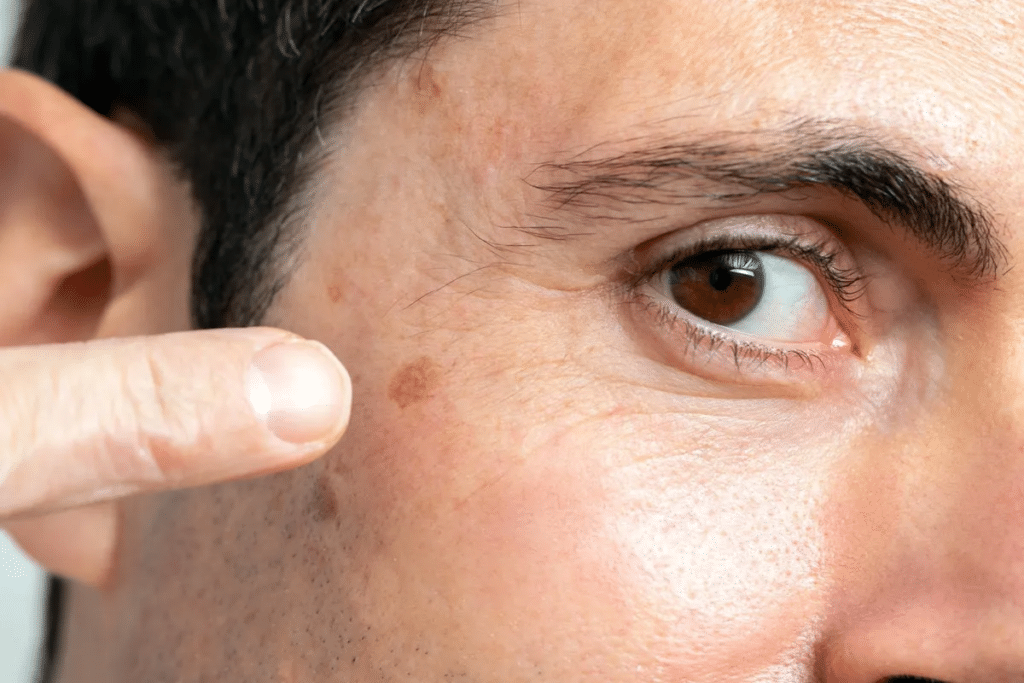
Early detection is key to surviving skin cancer, making regular mole checks a necessity. Skin cancer is one of the most common types of cancer worldwide, and its incidence is rising. Regular skin examinations can significantly improve survival rates by identifying cancer at an early stage when it is more treatable.
Why Skin Examinations Save Lives
Skin examinations are critical because they allow for early detection of skin cancer. When skin cancer is detected early, treatment is more likely to be successful. According to the American Cancer Society, early detection and treatment of skin cancer can significantly improve patient outcomes. Regular mole checks can literally save lives by identifying issues before they become serious.
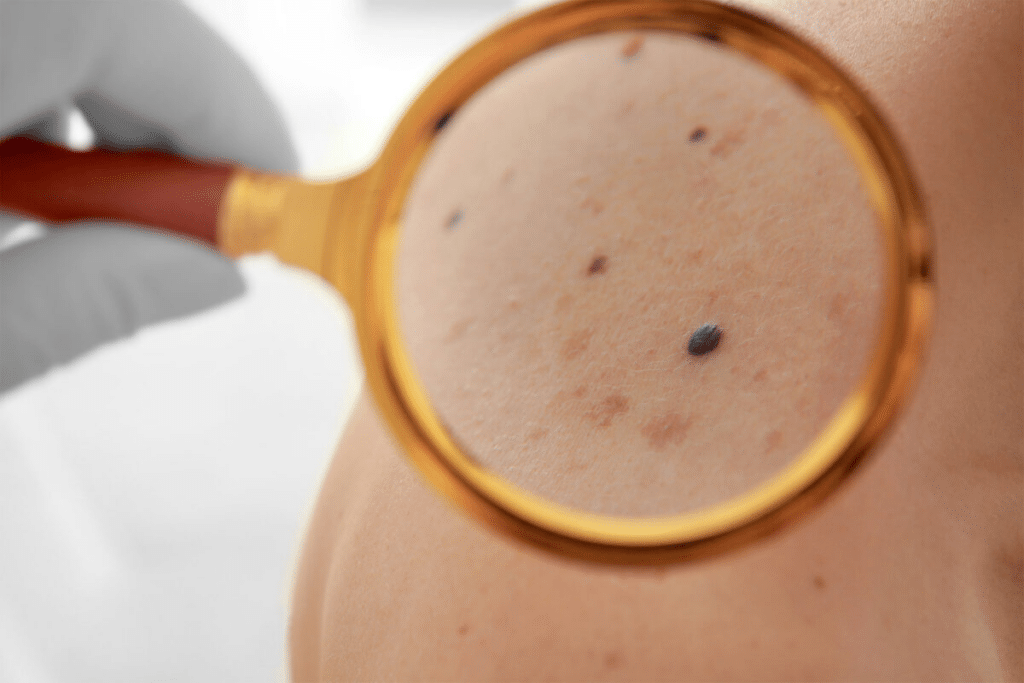
The process of a skin examination involves a thorough check of the skin for any unusual moles or changes. Dermatologists use specialized tools like dermatoscopes to examine moles more closely. This detailed examination can help identify skin cancers that might not be visible to the naked eye.
Skin Cancer Statistics in the United States
Skin cancer is a significant health issue in the United States. The American Cancer Society estimates that more than 9,500 people are diagnosed with skin cancer every day. The statistics are alarming, highlighting the need for regular skin checks. Here are some key statistics:
- More than 5.4 million cases of skin cancer are diagnosed annually in the U.S.
- Melanoma, the deadliest form of skin cancer, accounts for about 1% of skin cancer cases but causes the majority of skin cancer deaths.
- The risk of developing melanoma doubles with exposure to UV radiation from the sun or tanning beds.
These statistics underscore the importance of preventive measures, including regular mole checks. By staying proactive about skin health, individuals can significantly reduce their risk of developing advanced skin cancer.
Regular mole checks are not just about preventing skin cancer; they are also about maintaining overall skin health. By being vigilant about changes in the skin and seeking professional advice when necessary, individuals can take control of their health.
Who Should Prioritize Skin Cancer Screening
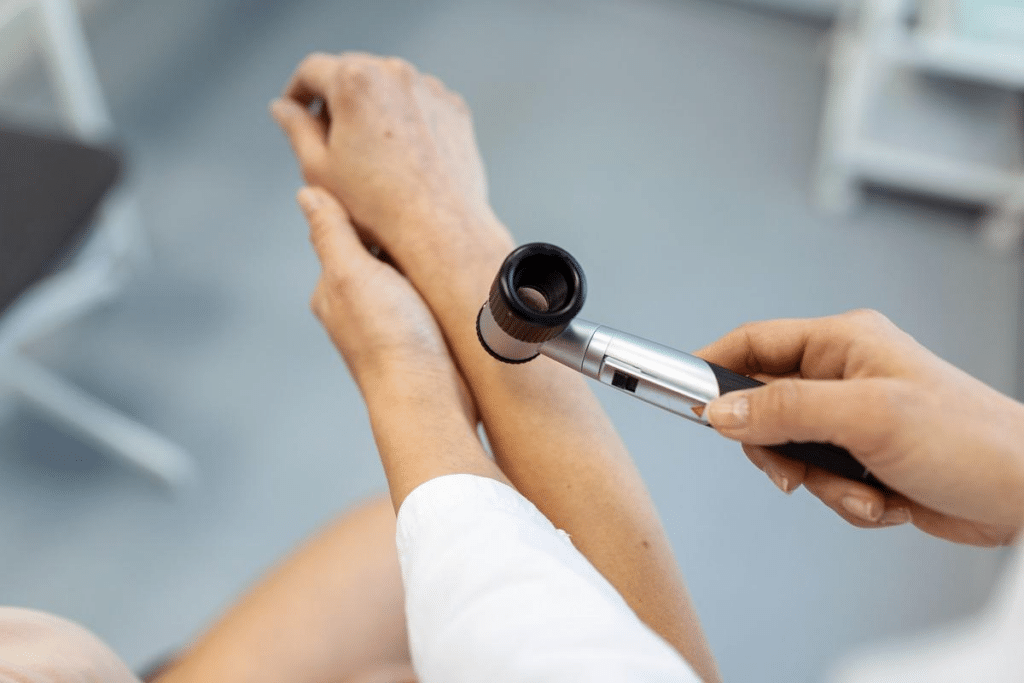
It’s important to know who is at risk for skin cancer. This helps in catching it early. Some people are more likely to get skin cancer because of their genes, environment, and lifestyle.
High-Risk Population Groups
Some groups face a higher risk of skin cancer. These include:
- Individuals with fair skin, light hair, and light eyes
- People with a history of sunburns, mostly during childhood
- Those with a family history of skin cancer
These groups need to watch out for skin cancer more closely.
Genetic and Family History Factors
Genetics are a big part of skin cancer risk. If you have a family history of skin cancer, you’re at higher risk. Certain genetic conditions, like CDKN2A mutations, also increase your risk.
Key genetic factors include:
- Family history of melanoma or other skin cancers
- Presence of many atypical moles
- Genetic syndromes that increase skin cancer risk
Environmental and Lifestyle Risk Factors
Some environmental and lifestyle factors also raise skin cancer risk. These include:
- Prolonged exposure to UV radiation from the sun or tanning beds
- Living in areas with high UV radiation levels
- Having a history of radiation therapy
Knowing these risk factors helps people prevent skin cancer and get regular screenings.
Warning Signs That Necessitate a Professional Mole Check
Knowing when to get a mole checked by a pro can save lives. Skin cancer is treatable if caught early. It’s important to know the signs that mean you need a doctor’s check.
The ABCDE Method for Melanoma Detection
The ABCDE method helps spot melanomas. It looks at moles for these traits:
- Asymmetry: One half doesn’t match the other.
- Border: The edges are uneven or blurry.
- Color: The color is not even, with black, brown, or tan shades.
- Diameter: The mole is bigger than 6mm.
- Evolving: The mole is changing in size, shape, or color.
Non-Melanoma Skin Cancer Indicators
Non-melanoma skin cancers, like basal cell and squamous cell carcinoma, are serious too. Look out for these signs:
- Persistent, non-healing sores.
- New growths or lesions that are red, pink, or flesh-colored.
- Changes in the skin, such as thickening or scaling.
These signs need a doctor’s check to figure out what’s going on and how to treat it.
Changes in Existing Moles
Changes in moles can mean skin cancer. Watch for size, shape, color, or texture changes. Regular checks can catch these early.
Some important changes to look for are:
- Moles that grow bigger or become more raised.
- Moles that change color or become multicolored.
- Moles that itch, bleed, or ooze.
If you see any of these, get a dermatologist’s opinion.
National Free Skin Cancer Screening Programs
National free skin cancer screening programs are key for early detection and treatment. They save countless lives each year. These programs aim to reach many people, making screenings accessible to all.
American Academy of Dermatology’s SPOTme® Initiative
The American Academy of Dermatology’s SPOTme® program offers free skin cancer screenings. It has helped detect skin cancer in thousands across the country.
Key aspects of the SPOTme® program include:
- Free screenings by dermatologists
- Locations all over the United States
- Resources on preventing skin cancer
American Cancer Society Screening Events
The American Cancer Society hosts screening events all year. These events are part of a big effort to fight skin cancer early and educate people.
The events often feature:
- Dermatologists giving free or low-cost screenings
- Booths with info on skin cancer prevention and treatment
- Programs to reach out to the community about skin health
Skin Cancer Foundation’s Road to Healthy Skin Tour
The Skin Cancer Foundation’s Road to Healthy Skin Tour is a big national program. It goes to different places, giving free skin cancer screenings and educational materials.
Notable features of the tour include:
- Mobile screening units
- Expert dermatologists doing screenings
- Campaigns to raise awareness about skin cancer
These national programs show the power of working together against skin cancer. They provide free or low-cost screenings. This ensures more people get the care they need.
How to Find “Skin Cancer Screening Near Me”
Looking for a skin cancer screening? The internet and local resources can help you find one near you. Early detection is key to saving lives.
Online Screening Locator Tools
The web has many tools to find skin cancer screenings. The American Academy of Dermatology’s (AAD) SPOTme program has a free skin cancer screening locator on their site. Just enter your zip code or city and state to find screenings.
The Skin Cancer Foundation’s website also has a locator tool. It helps you find dermatologists and screenings in your area. These tools save you time and effort.
Mobile Applications for Finding Local Screenings
Mobile apps can also help find local screenings. Apps like Mole Mapper and Miiskin track mole changes and list nearby screenings. They’re great for health management on the go.
Make sure the apps you use are trustworthy and well-reviewed. This ensures the information is reliable and you can trust the screenings.
Seasonal Availability of Free Screenings
Many groups offer free skin cancer screenings seasonally. The AAD’s SPOTme program and the Skin Cancer Foundation’s Road to Healthy Skin Tour provide free screenings. They announce these events on their websites and social media.
Sign up for newsletters or follow these groups on social media. This way, you won’t miss out on free screenings in your area.
| Organization | Resource | Description |
| American Academy of Dermatology | SPOTme Program | Free skin cancer screenings and locator tool |
| Skin Cancer Foundation | Road to Healthy Skin Tour | Free screenings at various locations |
| Skin Cancer Foundation | Locator Tool | Finds dermatologists and screenings near you |
Health Insurance Coverage for Dermatologist Mole Checks
Understanding health insurance for dermatologist mole checks can be tricky. But it’s key to getting the care you need. Knowing what your insurance covers helps you stay on top of your skin health.
Medicare Coverage Guidelines
Medicare helps with some preventive services, like skin cancer screenings. Medicare Part B pays for a one-time skin cancer screening for those at high risk. Always talk to your doctor to see if you qualify.
Private Insurance Policies and Preventive Care
Private insurance plans differ in what they cover for mole checks. Many include skin cancer screenings in their preventive care without extra costs. Check your policy details or call your insurance to find out what’s covered.
| Insurance Type | Coverage for Skin Cancer Screening | Additional Notes |
| Medicare Part B | One-time screening for high-risk individuals | Consult healthcare provider for eligibility |
| Private Insurance | Varies by plan; often covers preventive care | Check policy details or contact provider |
| Affordable Care Act Plans | Covers preventive services, including skin cancer screenings | No copays or coinsurance for preventive care |
Affordable Care Act Provisions for Skin Cancer Screening
The Affordable Care Act (ACA) makes sure you get preventive services like skin cancer screenings without extra costs. This rule helps more people get the health care they need.
Community Health Centers Providing Free Skin Cancer Tests
Community health centers are a great place for those worried about skin cancer. They offer free or low-cost skin cancer screenings. These centers help make healthcare more accessible to those who need it most.
Federally Qualified Health Centers (FQHCs)
Federally Qualified Health Centers (FQHCs) offer a wide range of healthcare services. This includes skin cancer screenings. They are funded by the Health Resources and Services Administration (HRSA) and charge based on what you can afford.
FQHCs and Skin Cancer Screening: FQHCs focus on preventive care, like skin exams. Their staff can spot moles that might be cancerous and send you to a specialist if needed.
Non-Profit Dermatology Clinics
Non-profit clinics also provide free or low-cost skin cancer screenings. These clinics are run by volunteer doctors and nurses.
Services Provided: These clinics offer various services. They can do basic skin checks or more detailed tests, depending on what they can do.
Sliding Scale Fee Options
Many health centers, like FQHCs, have a sliding scale fee. This means they charge based on what you can pay. It helps those without insurance or with limited coverage get the care they need.
How Sliding Scale Fees Work: Fees are set based on your income and family size. This way, more people can afford the care they need, including skin cancer screenings.
| Type of Center | Services Offered | Cost |
| Federally Qualified Health Centers (FQHCs) | Comprehensive healthcare, including skin cancer screenings | Sliding scale fee |
| Non-Profit Dermatology Clinics | Skin cancer screenings and dermatological services | Free or low-cost |
| Community Health Centers with Sliding Scale Fees | Various healthcare services, including preventive care | Based on income and family size |
University Medical Centers and Teaching Hospitals
Academic institutions lead in skin cancer research and screening. They offer medical education and critical skin cancer screening services. These services are often free or low-cost for those in research studies or training.
Academic Dermatology Department Screening Events
University medical centers host skin screening events. These are run by experienced dermatologists and sometimes by medical students. It’s a chance for the public to get skin checks.
Benefits of these events include:
- Access to specialist care
- Early detection of skin cancer
- Opportunities to participate in clinical trials
Medical Student Training Programs
Medical students get hands-on experience in skin cancer screenings. They work under the guidance of experienced dermatologists. This helps in early detection and gives students valuable experience.
Research Study Participation Opportunities
University medical centers are key in skin cancer research. Participants in studies get free or low-cost screenings. These studies help improve skin cancer detection and treatment.
Examples of research areas include:
- New technologies for skin cancer detection
- Effectiveness of different screening methods
- Genetic factors in skin cancer
Here’s how university medical centers and teaching hospitals impact skin cancer screening:
| Institution Type | Screening Events per Year | Participants Screened |
| University Medical Centers | 50 | 2,000 |
| Teaching Hospitals | 30 | 1,500 |
Employer and Corporate Wellness Skin Check Programs
Many companies are now adding skin check programs to their wellness plans. This shows they understand how vital skin health is. They see their role in helping employees stay healthy.
Workplace Health Initiative Screenings
Screenings for skin cancer in the workplace can greatly improve health. These efforts give employees a chance at early detection. They also help build a culture of wellness in the company.
Some businesses team up with dermatologists for on-site screenings. For instance, a company might invite a dermatologist to their office for a day. This method is great for catching skin problems early.
“The workplace is an ideal setting for health promotion and disease prevention activities, including skin cancer screenings.”
American Academy of Dermatology
How to Advocate for Skin Cancer Screening at Your Workplace
To push for skin cancer screenings at work, follow these steps:
- Talk to your HR or management about the value of skin cancer screenings.
- Suggest working with a local dermatology practice for on-site screenings.
- Get your coworkers to join in and share their thoughts on the program.
By doing this, you can help make your workplace a healthier place.
Corporate Partnership Programs with Dermatology Practices
Corporate partnerships with dermatology practices are growing. These partnerships can range from one-time screenings to ongoing wellness programs.
| Program Type | Description | Benefits |
| One-time Screenings | A single day event where dermatologists conduct screenings on-site. | Early detection of skin issues, increased employee awareness. |
| Ongoing Wellness Programs | Regularly scheduled screenings and educational events. | Long-term health benefits, improved company culture. |
By adding skin check programs to their wellness efforts, companies show they care about their employees’ health.
Telemedicine Options for Preliminary Skin Cancer Checks
Telemedicine is becoming more popular for early skin cancer checks. It’s a handy option instead of going to the doctor’s office. People can talk to dermatologists online, which might catch skin problems early.
Virtual Dermatology Consultation Platforms
Many platforms now offer virtual dermatology consultations. Patients can send pictures of their moles or lesions for a doctor to review. These platforms connect patients with certified dermatologists for initial checks and advice.
Virtual consultations have many perks. They save time, are easier to access, and let you get a second opinion without seeing a doctor in person.
Free and Low-Cost Online Skin Assessments
There are also free or low-cost online skin assessments available. Some telemedicine sites offer free first checks, with the chance to pay for more detailed reviews or follow-ups later.
Some non-profits and dermatology clinics give free skin checks or low-cost assessments. They do this as part of their community work or research.
Limitations and Benefits of Virtual Skin Checks
Telemedicine has many pluses, like being easy to use and accessible. But, there are downsides too. The accuracy of online skin checks depends on the quality of the images and the technology used.
Benefits include spotting problems early, making patients less anxious, and helping doctors work more efficiently. But, limitations include not being able to do a physical exam, possible image quality issues, and needing to see a doctor in person for follow-ups if needed.
In summary, telemedicine is a great tool for early skin cancer checks. It’s convenient and easy to use. While it has its drawbacks, it can be a key part of taking care of your skin when used right.
What to Expect During a Professional Dermatologist Skin Check
When you see a dermatologist for a skin check, they will look at your skin closely. They aim to find any skin problems early, like skin cancer.
The Complete Examination Process
A skin check is a detailed look at your skin from top to bottom. The dermatologist will search for unusual moles or other skin issues. This usually happens in a dermatologist’s office or clinic.
Key components of the examination process include:
- A visual inspection of your skin
- Use of a dermatoscope for closer examination of suspicious areas
- Documentation of any findings, which may include photographs
Medical History Questions to Prepare For
Before the check, your dermatologist will ask about your health history. Having this info ready can make things easier.
Some of the questions you may be asked include:
- Have you had any previous skin cancers or suspicious lesions removed?
- Do you have a family history of skin cancer?
- How much time do you typically spend outdoors, and do you use sun protection?
| Medical History Question | Why It’s Asked |
| Previous skin cancers or lesions | To understand your risk level and monitor for recurrence |
| Family history of skin cancer | To assess genetic risk factors |
| Sun exposure and protection habits | To evaluate environmental risk factors |
Dermoscopy and Advanced Screening Technologies
Dermoscopy lets dermatologists see skin lesions more clearly. They might also use digital dermoscopy and total body photography.
These tools help spot skin cancer early. They give a better view of the skin than the naked eye can.
Self-Examination Techniques Between Professional Screenings
Learning how to do a thorough self-examination can help you take care of your skin. Regular checks can spot skin changes early. This is key for treating them effectively.
Monthly Self-Check Protocol
Doing a monthly self-check is easy. Just look at your skin from head to toe. Stand in front of a mirror and check your front, back, and sides.
Use a hand-held mirror for hard-to-see spots like your back and leg backs.
- Check your face, ears, neck, and scalp.
- Inspect your arms, including the palms of your hands and between your fingers.
- Examine your chest, abdomen, and back.
- Check your legs, including the soles of your feet and between your toes.
Be thorough and take your time. Look for new moles, changes in moles, or other skin issues.
Body Mapping and Documentation Methods
Creating a body map helps track your moles. You can use a simple diagram or a detailed tool online or on mobile apps.
Tips for effective body mapping:
- Use a different color for new or changing moles.
- Note the size, shape, and color of each mole.
- Update your map monthly to track changes.
Tools for Home Monitoring
There are tools to help with home monitoring:
- Dermatoscopes: Handheld devices for a detailed skin view.
- Mobile Apps: Apps to track mole changes and set reminders.
- Skin tracking journals: Physical or digital journals for recording observations and changes.
By using these self-examination techniques, you can help monitor your skin health between professional checks.
Follow-Up Procedures After an Abnormal Mole Check
Getting an abnormal mole check result can be scary. But knowing what to do next can help. An abnormal result doesn’t always mean skin cancer. It means you need more tests to find out what’s going on and how to treat it.
Understanding Biopsy Results and Classifications
After an abnormal mole check, a biopsy is usually done. This test looks at the tissue closely. The results can show if the cells are normal or not.
It’s important to understand these results. Your doctor will explain them to you. They’ll tell you what kind of cells are there and what to do next.
Treatment Options for Suspicious Moles
Treatment for suspicious moles depends on the biopsy. For benign moles, you might just watch them or have them removed for looks or comfort. If the mole could be cancerous, you might need surgery to remove it and some skin around it.
It’s key to talk about the risks and benefits of each option with your doctor. Things like the mole’s size, where it is, and your health will help decide the best treatment.
Financial Assistance Programs for Follow-Up Care
Follow-up care can be expensive. But, there are programs to help with costs. Groups like the American Cancer Society and the Skin Cancer Foundation offer help with treatment costs and more.
Many doctors also have plans to make care more affordable. Ask about these options when you talk to your doctor about treatment.
Advocacy and Support Resources for Skin Cancer Concerns
People dealing with skin cancer can find many resources to help them. These resources offer emotional support, educational materials, and financial help. They are key for those affected by skin cancer and their families.
National Organizations Providing Educational Resources
Many national groups focus on skin cancer education and support. Some of these include:
- The American Academy of Dermatology, which offers detailed info on preventing and treating skin cancer.
- The Skin Cancer Foundation, famous for its educational campaigns and research.
- The American Cancer Society, which gives info on skin cancer prevention, diagnosis, and treatment.
These groups publish educational materials, host events, and have websites with important skin cancer info.
Local Support Groups and Networks
Local support groups and networks are essential for emotional support. They connect people with similar experiences. You can find them through:
- Local hospitals and cancer centers, which often have support groups for cancer patients.
- Community health organizations, which offer resources and support for skin cancer patients.
- Online directories, like the Cancer Support Group Directory or the Skin Cancer Foundation’s support group locator.
Joining local support groups can give a sense of community. It helps people deal with skin cancer challenges.
Financial Aid Programs for Treatment
There are financial aid programs to help with skin cancer treatment costs. Some programs include:
| Program | Description | Eligibility |
| The Patient Access Network Foundation | Provides financial help for skin cancer patients. | Underinsured or uninsured individuals |
| The HealthWell Foundation | Offers financial help for copays, deductibles, and other costs. | Patients with specific income levels and insurance |
| The Cancer Financial Assistance Coalition | A group of organizations that provide financial help to cancer patients. | Varies by member organization |
These programs can greatly reduce the financial stress of skin cancer treatment. They let patients focus on getting better.
Conclusion: Proactive Steps for Ongoing Skin Health
Keeping your skin healthy is a continuous effort. Knowing the value of regular mole checks and skin cancer screenings is key. This can greatly lower your risk of getting skin cancer.
The American Academy of Dermatology’s SPOTme program and other national efforts offer free skin cancer screenings. By using these resources and staying up-to-date, you can take care of your skin.
Spotting problems early is essential for good treatment. Regular self-checks and professional screenings can catch issues early. Being proactive and informed helps protect your skin and lowers skin cancer risk.
FAQ
What is skin cancer screening, and why is it important?
Skin cancer screening is a medical check to find skin cancer early. It’s key because catching it early can greatly improve treatment success.
How often should I get a skin cancer screening?
How often you need a screening depends on your risk. This includes your history with skin cancer, family history, and UV exposure. Talk to a dermatologist for advice tailored to you.
What are the warning signs that necessitate a professional mole check?
Look out for changes in mole size, shape, or color. Also, watch for new moles, or moles that bleed or itch. The ABCDE method can help spot moles that might be cancerous.
Are there free skin cancer screening programs available?
Yes, groups like the American Academy of Dermatology’s SPOTme® program, American Cancer Society, and the Skin Cancer Foundation offer free screenings.
How can I find a skin cancer screening near me?
Use online tools, mobile apps, or contact local health centers and dermatology clinics to find screenings near you.
Does health insurance cover dermatologist mole checks?
Many plans, including Medicare and those under the Affordable Care Act, cover preventive screenings. Check your policy for details.
What can I expect during a professional dermatologist skin check?
A dermatologist will examine your skin and ask about your health history. They might use dermoscopy or other tech to check moles.
How can I perform self-examination techniques between professional screenings?
Do a monthly self-check, use body mapping, and document your findings. Home monitoring tools can also help keep an eye on your skin.
What are the follow-up procedures after an abnormal mole check?
If a mole looks abnormal, a biopsy might be done to check for cancer. Treatment depends on the results and can include surgery, topical treatments, or other options.
Are there resources available for financial assistance with skin cancer treatment?
Yes, national groups, local support, and financial aid programs can help with treatment costs. Look for these resources to find assistance.
Can I get a skin cancer screening through telemedicine?
Yes, you can use virtual dermatology platforms and online assessments. But, in-person visits are usually more thorough, and shouldn’t replace regular dermatologist visits.
How can I advocate for skin cancer screening at my workplace?
Suggest health initiative screenings, partner with dermatology practices, and educate coworkers about the importance of screenings.