

Urologists often diagnose and treat various cancers affecting the urinary system. Among these, bladder cancer is one of the most prevalent. So, what is urinary bladder cancer? It is a type of cancer that begins in the bladder, the organ that stores urine.
Urinary tract cancer types? Bladder and prostate. Get best common facts. Screening is vital. Detecting dangerous tumors early saves lives.
Bladder cancer is a significant health concern, with a considerable number of new cases diagnosed each year. Understanding how serious is bladder cancer and how common is bladder cancer is crucial for early detection and effective treatment.
Key Takeaways
- Bladder cancer is a common type of cancer affecting the urinary system.
- Understanding bladder cancer is crucial for early detection and treatment.
- The prevalence of bladder cancer highlights the need for awareness.
- Bladder cancer tumors can vary in severity and impact treatment options.
- Urologists play a vital role in diagnosing and treating bladder cancer.
Understanding Urinary Tract Cancer
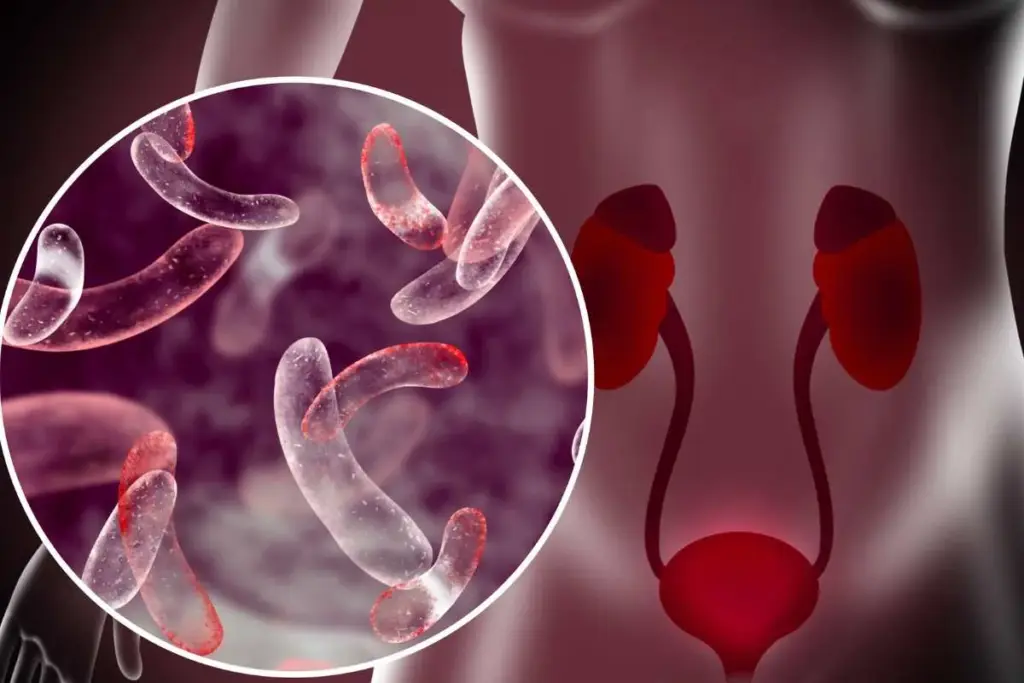
The urinary tract is susceptible to various types of cancer, each with its unique characteristics and challenges. Urinary tract cancer refers to the abnormal growth of cells in the urinary system, which includes the kidneys, bladder, and ureters.
What is Urinary Tract Cancer?
Urinary tract cancer, also known as urothelial cancer, typically begins in the urothelial cells that line the inside of the bladder, ureters, and renal pelvis. The most common type of urinary tract cancer is bladder cancer, which accounts for about 90% of all urinary tract cancer cases.
The development of urinary tract cancer is often associated with genetic mutations and environmental factors. Understanding the causes and risk factors is crucial for prevention and early detection.
Common Types of Urinary Tract Cancer
There are several types of urinary tract cancer, including:
- Bladder Cancer: The most common type, often linked to smoking and exposure to certain chemicals.
- Renal Cell Carcinoma: A type of kidney cancer that originates in the lining of the proximal convoluted tubule.
- Ureteral Cancer: A rare type of cancer that occurs in the ureters.
- Urethral Cancer: Cancer that develops in the urethra.
Risk Factors for Urinary Tract Cancer
Several risk factors contribute to the development of urinary tract cancer, including:
- Smoking: A significant risk factor, as it exposes the urinary tract to harmful chemicals.
- Chemical Exposure: Certain industrial chemicals and dyes have been linked to an increased risk.
- Age: The risk increases with age, with most cases diagnosed in people over 60.
- Family History: A family history of urinary tract cancer can increase an individual’s risk.
Understanding these risk factors can help individuals take preventive measures and seek medical attention if symptoms arise.
Importance of Early Detection

The key to effectively managing urinary tract cancer lies in its early detection. Urinary tract cancer, encompassing cancers of the bladder, ureters, and renal pelvis, can often be treated more effectively if caught early. Early detection not only improves treatment outcomes but also enhances the quality of life for patients.
Signs and Symptoms to Watch For
Being aware of the signs and symptoms of urinary tract cancer is crucial for early detection. Common indicators include blood in the urine, which is often the first noticeable symptom, and changes in urinary habits. Other signs may include pain while urinating or abdominal pain.
It’s essential to recognize that these symptoms can also be associated with less severe conditions. However, if you experience any of these, it’s vital to consult a healthcare professional. Early evaluation can lead to early detection and treatment.
Diagnostic Tests Used by Urologists
Urologists employ a variety of diagnostic tests to identify urinary tract cancer. These include urinalysis to check for blood or cancer cells in the urine, imaging tests like CT scans or MRIs to visualize the urinary tract, and cystoscopy, a procedure that allows direct visualization of the inside of the bladder.
- Urinalysis
- Imaging tests (CT scans, MRIs)
- Cystoscopy
- Biopsy, if necessary
These diagnostic tests are crucial for accurately diagnosing urinary tract cancer and determining the stage of the disease.
How to Prepare for a Doctor’s Visit
Preparing for a doctor’s visit can make the experience less daunting and more productive. Patients should make a list of their symptoms, including when they started and how long they’ve lasted. It’s also helpful to note any medications being taken, including dosages.
Patients should also be prepared to discuss their medical history and any family history of cancer. Being open and thorough can help urologists provide the best possible care.
Comparison with Other Urological Cancers
A comprehensive understanding of urological cancers requires a comparison of their unique features and clinical implications. Urological cancers encompass a range of malignancies affecting the urinary system, including urinary tract, prostate, bladder, and testicular cancers. Each type has distinct risk factors, symptoms, and treatment approaches.
Prostate Cancer vs. Urinary Tract Cancer
Prostate cancer and urinary tract cancer are both significant urological malignancies but have different primary sites and demographic characteristics. Prostate cancer originates in the prostate gland, primarily affecting older men, whereas urinary tract cancer can occur in various parts of the urinary system, including the kidneys, ureters, and bladder.
The risk factors for prostate cancer include age, family history, and genetic predisposition. In contrast, urinary tract cancer is associated with smoking, certain chemical exposures, and chronic irritation of the urinary tract. Understanding these differences is crucial for diagnosis and treatment planning.
Bladder Cancer: A Common Concern
Bladder cancer is another prevalent urological malignancy, often presenting with hematuria (blood in the urine). It is more common in men than women and is associated with risk factors such as smoking and exposure to certain industrial chemicals. The comparison between bladder cancer and other urological cancers highlights the importance of early detection and appropriate management strategies.
Bladder cancer can be classified into different stages and grades, influencing treatment decisions. Treatments range from intravesical therapy for early-stage disease to radical cystectomy for more advanced cases. The choice of treatment depends on the cancer’s stage, grade, and the patient’s overall health.
Testicular Cancer: Examining the Differences
Testicular cancer, although less common than other urological cancers, is a significant concern, particularly among young men. It typically presents as a testicular mass and is often diagnosed at an early stage due to noticeable symptoms. The primary treatment for testicular cancer is surgery, often followed by chemotherapy or radiation therapy, depending on the cancer’s type and stage.
In contrast to urinary tract and bladder cancers, testicular cancer has a relatively high cure rate, especially when diagnosed early. The differences in presentation, diagnosis, and treatment outcomes between testicular cancer and other urological cancers underscore the need for tailored approaches to patient care.
Treatment Options for Urinary Tract Cancer
The treatment of urinary tract cancer is multifaceted, involving a combination of traditional and innovative approaches. The choice of treatment depends on several factors, including the type, stage, and location of the cancer, as well as the patient’s overall health.
Surgery: When is it Necessary?
Surgery is often the primary treatment for urinary tract cancer, especially for early-stage cancers. The goal of surgery can range from removing the tumor to more extensive procedures like removing the affected organ. For instance, in the case of bladder cancer, surgery might involve removing the tumor or, in more severe cases, the entire bladder.
Types of Surgery:
- Transurethral resection: A procedure used to diagnose and treat bladder cancer by removing the tumor through the urethra.
- Radical cystectomy: A more invasive surgery that involves removing the bladder, nearby lymph nodes, and parts of other organs.
- Nephroureterectomy: Surgery to remove the kidney, ureter, and a portion of the bladder, often performed for upper urinary tract cancer.
Chemotherapy and Radiation Therapy
Chemotherapy and radiation therapy are other treatment modalities used for urinary tract cancer, often in conjunction with surgery. Chemotherapy uses drugs to kill cancer cells, while radiation therapy uses high-energy rays to target and destroy cancer cells.
When are they used?
- Chemotherapy might be used before surgery to shrink tumors or after surgery to kill any remaining cancer cells.
- Radiation therapy can be used as a standalone treatment or in combination with surgery and/or chemotherapy.
Emerging Treatments and Clinical Trials
The landscape of urinary tract cancer treatment is evolving, with several emerging treatments showing promise. These include immunotherapy, targeted therapy, and new surgical techniques. Clinical trials play a crucial role in evaluating the safety and efficacy of these new treatments.
Examples of Emerging Treatments:
- Immunotherapy: Drugs that stimulate the immune system to recognize and fight cancer cells.
- Targeted therapy: Treatments that target specific characteristics of cancer cells, interfering with their ability to grow and spread.
Participating in clinical trials can provide patients with access to innovative treatments not yet widely available. It’s an important option for those looking for alternative treatments, especially in advanced cases.
Impact of Urinary Tract Cancer on Quality of Life
The impact of urinary tract cancer on a patient’s quality of life is multifaceted, affecting various aspects of their daily living, from physical health to emotional well-being. Understanding these effects is crucial for providing comprehensive care.
Physical Effects of Treatment
Treatment for urinary tract cancer, including surgery, chemotherapy, and radiation therapy, can have significant physical effects. Patients may experience:
- Fatigue and weakness
- Changes in urinary function
- Sexual dysfunction
- Nausea and vomiting
- Hair loss
Managing these side effects is a critical component of treatment. Urologists work closely with patients to minimize discomfort and improve their quality of life during and after treatment.
Mental Health Considerations
The diagnosis and treatment of urinary tract cancer can also have a profound impact on a patient’s mental health. Anxiety, depression, and stress are common among patients. It is essential to address these concerns as part of the overall treatment plan.
Some strategies for supporting mental health include:
- Counseling and therapy
- Support groups
- Stress management techniques, such as meditation and yoga
- Encouraging open communication with healthcare providers
Support Systems and Resources
A strong support system is vital for patients undergoing treatment for urinary tract cancer. This can include family, friends, support groups, and online resources. Having access to the right information and support can make a significant difference in a patient’s ability to cope with their diagnosis and treatment.
Some valuable resources for patients include:
- The American Cancer Society (ACS), which provides comprehensive information on cancer types, treatment options, and support services.
- The National Cancer Institute (NCI), which offers information on cancer research, treatment, and clinical trials.
- Local support groups, where patients can share their experiences and connect with others going through similar challenges.
By understanding the impact of urinary tract cancer on quality of life and leveraging available resources, patients can better navigate their diagnosis and treatment, improving their overall well-being.
Preventative Measures and Lifestyle Modifications
Preventing urinary tract cancer involves a combination of dietary changes, regular screenings, and staying hydrated. By adopting these lifestyle modifications, individuals can significantly reduce their risk of developing bladder cancer.
Diet and Nutrition Recommendations
A diet rich in fruits, vegetables, and whole grains can help in maintaining bladder health. Certain foods have been identified as beneficial in reducing the risk of bladder cancer.
- Fruits and Vegetables: High in antioxidants, they help in protecting the bladder lining.
- Whole Grains: Rich in fiber, which can help in reducing the risk of cancer.
- Cruciferous Vegetables: Broccoli, cauliflower, and kale contain compounds that may have anti-cancer properties.
|
Food Group |
Examples |
Benefits |
|---|---|---|
|
Fruits |
Berries, citrus fruits |
High in antioxidants, may reduce cancer risk |
|
Vegetables |
Leafy greens, bell peppers |
Rich in vitamins and minerals, supports overall health |
|
Whole Grains |
Brown rice, quinoa |
High in fiber, can help reduce cancer risk |
The Role of Regular Screenings
Regular screenings are crucial for the early detection of urinary tract cancer. Individuals at high risk, such as those with a family history of bladder cancer or smokers, should discuss screening options with their healthcare provider.
Screening tests may include urine tests, imaging tests, and cystoscopy. Early detection through regular screenings can significantly improve treatment outcomes.
Importance of Staying Hydrated
Staying hydrated is essential for bladder health. Drinking plenty of water helps to flush out toxins and reduce the concentration of potential carcinogens in the urine.
- Drink at least 8-10 glasses of water per day.
- Avoid sugary drinks and caffeine, which can irritate the bladder.
- Incorporate hydrating foods like watermelon and cucumbers into your diet.
By incorporating these preventative measures and lifestyle modifications into daily life, individuals can take proactive steps towards reducing their risk of urinary tract cancer.
Challenges in Managing Urinary Tract Cancer
Effective management of urinary tract cancer requires addressing the multifaceted challenges that patients and providers encounter. These challenges can significantly impact the quality of care and treatment outcomes.
Access to Care and Treatment Options
One of the primary challenges in managing urinary tract cancer is ensuring that patients have access to appropriate care and treatment options. This includes access to specialized urologists, diagnostic facilities, and treatment centers. Limited access to care can lead to delayed diagnosis and treatment, which can negatively impact patient outcomes.
Geographic location, insurance coverage, and socioeconomic status are factors that can affect a patient’s ability to access necessary care. For instance, patients living in rural areas may have to travel long distances to reach a specialist or treatment facility.
- Limited availability of specialists in certain regions
- Inadequate insurance coverage for certain treatments
- Socioeconomic barriers that prevent timely access to care
Financial Considerations and Insurance Coverage
The financial burden of urinary tract cancer treatment is another significant challenge. The cost of diagnostic tests, surgeries, chemotherapy, and radiation therapy can be substantial, and many patients face difficulties in managing these expenses.
|
Treatment Component |
Average Cost |
Insurance Coverage Impact |
|---|---|---|
|
Diagnostic Tests |
$1,000 – $3,000 |
Partially covered; out-of-pocket expenses apply |
|
Surgery |
$10,000 – $30,000 |
Coverage varies by policy; pre-approval often required |
|
Chemotherapy |
$5,000 – $10,000 per cycle |
Typically covered, but co-pays and deductibles apply |
|
Radiation Therapy |
$8,000 – $20,000 |
Coverage depends on the type of radiation therapy |
Understanding insurance coverage and the associated costs is crucial for patients to navigate the financial aspects of their care effectively.
Patient Stories: Real-Life Experiences
Survivors of urinary tract cancer often have powerful stories to tell, filled with challenges, triumphs, and insights gained along the way. These narratives not only provide a personal perspective on the disease but also offer hope and inspiration to others facing similar diagnoses.
Interviews with Survivors
Through in-depth survivor interviews, we gain a deeper understanding of what it means to live with urinary tract cancer. One survivor recalled, “The moment I was diagnosed, my world changed. But I decided then that I wouldn’t let cancer define me.” Such stories highlight the resilience and courage of those battling the disease.
Another survivor shared, “The journey was tough, but it taught me so much about myself and the importance of staying positive.” These personal accounts underscore the varied experiences of patients and the diverse ways they cope with treatment.
Lessons Learned from Treatment Journeys
The lessons learned from bladder cancer treatment journeys are invaluable. Patients often speak about the importance of a strong support system, the role of regular screenings, and the need for a proactive approach to their health.
One key takeaway from these stories is the significance of early detection. Many survivors emphasize that recognizing the signs and symptoms early on made a significant difference in their treatment outcomes. As one survivor noted, “If I had known more about the symptoms, I might have caught it sooner.”
These stories also highlight the importance of bladder cancer patient stories in raising awareness and educating others about the disease. By sharing their experiences, survivors help to demystify the condition and encourage others to be more vigilant about their health.
Current Research and Future Directions
The landscape of urinary tract cancer research is rapidly evolving, with new studies and treatments on the horizon. As our understanding of the disease deepens, researchers are exploring innovative approaches to diagnosis, treatment, and patient care.
Promising Studies on Urinary Tract Cancer
Recent studies have shed light on the genetic underpinnings of urinary tract cancer, identifying potential targets for therapy. For instance, research into the role of specific genetic mutations has led to the development of targeted treatments that are showing promise in clinical trials. These advancements could significantly improve outcomes for patients with advanced disease.
Another area of research focuses on improving diagnostic techniques. Early detection is crucial for effective treatment, and studies are investigating more sensitive and specific biomarkers for urinary tract cancer. This could lead to earlier diagnosis and more effective management of the disease.
Innovations in Treatment Approaches
Treatment for urinary tract cancer is becoming increasingly personalized, with therapies tailored to the individual patient’s genetic profile and disease characteristics. Immunotherapy, for example, has emerged as a promising treatment modality, harnessing the body’s immune system to fight cancer cells.
Furthermore, advancements in surgical techniques and radiation therapy are enhancing the efficacy of treatment while minimizing side effects. The integration of technology, such as robotic surgery and precision radiation therapy, is improving patient outcomes.
As research continues to advance, we can expect to see even more innovative approaches to urinary tract cancer treatment. The future looks promising, with a growing emphasis on patient-centered care and quality of life. By staying at the forefront of medical research, healthcare providers can offer the best possible care to patients.
The Role of Urologists in Patient Care
When it comes to urinary tract cancer, urologists are not just medical professionals; they are crucial allies in the fight against the disease. Their role encompasses diagnosis, treatment, and ongoing care, making them pivotal in the patient’s journey.
Building a Strong Doctor-Patient Relationship
A strong doctor-patient relationship is foundational to effective care. Urologists who take the time to understand their patients’ concerns, explain diagnoses and treatments clearly, and involve patients in decision-making processes can significantly enhance patient outcomes. This relationship is built on trust, empathy, and clear communication.
Patients who feel supported and understood are more likely to adhere to treatment plans and report better overall satisfaction with their care. Urologists can foster this relationship by being approachable, providing educational resources, and ensuring that patients have access to the support they need throughout their treatment journey.
Importance of Follow-Up Care
Follow-up care is a critical component of managing urinary tract cancer. Regular check-ups with urologists allow for the early detection of any recurrence or complications, enabling timely intervention. These visits also provide an opportunity for patients to discuss any concerns or symptoms they are experiencing.
Effective follow-up care involves more than just monitoring for cancer recurrence; it also includes managing the long-term effects of treatment, addressing mental health concerns, and supporting patients in their recovery journey. Urologists play a key role in coordinating this care, often working with a multidisciplinary team to ensure comprehensive support.
By emphasizing the importance of follow-up care and maintaining a strong doctor-patient relationship, urologists can significantly impact the quality of life and outcomes for patients with urinary tract cancer.
Conclusion: Staying Informed and Proactive
Understanding urinary tract cancer and its implications is crucial for maintaining urological health. By staying informed about the risks, symptoms, and treatment options, individuals can take proactive steps towards prevention and early detection.
Key takeaways on urinary tract cancer highlight the importance of regular screenings, a healthy diet, and staying hydrated. These lifestyle modifications can significantly reduce the risk of developing this cancer.
Empowering Conversations About Urological Health
Promoting urological health awareness encourages open discussions about health concerns, helping to break down stigmas associated with urological issues. By engaging in these conversations, individuals can better understand their health and seek medical attention when needed.
Staying informed about bladder cancer and other urological health issues is vital. By doing so, individuals can make informed decisions about their health, leading to better outcomes and improved quality of life.
FAQ
What causes urinary bladder cancer?
Urinary bladder cancer is often caused by a combination of genetic and environmental factors, including smoking, exposure to certain chemicals, and infections. The exact cause can vary from person to person.
What are the symptoms of a tumor on the bladder?
Symptoms can include blood in the urine, painful urination, frequent urination, and abdominal pain. Some people may not experience symptoms until the tumor has grown.
How serious is bladder cancer?
Bladder cancer can be serious if not detected and treated early. The prognosis depends on the stage and grade of the cancer, as well as the overall health of the patient.
What percentage of bladder tumors are cancerous?
Not all bladder tumors are cancerous; some are benign. However, it’s estimated that a significant portion of bladder tumors can be malignant.
How is a bladder tumor diagnosed?
Diagnosis typically involves a combination of imaging tests, such as ultrasound or CT scans, and procedures like cystoscopy, where a doctor examines the inside of the bladder.
What are the treatment options for bladder cancer?
Treatment options can include surgery, chemotherapy, radiation therapy, or a combination of these. The choice of treatment depends on the stage and grade of the cancer.
Can bladder cancer be prevented?
While there’s no sure way to prevent bladder cancer, reducing risk factors such as smoking and exposure to certain chemicals can help lower the risk.
How often can you have TURBT for bladder cancer?
The frequency of Transurethral Resection of Bladder Tumor (TURBT) procedures depends on the individual case, including the recurrence of the cancer and the patient’s overall health.
What are the signs of a bladder tumor?
Signs can include hematuria (blood in the urine), dysuria (painful urination), and changes in urinary frequency or urgency.
Are bladder tumors always cancerous?
No, not all bladder tumors are cancerous. Some are benign growths or polyps.
How big is a normal bladder?
The size of a normal bladder can vary, but it can hold about 400-600 milliliters of urine.
What does a bladder cancer tumor look like?
Bladder cancer tumors can appear as masses or lesions on the bladder wall, which can be visualized through imaging tests or during a cystoscopy.
Reference
National Center for Biotechnology Information. Evidence-Based Medical Insight. Retrieved from https://pubmed.ncbi.nlm.nih.gov/39817679/