Urology treats urinary tract diseases in all genders and male reproductive issues, covering the kidneys, bladder, prostate, urethra, from infections to complex cancers.
Send us all your questions or requests, and our expert team will assist you.
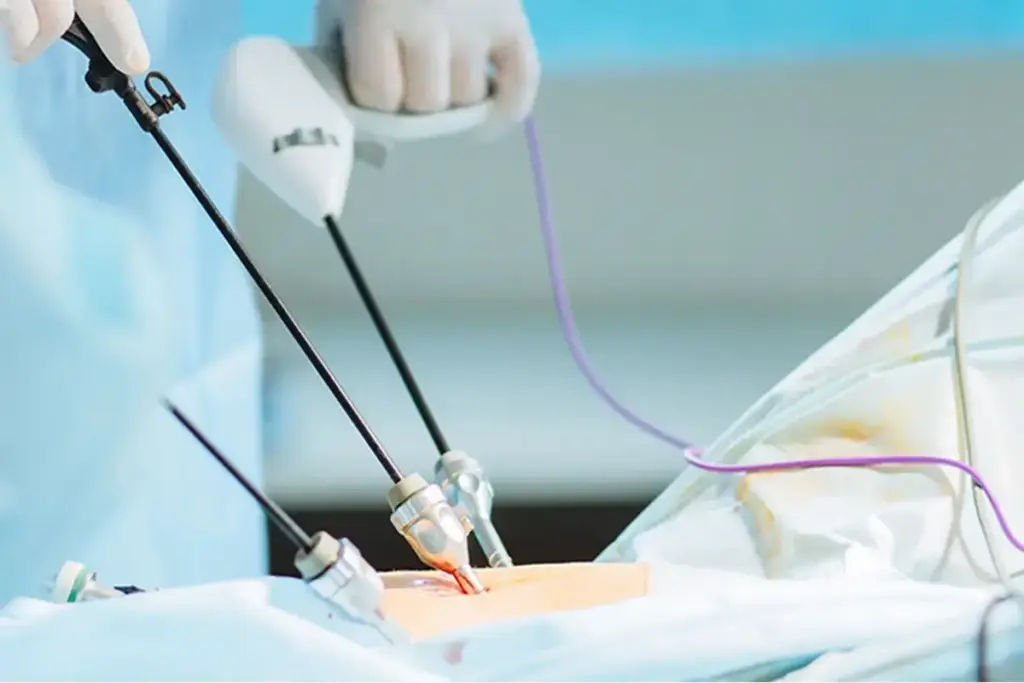
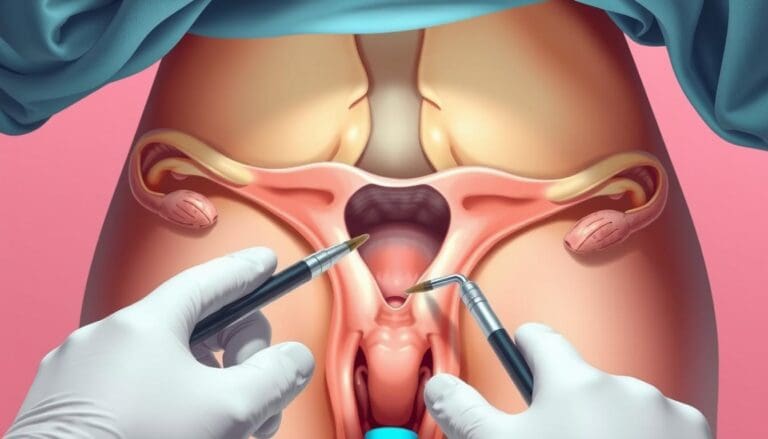
Urology has changed a lot in the past thirty years, moving from large, painful incisions in open surgery to the precise methods of minimally invasive techniques. At Liv Hospital, Laparoscopic Urology shows this progress by focusing on patient health, quick recovery, and preserving anatomy. Laparoscopic surgery, often called keyhole surgery, is more than just a single procedure—it’s a way of performing surgery. Surgeons reach the organs of the urinary tract, like the kidneys, adrenal glands, ureters, bladder, and prostate, through small cuts, usually five to twelve millimeters wide. This is very different from open surgery, which needs large cuts through muscle and leads to longer recovery times.
To understand Laparoscopic Urology, it helps to know how the technology works. The surgery starts by creating space inside the abdomen or behind it. Surgeons do this by filling the area with carbon dioxide gas, which lifts the abdominal wall away from the organs and gives enough room to work safely. After this, special ports or trocars are placed through the skin. These ports let instruments go in and out of the body without causing extra damage to the abdominal wall.
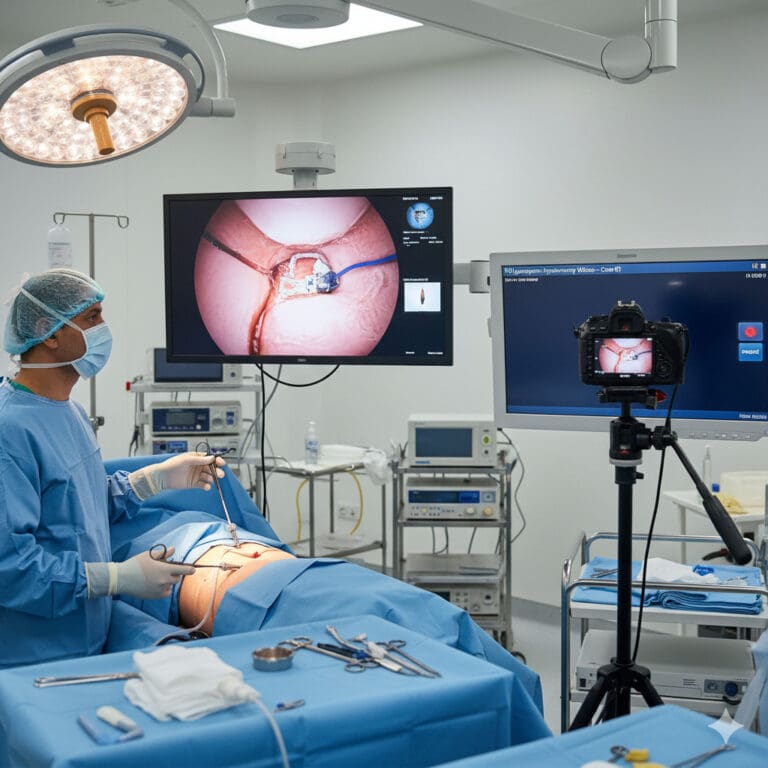
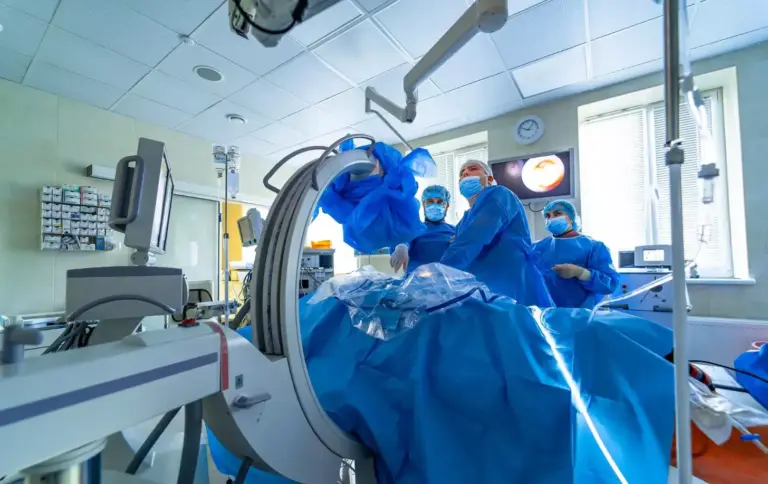
The main tool in this type of surgery is the laparoscope, which is a thin tube with a camera and light at the end. It sends clear, enlarged images of the inside of the body to screens in the operating room. Instead of looking directly into a wound, the surgeon watches the screen and sees details that are hard to spot with the naked eye. The surgeon uses long, thin instruments through the ports to grasp, cut, stitch, and seal tissue. These tools work like extensions of the surgeon’s hands, allowing for very precise movements inside the body.

The definition of laparoscopic surgery extends beyond the mechanics to the physiological impact on the patient. The central tenet of this approach is the reduction of surgical trauma. In traditional open surgery, the trauma caused by the access incision often exceeds the trauma caused by the actual removal or repair of the organ. By minimizing the access trauma, laparoscopy significantly alters the metabolic response to surgery.
Preservation of Musculature: Open kidney surgery often requires a flank incision that cuts through the latissimus dorsi and oblique muscles. This can lead to chronic pain and muscle weakness. Laparoscopy separates muscle fibers rather than severing them, preserving the structural integrity of the abdominal wall.

At Liv Hospital, Laparoscopic Urology covers many types of procedures for both non-cancerous and cancerous conditions. For many kidney and adrenal problems, it is now considered the best approach.
Laparoscopic Cystectomy and Prostatectomy: While increasingly performed with robotic assistance, standard laparoscopy remains a viable and effective modality for the removal of the bladder or prostate in treating cancer, particularly in healthcare systems optimizing resource utilization.
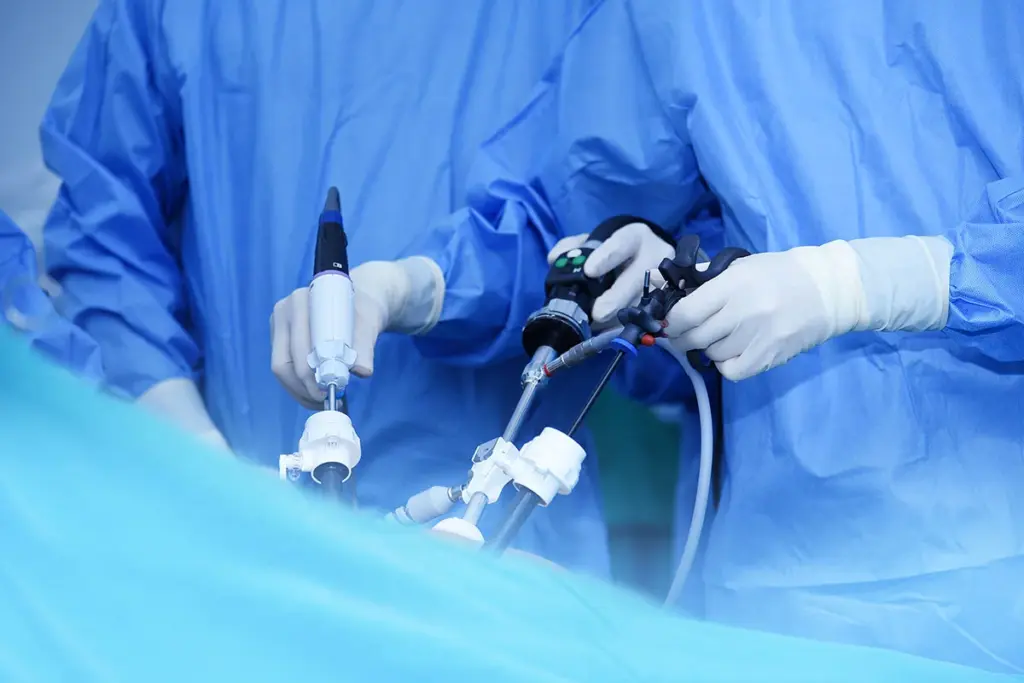
It’s important to remember that even with advanced technology, Laparoscopic Urology depends a lot on the surgeon’s skill. In open surgery, surgeons can feel the tissues directly, but in laparoscopy, they must rely on what they see on the screen. This requires strong hand-eye coordination and a deep knowledge of anatomy. At Liv Hospital, these surgeries are done by experienced teams, making sure patients get the full benefits of the technology. The goal is to combine new tools with expert technique to cure disease while causing as little harm as possible.

Send us all your questions or requests, and our expert team will assist you.
The primary difference lies in the access method. Open surgery requires a large single incision to expose the organ, often cutting through muscle layers and requiring rib spreading. Laparoscopic surgery uses multiple tiny incisions, usually less than one centimeter, to insert a camera and instruments. This results in significantly less pain, less scarring, and a faster return to normal activities.
During a laparoscopic procedure, the surgeon looks at a high-definition monitor. The laparoscope, which is a camera inserted into the body, projects a magnified view of the internal organs onto the screen. This magnification allows the surgeon to see nerves and blood vessels much more clearly than they could with the naked eye in open surgery.
Carbon dioxide gas is used to create a working space. Usually, the abdominal organs are packed closely together. By inflating the cavity, the abdominal wall is lifted away from the organs, creating a dome-like space. This allows the surgeon to clearly visualize the anatomy and safely manipulate instruments without injuring surrounding tissues.
While laparoscopy applies to many urological conditions, it is not suitable for every case. Giant tumors, patients with severe heart or lung disease who cannot tolerate the gas pressure, or those with extensive scar tissue from multiple previous surgeries may still require open surgery. The decision is made based on safety and the likelihood of a successful outcome.
In the early days of laparoscopy, procedures often took longer. However, with modern expertise and technology, operative times are now comparable to those of open surgery for many standard methods, such as nephrectomy. While complex reconstructive steps might take slightly longer, the total time the patient spends in the hospital recovery phase is drastically shorter.

 Laparoscopic Urology
 Laparoscopic Urology
 Laparoscopic Urology
 Laparoscopic Urology
 Laparoscopic Urology
 Laparoscopic Urology
Leave your phone number and our medical team will call you back to discuss your healthcare needs and answer all your questions.
Your Comparison List (you must select at least 2 packages)