
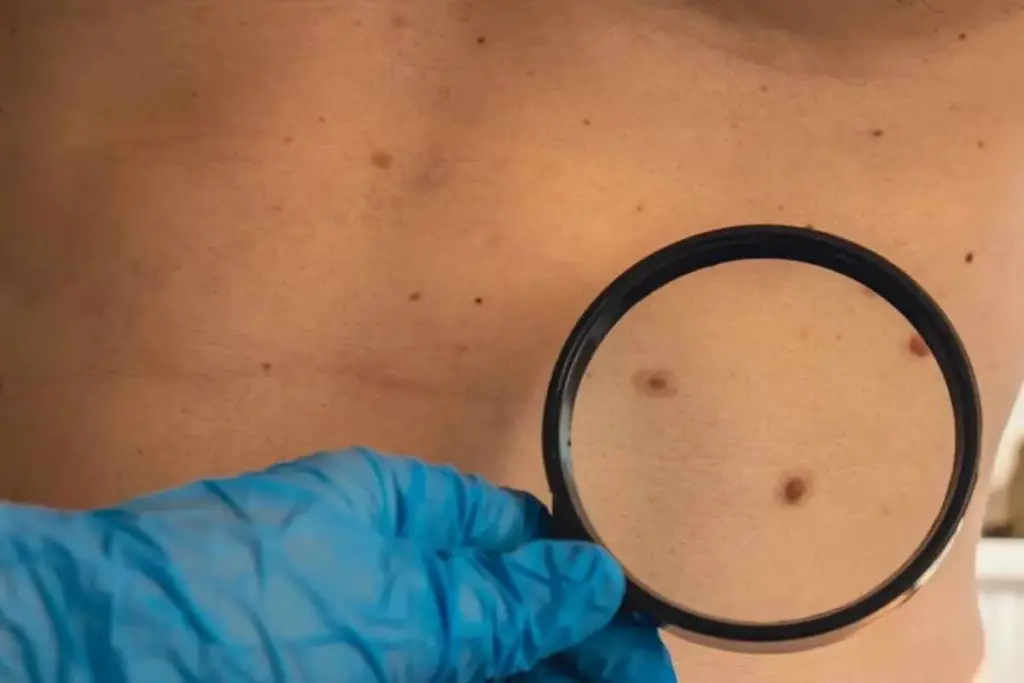
The American Cancer Society says melanoma is the deadliest form of skin cancer. It causes most deaths from skin cancer. Valuable How Quickly Does Melanoma Spread: Key Factors
Knowing how fast melanoma grows is key to catching it early. If not treated, melanoma can spread fast. It’s important to know the signs and symptoms.
Key Takeaways
- Melanoma is a serious and potentially life-threatening form of skin cancer.
- Early detection is critical for effective treatment and improved survival rates.
- Understanding the growth rate of melanoma can help identify high-risk individuals.
- Recognizing the signs and symptoms of melanoma is vital for prompt medical attention.
- Untreated melanoma can spread rapidly, stressing the need for timely action.
Understanding Melanoma: The Most Dangerous Form of Skin Cancer
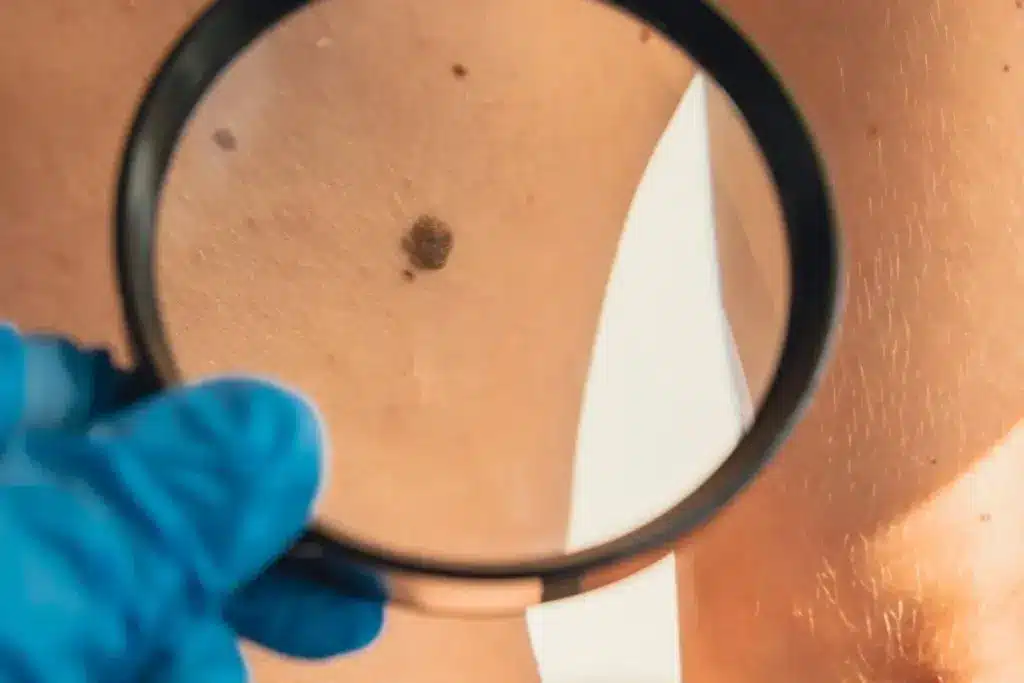
Melanoma is the deadliest skin cancer, making it important to understand it well. We need to know what melanoma is, how it’s different from other skin cancers, and how common it is in the U.S.
What Defines Melanoma
Melanoma, or malignant melanoma, starts in the cells that make skin pigment. These cells grow out of control, forming skin cancer moles or lesions.
UV radiation from the sun or tanning beds can damage these cells’ DNA. This damage can lead to cancerous changes.
How Melanoma Differs from Other Skin Cancers
Melanoma is more aggressive than other skin cancers like basal cell carcinoma and squamous cell carcinoma. It can spread to other parts of the body. This makes early detection and treatment key.
Melanoma skin cancer can start in normal skin or in a mole that turns cancerous. Knowing how to spot skin cancer moles and understanding risk factors is vital for prevention and early detection.
The Prevalence of Melanoma in the United States
The National Cancer Institute says melanoma is the most aggressive skin cancer, causing most skin cancer deaths. In the U.S., melanoma cases have been increasing over the years.
|
Year |
Estimated New Cases |
Estimated Deaths |
|---|---|---|
|
2020 |
100,350 |
6,850 |
|
2019 |
96,480 |
7,230 |
|
2018 |
91,270 |
9,320 |
The table shows melanoma’s rising incidence and death rates in the U.S. over recent years. This highlights the need for ongoing awareness and preventive efforts.
The Biology of Melanoma Spread
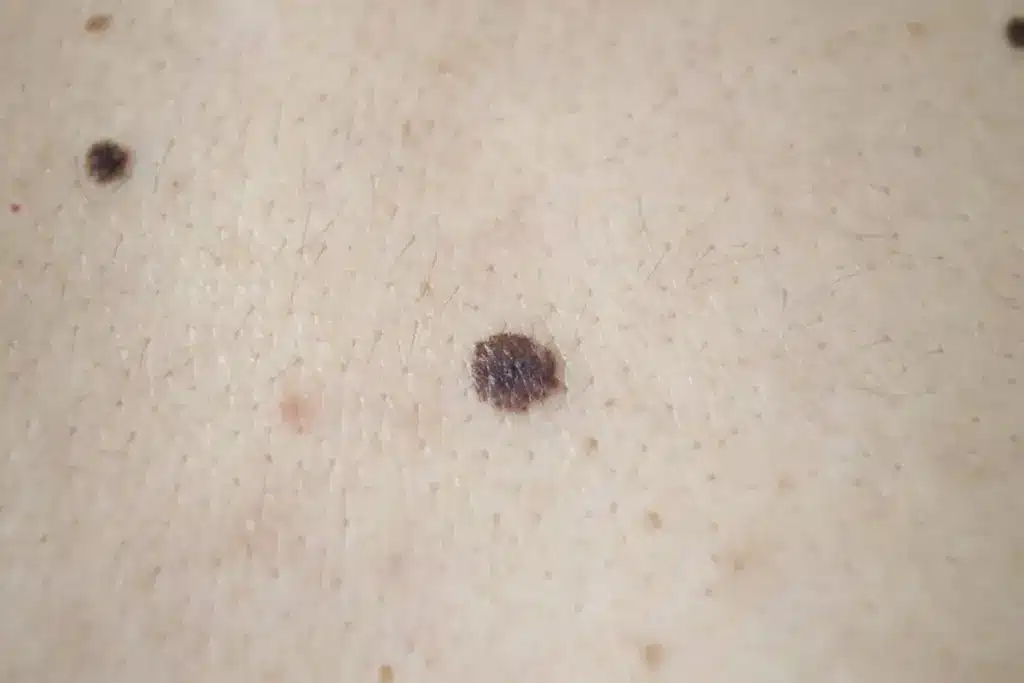
Melanoma, a type of skin cancer, can spread quickly if not caught early. Knowing how it spreads is key to managing it effectively.
How Cancer Cells Metastasize
Cancer cells spread through a complex process. They detach from the main tumor, invade nearby tissues, and enter the lymphatic or vascular system. Once in these systems, they can travel to distant sites, forming new tumors. Metastasis is a hallmark of melanoma’s rapid spread.
It starts with genetic mutations in melanoma cells, making them aggressive. These cells then invade nearby tissues and enter the lymphatic vessels or bloodstream. The lymphatic system plays a significant role in melanoma spread, helping cancer cells reach lymph nodes and beyond.
The Role of Lymphatic System in Melanoma Spread
The lymphatic system is key for immune function and waste removal. In melanoma, it becomes a pathway for cancer cells to spread. The lymph nodes are often the first place melanoma spreads to, making them critical for examination.
Studies show the lymphatic system’s structure and function affect melanoma spread. This knowledge helps in developing targeted therapies to block or slow metastasis.
Factors That Influence How Quickly Melanoma Spreads
Several factors affect melanoma spread rate. Tumor thickness is a big one, with thicker tumors more likely to spread. Genetic mutations, like those in the BRAF gene, also play a role. The immune system’s status impacts growth and spread too.
- Tumor thickness and ulceration
- Genetic mutations (e.g., BRAF, NRAS)
- Immune system status
- Patient’s age and overall health
Knowing these factors is vital for predicting prognosis and treatment planning for melanoma patients.
Types of Melanoma and Their Growth Rates
The American Academy of Dermatology identifies several melanoma types. Each has its own growth rate and symptoms. Knowing these differences helps in catching it early and treating it well.
Superficial Spreading Melanoma
Superficial spreading melanoma is the most common, making up about 70% of cases. It grows horizontally on the skin’s surface before going deeper. Catching it early is easier because of its initial growth phase.
Nodular Melanoma: The Fastest-Growing Type
Nodular melanoma grows very fast and looks like a raised bump on the skin. It quickly goes vertically into the skin, making it hard to spot early. Studies show it has a poor prognosis because of its fast growth.
“Nodular melanoma is a highly malignant form of skin cancer that requires prompt medical attention due to its aggressive nature.”
Lentigo Maligna Melanoma
Lentigo maligna melanoma mainly affects older adults, often on sun-damaged skin. It starts as a flat, pigmented spot that can grow vertically into the skin. Catching and treating it early is key to stopping its spread.
Acral Lentiginous Melanoma
Acral lentiginous melanoma is rare but shows up on palms, soles, or under nails. It’s not caused by UV rays and can be hard to diagnose because of its location. It’s important to be aware of this type, mainly in certain populations.
Knowing the different melanoma types and how they grow is vital for better outcomes. Each type has its own traits. Understanding these can help in early detection and more effective treatments.
Stages of Melanoma and Progression Timeline
The American Joint Committee on Cancer (AJCC) staging system is used to classify melanoma. It helps determine the prognosis and treatment plan for patients.
Stage 0 (In Situ): Contained Growth
Stage 0 melanoma, also known as melanoma in situ, is the earliest stage. At this stage, cancer cells are only in the epidermis. They haven’t invaded deeper into the skin. Treatment at this stage is usually simple, with a high cure rate.
Stage I: Early Invasive Melanoma
Stage I melanoma means cancer cells have invaded the dermis. But the tumor is thin, and the cancer hasn’t spread to lymph nodes or distant sites. Early detection is critical at this stage to prevent further progression.
Stage II: Deeper Invasion
At Stage II, melanoma tumors are thicker, and there may be ulceration. The cancer is localized but has a higher risk of spreading. Regular monitoring is essential to catch any signs of progression.
Stage III: Regional Spread
Stage III melanoma means the cancer has spread to regional lymph nodes or has satellite lesions around the primary tumor. This stage requires more aggressive treatment, including surgery and possibly adjuvant therapy.
The following table summarizes the stages of melanoma and their characteristics:
|
Stage |
Description |
Treatment Approach |
|---|---|---|
|
Stage 0 |
Melanoma in situ, confined to epidermis |
Surgical excision |
|
Stage I |
Early invasive melanoma, thin tumor |
Surgical excision, possibly sentinel lymph node biopsy |
|
Stage II |
Thicker tumor, possible ulceration |
Surgical excision, consideration of adjuvant therapy |
|
Stage III |
Cancer spread to regional lymph nodes |
Surgery, adjuvant therapy (e.g., immunotherapy) |
Thickness Matters: The Breslow Depth
Understanding the Breslow depth of a melanoma tumor is key. It shows how likely the tumor is to spread. The Breslow depth is how thick the tumor is, from the top layer of the skin down to its deepest point.
Studies have found that the Breslow depth is very important for melanoma patients. A thicker tumor means a higher risk of spreading and a worse prognosis. Doctors use this information to choose the best treatment.
How Tumor Thickness Relates to Spread Rate
The thickness of a melanoma tumor affects how likely it is to spread. Thicker tumors are more likely to have spread by the time they are found. The Breslow depth shows how invasive the tumor is.
Research shows that thinner melanomas (less than 1 mm) have better survival rates. This shows why early detection is so important. It also highlights the role of Breslow depth in predicting melanoma outcomes.
Measuring Melanoma Depth
To measure the Breslow depth, doctors look at the tumor after it’s removed. Pathologists use special tests to measure its thickness. Getting the Breslow depth right is key for staging and treatment planning.
“The Breslow depth remains one of the most powerful predictors of survival in melanoma patients, highlighting the importance of early detection and precise pathological assessment.”
In summary, the Breslow depth is a critical factor in melanoma. It affects treatment choices and patient outcomes. Knowing and measuring tumor thickness are essential for managing melanoma well.
Recognizing Melanoma: The ABCDE Rule
To spot melanoma, we use the ABCDE rule. It’s a simple way to check moles. This rule is key for catching cancer early.
Asymmetry
The first clue is asymmetry. Draw a line through the mole. If the halves don’t match, it might be cancer. Benign moles are symmetrical.
Border Irregularity
A mole with a notched, ragged, or irregular border could be cancer. Benign moles have smooth edges. This is a big difference.
Color Variation
Color variation is another sign. Melanomas have many colors or uneven color. Benign moles are usually one color.
Diameter Concerns
The size of a mole matters too. Melanomas are bigger than benign moles. A size over 6mm is suspicious.
Using the ABCDE rule helps find cancer early. This means better treatment chances. Always check moles and see a doctor if you notice these signs.
- A: Asymmetry
- B: Border Irregularity
- C: Color Variation
- D: Diameter
- E: Evolving
The ABCDE rule also looks for evolving moles. Watch for changes in size, shape, or color. Regular checks can catch cancer early.
Melanoma Moles: Identifying Cancerous Changes
Understanding melanoma moles is key. They are the most dangerous skin cancer. They often start in moles or sun-exposed skin.
Normal Moles vs. Melanoma Moles
Normal moles are usually the same color and have clear edges. They are round or oval and can be flat or raised. Melanoma moles, on the other hand, are irregular in shape, color, and size.
Key differences between normal and melanoma moles include:
- Asymmetry: Melanoma moles are often irregular in shape.
- Border: The edges of melanoma moles can be notched, ragged, or blurred.
- Color: Multiple colors or uneven color distribution can be a sign of melanoma.
- Diameter: Melanoma moles are often larger in diameter than normal moles.
- Evolution: Changes in size, shape, or color over time are indicative of melanoma.
When to Be Concerned About a Mole
Watching moles for changes is important. If a mole shows signs of melanoma, see a dermatologist. Early detection is key for treatment success.
Regular self-examinations and professional check-ups can help identify issues early.
Digital Monitoring of Suspicious Moles
Digital dermoscopy has improved mole monitoring. It allows for detailed images and tracking of moles. This helps spot changes that might mean melanoma.
Digital monitoring is great for those with skin cancer history or many atypical moles. It helps dermatologists make accurate diagnoses and plan treatments.
Risk Factors That Accelerate Melanoma Spread
Knowing what can make melanoma spread faster is key to catching it early. Several things can speed up how fast melanoma grows. Knowing about these can help people take action early.
Genetic Predisposition
Genetics play a big role in melanoma. If your family has a history of melanoma, you’re at higher risk. Some genes, like CDKN2A, make you more likely to get melanoma.
Familial melanoma means many family members have had melanoma. If this sounds like your family, talk to a doctor about your risk.
Immune System Status
Your immune system fights cancer, including melanoma. If your immune system is weak, melanoma can spread faster. This can happen if you have certain diseases or are on treatments that weaken your immune system.
- People with autoimmune diseases or on chemotherapy have weaker immune systems.
- Those who have had organ transplants and are on long-term immunosuppression are also at higher risk.
Age and Gender Considerations
Age and gender also matter. Melanoma risk goes up with age, and men are more at risk than women, as they get older.
|
Age Group |
Relative Risk |
|---|---|
|
Under 40 |
Low |
|
40-60 |
Moderate |
|
Over 60 |
High |
Location of the Primary Tumor
Where the melanoma first appears can also affect how fast it spreads. Tumors on the back, scalp, or neck are more likely to spread than those on arms or legs.
By knowing these risk factors, people can better understand their own risk. They can then work with doctors to catch melanoma early and prevent it from spreading.
Typical Timeline: How Fast Does Melanoma Progress?
Knowing how fast melanoma grows is important for both patients and doctors. Melanoma is aggressive and can grow at different speeds. This depends on several factors.
Early Stage Progression
In the early stages, melanoma grows slowly and stays in one place. Early detection is key to stop it from spreading. At this time, the cancer is in the outer skin layer.
- The cancer is usually less than 1 mm thick.
- Symptoms might be small, so regular skin checks are important.
- Treatment often involves removing the tumor surgically.
Advanced Stage Progression
When melanoma gets worse, it can reach deeper skin layers and spread to other parts of the body. The rate of progression can accelerate in this stage, making quick action vital.
“The progression of melanoma to advanced stages significantly complicates treatment and reduces survival rates,” notes a leading oncologist.
Advanced melanoma can spread to lymph nodes and distant organs. This requires more intense treatments.
Individual Variation Factors
How fast melanoma grows can differ a lot between people. Several factors affect this:
- Genetic predisposition: People with a family history of melanoma may see it grow faster.
- Immune system status: A weak immune system can make melanoma spread quicker.
- Tumor biology: The type of melanoma cells also plays a big role.
Knowing these factors helps doctors create treatment plans that fit each person’s needs.
Warning Signs That Melanoma Is Spreading
It’s important to know the warning signs of melanoma spreading. This is because melanoma can show up in different ways. So, it’s key to watch for specific changes in your body.
Changes in the Primary Site
One early sign is changes at the site where melanoma first appeared. Look out for increased size, color variation, or ulceration. Also, watch for new symptoms like bleeding, itching, or pain at the original site.
Lymph Node Symptoms
When melanoma spreads, it often goes to the lymph nodes. Signs include swelling, pain, or hardening of the lymph nodes. Regularly checking for these can help catch melanoma spread early.
Systemic Symptoms of Metastatic Melanoma
In later stages, melanoma can reach distant organs. This leads to systemic symptoms. Look out for unexplained weight loss, fatigue, loss of appetite, and pain in bones or other organs. Spotting these symptoms early is vital for managing the disease.
Diagnosis and Monitoring Melanoma Spread
Getting a correct diagnosis and keeping an eye on how melanoma spreads is key. It helps doctors figure out the best treatment. To check how far the disease has spread, doctors use several methods.
Biopsy Procedures
A biopsy is a major step in finding out if you have melanoma. It involves taking a piece of skin to check for cancer cells. There are a few ways to do this, like excisional, incisional, and punch biopsies.
Imaging Technologies
Ultrasound, CT scans, MRI, and PET scans are used to see if melanoma has spread. They give clear pictures that help doctors understand how far the disease has gone.
Sentinel Lymph Node Biopsy
The sentinel lymph node biopsy finds the first lymph node where cancer might go. This node is then checked for cancer cells.
Blood Tests for Melanoma Markers
Blood tests can find markers linked to melanoma. These tests aren’t enough on their own but are helpful when used with other methods.
To really understand melanoma, doctors use all these methods together. Knowing how far the disease has spread helps them create a treatment plan that fits you.
Treatment Approaches Based on Spread Rate
Knowing how fast melanoma spreads is key to picking the right treatment. The speed of spread helps decide which treatment is best. There are many options, depending on the stage and how aggressive the disease is.
Surgery for Localized Melanoma
Surgery is often the first choice for melanoma that hasn’t spread. The goal is to remove all cancer cells and some healthy tissue around the tumor. This ensures all cancer is gone.
Surgical Margins: The size of the margin needed depends on the melanoma’s thickness. Thicker tumors need wider margins to remove all cancer cells.
Immunotherapy Options
Immunotherapy helps your immune system fight cancer. It’s very effective for melanoma, even when it has spread.
- Checkpoint inhibitors: These drugs let your immune system attack cancer cells better.
- Interleukin-2 (IL-2): IL-2 boosts your immune system to fight cancer more effectively.
Targeted Therapies
Targeted therapy attacks specific traits of cancer cells. For melanoma, it often targets the BRAF gene mutation.
BRAF Inhibitors: Drugs like vemurafenib and dabrafenib target the BRAF V600E mutation. They slow down or stop cancer cell growth.
Radiation Therapy Applications
Radiation therapy kills cancer cells with high-energy rays. It’s not usually the first choice for melanoma. But, it’s used when cancer has spread to the brain or other areas.
|
Treatment Approach |
Indications |
Benefits |
|---|---|---|
|
Surgery |
Localized melanoma |
Potential cure if caught early |
|
Immunotherapy |
Advanced melanoma |
Stimulates immune system to fight cancer |
|
Targeted Therapies |
Melanoma with specific genetic mutations |
Targets cancer cells with specific mutations |
|
Radiation Therapy |
Cancer spread to brain or other areas |
Kills cancer cells in targeted areas |
Survival Rates and Prognosis by Stage
Early detection is key to better survival rates for melanoma patients. Finding melanoma early means a higher chance of successful treatment and survival.
Early Detection Impact on Survival
The importance of early detection cannot be stressed enough. The American Cancer Society says that early-stage melanoma (Stage I) has a 99% five-year survival rate. This rate decreases as the cancer progresses to later stages.
“Early detection is key to improving melanoma survival rates,” say cancer research institutions.
“The earlier melanoma is diagnosed, the better the prognosis. It’s vital for individuals to know the warning signs and seek medical help quickly if they notice any suspicious skin changes.”
Five-Year Survival Statistics
Five-year survival statistics give a general idea of melanoma patient outcomes. These numbers come from data on patients diagnosed with melanoma over a specific time. In the United States, the overall five-year survival rate for melanoma is about 93%, according to recent data.
- Localized melanoma (Stage I and II): 98.4% five-year survival rate
- Regional melanoma (Stage III): 63.6% five-year survival rate
- Distant melanoma (Stage IV): 22.5% five-year survival rate
Factors That Improve Prognosis
Several factors can improve a melanoma patient’s prognosis. These include:
- Thickness of the tumor: Thinner tumors have a better prognosis.
- Ulceration: The presence or absence of ulceration affects the prognosis.
- Lymph node involvement: The number of lymph nodes involved impacts the prognosis.
- Metastasis: The presence of distant metastasis generally worsens the prognosis.
Knowing these factors and the importance of early detection can greatly improve survival rates and prognosis for melanoma patients.
Preventing Malignant Melanoma
To prevent malignant melanoma, we need to protect our skin from the sun, check our skin often, and make healthy lifestyle choices.
Knowing the risks and taking steps to avoid them can lower the chance of getting melanoma. It’s important to understand the dangers and take action to protect ourselves.
Sun Protection Strategies
Protecting our skin from the sun is key in preventing melanoma. The sun’s UV rays are harmful, and we can shield our skin in several ways:
- Use broad-spectrum sunscreen with a high SPF every day, even on cloudy days.
- Wear protective clothing, like hats and sunglasses, when outside.
- Stay in the shade, mainly during the sun’s strongest hours (10 AM – 4 PM).
- Stay away from tanning beds, as they also emit UV radiation and raise melanoma risk.
Regular Skin Examinations
Regular skin checks are vital for catching melanoma early. This means:
- Do monthly self-exams to spot new or changing moles.
- See a dermatologist every year for a professional skin check.
- Use tools like dermatoscopy for a closer look at any suspicious spots.
Finding melanoma early can greatly improve treatment success. So, regular skin checks are a must in preventing melanoma.
Lifestyle Modifications
Along with sun protection and skin checks, making healthy lifestyle choices can also lower melanoma risk:
- Eat well and exercise regularly to keep your immune system strong.
- Avoid too much sun, and be careful if you’ve had sunburns before.
- Know if you have a family history of melanoma and talk to your doctor about it.
By using these methods together, we can greatly reduce our risk of getting melanoma.
Common Myths About Melanoma Spread
Melanoma spread is often misunderstood, leading to myths. These myths can cause people to delay getting checked or treated. This can make the disease worse for those affected.
Misconception: All Melanomas Spread Quickly
Not all melanomas grow at the same speed. The speed at which it spreads depends on several factors. These include the type of melanoma, its thickness, and if it has ulcerated.
Types of Melanoma and Their Growth Rates:
|
Type of Melanoma |
Growth Rate |
|---|---|
|
Superficial Spreading Melanoma |
Slow to moderate |
|
Nodular Melanoma |
Fast |
|
Lentigo Maligna Melanoma |
Slow |
Misconception: Melanoma Always Starts from Moles
Many melanomas start from moles, but not all do. Some melanomas appear on skin without moles. It’s important to check your skin regularly for new or changing spots.
“Melanoma can arise from normal skin, not just from pre-existing nevi.” –
A statement from a dermatological expert.
Misconception: Melanoma Only Affects Older Adults
Melanoma can happen to anyone, at any age. While older people are at higher risk, it can also affect the young. Everyone should be aware and take steps to prevent it.
Knowing the truth about melanoma spread is key to catching it early. By clearing up these myths, we can all protect ourselves better. And we can get help sooner if we need it.
Conclusion: The Importance of Early Detection
Early detection is key to better outcomes for melanoma patients. Knowing about melanoma’s biology and its warning signs is vital. It helps in managing the disease effectively.
Melanoma awareness is essential for catching the disease early. This is when it’s most treatable. By taking care of your skin and knowing the signs of melanoma, you can greatly increase your survival chances.
The role of early detection cannot be stressed enough. Regular skin checks and sun protection can stop or catch melanoma early. By spreading awareness and encouraging regular check-ups, we can lower the disease’s incidence and death rates.
FAQ
What is melanoma, and how does it differ from other skin cancers?
Melanoma is a serious skin cancer that comes from melanocytes, the cells that make pigment. It’s more aggressive and can spread fast compared to other skin cancers like basal cell carcinoma and squamous cell carcinoma.
How quickly does melanoma spread?
Melanoma’s growth speed varies. It depends on the type, thickness, and the person’s health. Some melanomas grow quickly, while others may stay in one place for a long time.
What are the different types of melanoma, and how do they grow?
There are several melanoma types, like superficial spreading, nodular, lentigo maligna, and acral lentiginous. Each grows differently, with nodular being the fastest.
What is the Breslow depth, and why is it important?
The Breslow depth measures how thick a melanoma tumor is. It’s key because thicker tumors are more likely to spread and have a worse prognosis.
How can I identify a potentially cancerous mole?
Use the ABCDE rule to spot suspicious moles. Look for asymmetry, irregular borders, color changes, large size, and any changes over time.
What are the warning signs that melanoma is spreading?
Signs of spreading include changes in the original mole, like growing or bleeding. Also, watch for swollen or tender lymph nodes and systemic symptoms like fatigue, weight loss, or pain.
How is melanoma diagnosed and monitored?
Doctors use biopsies, imaging, sentinel lymph node biopsy, and blood tests to diagnose melanoma. Regular checks are important to catch any changes or spread.
What are the treatment options for melanoma, and how are they chosen?
Treatments include surgery, immunotherapy, targeted therapies, and radiation. The choice depends on the melanoma’s stage, spread rate, and the person’s health.
How does early detection impact survival rates for melanoma patients?
Finding melanoma early greatly improves survival chances. Patients with early-stage melanoma have a better five-year survival rate.
What can I do to prevent melanoma?
Preventing melanoma means protecting your skin from the sun, getting regular skin checks, and avoiding too much sun exposure. Use sunscreen and wear protective clothes.
Are there any common myths about melanoma spread?
Yes, many myths exist, like thinking all melanomas spread fast or that they only affect older adults. It’s important to know the truth about melanoma.
References
JAMA Network. Evidence-Based Medical Insight. Retrieved from https://jamanetwork.com/journals/jamadermatology/fullarticle/410160