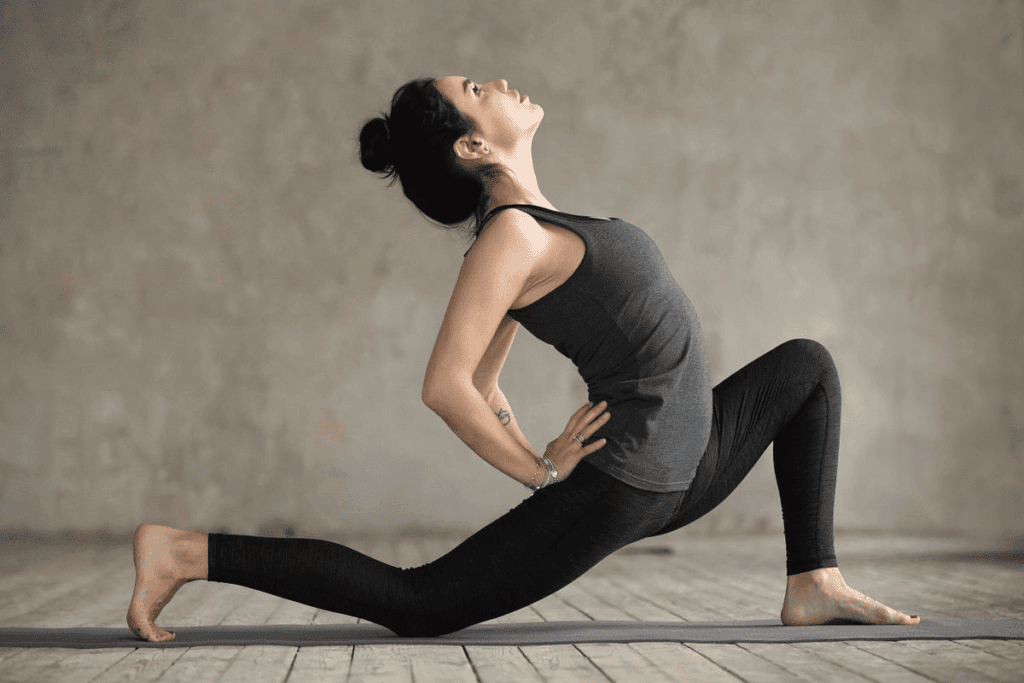
Do you often feel lower back pain even when you rest? It might not be your back’s fault. It could be your hip flexors. Today’s sedentary lifestyle has made tight hip muscles a big problem for millions. Full guide to stretches for tight hips (flexors, rotators, and abductors) for functional and pain relief. Full guide to stretches for tight hips (flexors, rotators, and abductors) for functional and pain relief.
AtLiv Hospital, we use international standards to find and fix your pain’s source. Learn how hip flexor stretches can ease your pain and improve your movement.
Key Takeaways
- Tight hip flexors are a common issue due to prolonged sitting and reduced physical activity.
- Hip flexor pain can be alleviated with strengthening and stretching exercises.
- Targeted stretches can help relieve lower back pain caused by tight hip flexors.
- Strengthening hip flexors can improve mobility and reduce discomfort.
- Liv Hospital offers comprehensive musculoskeletal care for international patients.
Understanding Hip Flexors: Anatomy and Function
It’s important to know about hip flexors to fix tightness and boost mobility. These muscles link the upper leg to the hip. They help us bend at the waist and lift our legs.
Key Muscles in the Hip Flexor Group
The hip flexor group has several key muscles. The iliopsoas and rectus femoris are among them. The iliopsoas, made of the iliacus and psoas major, is a big hip flexor. The rectus femoris, part of the quadriceps, also helps flex the hip.
These muscles help us move in many ways. They are key for walking, running, and climbing stairs. They also help keep our balance and posture right.
The Role of Hip Flexors in Movement and Posture
Hip flexors are essential for movement and keeping good posture. They help flex the hip joint, which is important for walking and running. They also help keep the lumbar spine stable, affecting our posture.
If hip flexors are tight or not working right, it can cause lower back pain and less mobility. So, knowing about their anatomy and function is the first step to solving these issues.
Why Your Hip Flexors Get Tight: Modern Lifestyle Factors
The modern lifestyle, with lots of sitting and less moving, tightens our hip flexors. Our daily activities affect the health and flexibility of our hip flexors.
The Impact of Prolonged Sitting
People sit for about 10.4 hours a day, which tightens their hip flexors. Sitting for long periods shortens these muscles, making them tight and less flexible.
Prolonged sitting also hurts other muscles, leading to lower body problems. It’s key to take breaks and move regularly to avoid these issues.
Daily Sitting Hours | Impact on Hip Flexors | Recommended Action |
8-10 hours | Moderate tightness | Regular stretching |
10-12 hours | Significant tightness | Frequent movement breaks |
>12 hours | Severe tightness and possible injury | Regular exercise and physical therapy |
Exercise Habits That Contribute to Tightness
Exercise is good, but some exercise habits can make hip flexors tight. Activities like cycling or running can cause tightness if not balanced with stretching and strengthening.
Not exercising enough or doing unbalanced workouts can also tighten hip flexors. A well-rounded fitness routine, including hip flexor stretches and strengthening, keeps them healthy.
Stress and Its Effect on Muscle Tension
Stress makes muscles tense, including hip flexors. Stress triggers our “fight or flight” response, tightening muscles. Stress-reduction techniques like meditation or deep breathing can help relax these muscles.
Knowing what tightens hip flexors helps us take action. We should be mindful of our sitting, exercise wisely, and manage stress well.
Signs and Symptoms of Tight Hip Flexors
It’s important to know the signs of tight hip flexors early. This can prevent bigger problems. Tight hip flexors can weaken your core and balance, causing many muscle issues.
Physical Indicators of Hip Flexor Tightness
Tight hip flexors show up in several ways. You might feel pain or discomfort in the upper groin. This tightness can also cause lower back pain or hamstring strains.
The signs include:
Indicator | Description |
Pain in Groin Area | Discomfort or pain in the upper groin, often a direct result of tight hip flexors. |
Lower Back Pain | Tight hip flexors can contribute to strain in the lower back. |
Hamstring Strains | Increased tension in the hamstrings due to tight hip flexors. |
How Tight Hip Flexors Affect Your Movement
Tight hip flexors can really mess with your movement and health. They limit your range of motion, making simple tasks hard. They can also change how you walk, leading to problems in your knees and lower back.
Here’s how tight hip flexors impact movement:
- Reduced range of motion in the hip.
- Altered gait patterns.
- Increased risk of injury due to compensatory movements.
Knowing these symptoms helps you take action. You can work on loosening your hip flexors. This improves your mobility and lowers the chance of more problems.
The Connection Between Tight Hip Flexors and Lower Back Pain
Tight hip flexors can cause an anterior pelvic tilt. This tilt can lead to lower back pain. The hip flexor muscles, like the psoas, are connected to the lower back.
The psoas muscle runs from the lumbar spine to the femur. When it tightens, it pulls the lumbar spine forward. This can strain the lower back muscles and joints, causing pain.
How Anterior Pelvic Tilt Develops
An anterior pelvic tilt happens when the pelvis’s front drops and its back rises. Tight hip flexors can pull the pelvis out of its neutral position. Prolonged sitting is a big reason for this.
Sitting for long periods shortens the hip flexors, making them tight. This tightness can cause the pelvis to tilt forward. This tilt can lead to lower back pain.
“The connection between tight hip flexors and lower back pain is well-established. When the hip flexors are tight, they can pull the pelvis into an anterior tilt, straining the lower back.”
The Biomechanical Chain Reaction
A dysfunction in one part of the body can affect others. Tight hip flexors can lead to an anterior pelvic tilt. This tilt can strain the lower back.
- Strain on the lumbar spine due to excessive lordosis
- Increased pressure on the intervertebral discs
- Compensatory mechanisms in the lower back muscles, leading to fatigue and pain
Understanding this chain reaction is key to fixing lower back pain. By loosening tight hip flexors and restoring a neutral pelvic tilt, we can ease lower back strain and pain.
Best Stretches for Tight Hips: Beginner Level
Loosening tight hip flexors is easy with simple stretches for beginners. These stretches help improve flexibility and reduce discomfort.
Kneeling Hip Flexor Stretch
The kneeling hip flexor stretch targets the hip flexor muscles. Start by kneeling on one knee with the other foot in front. Lean forward, keeping your back straight, until you feel a stretch in your hip. Hold for 30 seconds and then switch sides.
Seated Butterfly Stretch
The seated butterfly stretch loosens tight hip flexors. Sit on the floor with your legs bent and feet together. Let your knees fall apart, stretching your inner thighs and hips. Press your knees towards the ground to deepen the stretch. Relax your body and breathe deeply, holding for 30 seconds.
Reclined Hip Opener
The reclined hip opener is a gentle stretch done lying on your back. Bring one knee towards your chest and hold onto your knee. Pull your knee across your body towards the opposite shoulder. This stretch loosens the hip flexors and helps relieve tension in the lower back. Hold for 30 seconds before switching sides.
These beginner stretches are easy to follow and can be part of your daily routine. Regular practice improves flexibility and reduces hip flexor tightness.
Effective Hip Flexor Stretches for Immediate Relief
For those with tight hip flexors, certain stretches can help right away. Tight hip flexors can make daily activities hard, causing pain and limiting movement. Adding specific stretches to your routine can ease tension and boost flexibility.
Here are some effective stretches to provide immediate relief:
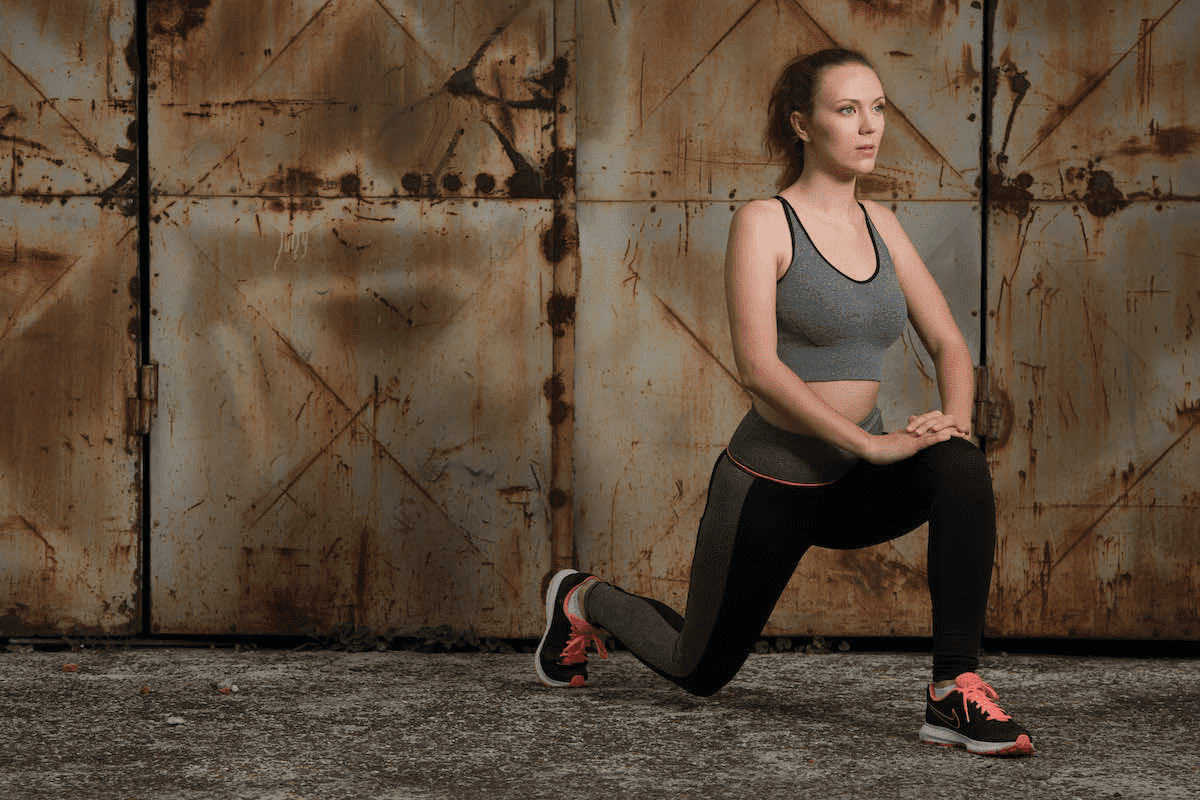
Lunging Hip Flexor Stretch with Rotation
The lunging hip flexor stretch with rotation targets the hip flexor muscles and the hip’s rotational movement. To do this stretch:
- Start in a lunge position with your front knee bent at a 90-degree angle and your back knee almost touching the ground.
- Rotate your torso towards the side of your front leg, keeping your arms extended for balance.
- Hold the stretch for 30 seconds and then switch sides.
Hip Socket Stretch Variations
Hip socket stretches are key for better flexibility and less stiffness in the hip joint. You can adjust these stretches to fit your flexibility level:
- Lie on your back with your knees bent and feet flat on the floor.
- Cross one foot over the opposite knee, creating a figure-four shape.
- Gently pull the uncrossed leg towards your chest until you feel a stretch in the hip socket.
- Hold for 30 seconds and then switch legs.
Front Hip Stretches for Quick Release
Front hip stretches target the muscles at the front of the hip, giving quick relief from tension. To perform this stretch:
- Stand with your feet shoulder-width apart.
- Take a large step forward with one foot and lower your body until your back knee almost touches the ground.
- Lean forward slightly, stretching the front of your hip.
- Hold for 30 seconds before switching legs.
By adding these stretches to your daily routine, you can quickly feel relief from tight hip flexors and better your hip mobility.
How to Release Your Hip Flexors: Deep Tissue Techniques
Releasing tight hip flexors needs a mix of self-myofascial release and tools like foam rollers and massage balls. Activities like sitting for long times or doing intense workouts can make our hip flexors tight. It’s key to know how to loosen this tension to stay flexible and avoid pain.
Self-Myofascial Release Methods
Self-myofascial release is a way to apply pressure to certain body parts to loosen muscle and connective tissue tension. It’s very helpful for the hip flexors. Here’s how to do it on your hip flexors:
- Use your own body weight to apply pressure.
- Target the area just below the hip bone and above the knee.
- Hold for 15-30 seconds and release.
Key areas to focus on include the psoas major and iliacus muscles, which make up the hip flexor group.
Using Foam Rollers and Massage Balls
Foam rollers and massage balls are great for loosening hip flexor tension. They apply pressure to specific spots, helping to break up muscle knots and reduce tension.
- Position the foam roller under your hip flexor area.
- Slowly roll back and forth, applying pressure.
- Focus on areas of tension.
To use a massage ball, place it on the tight spot and press down with your body weight. Hold for 15-30 seconds before letting go.
Hip Flexor Exercises to Strengthen and Loosen
To keep your hips healthy, it’s key to do exercises that both strengthen and loosen the hip flexors. Strengthening these muscles can stop future tightness and boost flexibility. We’ll look at exercises that help you find this balance.
Dynamic Strengthening Movements
Dynamic strengthening movements work the hip flexors through different motions. This improves both strength and flexibility. Here are some examples:
- Lunges: A basic exercise that targets the hip flexors, glutes, and legs.
- Leg swings: Standing or seated leg swings strengthen the hip flexors dynamically.
- Step-ups: This exercise strengthens the hip flexors, improves balance, and coordination.
These movements build strength in the hip flexors. This makes them less likely to get tight or injured.
Glute Activation to Balance Hip Muscles
It’s important to activate the glutes to balance the hip muscles. Weak glutes can make the hip flexors work too hard, leading to tightness. Here are some exercises to help:
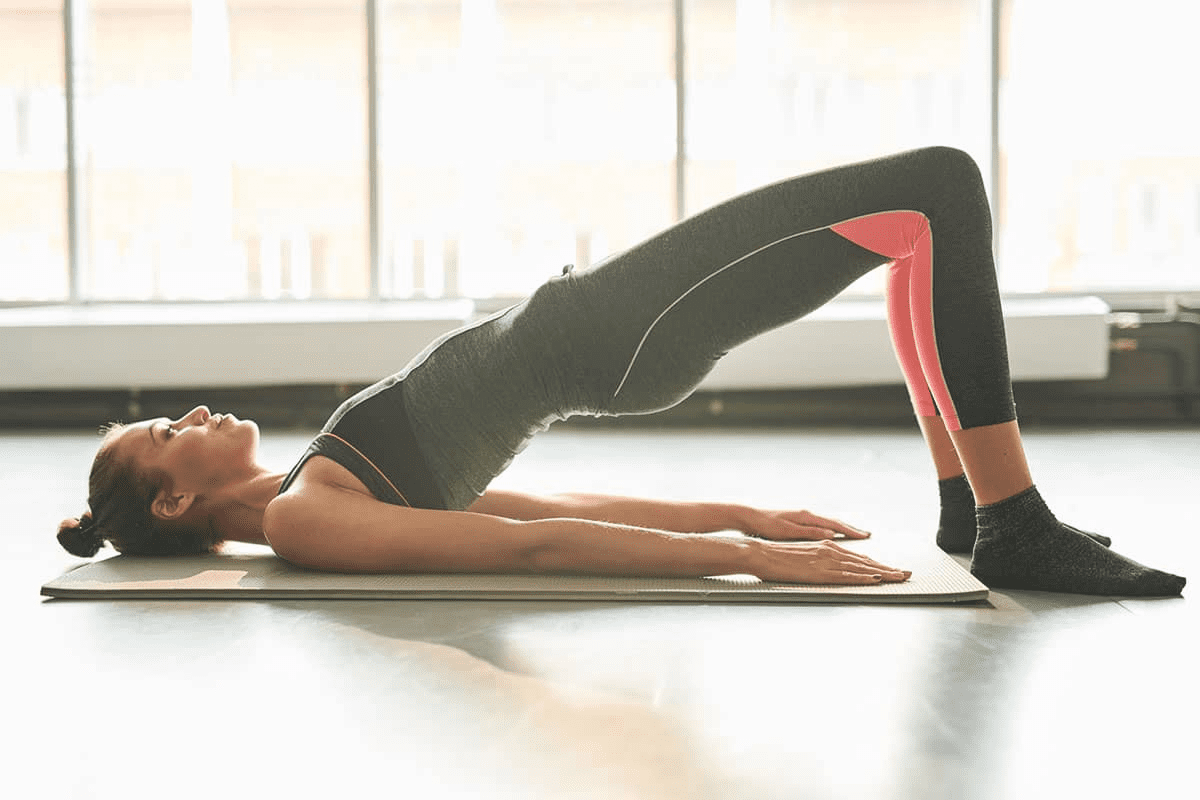
- Glute bridges: Strengthens the gluteus maximus, balancing the hip.
- Clamshell exercises: Targets the gluteus medius, improving hip stability.
- Deadlifts: Works multiple muscles, including the glutes, for better hip balance.
Strengthening the glutes reduces strain on the hip flexors. This promotes a balanced hip.
Core Stabilization for Hip Support
A strong core is vital for hip support. It helps keep the hips aligned and reduces strain on the hip flexors. Here are some core exercises:
- Planks: Strengthens the entire core, providing a stable base for the hips.
- Russian twists: Targets the obliques, improving rotational strength and stability.
- Bird dog: Enhances core stability and balance.
Adding these exercises to your routine can improve hip stability. It also lowers the risk of hip flexor tightness.
Ways to Stretch Hip Flexors Throughout Your Day
Stretching your hip flexors all day keeps them flexible and comfy. Adding stretches to your daily routine helps avoid tight hip flexors and related problems.
Desk-Based Stretching Routines
For desk workers, desk stretches are a big help. You can do simple stretches like the seated or standing hip flexor stretch right at your desk.
- Seated Hip Flexor Stretch: Sit, then slowly stand up and sit back down without hands. This stretch works your hip flexors.
- Standing Hip Flexor Stretch: Stand with feet apart, then step forward with one foot. Lower until your back knee almost touches the ground, keeping your front thigh parallel.
Movement Breaks to Prevent Tightness
Regular movement breaks are key for avoiding tight hip flexors, more so for those sitting a lot. Short breaks every hour can really help.
- Take a quick walk or do some light stretching.
- Do a few squats or lunges to work your hip muscles.
- Try a standing desk or adjustable workstation to switch between sitting and standing.
Evening Relaxation Techniques for Hip Flexors
Evening relaxation techniques help keep your hips flexible and relaxed. Choose activities that help with flexibility and relaxation.
- Try yoga or Pilates for gentle stretching and strengthening.
- Use a foam roller or massage ball to loosen hip flexor muscles.
- Enjoy a warm bath or shower to relax muscles and boost circulation.
By adding these stretches and breaks to your day, you can stop tight hip flexors and keep your hips flexible.
When to Seek Professional Help for Painful Tight Hip Flexors
If you’re dealing with tight hip flexors, knowing when to get help is key. Stretching and self-care can help, but sometimes you need medical help. This is true if there’s an underlying issue.
Signs That Indicate Medical Attention Is Needed
Some symptoms mean you need more than stretching. Look out for:
- Severe pain that makes daily tasks hard
- Pain that gets worse or doesn’t go away
- Swelling or bruises near the hip
- Feeling unstable or weak in the hip or leg
- Numbness or tingling in the leg
If you see these signs, see a doctor. They can find out why your hip flexors are tight.
Types of Specialists Who Treat Hip Issues
Many specialists can help with hip flexor problems. They include:
- Orthopedic specialists: Know a lot about bone and muscle issues
- Physical medicine and rehabilitation (PM&R) doctors: Help with chronic pain and muscle problems
- Physical therapists: Give exercises and therapies to help
- Sports medicine physicians: Treat injuries from sports
Depending on your issue, you might see one or more of these doctors.
What to Expect During Treatment
When you get help for tight hip flexors, expect a full check-up. This includes:
- Talking about your medical history
- A physical exam
- Imaging tests (like X-rays or MRI)
Your treatment might include manual therapies, exercises, and more. This is to fix your tight hip flexors and any other problems.
Conclusion: Creating a Sustainable Hip Flexor Care Routine
Creating a sustainable routine is key to maintaining healthy hip flexors. Regular stretching, strengthening, and proper care help keep them flexible. This prevents future issues.
A well-maintained hip flexor care routine involves being aware of what causes tightness. We suggest adding stretching and strengthening exercises to your daily routine. This supports long-term hip health.
By adopting a sustainable hip flexor care routine, you can lower the risk of discomfort and injury. We encourage you to make these practices a part of your daily life. This supports your overall well-being and keeps your hip flexors healthy.
FAQ
What are the main causes of tight hip flexors?
Tight hip flexors often come from sitting too long and not moving much. Certain exercises and stress can also cause it. These habits lead to muscle tightness.
How do tight hip flexors affect movement and posture?
Tight hip flexors can really mess with how you move and your posture. They can cause your pelvis to tilt forward. This can lead to back pain and other issues.
What are the signs and symptoms of tight hip flexors?
Signs of tight hip flexors include pain in the groin area. It can also make daily activities harder. Recognizing these symptoms early is key.
How can I stretch my hip flexors effectively?
To stretch tight hip flexors, try kneeling, seated butterfly, and reclined hip opener stretches. Lunging with rotation and hip socket stretches also help. These stretches can greatly improve your flexibility.
What are some deep tissue techniques for releasing tight hip flexors?
Deep tissue methods like foam rolling and using massage balls are great. They help release tension in tight hip flexors.
How can I strengthen and loosen my hip flexors?
Strengthening movements and exercises for your glutes and core can help. These activities support hip health and prevent tightness.
How often should I stretch my hip flexors throughout the day?
Stretching at your desk and taking breaks can help. Evening relaxation techniques also keep your hip flexors flexible.
When should I seek professional help for tight hip flexors?
If your hip flexors stay tight or hurt a lot, see a doctor. Look for signs like a lot of pain or trouble moving.
What can I expect during treatment for tight hip flexors?
Treatment might involve seeing specialists for hip issues. They’ll give you specific stretches and exercises to help. They aim to ease tension and improve your hip health.
How can I maintain healthy, flexible hip flexors in the long term?
To keep your hip flexors healthy, stretch regularly and strengthen them. Be aware of what makes them tight. By doing this, you can avoid future discomfort.
References
National Center for Biotechnology Information. Evidence-Based Medical Guidance. Retrieved from https://www.ncbi.nlm.nih.gov/pmc/articles/PMC3273886/