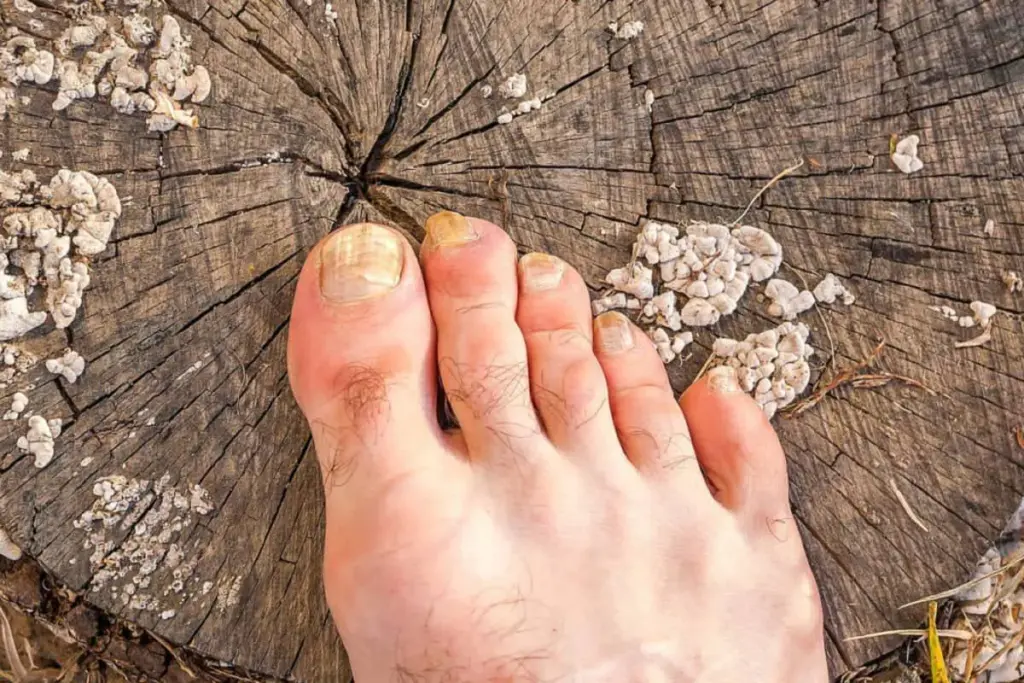
Nearly 14% of the global population suffers from toenail fungus, also known as onychomycosis. This stubborn infection causes discomfort and aesthetic concerns.what kills toenail fungus instantlyAortic Exam: 7 Key Clinical Signs and Murmur Features to Know
Dealing with this condition can be tough. That’s why finding effective treatments is key. Nail fungus treatment options vary, and choosing the right onychomycosis medication can be overwhelming.
Onychomycosis is a fungal infection. It can make toenails thick, discolored, and brittle. Treating it requires a thorough approach.
Key Takeaways
- Toenail fungus affects a significant portion of the global population.
- Effective treatment requires understanding the causes and available options.
- Onychomycosis medication is a key part of treatment.
- Nail care and hygiene are important in managing the condition.
- There are many nail fungus treatment options, including topical and oral medications.
Understanding Toenail Fungus
Toenail fungus is a complex condition caused by different fungi. It includes dermatophytes, yeasts, and molds. This infection, known as onychomycosis, is common and can really affect your life.
What is Toenail Fungus?
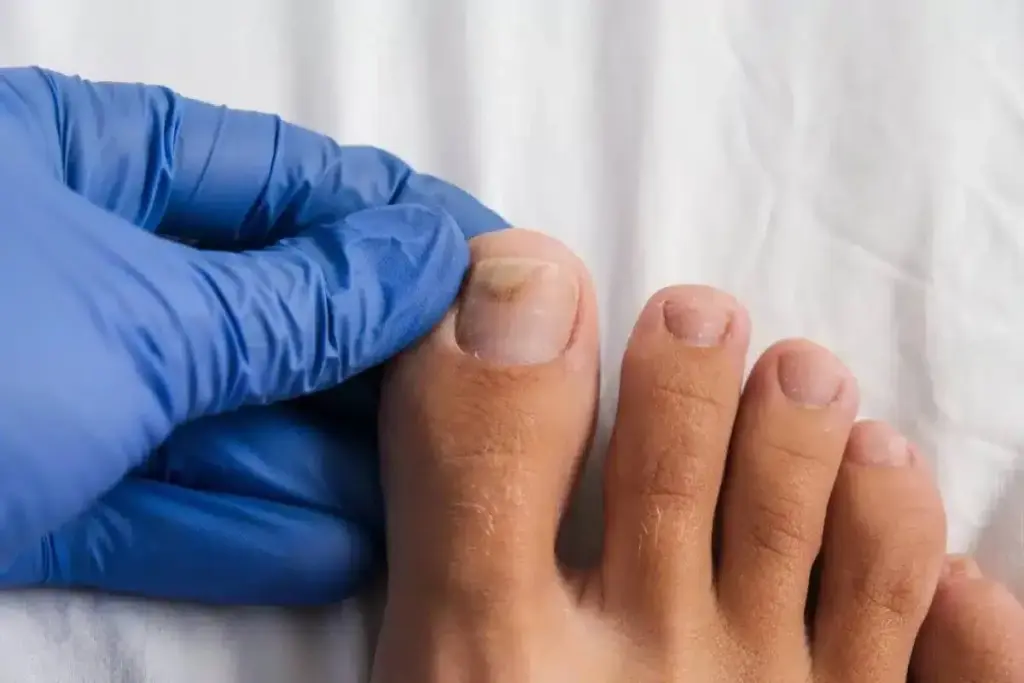
Toenail fungus is a fungal infection that affects the toenails. It grows well in warm, moist places, like the feet. It can make the nail thick, discolored, and brittle, sometimes causing pain.
The fungi causing toenail fungus are contagious. They can spread through touching an infected person or touching contaminated surfaces.
Symptoms of Toenail Fungus
The symptoms of toenail fungus can vary. They often include:
- Nail thickening or distortion
- Discoloration, often appearing as yellow, brown, or black
- Brittleness or crumbling of the nail
- Pain or discomfort, especially when wearing shoes or walking
These symptoms can really affect your daily life. That’s why it’s important to treat it quickly and effectively.
Causes of Toenail Fungus
Toenail fungus is caused by different fungi. The main causes are:
|
Cause |
Description |
|---|---|
|
Dermatophytes |
Fungi that feed on keratin, a protein found in nails, skin, and hair. |
|
Yeasts |
Microorganisms that can infect the nail, often causing thickening and discoloration. |
|
Molds |
Opportunistic fungi that can infect the nail, especially in moist environments. |
Knowing these causes is key to finding the right treatment.
Fast-Acting Treatments for Toenail Fungus
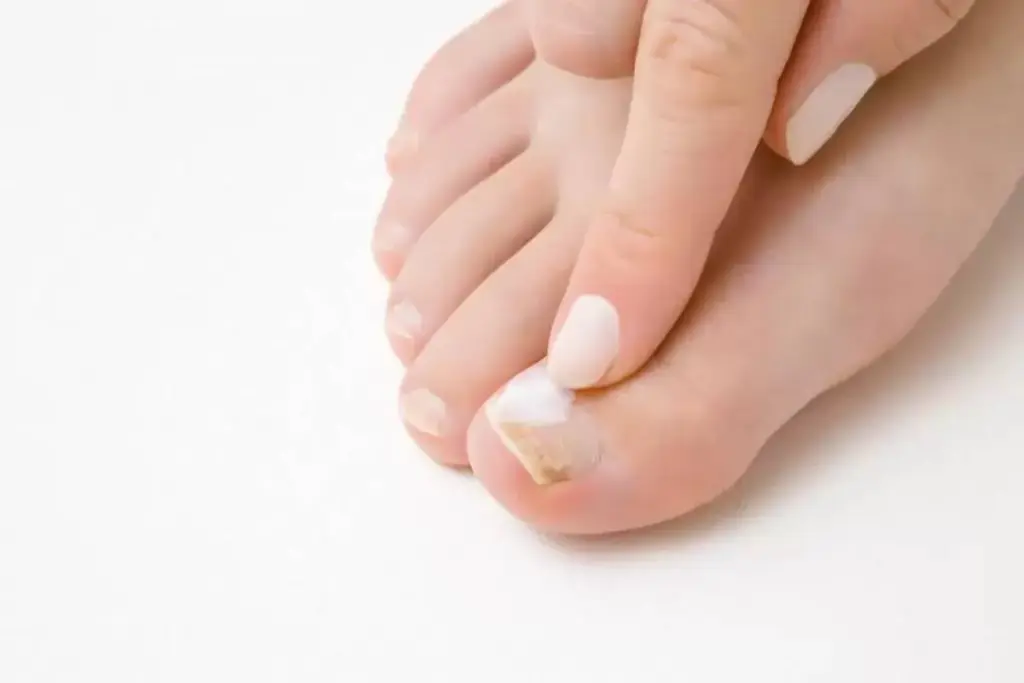
Toenail fungus, or onychomycosis, can be tough to treat. But, there are fast-acting treatments available. It’s key to know your options to find the right treatment for you.
Topical Antifungal Medications
Topical treatments are applied directly to the infected nail. They come as creams, ointments, or nail lacquers. Effective topical treatments include:
- Ciclopirox (Penlac Nail Lacquer)
- Amorolfine (Loceryl Nail Lacquer)
These medications penetrate the nail to fight the fungus. Though effective, they might need long treatment times.
Oral Antifungal Options
For severe cases, oral antifungal meds are used. They help grow a new, healthy nail. Common oral antifungals include:
- Terbinafine (Lamisil)
- Itraconazole (Sporanox)
- Fluconazole (Diflucan)
Oral treatments are more effective but can have side effects. They also need careful monitoring.
Home Remedies That Work
Some people try home remedies as an alternative. These may not be as strong as meds but can help. Popular home remedies include:
- Tea tree oil applied directly to the affected nail
- Vinegar soaks to help create an acidic environment less conducive to fungal growth
- Baking soda treatments to help neutralize the fungus
Remember, home remedies should be used with a healthcare professional’s advice. They can be safe and effective when done right.
It’s wise to talk to a healthcare provider. They can help find the best treatment for your specific case.
Over-the-Counter Solutions
Looking for quick relief from toenail fungus? Over-the-counter (OTC) solutions are easy to find and use. They work well for mild cases and are a good starting point.
Effective OTC Antifungal Creams
OTC antifungal creams are a top pick for treating toenail fungus. They are easy to use and effective. Look for creams with clotrimazole or terbinafine to fight fungal infections well. Apply the cream to the affected nail and around it as directed.
When picking an OTC antifungal cream, always read the label. Follow the application instructions closely. Being consistent is key to getting the best results.
Foot Soaks and Sprays
Foot soaks and sprays are also good OTC options for toenail fungus. Foot soaks can soften the nail and reduce fungal growth, making treatment easier. Sprays help keep your feet clean and prevent fungus spread.
For foot soaks, try vinegar or baking soda. Soak your feet for 15-20 minutes, best before bed. Sprays with antifungal agents can be used daily to keep your feet dry and fungus-free.
Adding these OTC solutions to your daily routine can help manage mild toenail fungus. It’s a step towards healthier nails.
Prescription Medications
When over-the-counter treatments don’t work, prescription meds are key for toenail fungus. These are usually oral antifungals that fight the infection from inside.
Commonly Prescribed Antifungals
Terbinafine and itraconazole are top choices for treating toenail fungus. Terbinafine is often the first choice because it’s effective and has fewer side effects. It stops fungal cells from making their membranes.
Itraconazole is good against many fungal infections, including toenail fungus. Both meds have shown to work well in studies, with cure rates from 50% to over 70%. But, they can cause side effects, so a doctor must watch their use.
Expected Results from Prescription Treatments
Patients start seeing better in a few months after starting treatment. It usually takes 6 to 12 weeks for the infection to start going away. It might take up to a year for the nail to fully grow back and look normal again.
It’s important to stick to the treatment plan to get the best results. Also, keeping your feet clean and taking steps to prevent infection can help.
Natural Remedies for Quick Relief
Looking for ways other than medicine to fight toenail fungus? Natural remedies might be the answer. We’ll look at some natural options that could help you feel better fast.
Tea Tree Oil and its Benefits
Tea tree oil is known for fighting fungus. It’s a favorite natural cure for toenail fungus. Studies say it can lessen fungal infection symptoms. Just put a few drops on the nail with a cotton swab, making sure it’s clean and dry.
Tea tree oil’s main benefits are:
- It fights fungal infections well
- It also keeps your feet healthy by fighting off bad microbes
- It’s easy to apply with a cotton swab
Other Essential Oils
Other oils like oregano and lavender might also fight fungus. Oregano oil stops some fungi from growing. Lavender oil, known for calming, also has fungus-fighting powers.
|
Essential Oil |
Antifungal Properties |
Application Method |
|---|---|---|
|
Tea Tree Oil |
Strong antifungal properties |
Apply directly to the affected nail |
|
Oregano Oil |
Inhibits fungal growth |
Mix with a carrier oil before application |
|
Lavender Oil |
Antifungal characteristics |
Can be used in foot soaks or applied topically |
Vinegar Soaks
Vinegar soaks can change your skin’s pH, making it harder for fungus to grow. Mix 1 part vinegar with 2 parts water in a foot bath. Soak your feet for 15-20 minutes, making sure the nail is fully covered.
“Vinegar has natural antifungal properties that can help in managing toenail fungus.”
— A Podiatrist
Using these natural remedies might help with toenail fungus. But, always talk to a doctor before trying new treatments.
The Role of Foot Hygiene
Good foot hygiene is key to preventing and treating toenail fungus. Keeping feet clean and dry lowers the risk of fungal infections. We’ll look at the best ways to keep your feet healthy.
Best Practices for Nail Care
Proper nail care is essential for foot hygiene. Trimming toenails straight across prevents ingrown toenails, which can harbor fungi. Don’t share nail clippers and clean them after each use to stop infections from spreading.
Importance of Dry Feet
Keeping feet dry, between the toes, is critical to stop fungal growth. Fungi love moist places, so dry feet help prevent toenail fungus. Using antifungal powder or spray keeps feet dry and fights off infection.
Choosing the Right Footwear
The shoes you wear matter a lot for foot hygiene. Choose shoes made from breathable materials to reduce moisture and stop fungi. Also, change socks often, after sweating, to keep feet dry and prevent toenail fungus.
By following these steps, you can prevent toenail fungus and help treat it if it happens. Good foot hygiene is a simple yet powerful way to fight toenail fungus.
Dietary Considerations
A well-balanced diet is key to keeping our nails healthy. It’s important to know how what we eat affects toenail fungus treatment.
Foods to Boost Immune Function
Eating foods full of vitamins, minerals, and antioxidants can boost our immune system. This can help fight fungal infections. Here are some great foods to eat:
- Leafy Greens: Spinach, kale, and collard greens are packed with antioxidants and vitamins.
- Nuts and Seeds: Almonds, sunflower seeds, and pumpkin seeds are full of zinc and selenium, which help our immune system.
- Fatty Fish: Salmon, tuna, and mackerel are rich in omega-3 fatty acids, which reduce inflammation.
- Fruits: Berries, citrus fruits, and apples are full of vitamin C, essential for a strong immune system.
|
Food |
Nutrient |
Benefit |
|---|---|---|
|
Leafy Greens |
Antioxidants, Vitamins A, C, E |
Boosts immune system, fights fungal infections |
|
Nuts and Seeds |
Zinc, Selenium |
Supports immune function, antioxidant properties |
|
Fatty Fish |
Omega-3 Fatty Acids |
Reduces inflammation, supports overall health |
Supplements for Nail Health
Some supplements can also help with nail health and toenail fungus treatment. Here are a few:
- Biotin: Helps make nails thicker and stronger.
- Vitamin C: Important for collagen and nail health.
- Zinc: Boosts immune function and fights fungal infections.
While diet is important, it’s also key to use other treatments like topical or oral antifungal meds for the best results.
Lifestyle Changes to Prevent Fungal Infections
Making lifestyle changes is key to avoiding fungal infections, like toenail fungus. Simple habits in your daily life can greatly lower your risk of getting this condition.
Avoiding Moist Environments
Fungi love moist places. To stop toenail fungus, keep your feet dry. Here’s how:
- Dry your feet well after showering or bathing, focusing on the toe areas.
- Use a fresh towel to dry your feet and change it often to stop spores from spreading.
- Wear shoes that let air in, like leather ones.
Staying away from wet places helps fight fungal growth. Foot experts say, “Keeping your feet dry is a simple yet powerful way to stop fungal infections.”
Regularly Changing Socks and Shoes
Changing your socks and shoes often is also key. Here are some tips:
- Switch socks at least once a day, or more if you sweat a lot.
- Choose socks that breathe, like cotton or wool.
- Don’t wear the same shoes every day. Switch between two or more pairs to let them dry.
By following these tips, you can keep your feet dry and lower fungal infection risk. A study found, “Changing socks and shoes often can greatly cut down toenail fungus cases.”
We know changing your habits might seem hard, but it’s worth it. By preventing toenail fungus, you can have healthier, happier feet.
When to See a Doctor
Knowing when to get medical help for toenail fungus is key. Mild cases might be treated at home. But, some situations need a doctor’s care.
Signs That Require Medical Attention
If you notice these symptoms, it’s time to see a doctor:
- Severe pain or discomfort that makes daily tasks hard.
- Thickening or distortion of the nail that makes it hard to trim.
- Signs of secondary infection, like more redness, swelling, or pus around the nail.
- Failure of home treatments to get better after trying for a while.
- Presence of underlying health conditions, like diabetes, which can make infections worse.
What to Expect During an Appointment
At your doctor’s visit, expect a detailed check of your nail. The doctor might:
- Do a physical examination to see how bad the infection is.
- Take a nail sample for lab tests to find out what fungus you have.
- Talk about treatment options with you, like creams, pills, or laser therapy.
- Give tips on preventive measures to stop future infections.
Understanding when to see a doctor and what to expect can help you get the right treatment for toenail fungus. If you’re worried about your symptoms, don’t wait to get medical advice.
Myths About Toenail Fungus Treatment
It’s important to know the truth about toenail fungus treatments. This common condition affects many people. With so many options, it’s easy to get confused.
Common Misconceptions
Many think toenail fungus is just a cosmetic problem. But, it can cause real pain and discomfort. It might even make walking hard or lead to more infections.
Some believe home remedies like tea tree oil and vinegar soaks can cure it. While they have antifungal properties, they might not reach the fungus deep enough.
Another myth is stopping treatment when symptoms get better. Stopping too soon can cause the fungus to come back. Always finish the treatment your doctor prescribes to get rid of the fungus.
Fact vs. Fiction
Let’s look at some popular treatments and what’s true:
- Tea Tree Oil: It has antifungal properties, but it’s not always enough on its own. It works best with other treatments.
- Oral Antifungals: These are used for more serious cases. They work well but can have side effects, so watch out.
- Laser Treatment: This is a newer option that shows promise. But, its success can vary, and more research is needed.
Knowing the truth about these treatments helps us make better choices. Always talk to a healthcare professional to find the best treatment for you.
By clearing up these myths, we can find the right way to treat toenail fungus. This leads to healthier nails for everyone.
Long-term Maintenance Strategies
After treating toenail fungus, keeping your nails healthy is key to avoid it coming back. Good hygiene and nail care are essential to maintain your nail health after treatment.
Nail Care for a Healthy Future
To keep your nail fungus treatment working, you need to take care of your nails. Make sure to keep them clean and dry. Also, trim them right and don’t share personal care items.
Regular Monitoring
Seeing a healthcare specialist regularly is important. It helps catch any signs of fungus coming back early. This way, you can keep your nails healthy for a long time.
FAQ
What is toenail fungus, and how is it caused?
Toenail fungus, also known as onychomycosis, is a fungal infection. It happens when you touch fungi in contaminated places or come into contact with someone who has it.
What are the symptoms of toenail fungus?
Symptoms include thick, discolored nails, often yellow, brown, or black. The nail might also become brittle and painful.
What are the available treatments for toenail fungus?
Treatments include topical antifungal creams, oral medications, and home remedies. Tea tree oil and vinegar soaks are popular options.
How effective are over-the-counter (OTC) solutions for treating toenail fungus?
OTC solutions like creams, soaks, and sprays work well for mild cases. They are easy to find and use.
What are the benefits of using natural remedies like tea tree oil for toenail fungus?
Tea tree oil has antifungal properties. It can help treat toenail fungus when applied directly to the nail.
How important is foot hygiene in preventing and treating toenail fungus?
Keeping your feet dry, including between the toes, is key. Fungi grow best in moist places.
Can dietary changes help in treating toenail fungus?
Eating a balanced diet with vitamins, minerals, and antioxidants can boost your immune system. This might help fight fungal infections.
When should I see a doctor for toenail fungus treatment?
See a doctor for severe symptoms like pain, thick nails, or signs of bacterial infection.
What can I expect during a doctor’s appointment for toenail fungus?
Expect a physical exam, diagnostic tests, and a talk about treatment options during your visit.
How can I prevent toenail fungus from recurring?
Keep your nails healthy with good hygiene and care. Regular check-ups with a healthcare specialist can also help prevent it from coming back.
Are there any lifestyle changes that can help prevent fungal infections?
Avoiding moist environments, changing socks often, and wearing breathable shoes can lower your risk of fungal infections.
What are some common myths about toenail fungus treatment?
Myths include thinking home remedies always work and that medical help is not needed. Knowing the truth can help you make better choices.
References
JAMA Network. Evidence-Based Medical Insight. Retrieved from https://jamanetwork.com/journals/jamadermatology/fullarticle/478735