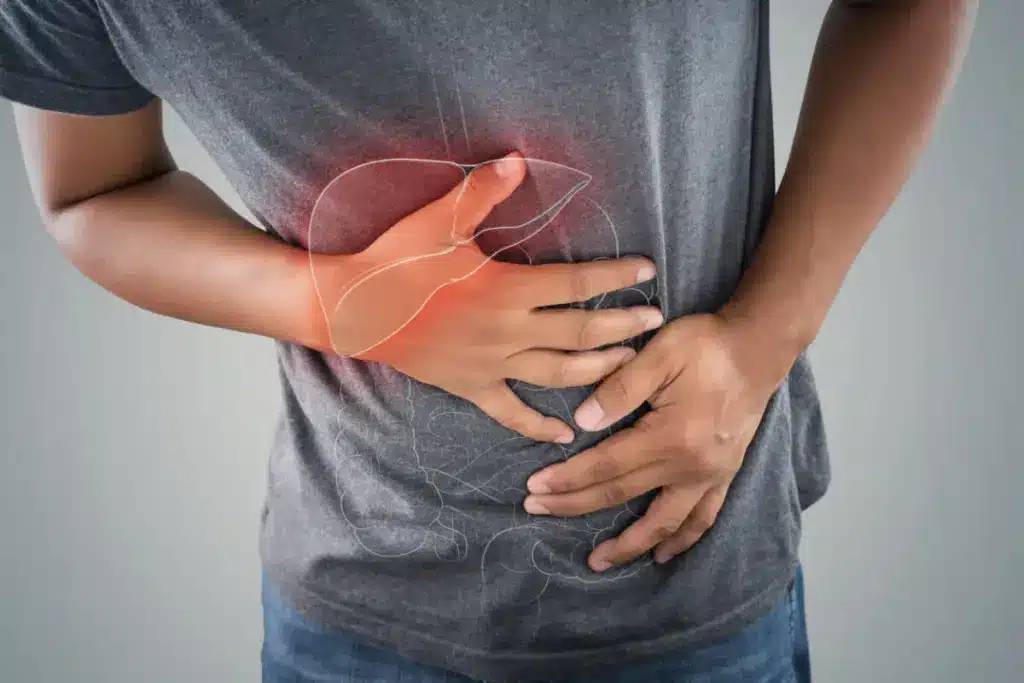
Nearly 20% of patients with liver conditions deal with constant itching. This greatly affects their daily life. Identifying what part of the body itches with liver problems (palms, soles) and explaining the cause of liver disorder itching.
We dive into how liver health and itchy skin are connected. This connection is often seen in liver problems.
Liver disorder itching happens when liver issues cause itching. It shows how important the liver is for our health and how it affects our skin.
Key Takeaways
- Liver disorder itching affects a significant portion of patients with liver conditions.
- The condition is closely linked to liver dysfunction and overall liver health.
- Understanding the causes is key for effective management.
- Treatment options vary based on the underlying liver condition.
- Seeking medical care is essential for alleviating symptoms.
What Causes Itching in Liver Disorders?

It’s important to know why itching happens in liver problems. This itching can really hurt a person’s quality of life.
We’ll look at two main reasons for itching in liver issues. These are the buildup of bile acids and the presence of toxins in the blood.
Bile Acid Accumulation
Bile acids help with digestion and come from the liver. But, if the liver can’t move bile properly, bile acids build up. This buildup can make people itch.
A study in the Journal of Clinical Gastroenterology showed a link. It found that bile acid levels were high in people with liver diseases. This was tied to how bad their itching was.
|
Liver Condition |
Bile Acid Levels |
Itching Severity |
|---|---|---|
|
Cholestasis |
Elevated |
Severe |
|
Cirrhosis |
Moderate |
Moderate |
|
Hepatitis |
Variable |
Variable |
Toxin Buildup in the Blood
The liver cleans the blood. If it can’t, toxins build up. This can make people itch. It’s not clear how, but it might mess with skin nerves.
“The pathogenesis of itching in liver disease is complex and involves multiple factors, including the accumulation of bile acids and other potentially pruritogenic substances.”
– Journal of Hepatology
Studies suggest that some medicines help. They work by binding to bile acids or reducing toxins. This supports the idea that these factors cause itching in liver and itching cases.
Symptoms of Liver-Related Itching

Liver-related itching can cause various skin symptoms, affecting a person’s life quality. When the liver doesn’t work right, toxins build up. This leads to itching and skin problems.
The symptoms of liver disorders can vary. We’ll look at these symptoms to understand their link to liver health.
Skin Rashes and Lesions
Skin rashes and lesions are common signs of liver itching. These can be red, inflamed, and have bumps or blisters. Scratching can make them worse and lead to infections.
These symptoms can appear anywhere but are often seen on arms and legs. The itching from liver issues, known as “itchy skin liver,” can be very bothersome. It can make daily activities hard.
Patches of Dry Skin
Another sign is patches of dry skin. These can be flaky and itchy. The liver’s trouble processing fats and nutrients causes this imbalance.
Untreated dry skin can get worse. If you have dry skin or itching, see a doctor. They can help with early stage liver rash through lifestyle changes and creams.
Common Liver Disorders Linked to Itching
People with liver problems like cholestasis, cirrhosis, and hepatitis often itch a lot. This itching can really hurt their quality of life. It’s important to understand why it happens.
Cholestasis
Cholestasis happens when bile can’t flow right from the liver. This leads to bile acids building up in the skin, causing itching. It’s key to catch and treat cholestasis early to stop liver damage.
The itching from cholestasis gets worse at night. It can be so bad it keeps you awake. To manage cholestasis, doctors try to find and fix the blockage in bile flow.
Cirrhosis
Cirrhosis is when the liver gets scarred from diseases like hepatitis or too much alcohol. Itching is a common symptom in cirrhosis patients. It might be because the liver can’t clear toxins from the blood.
How bad the itching is can vary in cirrhosis patients. Treatment aims to ease symptoms and slow the disease’s progress.
Hepatitis
Hepatitis means the liver is inflamed, often from viruses. But toxins and autoimmune diseases can also cause it. Some types of hepatitis can make you itch.
The itching in hepatitis might come from bile salts or other substances in the blood. It’s vital to treat the cause of hepatitis to lessen itching symptoms.
The Science Behind Itching and Liver Function
Liver problems can cause itching because of its key role in breaking down and removing toxins. The liver is essential for many body functions, like processing nutrients and detoxifying harmful substances. If the liver doesn’t work right, toxins can build up, causing itching among other symptoms.
Role of the Liver in Metabolism
The liver is vital for metabolism, turning food into energy or storing it for later. It also breaks down drugs and toxins, helping to clear them from the body. When the liver fails, these processes get disrupted, leading to a buildup of bile acids and toxins in the blood.
Key metabolic functions of the liver include:
- Processing nutrients from food
- Metabolizing drugs and toxins
- Producing bile to aid in digestion
- Regulating the levels of various substances in the blood
Impact on Skin Health
Toxins in the blood from liver problems can harm the skin, causing itching. This itching can be severe and often gets worse at night. It usually happens on the hands and feet.
The mechanisms behind liver-related itching are complex and involve:
- The accumulation of bile acids in the blood, which can stimulate nerve endings in the skin, causing itching.
- The release of histamine and other chemical mediators, which can contribute to itching sensations.
- The liver dysfunction can also cause dry skin, making itching worse.
Understanding itching and liver function is key to managing symptoms and improving life for those with liver disorders. By fixing liver problems, itching and other symptoms can be relieved.
How Liver Disorders Affect Different Body Parts
Itching from liver problems isn’t just in one spot. It can hit many parts of the body. This happens because of toxins and bile acids building up. We’ll look at how liver issues affect different areas, like the hands and feet, and the difference between itching all over and in just one spot.
Itching in the Extremities
People with liver problems often itch in their hands and feet. This is because bile acids gather there. It can really mess with your life quality.
Doctors say the itching from liver disease is really strong. It usually hits the hands and feet. This shows we need good ways to stop the itching and make patients feel better.
Generalized Itching vs. Localized
Some people itch in just certain spots, while others itch all over. Itching all over is harder to deal with. Where the itching is can tell us about the liver problem.
|
Characteristics |
Localized Itching |
Generalized Itching |
|---|---|---|
|
Affected Areas |
Specific areas like palms and soles |
Multiple body parts or entire body |
|
Causes |
Bile acid accumulation in specific areas |
Systemic buildup of toxins and bile acids |
|
Management |
Topical treatments and localized care |
Systemic treatments and comprehensive care |
Knowing about itching in liver problems is key to good treatment. By figuring out if it’s all over or just in one place, doctors can make plans that really help patients.
Diagnosis of Itching Related to Liver Issues
When patients feel itchy due to liver disease, we start a detailed diagnostic process. Itching can signal a liver problem. Finding the cause is key to treating it well.
Medical History and Symptoms
We look closely at a patient’s medical history to diagnose itching linked to liver issues. We check the itching’s duration and how bad it is. We also see what makes it better or worse.
Knowing the patient’s past health, including any liver issues, is important. This helps us find the itching’s cause and decide on tests.
Diagnostic Tests and Procedures
To find the itching’s cause, we use different tests and procedures. These include liver function tests to check the liver’s health. We also use imaging like ultrasound or MRI to see the liver. Sometimes, a liver biopsy is needed to examine liver tissue.
These methods help us see if there’s liver disease and how bad it is. This lets us create a treatment plan to stop the itching and fix the liver issue.
Treatment Options for Itching in Liver Disorders
For those with itching due to liver issues, there are many ways to feel better. Itching, or pruritus, is a big problem for people with liver diseases. It really affects their life quality. We’ll look at treatments like medicines and lifestyle changes to help manage itching.
Medications
There are several medicines that can help with itching from liver problems.
- Bile Acid Binders: Cholestyramine works by binding to bile acids in the gut. This reduces bile circulation and itching.
- Antihistamines: While not always the best choice, antihistamines like diphenhydramine can help some people.
- Rifampicin: This antibiotic has been found to lessen itching in those with cholestasis.
|
Medication |
Use in Liver Disorder Itching |
|---|---|
|
Cholestyramine |
Bile acid binder, reduces itching |
|
Diphenhydramine |
Antihistamine, may provide relief |
|
Rifampicin |
Antibiotic, effective in cholestasis-induced itching |
Lifestyle Changes
Changing your lifestyle can also help with itching.
- Skin Care: Using gentle, fragrance-free moisturizers can help keep the skin from itching.
- Avoiding Triggers: Staying away from things that make itching worse, like hot temperatures or certain fabrics, can help.
- Dietary Adjustments: Some people find relief by eating less of certain foods that make itching worse.
“The itching was unbearable until I made some changes to my diet and started using a moisturizer regularly. It made a huge difference.”
Dealing with itching from liver disorders needs a mix of medical treatments and lifestyle changes. Knowing what options are available helps patients work with their doctors to find the best plan.
When to Seek Medical Attention
It’s important to know when to see a doctor if you have itching from liver problems. Itching can mean there’s a liver issue that needs medical help.
Warning Signs of Severe Liver Problems
Some signs mean you need to see a doctor right away. These include:
- Jaundice: Yellow skin and eyes mean there’s too much bilirubin.
- Dark Urine: Dark urine can show liver problems.
- Pale or Clay-Colored Stools: Stool color changes can mean liver or bile duct issues.
- Severe Abdominal Pain: Severe pain in the upper right belly is a big warning sign.
If you have these symptoms and itching, go see a doctor fast.
Importance of Timely Intervention
Seeing a doctor quickly is key for liver health. Early treatment can:
- Reduce Liver Damage: Early treatment can lessen liver damage and its effects.
- Alleviate Symptoms: Quick action can ease itching and other liver symptoms.
- Improve Quality of Life: Effective management of liver issues can greatly improve your life.
We stress the need to not wait if you have symptoms like itching from a liver problem.
Preventive Measures for Liver Health
To prevent liver disease, making dietary changes and getting regular health screenings is key. These steps help lower the risk of liver problems. This includes issues that cause early stage liver rash and liver disease itching.
Diet and Nutrition
Eating a balanced diet is essential for liver health. Foods full of antioxidants, like fruits and veggies, protect the liver. It’s also wise to cut down on processed foods, saturated fats, and sugars, as they can harm the liver.
- Beneficial Foods: Eat foods rich in omega-3s, like salmon, and fiber, such as oats and barley.
- Foods to Avoid: Reduce alcohol, high-sodium, and unhealthy fats in your diet.
Regular Health Screenings
Regular health checks are key for catching liver problems early. They help find issues before symptoms show up. This is very important for people at higher risk, like those with a family history of liver disease.
|
Screening Type |
Frequency |
Benefit |
|---|---|---|
|
Liver Function Tests |
Annually |
Checks liver damage and function |
|
Imaging Tests (e.g., Ultrasound) |
As recommended by a healthcare provider |
Finds liver issues |
|
Viral Hepatitis Screening |
At least once in a lifetime; more often for high-risk groups |
Finds hepatitis infections |
By eating well and getting regular health checks, you can keep your liver healthy. This reduces the risk of liver disease problems, like liver disease itching.
Resources for Patients with Liver Disorders
Patients with liver disorders face many challenges. They deal with physical, emotional, and psychological strain. Luckily, there are many resources to help them manage their condition and improve their life quality.
Support Networks
Support groups and organizations are key for patients with itchy skin and liver issues. They offer a sense of community and connection. These networks let patients share experiences, get guidance, and find emotional support from others who face similar challenges.
Educational Resources
It’s important for patients to understand their condition. Reliable educational materials and websites are essential. Health organizations provide accurate and current information on itching and liver disease. This helps patients make informed decisions about their care.
By using these resources, patients can manage their health better. They can cope with symptoms like itchy skin and liver issues. This way, they can improve their overall well-being.
FAQ
What is liver disorder itching?
Liver disorder itching is when your skin itches because of liver problems. It’s a common sign in people with liver diseases.
Why do liver disorders cause itching?
Liver problems can make your skin itch because of too much bile and toxins in your blood. When the liver can’t work right, these substances build up. This makes your skin itch.
What are the symptoms of liver-related itching?
Liver-related itching can show up as skin rashes, lesions, or dry patches. The itch might be all over or just in certain spots, like your hands or feet.
Which liver disorders are linked to itching?
Itching is often seen in cholestasis, cirrhosis, and hepatitis. These liver issues cause itching because of toxin and bile buildup in the blood.
How is itching related to liver issues diagnosed?
Doctors figure out if itching is from liver problems by looking at your medical history and symptoms. They might do blood tests, imaging, and liver function tests to find the cause.
What are the treatment options for itching in liver disorders?
To treat itching from liver issues, doctors might prescribe medicines like bile acid sequestrants or antihistamines. You can also try changing your diet and avoiding things that irritate your skin.
When should I seek medical attention for itching related to liver issues?
If your itching gets worse or you have other symptoms like jaundice, fatigue, or belly pain, see a doctor. Quick action is key to managing your liver health.
How can I prevent liver health problems?
To keep your liver healthy, eat well, drink less alcohol, and get checked regularly. A healthy lifestyle can prevent liver damage and reduce itching and other symptoms.
What resources are available for patients with liver disorders?
People with liver issues can find support groups, educational materials, and reliable websites. These resources offer helpful info and emotional support.
Can liver disease cause itchy skin without a rash?
Yes, liver disease can make your skin itch even without a rash. It’s because of toxin and bile buildup in your blood.
How does liver function affect the skin?
The liver is important for metabolism, and problems with it can affect your skin. It’s involved in detoxification and bile production, which can impact your skin’s health and cause itching.
References
Nature. Evidence-Based Medical Insight. Retrieved from https://www.nature.com/articles/s41598-021-82566-w