Cancer is a complex disease with over 120 different types found worldwide.various cancers At Liv Hospital, we know how vital accurate diagnosis and effective treatment are for each cancer type.
Certain cancers start from specific cells and tissues. They are grouped into carcinomas, sarcomas, leukemias, and lymphomas. Knowing these categories helps us create better treatment plans.
We see that each cancer type is unique, needing a detailed approach to diagnosis and treatment. Our team of experts works hard to offer advanced cancer solutions. We tailor them to meet the specific needs of our patients.
Key Takeaways
- There are over 120 identified types of cancer.
- Cancer types are categorized into distinct groups.
- Understanding cancer categories is essential for effective treatment.
- Liv Hospital provides advanced cancer solutions tailored to individual needs.
- Accurate diagnosis is critical for developing targeted treatment protocols.
Understanding Cancer Classifications
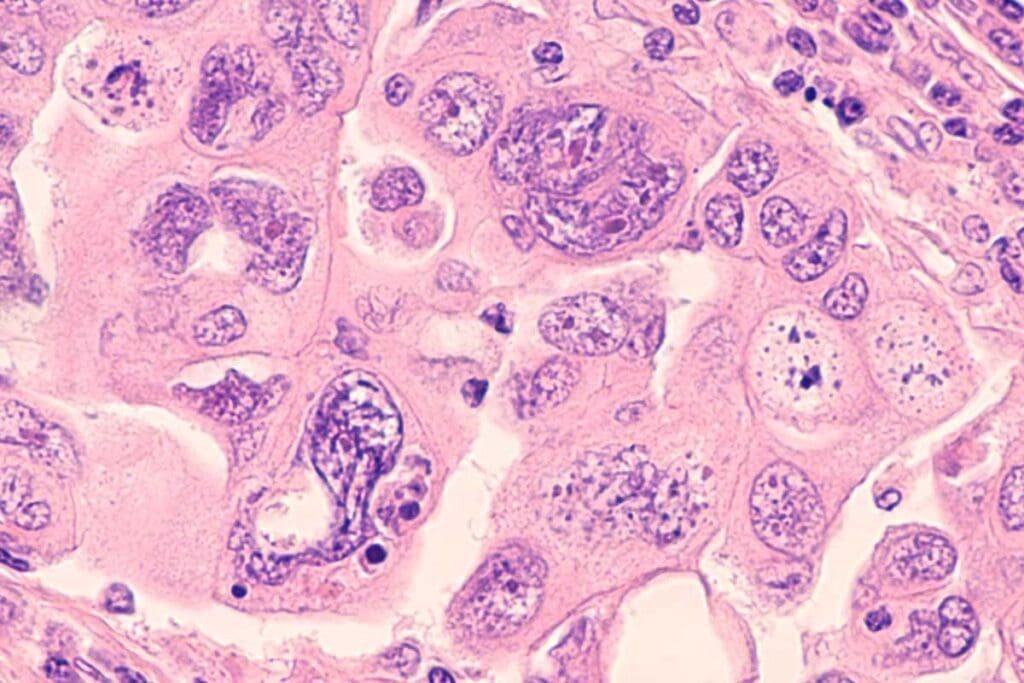
Cancer is not just one disease but many related ones. They are grouped by where they start and how they look under a microscope. Knowing about cancer types is key togood care. We’ll look at how cancers are named and why it matters.
What Defines a Cancer Type
A cancer type is based on where it starts and what it looks like under a microscope. The starting point can be anywhere in the body, like the breast or lung. The look of cancer cells is also important. Different types of cancer have unique features.
For example, carcinomas start in the skin or the organ linings, while sarcomas start in the connective tissues. Leukemias affect the blood, and lymphomas the immune system. Knowing these differences helps pick the right treatment.
How Cancers Are Named and Categorized
Cancers get their names from where they start and their microscopic appearance. For instance, adenocarcinoma comes from glandular tissue. They are grouped by their look and growth patterns.
- Cancers fall into broad groups like carcinomas and sarcomas.
- They are then split up based on specific traits, like genetic changes.
- This system helps predict outcomes and plan treatments.
The Importance of Proper Classification
Correctly classifying cancer is very important. It helps predict how the disease will progress. It also guides treatment choices, as different cancers react differently to treatments. Accurate classification is also key for research and clinical trials.
- Right classification leads to better treatment results by targeting therapies.
- It helps doctors talk clearly about a patient’s cancer, ensuring everyone knows the specifics.
- It also helps in finding new treatments by focusing on specific cancer types.
In summary, knowing about cancer types is essential for good care. By accurately naming and grouping cancers, we can improve diagnosis, treatment, and research. This leads to better outcomes for patients.
Carcinomas: The Most Common Cancers
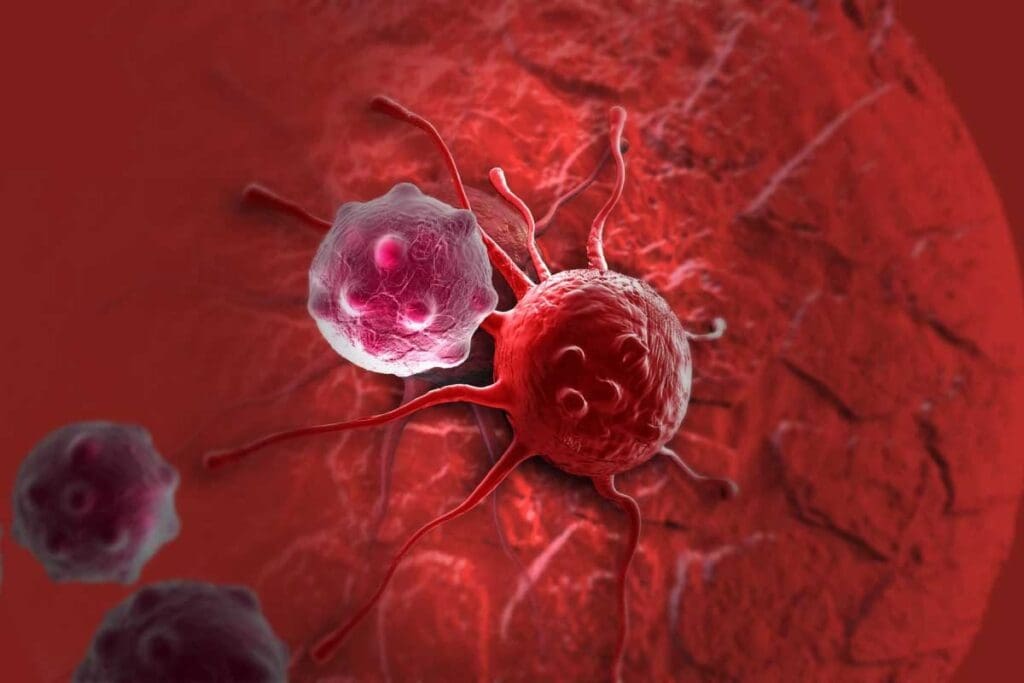
Carcinomas are the most common cancers, affecting many parts of the body. They start in epithelial cells, which line organs and glands. Knowing the different types is key totreatment.
Adenocarcinomas
Adenocarcinomas start in glandular tissue. They are common in places like the breast, prostate, colon, and pancreas. They are known for forming gland-like structures.
Breast adenocarcinoma is a common breast cancer. It starts in the milk ducts or lobules. Treatment depends on where and how far the cancer has spread.
Squamous Cell Carcinomas
Squamous cell carcinomas come from flat cells in organs like the skin, lungs, and cervix. They are linked to harmful substances like UV radiation or tobacco smoke.
Squamous cell carcinoma of the skin is treatable if caught early. But squamous cell carcinoma of the lung is more serious and needs quick action.
Basal Cell Carcinomas
Basal cell carcinomas are the most common skin cancer. They grow slowly and rarely spread. But hey can damage the skin if not treated.
“Basal cell carcinoma is the most common form of skin cancer, and its incidence is increasing worldwide.” – American Cancer Society
B..asal cell carcinoma can be treated with surgery, creams, or radiation.
Transitional Cell Carcinomas
Transitional cell carcinomas start in the urinary system, like the bladder, ureters, and renal pelvis. They can be caused by chemicals and vary in how aggressive they are.
Bladder cancer is a common type of transitional cell carcinoma. Symptoms include blood in the urine and needing to urinate often. Treatment includes surgery, chemotherapy, and immunotherapy.
Sarcomas: Cancers of Connective Tissues
Sarcomas are a complex group of cancers from connective tissue. They can appear in bones, soft tissues, and organs. Knowing the different types is key totreatment.
Bone Sarcomas
Bone sarcomas start in the bones. They are rare but can grow fast. The main types are osteosarcoma, Ewing’s sarcoma, and chondrosarcoma.
Osteosarcoma is the most common. It often happens in the long bones, like arms and legs.
Soft Tissue Sarcomas
Soft tissue sarcomas come from soft body tissues. These include muscles, tendons, fat, and blood vessels. They can show up anywhere and are classified by tissue type.
Common types are leiomyosarcoma, liposarcoma, and synovial sarcoma. Their growth and treatment vary a lot.
Gastrointestinal Stromal Tumors (GIST)
Gastrointestinal Stromal Tumors, or GISTs, are rare in the digestive tract. They mostly happen in the stomach or small intestine. GISTs come from the interstitial cells of Cajal, part of the gut’s nervous system.
These tumors can be more or less aggressive. Treatment often uses targeted therapy.
Knowing the sarcoma type is vital for the right treatment. Options include surgery, radiation, chemotherapy, and targeted therapy. This depends on the sarcoma’s type and stage.
Blood Cancers: Leukemias and Lymphomas
Blood cancers include leukemias and lymphomas. They affect blood cells and the lymphatic system. Knowing the different types is key fotoiagnosis and treatment.
Acute and Chronic Leukemias
Leukemias are cancers of the blood and bone marrow. They cause abnormal growth of white blood cells. Acute leukemias grow fast and need quick treatment. Chronic leukemias grow smore slowly
Acute leukemias are ALL and AML. ALL is common in kids, AML in adults. Chronic leukemias are CLL and CML, seen more in older adults.
| Type of Leukemia | Characteristics | Common Age Group |
| Acute Lymphoblastic Leukemia (ALL) | Rapid progression affects lymphoid cells | Children |
| Acute Myeloid Leukemia (AML) | Rapid progression affects myeloid cells | Adults |
| Chronic Lymphocytic Leukemia (CLL) | Slow progression, affects lymphoid cells | Older adults |
| Chronic Myeloid Leukemia (CML) | Slow progression,affects myeloid cells | Older adults |
Hodgkin and Non-Hodgkin Lymphomas
Lymphomas are cancers of the lymphatic system. They are divided into Hodgkin lymphoma and non-Hodgkin lymphoma. Hodgkin lymphoma has Reed-Sternberg cells and follows a predictable pattern.
Non-Hodgkin lymphoma is more diverse. It’s more common and can vary in aggressiveness and treatment response.
Multiple Myeloma and Plasma Cell Disorders
Multiple myeloma is a cancer of plasma cells in the bone marrow. It leads to bone damage and weakens the immune system.
Other plasma cell disorders include MGUS and solitary plasmacytoma. These can sometimes turn into multiple myeloma, so regular checks are important.
We’ve looked at blood cancers like leukemias, lymphomas, and multiple myeloma. Understanding them helps in creating better treatment plans and improving patient care.
Brain and Nervous System Cancers
It’s important to understand brain and nervous system cancers for better treatment. These cancers include many types, each with its own traits and effects on health.
Gliomas and Astrocytomas
Gliomas start in the brain’s glial cells. Astrocytomas are a specific type of glioma from astrocytes. They can be mild or very aggressive.
We use MRI and tissue tests to find gliomas and astrocytomas. Treatment depends on the tumor’s type and where it is. It can include surgery, radiation, or chemotherapy.
Meningiomas
Meningiomas are usually not cancerous and grow from the brain’s membranes. But some can be dangerous. Symptoms vary based on where the tumor is and can include headaches and seizures.
Surgery is often the first step in treating meningiomas. Sometimes, we also suggest radiation therapy. We watch patients closely for any signs of the tumor coming back.
Medulloblastomas
Medulloblastomas are serious brain cancers mostly found in kids. They start in the cerebellum. Treatment usually includes surgery, chemotherapy, and radiation.
We’ve seen better survival rates for medulloblastomas in recent years. But,it’s key to keep an eye on patients for a long time to catch any late effects of treatment.
Schwannomas and Neurofibromas
Schwannomas and neurofibromas grow from nerve sheaths. Schwannomas are usually harmless and can appear anywhere. Neurofibromas are linked to neurofibromatosis, a genetic condition.
Removing these tumors surgically is often the best option if they cause problems. We keep an eye on smaller tumors to see if they grow before deciding on treatment.
Skin Cancers and Melanomas
Skin cancers come in different forms, like melanomas, basal cell carcinomas, and Merkel cell carcinomas. They are a big health issue worldwide. Each type has its own severity and treatment options.
We’ll look at the different skin cancers. We’ll talk about their characteristics, how to diagnose them, and how to treat them. This will help people understand skin cancers better.
Melanoma Types
Melanoma is the most serious skin cancer. It starts in the cells that make pigment. There are several types of melanoma, each with its own traits.
- Superficial Spreading Melanoma: The most common type, often appearing as a flat, irregularly shaped lesion.
- Nodular Melanoma: A more aggressive form, typically presenting as a raised nodule.
- Lentigo Maligna Melanoma: Occurs mainly in older adults, often on sun-damaged skin.
- Acral Lentiginous Melanoma: Less common, found on the palms, soles, or under the nails.
Non-Melanoma Skin Cancers
Non-melanoma skin cancers are more common and less serious. They include basal cell carcinoma (BCC) and squamous cell carcinoma (SCC).
| Type | Characteristics | Treatment |
| Basal Cell Carcinoma (BCC) | Slow-growing, rarely metastasizes | Surgical excision, topical treatments |
| Squamous Cell Carcinoma (SCC) | More aggressive than BCC, it can metastasize | Surgery, radiation therapy |
Merkel Cell Carcinoma
Merkel cell carcinoma is a rare and aggressive skin cancer. It starts in Merkel cells, which help with touch. It usually shows up as a firm, painless nodule on sun-exposed areas.
Early detection is key to effective treatment. Treatment often includes surgery, radiation, and sometimes chemotherapy.
Cutaneous Lymphomas
Cutaneous lymphomas are a group of non-Hodgkin lymphomas that mainly affect the skin. They can look like patches, plaques, or tumors.
Treatment varies based on the type and stage. It can range from topical treatments to chemotherapy and targeted therapy.
Cancers Starting with P: Prostate, Pancreatic, and More
Cancers starting with P include many types, each with its own traits and health impacts. Prostate and pancreatic cancers are two of the most common and serious. They affect many people and are a big concern for public health.
Prostate Cancer Types and Stages
Prostate cancer is a common cancer in men, mostly in older men. It’s divided into types based on the cells it affects and its stage at diagnosis.
- Types: The most common type is adenocarcinoma, which comes from glandular cells in the prostate.
- Stages: Staging prostate cancer shows how far it has spread, from early (Stage I) to advanced (Stage IV).
Knowing the type and stage of prostate cancer is key to choosing the right treatment.
Pancreatic Cancer Variations
Pancreatic cancer is hard to diagnose and has a poor outlook. It’s split into types based on where it starts.
| Type | Description | Prevalence |
| Pancreatic Ductal Adenocarcinoma | It starts in the ductal epithelium | Most common type (~90%) |
| Pancreatic Neuroendocrine Tumors (PNETs) | It comes from hormone-producing cells | Less common (~5%) |
A leading oncologist says, “The variety in pancreatic cancer types means we need to tailor treatments.” Learn more about various cancer types.
Other P Cancers
Other cancers starting with P include penile cancer and pituitary tumors. These are less common but important in treatment and care.
“Diagnosing and treating cancers starting with P need a team effort, focusing on each cancer’s unique needs.” –
A renowned cancer specialist
In summary, cancers starting with P are a diverse group, each with its own challenges and care needs. Knowing these differences is essential for effective treatment.
Cancers Starting with L: Liver, Lung, and Others
Cancers starting with L include liver and lung cancer, two of the deadliest types worldwide. Each has its own characteristics. They need different ways to diagnose, treat, and manage them.
Liver Cancer Types
Liver cancer, or hepatic cancer, has two main types: Hepatocellular carcinoma (HCC) and Cholangiocarcinoma. HCC comes from liver cells, while Cholangiocarcinoma comes from bile duct cells. Knowing these types helps find the best treatment.
Lung Cancer Classifications
Lung cancer is mainly divided into two types: Non-Small Cell Lung Cancer (NSCLC) and Small Cell Lung Cancer (SCLC). NSCLC makes up about 85% of lung cancers. It includes subtypes like adenocarcinoma and squamous cell carcinoma. SCLC is more aggressive and linked to smoking.
Other L Cancers
Other cancers starting with L include Laryngeal cancer and Lip cancer. Laryngeal cancer affects the voice box and is divided into types based on location. Lip cancer is often caused by sun exposure and can be treated if caught early.
Reproductive System Cancers
The reproductive system can get cancer, which needs special care. This includes cancers in both mmen’sand women’s organs. Each type has its own traits and importance in health.
Female Reproductive Cancers
Women can get cancers in their cervix, ovaries, uterus, vagina, and vulva. Cervical cancer is common and linked to HPV. Ovarian cancer is rare but deadly because it’s hard to catch early.
Uterine cancer, like endometrial cancer, is often found early because of symptoms like bleeding. Vaginal and vulvar cancers are rare but serious because they can hurt a woman’s quality of life.
“Early detection and treatment of female reproductive cancers significantly improve survival rates and quality of life.”
– American Cancer Society
| Type of Cancer | Common Symptoms | Risk Factors |
| Cervical Cancer | Abnormal Pap smear, pelvic pain | HPV infection, smoking |
| Ovarian Cancer | Bloating, pelvic pain, difficulty eating | Family history, genetic mutations (BRCA1/2) |
| Uterine Cancer | Abnormal vaginal bleeding, pelvic pain | Obesity, hormone replacement therapy |
Male Reproductive Cancers
Men can get cancers in their testicles, penis, and prostate. Testicular cancer is common in young men and can be cured if caught early. Penile cancer is rare and linked to HPV and bad hygiene.
Prostate cancer is common in older men. Early detection helps, but choosing treatment can be tough because of different tumor types.
Key statistics for male reproductive cancers:
- Testicular cancer: High cure rate with early detection
- Penile cancer: Associated with HPV and poor genital hygiene
- Prostate cancer: Common in older men, with varying aggressiveness
It’s important to know about different reproductive cancers to treat them better. We keep learning and improving care for those with these cancers.
Digestive System Cancers
Digestive system cancers affect the upper and lower digestive tract, and organs like the liver and pancreas. These cancers can greatly impact a patient’s life and survival chances. This depends on the type and stage of the cancer when it’s found.
We will look at the different types of digestive system cancers. We’ll cover their characteristics, how they are diagnosed, and treatment options.
Upper Digestive Tract Cancers
Cancers in the upper digestive tract include the esophagus, stomach, and the start of the small intestine (duodenum). Esophageal cancer is very aggressive and often found late.
Gastric cancer, or stomach cancer, is also a big concern. It has different types, like intestinal and diffuse, each with its own impact.
Lower Digestive Tract Cancers
The lower digestive tract includes the small intestine (beyond the duodenum), colon, rectum, and anus. Colorectal cancer is very common and serious, with types like colon and rectal cancer.
Other cancers in this area include anal cancer and small intestine cancers. These are less common but important.
Accessory Organ Cancers
Accessory organs of the digestive system are the liver, pancreas, and gallbladder. Liver cancer (hepatocellular carcinoma) is a big worry, often linked to chronic liver disease.
Pancreatic cancer is known for its poor outlook. This is because it’s often diagnosed late and grows quickly.
| Cancer Type | Common Subtypes | Key Risk Factors |
| Upper Digestive Tract | Esophageal, Gastric | Smoking, Alcohol, Diet |
| Lower Digestive Tract | Colorectal, Anal | Family History, Diet, Lifestyle |
| Accessory Organs | Liver, Pancreatic | Chronic Infection, Genetic Factors |
Knowing about the different digestive system cancers is key to early detection and treatment. We keep learning and improving how to fight these complex diseases.
Emerging Cancer Classifications: Molecular and Genetic Profiling
Molecular and genetic profiling are changing how we classify and treat cancer. Our growing knowledge of cancer’s genetic and molecular roots lets us classify cancers better. This makes treatments more tailored to each patient.
Old classification systems have their limits. They don’t fully capture cancer’s complexity. Molecular and genetic profiling offer a deeper look into cancer biology.
Molecular Subtypes of Common Cancers
Many common cancers are now classified by their molecular traits. For example, breast cancer is seen as several subtypes, not just one. These subtypes include luminal A, luminal B, HER2-enriched, and basal-like. Each subtype has its own treatment and prognosis.
Molecular Subtypes of Breast Cancer
| Molecular Subtype | Characteristics | Treatment Implications |
| Luminal A | ER+, HER2-, low Ki-67 | Hormone therapy |
| Luminal B | ER+, HER2- or HER2+, high Ki-67 | Hormone therapy, chemotherapy |
| HER2-enriched | HER2+, ER- or ER+ | Targeted therapy against HER2 |
| Basal-like | ER-, PR-, HER2- | Chemotherapy |
Genetically Defined Cancer Types
Genetic profiling has found specific mutations that cause certain cancers. For example, BRCA1 and BRCA2 mutations raise the risk of breast and ovarian cancers. These genetic mutations define specific cancer types, each with its own treatment needs.
Targeted Therapy-Based Classifications
Targeted therapies have also changed how we classify cancer. Now, cancers are grouped by specific molecular targets. For instance, melanoma with the BRAF V600E mutation can be treated with BRAF inhibitors.
These classifications help pick the right treatments and understand cancer’s molecular mechanisms. This leads to more personalized and effective treatments.
As we keep improving in molecular and genetic profiling, cancer classifications will get even more precise. This will lead to better outcomes for patients.
Conclusion: The Evolving Landscape of Cancer Classification
Cancer classification is a complex field that helps us understand and treat cancer. It covers many types, like carcinomas, sarcomas, and blood cancers. Each type has its own traits that affect how we diagnose and treat it.
Discoveries in molecular and genetic profiling are changing how we classify cancers. This leads to more precise treatments and better patient results. It’s key for doctors, researchers, and patients to know about these classifications.
As we learn more about cancer classification, we’ll see improvements in diagnosis and treatment. Keeping up with the latest in cancer classification helps us tackle this disease more effectively. This way, we can find better ways to treat it.
FAQ
What are the main categories of cancer?
Cancer types include carcinomas, sarcomas, leukemias, lymphomas, and brain cancers. We sort them by where they start and their unique traits.
How many kinds of cancer are there?
There are over 120 types of cancer, each unique. This variety means we need a detailed approach to treating them.
What is the difference between carcinoma and sarcoma?
Carcinomas start in cells lining organs and glands. Sarcomas come from connective tissues like bone and muscle. Knowing this helps us choose the right treatment.
What are the most common types of carcinomas?
Common carcinomas are adenocarcinomas, squamous cell carcinomas, basal cell carcinomas, and transitional cell carcinomas. These types are key in cancer care.
What are the different types of blood cancers?
Blood cancers are leukemias, lymphomas, and multiple myeloma. They affect blood, bone marrow, and lymph nodes, needing specific treatments.
What are the characteristics of brain and nervous system cancers?
Brain cancers include gliomas and meningiomas. They’re tough to treat because of their complex nature.
What are the different types of skin cancers?
Skin cancers are melanoma, non-melanoma, Merkel cell, and lymphomas. They’re often linked to UV exposure.
What are the types of cancers that start with the letter P?
P-cancers are prostate, pancreatic, and others. Each has its own treatment options.
What are the types of cancers that start with the letter L?
L-cancers are liver, lung, and others. They have different causes and treatments.
How do molecular and genetic profiling impact cancer classification?
Molecular and genetic tests help identify cancer types. This info guides targeted treatments and personalized care.
What is the significance of proper cancer classification?
Accurate cancer classification is vital for diagnosis and treatment. It improves patient care and outcomes.
References:
- National Cancer Institute. (2024, May 15). Emerging insights in cancer molecular taxonomy enable personalized therapies. NCI Cancer Currents.https://www.cancer.gov/news-events/cancer-currents-blog/2024/molecular-taxonomy-personalized-cancer-therapies