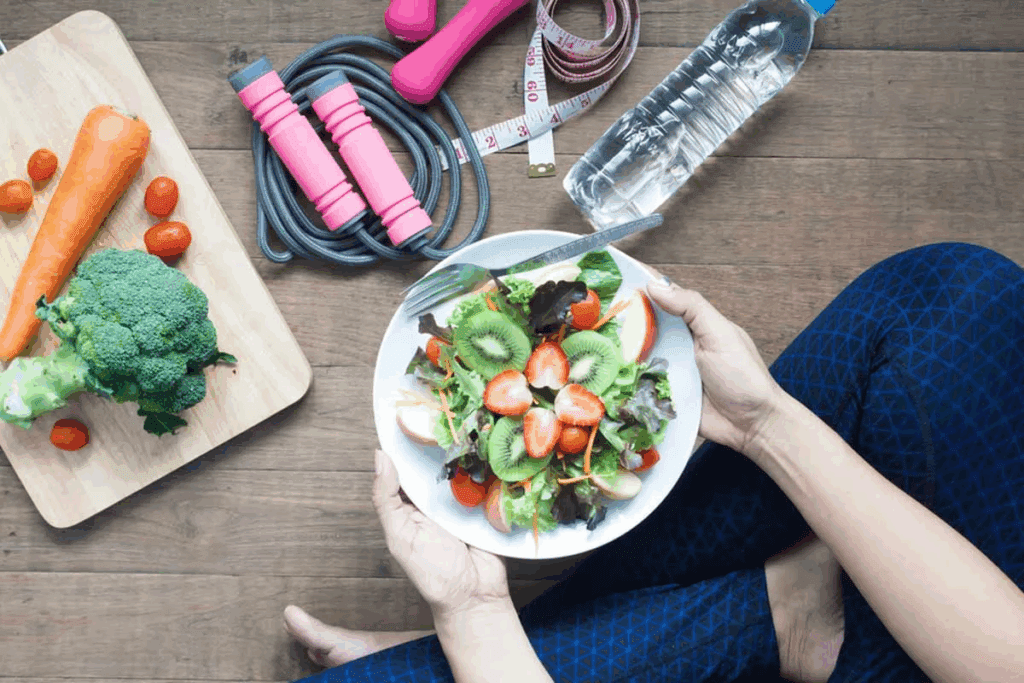
At Liv Hospital, we know how key nutrition is for weight management. We aim to offer top-notch, evidence-based healthcare. This helps you move towards a healthier lifestyle. Discover the 15 best vegetables for weight loss. Our simple guide lists the top fat-burning, low-calorie greens for amazing results.
Non-starchy vegetables are full of fiber and nutrients. They help with fat reduction and keeping you well. These veggies are low in calories but high in water and fiber. This makes you feel full for a longer time.
Adding the right veggies to your meals can speed up your weight loss journey. Leafy greens and broccoli are great for burning fat and boosting health.
Key Takeaways
- Adding non-starchy veggies to your diet can help with weight loss.
- Vegetables with lots of fiber and water keep you full longer.
- Eating a lot of veggies can lower inflammation and protect against chronic diseases.
- Leafy greens and broccoli are top choices for fat burning.
- A diet full of veggies can lead to lasting wellness.
The Science Behind Vegetables and Weight Loss
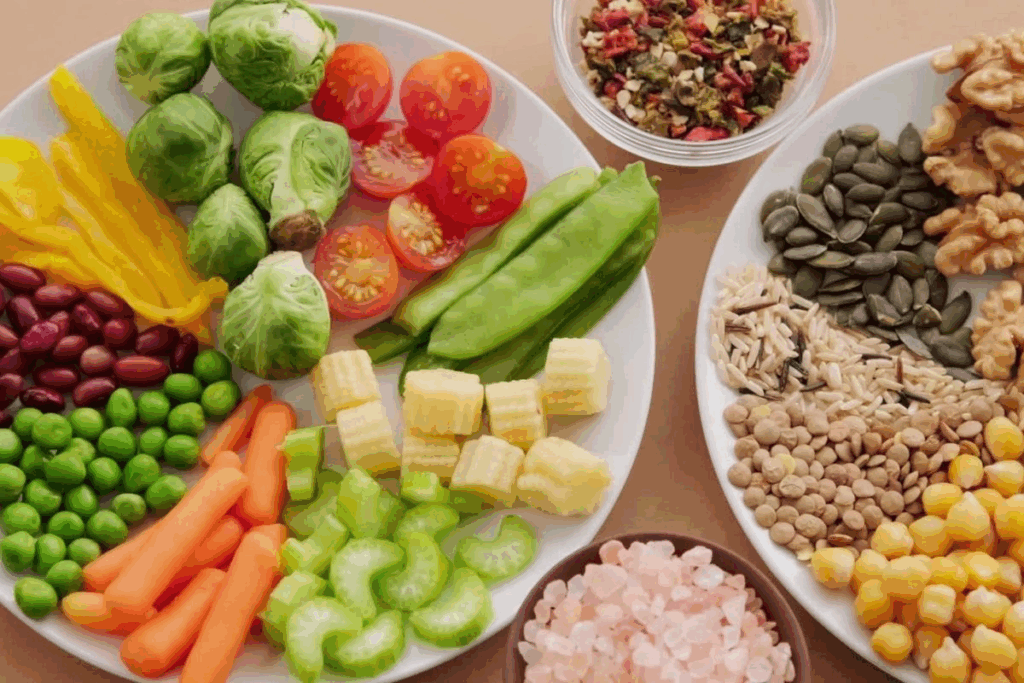
Vegetables play a key role in weight loss, thanks to science. Non-starchy vegetables are most effective in managing weight.
How Vegetables Support Fat Burning
Vegetables are full of fiber and water. This makes them very filling and helps cut down on hunger. Non-starchy vegetables like leafy greens are great because they’re low in calories but high in nutrients.
Studies show eating lots of vegetables can help with weight. A study found people who ate four or more servings a day for 10 years had an 82% reduced risk of gaining more than 3.4 kg. This shows adding different vegetables to your diet is key for losing weight.
“Eating vegetables is essential for maintaining a healthy weight. The fiber and water content in vegetables help individuals feel fuller, reducing the likelihood of overeating.”
Research-Backed Benefits for Weight Management
Vegetables are great for weight management, thanks to lots of research. They’re low in calories but packed with nutrients. This makes them perfect for diets aimed at losing weight. Here are some vegetables and their nutritional benefits.
Vegetable | Calories per 100g | Fiber Content | Water Content |
Broccoli | 34 | 2.6g | 89% |
Spinach | 23 | 2.2g | 91% |
Carrots | 41 | 2.9g | 88% |
Adding different vegetables to your diet can really help with weight loss. Knowing how vegetables help with fat burning and weight management helps make better food choices.
Why Vegetables for Weight Loss Are More Effective Than Other Foods
Adding vegetables to your diet is a smart move for losing weight. They offer many health benefits. Vegetables are great for quick and lasting weight loss.
Low Caloric Density and High Fiber Content
Vegetables have low caloric density and high fiber content. This makes them perfect for a weight loss diet. The fiber in them helps you feel full longer.
Leafy greens like spinach and kale are low in calories but high in fiber. They are very filling. Broccoli and cauliflower are also good choices because they are full of fiber and low in calories.
Water Content and Fullness Effects
Vegetables are also very water-rich. Foods like cucumbers and celery help you feel full without adding many calories. This is because they take up space in your stomach, reducing hunger.
The mix of low calories, high fiber, and water in vegetables makes them very effective for weight loss. Adding different types of filling vegetables for weight loss to your meals can help you reach your goals. It makes your diet interesting and keeps you satisfied.
Understanding the nutritional benefits of vegetables is key. Their low calories, high fiber, and water content help us make better diet choices. Adding a variety of vegetables to your meals is a step towards your weight loss goals.
Leafy Greens: The Ultimate Fat-Burning Powerhouses
Leafy greens like spinach, kale, and Swiss chard are packed with nutrients. They are low in calories but high in essential nutrients. This makes them perfect for a weight loss diet.
1. Spinach
Spinach is a nutrient powerhouse. It’s full of vitamins A, C, and K, and antioxidants. Its high fiber content helps us feel full, reducing the chance of overeating. We can add spinach to salads, smoothies, or sauté it as a side dish.
2. Kale
Kale is a leafy green with amazing nutritional benefits. It’s high in fiber and water, making it very filling. Kale also has vitamins and minerals that support health and aid in weight loss. Enjoy kale in salads, soups, or as a crispy snack when baked.
3. Swiss Chard
Swiss chard is a leafy green that’s great for weight loss. It’s low in calories and rich in magnesium, which helps with energy and metabolism. Swiss chard can be cooked in many ways, like boiling, steaming, or sautéing, making it a versatile meal addition.
The nutritional benefits of these leafy greens can be summarized in the following table:
Leafy Green | Calories per Cup | Fiber Content | Key Nutrients |
Spinach | 7 | 4.3g | Vitamins A, C, K |
Kale | 55 | 5.1g | Vitamin K, Antioxidants |
Swiss Chard | 35 | 4g | Magnesium, Vitamins |
Adding leafy greens like spinach, kale, and Swiss chard to our diet helps with weight loss. They are low in calories but full of nutrients. This makes them a key part of a healthy weight management plan.
Cruciferous Vegetables That Accelerate Fat Loss
Cruciferous vegetables help speed up fat loss and boost health. They are low in calories but packed with fiber and nutrients. This makes them perfect for a weight loss diet.
These veggies are great at burning fat and boosting metabolism. They have compounds that fight inflammation and cancer. This supports your health in many ways.
4. Broccoli
Broccoli is nutrient-dense and full of vitamins C and K, and fiber. It has sulforaphane, which fights inflammation and boosts metabolism. You can add broccoli to salads, steam it, or blend it into soups.
5. Cauliflower
Cauliflower is low in calories and high in fiber, making it great for weight loss. Use it as a low-carb substitute for grains in dishes like cauliflower rice or pizza crusts. It’s also full of vitamins and antioxidants, supporting your health.
6. Brussels Sprouts
Brussels sprouts are full of nutrients and fiber, perfect for weight loss. They’re rich in vitamins C and K, and may help with metabolic health. Roasting or steaming them brings out their sweetness, making them a tasty side dish.
Adding these cruciferous veggies to your diet is easy. Try them raw, steamed, roasted, or sautéed. They’ll help with weight loss and boost your nutrition.
Root and Bulb Vegetables for Effective Weight Management
Adding root and bulb vegetables to your meals can really help with weight management. They are low in calories but packed with fiber and nutrients. This makes them very filling and good for your digestion. Let’s look at some top root and bulb veggies for losing weight.
7. Carrots
Carrots are a low-calorie, high-fiber root veggie that’s very filling. They’re also full of vitamins and minerals, like vitamin A. One medium carrot has about 25 calories and 3 grams of fiber.
8. Radishes
Radishes are another root veggie that helps with weight loss. They have only 17 calories in one cup of sliced radishes. They’re also very watery, which helps you feel full. Plus, they’re a good source of vitamin C and potassium.
9. Turnips
Turnips are a nutrient-rich root veggie great for weight management. They’re low in calories and high in fiber. One medium turnip has about 36 calories and 2 grams of fiber. They’re also full of vitamins and minerals like vitamin C and potassium.
10. Garlic
Garlic is a bulb veggie that’s not just tasty but also has many health benefits. It has anti-inflammatory properties and boosts the immune system. Garlic can also help with weight management by speeding up metabolism and reducing inflammation.
Root and bulb veggies offer several benefits:
- Low in calories
- High in fiber
- Rich in vitamins and minerals
- High water content for feeling full
Hydrating Vegetables That Support Fat Burning
Hydrating vegetables are not just refreshing; they’re also powerful allies in your weight loss journey. These vegetables are high in water, which helps keep you hydrated and is low in calories. This makes them perfect for those trying to lose weight.
We recommend adding cucumbers, celery, and zucchini to your diet. They are filling due to their water content and rich in vitamins and minerals. These nutrients support your overall health.
11. Cucumber
Cucumbers are about 96% water, making them very hydrating. Their water and fiber help you feel full, reducing the chance of overeating. They are also low in calories and packed with vitamin K and potassium.
Nutritional Highlights:
- High water content for hydration
- Rich in vitamin K and potassium
- Low in calories
12. Celery
Celery is very low in calories and hydrating. It’s a good source of vitamin K and has antioxidants that fight inflammation. The fiber in celery also supports digestive health, which is key for managing weight.
Celery’s Benefits:
- Low calorie count
- Rich in vitamin K and antioxidants
- Supports digestive health
13. Zucchini
Zucchini is a versatile vegetable that’s rich in water and fiber, making it very filling. It’s also a good source of vitamins C and K, and potassium. You can enjoy zucchini raw, grilled, or sautéed, making it easy to add to your diet.
Why Zucchini Works:
- High in water content and fiber
- Rich in vitamins C and K, and potassium
- Versatile in preparation methods
By adding these hydrating vegetables to your diet, you can support your weight loss efforts and improve your health. They are nutritious and add variety to your meals, helping you stay on track with your weight loss plan.
Colorful Vegetables With Powerful Fat-Burning Properties
Colorful vegetables are not just pretty; they’re also full of nutrients that help burn fat. Adding them to your diet can boost your weight loss and improve your health.
Bell peppers and tomatoes are two great examples. Bell peppers are full of vitamin C and antioxidants. These fight inflammation and are low in calories, perfect for weight loss.
14. Bell Peppers
Bell peppers come in green, red, yellow, and orange. The red ones have lycopene, which is good for your heart and can lower cancer risk. They also have a lot of fiber, which helps with digestion and keeps you full.
15. Tomatoes
Tomatoes are also great for weight loss. They’re full of water, which keeps you hydrated and full. They also have vitamin C and potassium, important for health and metabolism.
A health expert says, “Eating tomatoes can reduce body inflammation, linked to chronic diseases.” So, tomatoes are a smart choice for losing weight.
“A diet rich in colorful vegetables like tomatoes and bell peppers can lead to sustainable weight loss and improved overall health.”
The Rainbow Approach to Vegetable Selection
Choosing vegetables in different colors is called the “rainbow approach.” It means you get a wide range of nutrients. Each color has its own nutritional benefits.
For instance, green veggies like broccoli are high in fiber and vitamins. Red veggies like tomatoes have lycopene. Mixing colors in your meals helps you get a balanced diet that supports weight loss and health.
Try new recipes with different colorful veggies. It makes meals fun and boosts the nutritional value of your diet.
Incorporating Fat-Burning Vegetables Into Your Complete Weight Loss Plan
Effective weight loss needs a full plan, including eating the right vegetables. To hit your weight loss targets, add fat-burning veggies to your meals. Plan and prepare carefully.
Meal Planning Strategies
Good weight loss starts with a solid meal plan. Here are tips to add fat-burning veggies to your diet:
- Start with Breakfast: Add spinach or kale to your morning omelette or smoothie to kickstart your metabolism.
- Plan Your Meals Around Vegetables: Choose a different vegetable for weight loss each day as the main ingredient.
- Make a Salad a Day: Incorporate a variety of leafy greens and colorful vegetables into your daily salad.
- Snack Smart: Keep raw vegetables like carrots and radishes handy for healthy snacking.
Cooking Methods That Preserve Nutrients
How you cook veggies affects their nutritional value. To get the most from fat-burning veggies, use these cooking methods:
- Steaming: This method helps retain the vitamins and minerals in vegetables like broccoli and cauliflower.
- Roasting: Roasting vegetables such as Brussels sprouts and turnips brings out their natural flavors without losing their nutritional value.
- Sautéing: Quickly cooking vegetables in a pan with a small amount of healthy oil can help preserve their nutrients.
Combining Vegetables With Other Weight Loss Foods
To boost your weight loss, mix fat-burning veggies with other healthy foods. Here are some good combinations:
- Vegetables and Lean Proteins: Pairing vegetables like spinach with lean proteins such as chicken or fish can create a satisfying and filling meal.
- Vegetables and Whole Grains: Combining roasted vegetables with whole grains like quinoa or brown rice makes for a nutritious and filling meal.
- Vegetables and Healthy Fats: Adding healthy fats like avocado to your vegetable salad can enhance the absorption of fat-soluble vitamins.
By using these strategies, you can get the most from fat-burning veggies. This will help you reach your weight loss goals more effectively.
Conclusion
We’ve looked at how veggies can help with weight loss. They are low in calories but high in fiber and water. This makes you feel full and helps burn fat.
Leafy greens like spinach and kale are great for weight loss. They are packed with nutrients. But, other veggies like broccoli and bell peppers are also important.
These veggies help with weight loss and muscle gain. They give you the nutrients you need and support muscle health.
To get the most from veggies, eat a variety of them. Use meal plans and cooking methods that keep nutrients in. This way, you can eat well and reach your weight loss goals.
FAQ
What are the best vegetables for weight loss?
For weight loss, add leafy greens like spinach, kale, and Swiss chard to your diet. Also, include cruciferous veggies like broccoli, cauliflower, and Brussels sprouts.
How do vegetables support fat burning and weight management?
Vegetables, mainly non-starchy ones, aid in fat burning and weight management. They are high in fiber and water, making you feel full and helping with weight loss.
Are vegetables more effective for weight loss than other foods?
Yes, vegetables are better for weight loss than other foods. They have low calories, high fiber, and water, making you feel full and aiding in weight loss.
What are some examples of hydrating vegetables that support fat burning?
Hydrating veggies like cucumbers, celery, and zucchini help with fat burning. They have lots of water, are low in calories, and are nutritious.
How can I incorporate fat-burning vegetables into my weight loss plan?
To add fat-burning veggies to your diet, plan your meals and use cooking methods that keep nutrients. Also, mix veggies with other weight loss foods for best results.
What are the benefits of a varied, rainbow-colored diet for weight loss?
Eating a variety of colorful veggies supports health and weight loss. They provide essential nutrients and antioxidants. Include veggies like bell peppers and tomatoes in your diet.
Can root and bulb vegetables help with weight management?
Yes, root and bulb veggies like carrots, radishes, turnips, and garlic aid in weight management. They are nutritious and can be part of a weight loss diet.
How do leafy greens support weight loss?
Leafy greens like spinach, kale, and Swiss chard are great for weight loss. They are rich in fiber and antioxidants. You can add them to your diet in many ways.
What is the role of fiber in vegetables for weight loss?
Fiber in veggies promotes fullness and supports digestion. It’s key for a weight loss diet.
Are cruciferous vegetables effective for weight loss?
Yes, cruciferous veggies like broccoli, cauliflower, and Brussels sprouts are good for weight loss. They are nutritious and help with fat loss.
References
National Center for Biotechnology Information. Evidence-Based Medical Guidance. Retrieved from https://www.ncbi.nlm.nih.gov/pmc/articles/PMC6266069/