
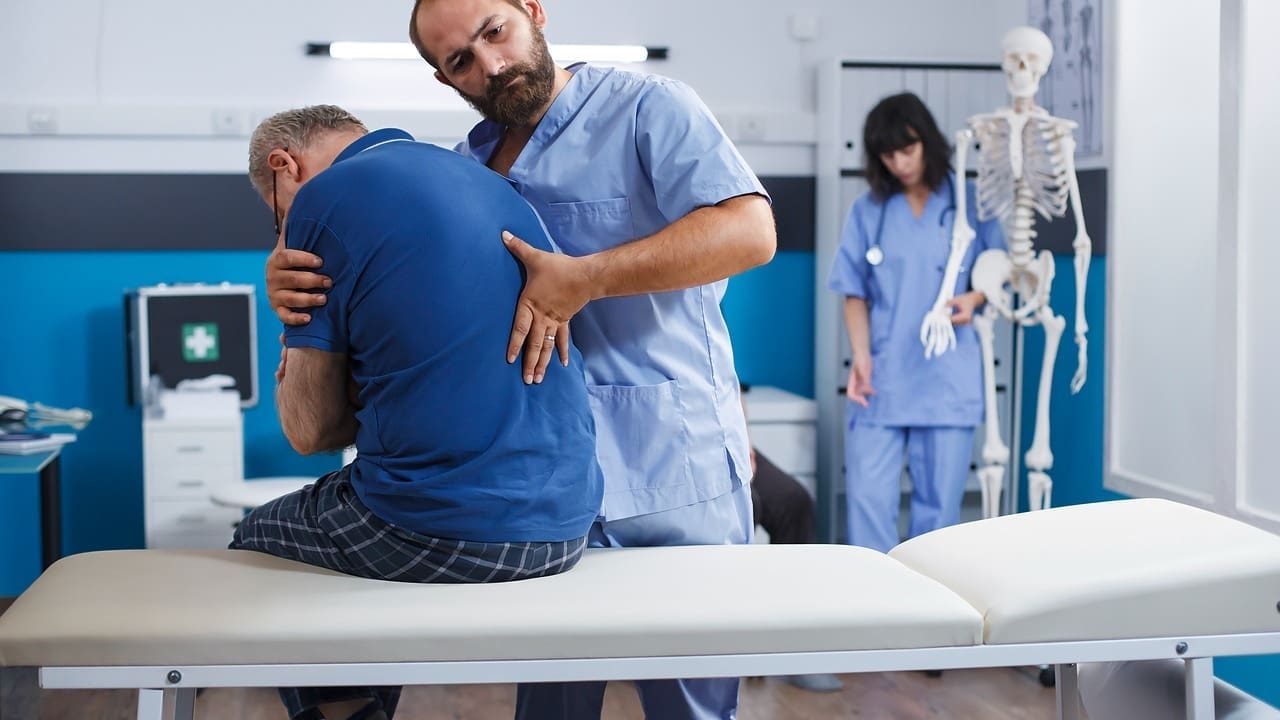
Knowing the prognosis for spine cancer is key for patients and their families. The outlook for spinal tumors changes a lot based on the tumor type and if it has spread. At Liv Hospital, we aim to give top-notch care and support to patients from around the world.
Recent studies show how important the tumor’s biology and how far the disease has spread are. We will look at eight important facts that affect spine cancer survival and life expectancy. We want to help those dealing with this condition by giving them clear information and support.
Key Takeaways
- The type of tumor significantly affects the prognosis.
- The stage at diagnosis plays a critical role in survival.
- Presence of metastases is a key factor in prognosis.
- Tumor biology influences postoperative survival.
- Liv Hospital provides patient-centered care for international patients.
The Nature of Spinal Tumors and Their Classification
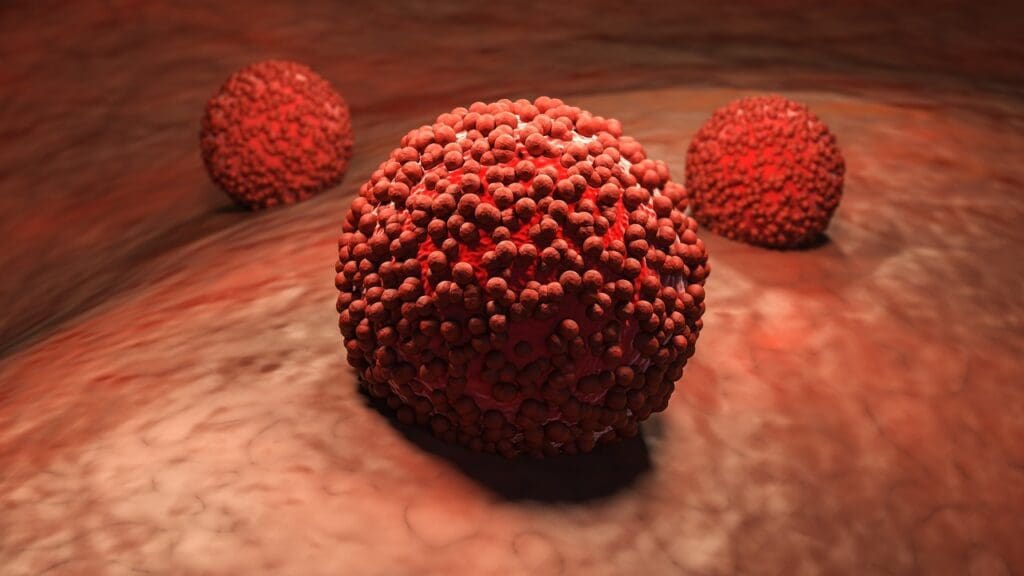
Spinal tumors are a big challenge in cancer treatment. They need a deep understanding of their type and how they grow. Knowing this helps doctors choose the right treatment and predict how well a patient will do.
Primary vs. Metastatic Spine Tumors
There are two main types of spinal tumors: primary and metastatic. Primary spine tumors start in the spine. Metastatic spine tumors come from cancer in other parts of the body. Knowing which one a patient has is key for treatment and how well they might do.
Benign Vertebral Tumors
Benign vertebral tumors are not cancerous and don’t spread. Even though they’re not as aggressive, they can cause problems. They might press on nerves or make the spine unstable.
Malignant Vertebral Tumors
Malignant vertebral tumors are cancerous and can be either primary or metastatic. These tumors are more serious and need strong treatments. This can include surgery, radiation, and chemotherapy.
How Tumors Affect the Vertebral Column
Spinal tumors can harm the spine, no matter their type. They can cause pain, affect nerves, and make the spine unstable. Knowing how each tumor type affects the spine is key for good treatment plans.
| Tumor Type | Origin | Characteristics |
|---|---|---|
| Primary Spine Tumors | Within the spinal column | Can be benign or malignant |
| Metastatic Spine Tumors | Spread from other parts of the body | Typically malignant |
| Benign Vertebral Tumors | Within the vertebrae | Non-cancerous, potentially compressive |
| Malignant Vertebral Tumors | Within the vertebrae or metastatic | Cancerous, potentially aggressive |
Key Fact 1: Vertebral Tumor Prognosis Depends on Multiple Factors
Understanding the prognosis of vertebral tumors is complex. It involves many factors that affect patient outcomes. We look at different elements to determine survival rates and overall health.
The Impact of Tumor Type on Survival
The type of tumor greatly influences survival. Malignant tumors have a worse prognosis than benign ones. Primary tumors start in the spine, while metastatic tumors spread from other areas. Metastatic tumors often mean cancer is more advanced.
Stage at Diagnosis as a Critical Determinant
The stage of diagnosis is very important. Early detection leads to better treatment. Tumors caught early are more likely to be treated successfully. This improves survival chances. But, tumors found later often have worse outcomes.
Patient-Specific Factors Affecting Outcomes
Factors like age, health, and genetic markers also play a role. Older patients or those with health issues may face tougher challenges. Knowing these factors helps us create personalized treatment plans.
Age and Overall Health
A patient’s age and health are key to their treatment success. Younger patients with fewer health problems usually do better. We consider these when choosing the best treatment.
Genetic and Molecular Markers
Genetic and molecular markers give us insights into tumor behavior. Some markers show a tumor’s aggressiveness or how well it might respond to treatment. We use this info to customize treatment for each patient.
Key Fact 2: 5-Year Survival Rates for Primary Spine Cancer
Knowing the 5-year survival rates for primary spine cancer is key. It helps patients and doctors make better choices. The 5-year survival rate shows the percentage of people who live at least 5 years after being diagnosed.
We’ll look at the 5-year survival rates for primary spine cancer. We’ll see how the disease’s extent affects the outlook.
Survival Statistics for Localized Disease
Patients with localized primary spine cancer have a 5-year survival rate of 71% to 86%. This range shows how different factors can change the prognosis. Localized disease means the cancer is only in the spine, not elsewhere in the body.
How Regional Spread Affects Prognosis
When cancer spreads regionally, the 5-year survival rate drops. This spread makes treatment harder and lowers the chances of survival. It’s worse than when the cancer is just in the spine.
Survival with Distant Metastases
Patients with distant metastases face the toughest challenge. Their 5-year survival rate is much lower. This shows the need for strong and wide-ranging treatments.
By knowing these survival rates, patients and doctors can make smarter choices. This helps in treating and caring for primary spine cancer better.
Key Fact 3: Life Expectancy with Metastatic Cancer to the Spine
Metastatic cancer to the spine greatly affects life expectancy. This varies a lot based on the type of cancer it comes from. It makes treatment harder. Knowing this helps in setting up the right treatment plans and managing patient hopes.
One-Year Post-Surgery Survival Rates (31-89%)
Studies show that survival rates after surgery for metastatic cancer to the spine range from 31 to 89%. This wide range is because of the different types of cancers and how they behave. A study on metastatic spinal disease showed this range, highlighting the need for treatments tailored to each patient.
Median Survival by Primary Cancer Type
The type of cancer affects how long patients with spinal metastases live. Different cancers have different survival chances. Knowing this helps in caring for patients better.
Breast and Prostate Cancer Metastases
Patients with breast or prostate cancer metastases to the spine usually have better survival rates. Research shows these patients often have a better chance of survival because of effective treatments. For more on managing metastatic spine cancer, visit this resource.
Lung and Renal Cancer Metastases
On the other hand, patients with lung or renal cancer metastases to the spine have poorer survival rates. These cancers are aggressive and have fewer treatment options. Their survival chances are generally worse.
Other Primary Cancers
Other cancers, like gastrointestinal or thyroid cancers, also spread to the spine but less often. Their survival chances vary a lot based on the cancer type and how much the spine is involved.
| Primary Cancer Type | Median Survival (months) | One-Year Survival Rate (%) |
|---|---|---|
| Breast Cancer | 24-36 | 60-80 |
| Prostate Cancer | 24-40 | 70-85 |
| Lung Cancer | 6-12 | 30-50 |
| Renal Cancer | 12-24 | 40-60 |
Advanced Metastatic Disease Outlook
For those with advanced metastatic disease to the spine, the outlook is generally poor. But, palliative care can greatly improve life quality by managing pain and symptoms. Treatment plans should be made carefully, considering the patient’s health, wishes, and care goals.
In conclusion, life expectancy with metastatic cancer to the spine varies a lot based on the cancer type and other factors. Understanding these differences is key to providing the right care and support to patients.
Key Fact 4: Prognostic Scoring Systems for Spinal Metastases
Prognostic scoring systems are key in managing spinal metastases. They give insights into patient outcomes. This helps doctors make better treatment plans.
The Tokuhashi Score Explained
The Tokuhashi score is a well-known tool for spinal metastases. It looks at several important factors to guess how long a patient might live.
Scoring Components
The Tokuhashi score checks these things:
- Primary tumor type
- Presence of metastases in other organs
- Number of metastases in the vertebral body
- Presence of metastases in other bones
- Severity of neurological symptoms
- Patient’s general condition
Survival Predictions
Doctors add up the scores to guess survival. The Tokuhashi score is known to be accurate for spinal metastases. For more details, see this PDF document.
The Tomita Scoring System
The Tomita scoring system is another key tool. It looks at the tumor’s aggressiveness, visceral metastases, and bone metastases to predict survival.
Newer Prognostic Models
Newer models are coming up, like the Tokuhashi and Tomita scores. They aim to be more accurate by adding more variables. As research grows, these models might give even better survival predictions for spinal metastases patients.
Key Fact 5: How Patient Performance Status Influences Cancer in the Spine Prognosis
Knowing how patient performance status affects cancer in the spine is key. It helps us create better treatment plans. This status shows how well a patient can do daily tasks, which affects their survival and life quality.
Karnofsky Performance Score and Survival
The Karnofsky Performance Score (KPS) helps us see how well a patient is doing. It goes from 0 to 100, with higher numbers meaning better health. Studies show that patients with higher scores live longer.
For example, a KPS of 80 or more often means better survival chances for those with spinal metastases. We use this score to plan treatments that work best for each patient.
ECOG Performance Status Scale
The Eastern Cooperative Oncology Group (ECOG) Performance Status Scale is another tool we use. It ranges from 0 (fully active) to 5 (dead). Patients with lower scores usually have a better outlook.
| ECOG Score | Description | Prognostic Implication |
|---|---|---|
| 0 | Fully active | Better prognosis |
| 1 | Restricted activity | Moderate prognosis |
| 2 | Ambulatory, capable of self-care | Poor prognosis |
| 3 | Limited self-care, confined to bed | Very poor prognosis |
| 4 | Completely disabled, unable to care for self | Extremely poor prognosis |
Impact of Neurological Deficits
Neurological issues, like motor function problems and spinal cord compression, greatly affect prognosis. These can lead to less mobility, pain, and a lower quality of life.
Motor Function Impairment
Motor function issues can come from spinal tumors pressing on or into the spinal cord. These can range from mild weakness to full paralysis, making daily tasks hard.
Spinal Cord Compression
Spinal cord compression is a serious issue that needs quick medical help. It can cause a lot of pain, weakness, and other neurological problems. Quick treatment is key to avoid lasting damage.
Understanding the effects of patient performance status and neurological issues helps us make better treatment plans. This way, we can improve patient outcomes and quality of life.
Key Fact 6: Treatment Approaches and Their Effect on Spine Cancer Survival
Spine cancer treatment includes surgery, radiation, and systemic therapies. These methods are key to improving survival and quality of life for patients. We will look at how these treatments impact survival rates.
Surgical Interventions and Outcomes
Surgery is a major part of treating spine cancer. It aims to ease symptoms, improve function, and enhance life quality. There are different surgical methods, like decompression and stabilization.
Decompression Surgery
Decompression surgery relieves pressure on the spinal cord or nerves. This improves function and reduces pain. It’s often needed to treat spinal cord compression from tumors.
Stabilization Procedures
Stabilization procedures, like spinal fusion, stabilize the spine. They help alleviate pain from fractures or instability. These procedures greatly improve life quality for those with spine cancer.
Radiation Therapy Benefits
Radiation therapy is a vital treatment for spine cancer. It offers effective relief and control. There are various types, including conventional radiotherapy and stereotactic radiosurgery.
Conventional Radiotherapy
Conventional radiotherapy targets the tumor site with radiation. It aims to stop tumor growth and ease symptoms. It’s used for patients with metastatic spine disease.
Stereotactic Radiosurgery
Stereotactic radiosurgery is a precise radiation therapy. It delivers a high dose to the tumor while protecting healthy tissues. It’s very effective for patients with oligometastatic disease.
Systemic Treatments Extending Life Expectancy
Systemic treatments, like chemotherapy, targeted therapies, and immunotherapy, are essential. They help manage systemic disease and extend life for spine cancer patients.
Chemotherapy
Chemotherapy uses agents to kill cancer cells. It’s often combined with other treatments to manage systemic disease.
Targeted Therapies
Targeted therapies target specific cancer growth drivers. They have shown great promise in improving outcomes for certain spine cancer types.
Immunotherapy
Immunotherapy uses the immune system to fight cancer. It’s a growing field with huge promise for better treatment outcomes for spine cancer patients.
We summarize the various treatment approaches and their benefits in the table below:
| Treatment Modality | Benefits |
|---|---|
| Surgical Interventions | Alleviates symptoms, improves neurological function, enhances quality of life |
| Radiation Therapy | Provides effective palliation, local control, and symptom relief |
| Systemic Treatments | Addresses systemic disease, extends life expectancy, improves outcomes |
Key Fact 7: Quality of Life Considerations with Tumor on Spine Life Expectancy
Managing spinal tumors well means looking at both life expectancy and quality of life. For those with these conditions, a full care plan is key.
Pain Management and Functional Outcomes
Controlling pain is vital for patients with spinal tumors. A mix of medicines, physical therapy, and sometimes procedures helps. Keeping patients functional and independent is also important.
A study shows, “Pain is a big worry for patients with spinal metastases. It affects their life quality and how well they can function” (
“Pain management plans should fit each patient’s needs. This includes how bad their pain is, their health, and what they want to achieve.”
).
Maintaining Mobility and Independence
Keeping patients mobile and independent is key. Physical therapy and rehab help a lot. They help patients keep their skills and manage symptoms.
| Intervention | Benefits |
|---|---|
| Physical Therapy | Improves mobility, reduces pain |
| Pain Management | Enhances quality of life, reduces discomfort |
Psychological Well-being and Support
The mental side of having a spinal tumor is important. Counseling, support groups, and family help are vital for mental health.
Healthcare teams can greatly improve life for spinal tumor patients. They focus on pain, function, and mental health.
Key Fact 8: The Importance of Multidisciplinary Care for Spinal Tumors
Multidisciplinary care is key for better results in spinal tumor patients. Handling spinal tumors needs a team effort. This team combines specialists for a unified care plan.
Comprehensive Treatment Team Approach
A team for spinal tumor care includes neurosurgeons, oncologists, and more. This team creates a treatment plan that fits each patient’s needs.
We think a team approach is vital for spinal tumor patients. It brings together experts for better care and results.
Specialized Centers for Spine Oncology
Spine oncology centers have the skills and tools for complex cases. These centers use the latest technology and have experienced staff.
| Characteristics | Specialized Centers | General Hospitals |
|---|---|---|
| Multidisciplinary Team | Present | Limited |
| Advanced Technology | Available | Variable |
| Specialized Care Protocols | Established | Not Always Available |
Personalized Treatment Planning
Personalized plans are vital in spinal tumor care. We tailor treatments to each patient’s needs and health. This approach aims for the best results.
Balancing Survival and Quality of Life
We focus on both survival and quality of life in treatment plans. We weigh the benefits and risks of treatments. We also listen to patients’ wishes and goals.
Palliative Care Integration
Palliative care is a big part of spinal tumor care. It helps manage symptoms and pain. By adding palliative care, we support patients and meet their complex needs.
Conclusion: Navigating Your Journey with Vertebral Tumors
Getting a diagnosis of vertebral tumors means you need to know a lot about your prognosis and treatment choices. We’ve talked about eight important facts that affect your tumor’s outlook. These include the type and stage of the tumor, your health status, and the role of a team of doctors.
Understanding these points can help you grasp your situation better. At Liv H, we aim to offer top-notch healthcare to international patients. We make sure they get the care and kindness they need during their fight against vertebral tumors.
To manage vertebral tumors well, you must know a lot about them and work with your healthcare team. We suggest you team up with your doctors to create a treatment plan that fits your specific needs. This way, you can get the best results possible.
What is the prognosis for vertebral tumors, and what factors influence it?
The outlook for vertebral tumors varies. It depends on the tumor type, its stage, and if it has spread. Knowing these details helps doctors create the best treatment plan for each patient.
What is the difference between primary and metastatic spine tumors?
Primary tumors start in the spine. Metastatic tumors come from other parts of the body and reach the spine. Knowing the type of tumor is key to choosing the right treatment and understanding the outcome.
What are the 5-year survival rates for primary spine cancer?
Patients with early-stage disease have a 71 to 86% chance of surviving five years. But, the outlook gets worse if the disease spreads.
How does metastatic cancer to the spine impact life expectancy?
Survival after surgery varies a lot, depending on the original cancer. For example, breast or prostate cancer metastases often lead to better survival rates than lung or renal cancer metastases.
What are prognostic scoring systems, and how do they help in predicting survival?
Scoring systems like the Tokuhashi score and Tomita scoring system help doctors predict outcomes. They consider the tumor type, metastasis presence, and patient health status.
How does patient performance status influence cancer in the spine prognosis?
A patient’s performance status is very important for spine cancer prognosis. Scores like the Karnofsky performance score and ECOG performance status scale help understand a patient’s health and treatment tolerance.
What treatment approaches are available for spine cancer, and how do they affect survival?
Treatments like surgery, radiation, and systemic therapy aim to manage symptoms and extend life. They help improve quality of life by addressing the disease itself.
How can quality of life be maintained for patients with tumors on the spine?
Keeping pain under control, maintaining function, and supporting the mind are key. A holistic care approach can greatly enhance patient outcomes and happiness.
What is the importance of multidisciplinary care for spinal tumors?
A team approach is vital for treating spinal tumors. It ensures a personalized care plan. Specialized centers offer the expertise needed to support patients fully.
What is the role of palliative care in managing spinal metastatic disease?
Palliative care is essential for patients with spinal metastatic disease. It focuses on improving quality of life, balancing survival, and addressing physical, emotional, and psychological challenges.
References
- PMC – PubMed Central : https://pmc.ncbi.nlm.nih.gov/articles/PMC3134014
- PubMed/NCBI : https://pubmed.ncbi.nlm.nih.gov/18084720



 Departments
 Related Videos
 Our Doctors
 News
News