
At Liv Hospital, we understand the complexities of vestibular schwannoma. This is a benign tumor that affects the vestibulocochlear nerve. It can cause hearing loss, tinnitus, and balance problems. These symptoms can greatly affect a patient’s quality of life.
We recognize the importance of timely medical attention for effective management and treatment of vestibular schwannoma. Our internationally recognized experts are dedicated to providing patient-centered care. We aim to ensure the best possible outcomes for our patients.
In this article, we will outline 8 key facts about vestibular schwannoma. We will cover its types and symptoms. This will help you understand this condition better and the treatment options available.
Key Takeaways
- Understanding vestibular schwannoma and its impact on patients
- Recognizing the importance of timely medical attention
- Overview of the condition’s symptoms and types
- Exploring treatment options for vestibular schwannoma
- The role of patient-centered care in effective management
Understanding Vestibular Schwannoma: Definition and Overview
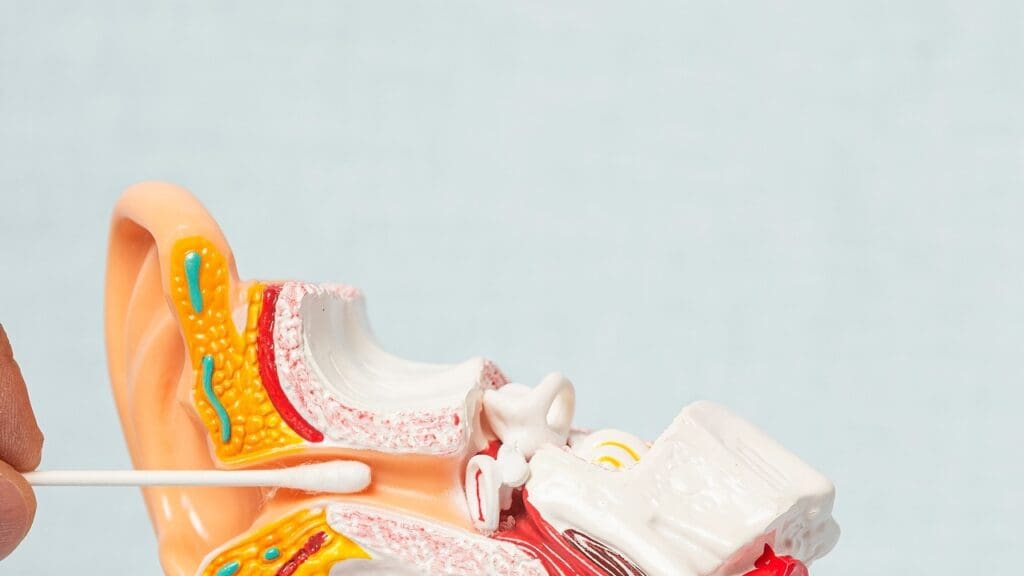
Vestibular schwannoma is a benign tumor that grows slowly. It affects the vestibulocochlear nerve, which is key for hearing and balance. We’ll look into its definition, the details of its name, and the nerve’s anatomy.
What Is Vestibular Schwannoma?
Vestibular schwannoma is a benign tumor that grows from the Schwann cells of the vestibular nerve. It can impact hearing and balance. This tumor is important because it affects the vestibulocochlear nerve, which is vital for hearing and balance.
Vestibular Schwannoma vs. Acoustic Neuroma: Terminology Explained
The terms “vestibular schwannoma” and “acoustic neuroma” are often mixed up. “Acoustic neuroma” was once used, focusing on the auditory nerve. But “vestibular schwannoma” is more precise, as it points to the tumor’s origin from the vestibular nerve’s Schwann cells. We suggest using “vestibular schwannoma” for clarity.
Anatomy of the Vestibulocochlear Nerve
The vestibulocochlear nerve, or the eighth cranial nerve, is essential for hearing and balance. It has two parts: the cochlear nerve for hearing and the vestibular nerve for balance. Knowing its anatomy helps us understand how vestibular schwannoma affects patients.
- Benign nature
- Origin from Schwann cells of the vestibular nerve
- Potential impact on hearing and balance
- Slow growth pattern
By grasping these points, we can better understand vestibular schwannoma and its effects on patient care.
The 8 Key Facts About Vestibular Schwannoma You Should Know
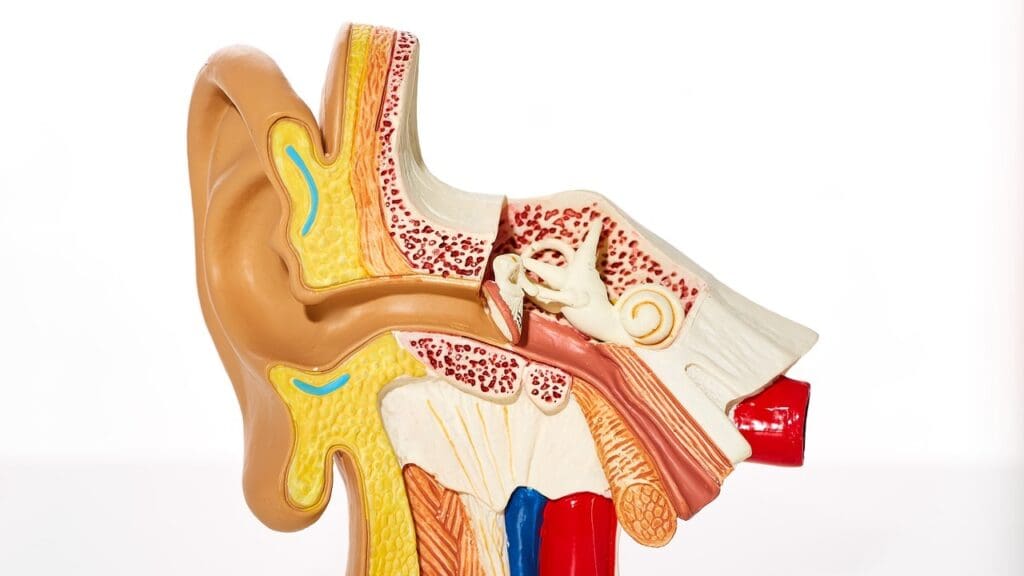
Exploring vestibular schwannoma reveals important facts. It’s a benign tumor that grows on the vestibulocochlear nerve. We’ll look at eight key facts about it, covering its nature, impact, and management.
Fact 1: Benign Nature and Growth Patterns
Vestibular schwannoma is non-cancerous. But, its growth can vary a lot. Some stay small, while others grow big and cause symptoms.
Fact 2: Prevalence and Demographics
About 1 in 100,000 people get vestibular schwannoma each year. It mostly hits adults between 30 and 60, with women slightly more affected. Knowing this helps in early detection and care.
Fact 3: Connection to Neurofibromatosis Type 2
Vestibular schwannoma is linked to Neurofibromatosis Type 2 (NF2). People with NF2 often get both ears affected. This shows why genetic tests are key.
Fact 4: Impact on Hearing and Balance
This tumor can hurt your hearing and balance. As it grows, it presses on the nerve, causing hearing loss, tinnitus, and balance problems.
Fact 5: Slow-Growing Nature
Vestibular schwannoma grows slowly. This means there are many treatment options, from watching it to surgery, based on its size and growth.
Fact 6: Diagnostic Advances
New imaging like MRI has made finding and tracking vestibular schwannoma better. Early detection leads to better treatment and outcomes.
Fact 7: Treatment Options Have Expanded
Now, treatments for vestibular schwannoma include surgery, radiation, and just watching it. The right treatment depends on the tumor, the patient’s health, and symptoms.
Fact 8: Excellent Long-term Prognosis
With the right care, patients with vestibular schwannoma usually do well. They can live a good life, though some might need ongoing checks and care.
Knowing these eight facts helps patients make better choices about their treatment. We aim to offer top-notch support and care for those with vestibular schwannoma.
Types of Vestibular Schwannoma: Classification and Presentation
It’s important to know the different types of vestibular schwannoma to choose the right treatment. These tumors are mainly sorted by where they are and if they’re linked to certain genetic conditions.
Unilateral Vestibular Schwannoma
Unilateral vestibular schwannoma is a tumor on one of the vestibulocochlear nerves. It can be on the right or left side. This type is more common and usually not linked to genetic syndromes.
Right Vestibular Schwannoma
A right vestibular schwannoma is on the right vestibulocochlear nerve. It can cause hearing loss, tinnitus, and balance problems on the right side.
Left Vestibular Schwannoma
On the other hand, a left vestibular schwannoma is on the left vestibulocochlear nerve. It leads to hearing loss and tinnitus on the left side.
Bilateral Vestibular Schwannomas and NF2
Bilateral vestibular schwannomas are tumors on both vestibulocochlear nerves. This is often seen in people with Neurofibromatosis Type 2 (NF2). NF2 is a genetic disorder that makes people more likely to get many tumors in the nervous system.
Intracanalicular Vestibular Schwannoma
Intracanalicular vestibular schwannoma is a type that stays inside the internal auditory canal. Knowing this is important for planning treatment, as it might need more careful surgery or radiation.
| Type of Vestibular Schwannoma | Characteristics | Common Associations |
|---|---|---|
| Unilateral Vestibular Schwannoma | Occurs on one vestibulocochlear nerve | Sporadic cases, not typically associated with genetic syndromes |
| Bilateral Vestibular Schwannomas | Tumors on both vestibulocochlear nerves | Often associated with Neurofibromatosis Type 2 (NF2) |
| Intracanalicular Vestibular Schwannoma | Confined within the internal auditory canal | Requires precise treatment planning |
Causes and Risk Factors of Vestibular Schwannoma
Understanding the causes and risk factors of vestibular schwannoma is key for early detection and treatment. While we don’t know all the causes, research has found important factors.
Genetic Mutations and the NF2 Gene
Genetic mutations, like those in the NF2 gene, are a big part of vestibular schwannoma. The NF2 gene helps prevent tumors. But, when it’s mutated, it can lead to tumors on the vestibular nerve.
Sporadic Cases: What We Know
Most vestibular schwannomas happen without a known genetic link. Studies suggest they might be caused by random genetic changes or other unknown factors.
Environmental Risk Factors
There’s not much evidence linking environmental factors to vestibular schwannoma. More research is needed to understand any possible environmental risks.
Current Research on Causation
Genetic analysis and molecular biology are making progress. They help us understand the condition’s underlying mechanisms.
Recognizing Vestibular Schwannoma: Common Symptoms
It’s important to know the symptoms of vestibular schwannoma early. This helps in getting the right treatment. The symptoms vary based on the tumor’s size and where it is.
Progressive Unilateral Hearing Loss
One common symptom is hearing loss in one ear. This loss gets worse over time. It can make it hard to understand speech, even in quiet places.
Tinnitus (Ringing in the Ears)
Tinnitus is another symptom. It’s a constant ringing or buzzing in the ear. This can be very bothersome and affect daily life.
Balance Problems and Vertigo
The tumor can also cause balance issues or vertigo. This makes you feel like you’re spinning or off-balance. It can lead to falls and make daily tasks harder.
Facial Numbness and Weakness
Facial numbness or weakness can happen too. This is due to the tumor pressing on the facial nerve. It might make smiling hard or cause numbness on one side of your face.
Headaches and Pressure Sensations
Headaches and a feeling of fullness in the ear or head are symptoms. These happen because the tumor is growing and affecting nearby areas.
When to Seek Medical Attention
If you notice any of these symptoms, see a doctor right away. Early diagnosis is key to managing vestibular schwannoma effectively.
| Symptom | Description |
|---|---|
| Progressive Unilateral Hearing Loss | Gradual hearing loss in one ear, difficulty understanding speech |
| Tinnitus | Ringing, buzzing, or noise in the ear without external sound |
| Balance Problems and Vertigo | Sensation of spinning or being off-balance |
| Facial Numbness and Weakness | Numbness or weakness on one side of the face |
| Headaches and Pressure Sensations | Headaches, feeling of pressure or fullness in the ear or head |
Diagnosis of Vestibular Schwannoma
Diagnosing vestibular schwannoma is a detailed process. It involves looking at the patient’s history, doing a physical exam, and using advanced tests. We’ll explain each step in diagnosing this condition.
Initial Assessment and Physical Examination
The first step is a detailed medical history and physical exam. Doctors look for signs like hearing loss, ringing in the ears, or balance issues. These could mean a vestibular schwannoma is present.
Audiological Testing
Audiological tests are key in finding vestibular schwannoma. Tests like pure-tone audiometry and auditory brainstem response (ABR) are used. A big difference in hearing between the two ears is a strong sign of this condition.
Imaging Studies: MRI and CT Scans
Imaging tests are critical for confirming the diagnosis. MRI is the best for spotting small tumors. CT scans are used when MRI isn’t possible.
| Imaging Modality | Advantages | Limitations |
|---|---|---|
| MRI | High sensitivity, excellent soft tissue detail | Contraindicated in some metal implants, claustrophobia |
| CT Scan | Quick, widely available, good for bone detail | Less sensitive than MRI, radiation exposure |
Vestibular Function Tests
Vestibular function tests check the inner ear’s balance. These tests help see how the tumor affects balance. They help decide the best treatment.
Differential Diagnosis
Differential diagnosis is important to rule out other conditions. This includes diseases like Meniere’s or meningioma. A full diagnostic check ensures the right diagnosis and treatment plan.
A leading expert says,
“The diagnosis of vestibular schwannoma requires a high index of suspicion and a thorough diagnostic workup to ensure that patients receive appropriate care.”
By using these diagnostic methods, we can accurately find vestibular schwannoma. Then, we can create a treatment plan that fits each patient’s needs.
Comprehensive Vestibular Schwannoma Treatment Options
Vestibular schwannoma treatment has grown a lot, giving patients many choices. The right treatment depends on the tumor’s size, location, and the patient’s health.
Observation Strategy: “Watch and Wait”
Small, symptom-free tumors might be watched closely. This means regular MRI scans to see if the tumor grows. It’s often chosen for older patients or those with small tumors and good hearing, as it’s safer than surgery or radiation.
Surgical Approaches and Techniques
Surgery is a good option for many with vestibular schwannoma. There are different surgical methods, each with its own benefits.
Translabyrinthine Approach
This method removes the tumor through the inner ear. It’s best for big tumors or those with little hearing in the affected ear.
Retrosigmoid Approach
This approach lets surgeons reach the tumor without harming the inner ear. It’s preferred for those with good hearing.
Middle Fossa Approach
This method is for tumors near the hearing nerve. It’s more complex but might save hearing.
Radiation Therapy Options
Radiation therapy is also effective for vestibular schwannoma. There are two main types: Stereotactic Radiosurgery (Gamma Knife) and Fractionated Radiotherapy.
Stereotactic Radiosurgery (Gamma Knife)
This non-invasive method gives a high dose of radiation in one session. It’s good for smaller tumors.
Fractionated Radiotherapy
This method spreads radiation over several sessions. It can lessen side effects.
Emerging Treatments and Clinical Trials
New treatments for vestibular schwannoma are being researched. This includes targeted therapies and better surgery methods. Patients might join clinical trials for new treatments.
Treatment Selection Factors
Choosing a treatment depends on many things. These include tumor size, location, and the patient’s health and wishes. A team of healthcare experts works together to find the best treatment for each patient.
Managing Symptoms and Side Effects
Managing vestibular schwannoma symptoms is key to a better life. Patients face challenges like hearing loss, tinnitus, balance problems, and facial numbness or weakness.
Hearing Rehabilitation Options
Hearing rehabilitation is vital for managing symptoms. We offer several options to help improve or restore hearing.
Hearing Aids
Hearing aids are good for those with mild to moderate hearing loss. They make sounds louder, helping with communication.
Cochlear Implants
Cochlear implants are for those with severe hearing loss. They bypass damaged parts of the ear and directly stimulate the auditory nerve.
Auditory Brainstem Implants
Auditory brainstem implants are for those with significant hearing loss who can’t get cochlear implants. They directly stimulate the brainstem.
Balance Therapy and Vestibular Rehabilitation
Balance therapy and vestibular rehabilitation are key for balance issues. We create personalized therapy programs to help patients regain balance and reduce dizziness.
Pain Management Strategies
Pain management is a big part of vestibular schwannoma care. We use medication and alternative therapies to manage pain effectively.
Facial Nerve Rehabilitation
Facial nerve rehabilitation is important for those with facial weakness or paralysis. We offer programs to help restore facial function and improve appearance.
By tackling these symptoms and side effects, we can greatly improve patients’ lives. Our approach covers all aspects of care, from diagnosis to treatment and rehabilitation.
Living with Vestibular Schwannoma: Long-term Outlook
Getting a vestibular schwannoma diagnosis can be scary. But knowing what to expect can help. It’s important to think about how this condition affects your life and future.
Quality of Life Considerations
Vestibular schwannoma can cause hearing loss, balance issues, and tinnitus. Yet, with the right care, many people live well. We focus on both physical and emotional health.
| Aspect | Considerations |
|---|---|
| Hearing | Hearing rehabilitation options, including cochlear implants and hearing aids |
| Balance | Vestibular rehabilitation therapy to improve balance and reduce dizziness |
| Psychological Support | Counseling and support groups to address anxiety and depression |
Follow-up Care and Monitoring
Regular check-ups are key for managing vestibular schwannoma. We use MRI scans to track the tumor and check hearing and balance. We tailor follow-up plans to each patient’s needs.
“The key to managing vestibular schwannoma is a complete and team-based approach. It covers physical, emotional, and social needs.”
Support Resources for Patients
There are many resources for vestibular schwannoma patients. Online groups, support meetings, and counseling offer help. They provide emotional support and advice from others facing similar issues.
Psychological Impact and Coping Strategies
Vestibular schwannoma can affect your mind, causing anxiety, depression, and stress. We suggest using mindfulness, meditation, and therapy to cope with these feelings.
Returning to Work and Daily Activities
With the right support, many patients can go back to work and exercise. We help them create a plan to safely do their daily activities and stay healthy.
Conclusion: Making Informed Decisions About Vestibular Schwannoma Care
Effective care for vestibular schwannoma means making smart choices about treatment. We’ve looked into what this condition is, its types, symptoms, and how it’s diagnosed and treated. Patients need to know their options and talk to their doctors to find the best plan.
Studies show that patients who help decide their treatment feel less uncertain. For example, a study found that those choosing surgery felt less unsure than those not opting for it (source). By knowing their treatment choices and being part of the decision-making, patients can make choices that fit their needs.
Vestibular schwannoma care is not the same for everyone. By working with doctors and understanding their options, patients can handle the challenges of this condition. This way, they can get the best results possible.
What is vestibular schwannoma?
Vestibular schwannoma, also known as acoustic neuroma, is a non-cancerous tumor. It grows on the vestibulocochlear nerve. This nerve helps with balance and hearing.
What are the symptoms of vestibular schwannoma?
Symptoms include hearing loss on one side, tinnitus, and balance issues. You might also feel numbness in your face and have headaches.
What causes vestibular schwannoma?
The exact cause is not known. But it’s linked to genetic mutations, like in the NF2 gene. Environmental factors might also play a role.
How is vestibular schwannoma diagnosed?
Doctors use physical exams, hearing tests, and imaging like MRI and CT scans. They also do tests to check the vestibular function.
What are the treatment options for vestibular schwannoma?
Treatment options include watching the tumor, surgery, radiation, and new treatments. The choice depends on the tumor’s size, location, and your health.
Can vestibular schwannoma be cured?
Vestibular schwannoma is not cancerous, but treatment aims to manage symptoms and stop growth. In many cases, managing it well is possible.
What is the difference between unilateral and bilateral vestibular schwannoma?
Unilateral occurs on one side. Bilateral occurs on both sides, often with Neurofibromatosis Type 2 (NF2).
How does vestibular schwannoma affect hearing and balance?
It can cause hearing loss, tinnitus, and balance problems. This is because it affects the vestibulocochlear nerve.
What is the role of the NF2 gene in vestibular schwannoma?
The NF2 gene is key in developing vestibular schwannoma, mainly in NF2 cases.
Are there any support resources available for patients with vestibular schwannoma?
Yes, there are many support resources. These include patient groups, counseling, and rehabilitation services. They help with the condition’s psychological and practical impacts.
References
- Congress of Neurological Surgeons (CNS) (Surgical Resection) : https://www.cns.org/guidelines/treatment-adults-vestibular-schwannoma/7-surgical-resection-treatment-of-patients-with-ve-2
- Oxford Academic (Neuro-Oncology Advances) : https://academic.oup.com/noa/article/6/1/vdae107/7697688