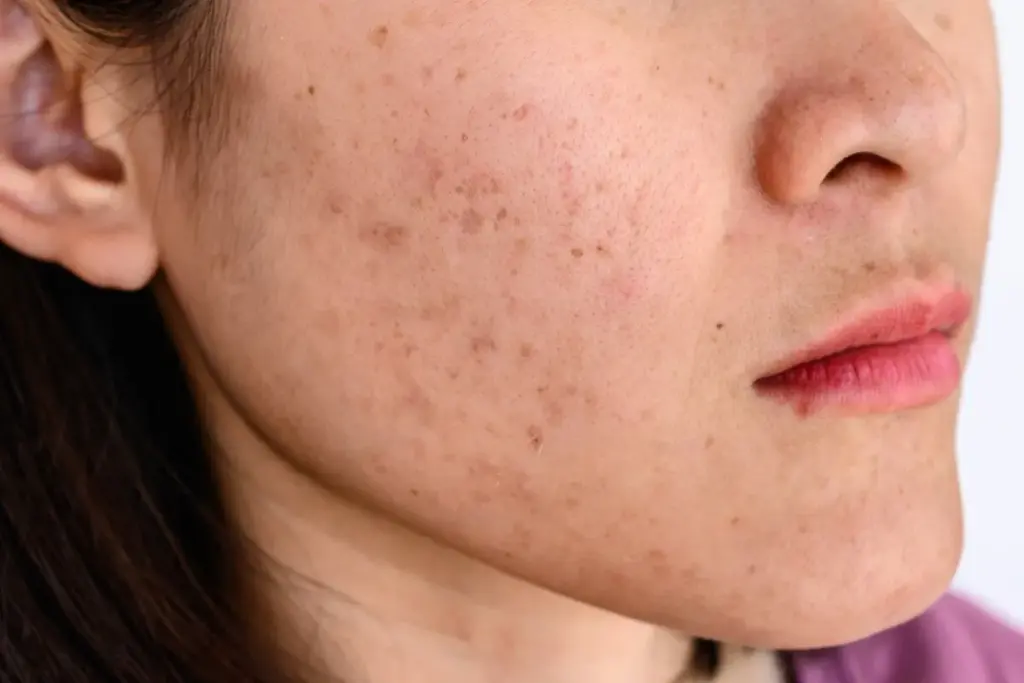
We often look into how vitamin D and skin pigmentation are connected. Recent studies show that vitamin D levels can be influenced by skin color, not the other way around.
Can Vitamin D deficiency skin spots be fixed? Discover how to balance your vitamins for clear and healthy skin.
At Liv Hospital, we focus on preventive and high-quality care. We know that people with darker skin may have lower vitamin D levels. This is because their skin doesn’t make as much of it.
This shows how important it is to have healthcare that fits each person’s needs. We must consider skin pigmentation and how it affects health.
Key Takeaways
- The relationship between vitamin D and skin pigmentation is complex.
- Skin pigmentation affects vitamin D synthesis.
- Individuals with darker skin tones may have lower vitamin D levels.
- Liv Hospital emphasizes preventive care for overall health.
- Tailored healthcare approaches are necessary for diverse populations.
The Science Behind Vitamin D and Skin
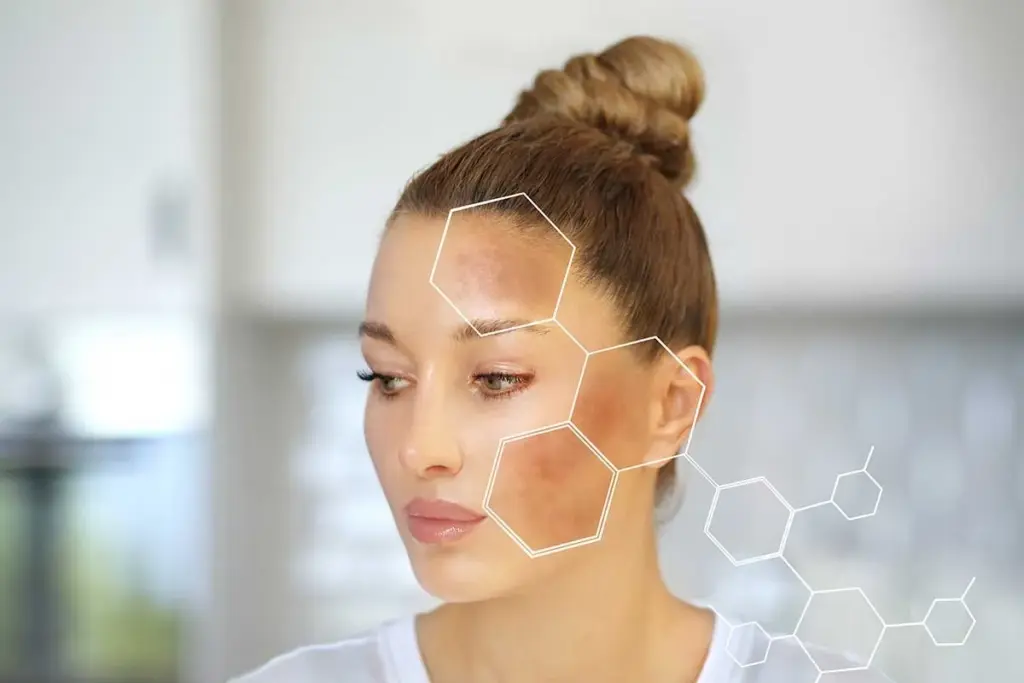
Understanding how vitamin D is produced in our bodies is crucial, as it highlights its role in maintaining skin health. Vitamin D is made through a complex process in our skin.
How Vitamin D is Synthesized in the Body
Vitamin D is made in our skin when it’s exposed to sunlight. The sun’s ultraviolet B (UVB) rays start a chemical reaction. This reaction creates vitamin D3 (cholecalciferol).
First, 7-dehydrocholesterol turns into pre-vitamin D3. Then, it quickly changes into vitamin D3. This vitamin D3 goes to the liver and kidneys. There, it becomes the active hormone, calcitriol.
Key steps in vitamin D synthesis:
- Exposure to UVB rays
- Conversion of 7-dehydrocholesterol to pre-vitamin D3
- Isomerization to vitamin D3
- Hydroxylation in the liver and kidneys to form calcitriol
The Role of Sunlight in Vitamin D Production
Sunlight, mainly UVB rays, is key for making vitamin D. How much vitamin D we make depends on how strong and long the UVB rays are.
Things like skin color, age, and the time of day affect how well we make vitamin D. For example, people with darker skin need more sun to make the same amount of vitamin D as those with lighter skin.
Knowing these things helps us keep our vitamin D levels right. It also helps us avoid too much sun.
Understanding Skin Pigmentation and Melanin
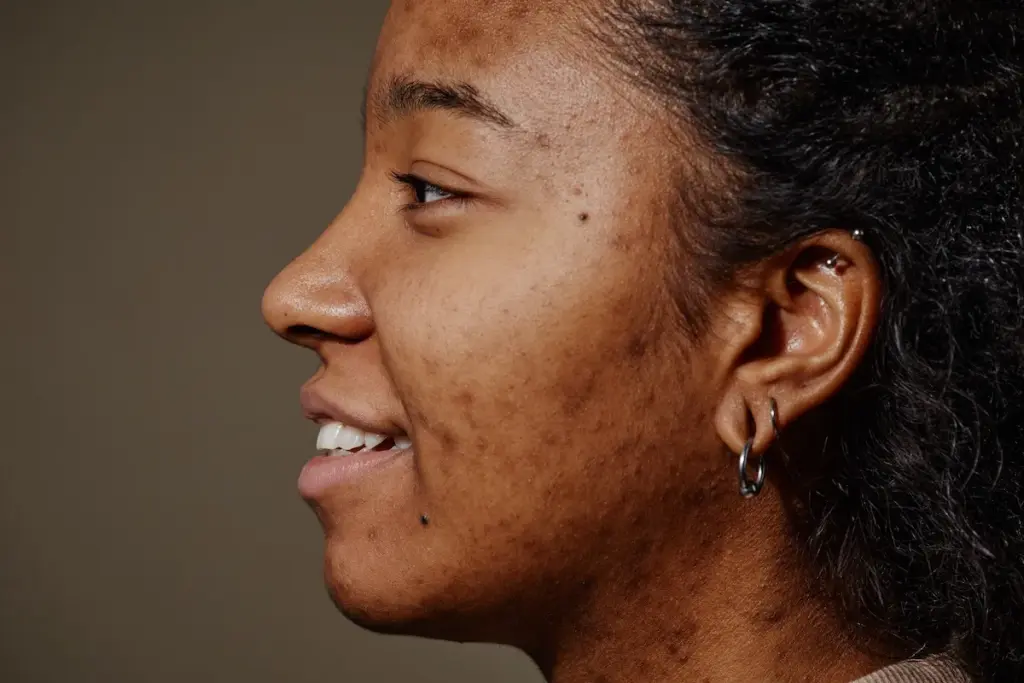
Melanin is the pigment that gives skin its color. It’s key in protecting our skin from UV radiation harm.
What Determines Skin Color
Skin color comes from the type and amount of melanin in our bodies. There are two main types: eumelanin and pheomelanin. Eumelanin makes skin look brown and black, while pheomelanin gives it a red and yellow hue. How these two interact decides our skin color.
Many things affect melanin production. Genetics, sunlight, and hormonal changes are some of them. Genetics are a big factor, as they influence how melanin is made and spread.
Protective Functions of Melanin
Melanin acts like a natural sunscreen. It absorbs UV rays, stopping them from harming our skin’s DNA. This is key in preventing skin cancers and other UV-related issues.
Melanin also helps keep skin healthy. It has antioxidant properties that fight off free radicals. These free radicals can damage our skin.
Knowing how melanin works in skin pigmentation and protection is important. It shows how melanin’s role affects vitamin D production. Melanin protects our skin but also limits UV radiation, which is needed for vitamin D.
The Relationship Between Skin Tone and Vitamin D Synthesis
Skin tone is key in making vitamin D. The amount of melanin, which gives skin color, affects vitamin D production when exposed to sunlight.
How Melanin Affects Vitamin D Production
Melanin acts as a natural sunscreen, protecting the skin from harmful UV rays. But, it also means less vitamin D is made. People with darker skin need more sun to make the same vitamin D as those with lighter skin.
“The melanin in the skin competes with 7-dehydrocholesterol for UVB photons, reducing vitamin D production.”
This difference in vitamin D production is important for everyone. For example, darker skin is more at risk of vitamin D deficiency, which is worse in places with little sunlight.
Evolutionary Perspectives on Skin Pigmentation and Vitamin D
Skin color evolved to balance vitamin D needs with protection from too much UV. Near the equator, darker skin protects against intense UV. Farther away, lighter skin helps make more vitamin D.
The evolutionary adaptation of skin pigmentation shows how genetics, environment, and body needs interact. Knowing this helps us see why skin tone matters for vitamin D health.
It’s vital to understand these connections to fight vitamin D deficiency and health problems in all people. By recognizing melanin’s role in vitamin D, we can find better ways to keep vitamin D levels right, no matter the skin tone.
Debunking the Myth: Does Vitamin D Reduce Pigmentation?
The idea that vitamin D can lower skin pigmentation is a myth. We need to look at the science behind it. It’s important to know what’s true and what’s not.
Common Misconceptions About Vitamin D and Skin Color
Many think vitamin D changes skin color. But this is not true. Vitamin D is key for strong bones and a healthy immune system. It’s made in the skin when we get sunlight, but its role is often misunderstood.
Some believe vitamin D can make skin lighter. But skin color mainly comes from melanin. Melanin production is influenced by genetics, UV rays, and other factors, not vitamin D levels.
What Scientific Research Actually Shows
Research links vitamin D deficiency to many health problems. But, it doesn’t show a clear link to skin pigmentation. Studies have looked at vitamin D and skin issues, but the findings are complex.
“While vitamin D is important for overall health, its role in directly altering skin pigmentation is not substantiated by current scientific understanding.”
For example, a study might find a link between vitamin D and skin conditions. But this doesn’t mean vitamin D causes these conditions. It’s key to remember that vitamin D supplements don’t change skin color or pigmentation.
- Vitamin D is vital for health, including bone health and immune function.
- Skin pigmentation is mainly influenced by melanin production.
- The direct impact of vitamin D on reducing pigmentation is not supported by strong scientific evidence.
In conclusion, vitamin D is important for health, but its effect on skin pigmentation is often overestimated. By knowing the facts and clearing up myths, we can better understand how vitamin D and skin health are connected.
Vitamin D Deficiency Skin Spots: Identifying the Signs
Vitamin D is key for healthy skin. A lack of it can cause skin problems. Knowing these signs helps catch issues early.
Common Skin Manifestations of Low Vitamin D
Low vitamin D can cause several skin issues. Some common ones are:
- Skin spots or patches that may be lighter or darker than the surrounding skin
- Dry skin or eczema-like conditions
- Increased susceptibility to infections or slow healing of skin lesions
These changes can be hard to spot. You might need a doctor to confirm a vitamin D deficiency.
When Skin Changes Warrant Medical Attention
Some skin issues might seem minor but can be serious. If you notice:
- Persistent or worsening skin spots or lesions
- Unusual changes in skin pigmentation
- Skin symptoms accompanied by other signs of vitamin D deficiency, such as bone pain or muscle weakness
Seeing a doctor early can help manage symptoms. It can also prevent bigger problems.
It’s vital to talk to a healthcare professional for a proper check-up. They can tell if your skin issues are from vitamin D deficiency or something else.
In summary, knowing about vitamin D deficiency skin signs can lead to getting medical help sooner. This can greatly improve your health.
Health Risks Associated with Vitamin D Deficiency
Vitamin D is key for our health. Not having enough can lead to serious problems. It helps our bodies work right, and without it, we face big risks.
Bone Health Complications
Vitamin D helps our bones stay strong by controlling calcium. Without enough, we can get osteoporosis and osteomalacia. Osteoporosis makes bones weak, and osteomalacia softens them.
Older adults are more likely to break bones if they don’t have enough vitamin D. Eating foods rich in vitamin D, taking supplements, or getting sunlight can help. A study in found that vitamin D supplements can lower fracture risk.
Immune System Dysfunction
Vitamin D is also important for our immune system. Not having enough can make us more likely to get sick and have autoimmune diseases. It helps our immune system work well, and without it, it can fail.
It’s important to keep vitamin D levels up to avoid immune problems. Taking vitamin D can help prevent infections and diseases like multiple sclerosis.
Microvascular Dysfunction and Skin Health
Small blood vessels not working right can harm our health, including our skin. Vitamin D deficiency can cause this problem. It can lead to skin issues.
Vitamin D helps keep our skin healthy by controlling genes involved in skin health. Without enough, we might get psoriasis and eczema. Having enough vitamin D helps keep our skin in good shape and prevents these problems.
Vitamin D Deficiency and Chronic Skin Conditions
Vitamin D deficiency is linked to many chronic skin conditions. This has sparked interest in its role in managing these disorders. We will look into how vitamin D status affects several skin conditions and review the latest research.
Psoriasis and Vitamin D Status
Psoriasis is a chronic autoimmune skin condition. It causes thick, scaly skin. Research shows vitamin D might help manage psoriasis, with some studies finding vitamin D analogs effective in reducing symptoms. We will explore the benefits and limitations of using vitamin D in treating psoriasis.
Eczema and Atopic Dermatitis
Eczema and atopic dermatitis are chronic inflammatory skin conditions. They affect millions worldwide. New evidence suggests vitamin D may help manage these conditions by improving the immune response. We will look into the research on vitamin D supplementation and its effects on eczema and atopic dermatitis.
Acne and Vitamin D Levels
Acne is a common skin condition with significant psychological impacts. Some studies have looked into the link between vitamin D levels and acne severity. The results are mixed. We will review the evidence and discuss its implications for acne management.
Vitiligo and Hypopigmentation Disorders
Vitiligo is a chronic skin condition causing white patches due to the loss of pigment-producing cells. Research has explored the connection between vitamin D status and vitiligo, as well as other hypopigmentation disorders. We will summarize the findings and discuss vitamin D’s role in managing these conditions.
In conclusion, the relationship between vitamin D deficiency and chronic skin conditions is complex. More research is needed to fully understand the mechanisms and the benefits of vitamin D supplementation in managing these conditions.
Diagnosing Vitamin D Deficiency
To find out if someone has a vitamin D deficiency, doctors use tests and check-ups. We’ll look at how they do this.
Laboratory Testing Methods
Tests in the lab are key for spotting vitamin D deficiency. The main test checks the blood for 25-hydroxyvitamin D [25(OH)D]. This test shows how much vitamin D is in the body, from food and sunlight.
|
Test |
Description |
Normal Range |
|---|---|---|
|
25-hydroxyvitamin D [25(OH)D] |
Measures vitamin D levels in the blood |
20-40 ng/mL |
|
1,25-dihydroxyvitamin D [1,25(OH)2D] |
Measures the active form of vitamin D |
16-65 pg/mL |
Clinical Assessment Techniques
Doctors also check for signs and symptoms of vitamin D deficiency. They look for things like weak bones, osteoporosis, and a higher chance of breaking bones.
“Clinical evaluation is essential for identifying individuals at risk of vitamin D deficiency, particular in populations with limited sun exposure or dietary restrictions.”
Risk Assessment Tools for Different Populations
There are tools to figure out who might not have enough vitamin D. These look at things like skin color, age, where you live, and how you live.
- Skin pigmentation: People with darker skin are at higher risk.
- Age: Older adults make less vitamin D.
- Geographic location: Those far from the equator are at higher risk.
- Lifestyle: Not getting enough sun and not eating enough vitamin D increases risk.
Vitamin D Supplementation Guidelines
Understanding vitamin D supplementation is key to treating deficiency effectively. It’s important to tailor treatment to each person’s needs. Vitamin D deficiency affects many and can have serious health consequences if not treated right.
Recommended Dosages Based on Deficiency Severity
The right dose of vitamin D supplements depends on how severe the deficiency is. For mild cases, a smaller dose might be enough. But those with more severe deficiencies might need more. Always talk to a healthcare provider to find the right dose for you.
Here are some general dosage guidelines:
- Mild deficiency: 1,000-2,000 IU/day
- Moderate deficiency: 2,000-4,000 IU/day
- Severe deficiency: 4,000-10,000 IU/day
Different Forms of Vitamin D Supplements
Vitamin D supplements come in two types: D2 (ergocalciferol) and D3 (cholecalciferol). Both can help increase vitamin D levels, but D3 is often seen as more effective and is usually recommended.
Choosing between D2 and D3 depends on several factors. These include dietary restrictions and personal preferences. Some supplements also include vitamin D with calcium.
Monitoring and Adjusting Supplementation
It’s vital to keep an eye on vitamin D levels to make sure the supplements are working. Regular blood tests help doctors see if the current dose is right or if it needs to be changed.
Supplementation might need to be adjusted for various reasons. These include changes in health, new medications, or more sunlight exposure. Regular checks help keep vitamin D levels just right and avoid any bad effects.
Natural Sources of Vitamin D
Vitamin D is key for our bones, immune system, and health. We can get it from food and sunlight. Let’s look at how to get vitamin D naturally.
Dietary Sources and Their Bioavailability
When we can’t get enough sun, food becomes our main source of vitamin D. Fatty fish like salmon and mackerel are good. So are fortified foods like dairy and cereals.
- Fatty fish (salmon, mackerel, sardines)
- Fortified dairy products
- Fortified cereals
- Organ meats (liver)
The amount of vitamin D we get from food varies. Fatty fish are a big source. Fortified foods also help a lot.
|
Food Source |
Vitamin D Content (IU per serving) |
|---|---|
|
Salmon (3 oz cooked) |
450-570 |
|
Mackerel (3 oz cooked) |
345 |
|
Fortified milk (1 cup) |
100-150 |
Safe Sun Exposure Practices
Sunlight is a great way to get vitamin D. But we must protect our skin from too much sun.
To get vitamin D safely:
- Get sun on arms, legs, and back for 10-15 minutes in peak hours (10 am – 4 pm).
- Use sunscreen with SPF 30 on covered areas.
- Don’t stay in the sun too long, even in peak hours.
Special Considerations for Different Skin Types
Vitamin D is key for skin health, and everyone’s needs are different. The impact of vitamin D deficiency varies by skin tone and sensitivity.
Vitamin D Needs for Darker Skin Tones
People with darker skin are more likely to lack vitamin D. This is because melanin, the skin’s natural sunscreen, blocks vitamin D production. Research shows that those with darker skin need more sun to get the same vitamin D as lighter-skinned people. It’s important for them to check their vitamin D levels and consider supplements if needed.
|
Skin Tone |
Vitamin D Synthesis |
Recommended Action |
|---|---|---|
|
Lighter Skin |
Higher synthesis rate |
Moderate sun exposure |
|
Darker Skin |
Lower synthesis rate |
Consider supplementation or increased sun exposure |
Vitamin D and Skin Sensitivity Conditions
Those with sensitive skin, like albinism or vitiligo, must be careful in the sun. Vitamin D is important, but too much sun can make these conditions worse. It’s important for them to find a balance between getting enough vitamin D and protecting themselves from the sun.
Cultural and Religious Factors Affecting Vitamin D Status
Culture and religion can also affect vitamin D levels. For example, people who wear full clothing for religious reasons may get less sun. It’s important to consider these factors when looking at vitamin D deficiency risk. Giving advice that respects these cultural practices is key.
Knowing these special needs helps doctors give better advice. This can improve vitamin D levels and overall health for everyone.
Preventing Vitamin D Deficiency While Protecting Skin Health
Vitamin D is key to our health, but getting it involves sun exposure and skin care. It’s important to find a balance between getting enough vitamin D and keeping our skin safe.
Balancing Sun Protection and Vitamin D Synthesis
Sunlight is the main source of vitamin D, but it can also harm our skin. Here’s how to balance it:
- Expose larger skin areas like arms and legs for short periods during peak sun hours (10 am – 4 pm) for vitamin D synthesis.
- Use protective clothing and seek shade when spending more time outdoors.
- Apply broad-spectrum sunscreen with SPF 30 or higher on exposed skin.
Lifestyle Modifications for Optimal Levels
There are other ways to keep vitamin D levels right:
|
Lifestyle Factor |
Impact on Vitamin D |
|---|---|
|
Diet |
Eating foods rich in vitamin D like fatty fish, egg yolks, and fortified dairy. |
|
Supplementation |
Talking to a doctor about vitamin D supplements, more so in winter or if you’re low. |
|
Physical Activity |
Doing outdoor activities helps make vitamin D, but remember to protect your skin. |
Seasonal Strategies for Maintaining Vitamin D Status
Vitamin D levels change with the seasons. Here’s how to keep them stable:
- Get regular blood tests for vitamin D, more so in winter.
- Change sun exposure and supplements with the seasons.
- Take more supplements when the sun is less.
By using these tips, we can avoid vitamin D deficiency and protect our skin.
Conclusion: The Complex Relationship Between Vitamin D and Skin
Our look into vitamin D and skin health shows a complex mix of genetics, skin color, and vitamin D levels. A study with 848 people from the Health Worker Cohort Study found interesting links. Genetic traits linked to skin color affect vitamin D levels.
For example, certain genetic scores were tied to lower vitamin D and a higher risk of not having enough. This shows how important it is to think about skin type and genetics when figuring out vitamin D needs.
Keeping vitamin D levels right is key for bone health and overall health, including the skin. It’s important to find a balance between protecting the skin from the sun and making vitamin D. Knowing about these complex factors helps people make better choices for their vitamin D levels. For more details, check out the.
FAQ
Does vitamin D deficiency cause skin spots or discoloration?
Yes, a lack of vitamin D can lead to skin issues like spots and discoloration. If you notice any unusual skin changes, it’s best to talk to a healthcare professional.
How does vitamin D affect skin pigmentation?
Vitamin D helps control how skin cells grow and change, which can affect skin color. But, its exact role in reducing skin pigmentation is not fully understood and is being studied.
Can vitamin D deficiency lead to chronic skin conditions like psoriasis or eczema?
Research shows that not having enough vitamin D might increase the risk of skin problems like psoriasis and eczema. Keeping your vitamin D levels up is key for healthy skin.
How is vitamin D deficiency diagnosed?
Doctors use blood tests to check vitamin D levels. They also look at other factors to see how severe the deficiency is.
What are the recommended dosages for vitamin D supplementation?
The right amount of vitamin D supplements depends on several things like how severe the deficiency is and your age. Always talk to a healthcare professional to find out what’s best for you.
Can individuals with darker skin tones maintain adequate vitamin D levels through sun exposure alone?
People with darker skin might need more sun to get enough vitamin D. But, it’s important to balance sun time with the risk of skin cancer. You might also need to take supplements or eat foods rich in vitamin D.
Are there any cultural or religious factors that can impact vitamin D status?
Yes, some cultural or religious practices might limit sun exposure, affecting vitamin D levels. It’s good to know about these and find other ways to get enough vitamin D, like supplements or certain foods.
How can I prevent vitamin D deficiency while protecting my skin health?
To avoid vitamin D deficiency and keep your skin healthy, find a balance between sun protection and vitamin D production. Eat foods rich in vitamin D and consider supplements if needed. Regular health check-ups can also help keep an eye on your vitamin D and skin health.
What are the health risks associated with vitamin D deficiency?
Not having enough vitamin D can lead to serious health issues, like problems with bones, immune system, and blood vessels. This can affect your skin too. It’s important to keep your vitamin D levels up for overall health.
References:
JAMA Dermatology. Clinical features of pigmentation disorders.https://jamanetwork.com/journals/jamadermatology/fullarticle/552931
American Journal of Physiology – Heart and Circulatory Physiology. Vascular biology and pigmentation link.https://journals.physiology.org/doi/abs/10.1152/ajpheart.00309.2022
National Center for Biotechnology Information (NCBI). Advances in understanding melasma pathophysiology.https://pmc.ncbi.nlm.nih.gov/articles/PMC9448272/
Wiley Online Library. Experimental Dermatology: novel insights into skin pigmentation.https://onlinelibrary.wiley.com/doi/10.1111/exd.14142
Nature Scientific Reports. Skin pigmentation studies.https://www.nature.com/articles/s41598-024-68437-0
National Center for Biotechnology Information (NCBI). Therapeutic approaches to hyperpigmentation.https://pmc.ncbi.nlm.nih.gov/articles/PMC8781604/



 Departments
 Related Videos
 Our Doctors
 News
News