Diagnosing some blood disorders is tough. Conditions like Von Willebrand disease and myelodysplastic syndromes show symptoms that look like other common health issues. This makes it hard to get a correct diagnosis.
Dealing with these hard-to-diagnose conditions can be really frustrating. Receiving an incorrect diagnosis or experiencing delays can significantly worsen health outcomes. Our team is dedicated to top-notch healthcare and support for patients from around the world.
Getting the right diagnosis is key to treating blood disorders well. We’ll look into the problems with diagnosing these conditions. We’ll also talk about why you need to see a specialist.
Key Takeaways
- Blood disorders like Von Willebrand disease are challenging to diagnose due to overlapping symptoms with other conditions.
- Misdiagnosis can lead to delayed or inappropriate treatment, resulting in significant health consequences.
- Accurate diagnosis is critical for effective management and treatment of blood disorders.
- Specialized care is essential for navigating complex blood disorder diagnoses.
- Comprehensive support is available for international patients seeking advanced medical treatments.
The Hidden Crisis of Blood Disorder Misdiagnosis
Blood disorders, like Von Willebrand Disease, are hard to diagnose. This leads to a hidden crisis of misdiagnosis. The complexity of these conditions often results in delayed or incorrect diagnoses. This affects patient outcomes and increases healthcare costs.
The Scope of Diagnostic Challenges
Diagnosing blood disorders is a complex task. Symptoms can vary and look similar to other conditions. For example, Von Willebrand Disease symptoms can be mistaken for other bleeding disorders or menstrual irregularities in women. This complexity is compounded by the lack of awareness among healthcare providers and the limited availability of specialized diagnostic tests.
The diagnostic challenges are further exacerbated by the rarity of many blood disorders. This makes it essential for healthcare providers to be vigilant. They must consider a range of possibilities when evaluating patients with symptoms that could indicate a blood disorder.
|
Diagnostic Challenge |
Description |
Impact on Diagnosis |
|---|---|---|
|
Symptom Variability |
Symptoms can vary widely among patients with the same disorder. |
Increases the likelihood of misdiagnosis. |
|
Lack of Awareness |
Healthcare providers may not be familiar with rare blood disorders. |
Delays diagnosis and appropriate treatment. |
|
Limited Diagnostic Tests |
Specialized tests for blood disorders may not be widely available. |
Complicates the diagnostic process. |
Impact on Patient Outcomes and Healthcare Costs
The misdiagnosis of blood disorders has significant consequences. Delayed or incorrect diagnosis can lead to inappropriate treatment. This can worsen symptoms and increase the risk of complications.
For example, untreated or undertreated Von Willebrand Disease can result in prolonged bleeding episodes. This affects quality of life and can lead to more severe health issues.
Further, the economic burden of misdiagnosis should not be underestimated. Prolonged diagnostic journeys, unnecessary treatments, and complications arising from misdiagnosed blood disorders contribute to increased healthcare costs. Improving diagnostic accuracy is key to better patient outcomes and reducing healthcare costs.
By understanding the scope of diagnostic challenges and their impact, we can begin to address the hidden crisis of blood disorder misdiagnosis. This involves raising awareness among healthcare providers, improving access to specialized diagnostic tests, and promoting a more nuanced understanding of these complex conditions.
Myelodysplastic Syndromes (MDS): A Diagnostic Puzzle

Myelodysplastic Syndromes (MDS) are hard to diagnose because they can show up in many ways. They are a group of disorders where blood cells don’t form right, leading to bone marrow failure. Because MDS can look different in each person, doctors must be careful when making a diagnosis.
Why MDS Frequently Evades Correct Diagnosis
MDS often has symptoms like tiredness, infections, and bleeding. These symptoms can also mean other things, making it hard to diagnose MDS right away. To diagnose MDS, doctors need to do a bone marrow biopsy and look at the cells closely. This can take a lot of time and needs special skills.
The diagnostic criteria for MDS have changed over time. The World Health Organization (WHO) and the International Prognostic Scoring System (IPSS) help doctors classify and risk-stratify patients. But, it’s tricky because MDS can look different in everyone, and doctors need to be very precise.
The 20% Expert Disagreement Rate
Even with guidelines, doctors sometimes disagree on MDS diagnosis. Up to 20% of cases can have different opinions from different doctors. This disagreement can affect how patients are treated and their outcomes.
|
Diagnostic Challenge |
Impact on Diagnosis |
Potential Solution |
|---|---|---|
|
Nonspecific symptoms |
Delayed or incorrect diagnosis |
Comprehensive patient history and physical examination |
|
Complexity of diagnostic criteria |
Variability in application of diagnostic guidelines |
Ongoing education and training for clinicians on latest diagnostic criteria |
|
Inter-observer variability |
Disagreement among experts |
Second opinion from specialist centers, use of advanced diagnostic tools |
Consequences of Misdiagnosis and Delayed Treatment
Getting MDS wrong or late can be very bad. It can lead to the wrong treatment and make the disease worse. Patients might get treatments they don’t need or might not get treatments that could help them. It’s very important to diagnose MDS correctly and quickly.
In conclusion, MDS is a big challenge for doctors because it’s hard to diagnose and needs special skills. To help patients, doctors need to get better at diagnosing MDS. This includes learning more and using new tools.
Sickle Cell Disease: Barriers to Timely Diagnosis

Diagnosing Sickle Cell Disease (SCD) faces many challenges. SCD is a genetic disorder that affects how red blood cells carry oxygen. It’s hard to diagnose because it shows up differently in different people.
Diagnostic Challenges in Diverse Populations
SCD is more common in certain groups, like those of African, Caribbean, and Middle Eastern descent. But it can affect anyone. This makes it hard for doctors to always think of SCD, even when it’s rare in a patient’s group.
SCD symptoms can vary a lot. Some people have mild symptoms, while others face serious problems like acute chest syndrome. Doctors need to be careful and think of SCD, even when symptoms are unusual.
Inadequate Data Collection and Its Consequences
Not having enough data is a big problem for diagnosing SCD. Good data helps doctors understand the disease and how to treat it. But, many places don’t collect data well, making it hard to track SCD and see how patients are doing.
Without good data, healthcare systems can’t plan well. They can’t focus on the right treatments and can’t see if what they’re doing works. This can mean patients get diagnosed late, don’t get the right care, and don’t do well.
Impact on the 100,000 Americans Living with Sickle Cell Disease
In the U.S., about 100,000 people live with SCD. The problems with diagnosing SCD really affect these people. It can make their lives harder, their health worse, and cost more for healthcare.
SCD patients also have trouble getting the care they need. They might not get to see specialists or get treatments that work. Making diagnosis better is key to helping these patients live better lives.
Global Perspectives: Thalassemias and Hemoglobinopathies
It’s important to see thalassemias and hemoglobinopathies from a global view. These genetic disorders affect millions worldwide. They touch people from all ethnic and geographical backgrounds.
Diagnostic Disparities Across Countries
Diagnosing thalassemias and hemoglobinopathies changes a lot from country to country. This is due to healthcare, awareness, and access to tests. In many poor countries, not having enough healthcare makes it hard to diagnose these diseases on time.
In some areas, not having the right tests leads to wrong or late diagnoses. Countries with strong healthcare do better in diagnosing these diseases. This shows how key healthcare is in handling genetic issues.
The 60% Gap in Routine Blood Work Access
Not having access to basic blood tests is a big problem. About 60% of the world can’t get these tests. This is a first step in finding thalassemias and hemoglobinopathies.
This problem is worse in poor countries with less healthcare. We must make sure everyone can get basic tests for early detection and care.
Cultural and Economic Factors Affecting Diagnosis
Culture and money also affect getting diagnosed. In some places, there’s shame around genetic diseases. This might stop people from getting checked.
Money is another big issue. Tests and treatments are too expensive for many families. We need to help with education, awareness, and money to make sure everyone can get tested and treated.
Understanding these global issues helps us tackle the challenges of diagnosing and treating thalassemias and hemoglobinopathies. This way, we can improve health outcomes for everyone around the world.
Von Willebrand Disease: The Most Common Yet Underdiagnosed Bleeding Disorder

Von Willebrand disease is a big problem in medicine. It’s the most common inherited bleeding disorder. It makes blood hard to clot, causing bleeding that won’t stop or happens on its own. It’s important to understand this disease to help more people get the right care.
Understanding Von Willebrand Factor and Its Role
Von Willebrand factor (VWF) is a key protein for blood clotting. It carries factor VIII, another important protein, and helps platelets stick to injuries. Without enough VWF, people can have bleeding problems. This makes it hard to diagnose Von Willebrand disease.
The CDC’s 1% Estimate of Undiagnosed Cases
The Centers for Disease Control and Prevention (CDC) says about 1% of Americans might have Von Willebrand disease. But many don’t know they have it. This is because not enough people know about it, symptoms can vary, and tests aren’t perfect. The CDC wants more people to know about this and to find better ways to diagnose it.
Why This Disorder Remains in the Shadows
There are many reasons why Von Willebrand disease is often missed. Symptoms can be different for everyone, and there’s no perfect test. Also, many doctors and patients don’t know much about it. To fix this, we need to teach more people, make better tests, and spread the word.
The Spectrum of Von Willebrand Disease Types
Von Willebrand disease (VWD) is a blood clotting disorder with different forms. Each form has its own challenges in diagnosis and treatment. It’s important for doctors to know about these types and their characteristics.
Partial Deficiency Challenges in Type 1
Type 1 VWD has a partial lack of Von Willebrand factor (VWF). This protein is key for blood clotting. It’s the most common type, making up 70-80% of cases. The lack of VWF can cause mild to moderate bleeding, which might not be easily linked to VWD.
Diagnosing Type 1 VWD can be tricky. Symptoms vary, and some people might not have severe bleeding. Doctors use a mix of clinical checks, lab tests, and genetic analysis to diagnose it.
Diagnostic Complexities in Type 2 Variants
Type 2 VWD includes several subtypes like 2A, 2B, 2M, and 2N. Each subtype has a different problem with VWF. These problems can cause bleeding that ranges from mild to severe.
Diagnosing Type 2 VWD is hard because of the different ways VWF can be affected. Special lab tests are needed to find out the exact subtype. Knowing the subtype is key because treatment can vary a lot.
|
Type of VWD |
Characteristics |
Diagnostic Challenges |
|---|---|---|
|
Type 1 |
Partial deficiency of VWF |
Mild symptoms, variable expression |
|
Type 2A |
Decreased VWF-dependent platelet adhesion |
Requires specialized tests to distinguish from other types |
|
Type 2B |
Increased affinity of VWF for platelet glycoprotein Ib |
May present with thrombocytopenia, complicating diagnosis |
|
Type 2M |
Decreased VWF-dependent platelet adhesion without significant loss of high molecular weight multimers |
Distinguishing feature is the presence of high molecular weight multimers |
|
Type 2N |
Decreased binding affinity of VWF for factor VIII |
Can be misdiagnosed as hemophilia A due to similar factor VIII levels |
|
Type 3 |
Virtual absence of VWF |
Severe bleeding symptoms, often diagnosed early in life |
Severe Cases and Recognition Issues in Type 3
Type 3 VWD is the most severe, with almost no VWF. People with Type 3 VWD face severe bleeding that can be life-threatening. It’s important to manage it well.
Even though Type 3 VWD is diagnosed early, managing it can be tough. Ensuring access to the right treatment and preventing long-term problems is key.
Clinical Manifestations That Signal Von Willebrand Disease
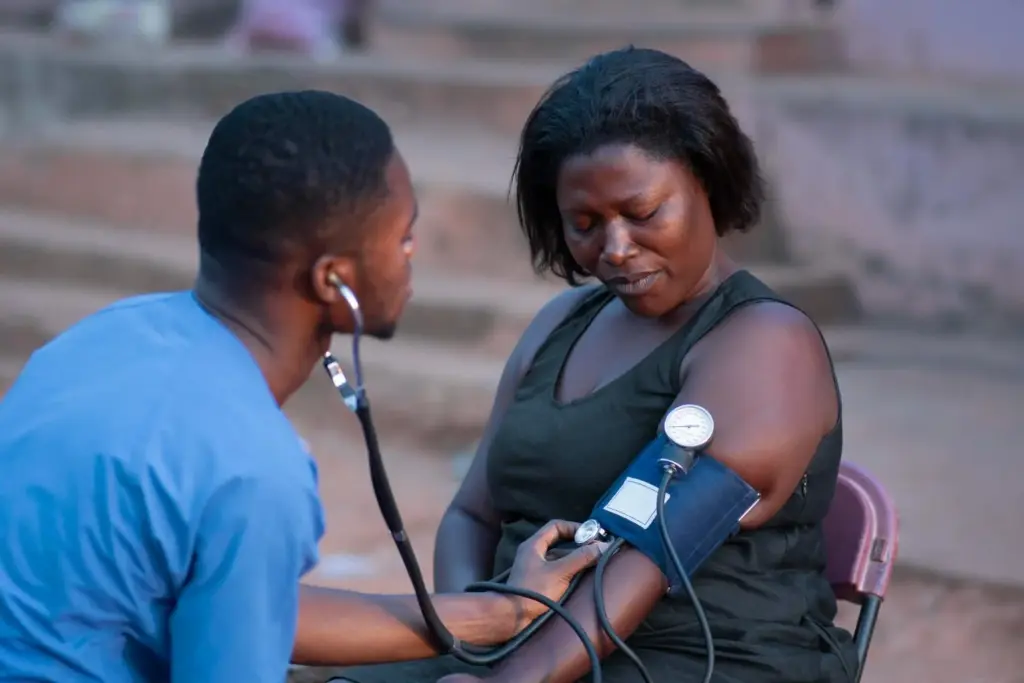
Understanding Von Willebrand Disease symptoms is key. It’s the most common inherited bleeding disorder. Its symptoms can vary a lot among people.
We’ll look at the main signs of Von Willebrand Disease. These include easy bruising, prolonged bleeding, and specific bleeding patterns. Spotting these signs early is vital for proper treatment.
Easy Bruising and Prolonged Bleeding
Easy bruising is a big sign of Von Willebrand Disease. People bruise easily, even from small injuries. This happens because of a lack or problem with von Willebrand factor, a clotting protein.
Prolonged bleeding after injuries or surgeries is also common. This is another sign of the disease.
Key characteristics of bleeding in Von Willebrand Disease include:
- Bleeding that is prolonged or more severe than expected
- Easy bruising without significant trauma
- Bleeding from multiple sites, such as the nose, mouth, or gastrointestinal tract
Mucosal Bleeding Patterns
Mucosal bleeding is a big feature of Von Willebrand Disease. This includes nosebleeds, gum bleeding, and bleeding in the gut. This type of bleeding can happen on its own or after a small injury.
|
Mucosal Bleeding Site |
Common Symptoms |
|---|---|
|
Nose |
Frequent or severe nosebleeds |
|
Gums |
Bleeding gums, specially during brushing or flossing |
|
Gastrointestinal Tract |
Occult or visible bleeding, potentially leading to anemia |
When Symptoms Mimic Other Conditions
Von Willebrand Disease symptoms can look like other bleeding disorders or conditions. For example, heavy menstrual bleeding can be mistaken for other causes.
Healthcare providers need to think of Von Willebrand Disease when they see these symptoms.
Knowing the symptoms of Von Willebrand Disease helps us diagnose and treat it better. This improves care for those affected.
The Diagnostic Journey for Von Willebrand Disease Patients
Diagnosing Von Willebrand disease is a detailed process. It starts with initial screening, then specialized testing, and interpreting the results. We’ll walk you through each step of diagnosing this complex blood disorder.
Initial Screening Approaches
The first step is a detailed medical history and physical exam. We look for signs like easy bruising, nosebleeds, or heavy periods. Initial tests might include:
- Blood tests to check clotting factor levels
- Complete Blood Count (CBC) to rule out other conditions
- Prothrombin Time (PT) and Activated Partial Thromboplastin Time (aPTT) tests to check clotting times
These tests help decide if more detailed tests are needed.
Specialized Laboratory Testing
If initial tests suggest Von Willebrand disease, we do more specific tests. These include:
- Von Willebrand factor antigen (VWF:Ag) test to measure VWF protein levels
- Von Willebrand factor activity (VWF:Act) test, or ristocetin cofactor activity assay, to check VWF function
- Factor VIII activity test, as VWF carries factor VIII
- Platelet function tests to check platelet aggregation
These tests help us understand the disease’s type and severity.
Factors That Complicate Test Interpretation
Interpreting tests for Von Willebrand disease can be tricky. Several factors can make it challenging:
|
Factor |
Description |
Impact on Diagnosis |
|---|---|---|
|
Variable Expression |
VWF levels can change due to stress, hormonal shifts, or certain meds. |
May cause false negatives or misdiagnosis if not considered. |
|
ABO Blood Group |
People with type O blood naturally have lower VWF levels. |
Can lead to overdiagnosis in type O individuals or underdiagnosis in others. |
|
Age and Hormonal Influences |
VWF levels can change with age and hormonal changes. |
Requires careful consideration of these factors during test interpretation. |
Understanding these complexities is key for accurate diagnosis and effective management of Von Willebrand disease.
Gender Disparities: Women and Blood Disorder Diagnosis
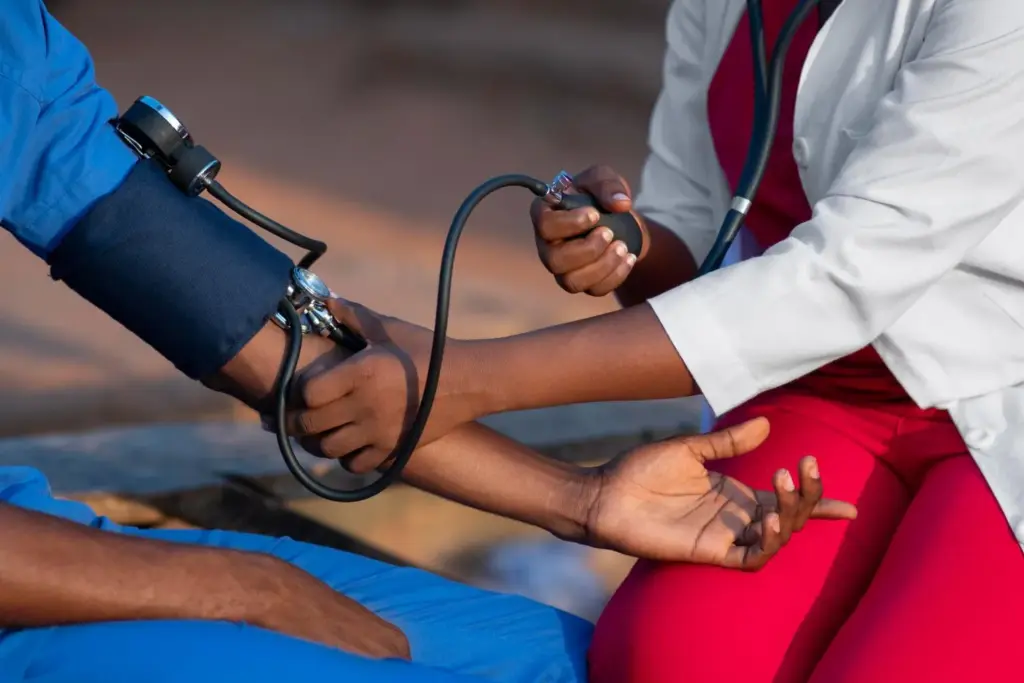
Women with blood disorders often face gender-based disparities in diagnosis. This shows the need for better awareness and understanding. Symptoms of certain blood disorders, like Von Willebrand Disease (VWD), can be more noticeable or different in women. This can lead to delays in getting a diagnosis.
Menorrhagia as an Overlooked Symptom
Menorrhagia, or heavy menstrual bleeding, is a common symptom of bleeding disorders, including VWD. But it’s often seen as normal or ignored, causing delays in diagnosis. It’s important to see menorrhagia as a sign of a possible bleeding disorder for early treatment.
Research shows women with bleeding disorders are more likely to have menorrhagia. It’s key to take this symptom seriously. This way, healthcare providers can spot those at risk and start the right tests.
Childbirth Complications as Diagnostic Opportunities
Complications during childbirth can first show a bleeding disorder. Women who have severe bleeding after giving birth might get diagnosed for the first time. Good postpartum care and follow-up are vital.
Healthcare providers need to watch for signs of bleeding disorders during and after childbirth. Spotting these signs can lead to quick referrals for tests and management.
Breaking the Silence: Improving Diagnosis in Women
To better diagnose blood disorders in women, we need a few steps. We must educate healthcare providers about gender disparities in diagnosis and the importance of symptoms like menorrhagia. Education and awareness campaigns are key to speaking out about these issues.
Also, adding bleeding disorder screenings to routine gynecological care can help find affected women sooner. This way, women can get the care they need to manage their conditions well.
Rare Blood Disorders That Challenge Diagnosticians
Rare blood disorders are hard to diagnose. They need a lot of suspicion and detailed checks. These conditions are not common but greatly affect people’s lives. We will look at some rare blood disorders that are hard to diagnose, like factor deficiencies, platelet disorders, and the difference between inherited and acquired conditions.
Factor Deficiencies Beyond Hemophilia
Factor deficiencies, like in hemophilia A and B, are known for causing bleeding. But, other deficiencies, like in factors XI, VII, and V, are rare and hard to spot. They also cause bleeding but in different ways.
For example, Factor XI deficiency is common in some groups and can cause serious bleeding after injuries or surgery. To find these conditions, special tests are needed to check the clotting factor’s activity.
|
Factor Deficiency |
Bleeding Risk |
Diagnostic Approach |
|---|---|---|
|
Factor XI |
Variable |
Specific assays for Factor XI activity |
|
Factor VII |
High |
Prothrombin time (PT) assay |
|
Factor V |
Moderate to High |
PT and aPTT assays |
Platelet Function Disorders
Platelet function disorders are another rare group of bleeding disorders. They can be inherited or caused by other factors. These disorders affect how platelets stick together and release substances.
To diagnose these disorders, doctors use a mix of clinical checks, bleeding history, and lab tests. Tests like platelet aggregometry and flow cytometry are often used.
Acquired Versus Inherited Conditions
Telling apart acquired and inherited blood disorders is key for the right treatment. Acquired conditions come from diseases, medicines, or other factors. Inherited conditions are passed down through genes.
For example, acquired von Willebrand syndrome can look like the inherited version in people with certain heart or blood cancers. To diagnose it right, doctors need a detailed medical history, lab tests, and sometimes genetic tests.
Knowing about these rare blood disorders and their challenges is vital for good care. By using both medical knowledge and advanced tests, we can better diagnose and treat these complex conditions.
The Role of Primary Care in Blood Disorder Recognition
Frontline healthcare providers play a key role in spotting blood disorders early. This can save lives. Primary care doctors are often the first to see patients with bleeding or clotting issues.
Red Flags for General Practitioners
General practitioners need to watch for certain signs. These signs might mean a blood disorder is present. Look out for:
- Easy bruising or prolonged bleeding after minor injuries
- Frequent nosebleeds or bleeding gums
- Heavy or prolonged menstrual periods
- A family history of bleeding disorders
Spotting these signs early is key. It helps in sending patients to specialists quickly. For example, someone with hemophilia or Von Willebrand disease might bleed a lot.
When to Refer to Hematology
It’s time to see a hematologist if symptoms suggest a complex disorder. This is true when:
- Initial tests show abnormal clotting or bleeding
- There’s a family history of bleeding or clotting disorders, like factor viii deficiency
- Symptoms don’t get better with treatment
Quick referral to a hematologist can greatly help patients. For more on bleeding disorders, check.
Building Awareness in Frontline Healthcare
It’s vital to raise awareness among healthcare providers. This can be done through:
- Medical education programs on blood disorders
- Guideline updates for primary care doctors
- Working together with hematology specialists
By improving awareness, we can catch blood disorders sooner. This leads to better care for patients.
|
Red Flag |
Description |
Potential Disorder |
|---|---|---|
|
Easy Bruising |
Unexplained bruising or petechiae |
Platelet disorders, Von Willebrand disease |
|
Prolonged Bleeding |
Bleeding after minor trauma or surgery |
Hemophilia, clotting factor deficiencies |
|
Heavy Menstrual Periods |
Menorrhagia or prolonged menstrual bleeding |
Von Willebrand disease, bleeding disorders |
Advanced Diagnostic Technologies and Approaches
New technologies are making it easier and faster to diagnose conditions like Von Willebrand Disease. These advancements help patients get better care and make the diagnostic process smoother for doctors.
Genetic Testing Advancements
Genetic testing is key in diagnosing bleeding disorders. New genetic sequencing technologies can spot genetic mutations in Von Willebrand Disease and other disorders more accurately.
Next-generation sequencing (NGS) lets doctors check many genes at once. This cuts down on testing time and cost. It also helps find complex genetic issues, making diagnoses more accurate.
Key Benefits of Genetic Testing Advancements:
- Improved diagnostic accuracy
- Reduced time for diagnosis
- Enhanced patient management through targeted therapies
Point-of-Care Testing Innovations
Point-of-care testing (POCT) has changed how we diagnose and manage bleeding disorders. POCT devices are portable, simple to use, and give quick results. They’re perfect for clinics and emergency rooms.
These innovations are a big help in diagnosing Von Willebrand Disease quickly. POCT devices can check Von Willebrand factor levels and activity. This lets doctors make quick, informed decisions.
|
POCT Device Features |
Benefits |
|---|---|
|
Portability |
Enables use in various clinical settings |
|
Rapid Results |
Facilitates timely diagnosis and treatment |
|
Ease of Use |
Reduces the need for specialized training |
Artificial Intelligence in Blood Disorder Diagnosis
Artificial intelligence (AI) is being used more in diagnosing bleeding disorders. AI algorithms can look at lots of data, including lab results and patient history. They find patterns that humans might miss.
AI in diagnosing Von Willebrand Disease and other disorders could make diagnoses more accurate and faster. It can also tailor treatments to each patient’s needs.
Potential Benefits of AI in Diagnosis:
- Enhanced diagnostic accuracy
- Personalized treatment plans
- Improved patient outcomes through early intervention
Treatment Pathways for Von Willebrand Disease
Understanding how to treat Von Willebrand Disease is key to better patient care. This bleeding disorder needs a custom approach to manage it well.
Desmopressin (DDAVP) Therapy
Desmopressin, or DDAVP, is a hormone used for mild to moderate VWD, mainly Type 1. It boosts Von Willebrand factor levels in the blood, helping to stop bleeding.
It’s given through an IV or a nasal spray. How well it works can vary. It’s good for minor surgeries or light bleeding.
Von Willebrand Factor Replacement Options
For severe VWD or when DDAVP doesn’t work, replacing Von Willebrand factor is key. This involves giving products that have this factor, often with Factor VIII.
This treatment helps prevent or treat bleeding, which is vital for surgeries. The right product and dose depend on the disease’s severity and the patient’s needs.
Adjunctive Treatments and Lifestyle Management
Along with treatments for Von Willebrand factor, other therapies are important. Antifibrinolytic agents, like tranexamic acid, help keep clots stable. They’re used with DDAVP or replacement therapy.
Changing your lifestyle is also vital. Avoiding risky activities and keeping good oral hygiene can help prevent bleeding.
|
Treatment Option |
Indications |
Administration |
|---|---|---|
|
Desmopressin (DDAVP) |
Mild to moderate VWD, Type 1 |
IV or intranasal |
|
Von Willebrand Factor Replacement |
Severe VWD, surgery, significant bleeding |
IV |
|
Antifibrinolytic Agents |
Bleeding management, adjunct to other therapies |
Oral or IV |
Managing Von Willebrand Disease well needs a detailed plan. It should include the latest treatments and lifestyle tips to help patients.
Living with Hard-to-Diagnose Blood Disorders
Getting a diagnosis for rare blood disorders is often hard and frustrating. People start with small symptoms that get worse over time. This leads to many doctor visits and tests.
Patient Experiences Pre and Post-Diagnosis
Before getting a diagnosis, patients feel many emotions. They might feel anxious, scared, frustrated, or even hopeless. Not knowing what’s wrong can really affect their daily life and relationships.
One patient said,
“I felt like I was living in limbo, unsure of what was happening to my body or when I would find out.”
This feeling is common among those on a long journey to find out what’s wrong.
After getting a diagnosis, patients feel a mix of relief and worry. They might be glad to know what’s wrong but also scared about managing it.
Key Challenges Post-Diagnosis:
- Managing treatment plans
- Dealing with the emotional side of the diagnosis
- Figuring out how to get ongoing care
Navigating Healthcare Systems
Dealing with the healthcare system can be tough, even more so for rare conditions. Patients often have to speak up for themselves to get the right care.
|
Healthcare System Challenges |
Patient Strategies |
|---|---|
|
Hard to find specialists |
Ask primary care doctors for referrals |
|
Many treatment choices |
Do research and talk to doctors about options |
|
Insurance problems |
Get help from patient advocacy groups |
Support Resources and Communities
Support groups and communities are key for patients. They offer emotional support, advice, and a feeling of belonging.
For those with Von Willebrand Disease, groups like the Von Willebrand Disease Foundation are very helpful. They provide educational materials, support groups, and help with advocacy.
These resources help patients connect with others and get reliable information. This can greatly improve their life quality.
Improving Diagnosis Rates: Current Initiatives
Improving diagnosis rates for blood disorders is a big challenge. It needs a team effort from healthcare providers, patient groups, and researchers. They are all working together to fill the gaps in diagnosis.
Healthcare Provider Education Programs
Teaching healthcare providers about bleeding disorders like Von Willebrand Disease is key. Programs are being made for both primary care doctors and specialists. They aim to improve their knowledge of symptoms, diagnosis, and treatment.
The American Society of Hematology (ASH) is leading the way in education. They’ve created resources and guidelines for accurate diagnosis and treatment of bleeding disorders. shows the need to restore the CDC’s Division of Blood Disorders for better national efforts.
- Workshops and conferences focused on hematology
- Online courses and webinars for continuing education
- Guidelines and clinical practice recommendations
Patient Advocacy Campaigns
Patient advocacy groups are vital in raising awareness about bleeding disorders. They help reduce stigma and encourage people to seek medical help if they have symptoms.
These campaigns use public events, social media, and partnerships with healthcare providers. They empower patients with knowledge, leading to earlier diagnosis and treatment.
Key aspects of patient advocacy campaigns include:
- Educating the public about the signs and symptoms of bleeding disorders
- Supporting patients in navigating the healthcare system
- Advocating for research funding and policy changes
Research Efforts to Enhance Diagnostic Accuracy
Research is essential for better diagnosis of bleeding disorders. Advances in genetic testing, biomarkers, and diagnostic technologies are helping. This includes understanding Von Willebrand Disease better.
Research is also looking into Von Willebrand factor’s role in blood clotting. It’s important to know how its levels vary in different people. This knowledge helps in creating more accurate diagnostic tools.
Some of the research areas include:
- Genetic testing for inherited bleeding disorders
- Development of new biomarkers for disease diagnosis
- Point-of-care testing for rapid diagnosis
Conclusion: The Path Forward for Diagnosing Challenging Blood Disorders
Diagnosing blood disorders like Von Willebrand disease is a big challenge. We’ve looked into the complex issues of clotting and bleeding disorders. We’ve seen how hard it is to diagnose them and how they affect patients.
To move forward, we need a team effort. We must keep researching the genetic and molecular causes of these disorders. It’s also key to educate doctors on new diagnostic methods and the need to look for rare conditions.
Spreading the word about blood disorder symptoms and effects can help. This can lead to quicker diagnosis and treatment. By joining forces, we can increase diagnosis rates for these tough conditions. This will help improve patient care.
New diagnostic tools, like genetic and point-of-care tests, are promising. As we progress, using these technologies is essential. They can help give accurate and timely diagnoses for those with von willebrand disease and other bleeding disorders.
FAQ
What is Von Willebrand disease?
Von Willebrand disease is a common inherited bleeding disorder. It happens when there’s not enough or working Von Willebrand factor. This protein is key for blood to clot.
How is Von Willebrand disease diagnosed?
Doctors use a few steps to diagnose it. They look at your medical history and do a physical check. They also run tests like Von Willebrand factor antigen and activity assays. Sometimes, genetic testing is needed too.
What are the symptoms of Von Willebrand disease?
Symptoms include easy bruising and bleeding that doesn’t stop. You might also have nosebleeds or heavy periods.
Can Von Willebrand disease be misdiagnosed?
Yes, it can be. Its symptoms vary, and testing is complex. This makes it hard to diagnose correctly.
How is Von Willebrand disease treated?
Treatment includes desmopressin to help release Von Willebrand factor. There are also replacement therapies and other treatments to help with clotting.
What is the difference between Type 1, Type 2, and Type 3 Von Willebrand disease?
Type 1 has a partial deficiency. Type 2 has qualitative defects. Type 3 is the most severe, with almost no Von Willebrand factor.
Are there any gender disparities in diagnosing Von Willebrand disease?
Yes, women are often misdiagnosed. Symptoms like heavy periods are sometimes ignored or blamed on other things.
What role does primary care play in recognizing blood disorders like Von Willebrand disease?
Primary care doctors are key. They spot at-risk patients, notice early signs, and send them to specialists for more help.
How are rare blood disorders diagnosed?
Diagnosing rare disorders needs a mix of clinical checks, special lab tests, and sometimes genetic testing. This helps find specific problems.
What advancements are being made in diagnosing blood disorders?
New tech includes genetic testing, quick lab tests, and AI. These help make diagnoses faster and more accurate.
What support is available for patients living with hard-to-diagnose blood disorders?
Patients can find help through advocacy groups, online forums, and specialized healthcare services. These are designed to meet their specific needs.
How can diagnosis rates for blood disorders be improved?
To improve diagnosis, we need better education for doctors, more patient advocacy, and research into new diagnostic tools and methods.
References
Von Willebrand Disease: The Scary Hidden Sign
https://pubmed.ncbi.nlm.nih.gov/40453391/