
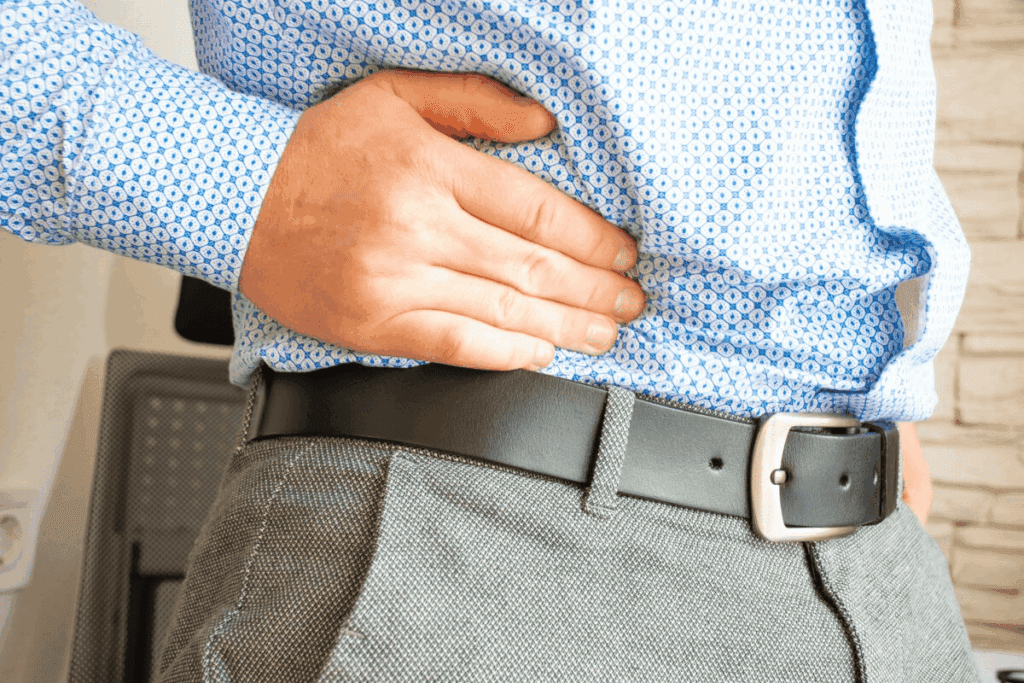
Nearly 1 in 5 patients face complications after abdominal surgery. Studies show early movement can lower this risk.
Starting to walk soon after surgery can prevent blood clots and aid healing. It also shortens hospital stays. But, how soon and how fast you can walk depends on your health.
Typical timeline and importance of walking after abdominal surgery for preventing complications.
Key Takeaways
- Early walking can reduce complications after abdominal surgery.
- Walking promotes healing and reduces hospital stay.
- The timing of walking varies depending on individual factors.
- Patients should follow their doctor’s advice on post-operative walking.
- Gradual mobilization is key to a successful recovery.
Understanding Abdominal Surgery and Recovery
Understanding abdominal surgery and the recovery process is crucial, as it enables patients to take better care of themselves post-operation. Different surgeries need different recovery times.
Types of Abdominal Surgeries
There are many types of abdominal surgeries. Laparoscopic surgeries use small cuts and heal faster. On the other hand, open surgeries need bigger cuts and take longer to recover.
The type of surgery affects how long it takes to get better. For example, fixing a hernia or removing the gallbladder takes less time than a bowel resection.
General Recovery Timeline
The time it takes to recover from abdominal surgery varies. It can be weeks or months. First, patients focus on managing pain and healing from the surgery.
Later, they start moving more, like walking. Knowing the recovery timeline helps patients plan and follow their care instructions.
The Importance of Walking After Abdominal Surgery
Walking after abdominal surgery is good for both body and mind. It helps in recovery, lowers risks, and boosts well-being. It’s a simple yet powerful way to get better.
Physical Benefits
Walking after surgery has many physical pluses. It stops blood clots, boosts blood flow, and speeds up healing. It also cuts down the chance of getting sick with pneumonia or ileus.
| Physical Benefits | Description |
| Prevents Blood Clots | Improves circulation, reducing the risk of deep vein thrombosis |
| Promotes Healing | Enhances blood flow to the surgical site, supporting the healing process |
| Reduces Complications | Lowers the risk of pneumonia, ileus, and other post-operative complications |
Psychological Benefits
Walking after surgery also helps the mind. It cuts down stress, anxiety, and depression by releasing happy hormones. It also makes you feel you’re in charge of your healing.
Regular walking is key to a smooth recovery. It makes patients more active in their healing. This leads to better health and outcomes.
Medical Guidelines for Post-Operative Ambulation
Guidelines based on evidence help patients recover well after surgery. Hospitals and healthcare teams follow these rules. They make sure patients move enough after surgery.
Standard Hospital Protocols
Hospitals start patients moving early to prevent problems like blood clots and pneumonia. Nurses help patients walk soon after surgery. This helps them move better and recover faster.
| Day Post-Surgery | Typical Ambulation Activity | Goal |
| 0-1 | Short walks with assistance | Prevent DVT and pneumonia |
| 1-3 | Increased frequency and duration of walks | Improve circulation and strength |
| 3+ | Independent walking with gradual increase in distance | Enhance recovery and mobility |
Evidence-Based Recommendations
Studies show moving early after surgery is good. It means shorter stays in the hospital, fewer problems, and quicker return to daily life. For example, a study in the Journal of Surgical Research found early walking cuts down on post-surgery belly issues.
Key evidence-based recommendations include:
- Start walking within 24 hours of surgery
- Slowly increase how often and long you walk
- Watch for signs of trouble while walking
By sticking to these guidelines, patients can recover better and avoid complications.
Immediate Post-Op Period: First 24 Hours
The first 24 hours after abdominal surgery are key for healing and getting moving. During this time, doctors watch for any problems and help with the early recovery steps.
Initial Mobility Expectations
In the first 24 hours, moving gently is the main goal. Early mobility helps avoid blood clots and keeps blood flowing. Patients start with simple moves like lifting their legs and slowly sitting up.
A study in a surgical care journal found that
“Early walking after abdominal surgery greatly lowers the risk of deep vein thrombosis and pulmonary embolism.”
This shows how important moving early is.
Nurse-Assisted Walking
Nurse-assisted walking is a big part of early recovery. Nurses help patients walk short distances. This helps build strength and manage pain and discomfort.
| Activity | Expected Outcome | Benefits |
| Leg Lifts | Improved circulation | Reduces risk of blood clots |
| Nurse-Assisted Walking | Increased mobility | Aids in pain management and strength regain |
As patients get better, they take more steps with nurse help. This nurse-assisted walking is adjusted to fit each person’s needs and comfort. It helps them move on to walking by themselves safely and effectively.
Days 1-3: Early Walking After Abdominal Surgery
Walking early after abdominal surgery is key to recovery. It helps prevent problems and builds strength. It also shortens your hospital stay. Knowing how to walk early can make your recovery better.
Realistic Goals for Early Ambulation
Setting goals is important in the early recovery days. First, you might just stand by your bed or take a few steps with help. As you get better, you can walk more and more often. Always talk to your healthcare team about your goals.
Managing Pain During Initial Walking
It’s important to manage pain when you start walking again. Your doctor will give you a pain plan. Stick to it and tell your doctor if your pain changes. Deep breathing and using support can also help with pain.
Typical Distance and Duration
The first few days, how far and how often you walk depends on your health and surgery. Most start with short walks and get longer as they heal.
| Day | Typical Walking Distance | Walking Frequency |
| 1 | A few feet | 2-3 times |
| 2 | 10-20 feet | 3-4 times |
| 3 | 50-100 feet | 4-5 times |
By following these guidelines and working with your healthcare team, you can improve your recovery. This sets a good path for your healing.
Days 4-7: Progressing Your Mobility
Days 4-7 after abdominal surgery are key for getting better. Patients start to move more and feel better. This is a big step in their healing.
Increasing Walking Distance
It’s important to slowly increase walking distance during this time. This helps the body heal and strengthens the muscles. Walking a bit more each day is good, but don’t push too hard.
Try to walk 10% to 20% more each day if you can. This slow increase helps avoid problems and aids in recovery.
Signs of Appropriate Progress
Good signs of getting better include less pain, better energy, and doing daily tasks easier. Watching for these signs helps patients see how they’re doing.
“The key to a successful recovery is gradual progression. Patients should be encouraged to move at their own pace, celebrating small victories along the way.”
Common Challenges in the First Week
Even with progress, some issues might pop up. These can be pain, tiredness, or worries about the incision. It’s important to deal with these quickly to avoid going backward.
| Challenge | Management Strategy |
| Pain Management | Follow the pain management plan provided by your healthcare provider, and adjust as necessary. |
| Fatigue | Balance activity with rest, ensuring adequate sleep and nutrition. |
| Incision Site Concerns | Monitor the incision site for signs of infection, and contact your healthcare provider if you have any concerns. |
Knowing how to move forward and facing challenges helps patients get through the recovery better.
Week 2: Building Stamina Post-Surgery
The second week of recovery is key for getting stronger and more energetic. Walking plays a big role in this. As you heal, you can slowly do more physical activities to help your recovery.
Recommended Walking Duration
By the second week, you can try walking for longer. Aim for about 10 to 15 minutes, twice a day. Adjust this based on how you feel and how you’re getting better.
Remember to listen to your body and don’t push too hard. If you feel pain or discomfort, stop and rest. The goal is to get better slowly without any setbacks.
Balancing Activity with Rest
It’s important to balance doing things with resting during the second week. Walking is good, but so is giving your body time to rest and heal.
| Activity | Recommended Duration | Rest Period |
| Walking | 10-15 minutes | Until fully recovered from the activity |
| Light Stretching | 5-10 minutes | As needed |
By the end of the second week, many people start to feel much better. They notice big improvements in their energy and overall health. Keep finding the right balance between activity and rest for a smoother recovery.
Weeks 3-4: Expanding Your Walking Routine
Expanding your walking routine in weeks 3 and 4 after surgery can greatly help your recovery. Your body is healing, and finding the right balance between rest and activity is key.
Gradually Increasing Intensity
It’s important to gradually increase the intensity of your walks. Here’s how:
- Start by adding 5-10 minutes to your walks every few days.
- Try walking on gentle inclines or stairs if you can.
- Keep a brisk pace but don’t push too hard.
Incorporating Daily Activities
Adding daily activities to your routine can also boost your recovery. Here are some ideas:
| Activity | Benefits | Tips |
| Household chores | Improves mobility and strength | Start with light tasks like dusting or folding laundry |
| Gardening | Enhances flexibility and provides fresh air | Begin with simple tasks like watering plants |
| Light stretching | Improves flexibility and reduces stiffness | Consult with a healthcare provider for appropriate stretches |
By adding these activities to your daily routine, you support your body’s healing. This can also improve your overall well-being.
Walking Timeline After Different Abdominal Procedures
Recovering from abdominal surgery is unique for everyone. The time it takes to start walking again depends on the surgery type. Each surgery has its own recovery pace, affecting when and how you can walk.
Laparoscopic vs. Open Surgery
Laparoscopic surgery is less invasive, leading to faster recovery. Patients can start walking within 24 to 48 hours after surgery. On the other hand, open surgery recovery takes longer, with walking advised after 48 to 72 hours.
“Early mobilization is key to preventing complications and promoting healing, regardless of the surgical method.”
Hernia Repair Recovery
Hernia repair surgery recovery times vary. It depends on the hernia size and surgery method. Patients usually start walking a few days after surgery. But, they should avoid heavy lifting and strenuous activities for weeks.
C-Section Recovery Walking
C-section recovery balances rest and gentle movement. Walking is encouraged within the first week, starting with short distances. It’s important to avoid heavy lifting and bending to prevent complications.
“Gentle walking is an essential part of the recovery process after a C-section, helping to prevent blood clots and promote healing.”
Bowel Surgery Considerations
Bowel surgery recovery starts with rest, then gradual movement. Patients can start walking as soon as they can, often within 24 to 48 hours. This helps prevent complications and aids in bowel function return.
Knowing the walking timeline for each abdominal surgery helps set realistic recovery goals. It makes the healing process smoother and more effective.
Safety Precautions When Walking After Abdominal Surgery
When you start walking after abdominal surgery, safety is key. Walking helps with circulation, strength, and recovery. But, you must take steps to protect your body, mainly the surgical site.
Protecting Your Incision
Keeping your incision safe is a big concern after surgery. Here’s how to do it:
- Keep the incision clean and dry as your doctor says.
- Avoid tight clothes that might rub the incision.
- Move gently to avoid straining your abdominal area.
When to Stop Walking
Knowing when to stop walking is important to avoid too much strain. Stop right away if you feel:
- More pain or discomfort.
- Dizzy or lightheaded.
- Having trouble breathing.
- Bleeding or discharge from the incision.
| Signs to Stop Walking | Action to Take |
| Increased pain or discomfort | Rest and talk to your doctor if the pain doesn’t go away. |
| Dizziness or lightheadedness | Sit or lie down and rest. |
| Shortness of breath | Rest and think about calling your healthcare provider. |
Using Walking Aids
Walking aids can offer extra support and stability, which is helpful early on. You might use:
- Walkers.
- Canes.
- Crutches.
These aids can help prevent falls and ease the strain on your abdominal muscles.
By following these safety tips, you can reduce risks and make your recovery smoother. Always get advice from your healthcare provider on walking after abdominal surgery.
Common Challenges and How to Overcome Them
The path to full recovery after abdominal surgery is filled with physical and emotional hurdles. Patients often face challenges that slow their progress. But, knowing these obstacles and how to beat them can greatly improve the recovery experience.
Managing Post-Surgical Pain
Managing post-op pain is a big concern after surgery. It’s key to follow your doctor’s advice on pain meds. Also, tell your doctor if the pain is severe or lasts too long.
Dealing with Fatigue
Dealing with fatigue is a big challenge during recovery. It’s important to find a balance between rest and activity. This lets your body heal. Start with gentle exercises and walking, as your doctor suggests, to fight fatigue.
Addressing Fear of Movement
Addressing fear of movement is essential for getting stronger and moving better. Start with gentle exercises and walking. These steps help you gradually get over your fear and improve your recovery.
By tackling these common challenges, patients can better manage their recovery. This leads to a more successful outcome.
Signs Your Walking Progress Is on Track
It’s key to notice both physical and emotional signs as you walk after surgery. These signs help you see how well you’re doing. You’ll start to see clear signs that your walking is improving.
Physical Milestones
Physical signs include walking further and longer without pain. You might also find you can walk faster or feel more confident. These are all good signs.
| Milestone | Description | Timeline |
| Increased Distance | Ability to walk longer distances without rest | Days 4-7 |
| Reduced Pain | Less discomfort while walking | Days 1-3 |
| Improved Stamina | Better overall endurance during walks | Week 2 |
Emotional Indicators
Feeling more positive and motivated is a big sign. So is feeling less anxious about getting better. Feeling accomplished after each walk is also important.
By watching for these signs, you can tell if you’re walking well. This helps you recover faster and more successfully.
Warning Signs to Watch For
Knowing the warning signs after abdominal surgery is key for a smooth recovery. Every person heals differently. But, being aware of possible issues can help you act fast if needed.
When to Contact Your Doctor
If you notice any of these symptoms, call your doctor right away:
- Severe pain that doesn’t go away with medicine
- Fever over 101.5°F (38.6°C)
- Redness, swelling, or discharge from the incision site
- Difficulty urinating or severe constipation
Recognizing Complications
Complications like infection, blood clots, or bad reactions to anesthesia can happen. Look out for these signs:
- Persistent nausea or vomiting
- Shortness of breath or chest pain
- Increasing abdominal pain or swelling
Supporting Your Recovery Through Proper Walking Technique
Proper walking technique is key to recovering well after abdominal surgery. It helps avoid complications, reduces pain, and aids in healing.
Posture and Body Mechanics
Good posture and body mechanics are vital when walking after surgery. Keep your head up, shoulders relaxed, and spine straight. Avoid slouching or leaning forward to prevent strain on your muscles and incision site.
Breathing Techniques
Effective breathing can help manage pain while walking. Practice deep, rhythmic breathing to relax your muscles and reduce stress. Inhale for three counts, hold for a second, and exhale for three counts. This can help distract you from discomfort and promote calm.
Appropriate Footwear
Wearing comfortable, supportive shoes is essential for safe walking after surgery. Choose shoes with good arch support, cushioning, and a non-slip sole. Avoid high heels, sandals, or shoes that can cause blisters or discomfort.
By focusing on proper walking technique, including posture, breathing, and footwear, you can optimize your recovery. This helps you return to normal activities more quickly.
Complementary Activities to Walking
Several complementary activities can help you recover after abdominal surgery. These activities can make your healing faster, improve your flexibility, and strengthen your core muscles.
Gentle Stretching Exercises
Gentle stretching can make you more flexible and reduce stiffness after surgery. Start with gentle stretching exercises that don’t strain your abdominal muscles too much. Simple stretches like shoulder rolls, chest opens, and hip flexor stretches are good.
Abdominal Strengthening (When Appropriate)
Abdominal strengthening exercises are key to getting your core strong again. But, start them only when your doctor or physical therapist says it’s okay. Begin with gentle exercises like deep breathing and pelvic tilts.
Alternative Mobility Options
If walking is hard or you want to mix things up, try alternative mobility options like swimming or using a stationary bike. These low-impact activities keep your heart rate up without straining your abdominal muscles too much.
Adding these complementary activities to your recovery plan can boost your healing. It also improves your physical and mental health.
Conclusion
Walking after abdominal surgery is key to getting better. Early walking can greatly improve your surgery’s success. It affects both your body and mind.
It’s important to listen to your doctor’s advice. Know the signs of getting better and watch out for problems. By walking and following a recovery plan, you can get back to normal faster and safer.
A good recovery needs the right walking, gentle stretching, and more movement. Adding these steps to your day can help you get back to normal easier.
Stay true to your recovery plan. Ask for help when you need it and pay attention to how your body feels. With the right steps, you can overcome post-surgery challenges and recover fully.
FAQ
How soon can I start walking after abdominal surgery?
You should start walking within 24 hours after surgery. It helps with recovery and lowers the risk of problems.
What are the benefits of walking after abdominal surgery?
Walking improves blood flow and lowers the chance of blood clots. It also boosts lung function and aids in recovery. It helps manage pain and reduces the risk of complications.
How should I manage pain while walking after surgery?
Take pain medicine as your doctor advises before walking. Start with short walks and increase as you can. If pain is too much, stop and rest.
Can I walk after laparoscopic surgery?
Yes, walking is good after laparoscopic surgery. Recovery is quicker than open surgery. Walking helps regain strength and mobility.
What precautions should I take while walking after abdominal surgery?
Avoid heavy lifting and bending to protect your incision. Wear loose clothes and comfy shoes. Stop walking if you feel severe pain, dizziness, or trouble breathing, and seek help.
How long does it take to resume normal walking after abdominal surgery?
It varies based on surgery type and recovery. It can take weeks to months to get back to normal.
Are there any specific walking guidelines for C-section recovery?
Start with short walks after a C-section and gradually increase distance. Avoid heavy lifting and rest to heal.
Can walking help reduce the risk of complications after abdominal surgery?
Yes, walking is key in post-op care. It lowers risks of deep vein thrombosis, pneumonia, and adhesions.
What are the signs that my walking progress is on track?
Signs include walking further without pain, managing pain well, and feeling better overall.
When should I contact my doctor regarding my walking progress after surgery?
Call your doctor for severe pain, breathing trouble, fever, or signs of infection. Also, if you’re worried about your recovery or walking, talk to your doctor.
References
National Center for Biotechnology Information. Evidence-Based Medical Insight. Retrieved from https://pmc.ncbi.nlm.nih.gov/articles/PMC11743712/