
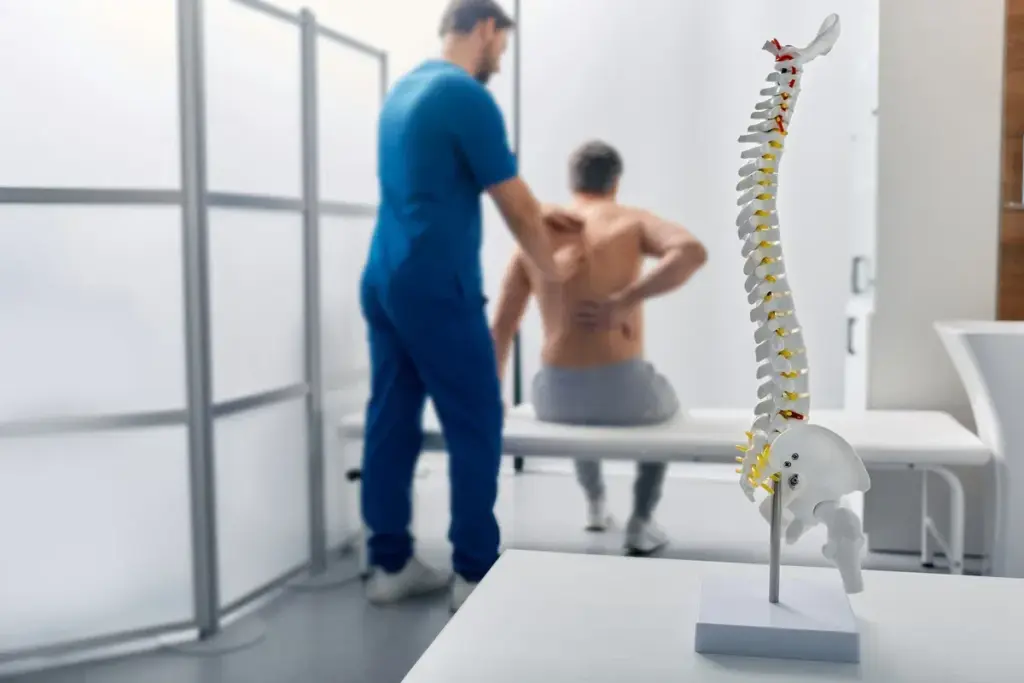
Spinal cord injuries can greatly change a person’s life. They can make it hard to move and do everyday things. Many wonder: what are the chances of walking again after such an injury?
Studies on spinal cord injury recovery statistics offer important insights. They show how people might regain their mobility. The corticospinal pathway is key in controlling movement and helping in recovery.
It’s important to know what affects recovery. This knowledge helps both patients and doctors. By looking at the latest research and stats on spinal cord injuries, we can understand the journey to walk again better.
Becoming a walking quadriplegic is possible with the right treatment. Learn about the success rates and the hard work behind spinal recovery.
Key Takeaways
- Spinal cord injuries significantly impact mobility and quality of life.
- Recovery statistics vary based on the severity and location of the injury.
- The corticospinal pathway is critical for motor control and rehabilitation.
- Understanding recovery factors is key for patients and healthcare providers.
- Regaining the ability to walk is influenced by multiple factors.
Understanding Spinal Cord Injuries

It’s important for everyone to know about spinal cord injuries. These injuries can happen from accidents, falls, or sports. They bring physical and emotional challenges.
Types of Spinal Cord Injuries
Spinal cord injuries are divided by cause and severity. The main types are:
- Traumatic injuries, often from accidents or violence
- Non-traumatic injuries, caused by diseases or conditions like tumors or infections
Complete vs. Incomplete Injuries
There’s a big difference between complete and incomplete spinal cord injuries. Complete injuries mean no function below the injury. Incomplete injuries mean some function is left. The injury’s extent affects recovery chances.
Levels of Injury and Their Impact
The injury’s level on the spinal cord matters a lot. Injuries higher up, like in the neck, can cause more widespread effects. This can include quadriplegia.
Some people with quadriplegia can walk, known as “walking quadriplegic.” But this is rare and depends on the injury’s specifics.
Spinal cord injuries are complex. They need personalized medical care and rehab plans. Knowing about these injuries helps improve outcomes for those affected.
Recovery Statistics After Spinal Cord Injury
Recovery stats after spinal cord injuries give us insights into regaining mobility. These numbers are key to knowing the chances of recovery and what affects it.
Overall Recovery Rates by Injury Type
The type of spinal cord injury greatly impacts recovery rates. Complete injuries have worse outcomes than incomplete injuries, where some function remains.
People with incomplete injuries often regain mobility. For example, those with incomplete tetraplegia might learn to walk, needing some help.
Walking Recovery Percentages
How much walking someone can do after a spinal cord injury varies. Many can walk again, but how much depends on the injury’s severity and level.
|
Injury Type |
Walking Recovery Percentage |
|---|---|
|
Incomplete Tetraplegia |
50-70% |
|
Complete Tetraplegia |
10-30% |
|
Incomplete Paraplegia |
70-90% |
Timeline for Recovery Milestones
The time it takes to reach recovery milestones varies. Most progress happens in the first six to twelve months after the injury.
Starting early and intense rehabilitation is key. Knowing these stats helps set realistic goals and design better rehab plans.
What Is a Walking Quadriplegic?

To understand what a “walking quadriplegic” is, we need to look at spinal cord injuries. This term is for people who can walk, even though they have quadriplegia.
Definition and Medical Explanation
A walking quadriplegic has a spinal cord injury that causes quadriplegia. Yet, they can walk because they have some motor functions left. Quadriplegia means all four limbs are partially or fully paralyzed. This happens when the spinal cord is damaged.
How Walking Is Possible Despite Quadriplegia
Walking with quadriplegia is possible due to the type of spinal cord injury. Sometimes, the injury is not complete. This means some motor functions are left below the injury.
Incomplete injuries can lead to some movement and feeling below the injury. This can help people walk, even with help or on their own.
Differences from Traditional Quadriplegia
The main difference between a walking quadriplegic and someone with traditional quadriplegia is the damage level. Traditional quadriplegia means more severe paralysis. But, a walking quadriplegic has enough function to walk.
This shows how complex and varied spinal cord injuries can be. It also shows how different outcomes can happen.
Factors That Determine Walking Recovery
Many factors affect how well someone can walk again after a spinal cord injury. It’s important for patients, caregivers, and doctors to know these to set realistic goals and create the right rehab plans.
Injury Severity and Location
The severity and location of the spinal cord injury greatly influence walking recovery. Injuries higher up or more severe can lead to more loss of function. For example, cervical spine injuries can cause quadriplegia, making walking very hard.
Age and Overall Health
Age and overall health are key too. Young people usually recover better because they are healthier and more resilient. If someone has health issues before the injury, it can make recovery harder. So, it’s important to look at the patient’s health when thinking about walking recovery.
Timing of Medical Intervention
The timing of medical intervention is also very important. Getting medical help early, like surgery and rehab, can greatly improve recovery chances. Quick medical care can reduce further damage and help the body heal better.
Knowing these factors helps doctors create better treatment plans. This can improve the chances of walking again for each person.
Medical Treatments Enhancing Walking Recovery
Recent breakthroughs in medical treatments have shown promising results. They help individuals regain walking ability after a spinal cord injury. These advancements are key to improving the quality of life for those affected.
Surgical Interventions
Surgical interventions are important for walking recovery. Procedures like spinal decompression and stabilizing the spine can greatly help. Spinal decompression surgery aims to relieve pressure on the spinal cord, potentially restoring function.
Medication Approaches
Medication approaches are also vital in treatment. Certain drugs can manage symptoms and aid in recovery. For example, drugs that reduce inflammation or promote nerve regeneration are being explored.
Emerging Treatments
Emerging treatments, like stem cell therapy and electrical stimulation, show promise. Stem cell therapy is getting attention for its ability to repair damaged spinal cord tissue. This could improve walking ability.
In conclusion, combining surgical interventions, medication, and emerging treatments offers a strong strategy for walking recovery. As medical science advances, recovery prospects are looking more hopeful.
Rehabilitation Techniques for Regaining Mobility
Rehabilitation is key for people with spinal cord injuries to get their mobility back. It helps them become independent again. Many techniques are used to improve their abilities.
Physical Therapy Approaches
Physical therapy is vital in rehab. It aims to boost muscle strength, improve flexibility, and enhance motor skills. Therapists create custom exercise plans for each patient.
These plans might include range-of-motion exercises, muscle strengthening, and mobility training. Advanced tools like electrical stimulation devices and robotic-assisted therapy are also used.
Occupational Therapy
Occupational therapy helps people do daily tasks and live on their own. Therapists figure out what each patient needs. Then, they find ways to make their environment and tasks easier.
This might mean teaching new ways to do things, using special tools, or changing their living space. It’s all about making life easier and more accessible.
Activity-Based Therapy
Activity-based therapy focuses on doing the same movements and activities over and over. This helps the nervous system recover. It’s based on the idea that the nervous system can change after an injury.
By practicing specific tasks, people can regain lost abilities. This approach helps improve their mobility.
Technological Advancements Aiding Walking Quadriplegic Patients
New technologies are changing how we help quadriplegic patients walk again. These tools not only make life better but also help people move and be independent.
Exoskeletons and Robotic Assistance
Exoskeletons and robots are big steps forward in helping quadriplegic patients walk. They give the support and balance needed for standing and walking. Companies like ReWalk and Ekso Bionics lead the way with their advanced systems.
Functional Electrical Stimulation
Functional Electrical Stimulation (FES) is a key technology. It uses electrical currents to make muscles work. FES helps people with spinal cord injuries stand and even walk again.
Virtual Reality in Rehabilitation
Virtual Reality (VR) is becoming a big part of rehab. It creates a real-like setting for practicing walking and other skills. VR not only helps with physical recovery but also keeps patients motivated and engaged.
|
Technology |
Description |
Benefits |
|---|---|---|
|
Exoskeletons |
Wearable devices that provide support and stability |
Enable walking, improve mobility |
|
FES |
Electrical stimulation to activate muscles |
Restore muscle function, aid in standing and walking |
|
Virtual Reality |
Immersive environment for rehabilitation |
Simulate real-world scenarios, boost motivation |
As technology keeps getting better, the future looks bright for quadriplegic patients. These new tools are not just helping them walk again. They’re also making life better for those with spinal cord injuries.
Notable Case Studies of Recovery
Many case studies show how people can recover and walk again after a spinal cord injury. These stories are inspiring and offer insights into the recovery journey.
Vera Goulet’s Journey: How Old Is Vera Goulet and Her Recovery
Vera Goulet’s story shows the power of the human spirit. At 62, she had a big spinal cord injury. She worked hard with intensive physical therapy and never gave up.
Vera’s story proves that age doesn’t stop recovery. Her progress has inspired many people.
Athletes Who Regained Walking Ability
Many athletes have walked again after spinal cord injuries. For example, Kevin McGuire, a former NFL player, walked again after a serious injury. Their stories show how rehabilitation techniques and medical advancements help in recovery.
Everyday Success Stories
There are also many everyday people who have regained their mobility. They used physical therapy, occupational therapy, and assistive technologies. Their stories show the power of a good rehabilitation plan.
Stories like Vera Goulet’s show the complex and hopeful side of recovery after a spinal cord injury. They remind us that every recovery is unique and influenced by many factors.
Psychological Aspects of Recovery
Recovering from a spinal cord injury is more than just getting back on your feet. It’s also about adjusting mentally. The path to getting mobile and independent comes with its own set of mental hurdles.
Mental Health Challenges
People with spinal cord injuries often face depression, anxiety, and stress. These mental health issues can really slow down their recovery and affect their happiness.
Motivation and Determination
Motivation is key in the recovery journey. Those who stay determined and motivated usually do better. Positive thinking and setting realistic goals can boost motivation.
Support Systems and Their Impact
A strong support network, including family, friends, and healthcare professionals, is vital. Support groups offer a sense of belonging and understanding. They help people deal with their situation.
|
Support System |
Impact on Recovery |
|---|---|
|
Family and Friends |
Emotional Support, Practical Assistance |
|
Healthcare Professionals |
Medical Guidance, Rehabilitation Support |
|
Support Groups |
Community, Shared Experiences |
The mental side of recovering from a spinal cord injury is just as important as the physical. It’s essential to tackle mental health issues, stay motivated, and build a strong support network for a successful recovery.
Broken Limbs Recordings and Other Recovery Resources
Patients recovering from spinal cord injuries often need extra help. This includes innovative tools like broken limbs recordings. These tools are key in the healing process.
What Are Broken Limbs Recordings
Broken limbs recordings are special tools for recovery. They include guided exercises and meditative content. These help patients in their physical rehabilitation.
How These Resources Help Patients
Broken limbs recordings and other recovery resources greatly improve recovery. They offer auditory cues and guidance. This helps patients stay motivated and focused on their goals.
They are also great for managing pain and stress from spinal cord injuries.
Accessing Support Materials
Getting to these recovery resources and support materials is easy now. Many healthcare providers offer digital platforms. Here, patients can find and use broken limbs recordings and other support.
Some organizations specialize in creating and sharing these resources. This makes it simpler for patients to find the help they need.
By using these resources, patients can be more involved in their recovery. This can lead to better outcomes and a better quality of life.
Future Directions in Spinal Cord Injury Treatment
The field of spinal cord injury treatment is growing fast. Medical research is leading the way with new discoveries. Several promising areas of research are now being explored.
Stem Cell Research
Stem cell research is showing great promise. Scientists believe stem cells can fix damaged spinal cords. Early studies suggest they can help animals regain function.
Gene Therapy Approaches
Gene therapy is another hopeful area. It involves adding genes to cells to help them heal. This method could make current treatments more effective.
Bioengineering Solutions
Bioengineering is also making strides. It includes creating biomaterials and exoskeletons
These new approaches bring hope for better lives for those with spinal cord injuries.
Conclusion
Understanding spinal cord injury and recovery is key for everyone involved. The chances of walking again depend on many things. These include how bad the injury is, where it is, the person’s age, and their overall health.
New medical treatments and ways to help people move again have made a big difference. Things like physical therapy, occupational therapy, and new technologies like exoskeletons are very important. They help people with spinal cord injuries to move more easily.
Research into new treatments like stem cell therapy and gene therapy is ongoing. This research offers hope for even better ways to help people recover. By keeping up with the latest news, those affected by spinal cord injury can find their way to recovery.
FAQ
What is a walking quadriplegic?
A walking quadriplegic is someone with quadriplegia. This is a condition from a spinal cord injury. It affects all four limbs but they can walk because of the injury’s nature.
What percentage of people walk again after a spinal cord injury?
The chance of walking again after a spinal cord injury varies. It depends on the injury’s severity and completeness. Those with incomplete injuries have a better chance than those with complete ones.
How old is Vera Goulet?
Vera Goulet’s exact age is not known. But she is famous for her recovery from a spinal cord injury.
What are broken limbs recordings?
Broken limbs recordings are resources for recovery. They help those dealing with injuries, like spinal cord injuries.
What factors determine walking recovery after a spinal cord injury?
Several factors affect walking recovery after a spinal cord injury. These include the injury’s severity and location, the patient’s age and health, and when medical help is received.
What medical treatments can enhance walking recovery?
Many medical treatments can help with walking recovery. These include surgery, medication, and new treatments like stem cell research and gene therapy.
How do rehabilitation techniques help in regaining mobility?
Rehabilitation techniques are key for regaining mobility. They include physical, occupational, and activity-based therapy. These improve muscle strength, coordination, and physical function.
What technological advancements are aiding walking quadriplegic patients?
New technologies like exoskeletons, robotic assistance, and virtual reality help walking quadriplegics. They improve mobility and independence.
What are the psychological aspects of recovery after a spinal cord injury?
Recovery from a spinal cord injury has big psychological parts. It includes mental health challenges, motivation, and the role of support systems. These factors greatly affect well-being and recovery progress.
Reference
National Center for Biotechnology Information. Evidence-Based Medical Insight. Retrieved from https://pubmed.ncbi.nlm.nih.gov/9142753/