

Losing weight through gastric sleeve surgery is a big win. But, many patients face a new challenge: gaining weight back months or years later. Studies show up to 50% of patients deal with this, with weight regain often starting a year after surgery weight gain after sleeve gastrectomy.
It’s important to know why weight regain happens and how to stop it. We’ll look at expert advice and simple tips to keep weight off.
Key Takeaways
- Weight regain is a common challenge after gastric sleeve surgery.
- Understanding the causes is key to preventing weight regain.
- Strategies and expert advice can help maintain weight loss.
- Long-term success requires adopting healthy lifestyle changes.
- Support and guidance are key for patients after surgery.
Understanding Weight Gain After Gastric Sleeve Surgery

Understanding weight gain after gastric sleeve surgery is key to success. Gastric sleeve surgery helps with weight loss, but some may gain weight back. We’ll look at why this happens, the numbers, and what milestones are important.
Normal vs. Problematic Weight Regain Patterns
Weight gain after gastric sleeve surgery can vary. Normal weight regain is a small increase as the body adjusts to new habits. Problematic weight regain is a bigger increase that can undo the surgery’s benefits.
Causes of problematic weight regain include:
- Going back to old eating habits
- Not eating a balanced diet
- Not exercising enough
- Hormonal changes
Statistics on Post-Surgical Weight Regain
Up to 50% of patients may gain weight after the initial weight loss. This shows the need for long-term lifestyle changes to keep weight off. Those who stick to diets and exercise tend to keep their weight off.
The Critical Second Year Milestone
Patients who keep losing weight or stay the same in the second year do better long-term. The second year is a key time for keeping healthy habits. This means eating protein, exercising, and seeing doctors regularly.
“The key to long-term success after gastric sleeve surgery lies in the patient’s ability to adapt and maintain healthy lifestyle choices.”Expert Opinion
Recognizing the Warning Signs of Post-Gastric Sleeve Weight Gain
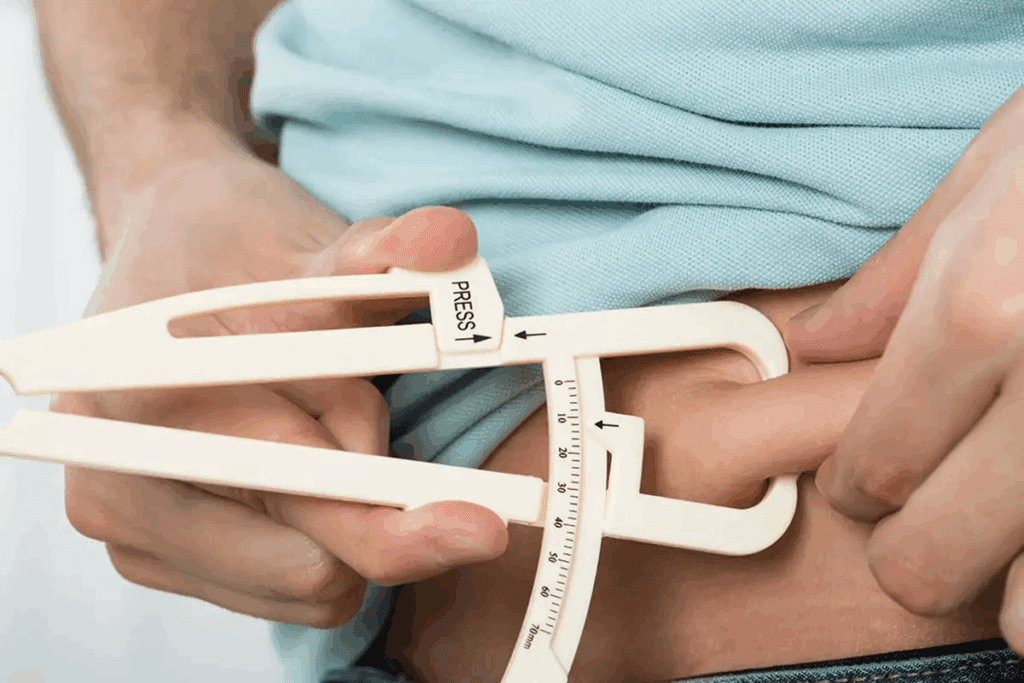
It’s important to know the signs of weight gain after gastric sleeve surgery. Look out for physical, emotional, and behavioral changes. These can signal that you’re gaining weight again.
Physical Indicators of Weight Regain
Weight gain is a key warning sign. You might also notice changes in body composition and body fat percentage. These changes can be spotted by regularly checking your weight and body fat.
| Physical Indicator | Description |
|---|---|
| Weight Increase | Noticing an increase in weight over time |
| Changes in Body Composition | Increased body fat percentage and reduced muscle mass |
| Reduced Energy Levels | Feeling tired or lacking the energy to perform daily activities |
Changes in Hunger and Satiety Levels
Changes in hunger and fullness can also be warning signs. You might feel hungrier or less full, making it hard to follow your diet. Hormonal changes or a stretched stomach pouch could be reasons.
To manage these, try eating more often, choose protein-rich foods, and avoid high-calorie snacks.
Emotional and Behavioral Red Flags
Emotional and behavioral changes can also signal weight regain. This includes stress eating, emotional eating, or going back to old eating habits. You might feel frustrated or disappointed about gaining weight.
To tackle these, get support from healthcare professionals, join support groups, or practice mindfulness to handle stress and emotional eating.
Weight Gain After Gastric Sleeve: What To Do First
Seeing weight gain after gastric sleeve surgery can worry you. But, there are quick steps to handle it. Weight regain doesn’t mean you’ve failed. It’s a chance to check and change your weight loss plan.
Immediate Action Steps
First, check your eating habits. Keep track of what you eat to spot patterns that might lead to weight gain. Drinking enough water is also key. Sometimes, thirst feels like hunger.
Next, look at your exercise routine. Exercise burns calories and keeps muscle mass, which is good for your metabolism. A mix of cardio and strength training works well.
When to Contact Your Bariatric Team
If you see a lot of weight gain or can’t control it with diet and exercise, talk to your bariatric team. They can tailor advice for you. This might mean changing your diet or looking into surgery or medicine.
| Signs to Seek Professional Help | Actions to Take |
|---|---|
| Significant weight gain | Consult your bariatric team |
| Difficulty managing hunger | Review and adjust your dietary plan |
| Struggling with emotional eating | Seek support from a mental health professional |
Self-Assessment Tools
Using self-assessment tools can help you manage your weight. A food diary can show eating patterns and triggers. Also, regularly tracking your weight and body measurements can warn you of weight gain.
With these steps and your healthcare team’s help, you can tackle weight gain after gastric sleeve surgery. This way, you can aim for a healthier, lasting weight loss.
Common Causes of Post-Surgical Weight Regain
Understanding why weight gain after gastric sleeve surgery happens is key to success. Gastric sleeve surgery helps with weight loss, but several factors can lead to weight gain if not managed well.
Stomach Pouch Stretching
Stomach pouch stretching is a main reason for weight regain. Over time, the pouch can stretch, letting in more food. This can lead to gaining weight after gastric sleeve. Stretching happens when eating too much or eating foods high in calories.
To avoid this, sticking to a strict diet is important. Focus on foods rich in nutrients and eat small portions. Mindful eating practices help you know when you’re full, preventing overeating.
Return to Pre-Surgery Eating Habits
Going back to old eating ways is another big factor in putting on weight after gastric sleeve. Eating high-calorie snacks or not eating well-balanced meals can lead to weight gain.
- Maintaining a food diary to track eating habits
- Avoiding high-calorie, high-fat foods
- Engaging in regular physical activity
Staying with healthy eating habits can greatly lower the chance of weight gain.
Hormonal and Metabolic Adaptations
Hormonal and metabolic changes after surgery also affect weight gain after gastric sleeve surgery. Changes in hunger hormones and a slower metabolism can make it harder to stay at a healthy weight.
“Metabolic adaptation is a natural response to significant weight loss, and it can impact weight maintenance.”
Regular exercise can help fight these changes. It boosts metabolism and aids in keeping weight off.
Dietary Strategies to Prevent and Reverse Weight Regain
Effective dietary strategies are key to maintaining weight loss and overall health after gastric sleeve surgery. By adopting a complete nutrition approach, patients can greatly reduce the risk of weight regain. This ensures long-term success.
Protein-First Approach
Adopting a protein-first approach is vital in the post-gastric sleeve diet. Protein-rich foods help keep muscle mass and satiety up, which are key for weight management. We suggest patients focus on lean proteins like poultry, fish, and legumes in their meals.
A typical meal could be grilled chicken breast, steamed vegetables, and a small quinoa portion. This balanced diet supports weight loss and provides essential nutrients for health.
Managing Portion Sizes
Managing portion sizes is another critical strategy. After gastric sleeve surgery, the stomach’s capacity is greatly reduced. Eating large portions can cause discomfort and stretch the stomach pouch over time.
To avoid this, we advise patients to eat smaller, frequent meals throughout the day. Using smaller plates and measuring food portions helps develop this habit. It’s also important to be mindful of each meal’s nutritional content to meet dietary needs.
Avoiding Liquid Calories
Liquid calories can hinder weight loss and maintenance. Beverages like sugary drinks, alcohol, and high-calorie juices add many calories without making you feel full.
We recommend focusing on hydrating with water and limiting calorie-dense beverages. For those using protein shakes, choose low-sugar, low-calorie options.
Strategic Meal Planning
Strategic meal planning is essential for a healthy diet post-gastric sleeve surgery. Planning meals in advance helps avoid unhealthy choices and ensures nutritional needs are met.
Patients can benefit from a weekly meal plan that includes a variety of nutrient-dense foods. This plan should be flexible to accommodate schedule or preference changes while staying balanced.
By using these dietary strategies, patients can effectively prevent and reverse weight regain after gastric sleeve surgery. This ensures a successful and healthy weight loss journey.
Optimizing Nutrient Intake After Gastric Sleeve
Getting the right nutrients is key to managing weight and improving health after gastric sleeve surgery. It’s important to know how nutrients help keep you healthy and reach your weight loss goals.
Essential Vitamins and Supplements
After gastric sleeve surgery, patients might not get enough nutrients because their stomach is smaller. To avoid this, taking essential vitamins and supplements is recommended. These include:
- Multivitamins for a wide range of vitamins and minerals
- Calcium citrate for strong bones
- Vitamin D to help absorb calcium
- Vitamin B12 injections or pills to prevent deficiency
- Iron supplements to fight iron deficiency anemia
Talking to a healthcare provider is key to finding out which supplements you need. They will consider your nutritional needs and health.
Hydration Guidelines
Drinking enough water is very important after gastric sleeve surgery. Aim for at least 64 ounces of fluid a day. Stick to water and low-calorie drinks. Here’s what we suggest:
- Drink between meals to stay hydrated
- Avoid carbonated drinks to avoid discomfort
- Limit caffeinated drinks to prevent dehydration
- Check your urine to make sure it’s pale yellow or clear
Drinking enough water helps your health and can also help with hunger and constipation.
Micronutrient Deficiencies and Weight Regulation
Lack of certain nutrients can make it hard to keep weight off after gastric sleeve surgery. Not having enough vitamins and minerals like vitamin D, iron, and B12 can make you tired, slow down your metabolism, and make you hungrier. This can lead to weight gain.
| Micronutrient | Role in Weight Regulation | Symptoms of Deficiency |
|---|---|---|
| Vitamin D | Supports metabolic health | Fatigue, bone pain |
| Iron | Essential for energy production | Anemia, weakness |
| Vitamin B12 | Critical for metabolic processes | Fatigue, neurological issues |
Checking your nutrient levels regularly and taking supplements can help avoid these problems. This helps with successful weight management.
By focusing on vitamins and supplements, staying hydrated, and managing nutrient deficiencies, patients can improve their nutrient intake after gastric sleeve surgery. This approach supports overall health and helps achieve long-term weight management success.
Exercise Protocols to Combat Post-Surgical Weight Gain
Exercise is key in fighting weight gain after gastric sleeve surgery. It boosts both physical and mental health. A balanced exercise routine is vital for keeping weight off.
Benefits of Resistance Training
Resistance training is essential after gastric sleeve surgery. It builds muscle, which boosts metabolism and helps manage weight. Building muscle through resistance training increases your metabolic rate, helping your body burn more calories.
It also strengthens bones, lowering the risk of osteoporosis and fractures. Plus, it makes daily tasks easier and reduces injury risk.
Cardiovascular Exercise Recommendations
Cardio exercises are vital for heart health and burning calories. Aim for 150 minutes of moderate-intensity aerobic activity or 75 minutes of vigorous-intensity aerobic activity per week, as health guidelines suggest.
Activities like brisk walking, cycling, swimming, and jogging are great. Choose what you enjoy and can stick with long-term.
Building a Sustainable Fitness Routine
Creating a lasting fitness routine is more than picking exercises. It’s about changing your lifestyle.
“The key to a successful exercise routine is consistency and patience. It’s not about being perfect; it’s about making progress.”
To make a routine that lasts, start with achievable goals. Gradually increase workout intensity and duration. Rest when your body tells you to.
- Schedule workouts at the same time each day to make it a habit.
- Mix up your routine to avoid boredom and prevent plateaus.
- Find a workout buddy or join a fitness group for motivation.
By adding resistance training, cardio, and a lasting fitness plan, you can fight post-surgical weight gain. This helps in managing weight for the long term.
Addressing Emotional and Psychological Factors
Keeping weight off after gastric sleeve surgery is not just about physical changes. It also involves tackling emotional and psychological challenges. These factors are key to managing weight loss and are essential for lasting success.
Managing Stress-Related Eating
Many patients struggle with stress-related eating after gastric sleeve surgery. Developing healthy coping mechanisms is vital. Activities like meditation, yoga, and deep breathing can help manage stress. Also, knowing and avoiding triggers for stress eating is important for keeping weight off.
Overcoming Food Addiction Patterns
For some, food addiction can make it hard to keep weight off. Recognizing the signs of food addiction is the first step to beating it. Getting professional help, like therapy or counseling, can give patients the tools they need to manage these patterns.
Mindfulness Techniques for Emotional Eating
Mindfulness is great for managing emotional eating. It means being fully present and aware of thoughts, feelings, and body sensations. Mindful eating helps patients listen to their hunger and fullness cues. It encourages eating slowly and enjoying food. This can reduce emotional eating and improve eating habits.
By using these strategies, patients can handle the emotional and psychological factors that lead to weight gain after gastric sleeve surgery.
The Role of Support Systems in Long-Term Success
Support systems are key for patients after gastric sleeve surgery. They help with weight loss by changing diet and exercise. A strong support network is also essential.
Professional Support Resources
Professional help is important for post-surgery care. It includes regular health checks and advice from nutritionists. They help manage health and improve weight loss.
- Regular consultations with a bariatrician or a nutritionist to monitor progress and adjust dietary plans as needed.
- Access to mental health professionals to cope with emotional challenges and develop healthy coping mechanisms.
- Guidance on vitamin and mineral supplements to prevent deficiencies.
Peer Support Groups and Communities
Peer support groups are great for sharing experiences. They offer a sense of belonging and understanding. These groups can be found online or in-person.
Benefits of peer support groups include:
- Shared experiences and advice on managing common challenges.
- Motivation and encouragement from people who understand the specific journey of gastric sleeve patients.
- Access to resources and information vetted by the community.
Family Involvement Strategies
Getting family involved can really help. They provide emotional support and help with meal planning. This keeps patients on track with their diet and exercise.
Effective family involvement strategies include:
- Educating family members about the gastric sleeve procedure and its implications.
- Involving family in meal planning and preparation to ensure a supportive environment.
- Encouraging family members to participate in support groups or counseling sessions.
By using these support systems, patients can do better after gastric sleeve surgery. It’s about building a network that covers physical, emotional, and social needs.
Medical Interventions for Post-Gastric Sleeve Weight Regain
Medical interventions offer many options for those who regain weight after gastric sleeve surgery. It’s important to look into these alternatives when weight regain is significant. This helps patients reach their weight loss goals.
Revision Surgery Options
Revision surgery might be an option for some to tackle weight regain. This could mean changing the gastric sleeve to another surgery, like gastric bypass. Revision surgery can be an effective solution for those who have regained a lot of weight or have anatomical issues.
It’s key to talk to a bariatric surgeon about revision surgery. They will check your health, why you’re regaining weight, and other factors. They’ll then suggest the best revision procedure for you.
Medication Approaches
Medication can also help with weight regain after gastric sleeve surgery. Certain drugs can reduce hunger and make you feel fuller. It’s important to work closely with a healthcare provider to find the right medication and dosage.
These medications might affect hunger hormones or slow how fast food leaves your stomach. The right medication depends on your specific needs and health.
Endoscopic Procedures
Endoscopic procedures are another option for weight regain after gastric sleeve surgery. These procedures can make the stomach pouch smaller or adjust the sleeve. Endoscopic procedures are less invasive than revision surgery and may have a quicker recovery time.
Examples include sclerotherapy or using an endoscopic suturing system to tighten the stomach. These are usually done on an outpatient basis. They can be an effective choice for patients regaining weight.
Knowing about medical interventions can help patients make better choices. By discussing these options with their healthcare team, patients can create a plan to tackle weight regain. This can lead to long-term weight loss success.
Creating a Personalized Weight Maintenance Plan
Having a tailored weight maintenance plan is key to keeping weight off after gastric sleeve surgery. This approach helps patients keep their weight loss and live a healthier life.
Self-Monitoring Techniques
Keeping track of your eating and activity is vital for weight loss. Tools like food diaries, apps, or wearables can help. They let you monitor your habits and weight.
By tracking your progress, you can spot patterns. Then, you can tweak your diet and exercise to stay on track.
Adjusting Strategies as Needed
As you move forward, you might need to tweak your plan. This could mean changing your diet or adding more exercise. Or, you might need more support.
Being open to change is important for lasting success.
Setting Realistic Goals After Regain
If you regain weight, setting realistic goals is important. You might need to revisit your diet or exercise routine. Or, you might need to increase your activity level.
Setting goals that you can reach helps keep you motivated. It keeps you focused on your long-term goals.
Gastric Sleeve Reset Strategies
For some, a “reset” strategy can be helpful. It means going back to the diet and exercise plans you started with after surgery. This can help get your weight loss back on track.
| Reset Strategy | Description | Benefits |
|---|---|---|
| Dietary Reboot | Revisiting initial post-surgery diet | Improved digestion, weight loss restart |
| Increased Physical Activity | Boosting exercise routine | Enhanced metabolism, improved overall health |
| Mindful Eating | Focusing on eating habits | Better portion control, reduced stress eating |
By using these strategies in a personalized plan, gastric sleeve patients can achieve lasting success. They can maintain a healthier lifestyle.
Conclusion
Maintaining weight loss after gastric sleeve surgery needs a full plan. This plan covers diet, lifestyle, and emotional health. We’ve looked at why weight gain happens and how to stop it. This includes changing what you eat, exercising, and getting emotional support.
For lasting weight loss, patients must stick to healthy habits. Eating more protein, controlling portion sizes, and avoiding drinks with calories are key. Also, regular workouts, like strength training and cardio, help keep the weight off.
Having a support network is vital for keeping weight off. This includes help from doctors, friends, and family. Knowing why weight gain happens and using the right strategies can lead to lasting success. This improves health and happiness.
Weight loss after gastric sleeve surgery is a long journey. It takes hard work, patience, and never giving up. With the right help and support, patients can reach their goals. This leads to a healthier, happier life.
FAQ
What is considered normal weight regain after gastric sleeve surgery?
Some weight gain after gastric sleeve surgery is normal. The amount can vary. Generally, a regain of up to 10-15% of the total weight lost is considered normal. It’s important to watch this regain closely and address it quickly to prevent more weight gain.
How can I prevent weight gain after gastric sleeve surgery?
To prevent weight gain, change your diet, exercise regularly, and get emotional support. Eat more protein, control your portion sizes, and avoid liquid calories. Also, do resistance and cardiovascular exercises. Mindfulness and support from professionals or groups are key.
What are the common causes of weight regain after gastric sleeve surgery?
Weight regain can happen due to several reasons. Stomach pouch stretching and returning to old eating habits are common. Hormonal and metabolic changes, and emotional eating also play a part. Knowing these causes helps in finding ways to prevent or manage weight regain.
How can dietary strategies help in preventing weight regain after gastric sleeve surgery?
Diet is very important in preventing weight regain. Eating more protein helps you feel full and keeps muscle. Controlling portion sizes and avoiding liquid calories also helps. Planning your meals ensures you get a balanced diet, which is good for your health and weight.
What role does exercise play in maintaining weight loss after gastric sleeve surgery?
Exercise is key to keeping weight off after surgery. Resistance training builds muscle, and cardio burns calories. Having a consistent exercise routine helps you stay on track and manage your weight over time.
Can emotional and psychological factors affect weight regain after gastric sleeve surgery?
Yes, emotional and psychological factors can lead to weight regain. Stress eating, food addiction, and emotional eating can cause overeating. Using mindfulness, seeking help, and joining support groups can help manage these issues.
What medical interventions are available for weight regain after gastric sleeve surgery?
If you regain a lot of weight, there are medical options. Revision surgery, medication like phentermine, and endoscopic procedures can help. Knowing these options helps you make informed decisions about your care.
How can I create a personalized weight maintenance plan after gastric sleeve surgery?
To keep weight off, track your weight and eating habits. Adjust your strategies as needed. Set realistic goals and use strategies to get back on track. This approach helps maintain weight loss and improves your health.
Is it possible to gain weight 1 or 2 years after gastric sleeve surgery?
Yes, weight gain is possible 1 or 2 years after surgery. The second year is a critical time for success. Being aware and proactive can help prevent weight gain.
How can support systems contribute to long-term success after gastric sleeve surgery?
Support systems are essential for long-term success. Professional support, peer groups, and family involvement are all important. These systems help you stay on track and achieve a healthier lifestyle.
References
National Center for Biotechnology Information. Evidence-Based Medical Guidance. Retrieved from https://www.ncbi.nlm.nih.gov/pmc/articles/PMC8828829/