
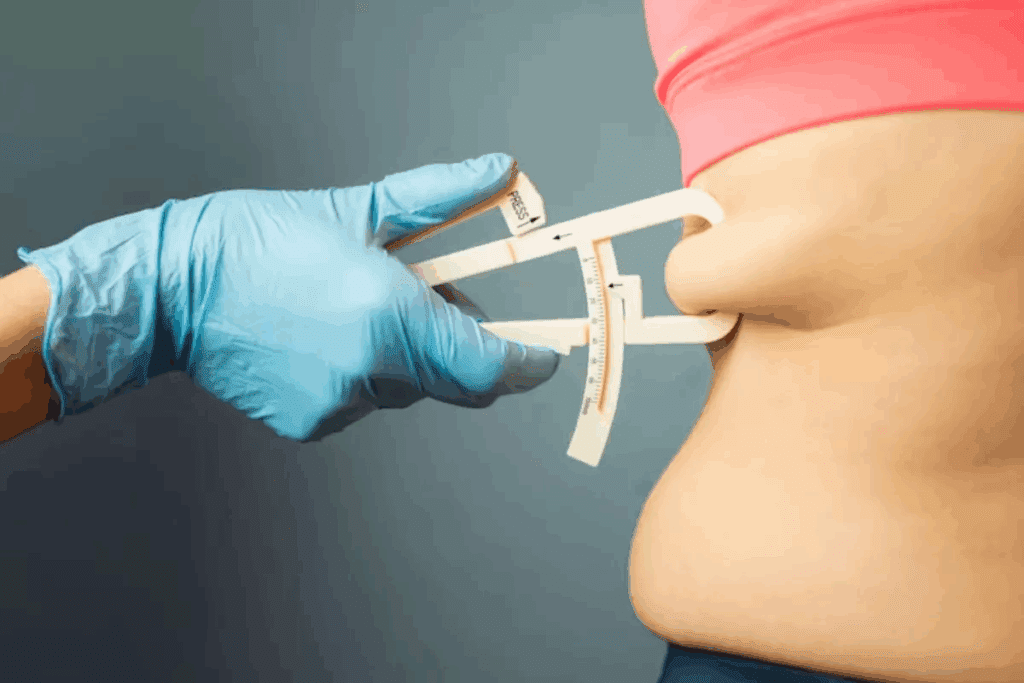
Gastric bypass surgery, like Roux-en-Y (RNY), changes lives for many fighting obesity. But, many worry about gaining weight back after surgery. Studies show about 50% of people gain weight again within two years weight gain following gastric bypass.
At Liv Hospital, we see weight gain as a common issue, not a personal failure. It has known causes and solutions. Our care focuses on each person, blending the best practices with kindness.
Key Takeaways
- Gastric bypass surgery is an effective weight loss solution, but weight regain is a common issue.
- Approximately 50% of patients experience weight regain within two years after surgery.
- Weight regain is a recognized medical phenomenon with established causes and solutions.
- A patient-centered approach is key in dealing with weight regain.
- Liv Hospital combines international best practices with compassionate care.
Understanding Weight Gain After RNY: Statistics and Timeframes

Many patients see weight regain after RNY surgery. It’s important to know the stats and timeframes. Weight regain after Roux-en-Y gastric bypass is a big worry. Studies show many patients gain weight back a few years after surgery.
The 2-Year Mark: When Weight Regain Often Begins
Studies say weight regain often starts around the 2-year mark. This time is key. Patients might start eating like before surgery or face metabolic changes that make losing weight harder.
Key factors contributing to weight regain at this stage include:
- Dilation of the gastric pouch
- Changes in eating behavior
- Reduced physical activity
Long-term Outcomes: What Happens 5-10 Years Post-Surgery
Research shows patients regain about 30% of lost weight on average after 10 years. Up to 25% of patients regain all lost weight by the 10-year mark. Knowing these long-term outcomes helps manage patient hopes and find ways to prevent weight regain.
| Time Post-Surgery | Average Weight Regain | Percentage of Patients |
|---|---|---|
| 2 Years | 10% | 20% |
| 5 Years | 20% | 40% |
| 10 Years | 30% | 60% |
By looking at these stats and understanding the timeframes, healthcare providers can help patients keep weight off. This improves long-term results after RNY gastric bypass surgery.
Physical Causes of Weight Gain After Gastric Bypass

It’s important to know why weight gain happens after gastric bypass surgery. This surgery helps with weight loss, but changes in the body can lead to weight gain later on.
Gastric Pouch Dilation and Stoma Enlargement
The main reasons for weight gain are the expansion of the gastric pouch and the stoma. The gastric pouch is the small stomach part made during surgery. The stoma connects this pouch to the rest of the intestine.
- Gastric pouch dilation: Over time, the pouch can stretch. This lets in more food, which can lead to eating more calories.
- Stoma enlargement: The stoma can also grow. This reduces the surgery’s effect, letting food move faster. This can make you hungrier and eat more.
Formation of Gastrogastric Fistulas
Gastrogastric fistulas are another issue that can cause weight gain. These are abnormal connections between the pouch and the excluded stomach.
This problem can lead to weight gain by:
- Letting food bypass the surgery’s restrictions
- Increasing ghrelin, a hunger hormone
Hormonal and Metabolic Adaptations
The body changes in many ways after gastric bypass surgery. These changes include:
- Gut hormones: Hormones like ghrelin, leptin, and incretins change. These affect hunger, fullness, and how the body uses glucose.
- Metabolic rate: Losing a lot of weight can lower your resting metabolic rate. This makes it harder to keep weight off.
Knowing about these physical reasons for weight gain after gastric bypass is key. It helps in finding ways to stop or manage weight gain. By dealing with these body changes, patients can have better chances of keeping weight off for good.
Behavioral Factors Contributing to Post-Bypass Weight Regain
Behavioral changes after gastric bypass surgery are key to keeping weight off. The surgery itself helps with weight loss, but lifestyle changes are just as important. Knowing what leads to weight gain can help patients and doctors keep weight off.
Return to Pre-Surgery Eating Patterns
Going back to old eating habits is a big reason for weight gain. Some patients think they can eat like before surgery, not knowing it led to weight gain. It’s important to remember that gastric bypass surgery is a tool, not a quick fix. It needs long-term commitment to healthy eating. Eating big portions or high-calorie foods can undo the surgery’s benefits.
Grazing and Continuous Snacking
Grazing and snacking all day can also cause weight gain. Grazing means eating small amounts without thinking about calories. This can lead to eating too many calories. Patients should stick to a structured eating plan with balanced meals and healthy snacks to avoid grazing.
Liquid Calorie Consumption
Drinking too many calories is another factor in weight gain. Drinks like soda, juice, and milkshakes add a lot of calories without making you feel full. Patients should watch the calories in drinks and choose low-calorie options. Reading labels and controlling portion sizes are key to managing liquid calorie intake.
By understanding and tackling these behavioral factors, patients can keep their weight off and succeed long-term after gastric bypass surgery.
Psychological Aspects of Weight Gain After RNY
Psychological factors are key in weight regain after RNY gastric bypass surgery. The surgery is a big step towards weight loss. But, the mental journey is just as important for lasting success. We will look at the psychological factors that lead to weight regain. This will help patients and healthcare providers find ways to tackle these challenges.
Food Addiction and Emotional Eating
Food addiction and emotional eating are big psychological factors in weight regain after RNY gastric bypass. Emotional eating means eating when not hungry due to emotions. It’s hard to overcome without the right mental support.
Research shows that those with food addiction are more likely to regain weight. Mindful eating techniques and counseling can help manage these issues. They help develop a healthier relationship with food.
Depression and Anxiety Following Surgery
Depression and anxiety are common after RNY gastric bypass surgery. These can affect eating habits and weight loss. It’s vital for patients to get mental health support after surgery.
Studies show that those with depression or anxiety post-surgery are more likely to eat unhealthily. Early treatment of these conditions is key to keeping weight off.
Body Image and Identity Challenges
Body image and identity challenges can affect patients after RNY gastric bypass. Significant weight loss changes body image, needing mental adjustment. Some struggle with excess skin or adjusting to their new shape, affecting mental health.
Support groups and counseling are very helpful. Patients can share their experiences and learn from others facing similar issues.
| Psychological Aspect | Description | Potential Solutions |
|---|---|---|
| Food Addiction | Consuming food compulsively, even when not hungry | Mindful eating, counseling |
| Emotional Eating | Eating in response to emotional states | Cognitive-behavioral therapy, support groups |
| Depression and Anxiety | Mental health conditions impacting eating habits | Psychological support, medication |
| Body Image Challenges | Adjusting to changes in body shape and appearance | Support groups, counseling, body-positive practices |
Nutritional Strategies to Prevent Weight Regain
Good nutrition is key to keeping weight off after gastric bypass surgery. Eating the right foods and habits can lower the chance of gaining weight back.
Protein-First Approach for Satiety
Starting with protein is important for feeling full and staying healthy after surgery. Foods high in protein help you stay satisfied, so you don’t overeat or snack too much.
- Include lean protein sources like chicken, fish, and eggs in your diet.
- Aim for at least 60-80 grams of protein per day.
- Use protein supplements if necessary to meet your daily protein goals.
Managing Carbohydrate Intake
It’s also important to control carbs to avoid weight gain. Choose complex carbs and fiber-rich foods. They are more filling and good for you.
| Food Type | Examples | Benefits |
|---|---|---|
| Complex Carbohydrates | Whole grains, brown rice, quinoa | Rich in fiber, vitamins, and minerals |
| Fiber-Rich Foods | Fruits, vegetables, legumes | High in fiber, antioxidants, and phytonutrients |
Mindful Eating Techniques
Using mindful eating helps you eat better and avoid weight gain. It means listening to your body’s hunger and fullness, eating slowly, and enjoying your food.
- Eat slowly and without distractions.
- Pay attention to your hunger and fullness signals.
- Avoid eating in front of screens or while doing other activities.
By following these tips, you can keep the weight off for good after gastric bypass surgery. Losing weight is a long journey that needs dedication, patience, and the right advice.
Exercise Protocols for Long-term Success
To keep weight off and stay healthy after gastric bypass surgery, it’s key to exercise regularly. Exercise boosts your health by improving your heart, muscles, and mind. It also helps manage weight.
Strength Training to Preserve Muscle Mass
Strength training is vital after gastric bypass surgery. It keeps your muscles strong, which is important for your metabolism and health. We suggest doing strength training two times a week, focusing on big muscle groups.
Key strength training tips include:
- Start with light weights and increase them as you get stronger.
- Do compound exercises like squats and lunges that work many muscles at once.
- Try to do 2-3 sets of 8-12 reps for each exercise.
Cardiovascular Exercise Guidelines
Cardio is also key for burning calories and heart health. Aim for 150 minutes of moderate or 75 minutes of vigorous cardio a week.
Examples of cardiovascular exercises include:
- Brisk walking
- Swimming
- Cycling
- Running or jogging
Activity Tracking and Goal Setting
Tracking your activity and setting goals are important for staying motivated. Use a fitness tracker or app to track your daily activity and set reachable goals.
Effective goal setting involves:
- Set clear, measurable goals (like exercising for 30 minutes, 3 times a week).
- Slowly increase the intensity and time of your workouts.
- Celebrate your wins to keep you going.
By following these exercise tips, you can greatly improve your health and keep weight off long-term after gastric bypass surgery.
Medical Interventions for Post-Surgical Weight Gain
For some, weight gain after RNY gastric bypass surgery is more than just diet and exercise. Medical help is needed to achieve and keep up with weight loss.
Revision Surgery Options
Revision surgery is an option for those who regain weight after gastric bypass. It changes the original surgery to make it work better. Revision surgery can be tailored to address specific issues, like a big gastric pouch or stoma.
Revision surgery is considered when other weight loss methods fail. Patients should talk to their bariatric surgeon to see if it’s right for them.
Endoscopic Procedures
Endoscopic procedures are a less invasive way to manage weight regain. They use an endoscope to see the stomach and make changes. Sclerotherapy is one method, where a solution is injected to shrink the pouch or stoma.
Other options include suturing or clipping to change the stomach’s shape. These procedures are done on an outpatient basis and have a quick recovery time.
Medication Approaches
Medication can also help with weight regain after gastric bypass. Some drugs reduce hunger and make you feel full. It’s important to work with a healthcare provider to find the right medication and dosage.
Medications can be used with diet and exercise to work better. Regular check-ups with a healthcare provider are needed to adjust the treatment plan.
Building Your Support System
Creating a strong support system is key to lasting success after gastric bypass surgery. A good support network helps patients deal with life after surgery. It ensures they keep losing weight and stay healthy.
Working With Your Bariatric Healthcare Team
Your bariatric healthcare team is very important. It includes surgeons, nutritionists, and psychologists. They help you stay on track with your health and weight loss.
Working with your team offers many benefits:
- Personal advice on diet and exercise
- Checking for any health problems
- Help with mental health
- Guidance on keeping weight off
Support Groups and Peer Connections
Support groups are great for sharing experiences. You can find them in-person or online. They’re perfect for those with busy lives or mobility issues.
Support groups offer many advantages:
- Emotional support from others who understand
- Useful tips for managing life after surgery
- Motivation and accountability
- A feeling of belonging
Family Involvement in Long-term Success
Getting your family involved can really help. They can offer emotional support and help with meals. They can also encourage you to follow the post-surgery guidelines.
Here’s how to get your family involved:
- Teach them about your surgery and recovery
- Encourage them to join support groups
- Help with meal planning and cooking
- Share your progress and challenges with them
By having a strong support system, including a healthcare team, support groups, and family, you can achieve lasting success after gastric bypass surgery.
Success Stories: Maintaining Weight Loss Beyond 10 Years
Maintaining weight loss for over 10 years after surgery shows the dedication of gastric bypass patients. They have lost a lot of weight and kept it off, facing many challenges along the way.
Common Traits of Long-term Success
Studies show that certain traits help gastric bypass patients keep the weight off long term. These include:
- Consistent Dietary Habits: Eating a balanced diet rich in protein and low in carbs.
- Regular Exercise: Doing regular workouts, like cardio and strength training.
- Ongoing Support: Being part of support groups or having a supportive family and friends.
- Regular Follow-Up: Keeping up with health check-ups with their doctors.
One successful patient shared,
“The key to my long-term success was making sustainable lifestyle changes, not just following a diet or workout plan.”
How Successful Patients Overcame Challenges
Those who keep the weight off face and beat many challenges. These can include:
| Challenge | Strategy for Overcoming |
|---|---|
| Emotional Eating | Using mindfulness and getting help from therapists or support groups. |
| Plateaus | Changing diet and exercise, and getting advice from doctors. |
| Lifestyle Changes | Slowly adding new habits to daily life. |
Lessons Learned from Weight Regain and Recovery
Weight regain can be tough, but it’s a chance to learn and improve. Key lessons are:
- Spotting early signs of weight gain and acting fast.
- Reviewing and updating diet and exercise plans.
- Getting more support, like counseling, or changing treatment plans with doctors.
Looking at these success stories, we see that keeping weight off after gastric bypass surgery is complex. It takes ongoing effort, support, and sometimes, making changes.
Conclusion: Creating Your Personalized Maintenance Plan
Creating a personalized maintenance plan is key for lasting success after gastric bypass surgery. It’s important to keep up with follow-up care and make lifestyle changes. This helps keep weight off.
By making nutritional changes, exercising regularly, and getting support, patients can keep losing weight. This approach leads to lasting weight loss.
A good maintenance plan meets each patient’s unique needs. Work with your bariatric healthcare team to create a plan. It should include a protein-first diet, mindful eating, and exercise.
This plan helps patients keep their weight off and improves their health. By being proactive and informed, patients can enjoy lasting success and better health.
We are dedicated to helping patients on their journey. We provide the tools and guidance needed for a healthier, more fulfilling life.
FAQ
What are the common reasons for weight gain after gastric bypass surgery?
Weight gain after gastric bypass surgery can happen for many reasons. These include the pouch in your stomach getting bigger, the stoma getting wider, and the formation of fistulas. Hormonal and metabolic changes also play a role. Returning to old eating habits, grazing, and drinking too many calories can also cause weight gain.
How common is weight regain after Roux-en-Y gastric bypass surgery?
Many people experience weight regain after Roux-en-Y gastric bypass surgery. This is a big concern, as a lot of patients gain weight back within a few years.
What is the typical timeframe for weight regain after gastric bypass surgery?
Weight regain can start as early as 2 years after surgery. Some people may gain weight back 5-10 years later.
How can I prevent weight regain after gastric bypass surgery?
To avoid weight regain, you need to eat right, exercise regularly, and get support. Start with protein, control carbs, and eat mindfully. Also, do strength training and cardio often.
What role do psychological factors play in weight regain after gastric bypass surgery?
Psychological issues like food addiction, emotional eating, and body image problems can lead to weight regain. Depression and anxiety also play a role.
Can medical interventions help address weight regain after gastric bypass surgery?
Yes, medical help like revision surgery, endoscopic procedures, and medications can help with weight regain.
How important is building a support system for long-term success after gastric bypass surgery?
Having a support system is key for long-term success. Work with your healthcare team, join support groups, and get your family involved.
What percentage of patients regain weight after gastric sleeve surgery?
Many patients gain weight back after gastric sleeve surgery. The exact percentage varies based on individual factors.
Can I gain weight after gastric bypass surgery if I’m not following a healthy diet?
Yes, eating too many calories, grazing, and going back to old eating habits can lead to weight gain.
How can I create a personalized maintenance plan to maintain my weight loss after gastric bypass surgery?
To keep your weight loss, make a plan that includes healthy eating, exercise, and support. Work with your healthcare team to create a plan that fits your needs.
References
National Center for Biotechnology Information. Evidence-Based Medical Guidance. Retrieved from https://pmc.ncbi.nlm.nih.gov/articles/PMC9906605/